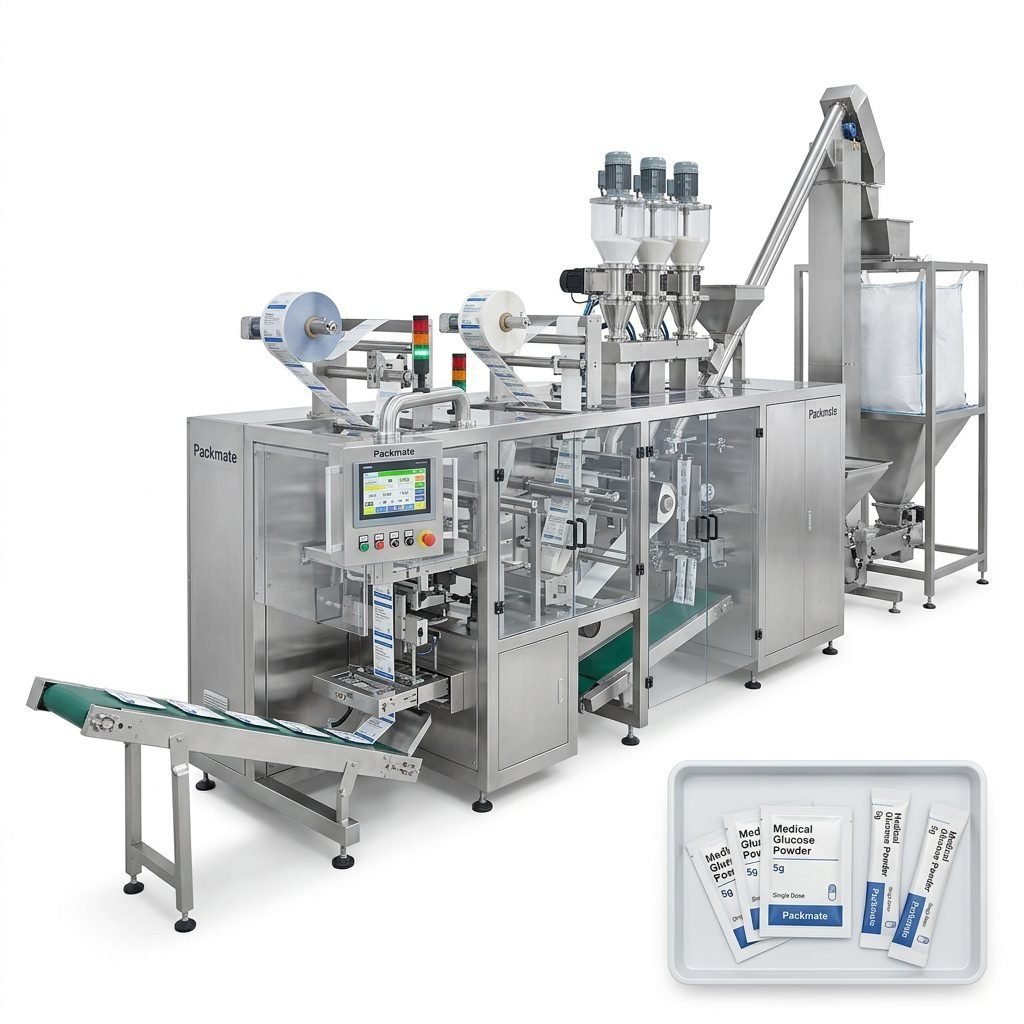
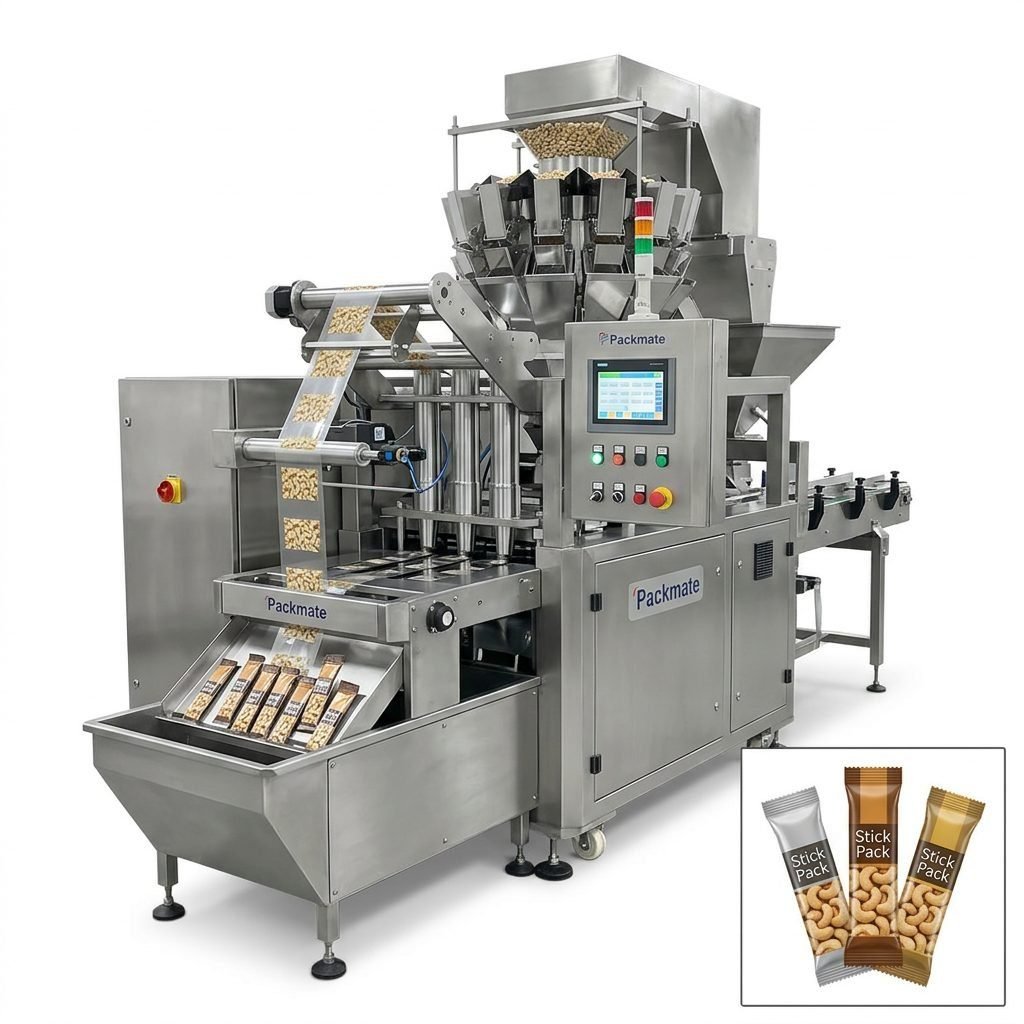
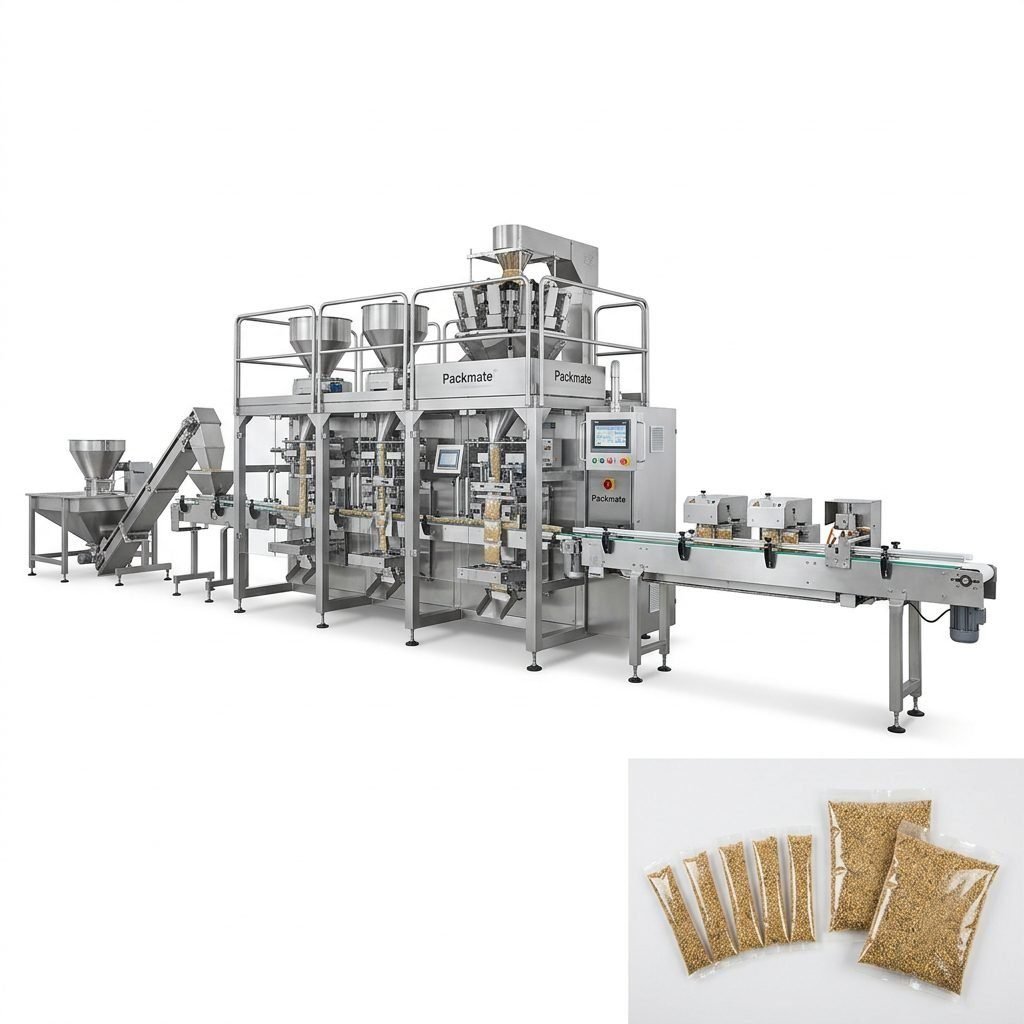
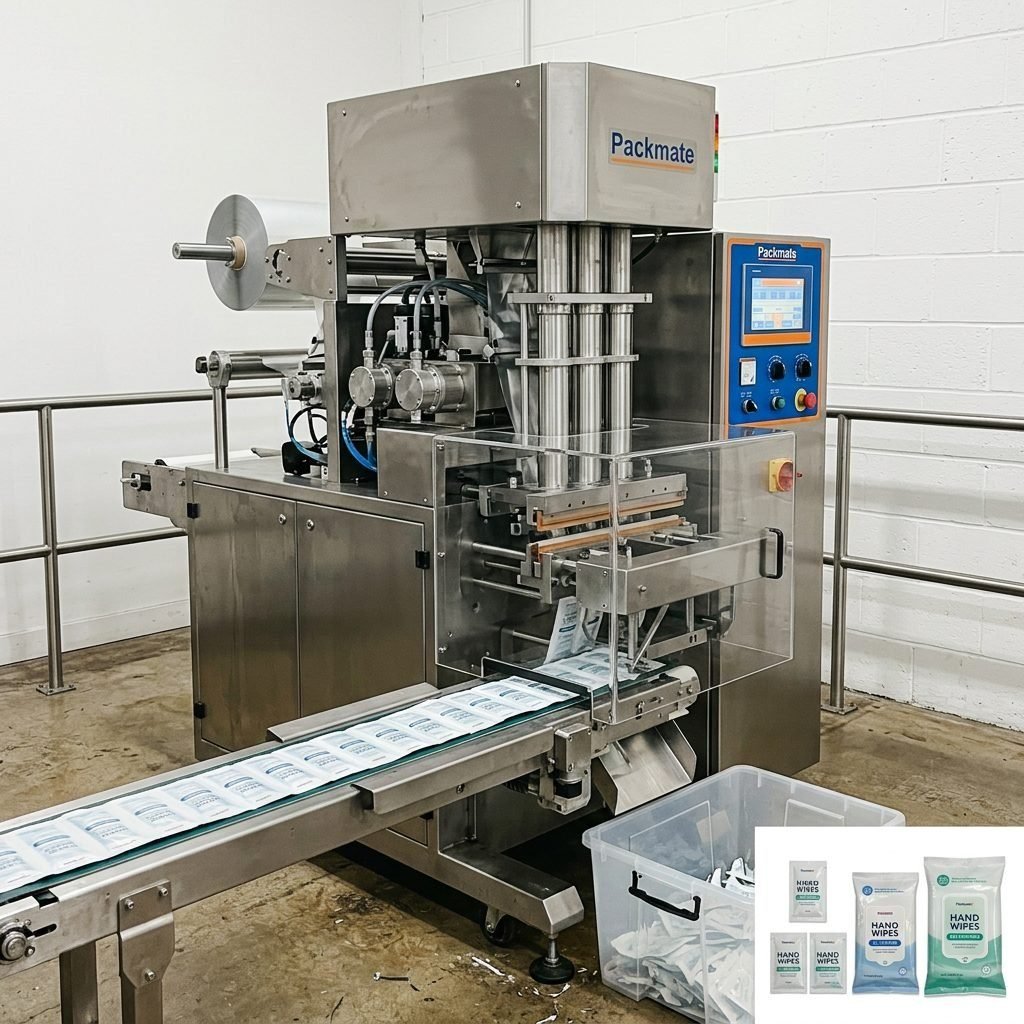
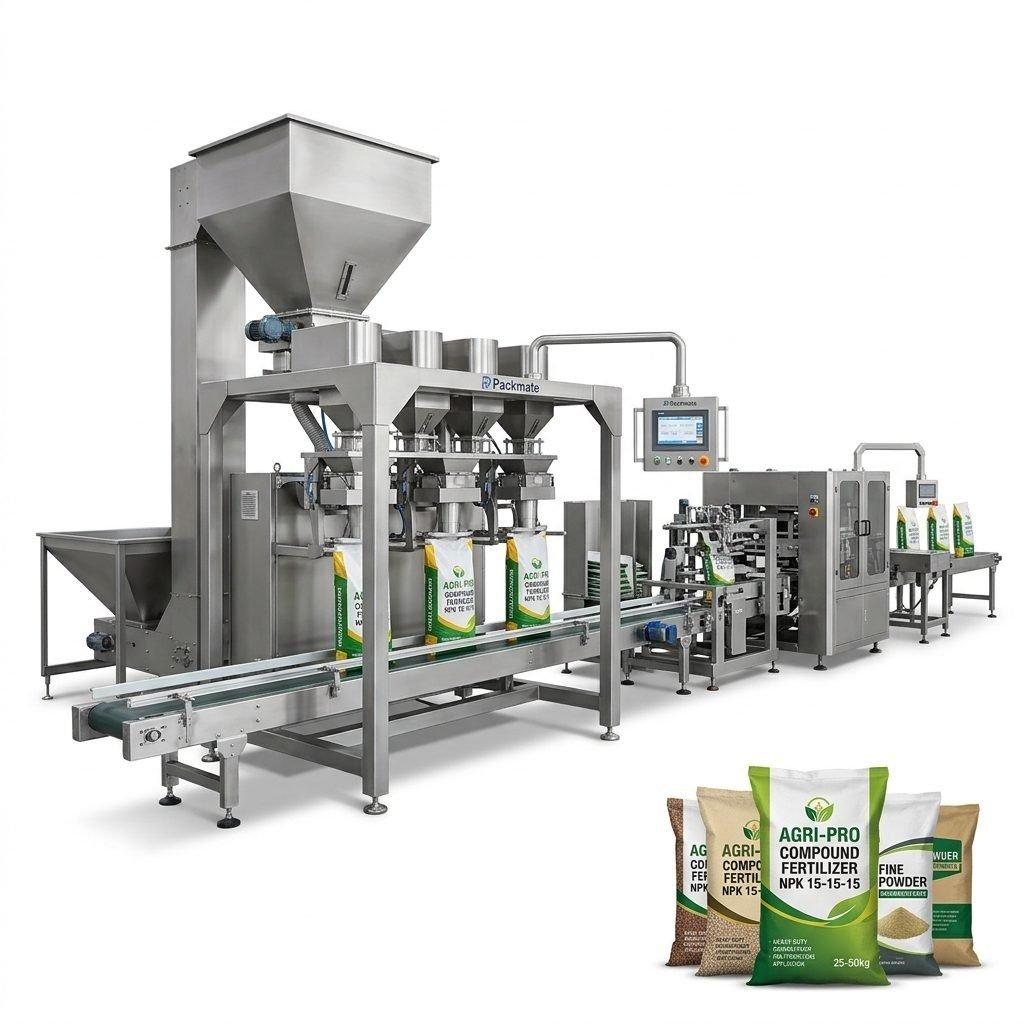
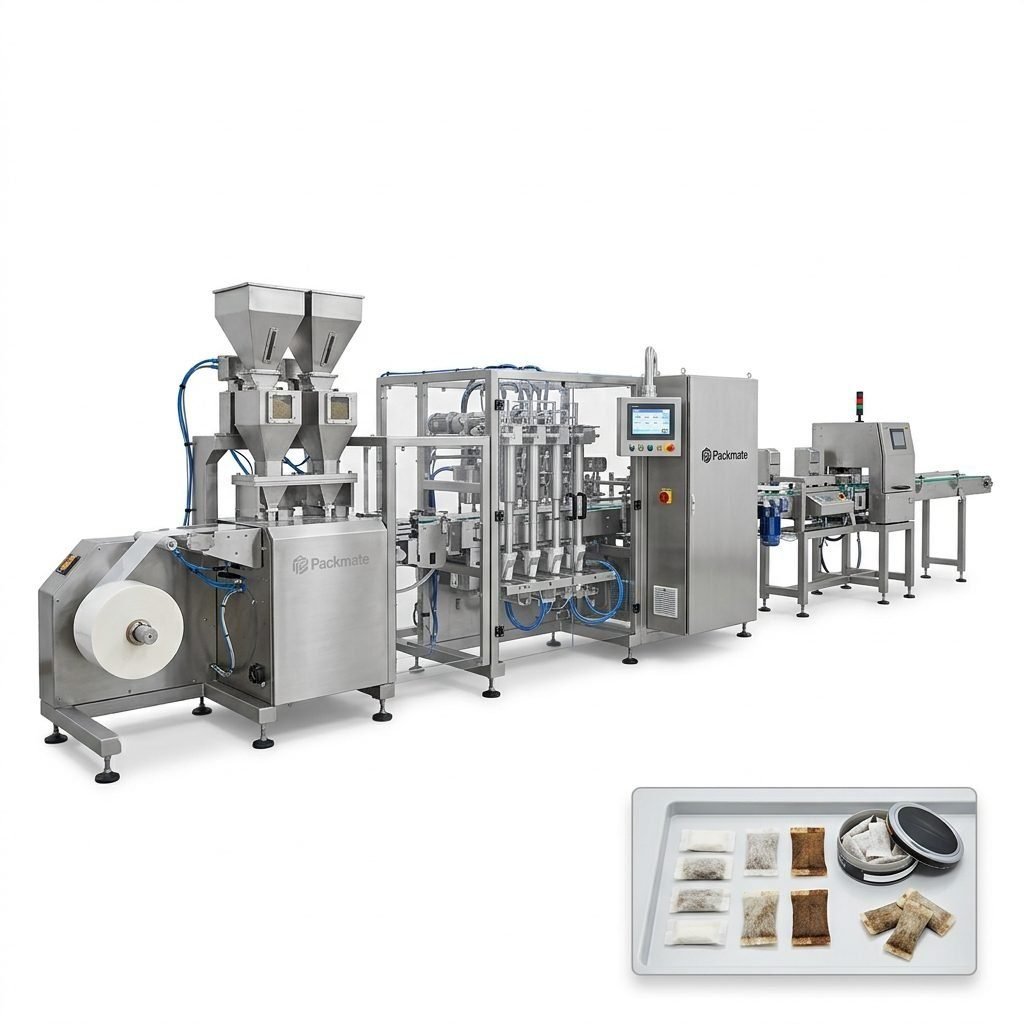
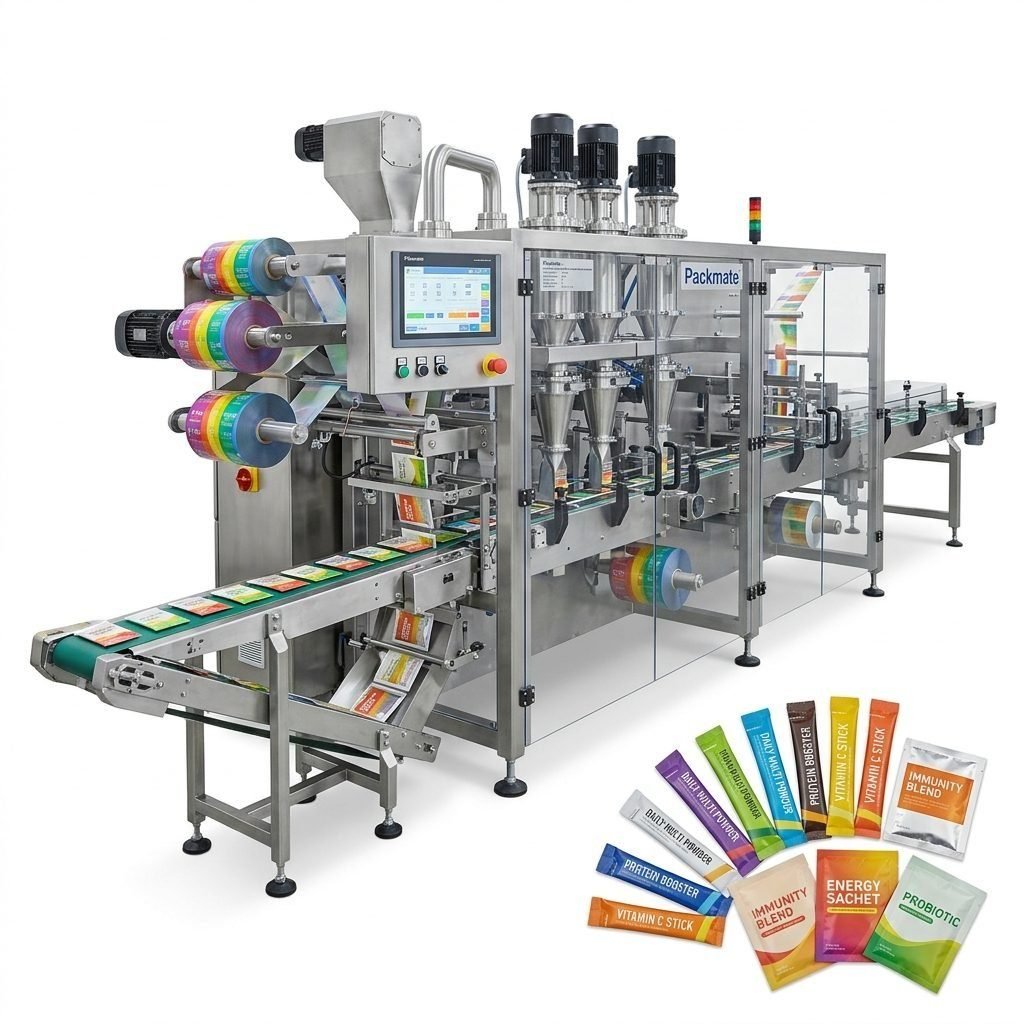
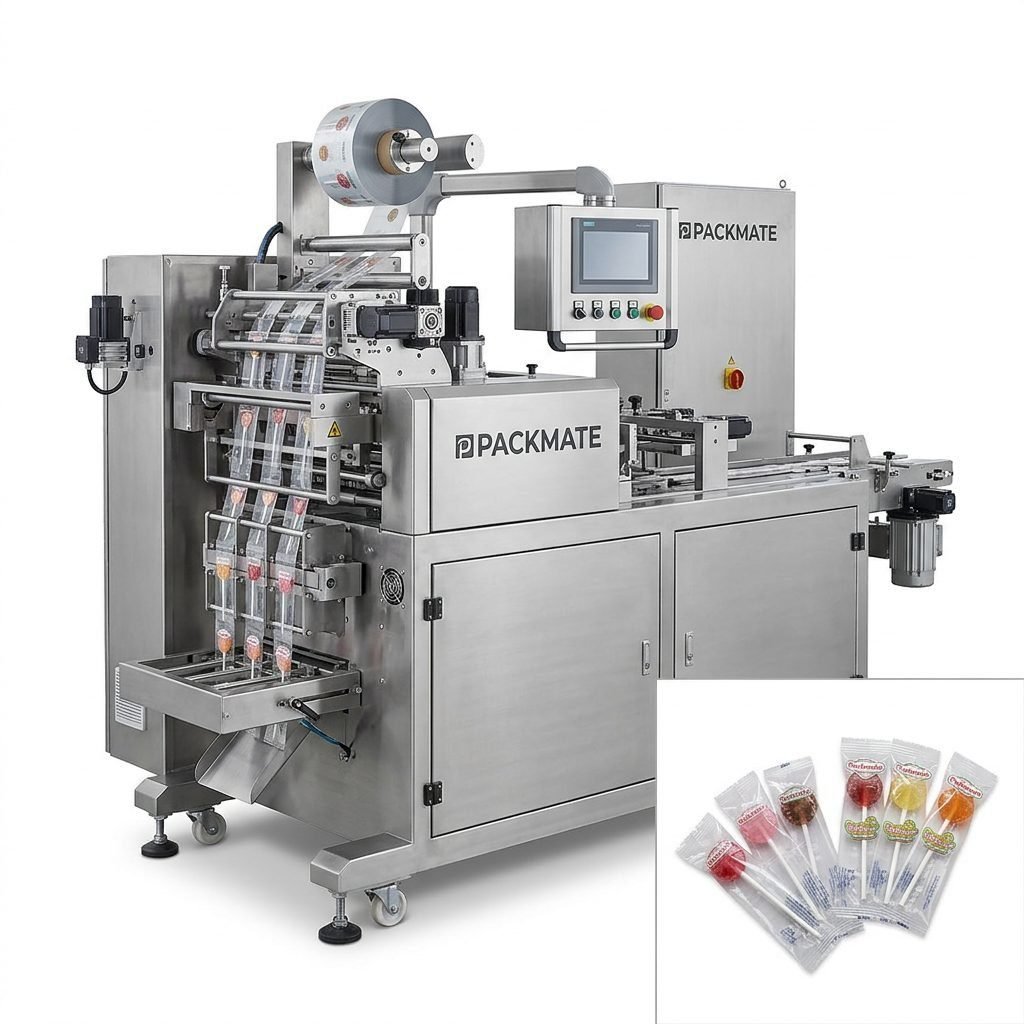
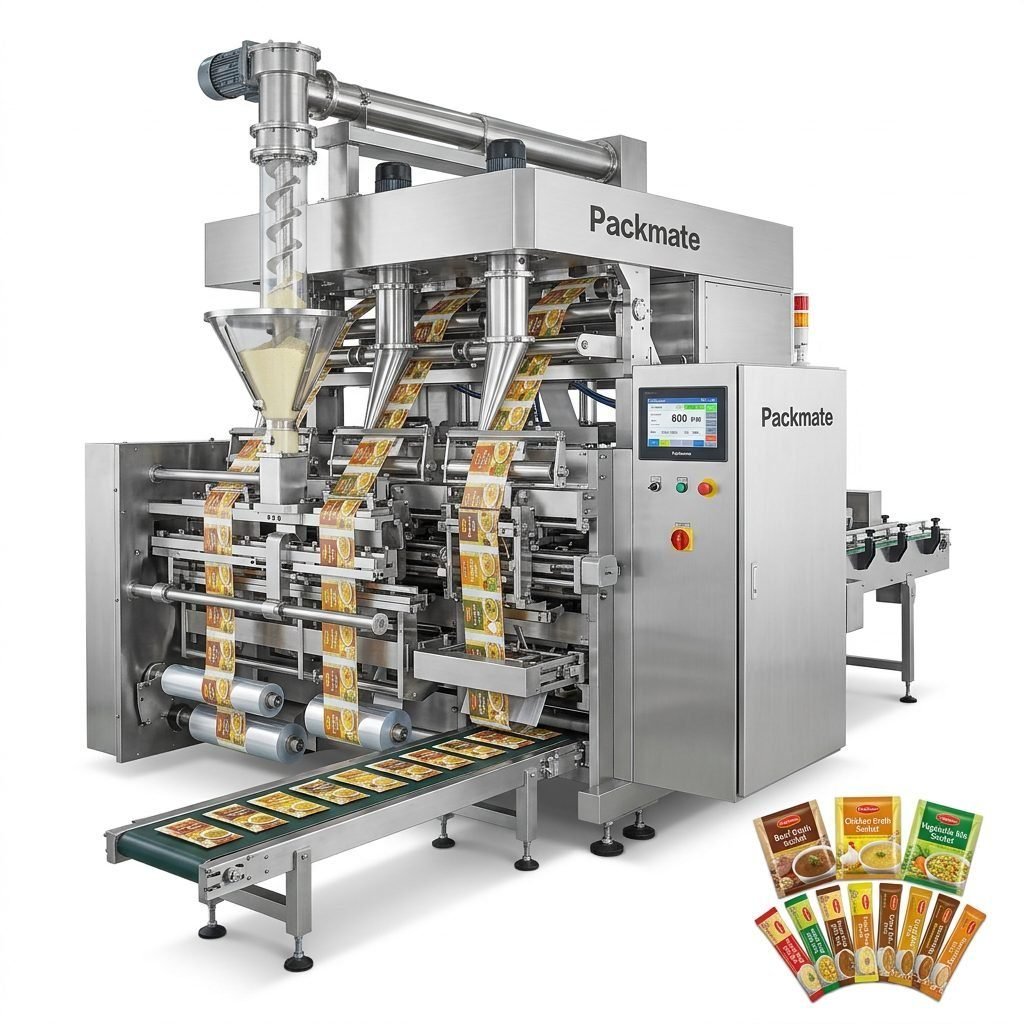
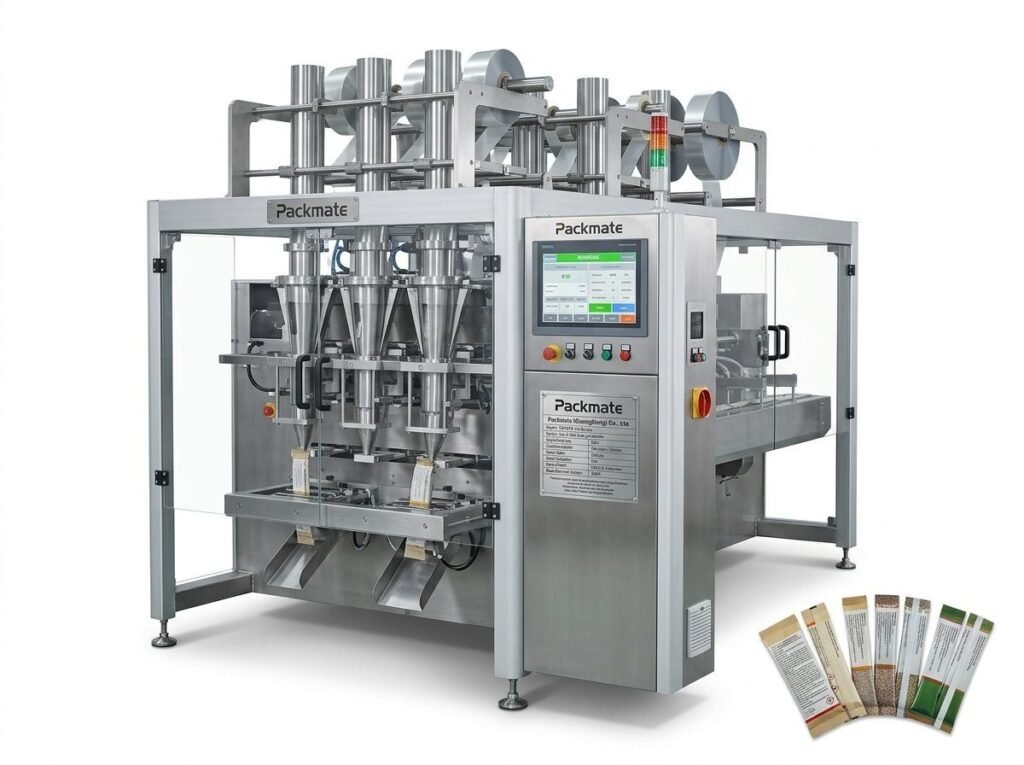
In today’s fast-paced manufacturing environment, achieving peak efficiency is not just a goal—it’s a necessity for survival and growth. For businesses handling granules, powders, and liquids, the packaging process is often a critical bottleneck. Manual or semi-automated methods are prone to inconsistencies, slower speeds, and higher labor costs, directly impacting your bottom line and scalability. This is where investing in the right parts packaging machine solutions becomes a transformative strategy. Modern, intelligent packaging equipment is engineered to streamline operations, enhance precision, and unlock new levels of productivity through seamless automation.
The Core Advantages of Automated Parts Packaging
Transitioning to an automated packaging line delivers immediate and long-term benefits that address the core challenges of modern production.
Unmatched Speed and Consistent Output
Automated machines operate continuously at predefined speeds, drastically increasing your packages-per-hour rate. Unlike manual labor, they do not fatigue, ensuring a consistent output throughout extended shifts. This reliability is crucial for meeting tight deadlines and large-volume orders.
Precision in Every Package
From exact weight measurement to perfect seal integrity, automation eliminates human error. Advanced weighing and packaging systems ensure each bag, sachet, or stick pack contains the precise amount of product, reducing giveaway and upholding your brand’s reputation for quality.
Furthermore, automation significantly enhances operational safety by minimizing direct human contact with machinery and products, which is especially vital in food and pharmaceutical industries. It also allows for better space utilization, as automated lines often have a smaller footprint per unit of output compared to manual workstations.
Key Features of Top-Tier Packaging Machinery
Not all automation is created equal. Leading manufacturers like Packmate Machinery design their equipment with specific features that define industry excellence.
1. Intelligent Control Systems
The brain of any modern machine is its control system. Look for solutions with user-friendly PLC (Programmable Logic Controller) interfaces and touchscreen HMIs (Human-Machine Interfaces). These systems allow for quick changeovers between different products or package sizes, store numerous recipes, and provide real-time diagnostics and production data.
2. Versatility and Flexibility
A top solution adapts to your evolving needs. The best sachet and stick pack machines can handle a wide range of materials—from metallized laminates to biodegradable films—and various product forms. This flexibility protects your investment against future market shifts.
3. Robust Construction and Reliability
Durability is non-negotiable for 24/7 production environments. Machines built with high-grade stainless steel on critical contact parts, precision-machined components, and renowned brand drives and sensors ensure minimal downtime and a long operational lifespan.
4. Seamless Line Integration
True efficiency comes from a synchronized production line. Leading manufacturers provide complete filling and packaging lines where the primary packaging machine (e.g., a form-fill-seal unit) is perfectly integrated with upstream feeders, downstream cartoners, and labeling systems, creating a single, fluid automation unit.
Selecting the Right Solution for Your Operation
Choosing the ideal parts packaging machine requires a careful analysis of your specific requirements. Here is a focused framework to guide your decision:
Define Your Core Parameters:
- Product Type: Is it a free-flowing granule, a fine powder, a viscous paste, or a liquid? Each requires different feeding and filling technology.
- Desired Package Format: Do you need stand-up pouches, flat sachets, stick packs for on-the-go convenience, or larger bags? Explore options like bag and pouch packaging machines for a comprehensive view.
- Required Speed (Packages/Minute): Calculate your current and projected future output needs.
- Available Factory Space: Measure the footprint for the machine and necessary operator access.
Beyond the machine itself, consider the supplier’s expertise and support. A partner with deep application knowledge, like a company with over 30 years of experience, can provide invaluable insights during the selection process. Review their case studies to see solutions in action for businesses similar to yours. Finally, ensure they offer comprehensive after-sales service, training, and ready access to spare parts to guarantee your line’s long-term performance.
The Future: Smart, Connected Packaging Lines
The next frontier in packaging automation is Industry 4.0 integration. The most advanced solutions now offer capabilities for data collection and analysis, predictive maintenance alerts, and remote monitoring. This connectivity allows managers to oversee efficiency, track output in real-time from anywhere, and schedule maintenance before a breakdown occurs, maximizing overall equipment effectiveness (OEE).
Investing for Sustainable Growth
Implementing a top-tier automated packaging solution is a strategic investment. The initial capital is quickly offset by the substantial reduction in labor costs, material savings from reduced waste, and the increased revenue capacity from higher output. More importantly, it builds a scalable, reliable, and precise production foundation that empowers your business to grow, adapt, and compete with confidence in a global marketplace.
Frequently Asked Questions (FAQs)
1. What is the typical ROI (Return on Investment) period for an automated packaging machine?
The payback period varies based on machine scale, labor costs replaced, and production volume increase. For many small to mid-sized operations, a well-chosen system can show a full return on investment within 12 to 24 months through labor savings, reduced waste, and higher throughput.
2. How difficult is it to operate and maintain these automated machines?
Modern machines are designed for operator-friendly use with intuitive touchscreen controls. Reputable suppliers provide thorough on-site training for your team. Maintenance typically involves routine cleaning and lubrication, with clear manuals and accessible service support to guide any necessary repairs.
3. Can one machine handle multiple different package sizes or products?
Yes, a key feature of advanced machines is their quick-changeover capability. By using interchangeable forming tubes, sealing jaws, and volumetric or auger fillers, and storing settings in the PLC, switching between different products or package sizes can often be accomplished in minutes.
4. How do I ensure the machine will work with my specific product material (e.g., a sticky powder)?
The most reliable method is to conduct a product test run. Leading manufacturers often have testing facilities where you can send your product samples. They will run trials on appropriate equipment to confirm performance, optimal speed, and sealing quality before you commit to a purchase.
5. What kind of after-sales support should I expect?
Comprehensive support is critical. Expect a package that includes installation supervision, operator and maintenance technician training, a warranty period, readily available spare parts, and access to remote or on-site technical assistance. Always clarify the support structure before finalizing your purchase.