The pharmaceutical industry operates under stringent regulations, where packaging is not merely about containment but is integral to product safety, efficacy, and patient trust. Selecting the right pharmaceutical packaging machine is a critical decision that impacts production efficiency, compliance, and ultimately, the success of your product in the market. This comprehensive guide delves into the various types of machines, their specific applications, and essential buying considerations to empower your investment.
Core Types of Pharmaceutical Packaging Machines
The packaging process in pharma is multi-layered, requiring specialized equipment for each stage. Understanding the primary categories is the first step.
Primary Packaging Equipment
This equipment handles the direct contact between the product and its immediate container. Precision and hygiene are paramount here.
Blister Packaging Machines: These are ubiquitous for solid dosage forms like tablets and capsules. They form a cavity (blister) from a thermoformable film, fill it with the product, and seal it with a lidding material (often foil). They offer excellent product visibility, unit-dose integrity, and child-resistant features.
Bottle Filling and Capping Lines: Used for liquids, powders, and capsules. These are often integrated lines that automatically clean bottles, fill them with precise volumetric or weight-based doses, insert cotton or desiccant, and apply and torque caps. High-speed rotary fillers are common for large-volume production.
Tube Filling and Sealing Machines: Ideal for creams, ointments, and gels. They fill pre-formed plastic or laminate tubes and seal them via heat sealing or folding/clinching. Modern machines offer precise filling to minimize waste.
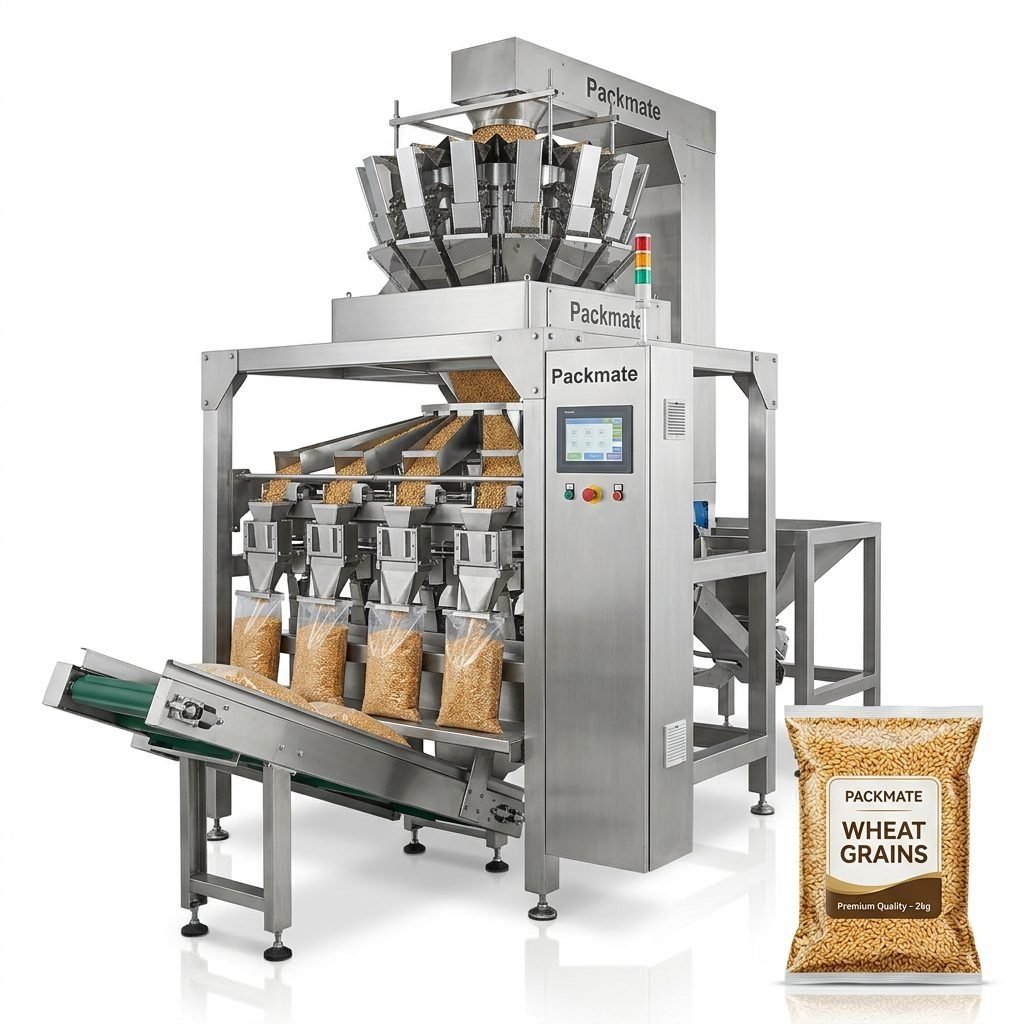
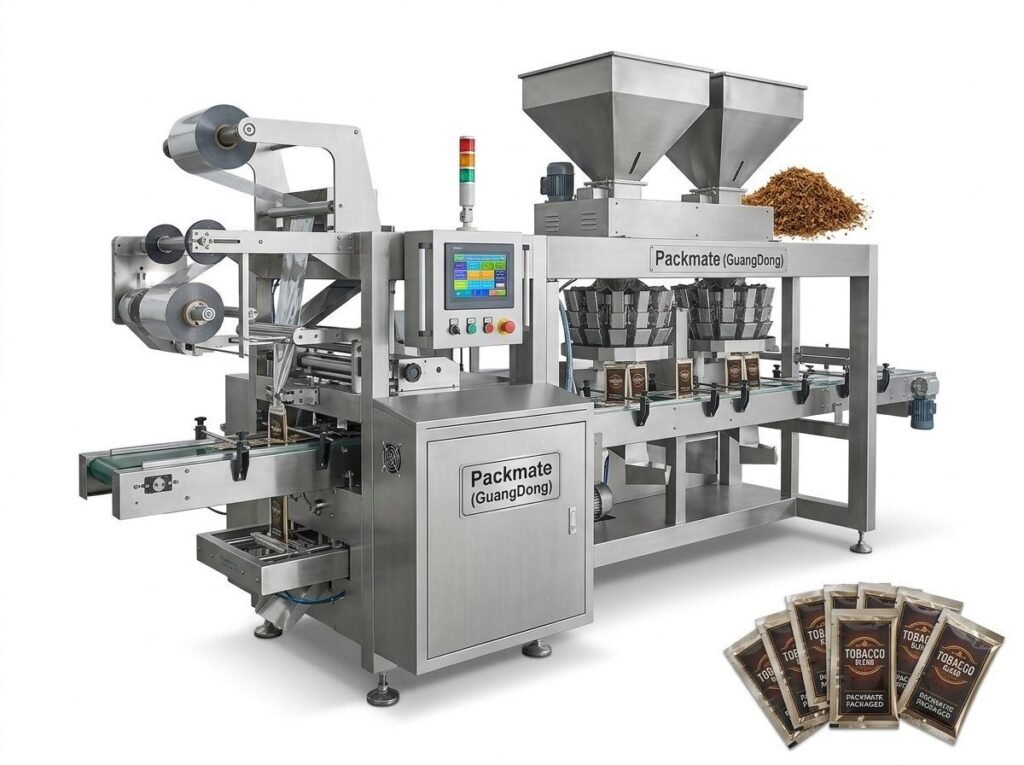
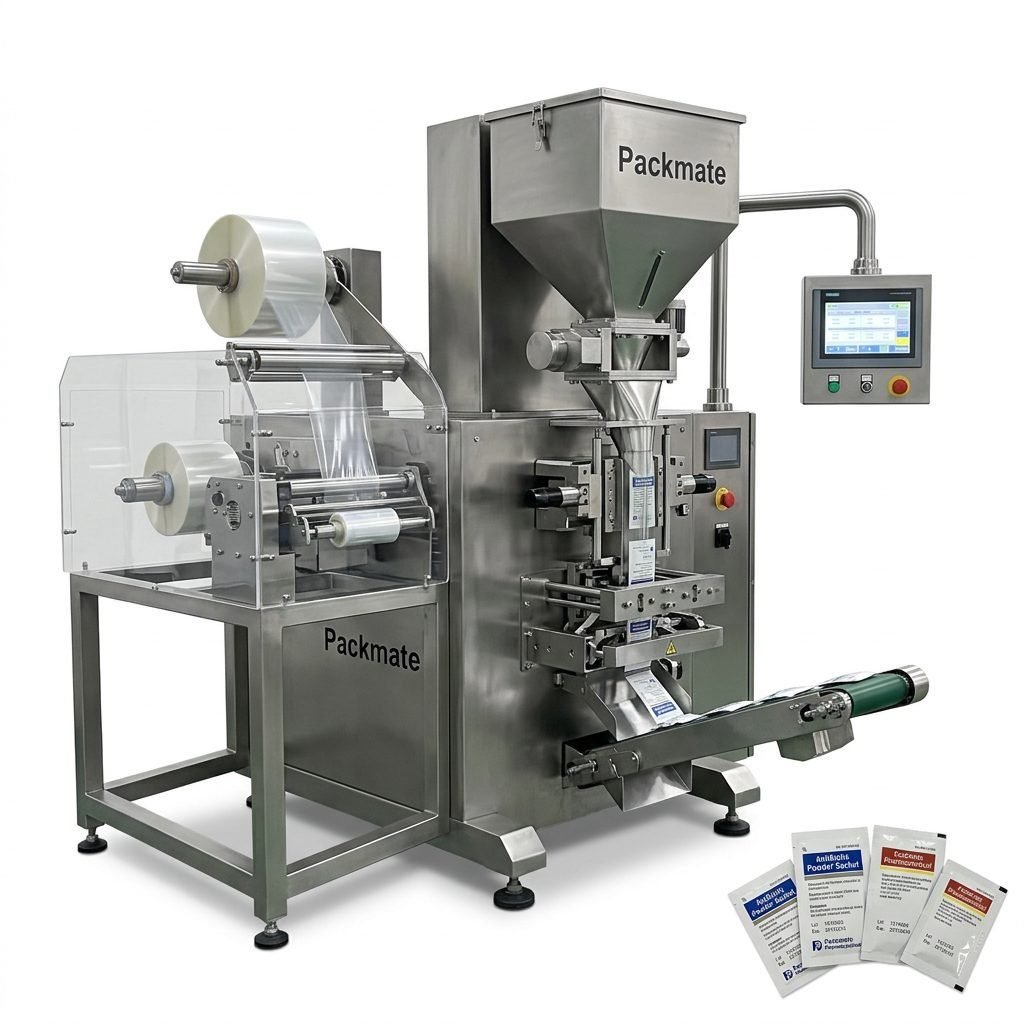
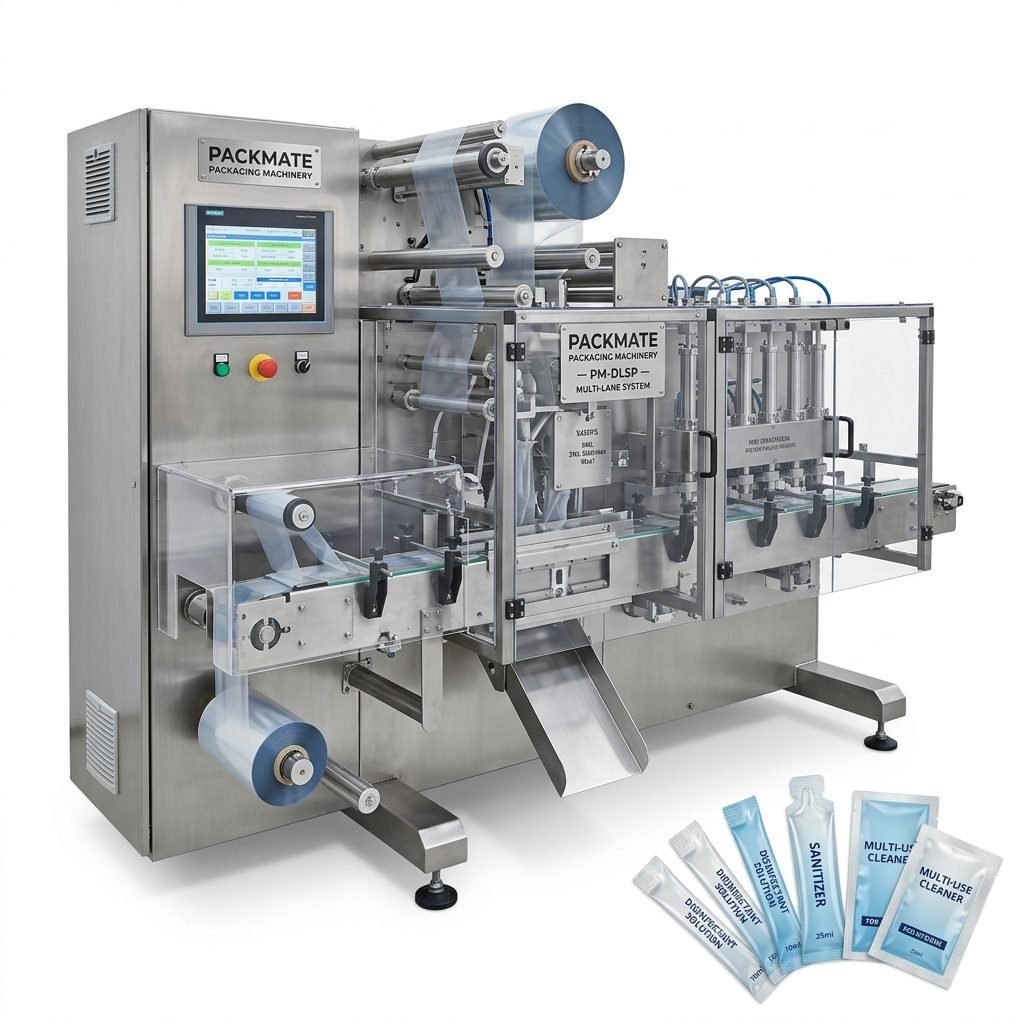
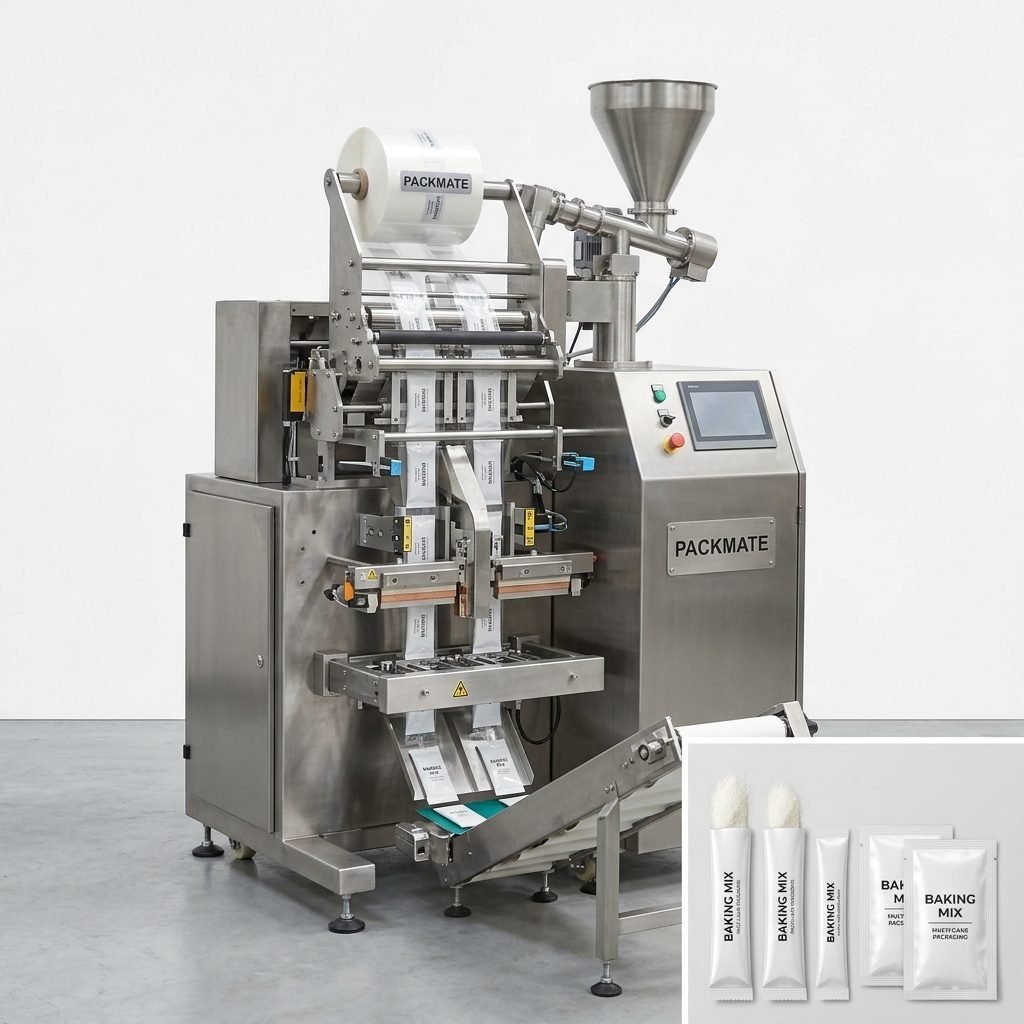
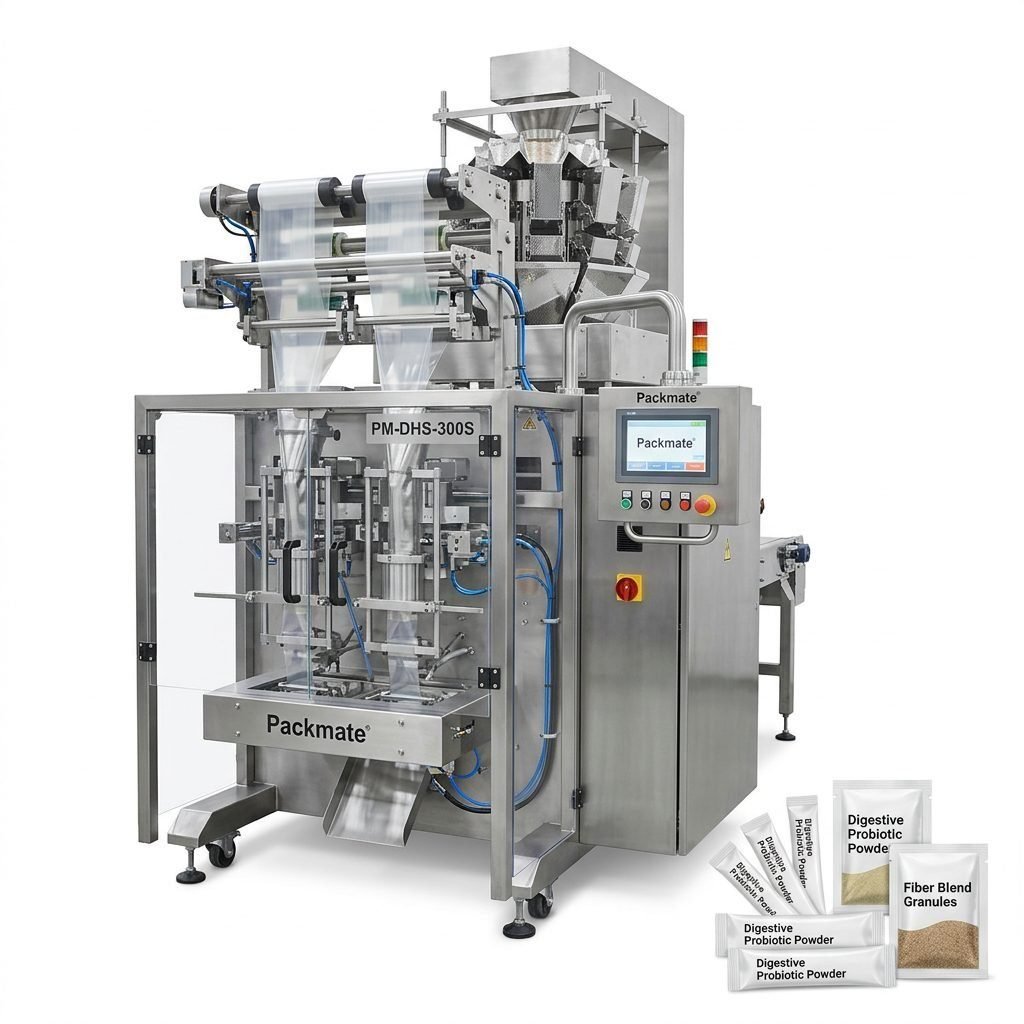
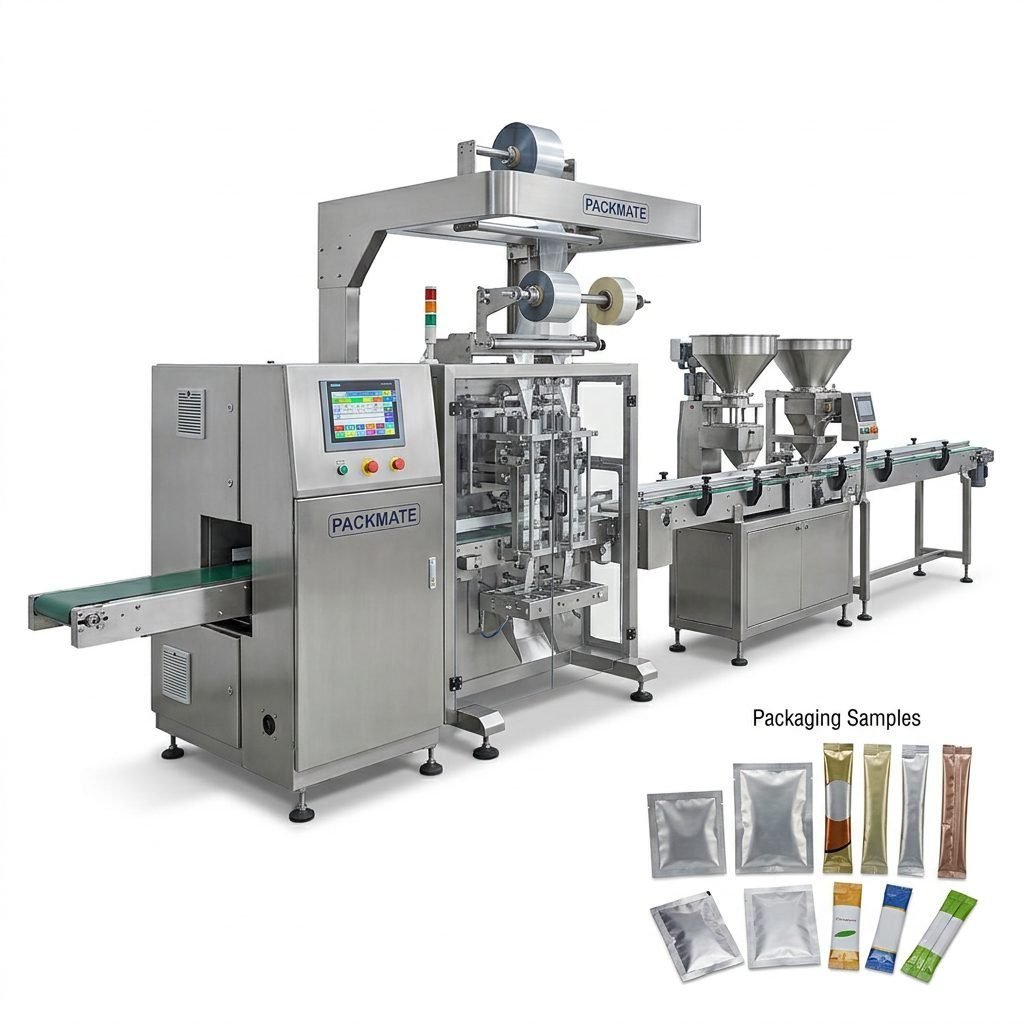
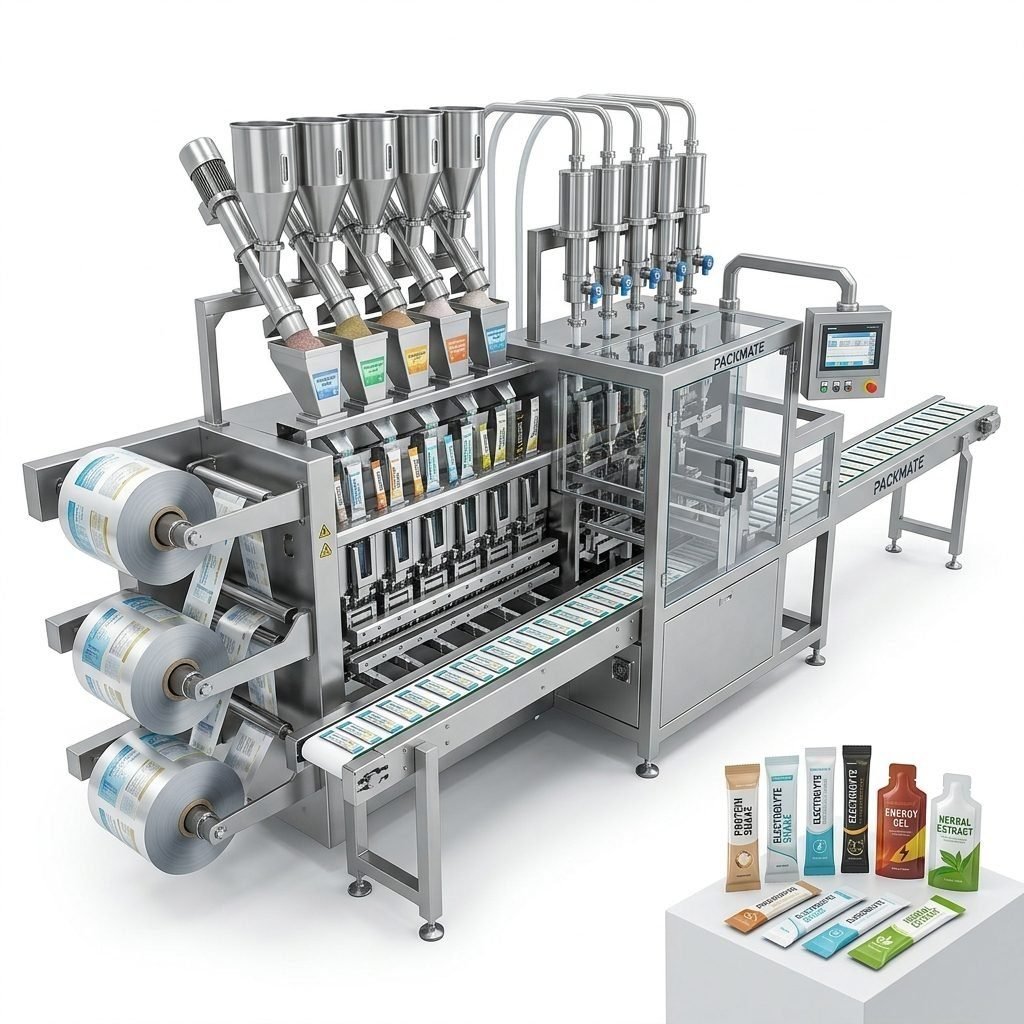
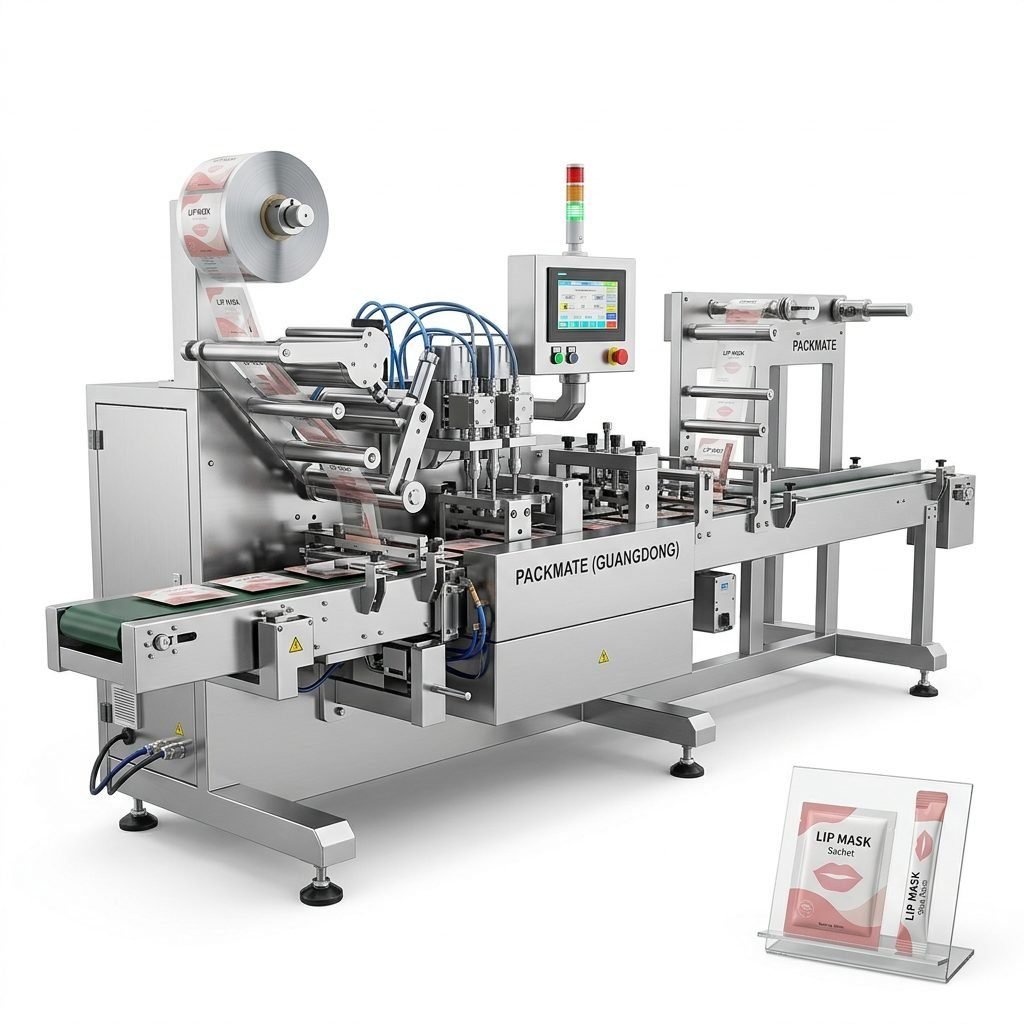
Sachet and Stick Pack Machines: Perfect for single-dose powders, granules, or liquids (e.g., oral rehydration salts, instant drink mixes). They form, fill, and seal pouches from a roll of film at high speeds. For reliable, intelligent sachet packaging solutions, exploring specialized manufacturers like Packmate’s sachet and stick pack machines can be a strategic move for accuracy and efficiency.
Secondary and Tertiary Packaging Equipment
This involves grouping primary packages and preparing them for shipment.
Cartoning Machines: Automatically erect cartons, insert product leaflets, load the primary packages (blisters, bottles), and close the carton. They can include features for lot number and expiry date printing.
Bundling and Case Packing Machines: Group multiple cartons into bundles (shrink wrap or tray) and then pack these bundles into shipping cases or corrugated boxes.
Labeling and Serialization Systems: Apply product labels with critical information. Crucially, they handle serialization and aggregation to comply with track-and-trace regulations (e.g., DSCSA in the USA, FMD in the EU), printing unique identifiers on each saleable unit.
Key Applications and Uses in the Pharma Sector
Beyond basic containment, packaging machines serve vital functions that align with industry needs.
Ensuring Product Integrity and Stability: Machines must create a hermetic or controlled-environment seal to protect against moisture, oxygen, and light, which can degrade sensitive pharmaceuticals.
Dose Accuracy and Patient Safety: Filling equipment must deliver extremely high precision to ensure each unit contains the exact dosage. Features like checkweighers and metal detectors are integrated to guarantee safety.
Compliance with Global Regulations: Equipment must be designed for easy cleaning and validation (following GAMP 5 guidelines) and must support serialization data management to meet FDA, EMA, and other health authority requirements.
Enhancing Patient Adherence: Packaging formats like calendar blisters or unit-dose sachets help patients manage complex medication schedules correctly. Machines that produce these formats add significant value.
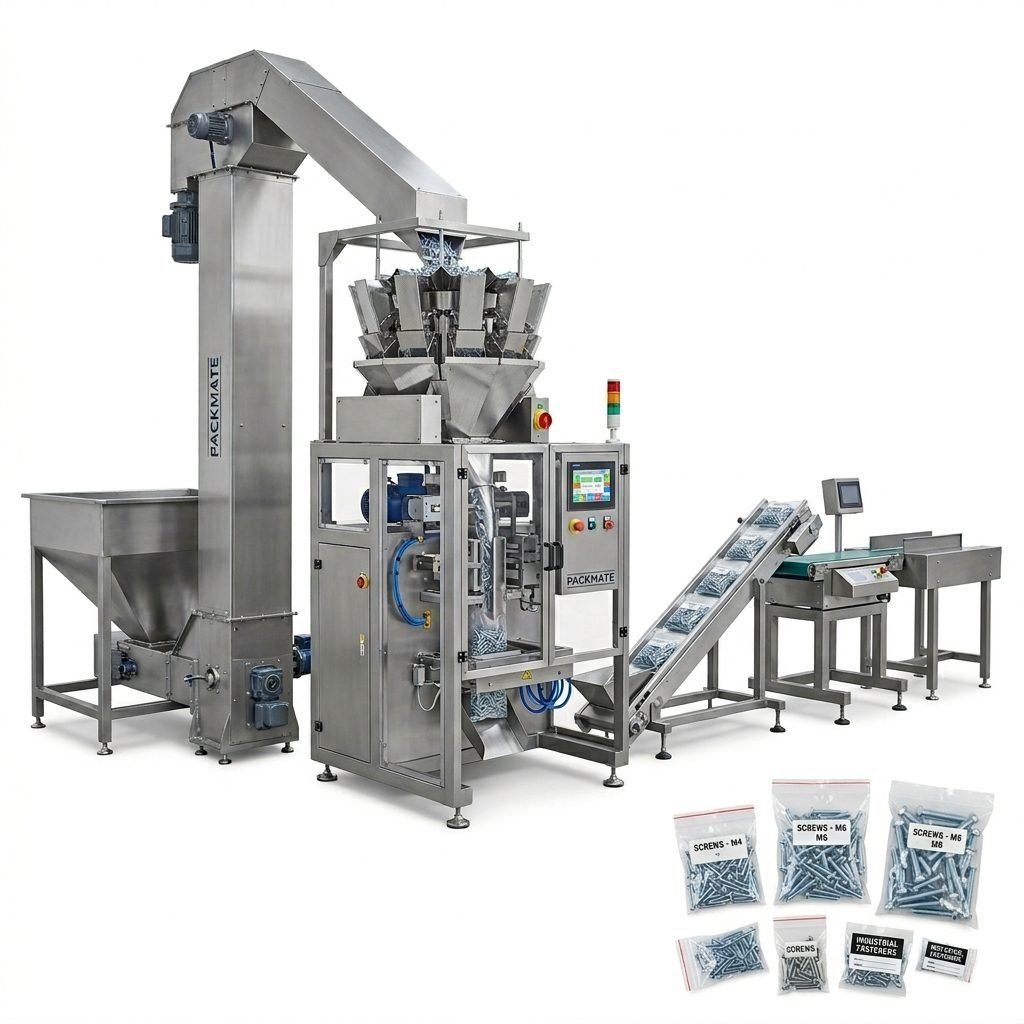
Operational Efficiency and Cost Control: Automated, high-speed lines reduce labor costs, minimize human error, and increase overall output. For comprehensive solutions, a turnkey filling and packaging line from an experienced provider can streamline the entire process from start to finish.
Critical Buying Tips for Your Investment
Choosing a machine is a long-term partnership. Here are the factors that demand your attention.
1. Define Your Product and Process Requirements
Start with absolute clarity. What is the physical form (tablet, liquid, powder)? What are the container materials? What is your required output speed (units per minute)? What level of flexibility do you need for future product changes? Documenting these specs is non-negotiable.
2. Prioritize Compliance and Validation Support
The machine must be built with regulatory compliance in mind. Inquire about the machine’s construction materials (e.g., 316L stainless steel for contact parts), cleanability, and documentation package. Does the supplier provide a Factory Acceptance Test (FAT) and comprehensive documentation (DQ, IQ, OQ, PQ protocols) to aid your validation? This is where partnering with a seasoned manufacturer with a proven track record is invaluable. Companies with deep expertise, like Packmate Machinery, which brings over two decades of development in precision packaging, often have robust systems to support customer validation.
3. Evaluate Technology and Integration Capability
Look for modern controls (PLC with HMI) that offer recipe management and data logging. Assess how well the machine can integrate with upstream (e.g., tablet press) and downstream (e.g., cartoner, serialization) equipment. Consider future-proofing with options for Industry 4.0 connectivity for data analytics and predictive maintenance.
4. Analyze Total Cost of Ownership (TCO)
Look beyond the initial purchase price. Factor in installation costs, energy consumption, spare parts pricing, required maintenance, and potential downtime. A slightly higher initial investment in a more reliable, efficient machine often yields a lower TCO. Request detailed information on recommended spare parts and preventive maintenance schedules.
5. Scrutinize After-Sales Service and Support
The relationship begins after installation. What is the supplier’s reputation for technical support? Do they offer on-site installation, training, and prompt service? What is the availability of spare parts? A reliable service network is your insurance against prolonged production stoppages. Explore the supplier’s dedicated service and support offerings before making a final decision.
6. Request a Live Demonstration or Trial
Whenever possible, witness the machine running with a product similar to yours. A factory visit or a trial at the supplier’s facility can reveal more than any brochure. It allows you to assess build quality, noise levels, ease of operation, and changeover procedures firsthand.
Conclusion
Investing in a pharmaceutical packaging machine is a strategic decision that intertwines with quality, compliance, and profitability. By thoroughly understanding the different machine types, aligning them with your specific product and regulatory needs, and meticulously evaluating suppliers based on technology, support, and total cost, you can secure a solution that not only packages your product but also protects your brand and supports your growth for years to come. The right machine is a cornerstone of a robust, compliant, and efficient pharmaceutical manufacturing operation.
Frequently Asked Questions (FAQs)
What are the most important regulatory standards for pharmaceutical packaging machinery?
Key standards include cGMP (current Good Manufacturing Practice) guidelines from the FDA and other global health authorities. Machinery should also align with international standards like ISO 15378 (specific for primary packaging materials) and be designed for validation following GAMP 5 principles. Electrical safety standards (e.g., CE, UL) are also mandatory.
How often do packaging machines require maintenance and calibration?
Maintenance frequency depends on usage and machine type. A robust preventive maintenance (PM) schedule is essential, typically including daily cleaning and lubrication, weekly inspections, and more thorough quarterly or annual overhauls. Critical components like scales, sensors, and sealing jaws require regular calibration—often daily or per batch—to ensure ongoing accuracy and compliance.
Can one machine handle multiple different product formats or container sizes?
Many modern machines are designed with changeover flexibility in mind. This is achieved through quick-change parts like forming dies, filling nozzles, and container nests. However, the degree of flexibility varies. A “format-flexible” machine will have faster changeovers (30 minutes to an hour) than a dedicated machine but may have a higher initial cost. Your production volume and variety will dictate the best choice.
What is machine serialization, and is it mandatory?
Serialization involves assigning a unique identifier (like a 2D data matrix code) to each saleable unit of prescription medicine. Aggregation links these units to their bundled cases. It is mandatory in many major markets (e.g., EU, USA, China, Turkey) for track-and-trace purposes to combat counterfeit drugs. Packaging lines must integrate serialization printers, verifiers, and aggregation software.
What training is typically provided with a new packaging machine?
A reputable supplier should provide comprehensive training covering machine operation, routine maintenance, troubleshooting, and changeover procedures. This usually occurs during installation and commissioning at your site (Site Acceptance Test). Training is provided for operators, mechanics, and quality personnel. Complete documentation, including user manuals and maintenance guides, should also be supplied.