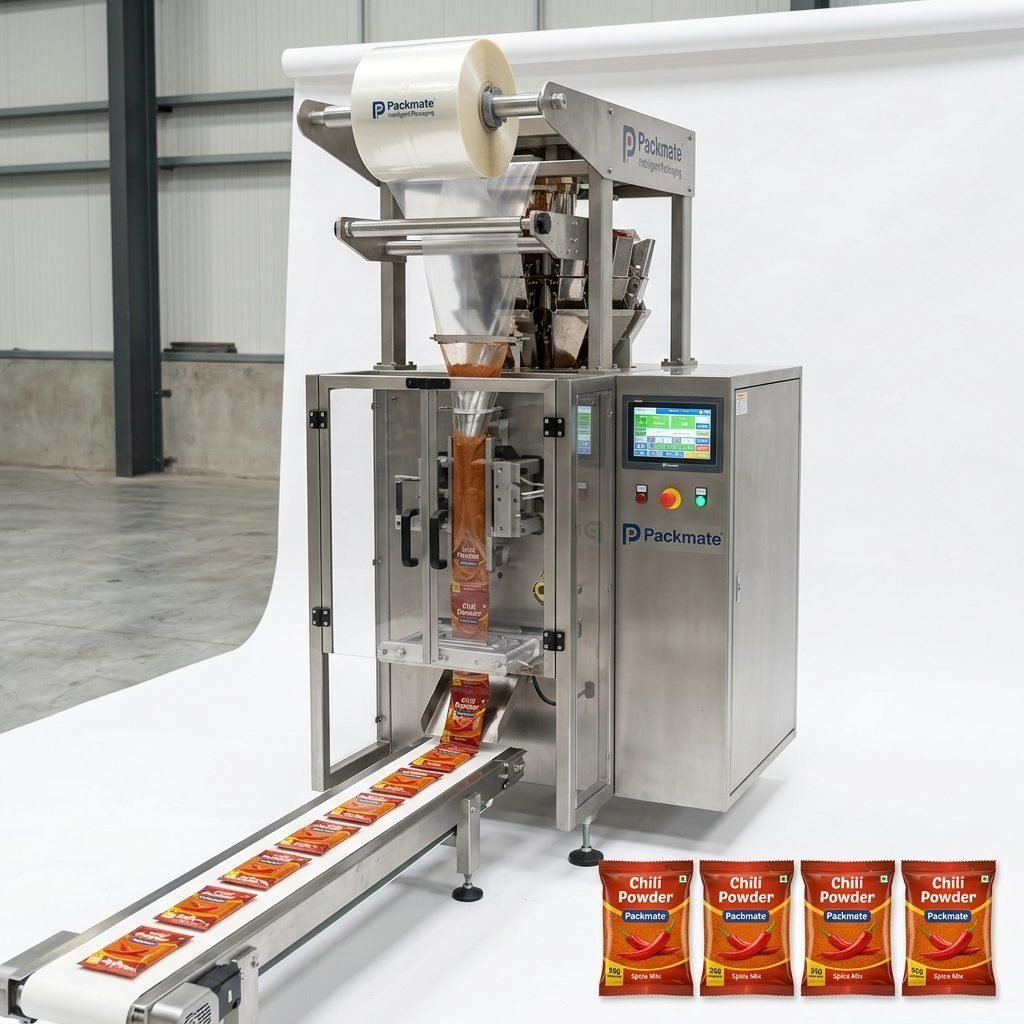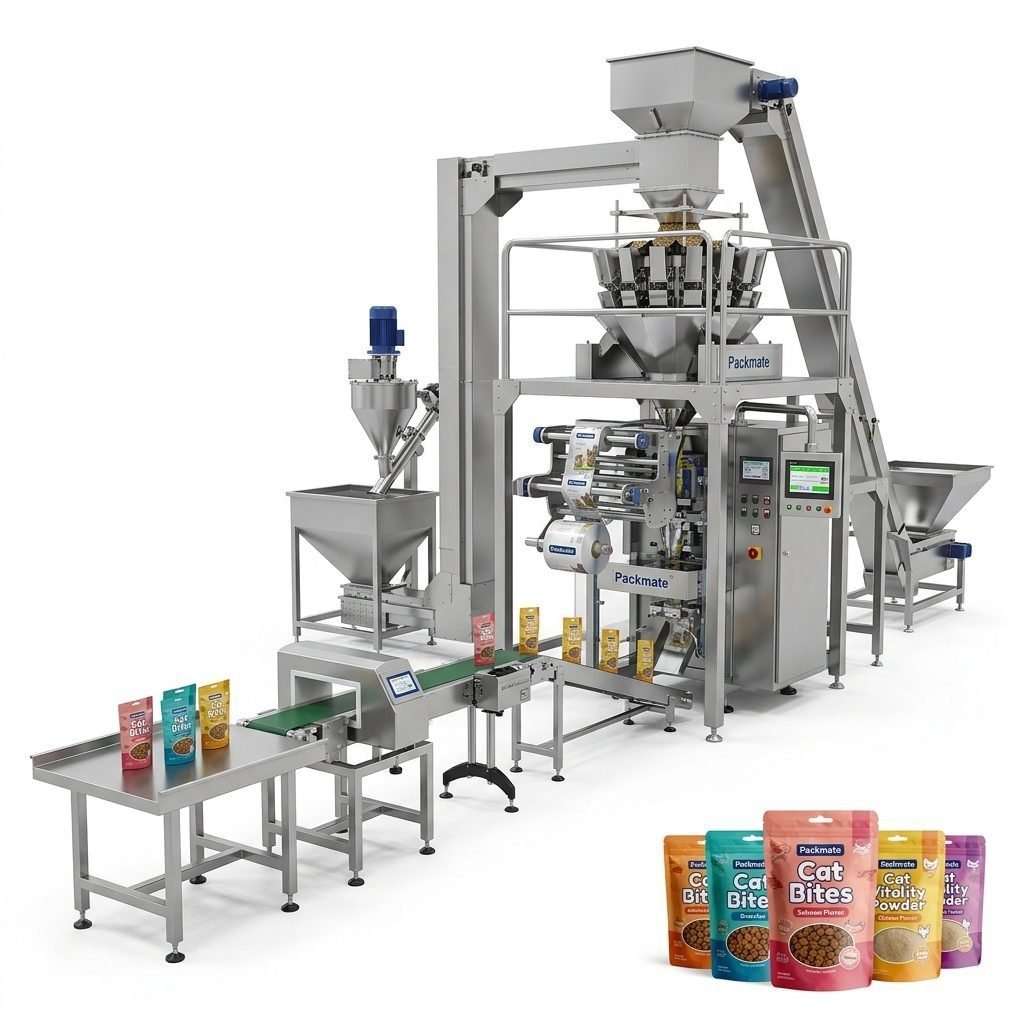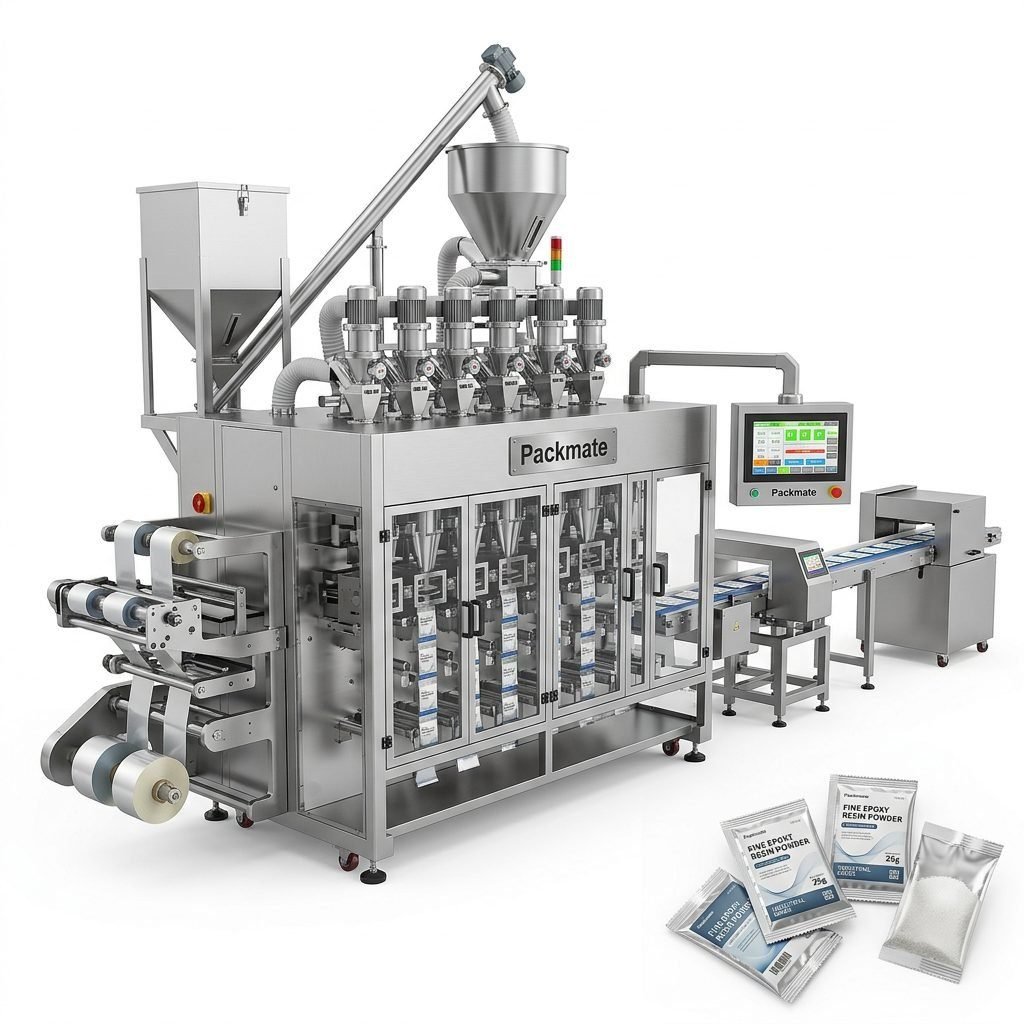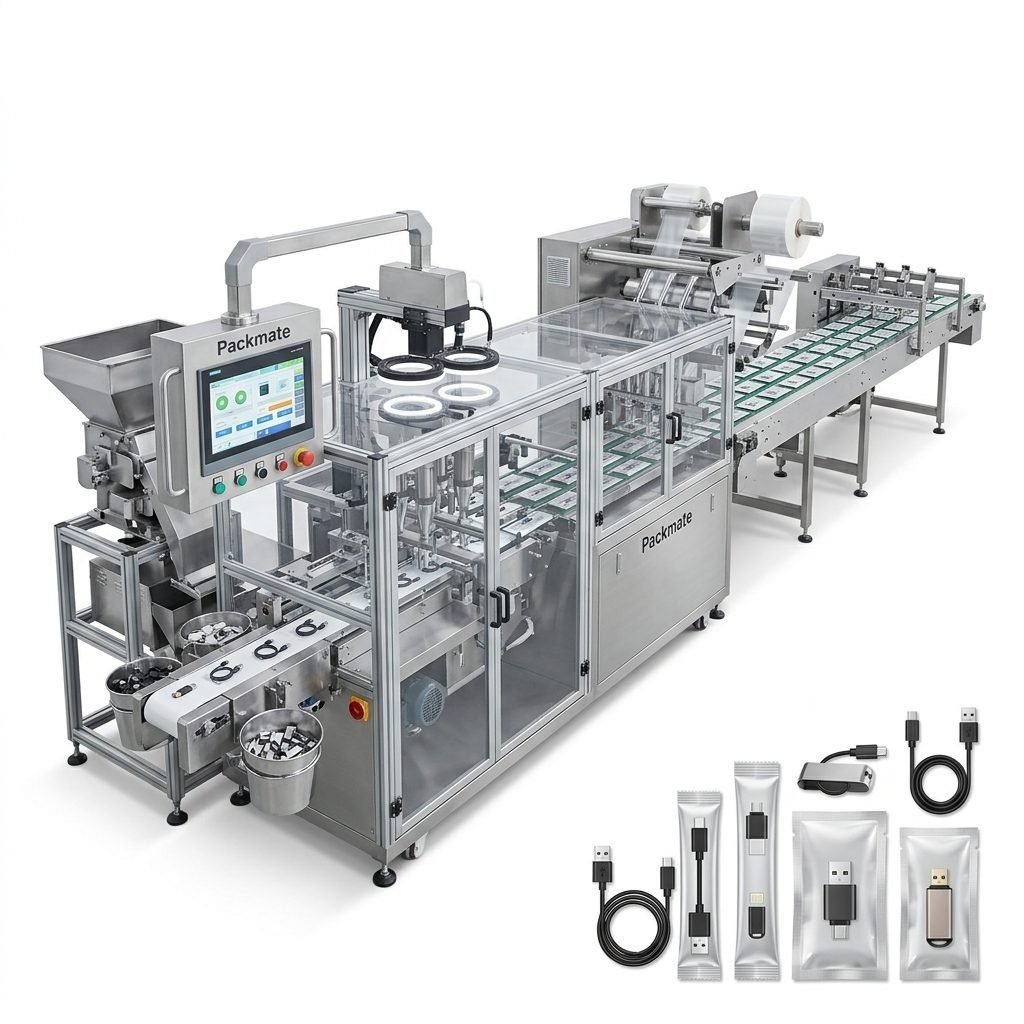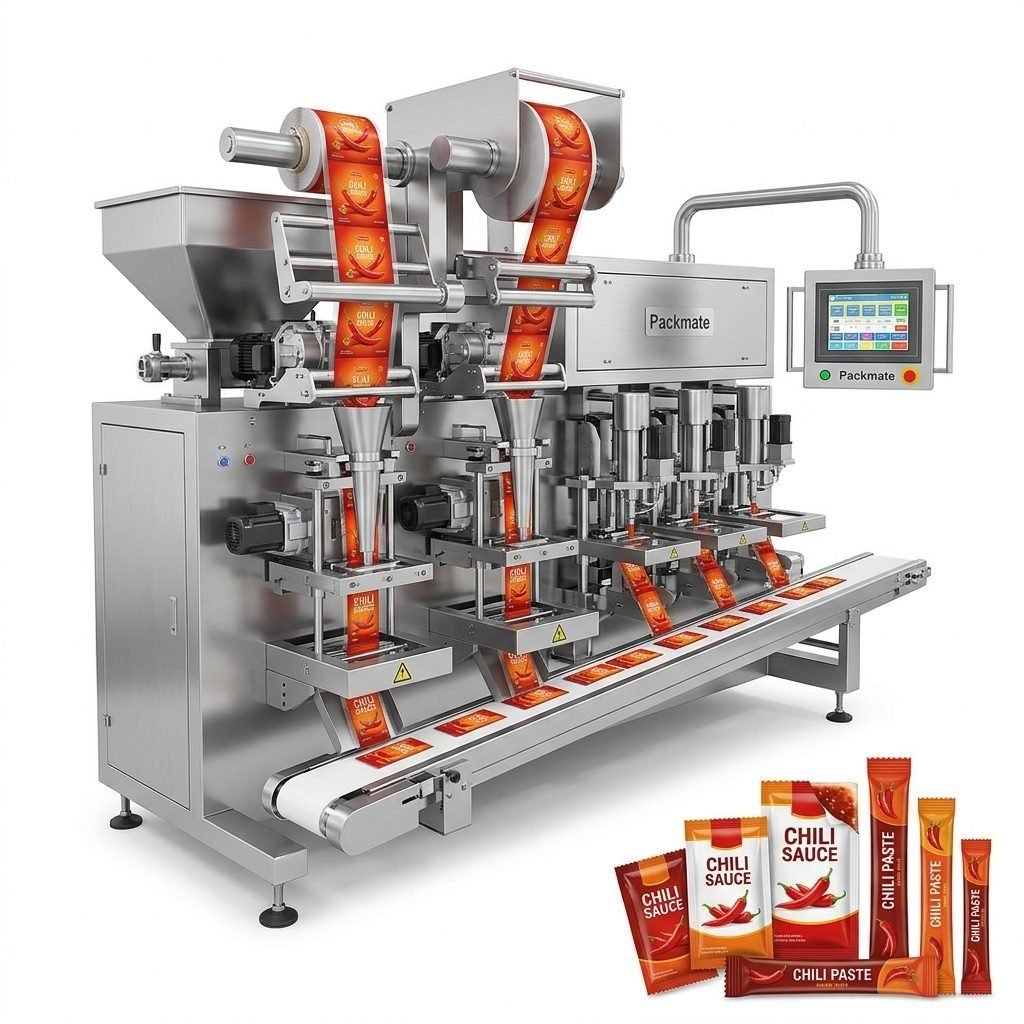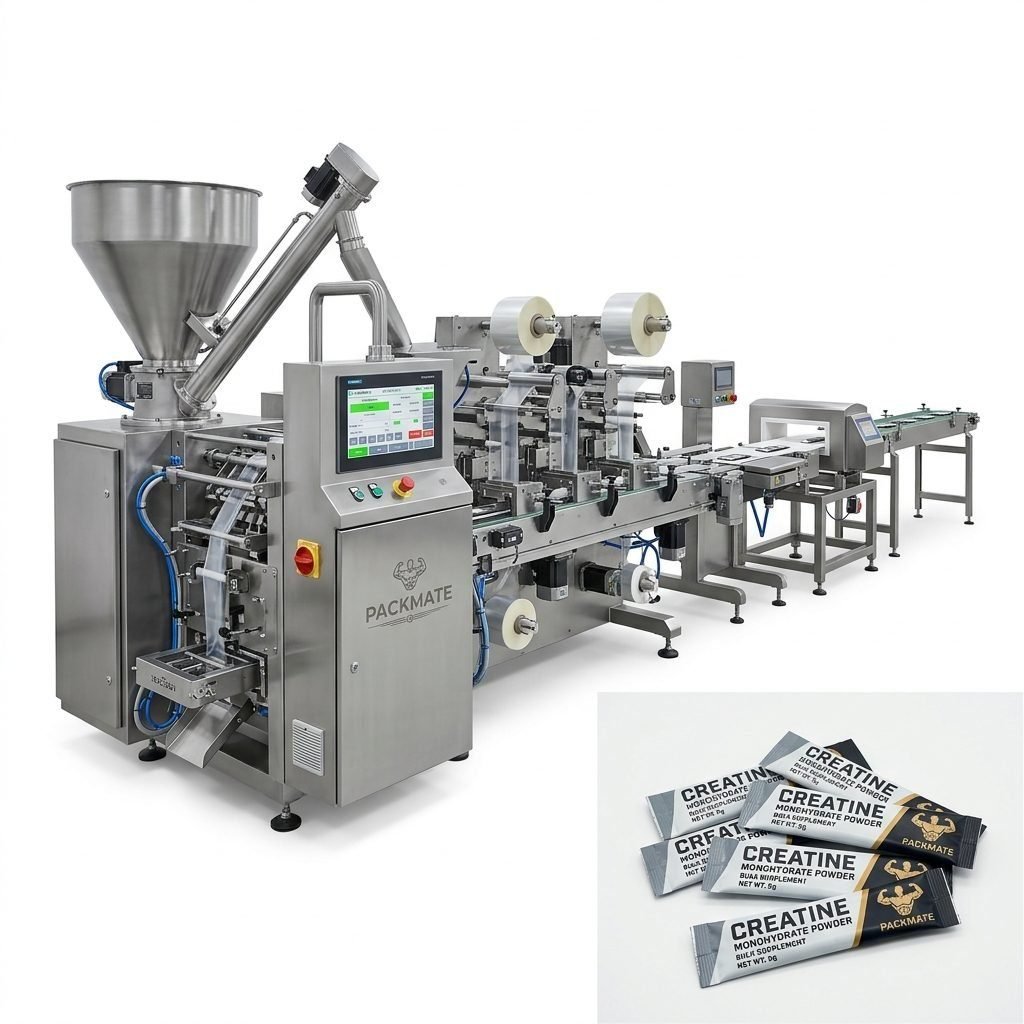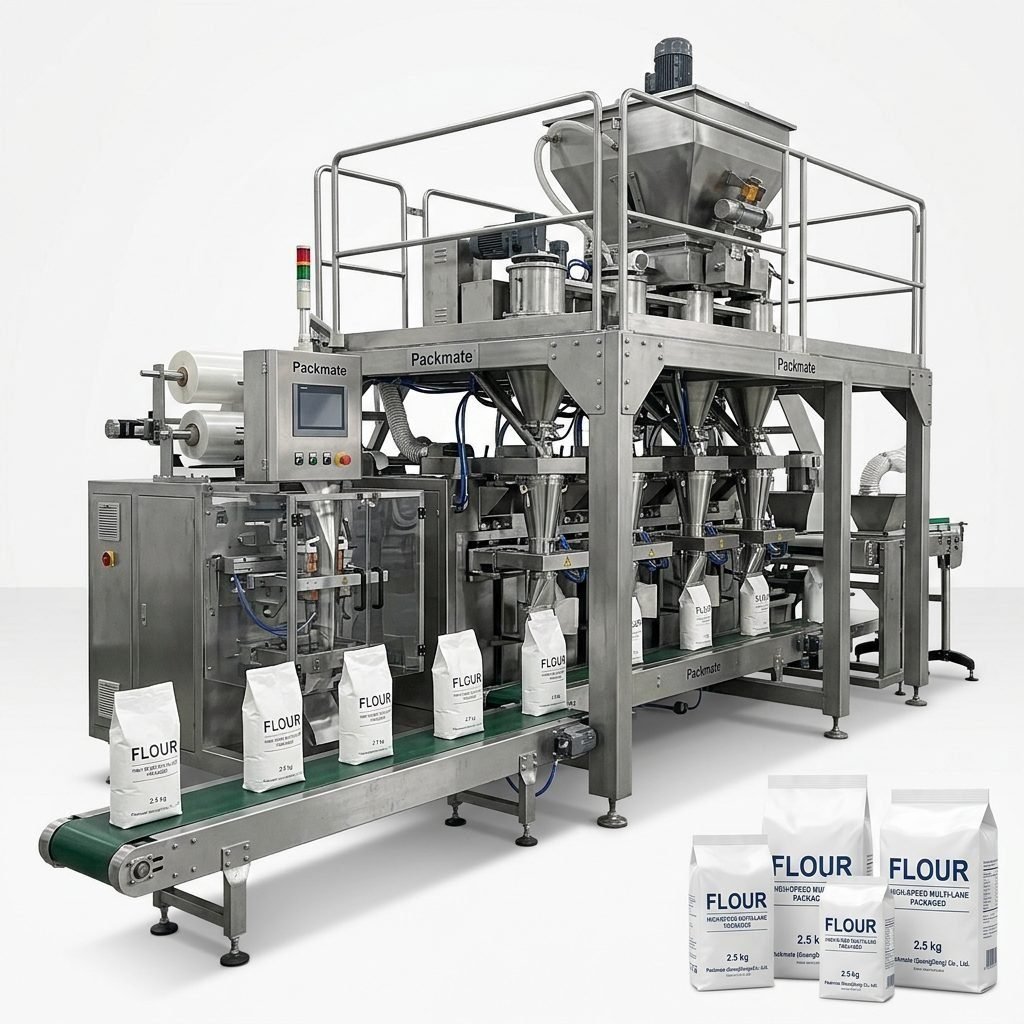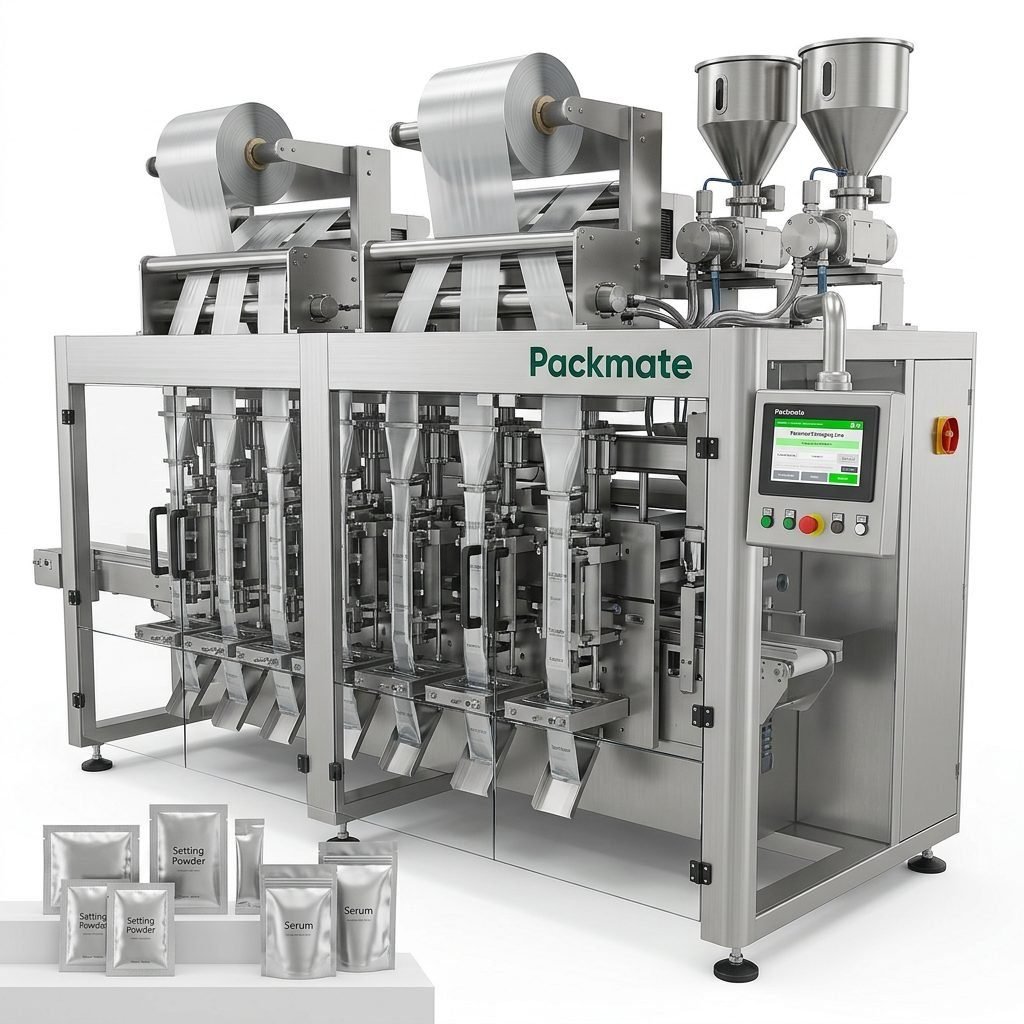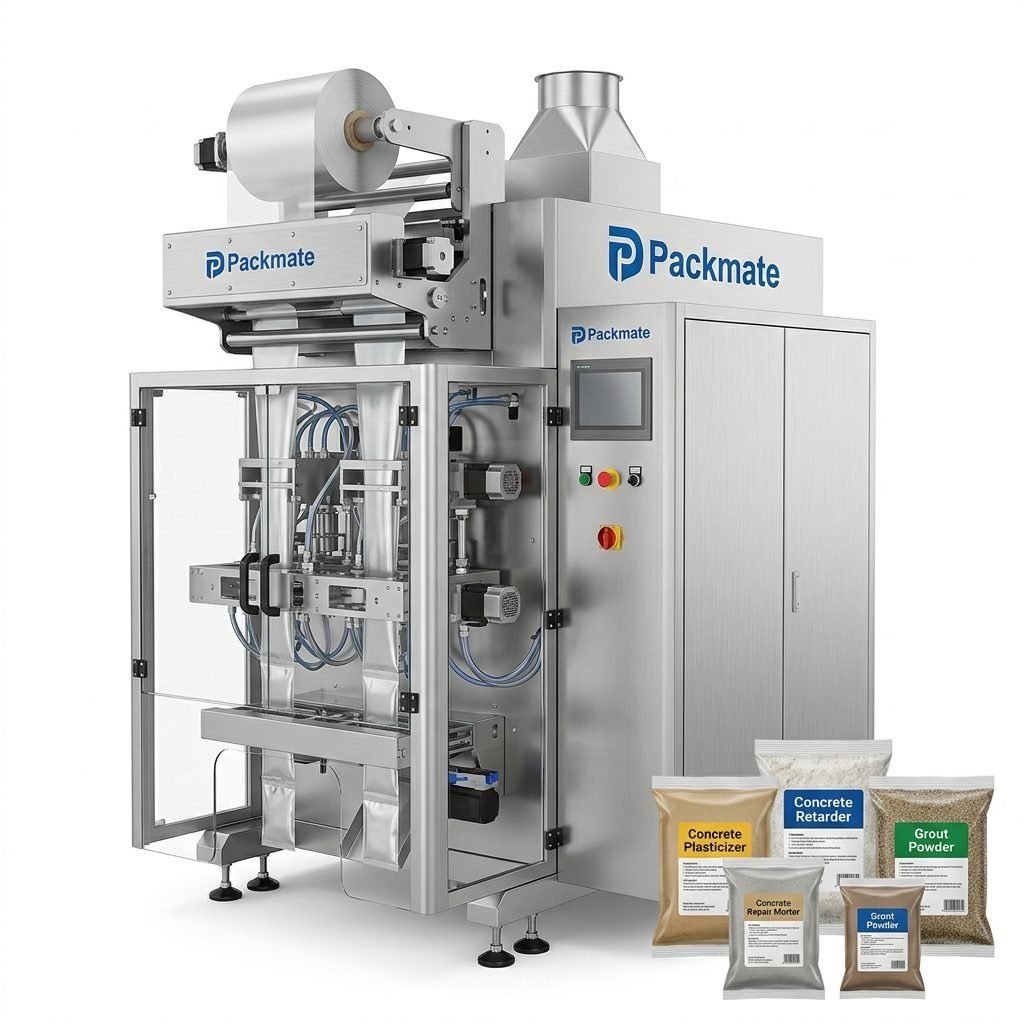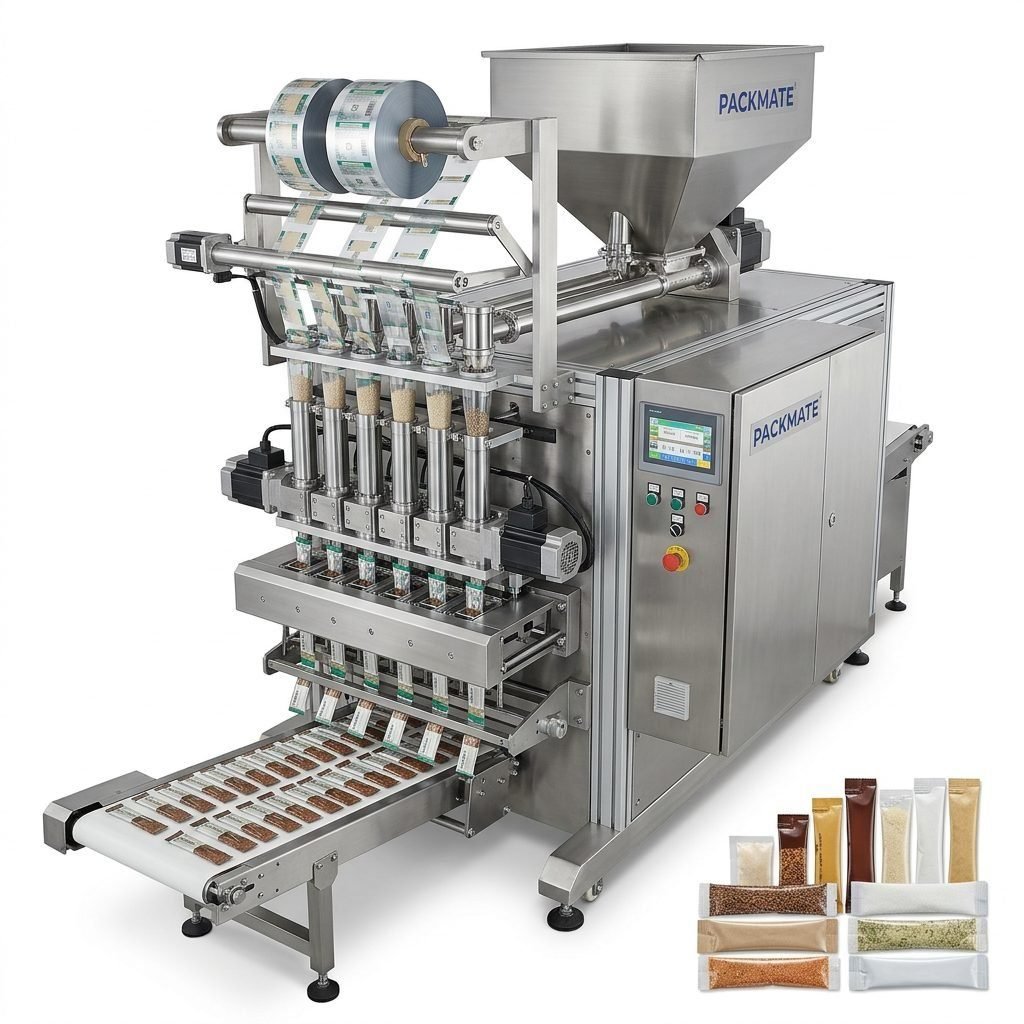
In the fast-paced world of food manufacturing, efficiency, hygiene, and product presentation are paramount. Selecting the right packaging machinery is not just an operational decision; it’s a strategic investment that impacts your bottom line, brand reputation, and market agility. For products like sauces, condiments, dressings, and edible oils, specialized sauce packaging machines are the unsung heroes of the production line. These systems ensure precise filling, secure sealing, and attractive packaging that protects product integrity from factory to fork.
Why Specialized Sauce Packaging is Critical
Sauces present unique packaging challenges. Their viscosity can range from watery to thick and chunky. Many are acidic, oily, or require protection from oxygen and light to prevent spoilage. A generic liquid filler simply won’t suffice. Top-tier sauce packaging machines are engineered to handle these variables, offering:
- Precision Dosing: Consistent fill volumes are crucial for cost control and regulatory compliance, eliminating product giveaways.
- Hygienic Design: Constructed with food-grade stainless steel and designed for easy cleaning (CIP/SIP capabilities) to meet stringent food safety standards.
- Versatility: Ability to switch between different sauce types, pouch styles, and fill volumes with minimal downtime.
- Leak-Proof Sealing: Advanced sealing technologies that create strong, hermetic seals even on oily or particulate-contaminated surfaces.
Key Technologies in Modern Sauce Packers
The evolution of packaging technology has led to highly automated and intelligent systems. When evaluating packing machines for sauces, look for these advanced features:
Servo-Driven Filling Systems: These provide unparalleled accuracy and speed. Servo motors control every movement of the piston or pump, allowing for micro-adjustments to handle products with particulates (like chunky salsa or pesto) without crushing them or compromising fill accuracy.
Integrated Weighing Systems: In-line checkweighers can be integrated to provide real-time feedback, automatically adjusting the filler to correct any drift and ensuring every package meets the exact weight specification.
Gas Flushing (Modified Atmosphere Packaging – MAP): For sauces prone to oxidation, machines can replace the air inside the pouch with an inert gas like nitrogen before sealing. This extends shelf life dramatically without artificial preservatives, a growing demand in clean-label markets.
Exploring Pouch Formats: From Sachets to Stand-Up Bags
The choice of packaging format is often dictated by the sauce’s end-use. Modern machines offer incredible flexibility.
- Single-Serve Sachets & Stick Packs: Perfect for takeaway condiments, coffee creamers, or sauce samples. High-speed sachet and stick pack machines can produce thousands of units per hour with 3-side or 4-side seals, offering excellent barrier properties.
- Stand-Up Pouches (Doypacks): A retail favorite for their shelf presence and convenience. Machines form, fill, and seal these pouches from a roll of laminated film, often including features like resealable zippers and spouts for easy pouring.
- Pre-Made Pouches & Bags: For premium sauces or specific bag shapes, machines designed to handle pre-made bags and pouches offer a solution. They open, fill, and seal bags supplied by the operator or from an automated magazine.
The Role of Complete Packaging Lines
An efficient sauce packaging machine is rarely an island. Maximum productivity is achieved by integrating it into a synchronized filling and packaging line. A typical turnkey line might include:
- Product Supply System: Pumps or conveyors to deliver sauce from mixing tanks to the filler hopper.
- Primary Packaging Machine: The core filler and sealer (e.g., a vertical form-fill-seal machine).
- Ancillary Equipment: Date coders, label applicators, or metal detectors integrated seamlessly into the flow.
- Secondary Packaging: Automatic cartoners, case packers, and palletizers to prepare finished goods for shipment.
Investing in a coordinated line from a single supplier, like Packmate Machinery, ensures compatibility, reduces integration headaches, and provides a single point of service and support.
Packmate Machinery: A Partner in Packaging Innovation
With over 30 years of expertise in designing intelligent packaging solutions, Packmate Machinery understands the intricate needs of sauce producers. What began in a small workshop in 1993 has grown into a leading force, operating from a modern 20,000㎡ facility in Guangdong, China. The company’s philosophy is rooted in solving real-world production challenges through automation and reliability.
Packmate’s journey, formally established in 2003, has been one of continuous evolution—from pioneering small sachet machines to developing sophisticated multi-lane stick pack systems and complete turnkey packaging solutions. This deep experience translates into machines built for the demanding food production environment, where uptime and hygiene are non-negotiable. For sauce manufacturers looking to scale, improve efficiency, or launch new packaging formats, partnering with an experienced provider is a critical step.
Selecting Your Ideal Sauce Packaging Machine: A Buyer’s Checklist
Before making an investment, consider these key factors:
- Product Characteristics: Viscosity, particulate size, acidity, and required shelf life.
- Production Speed (Output): Required packages per minute/hour to meet your demand.
- Flexibility: How often will you change products, pouch sizes, or materials?
- Footprint & Utilities: Space available in your factory and requirements for power, air, and gas.
- Total Cost of Ownership: Look beyond the purchase price to maintenance costs, part availability, and the supplier’s support network.
Always request a product sample test at the manufacturer’s facility or through a video demonstration. Seeing your actual sauce run on the machine is the best proof of performance.
The Future of Sauce Packaging
The trend is moving towards even greater sustainability and intelligence. We can expect more machines capable of running mono-material or compostable films, incorporating AI-driven vision systems for 100% seal inspection, and offering deeper integration with factory IoT networks for predictive maintenance and data analytics. The goal remains the same: delivering safe, appealing, and fresh sauce to consumers in the most efficient way possible.
Choosing from the top sauce packaging machines available today is about finding the perfect balance between technological capability, operational reliability, and future-proof design. It empowers food producers to meet today’s market demands while building agility for tomorrow’s opportunities.
Frequently Asked Questions (FAQ)
What types of sauces can your machines handle?
Our packaging solutions are highly versatile and can handle a wide range of sauces, including but not limited to: ketchup, mayonnaise, soy sauce, hot sauce, salad dressings (both creamy and vinaigrette), pasta sauces (with chunks), syrups, and edible oils. The filling system (e.g., piston, pump) is selected based on the product’s viscosity and particulate content.
How do you ensure packaging hygiene and meet food safety standards?
Our machines are constructed primarily with 304 or 316 food-grade stainless steel in product contact areas. Designs prioritize smooth surfaces with minimal crevices. Many models offer Clean-in-Place (CIP) or easy disassembly for manual cleaning. We ensure our designs comply with international hygiene standards relevant to food machinery.
Can one machine produce different pouch sizes and styles?
Yes, most of our modern sauce packaging machines are designed for quick changeover. By changing the forming tooling (for VFFS machines) or adjusting servo parameters, operators can switch between different pouch lengths, widths, and styles (e.g., from a pillow pouch to a gusseted stand-up pouch) often in 15-30 minutes, maximizing line flexibility.
What is your typical machine delivery and installation timeline?
Delivery time depends on the machine model and configuration. For standard models, it can range from 30 to 90 days after order confirmation. We provide detailed installation manuals and can offer on-site installation and commissioning services by our experienced engineers to ensure a smooth startup.
What kind of after-sales support do you provide?
We provide comprehensive support including a standard warranty, detailed operation and maintenance manuals, spare parts lists, and access to remote technical assistance. We also offer training for your operators and maintenance staff, either at our facility or on-site at yours. Our goal is to ensure your packaging line runs optimally for years to come.