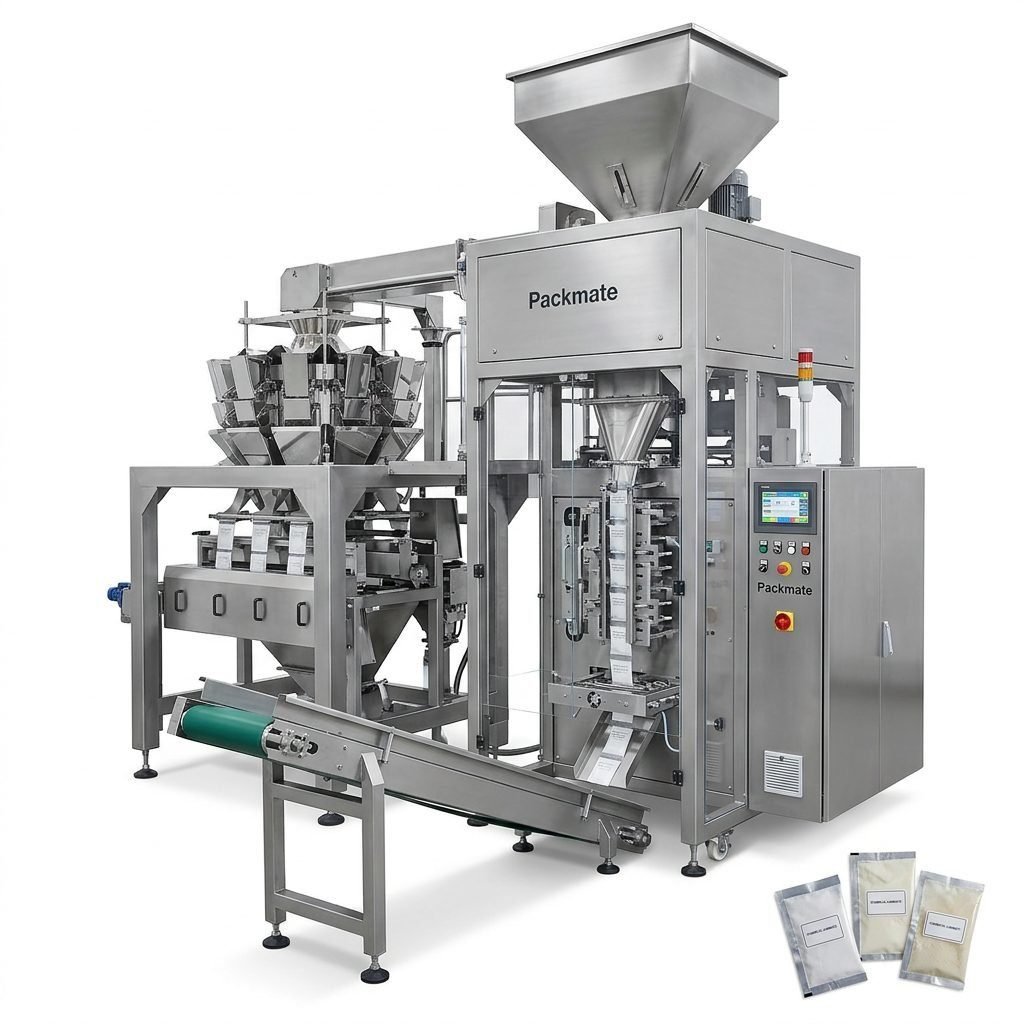
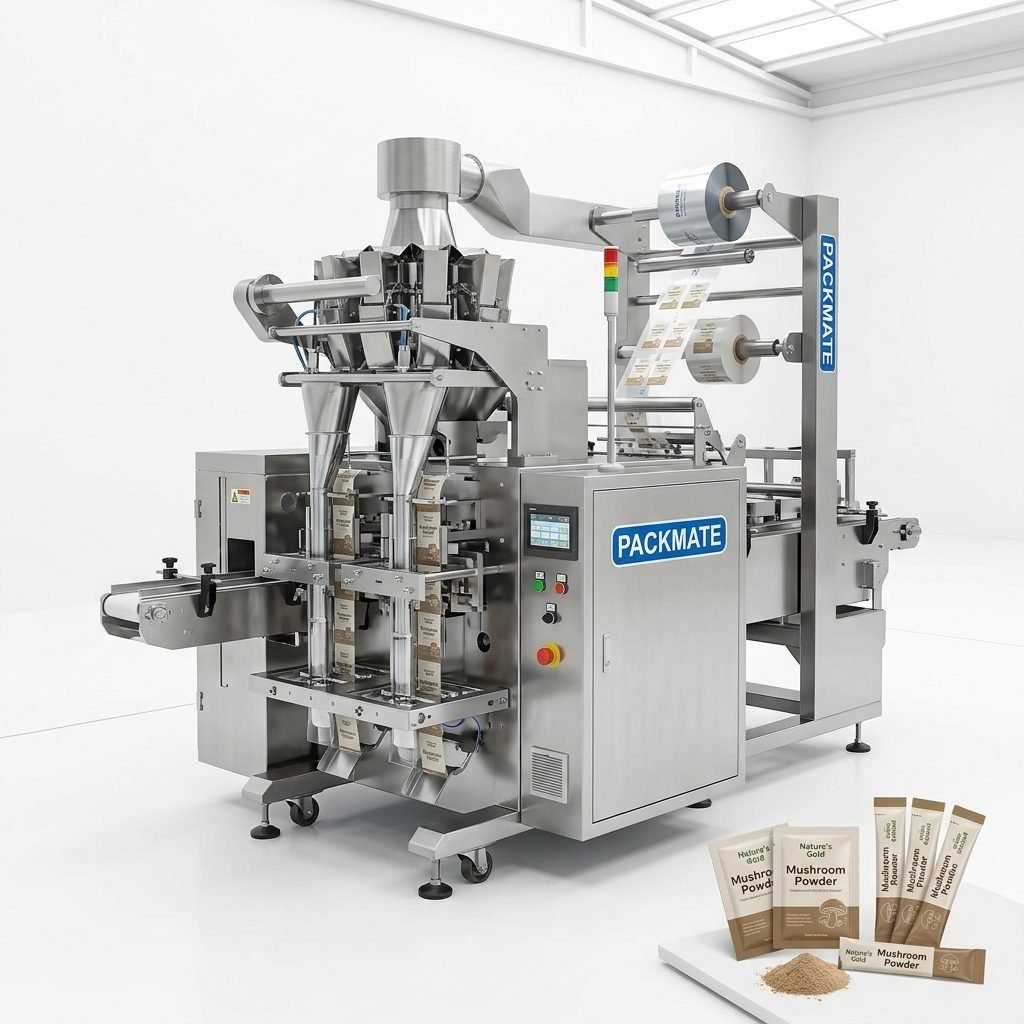
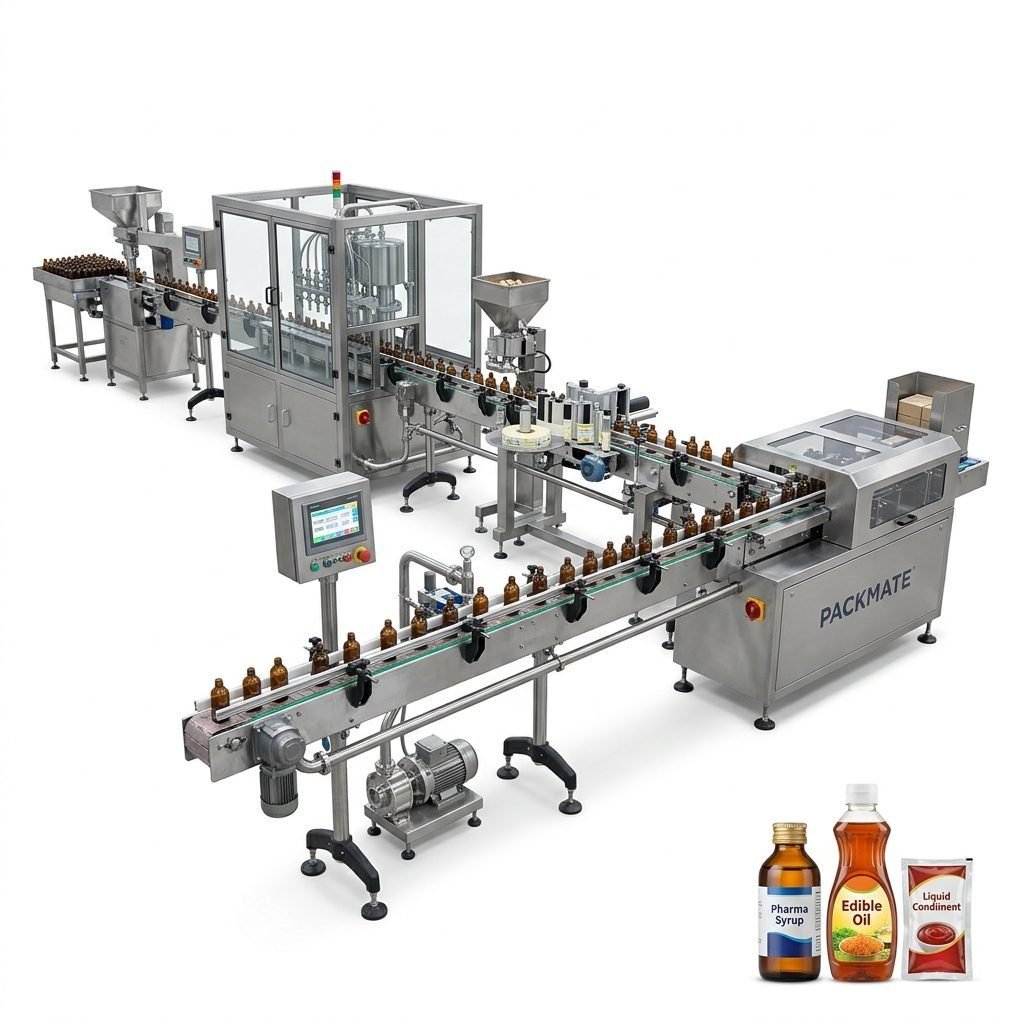
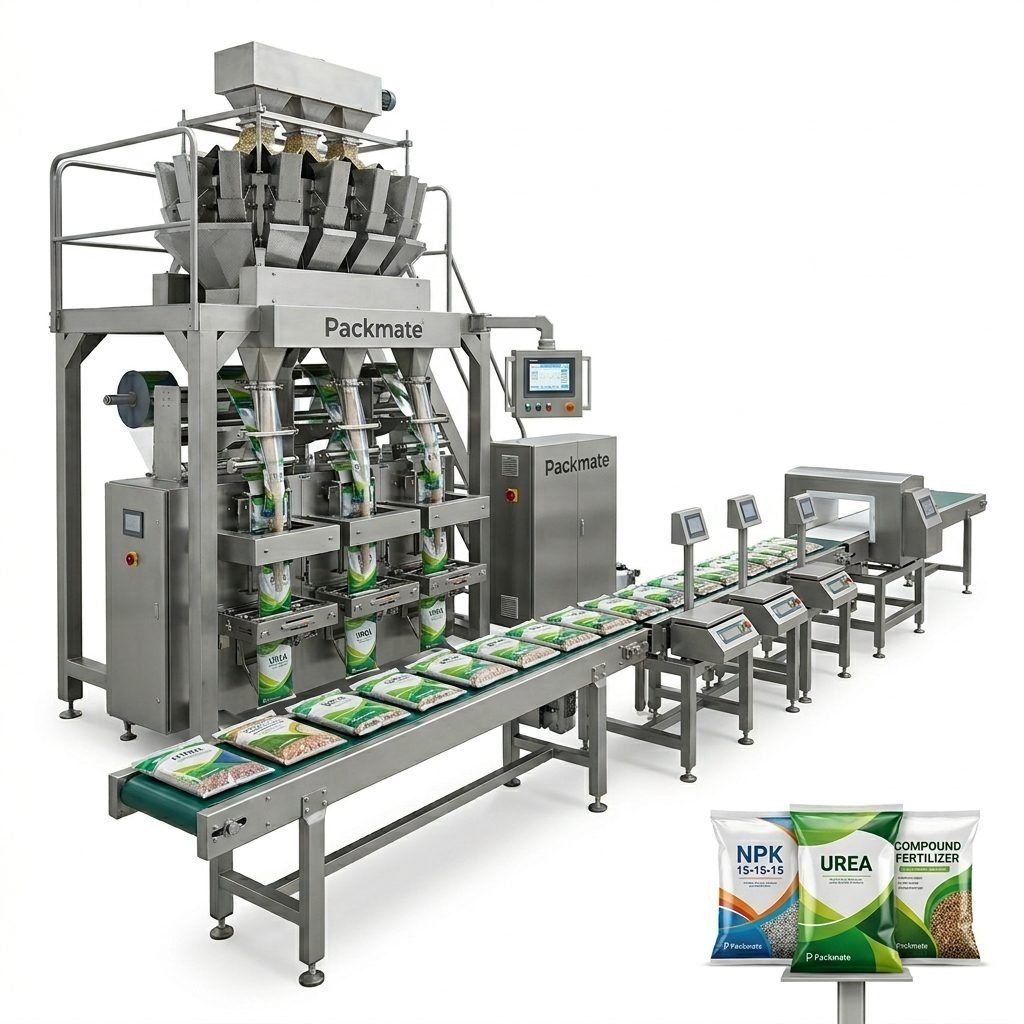
In the fast-paced world of product manufacturing, efficiency and presentation are paramount. For countless industries, from food and beverage to pharmaceuticals and nutraceuticals, the stick pack has emerged as a superior packaging format. It offers precise dosing, excellent barrier properties, and high consumer appeal. At the heart of producing these convenient single-serve packages is the stick packaging machine. This comprehensive guide will explore the different types of stick pack machines, their diverse applications, and provide crucial tips for making an informed purchase decision.
Understanding Stick Packaging Machines
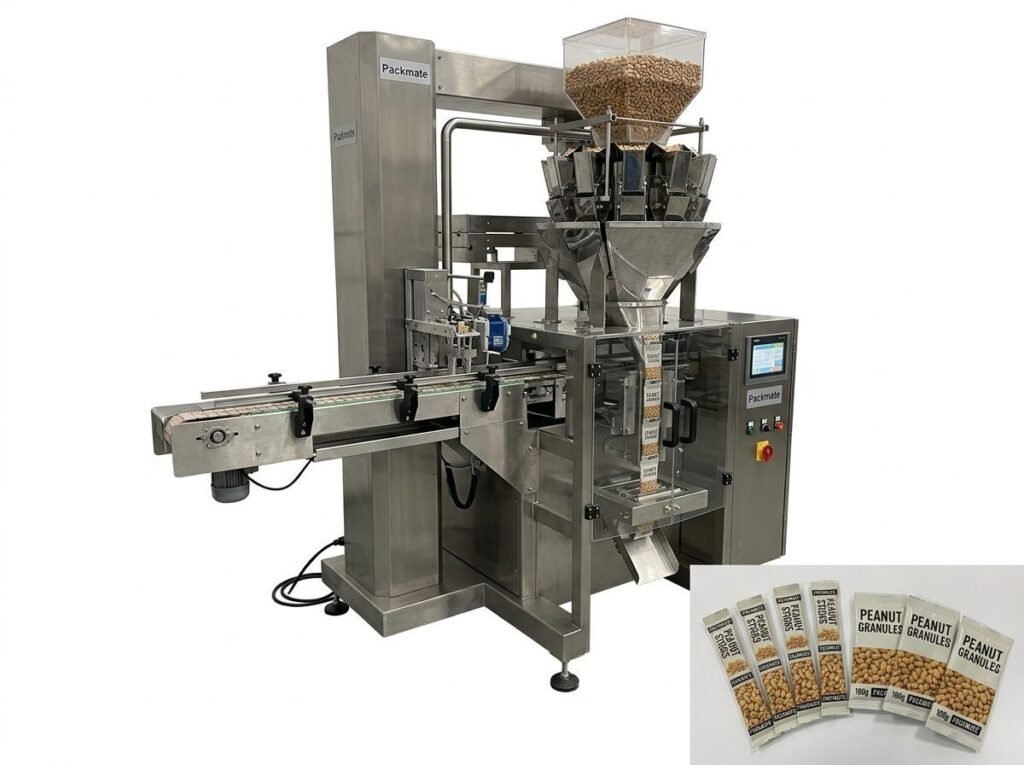
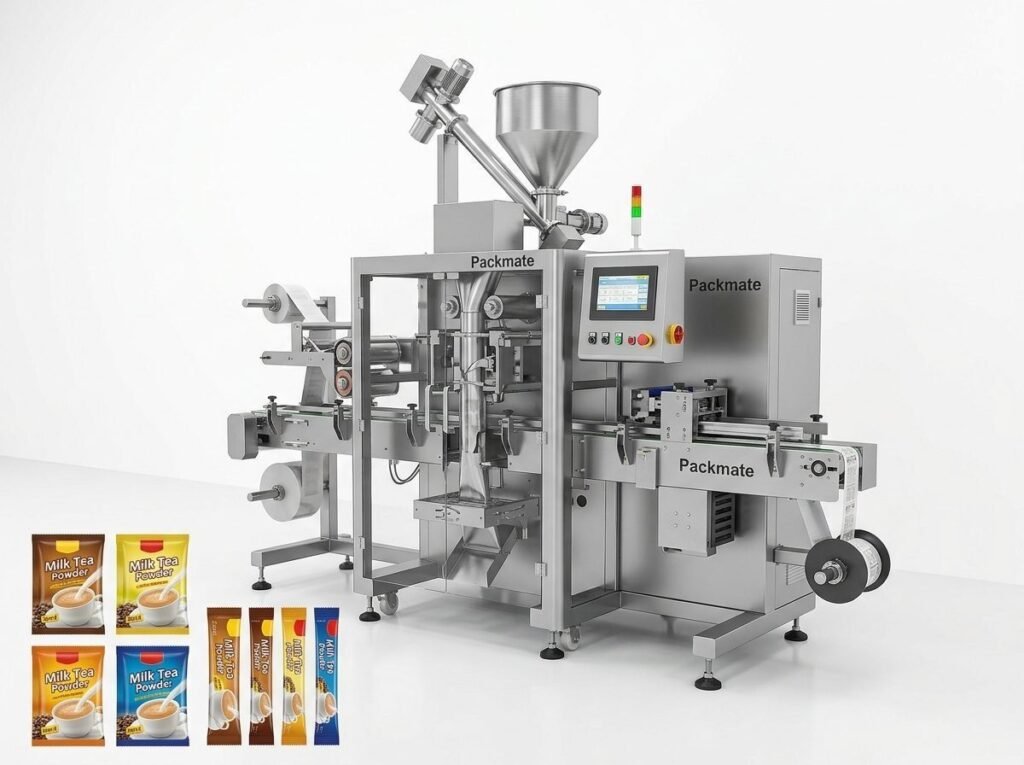
A stick packaging machine is a specialized form of vertical form-fill-seal (VFFS) equipment designed to create long, narrow pouches—commonly known as stick packs. The process involves forming a tube from a roll of packaging film, filling it with a measured amount of product, and then sealing it at regular intervals to create individual packs. These machines are celebrated for their high speed, precision, and minimal material waste.
Core Components and Operation
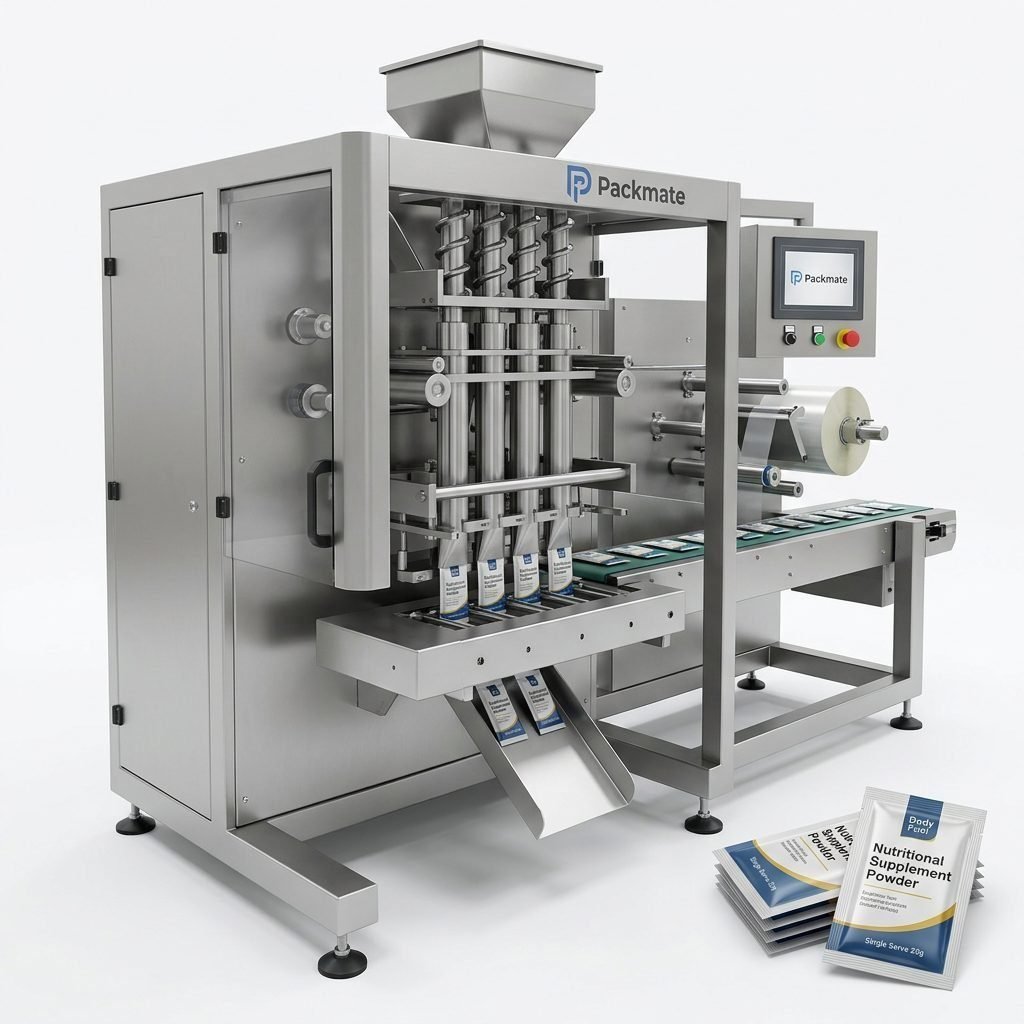
The typical operation of a stick pack machine follows a seamless, automated cycle. It begins with the film unwinding and being formed into a tube around a filling pipe. The longitudinal seal is made first. Precisely measured product is then dropped into the tube, after which the machine creates the horizontal seals, simultaneously cutting the individual sticks apart. Advanced models integrate weighing systems, gas flushing for preservation, and vision inspection systems to ensure every pack meets quality standards.
Primary Types of Stick Packaging Machines
Choosing the right machine depends heavily on your production volume, product characteristics, and required features. The main categories include:
Single-Lane Machines
Ideal for low to medium output requirements, pilot projects, or products with a high value per unit. They produce one stick at a time and are often more compact and affordable, making them a perfect entry point for smaller businesses or for producing limited-run items.
Multi-Lane Machines
For high-volume production, multi-lane machines are the industry standard. They feature multiple filling tubes (commonly 4, 6, 8, or more) operating in parallel, dramatically increasing output. Companies like Packmate Machinery specialize in robust multi-lane solutions that can produce tens of thousands of sticks per hour, catering to large-scale food, pharmaceutical, and chemical producers.
Specialized Machines
Certain products demand specific functionalities. This category includes machines designed for free-flowing powders, granular materials, viscous liquids, or even micro-dosing. Some machines offer built-in gas flushing (nitrogen or CO2) for oxygen-sensitive products like instant coffee or spices, while others are built with sanitary, easy-clean designs for pharmaceutical or dairy applications.
Key Industries and Applications
The versatility of stick packaging is its greatest strength. Its applications span across numerous sectors:
Food & Beverage: Instant coffee, drink mixes, sugar, sweeteners, spices, soup bases, and protein powders. The portion control and long shelf life are highly valued.
Pharmaceutical & Nutraceutical: Powdered supplements, electrolytes, over-the-counter medications, and probiotics. Stick packs ensure accurate dosage and patient compliance.
Chemical & Industrial: Detergents, water treatment powders, additives, and samples. The sealed pack protects the product from moisture and contamination.
Exploring the range of Sachet & Stick Pack Machines available can reveal solutions tailored to these specific industry needs.
Critical Buying Tips for Your Investment
Purchasing a stick packaging machine is a significant investment. Here are essential factors to consider to ensure you select the right partner and equipment.
1. Define Your Product and Output Needs
Start with clarity. What is the physical nature of your product (powder, granule, liquid)? What is your required production speed (sticks per minute/hour)? What are your future growth projections? Answering these will narrow down the machine type (single vs. multi-lane) and necessary specifications.
2. Prioritize Machine Quality and Durability
Look for a manufacturer with a proven track record. The frame should be constructed from sturdy, food-grade stainless steel. Critical components like servos, seals, and cutting mechanisms must be from reputable brands. A well-built machine minimizes downtime and maintains consistency over years of operation. The company history and manufacturing facility of your supplier are strong indicators of their commitment to quality.
3. Evaluate Flexibility and Changeover Ease
If you plan to run different products or stick pack sizes, quick changeover capability is non-negotiable. Ask about the tooling change process. Machines with digital adjustments for pack length and servo-driven components typically allow for faster size changes than those requiring manual mechanical adjustments.
4. Assess After-Sales Support and Service
The relationship with your supplier begins after the sale. Inquire about warranty terms, availability of spare parts, technical support (remote and on-site), and operator training programs. A reliable supplier will have a comprehensive service and support structure to keep your production line running smoothly.
5. Consider the Total Cost of Ownership
Look beyond the initial purchase price. Factor in operational costs like energy consumption, required compressed air, film compatibility and waste rates, and long-term maintenance. A slightly higher upfront cost for a more efficient, reliable machine often leads to a lower total cost of ownership and a better return on investment.
Conclusion
Selecting the ideal stick packaging machine is a strategic decision that directly impacts your production efficiency, product quality, and bottom line. By thoroughly understanding the different machine types, clearly defining your application requirements, and carefully evaluating potential suppliers based on quality, support, and total value, you can make an investment that powers your packaging line for years to come. For businesses looking to automate or upgrade their stick pack production, partnering with an experienced manufacturer is the key to success.
Frequently Asked Questions (FAQs)
What is the typical production speed of a multi-lane stick pack machine?
Speeds vary by model and product, but modern multi-lane machines (e.g., 8-lane) can typically produce between 400 to over 1,000 stick packs per minute, depending on the pack length and product characteristics.
Can one machine handle different types of packaging film?
Most machines are adaptable, but it’s crucial to specify your film materials (e.g., laminated PET/AL/PE, CPP) during the purchase. The sealing jaws and temperature controls may need adjustment or different configurations for optimal seals with various materials.
How difficult is it to change the stick pack size on the machine?
Difficulty varies. High-end, servo-driven machines allow for quick digital size changes via the HMI screen with minimal manual intervention. Older or simpler mechanical machines require manual adjustment of parts, which is more time-consuming and requires skilled technicians.
What kind of maintenance does a stick pack machine require?
Daily cleaning of product contact parts is essential. Regular maintenance includes lubricating moving parts, checking seal jaw integrity, inspecting and replacing worn components like cutting blades or gaskets, and ensuring sensors are clean and calibrated. A preventive maintenance schedule from your supplier is highly recommended.
Are turnkey packaging solutions available?
Yes, many manufacturers, including Packmate, offer complete turnkey lines. This can include the stick pack machine integrated with upstream equipment like bulk supply systems and mixers, and downstream equipment like cartoners or case packers, providing a single-source, fully operational production line.