In the dynamic landscape of industrial automation, packaging machinery stands as a critical component, bridging production efficiency with market delivery. The evolution from manual processes to fully automated, intelligent packaging lines has revolutionized how industries manage their output. For businesses in sectors like food, pharmaceuticals, and health products, selecting the right packaging solutions is not merely an operational decision but a strategic one that impacts scalability, compliance, and brand integrity. This article delves into the top packaging machinery solutions that drive industrial automation forward, highlighting key technologies, benefits, and considerations for implementation.
The Core of Automated Packaging Systems
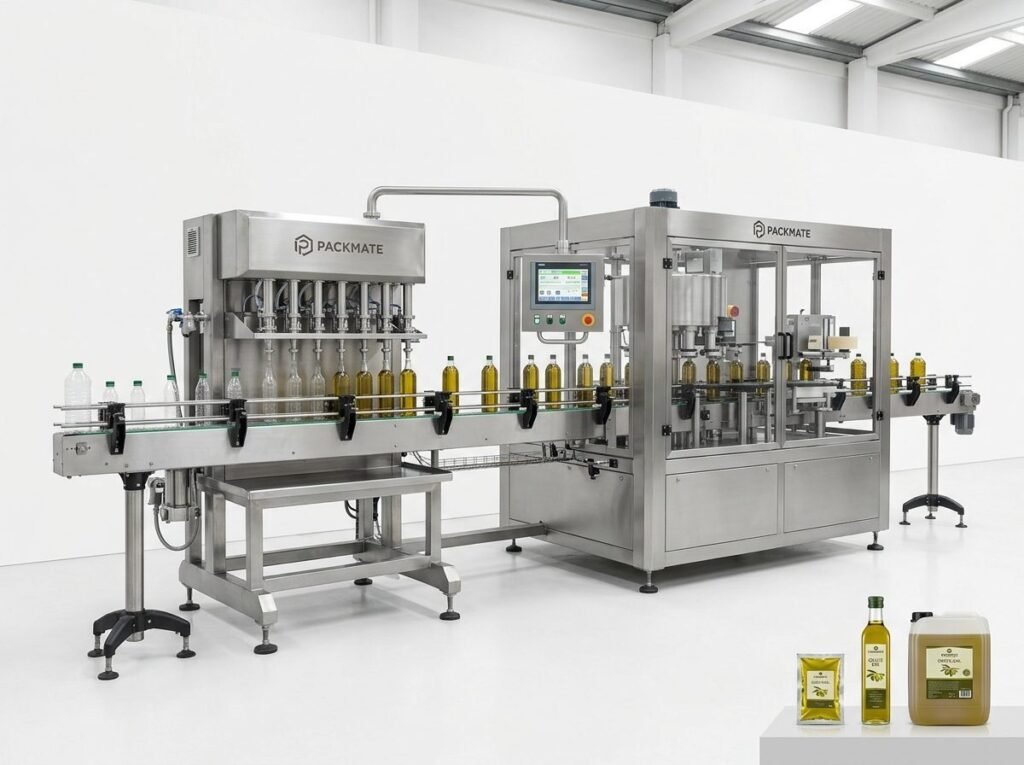
At the heart of any modern packaging operation lies a suite of interconnected machines designed to perform specific tasks with precision and speed. Automated packaging systems typically encompass filling, sealing, labeling, and cartoning processes, all synchronized through programmable logic controllers (PLCs) and human-machine interfaces (HMIs). These systems are engineered to handle diverse product forms—whether granules, powders, or liquids—with minimal human intervention. The primary goal is to achieve a seamless flow from production to packaging, reducing bottlenecks and enhancing overall throughput. Companies like Packmate Machinery have pioneered such integrated solutions, offering over 50 machine models that cater to varied industrial needs. Their expertise spans decades, ensuring that each system is not only robust but also adaptable to evolving market demands.
Key Benefits of Automation in Packaging
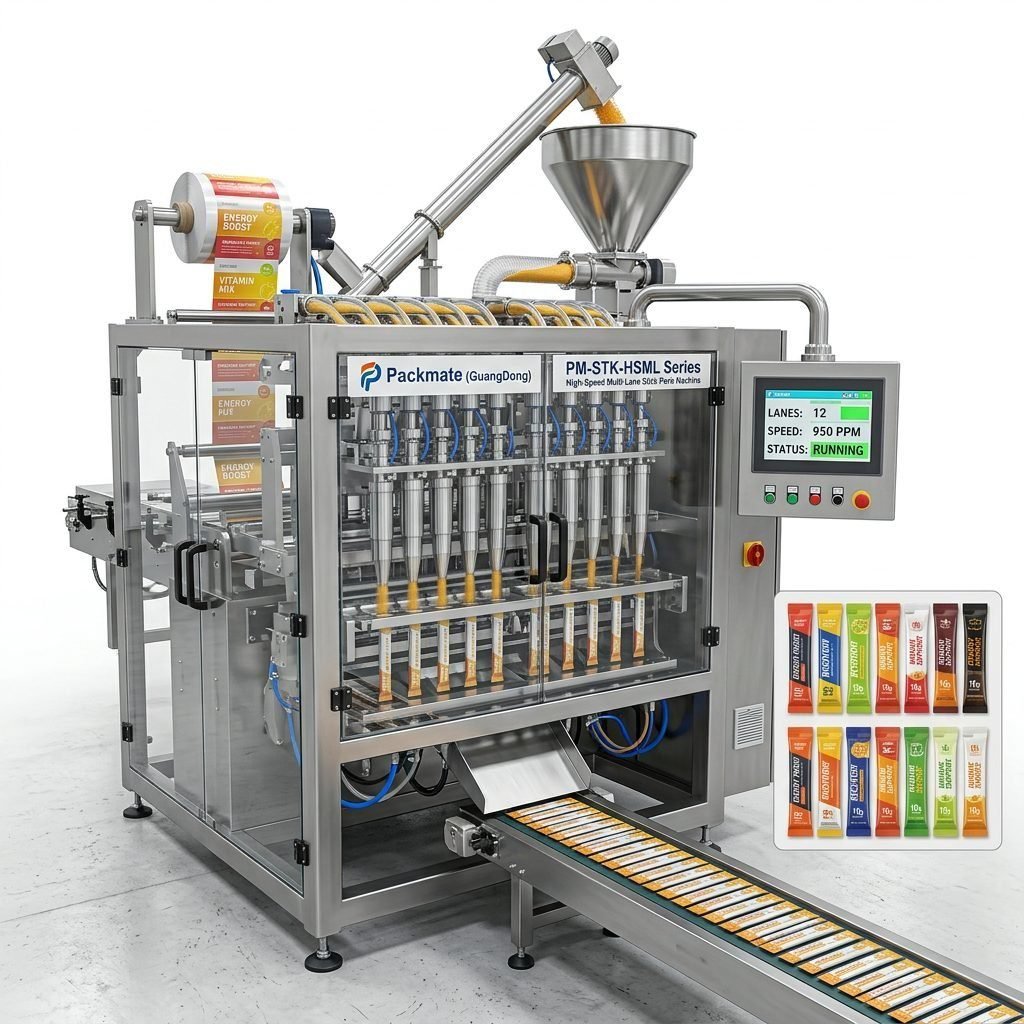
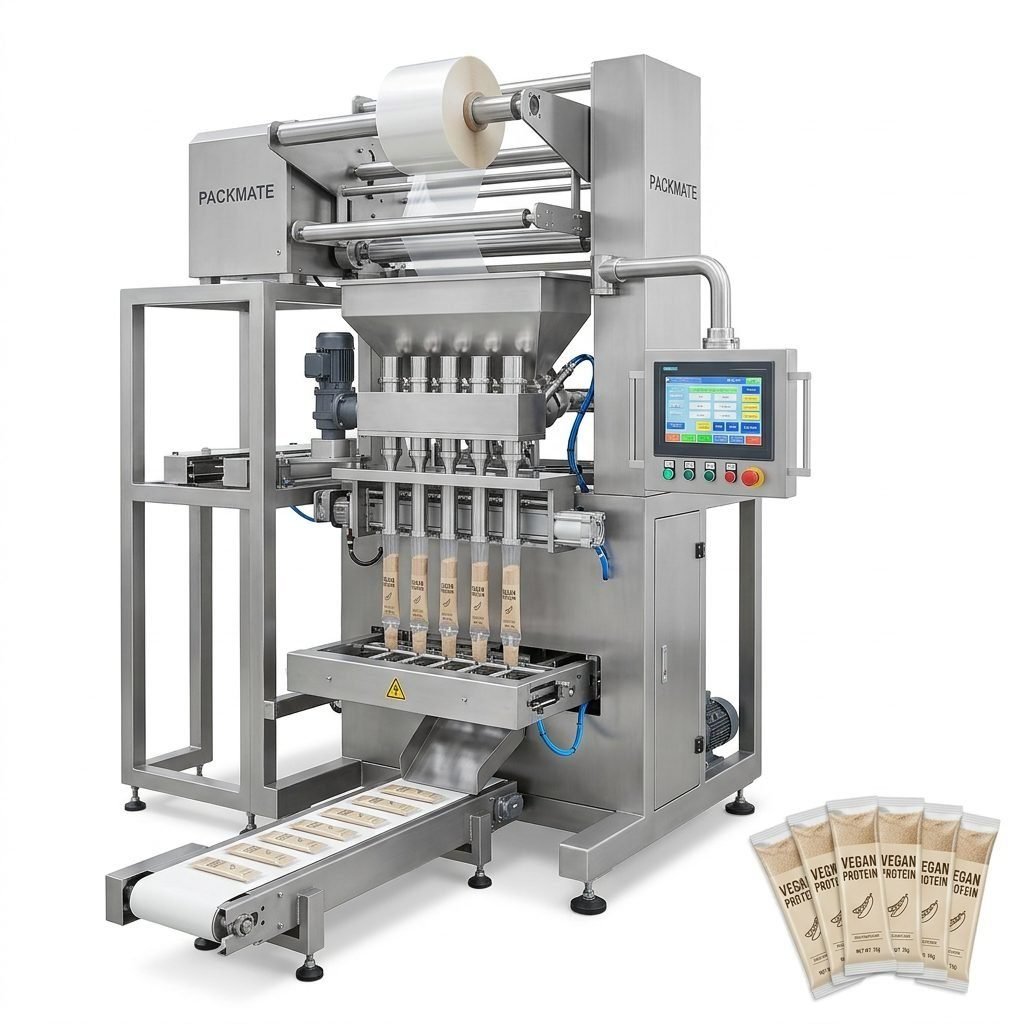
Increased Productivity: Automated lines can operate continuously, significantly boosting output compared to manual methods. For instance, multi-lane stick pack machines can package hundreds of units per minute, a feat unattainable with human labor alone.
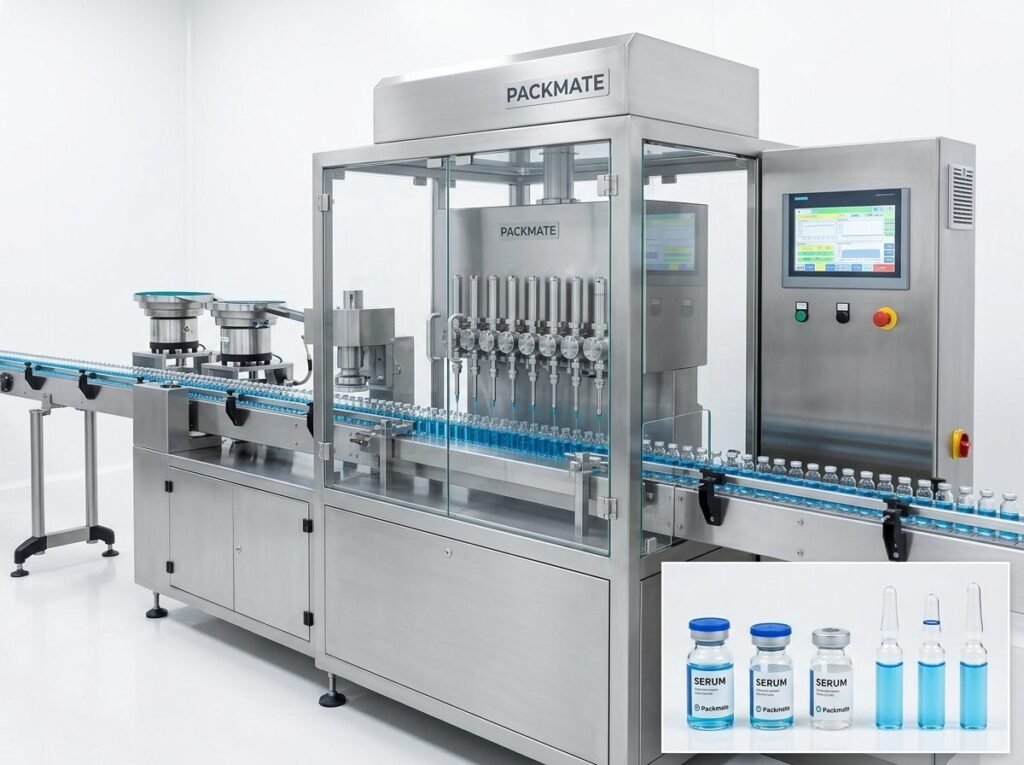
Enhanced Accuracy and Consistency: Precision weighing and filling systems ensure each package meets exact weight specifications, reducing product giveaways and maintaining quality standards. This is crucial in industries like pharmaceuticals, where dosage accuracy is paramount.
Improved Safety and Hygiene: By minimizing direct human contact with products, automated systems reduce contamination risks. This is especially vital in food and health sectors, where sanitation protocols are stringent.
Cost Efficiency Over Time: While initial investment may be higher, automation lowers long-term labor costs and decreases material waste through optimized processes. The return on investment often justifies the upfront expenditure.
Leading Packaging Machinery Solutions
The market offers a plethora of packaging machinery, each tailored to specific applications. Below, we explore some of the most impactful solutions that form the backbone of industrial automation.
Multi-Lane Stick Pack and Sachet Packaging Lines
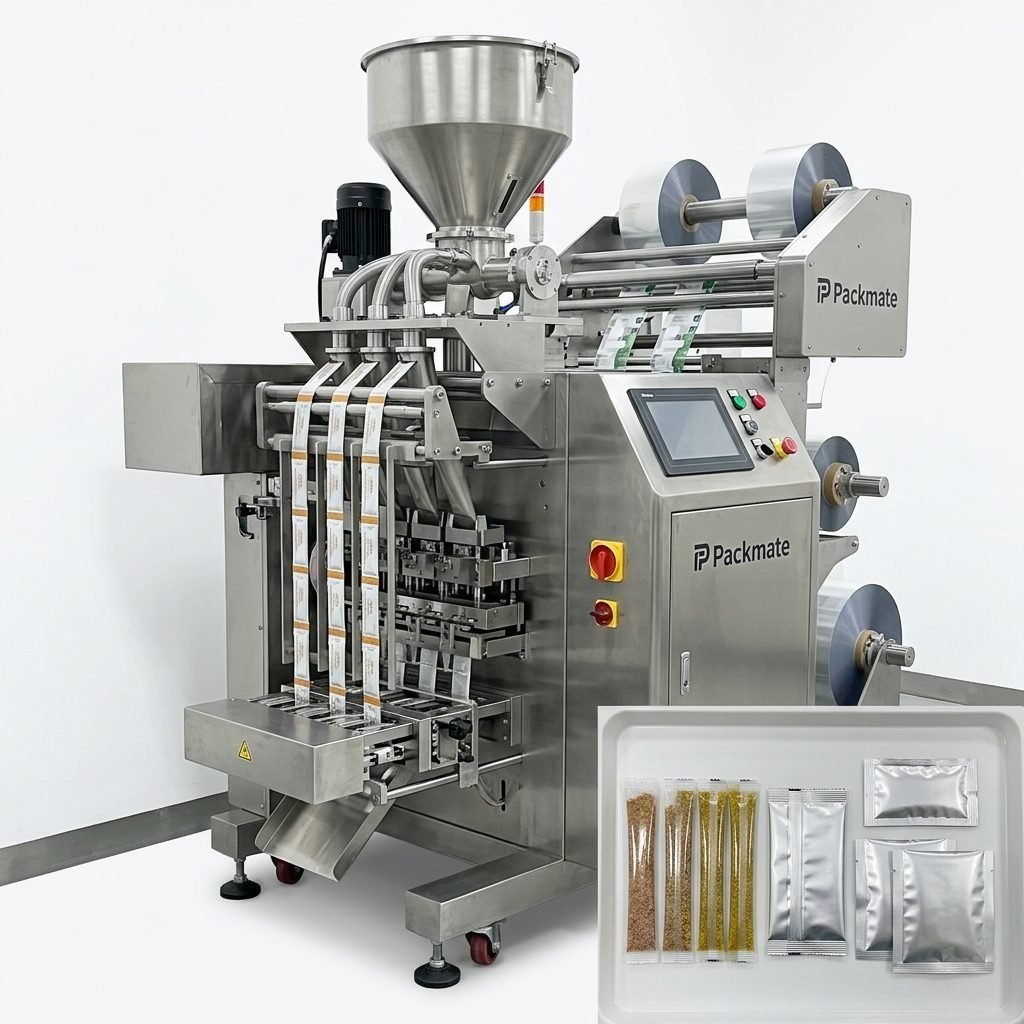
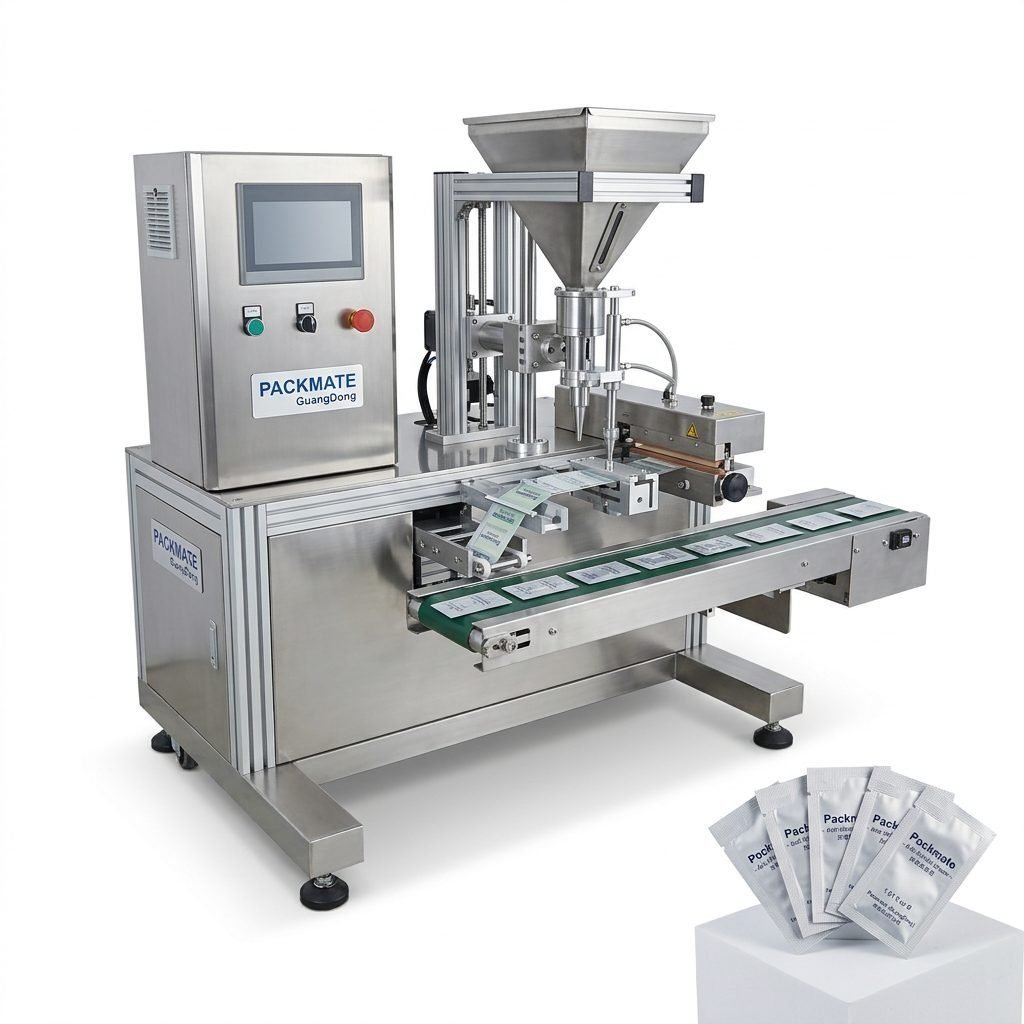
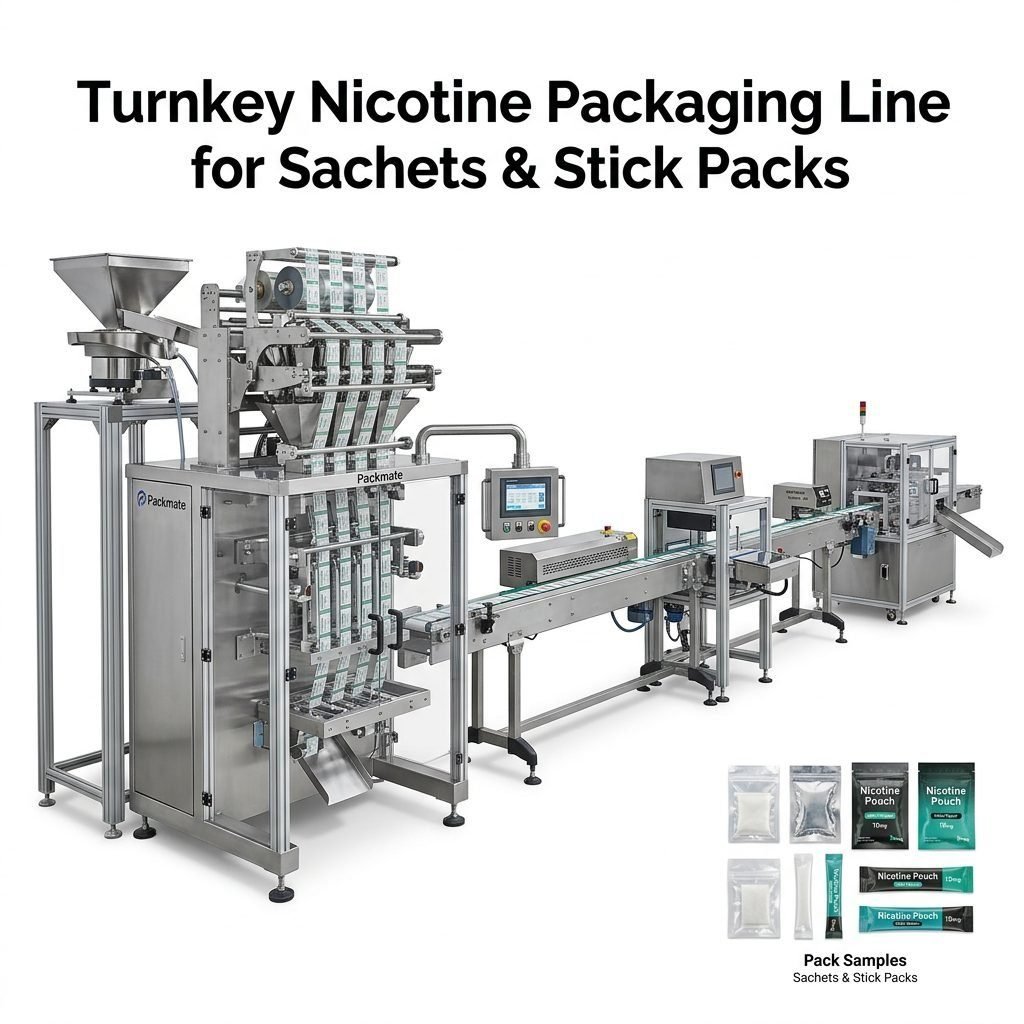
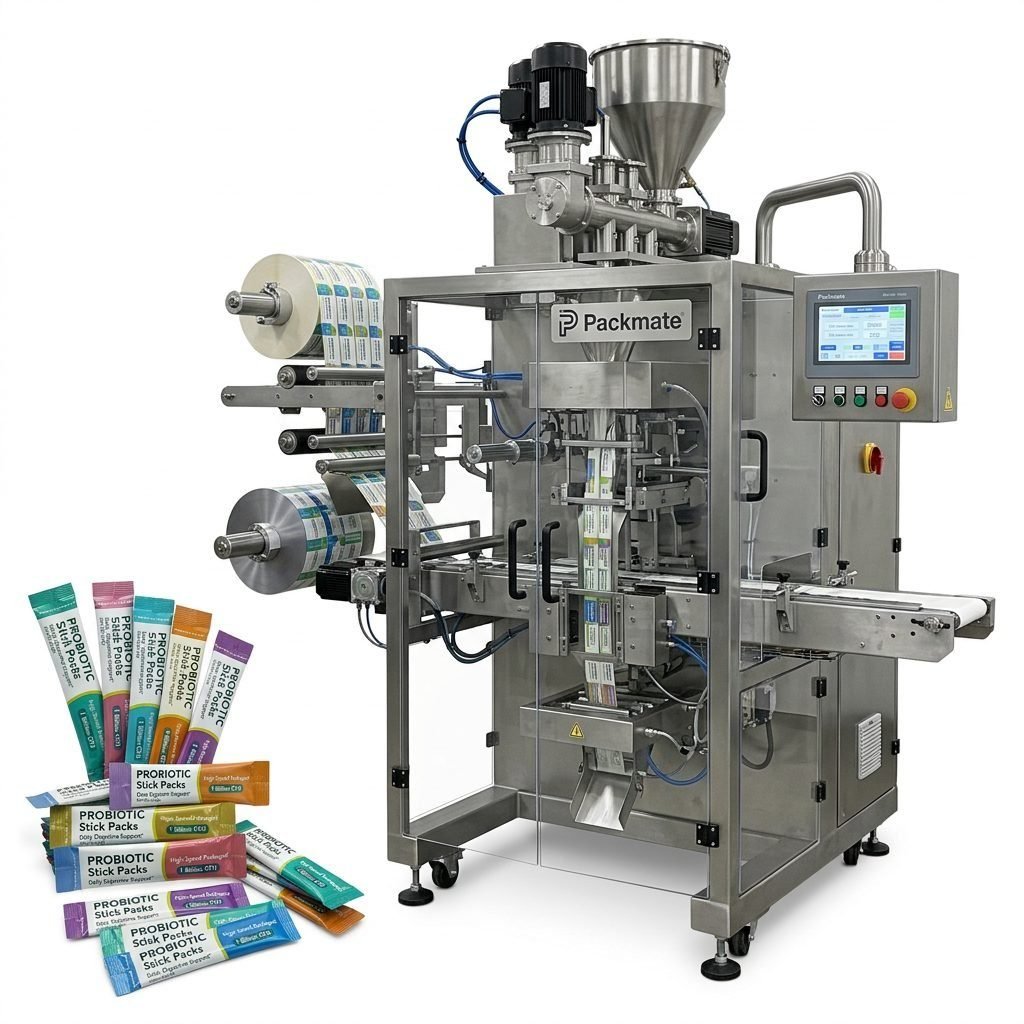
These systems are ideal for portion-controlled products like instant beverages, condiments, or pharmaceuticals. Designed to run multiple lanes simultaneously, they maximize efficiency in high-volume environments. Advanced models feature servo-driven mechanisms for precise film feeding and sealing, ensuring airtight packages that extend shelf life. For businesses seeking reliable sachet and stick pack solutions, Packmate’s specialized machines exemplify innovation, with capabilities to handle various materials and product viscosities.
Bag and Pouch Packaging Machines
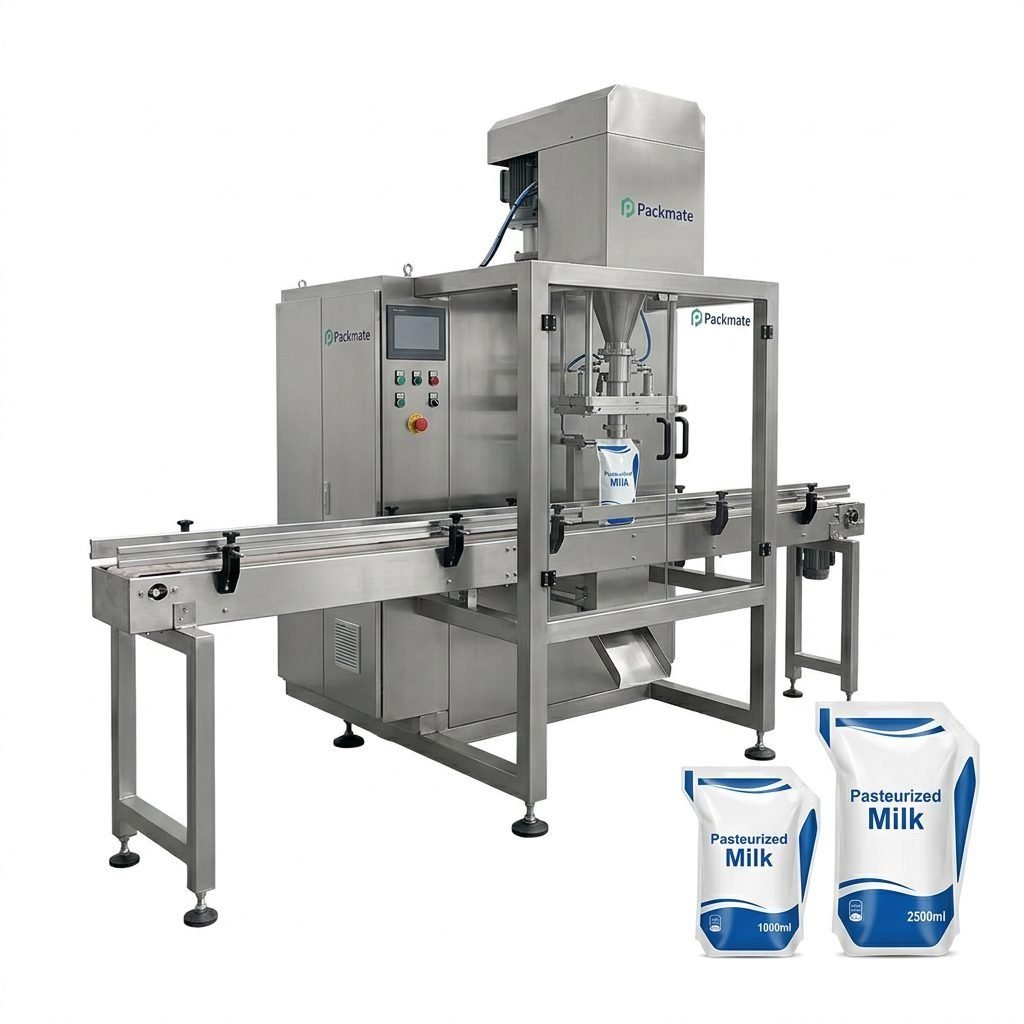
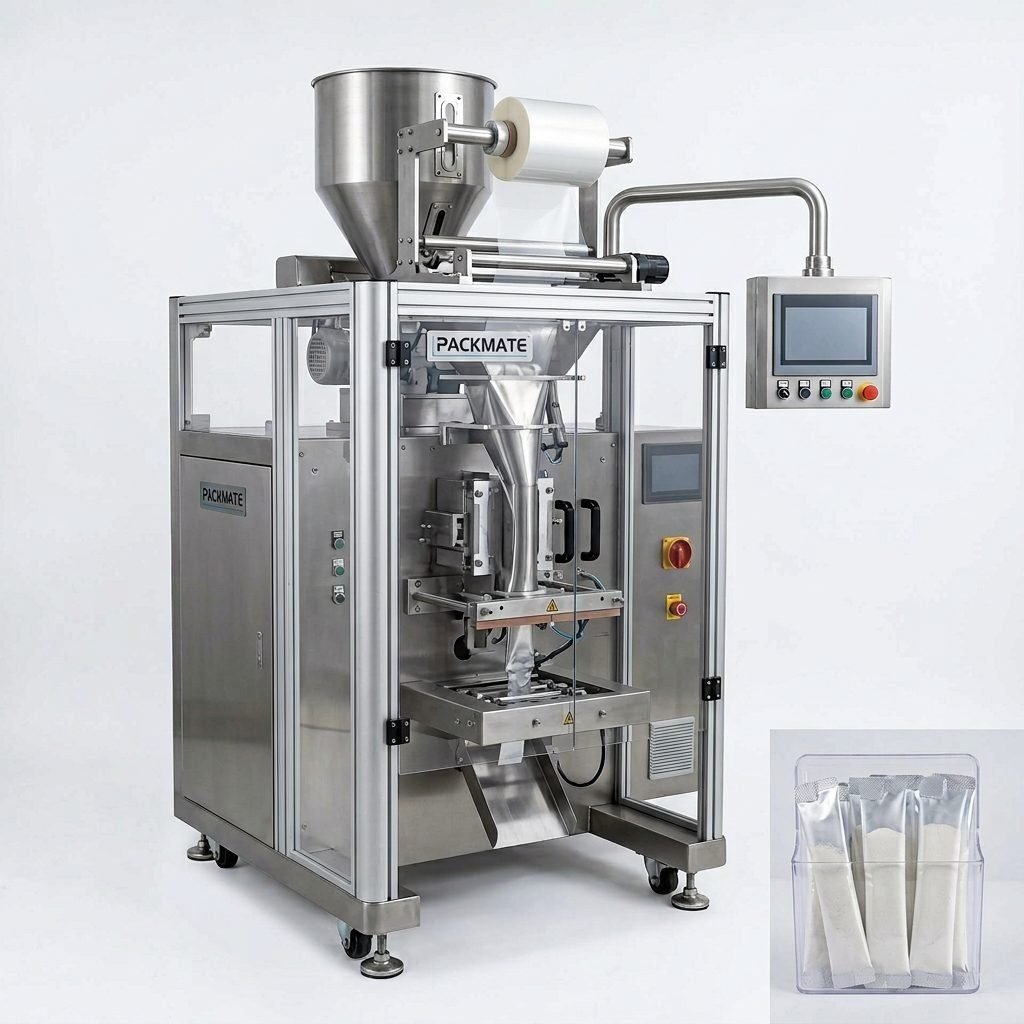
Versatility defines bag and pouch packaging equipment, which can accommodate everything from snacks to industrial chemicals. Modern machines incorporate vertical form-fill-seal (VFFS) technology, creating packages from roll stock film on-demand. This reduces storage needs for pre-made bags and allows for quick changeovers between product sizes. Features like gas flushing for modified atmosphere packaging (MAP) further enhance product preservation. Explore Packmate’s range of bag and pouch machines to find solutions that align with specific production requirements.
Weighing and Packaging Systems
Accuracy in portioning is non-negotiable in many industries. Weighing and packaging systems combine multi-head weighers with automated baggers or fillers to ensure each package meets target weights within tight tolerances. These systems often integrate checkweighers downstream to verify compliance, providing real-time data for quality control. Such technology is indispensable for products sold by weight, where regulatory standards must be met consistently.
The Role of Turnkey Solutions
For many manufacturers, piecing together individual machines from different vendors can lead to compatibility issues and operational inefficiencies. Turnkey packaging solutions offer a holistic approach, where a single provider designs, installs, and commissions an entire line tailored to the client’s needs. This includes not only primary packaging equipment but also auxiliary systems like conveyors, coders, and case packers. Companies like Packmate Machinery emphasize turnkey projects, leveraging their 20,000㎡ manufacturing facility and extensive engineering expertise to deliver seamless integration. This approach minimizes downtime during installation and ensures all components work in harmony, ultimately accelerating time-to-market for new products.
Implementing Automation: Key Considerations
Transitioning to automated packaging requires careful planning. Factors such as production volume, product characteristics, available floor space, and budget all influence the choice of machinery. It’s also essential to consider future scalability—will the system accommodate increased demand or new product lines? Partnering with an experienced manufacturer can provide valuable insights during the selection process. Additionally, training for operational staff and establishing maintenance protocols are critical to sustaining long-term performance. Regular software updates and access to spare parts, as offered through comprehensive service programs, help maintain peak efficiency.
Technological Advancements Shaping the Future
The integration of Internet of Things (IoT) sensors and data analytics is transforming packaging machinery into smart systems. These technologies enable predictive maintenance, where machines alert operators to potential failures before they occur, reducing unplanned downtime. Furthermore, connectivity with enterprise resource planning (ERP) systems allows for real-time inventory tracking and production scheduling, enhancing overall supply chain visibility. As industries move toward Industry 4.0, packaging equipment will continue to evolve, offering greater flexibility, sustainability, and intelligence.
Conclusion
Investing in top-tier packaging machinery solutions is a strategic imperative for any industrial operation aiming to thrive in an automated world. From multi-lane sachet fillers to complete turnkey lines, the right equipment can dramatically improve productivity, accuracy, and profitability. As demonstrated by leaders like Packmate Machinery, with over 30 years of specialization, success lies in choosing partners who combine technological innovation with proven reliability. By embracing these advanced solutions, manufacturers can not only meet current demands but also future-proof their operations against an ever-changing market landscape.
Frequently Asked Questions (FAQs)
What types of products are suitable for stick pack packaging machines?
Stick pack machines are highly versatile and ideal for packaging free-flowing powders, granules, and liquids. Common applications include instant coffee, sugar, drink mixes, pharmaceuticals, and condiments. Their portion-controlled design makes them perfect for single-serve products.
How does a vertical form-fill-seal (VFFS) machine work?
A VFFS machine forms a bag from a roll of flat film, fills it with a pre-measured amount of product, and then seals it—all in one continuous vertical motion. This process is highly efficient, reduces packaging material waste, and allows for quick size changes, making it a cornerstone of modern flexible packaging.
What is the typical lead time for installing a complete packaging line?
Lead times vary based on the complexity and customization of the line. For standard machines, delivery might take 8-12 weeks. For full turnkey solutions involving design, manufacturing, and installation, the timeline can extend to 4-6 months. Reputable suppliers provide detailed project schedules upfront.
Can automated packaging lines handle different package sizes?
Yes, most modern automated lines are designed with quick-changeover capabilities. Through adjustable parts and programmable settings, operators can switch between different package formats or sizes with minimal downtime, often in under 30 minutes, enhancing production flexibility.
What kind of after-sales support should I expect from a packaging machinery supplier?
A reliable supplier should offer comprehensive after-sales support, including installation supervision, operator training, readily available spare parts, and technical assistance. Many, like Packmate, also provide remote diagnostics and preventive maintenance plans to ensure long-term machine reliability and performance.