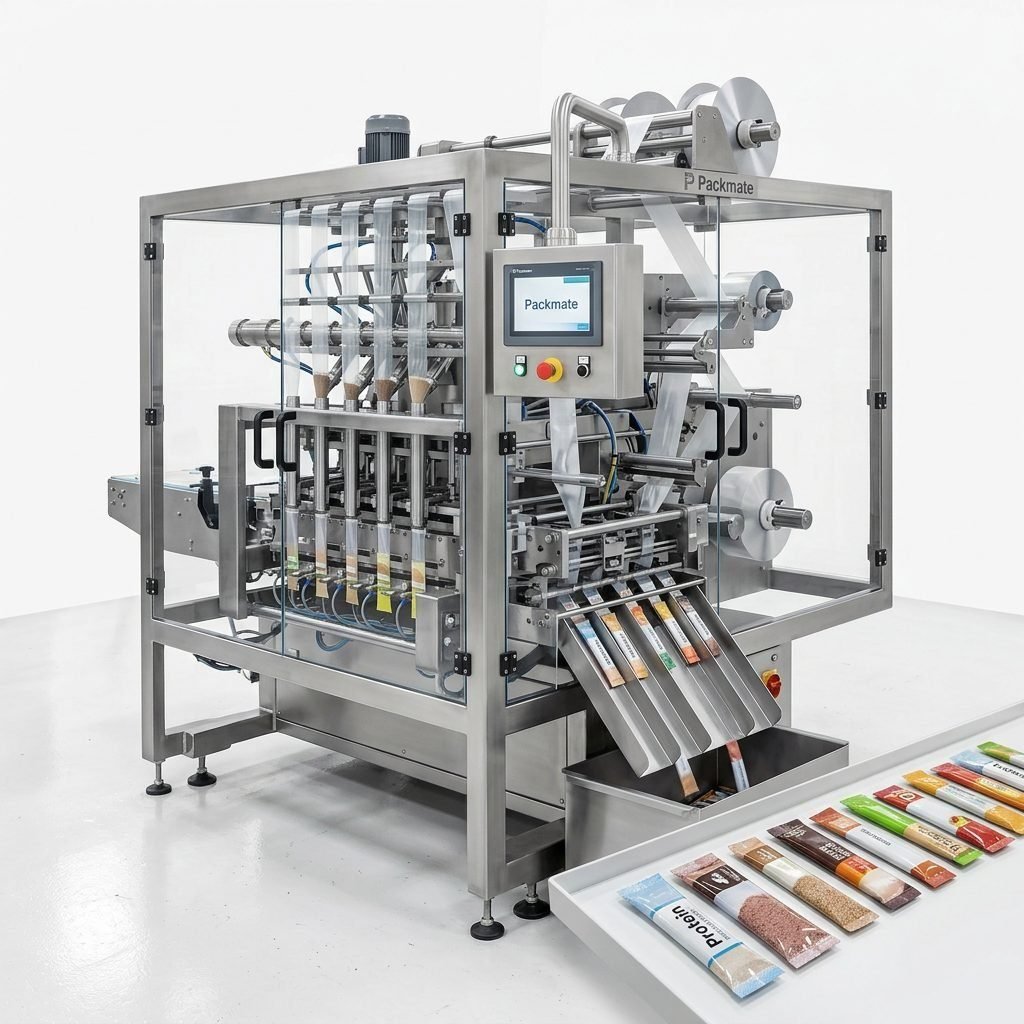
The world of packaging has undergone a revolutionary transformation, driven by the relentless pursuit of efficiency, precision, and scalability. At the heart of this transformation lies the automated packaging machine. This ultimate guide delves into the intricate world of automated packaging solutions, exploring their types, benefits, key considerations for selection, and the future trends shaping the industry. Whether you are a startup looking to streamline operations or a large corporation aiming to optimize your production line, understanding these systems is crucial for maintaining a competitive edge.
What Are Automated Packaging Machines?
Automated packaging machines are sophisticated systems designed to perform packaging tasks with minimal human intervention. They handle a wide array of functions including filling, sealing, labeling, coding, and palletizing. These machines are programmable and can be integrated into larger production lines, creating a seamless flow from product creation to dispatch. The core objective is to enhance speed, ensure consistent quality, reduce labor costs, and minimize material waste.
The evolution from manual to automated packaging represents a significant leap in manufacturing technology. Early systems were simple and single-function, but modern solutions, like those developed by industry leaders such as Packmate Machinery, are complex, multi-tasking units that can adapt to various product types and packaging formats.
Core Components of a Modern Packaging Line
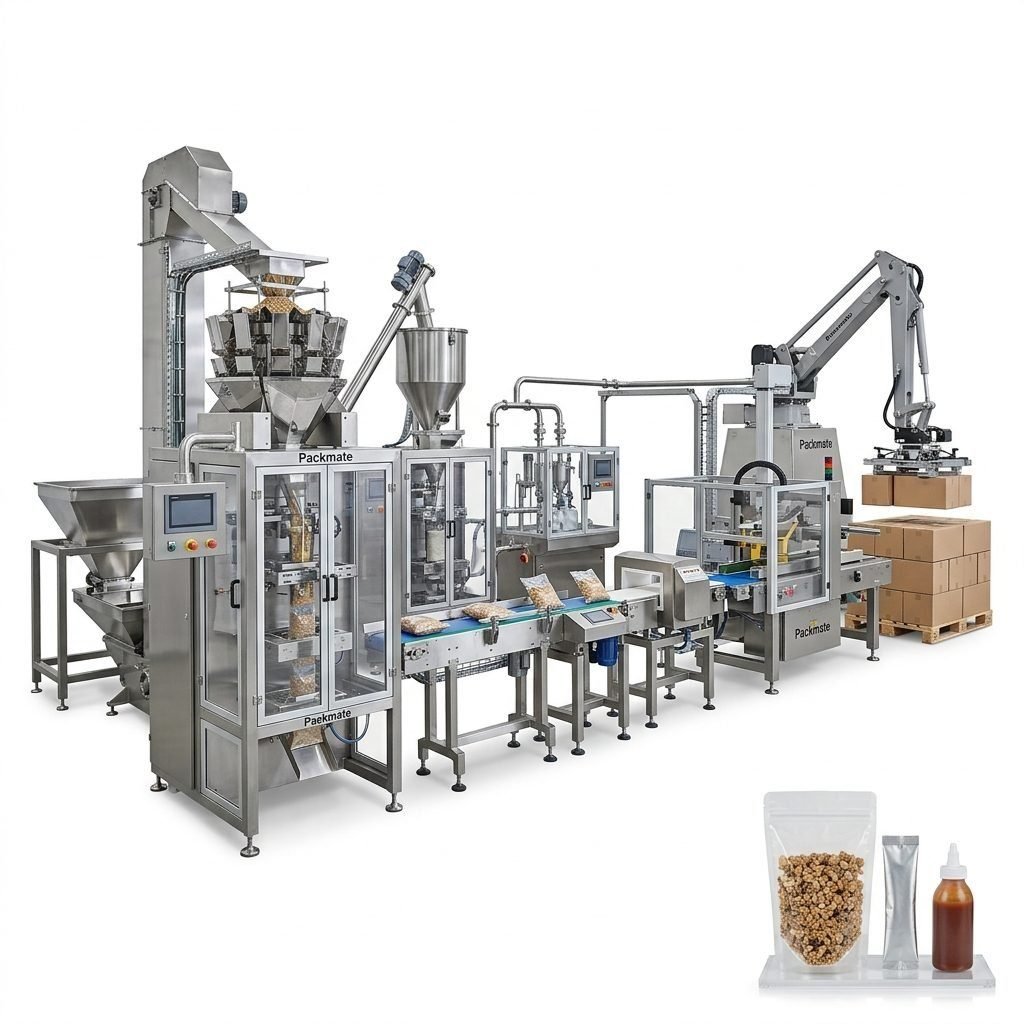
A fully integrated automated packaging line is more than just a single machine. It is a symphony of coordinated components:
Infeed System: Gently transports products to the packaging station.
Product Metering & Filling: Precisely measures and dispenses the product—be it granules, powders, or liquids—into the packaging material. Accuracy here is paramount for cost control and compliance.
Forming, Sealing & Cutting: Creates the package from a roll of film, seals it securely, and cuts it into individual units. This is the heart of machines like sachet and stick pack machines.
Secondary Packaging: Groups primary packages into boxes or cartons.
Labeling & Coding: Applies necessary labels, barcodes, and expiration dates.
Control System (PLC/HMI): The brain of the operation, allowing for programming, monitoring, and troubleshooting.
Major Types of Automated Packaging Solutions
The diversity of products demands an equally diverse range of packaging machinery. Here are the primary categories:
Vertical Form-Fill-Seal (VFFS) Machines
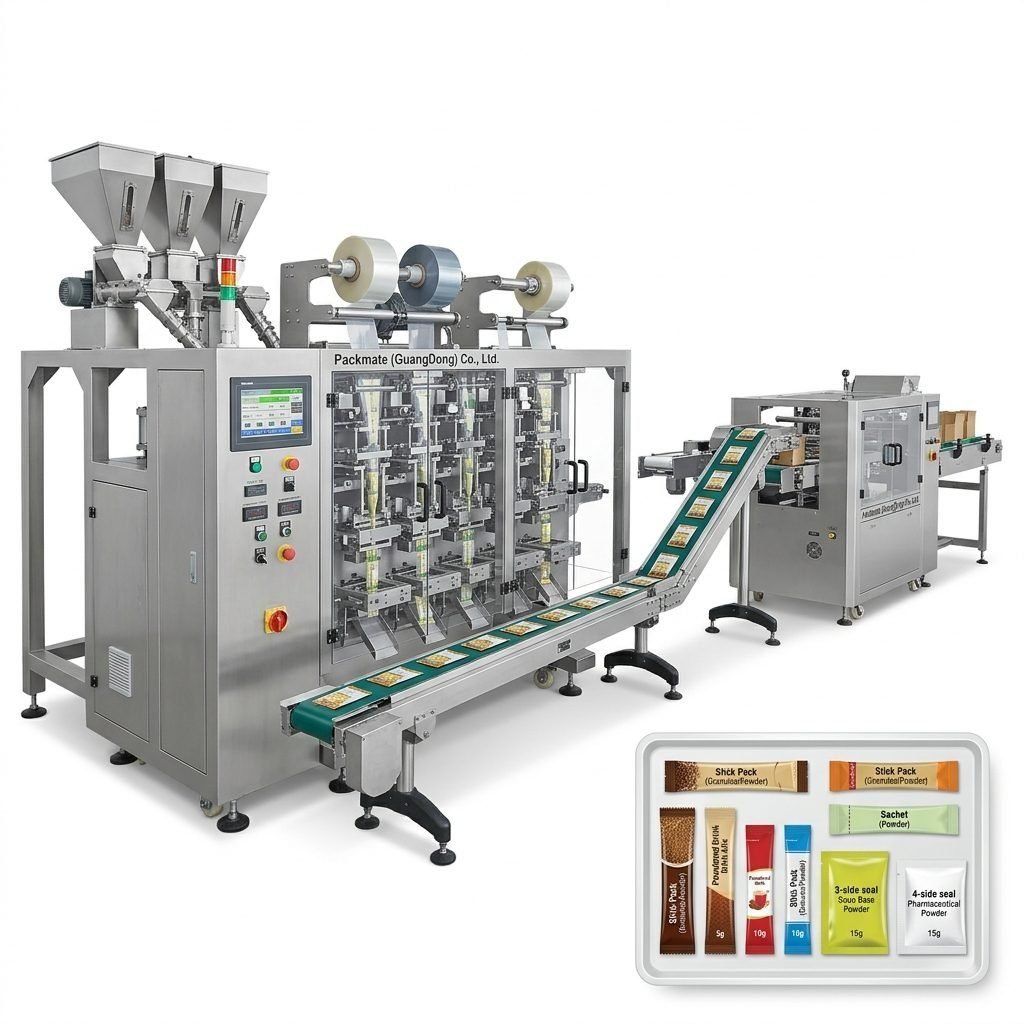
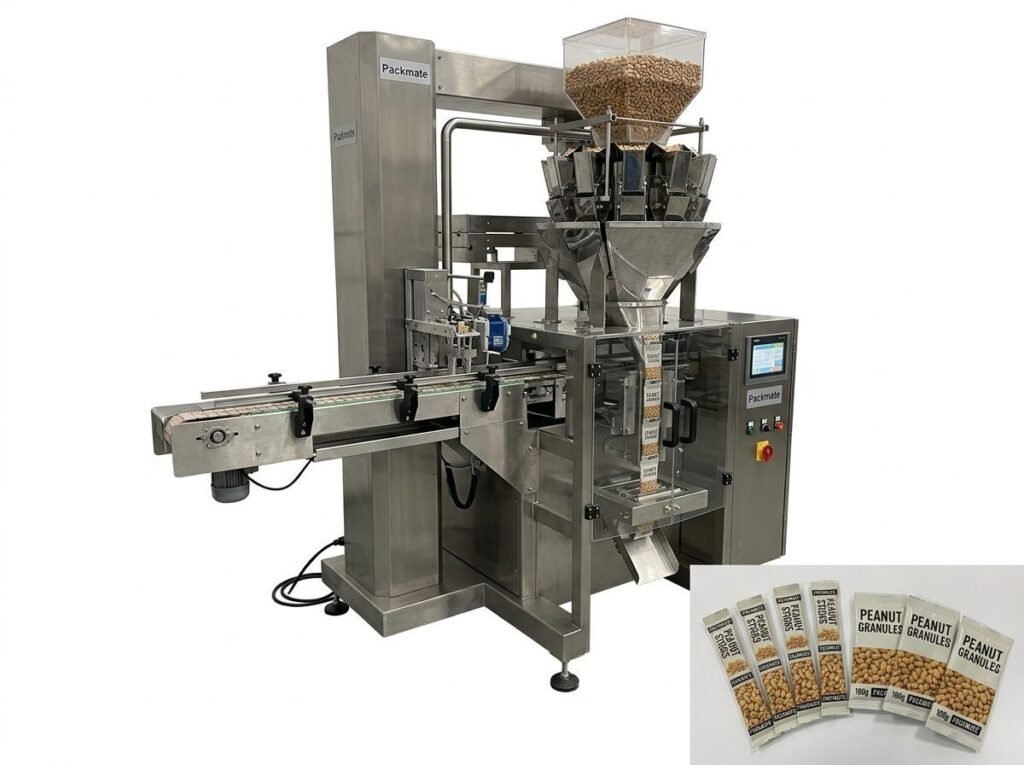
These are among the most common and versatile machines. They form a bag from a roll of film, fill it with product, and seal it—all in a vertical orientation. Ideal for snacks, grains, hardware, and powders. They are celebrated for their high speed and efficiency in handling free-flowing products.
Horizontal Form-Fill-Seal (HFFS) Machines
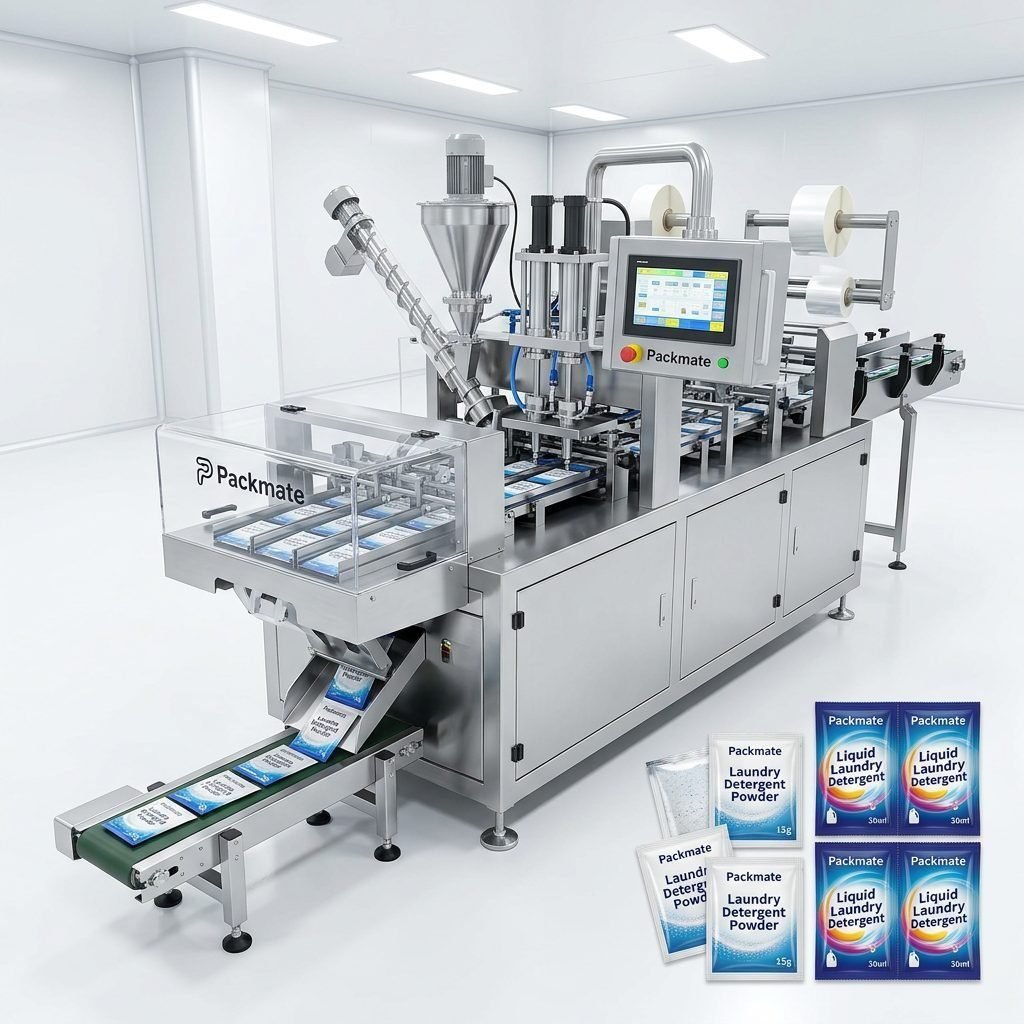
HFFS machines form packages on a horizontal plane. They are typically used for more rigid or structured items that need to be laid in a tray or formed pouch, such as biscuits, medical devices, or tool kits. They excel at creating attractive, retail-ready packaging.
Sachet and Stick Pack Machines
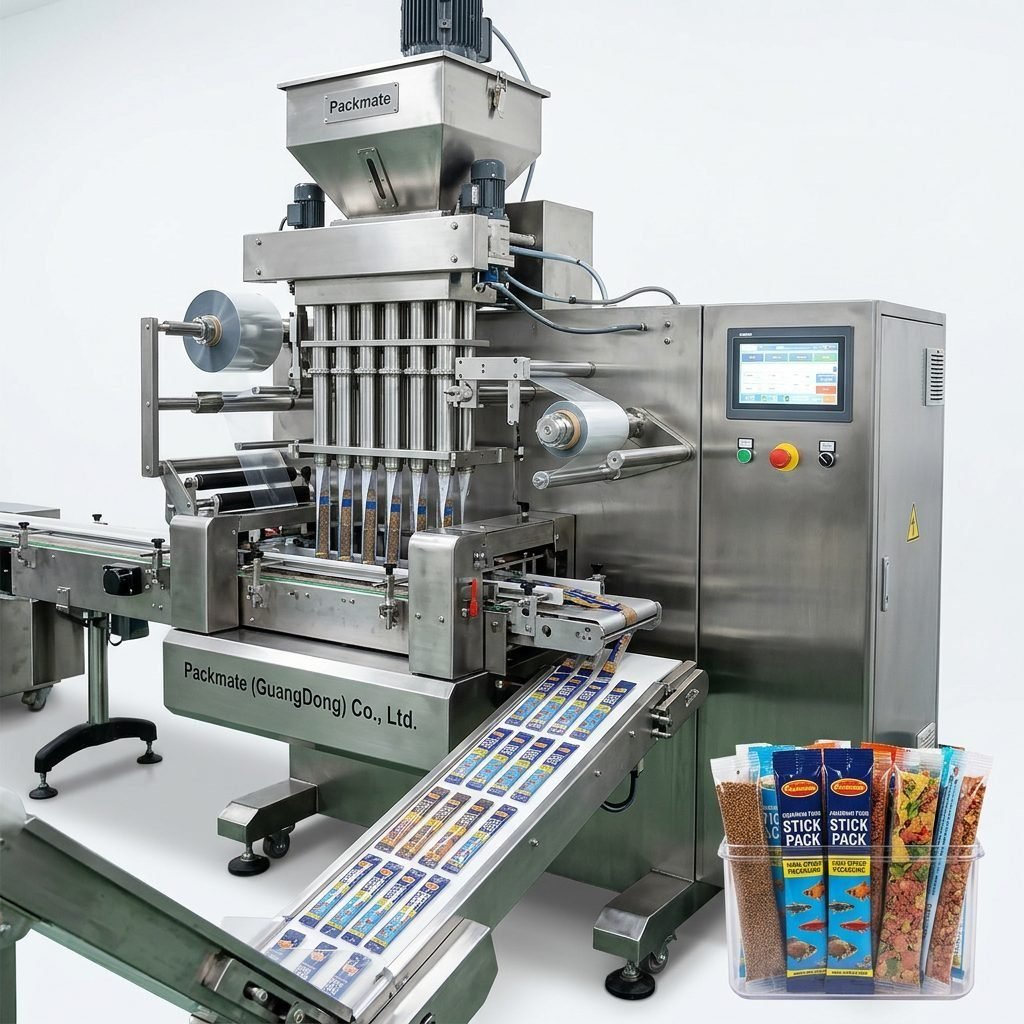
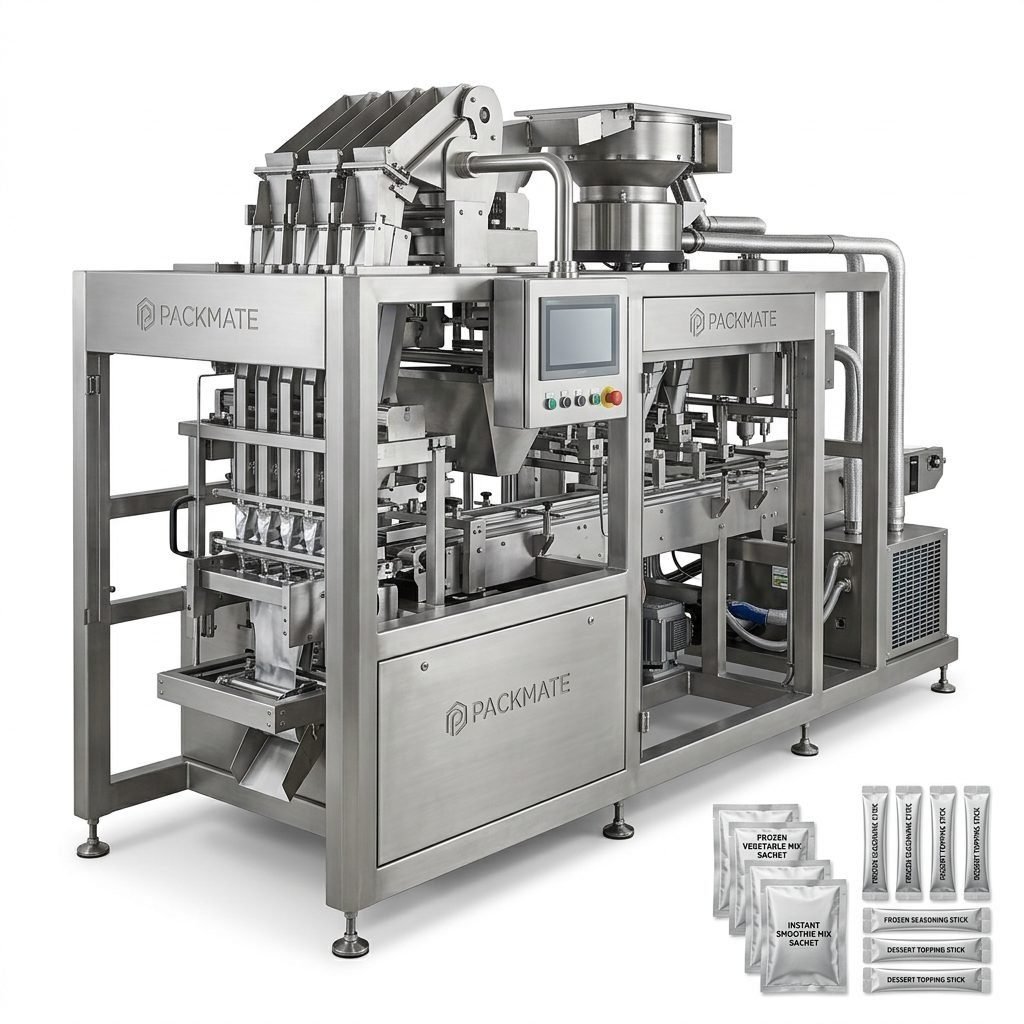
Designed for small, single-serve portions of products like condiments, pharmaceuticals, coffee, and supplements. Modern systems are multi-lane, capable of producing dozens of sachets per second. For businesses in the food or pharmaceutical sector, exploring complete filling and packaging lines that incorporate these machines can be a game-changer for productivity.
Liquid & Paste Filling Machines
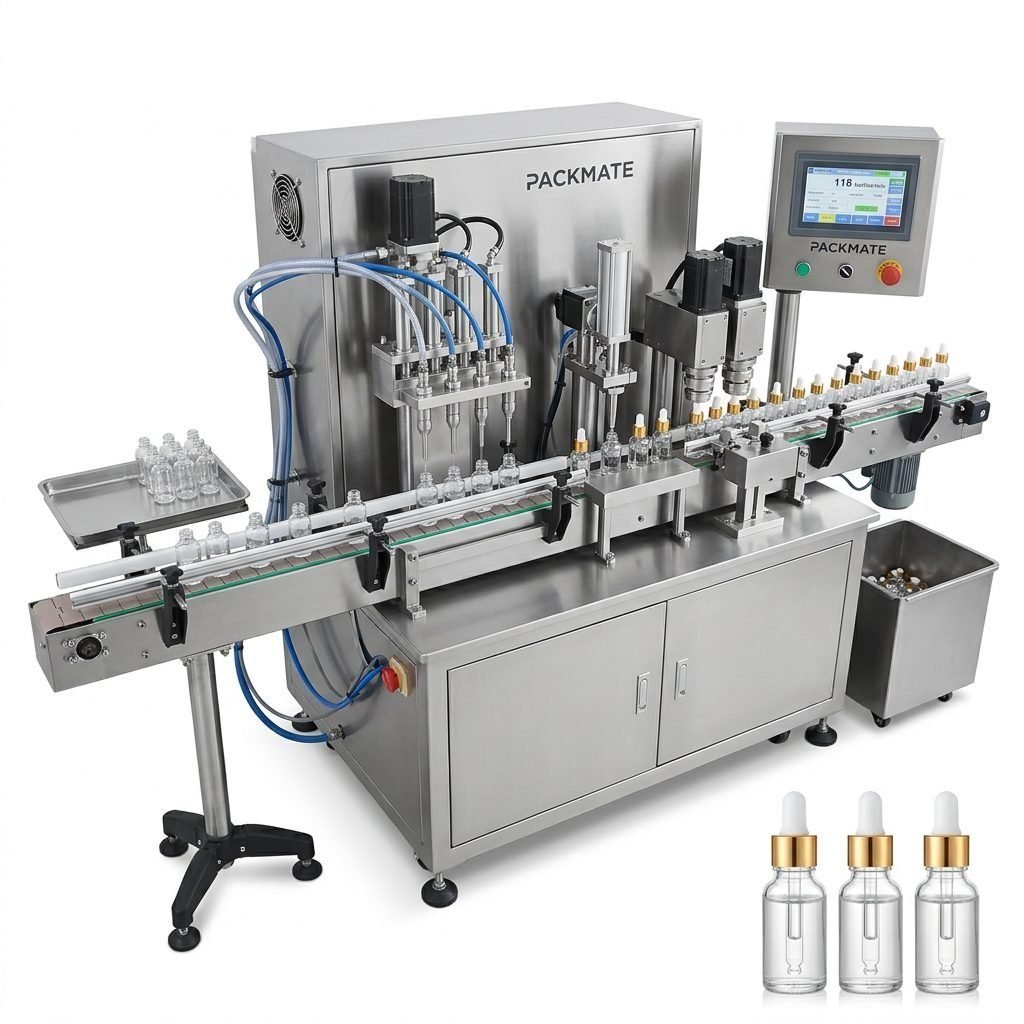
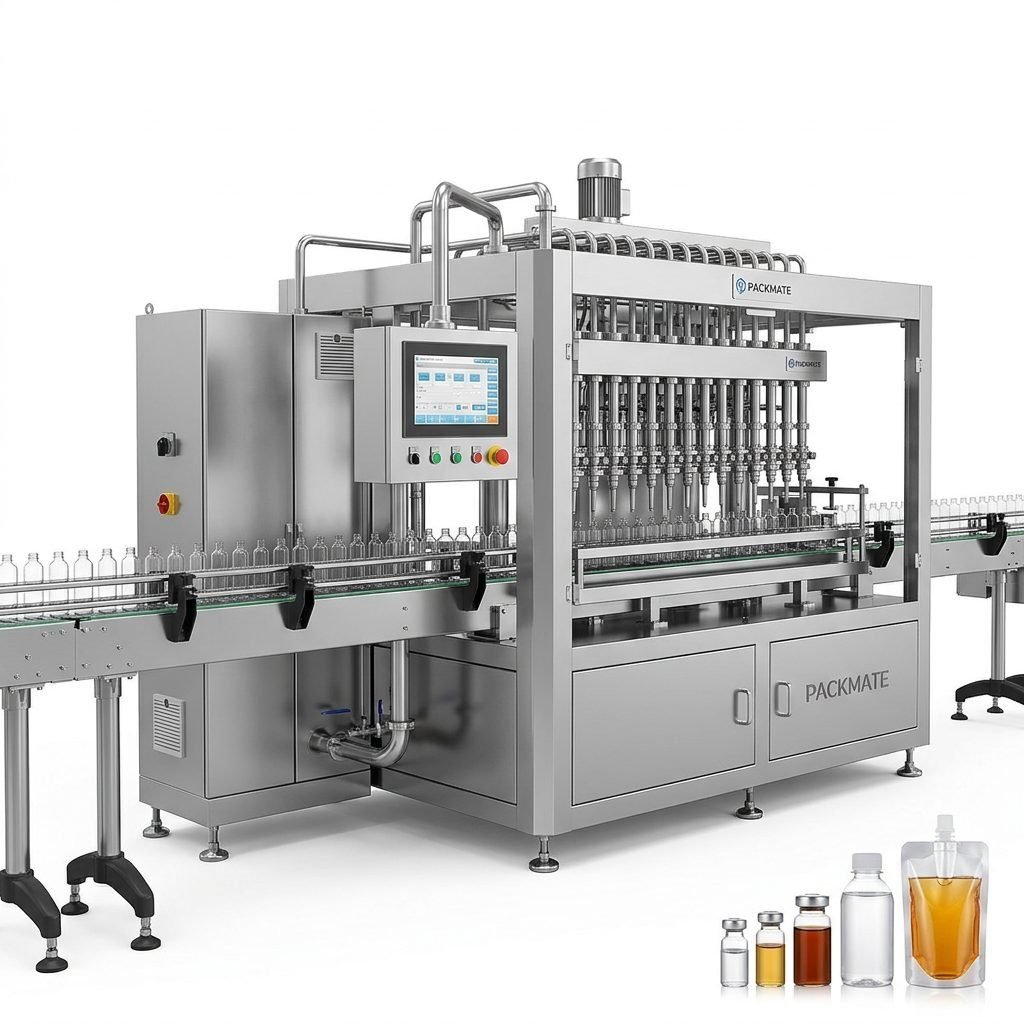
These specialized machines handle viscous products like sauces, shampoos, creams, and oils. They use pumps, pistons, or gravity to achieve precise fill volumes without drips or spills, ensuring cleanliness and compliance with stringent hygiene standards.
Cartoning & Case Packing Systems
Automation extends to the secondary packaging stage. Robotic arms or mechanical systems automatically erect cartons, insert primary packages, and seal them. Case packers then group these cartons into shipping cases, ready for palletizing.
The Tangible Benefits of Automation
Investing in automated packaging machinery yields a substantial return on investment through multiple channels:
Unmatched Speed and Throughput: Machines operate 24/7 without fatigue, dramatically increasing output and allowing businesses to scale operations to meet market demand.
Superior Consistency and Quality: Every package is identical in weight, seal integrity, and appearance. This reduces customer complaints and product waste, while enhancing brand reputation.
Significant Labor and Cost Savings: Automation reduces dependency on large manual labor teams for repetitive tasks, reallocating human resources to more skilled oversight, maintenance, and quality control roles.
Enhanced Safety and Hygiene: Machines handle sharp materials, heavy loads, and products in sterile environments, minimizing workplace injuries and contamination risks—a critical factor in food and pharmaceutical packaging.
Data and Traceability: Modern machines are equipped with sensors and software that collect real-time data on production speed, downtime, and error rates. This data is invaluable for process optimization and regulatory compliance.
Choosing the Right Partner and Machine
Selecting an automated packaging solution is a strategic decision. The right partner is as important as the right machine. Consider a manufacturer with a proven track record, like Packmate Machinery, which brings over 30 years of expertise in crafting intelligent packaging equipment. Key selection criteria include:
Product Characteristics: Analyze your product’s form (solid, granule, liquid), abrasiveness, and fragility.
Required Output (Speed): Calculate your current and future production needs to avoid under or over-investing.
Packaging Material: The machine must be compatible with your chosen film, laminate, or pouch material.
Footprint and Integration: Ensure the machine fits your factory layout and can communicate with existing upstream/downstream equipment.
Total Cost of Ownership (TCO): Look beyond the purchase price. Factor in maintenance costs, spare part availability, energy consumption, and the supplier’s technical support. A reliable partner offering comprehensive after-sales service is invaluable.
The Future: Smart Packaging and Industry 4.0
The next frontier is the integration of packaging machines into the Industrial Internet of Things (IIoT). Smart machines will self-diagnose issues, predict maintenance needs, and automatically adjust parameters for different products. They will communicate seamlessly with Enterprise Resource Planning (ERP) systems, enabling truly lights-out manufacturing and mass customization. Sustainability will also drive innovation, with machines designed to handle biodegradable or recyclable materials with equal efficiency.
In conclusion, automated packaging machines are no longer a luxury but a necessity for businesses aiming to thrive in a fast-paced, quality-conscious global market. From versatile VFFS machines to precise liquid fillers, the right solution can transform your production capability. The journey begins with a clear understanding of your needs and partnering with an experienced provider committed to innovation and support.
Frequently Asked Questions (FAQs)
Q1: How much can I expect to save on labor costs with an automated packaging machine?
A1: Savings vary widely but can be substantial. A single automated line can often replace several manual stations. The primary saving isn’t just in direct wages, but in increased output per hour, reduced error-related waste, and lower costs associated with workplace injuries. A detailed ROI analysis with your machine supplier is essential.
Q2: Are automated packaging machines difficult to maintain and operate?
A2: Modern machines are designed with user-friendly Human-Machine Interfaces (HMIs). While they require skilled technicians for complex maintenance, routine operations and basic troubleshooting can be managed by trained line operators. Choosing a supplier that offers thorough training and readily available spare parts is key to smooth operation.
Q3: Can one machine handle different package sizes and products?
A3: Yes, most modern machines are highly flexible. Changeover between different package sizes or products is achieved by switching out parts (like forming tubes or fill nozzles) and loading new parameters from the control panel. The speed and complexity of changeover vary by machine type, so discuss your flexibility needs with your supplier upfront.
Q4: What is the typical lead time for a custom automated packaging line?
A4: Lead times depend on the complexity and customization of the system. For standard models, it could be a few months. For fully custom, integrated turnkey lines, the process from design to factory acceptance testing can take six months to over a year. Clear communication and planning with your manufacturer are crucial.
Q5: How do I ensure the machine meets hygiene standards for food or pharmaceutical use?
A5: Specify your industry requirements (e.g., FDA, EU, GMP) during the quoting process. Reputable manufacturers will construct machines with appropriate materials (e.g., stainless steel 304 or 316), design for easy cleaning without tool disassembly (CIP/SIP features), and provide necessary documentation and certificates for compliance.