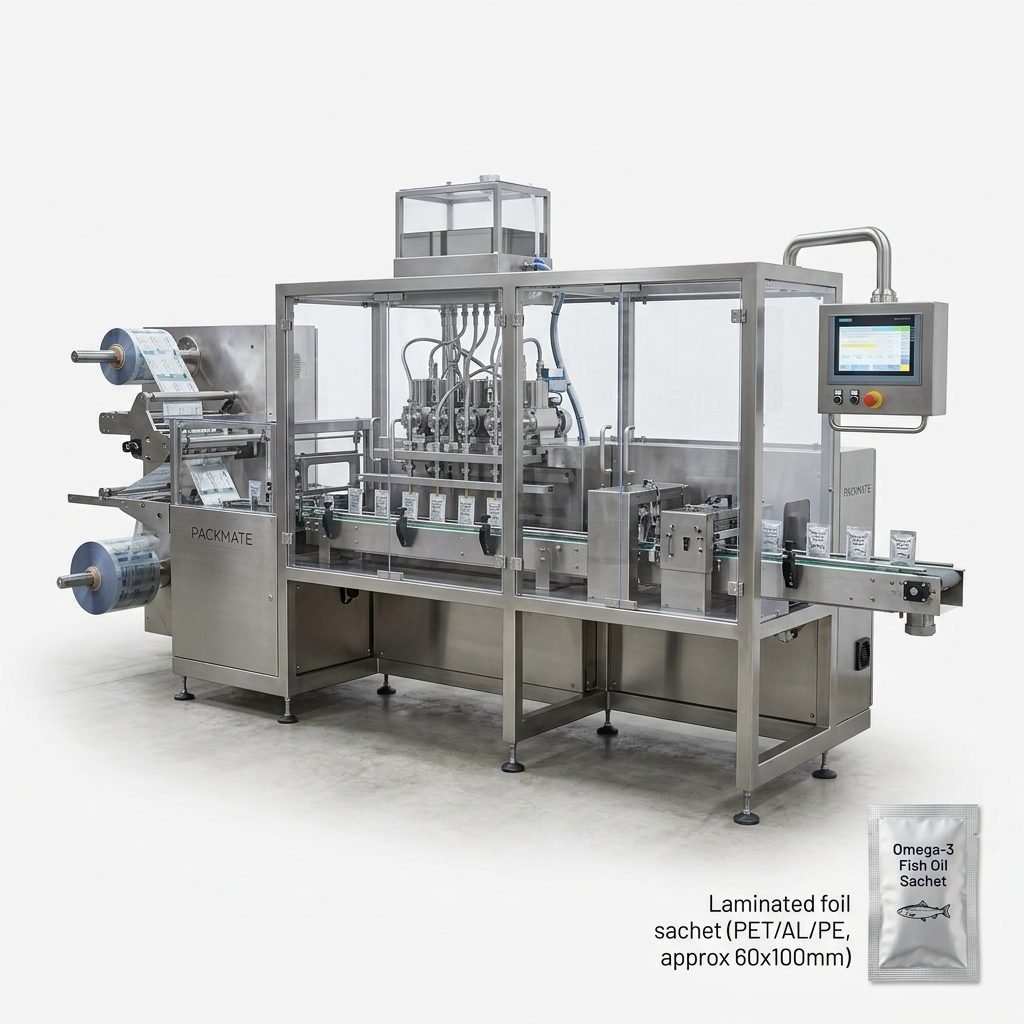
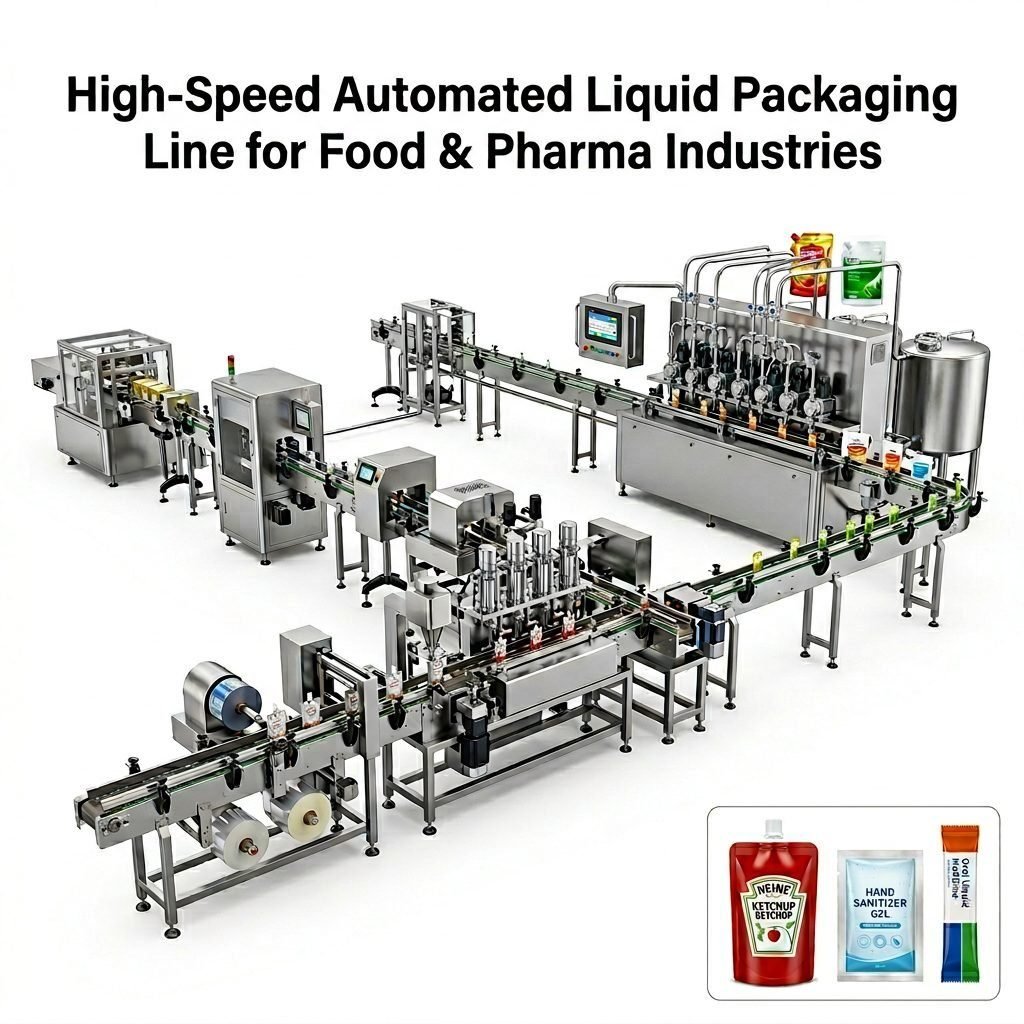
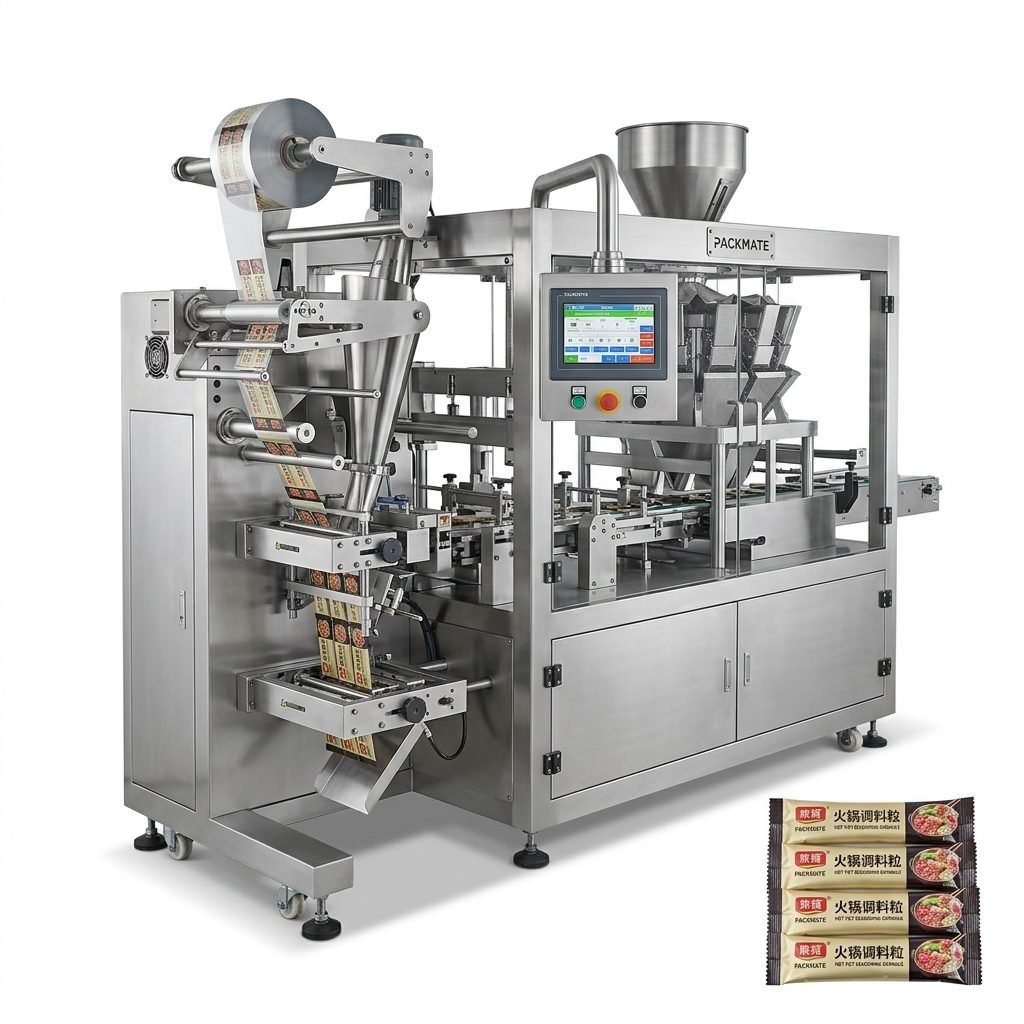
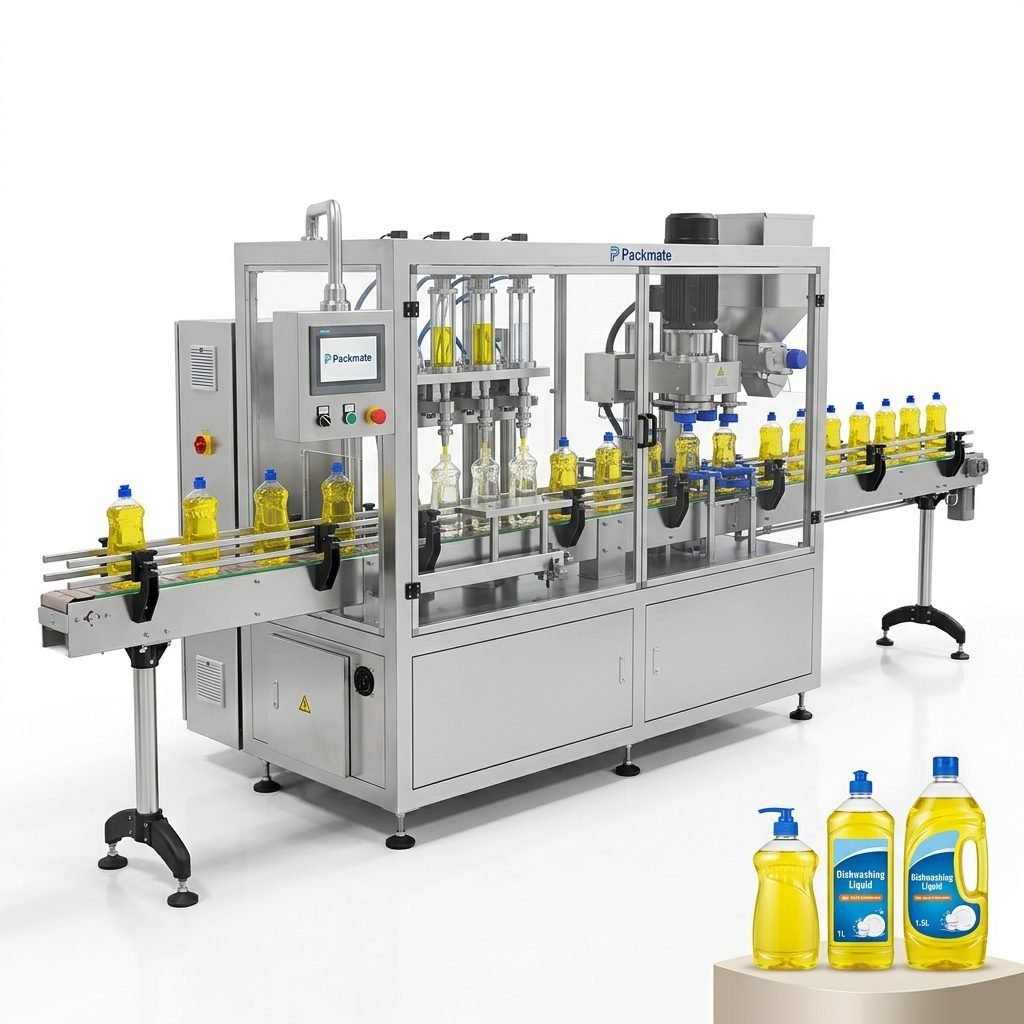
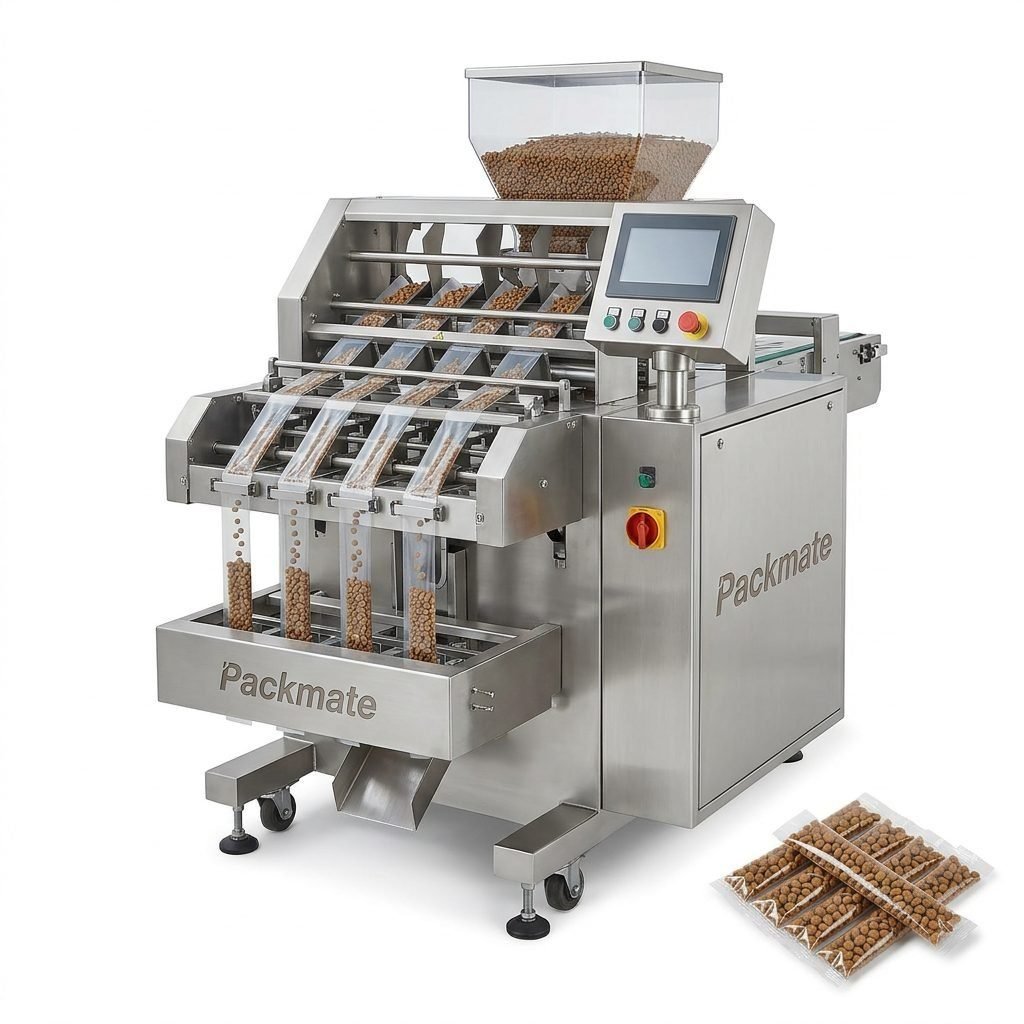
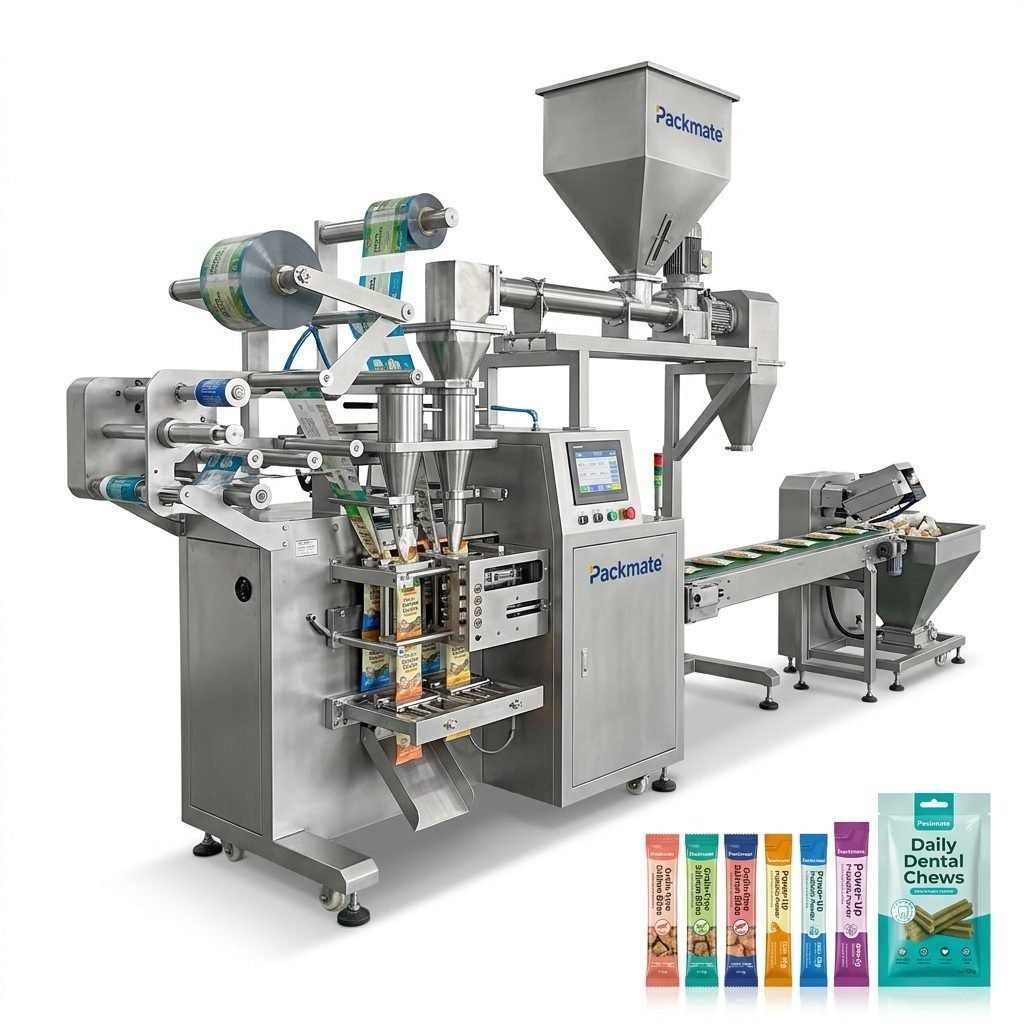
Selecting the right liquid packaging machine manufacturer is a critical decision that impacts your production efficiency, product quality, and overall business profitability. The market is filled with numerous suppliers, each offering a range of technologies and promises. This guide aims to navigate you through the key considerations, industry trends, and how to identify top-tier manufacturers and suppliers for your liquid packaging needs.
Key Factors in Choosing a Liquid Packaging Machine Manufacturer
When evaluating potential partners, several core factors must be scrutinized beyond the initial machine price. The longevity and reliability of your packaging line depend on these foundational elements.
Technical Expertise and Innovation
The best manufacturers invest heavily in research and development. Look for a company with a proven track record of innovation, capable of handling various liquid viscosities—from water-thin oils to viscous pastes and creams. Their engineering team should understand the nuances of different filling technologies, such as volumetric piston fillers, gravity fillers, and vacuum fillers, to recommend the optimal solution. A manufacturer like Packmate Machinery, with over 30 years of expertise, exemplifies how deep technical knowledge translates into reliable and intelligent packaging solutions for the food, pharmaceutical, and health industries.
Core Evaluation Checklist:
Machine Flexibility: Can it handle multiple container types and sizes with quick changeovers?
Hygienic Design: Is the machine constructed with food-grade or pharmaceutical-grade materials (e.g., 316L stainless steel) for easy cleaning and compliance?
Automation Level: Does it offer integration with upstream and downstream equipment like cappers, labelers, and vision inspection systems?
Production Scale and Manufacturing Capability
The physical scale of a manufacturer’s operation often correlates with its ability to deliver consistent quality and meet deadlines. A supplier with a modern, sizable manufacturing facility is better equipped with advanced production lines and rigorous testing protocols. For instance, operating from a 20,000㎡ factory allows for in-house control over machining, assembly, and quality assurance, reducing reliance on external vendors and potential delays. This scale is crucial for producing robust machines designed for 24/7 operation in high-demand environments.
Comprehensive Product Portfolio and Customization
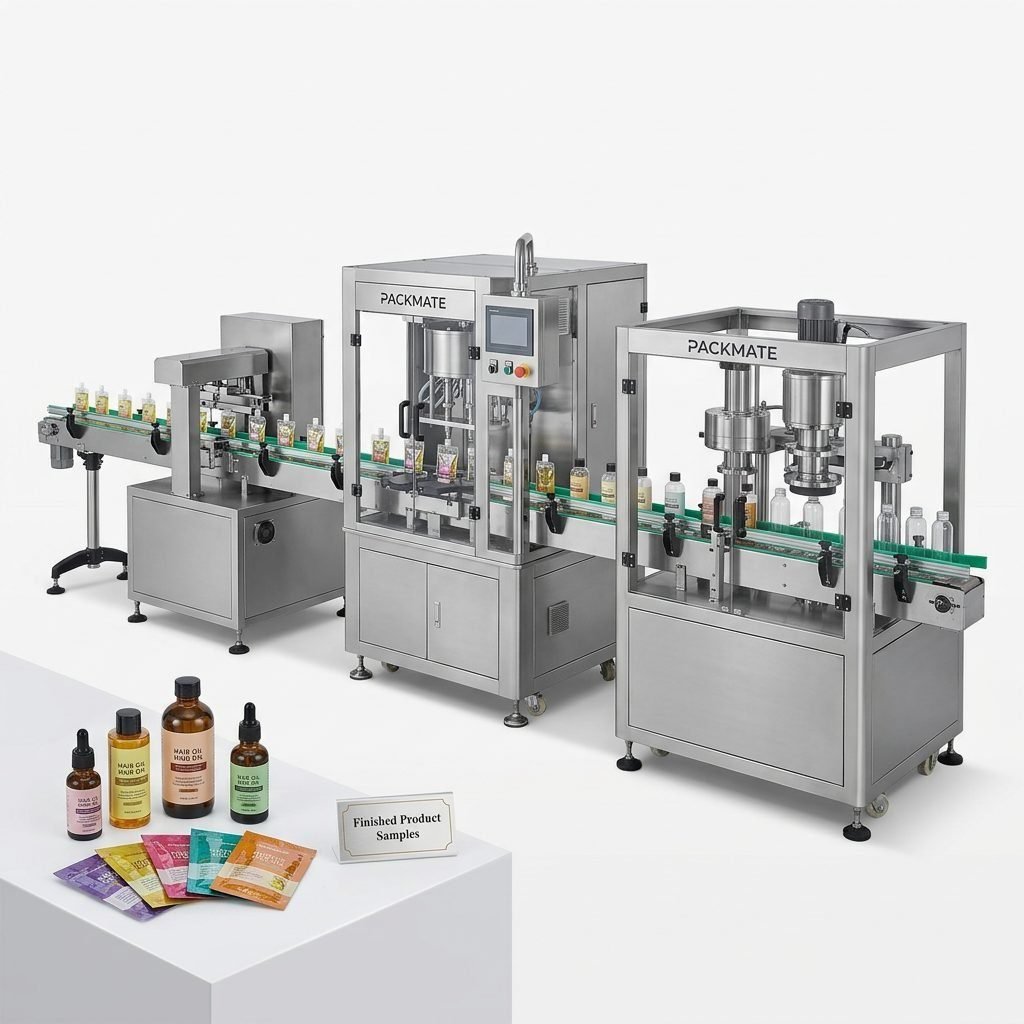
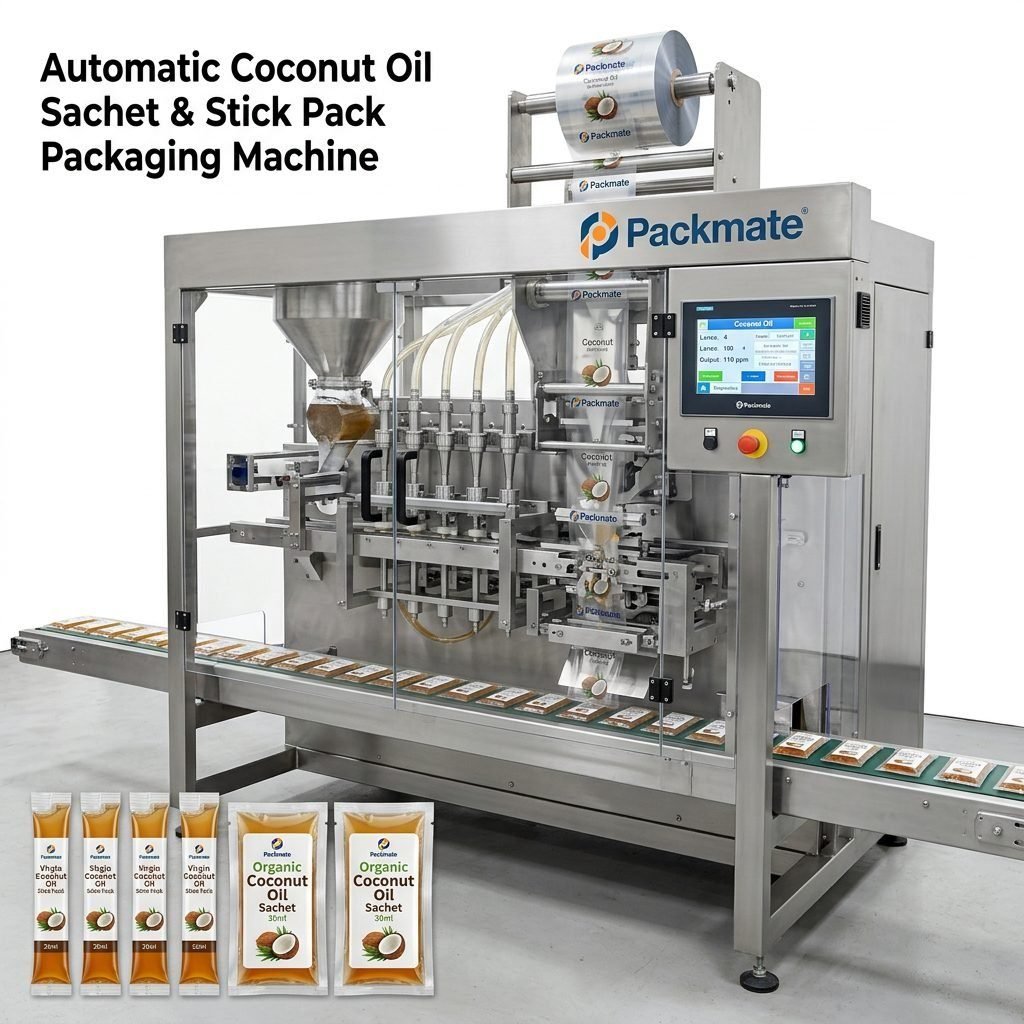
Top suppliers don’t just sell machines; they provide solutions. A broad portfolio, including various filling and packaging lines, indicates a deep understanding of diverse market needs. Whether you require a simple single-head filler or a complete turnkey line for sachets, stick packs, or bottles, the manufacturer should have the experience to configure a system tailored to your specific product, output speed, and budget. The ability to customize is a hallmark of a true partner.
Global Market Trends Influencing Supplier Selection
The liquid packaging machinery sector is evolving rapidly, driven by consumer demands and regulatory shifts. Leading manufacturers are at the forefront of these trends.
Sustainability and Material Reduction
Environmental concerns are pushing brands towards sustainable packaging. Forward-thinking manufacturers are developing machines that work efficiently with mono-material, recyclable, or bio-based films. Precision filling technology minimizes product waste, while advanced sealing systems ensure package integrity with less material use. Choosing a supplier with expertise in these areas future-proofs your investment.
Smart Manufacturing and Industry 4.0
Connectivity is no longer optional. The best liquid packaging machines now come equipped with IoT sensors and user-friendly HMIs (Human-Machine Interfaces) that provide real-time data on production counts, OEE (Overall Equipment Effectiveness), maintenance alerts, and recipe management. This data-driven approach enables predictive maintenance and seamless integration into a smart factory ecosystem, maximizing uptime and productivity.
The Advantage of a Turnkey Solution Provider
Partnering with a manufacturer that offers end-to-end solutions—from initial concept and machine design to installation, training, and after-sales support—simplifies the entire process. Companies that have evolved from a core focus, like how Packmate expanded from sachet machines to comprehensive weighing and packaging systems, bring invaluable integrated experience. They ensure all components of your line work in harmony, reducing interface issues and providing a single point of accountability for service and parts.
Building a Partnership for Long-Term Success
The relationship with your machinery supplier should extend far beyond the point of sale. A reliable partner is invested in your success for the lifespan of the equipment.
After-Sales Service and Technical Support
Investigate the supplier’s global service network. Do they offer prompt spare parts delivery, on-site technician support, and remote troubleshooting? Comprehensive training for your operators and maintenance staff is essential to achieve optimal machine performance and longevity. A strong service ethos, often rooted in a company’s founding principles of collaboration and support, is a critical differentiator.
Proven Global Experience and Certifications
A manufacturer with a history of serving an international clientele has demonstrated the ability to meet diverse regulatory standards and operational challenges. Relevant industry certifications (e.g., CE, FDA compliance, ISO standards) are non-negotiable benchmarks of quality and safety. They provide assurance that the equipment is built to perform reliably and safely in your market.
In conclusion, identifying top liquid packaging machine manufacturers requires a holistic view that balances technical specifications with the intangible qualities of partnership and innovation. By prioritizing suppliers with robust engineering capabilities, scalable manufacturing, adaptability to market trends, and unwavering after-sales commitment, you secure not just a machine, but a cornerstone for your production growth and brand integrity.
Frequently Asked Questions (FAQ)
What is the typical lead time for a custom liquid packaging line?
Lead times vary significantly based on complexity and customization. For standard models, it can range from 8-12 weeks. For fully custom, integrated turnkey lines, the timeline may extend to 20-30 weeks or more, encompassing design, manufacturing, factory testing, and shipping. Reputable manufacturers provide a detailed project timeline upon quotation.
How do I determine the right filling accuracy for my product?
Required accuracy depends on product value and regulatory requirements. High-value pharmaceuticals may need ±0.1% accuracy, while many food products function well at ±0.5% to ±1%. Your supplier should conduct product tests with their equipment to determine the achievable and repeatable accuracy for your specific liquid’s viscosity and foaming characteristics.
Can one machine handle different types of liquids and container sizes?
Many modern machines are designed for flexibility. Key factors are the filling technology (e.g., a piston filler can handle a wider viscosity range than a gravity filler) and the availability of quick-change parts for different container sizes. However, significant changes in product characteristics (e.g., from oil to abrasive slurry) often require a dedicated machine or extensive cleaning and part changes to prevent cross-contamination.
What are the most critical maintenance routines for a liquid filler?
Daily cleaning and lubrication as per the manual are essential. Regularly inspect and replace seals and gaskets in the filling head to prevent leaks and maintain accuracy. Calibration of scales or volumetric systems should be performed at scheduled intervals. A robust preventive maintenance schedule, often supported by the manufacturer, is crucial to avoid unplanned downtime.
What level of training is provided with the purchase of a new machine?
Top manufacturers typically include comprehensive training, covering operation, routine maintenance, troubleshooting, and safety procedures. This can be conducted at their facility during the Factory Acceptance Test (FAT) and/or at your plant during installation and commissioning. Ensure training is documented and includes hands-on practice for your key personnel.