In the relentless pursuit of industrial efficiency, the selection of the right packaging machinery is not merely an operational decision—it’s a strategic imperative. Modern production lines demand equipment that delivers speed, precision, reliability, and adaptability. The right solutions can dramatically reduce waste, minimize downtime, optimize labor costs, and ensure consistent product quality, directly impacting the bottom line. This article explores the top packaging machinery solutions engineered to maximize industrial efficiency across various sectors.
The Core Pillars of Efficient Packaging Machinery
Efficiency in packaging transcends simple speed. It is built on several interconnected pillars that define high-performance machinery. Precision and accuracy in dosing and sealing are paramount to minimize product giveaway and ensure package integrity. Operational reliability and uptime are critical, as unplanned stoppages are among the costliest inefficiencies in any plant. Furthermore, flexibility and quick changeover capabilities allow producers to respond swiftly to market demands for different package sizes, formats, and materials without lengthy production halts. Finally, integration with factory automation systems (like MES or ERP) provides real-time data for predictive maintenance and production optimization, closing the loop on smart manufacturing.
1. Multi-Lane Stick Pack and Sachet Machines
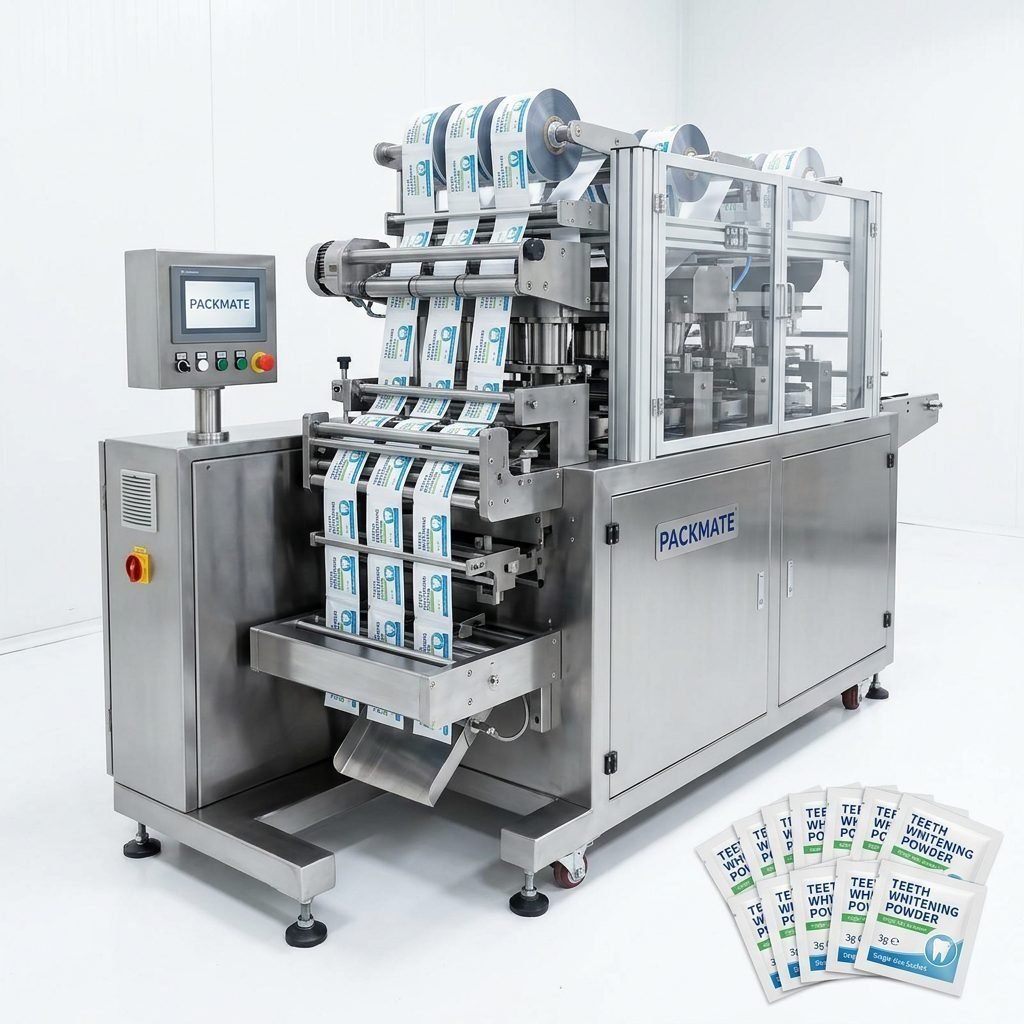
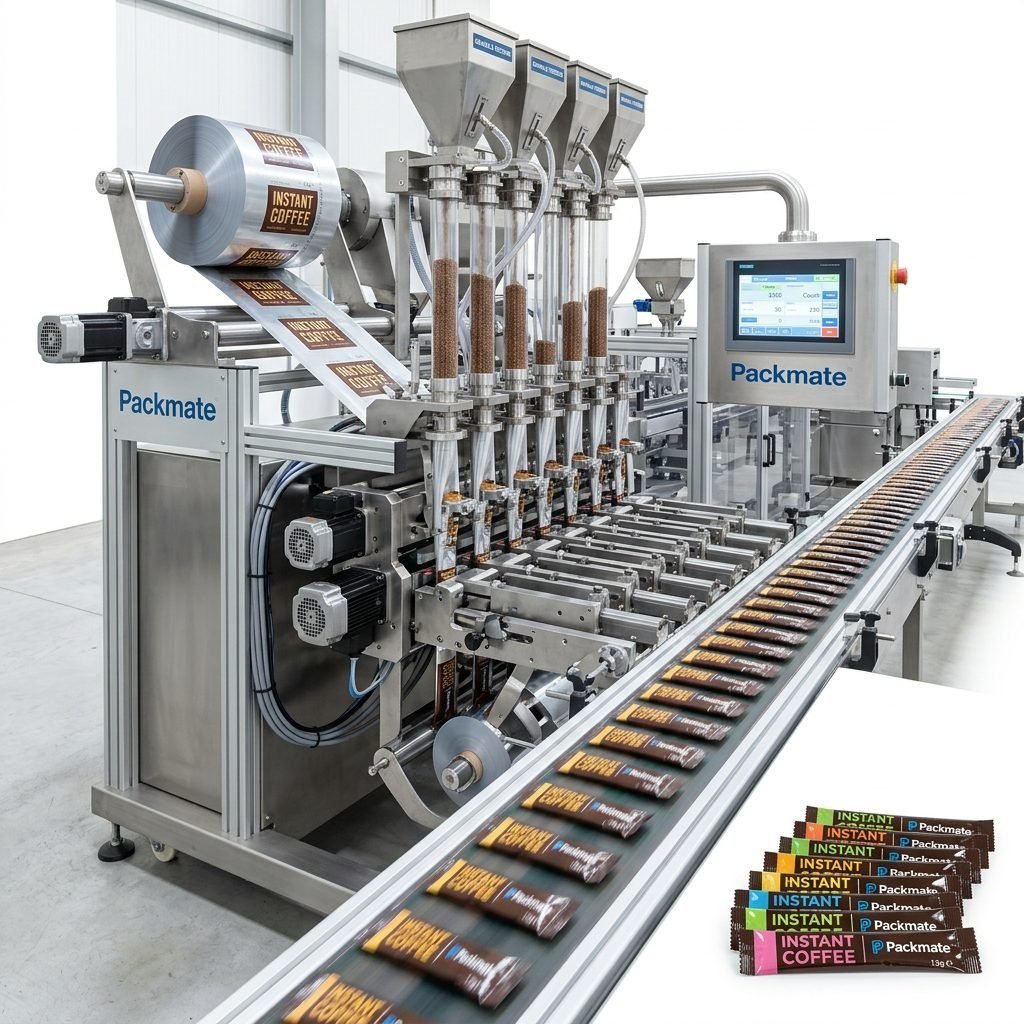
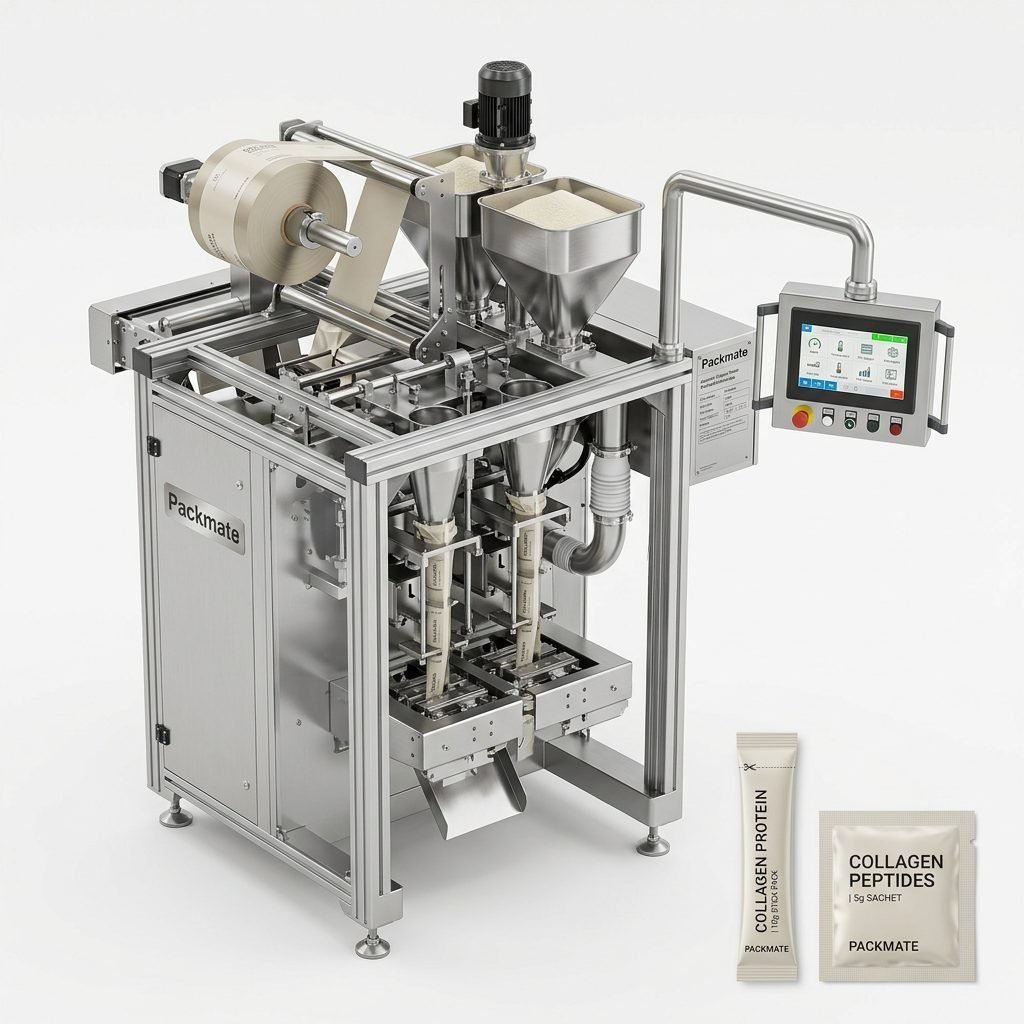
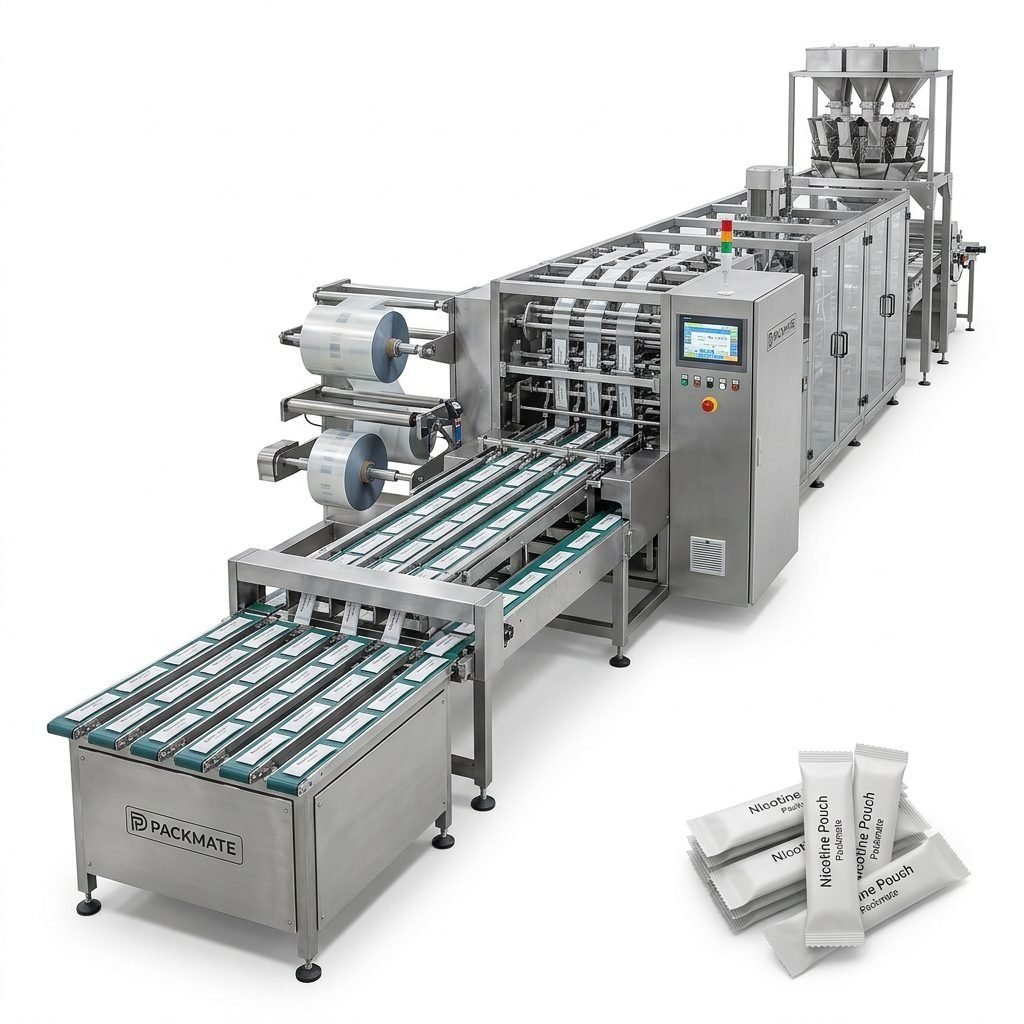
For industries packaging granular, powdered, or liquid products in small, single-serve formats, multi-lane machines represent the zenith of output efficiency. Unlike single-lane machines, these systems operate multiple packaging lanes simultaneously from a single infeed, multiplying output without a proportional increase in floor space or operator attention. Manufacturers like Packmate Machinery have refined this technology, offering solutions that can handle delicate tea leaves, potent pharmaceuticals, or viscous condiments with equal finesse. The key efficiency gains here are massive throughput, consistent portion control, and reduced per-unit packaging cost. For a deeper look at specific models, exploring their range of Sachet & Stick Pack Machines is highly recommended.
2. Automated Weighing and Filling Systems
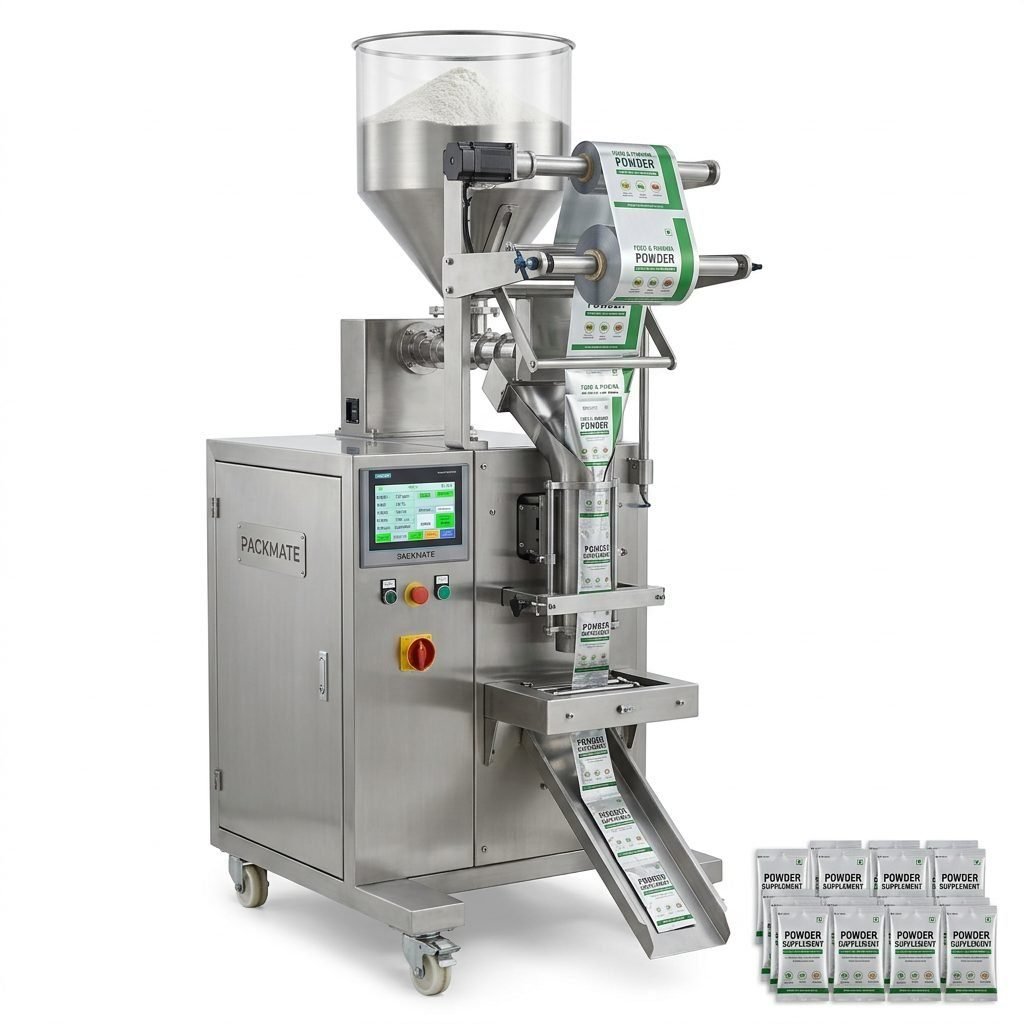
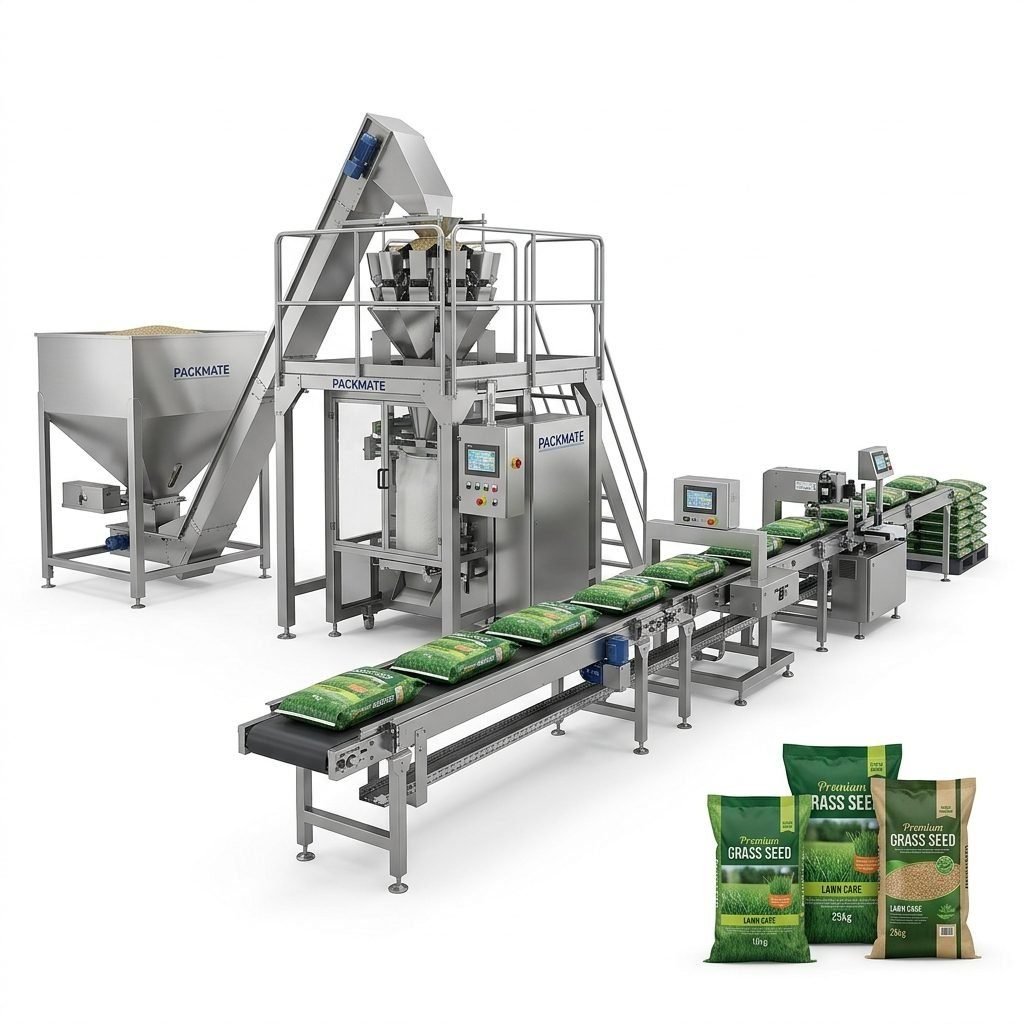
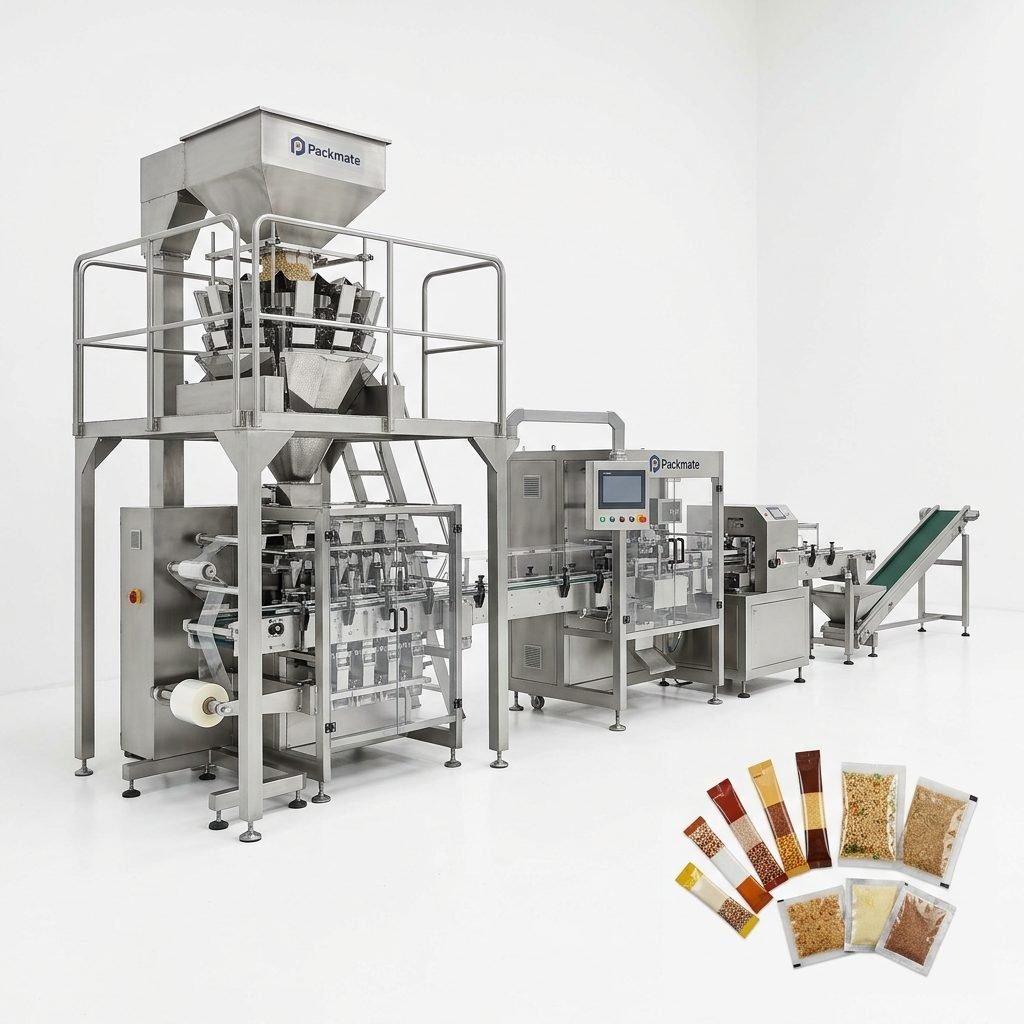
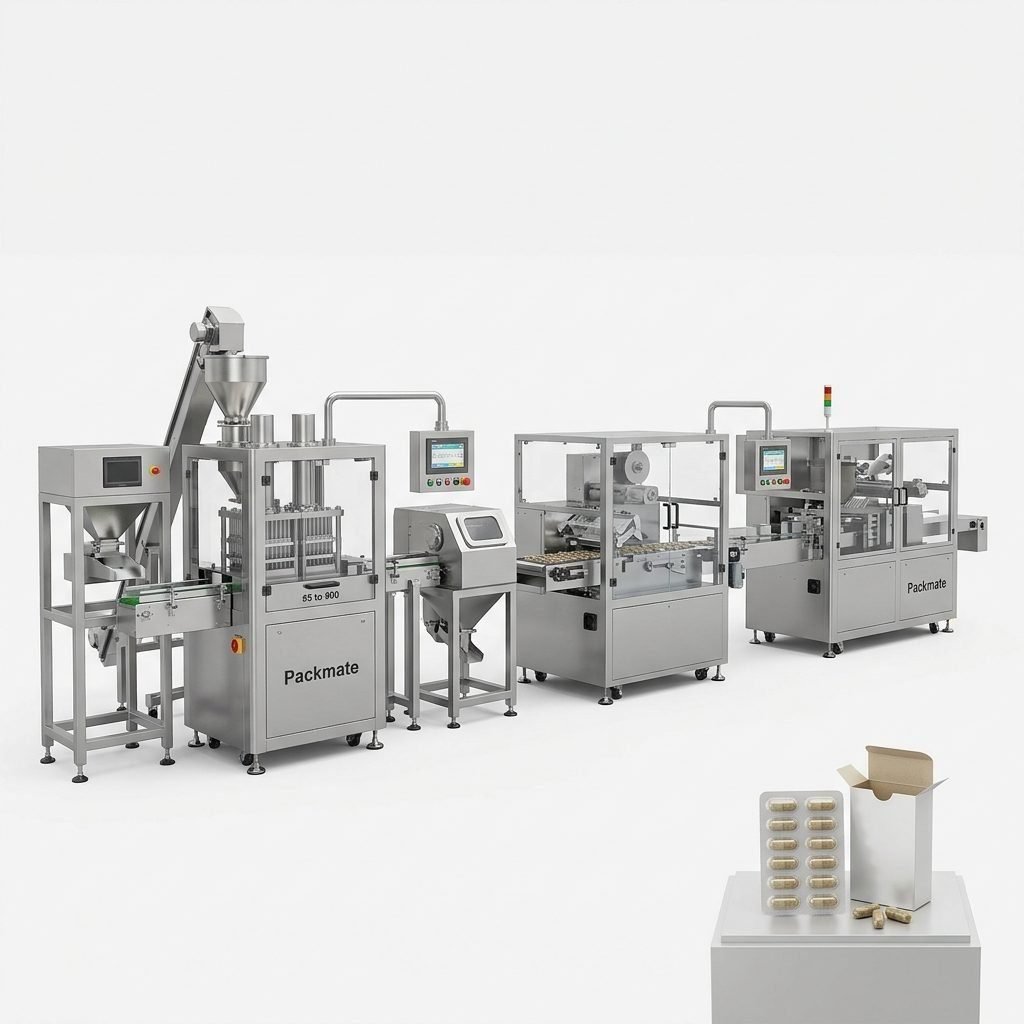
Product giveaway is pure profit loss. Advanced automated weighing systems, including multi-head weighers and auger filler systems, eliminate this waste through unprecedented accuracy. These systems use sophisticated software and precision mechanics to combine weighments from multiple heads, achieving the target weight with minimal variance. This is especially crucial for high-value products in the food, nutraceutical, and chemical industries. When integrated seamlessly into a complete Filling & Packaging Line, they create a continuous, efficient flow from bulk product to finished pouch or bag, minimizing manual handling and maximizing speed.
3. Integrated Bag and Pouch Packaging Lines
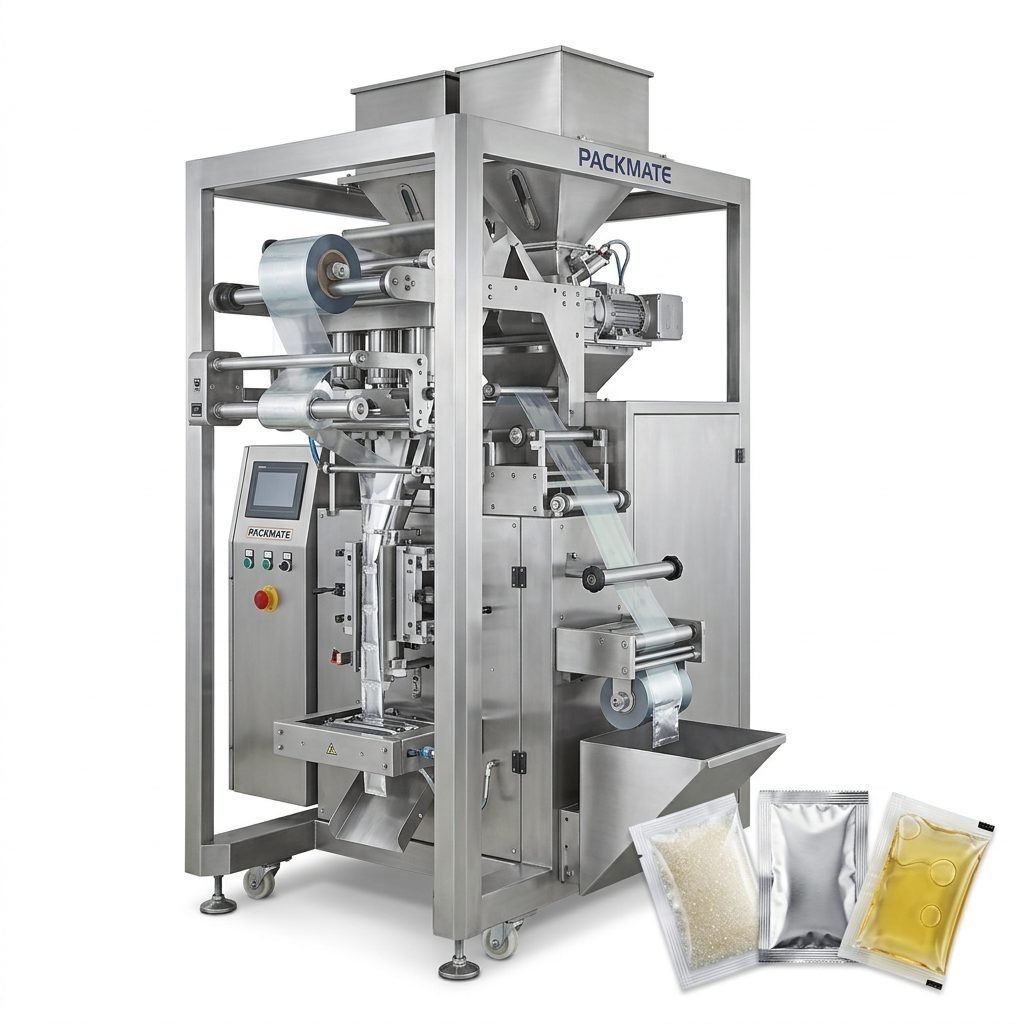
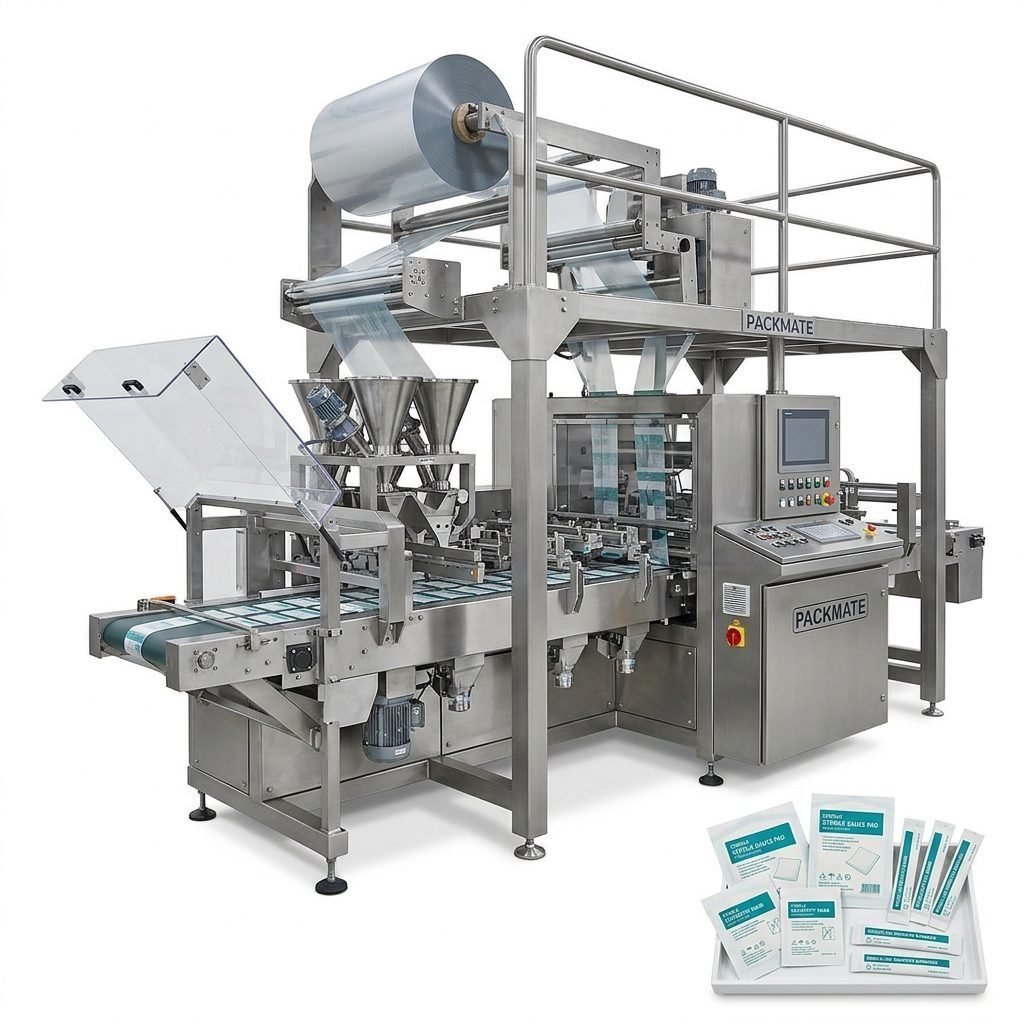
Efficiency is often about seamless integration. Standalone machines can create bottlenecks, whereas fully integrated lines for stand-up pouches, flat bags, or vacuum bags transform raw materials into retail-ready packages in one synchronized process. These lines typically incorporate forming, filling, and sealing (FFS) technology, and can be augmented with Auxiliary Packaging Equipment like checkweighers, date coders, and cartoners. The holistic efficiency comes from reduced material handling, consistent line speed, lower labor requirements, and a smaller factory footprint. The reliability of such a line hinges on the quality and compatibility of each component, underscoring the value of a single supplier providing a turnkey solution.
4. Robotics and End-of-Line Automation
While primary packaging gets the product into its pouch, efficiency can be lost at the secondary packaging stage. Robotic palletizers, case packers, and cartoners bring speed, precision, and flexibility to end-of-line operations. Robots can handle varied box sizes and patterns, adapt to new SKUs quickly, and work tirelessly in environments that may be unsuitable for human workers. This automation not only boosts throughput but also reduces the risk of product damage and workplace injuries associated with manual packing, contributing to overall operational efficiency and safety.
Choosing a Partner for Long-Term Efficiency
Investing in packaging machinery is a long-term partnership. The manufacturer’s expertise, support, and innovative capacity directly affect your operational efficiency for years to come. A partner with deep application knowledge, like a company with over 30 years of experience in packaging granules, powders, and liquids, can provide invaluable guidance during the selection and integration process. It is essential to choose a supplier that offers comprehensive after-sales service, readily available spare parts, and training to ensure your team can operate and maintain the equipment at peak performance. Reviewing a manufacturer’s case studies can offer concrete proof of their machinery’s efficiency in real-world applications similar to your own.
Ultimately, the top packaging machinery solutions are those that are not just fast, but smart, reliable, and adaptable. They are designed with total cost of ownership in mind, helping you save on materials, labor, energy, and maintenance. By focusing on the integrated pillars of precision, reliability, flexibility, and automation, businesses can select equipment that transforms their packaging operations from a cost center into a competitive advantage, driving sustainable industrial efficiency forward.
Frequently Asked Questions (FAQs)
1. What are the main benefits of multi-lane packaging machines over single-lane ones?
The primary benefits are significantly higher output (throughput) and better efficiency in terms of space and energy use per unit produced. A multi-lane machine produces multiple packages simultaneously from a single infeed system, offering a much better return on investment for high-volume production runs while maintaining precise, consistent packaging quality across all lanes.
2. How can I ensure the packaging machinery I choose will be reliable?
Evaluate the manufacturer’s reputation, history, and quality certifications. Look for robust machine construction (frame, components), the use of reputable brand-name parts (e.g., for PLCs and drives), and a clear warranty and service policy. Request references or case studies from existing clients, and if possible, visit their facility or arrange a live demonstration to see the machine in action.
3. What does a “turnkey packaging solution” mean?
A turnkey solution means the supplier provides a complete, ready-to-operate system. This goes beyond selling a single machine; it includes the design, integration, installation, and commissioning of the entire packaging line (which may include feeders, fillers, sealers, conveyors, and control systems), along with operator training and initial technical support. It ensures all components work harmoniously from day one.
4. How important is machine flexibility for future growth?
Extremely important. Market demands change rapidly. Choosing machinery with flexibility for quick changeovers between different package sizes, shapes, or materials allows you to adapt your production without major reinvestment. Features like tool-less change parts, programmable recipes, and modular designs protect your investment and support business agility.
5. Where can I learn more about specific machine models and their specifications?
The best source is directly from the manufacturer. Visit their official Products page to browse their portfolio. For detailed technical data, you can often download product catalogs or brochures, and the most effective step is to contact their sales or engineering team directly to discuss your specific product and output requirements.