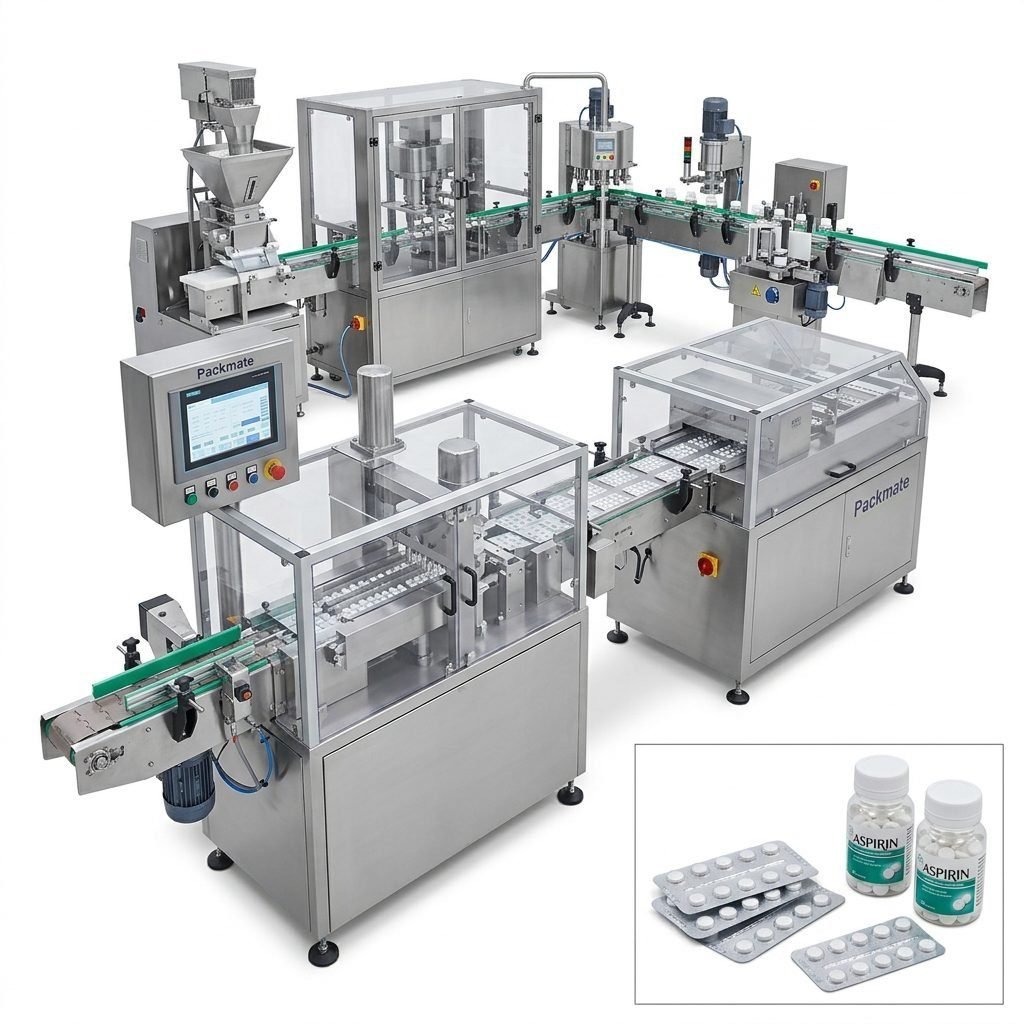
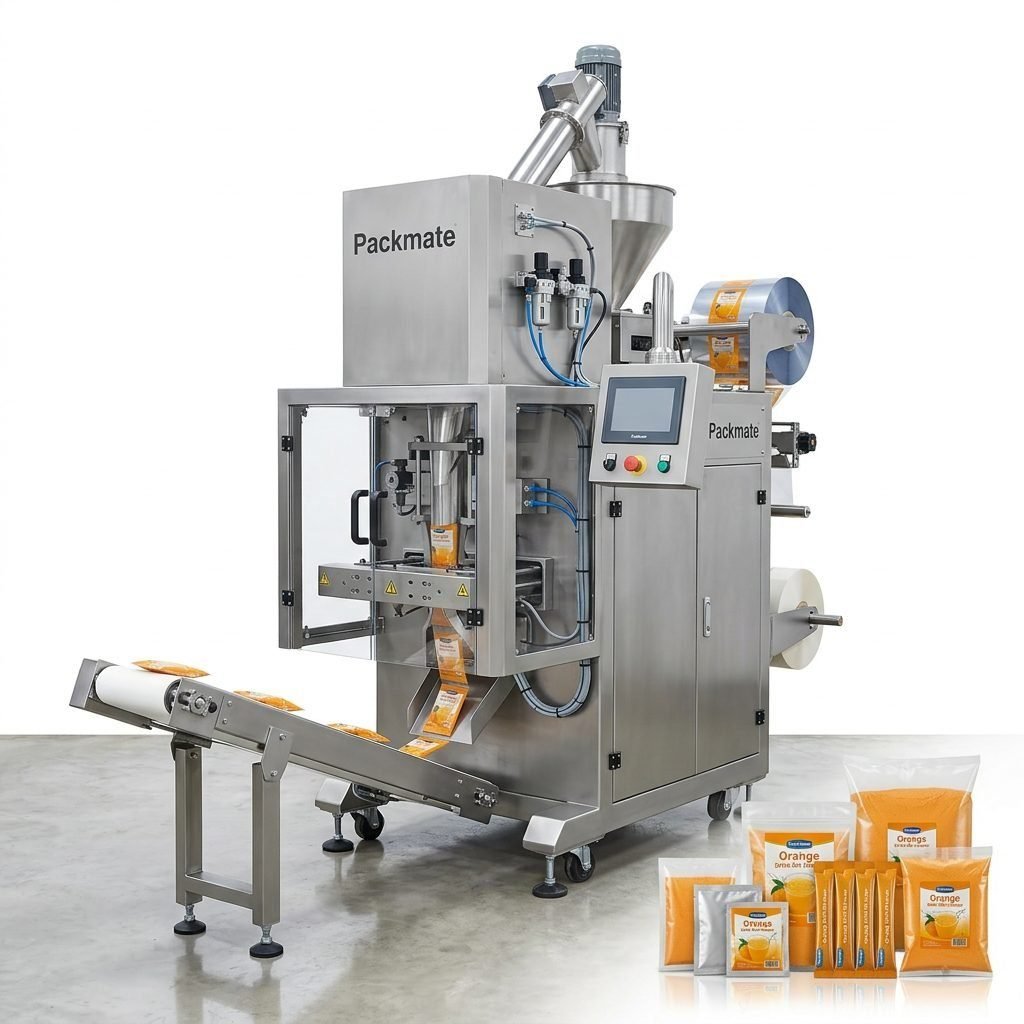
Choosing the right snack food packaging equipment is a critical decision that directly impacts your production efficiency, product quality, and ultimately, your bottom line. This comprehensive guide is designed to navigate you through the key considerations, equipment types, and essential buying tips to help you make an informed investment for your snack food business.
Understanding Your Snack Packaging Needs
Before diving into specific machines, a thorough analysis of your product and operational requirements is essential. This foundational step ensures the equipment you select aligns perfectly with your business goals.
Key Factors to Assess:
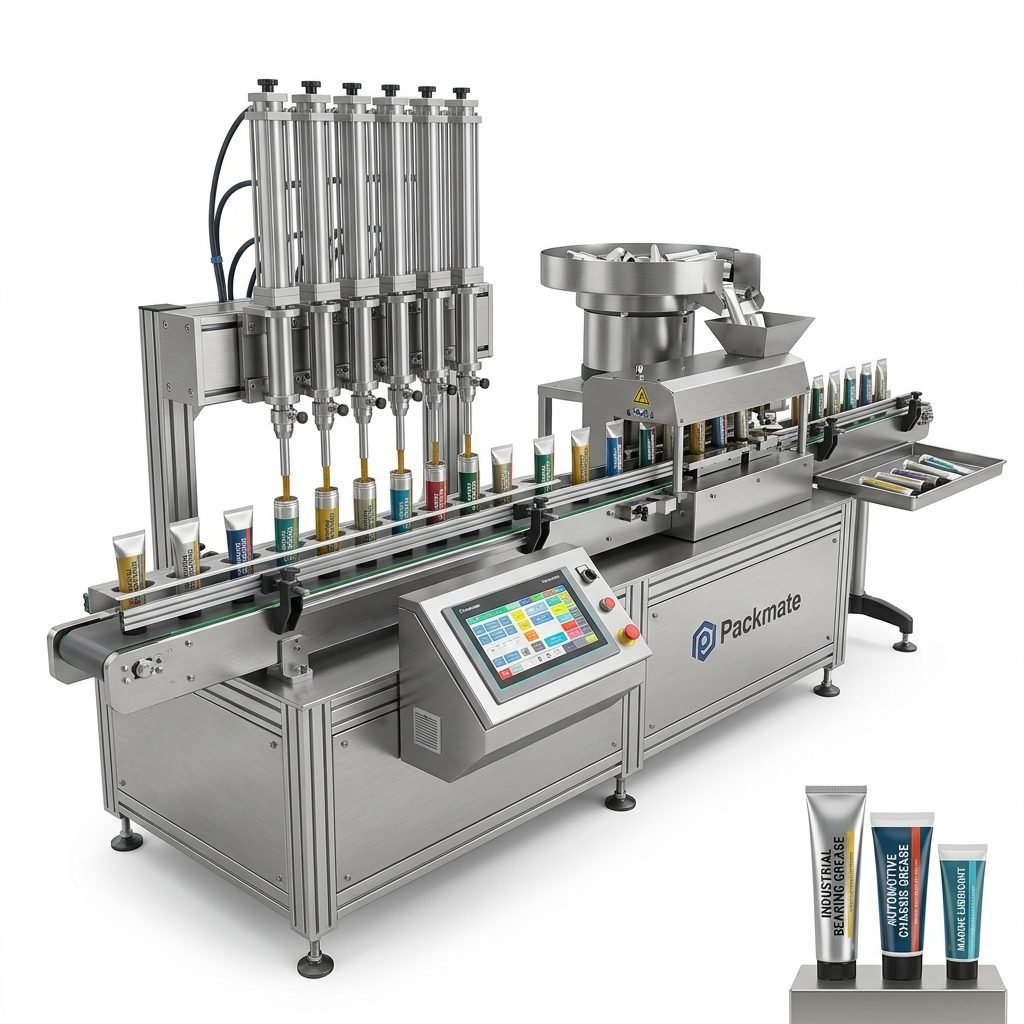
Product Characteristics: Is your snack granular (like nuts or candies), powdery (like seasoning or protein powder), or a liquid/filling (like sauce or yogurt)? The physical state dictates the filling system.
Production Volume & Speed: Determine your required output (e.g., bags per minute). High-volume operations need multi-lane machines, while smaller batches may suffice with single-lane units.
Packaging Format: Decide on the final package style – stand-up pouches, flat bottom bags, stick packs, or sachets. Each format requires specific machine capabilities.
Material Compatibility: Ensure the machine can handle your chosen packaging film (e.g., laminated films for barrier properties, recyclable materials).
Core Types of Snack Packaging Equipment
The snack packaging landscape features specialized machinery for different formats and scales. Understanding these core types is the next step.
Vertical Form Fill Seal (VFFS) Machines
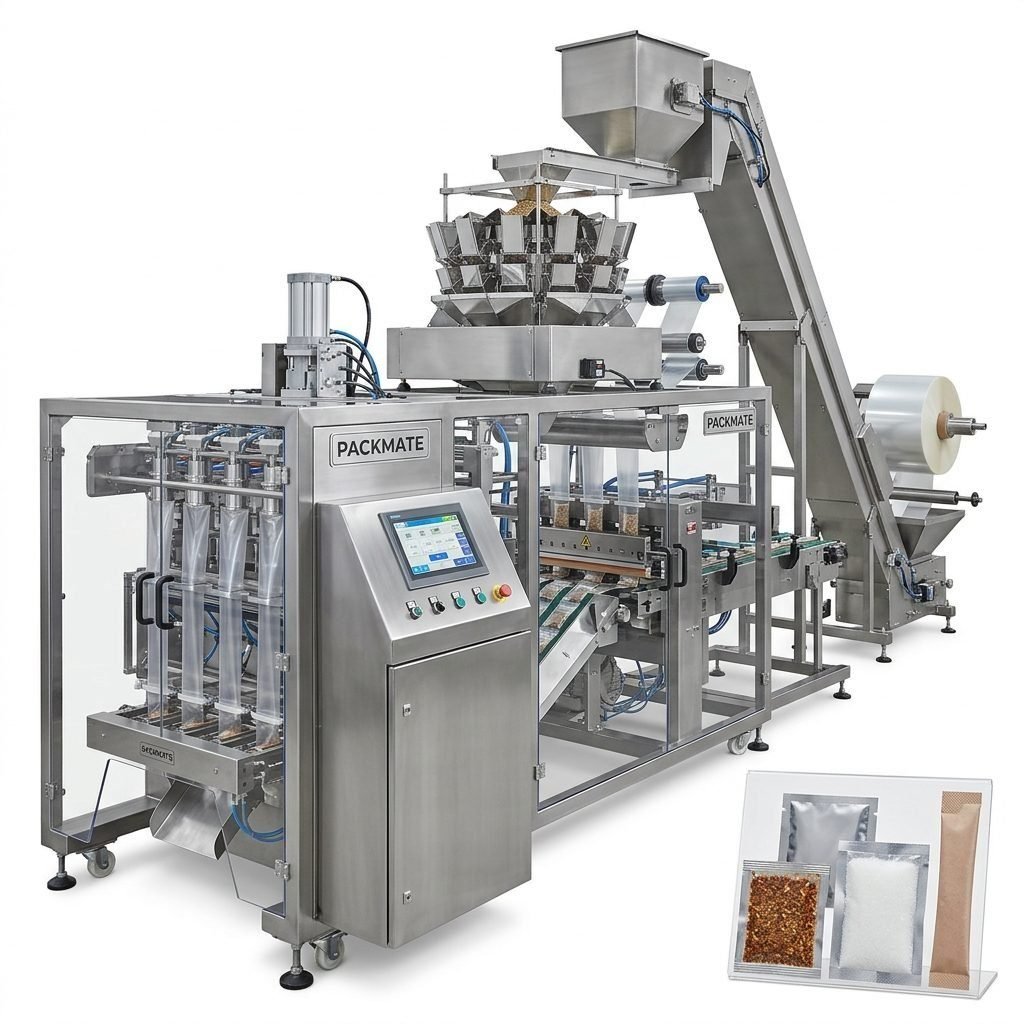
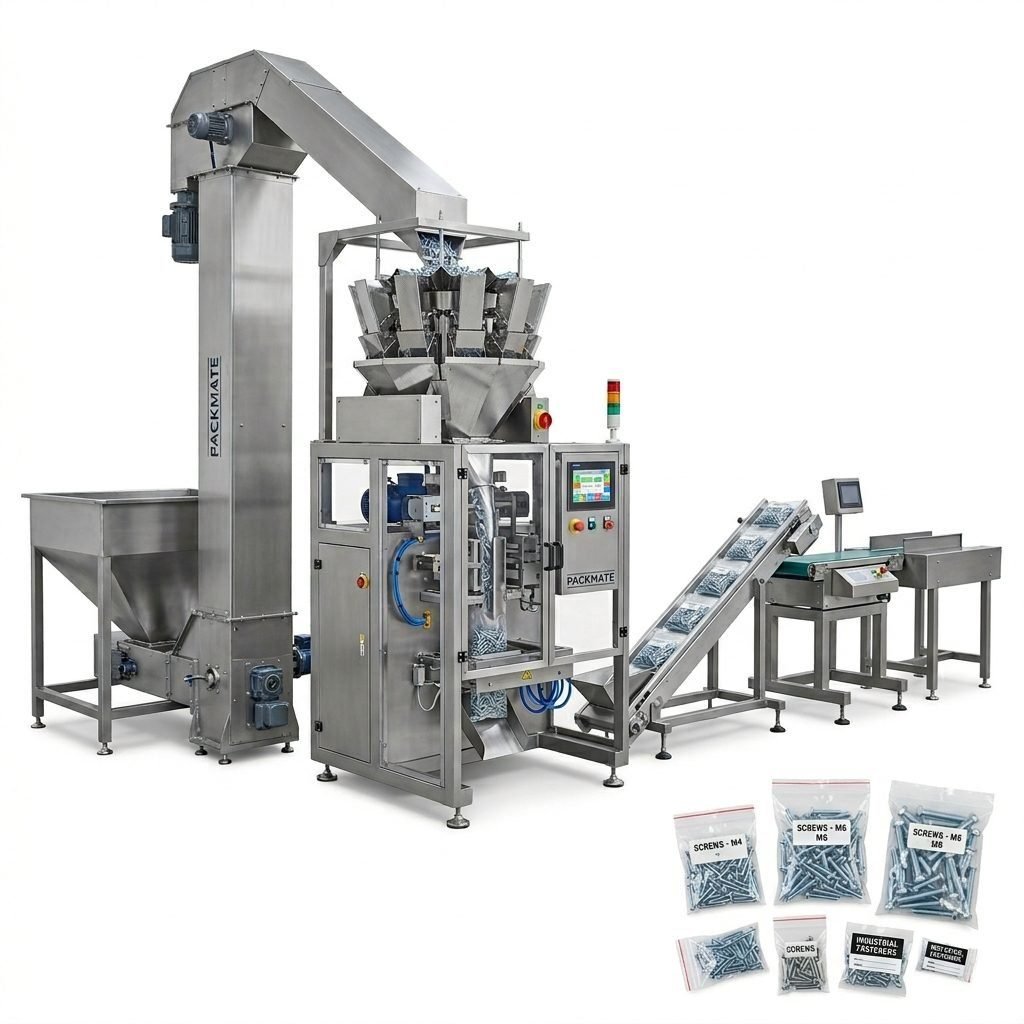
These are the workhorses of snack packaging, ideal for free-flowing products like chips, pretzels, and nuts. A VFFS machine forms a bag from a roll of film, fills it with a pre-measured amount of product, and then seals it. They are highly versatile and efficient for medium to high-volume production. For a deeper look into bagging solutions, explore our range of Bag & Pouch Packaging Machines.
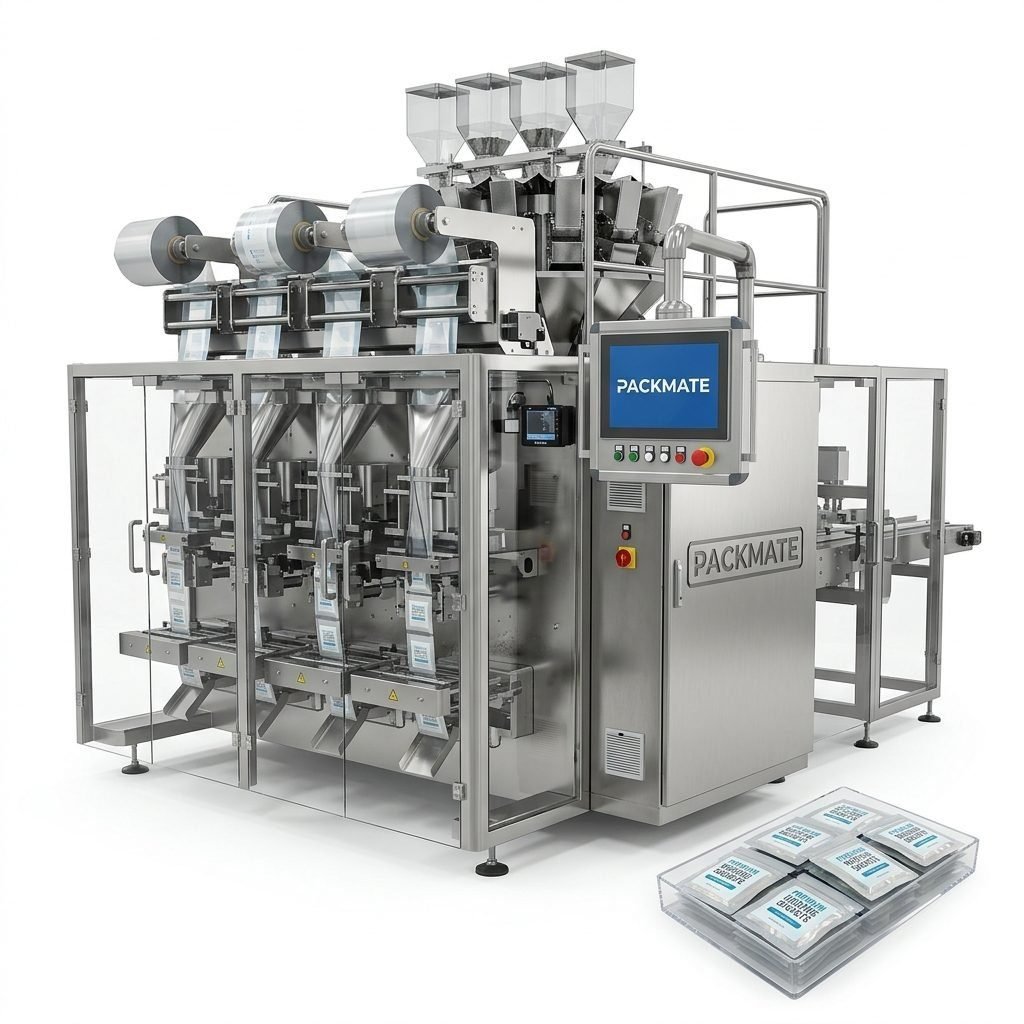
Multi-Lane Stick Pack & Sachet Machines
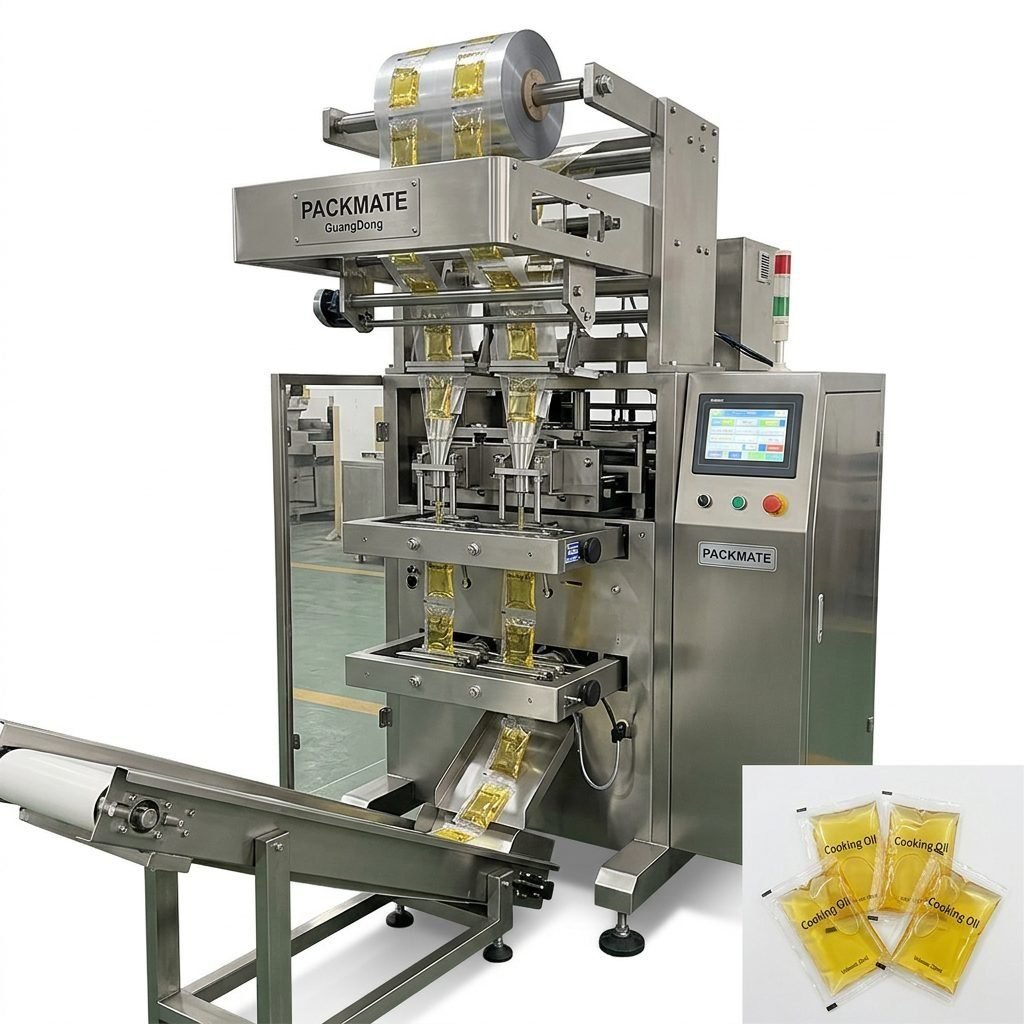
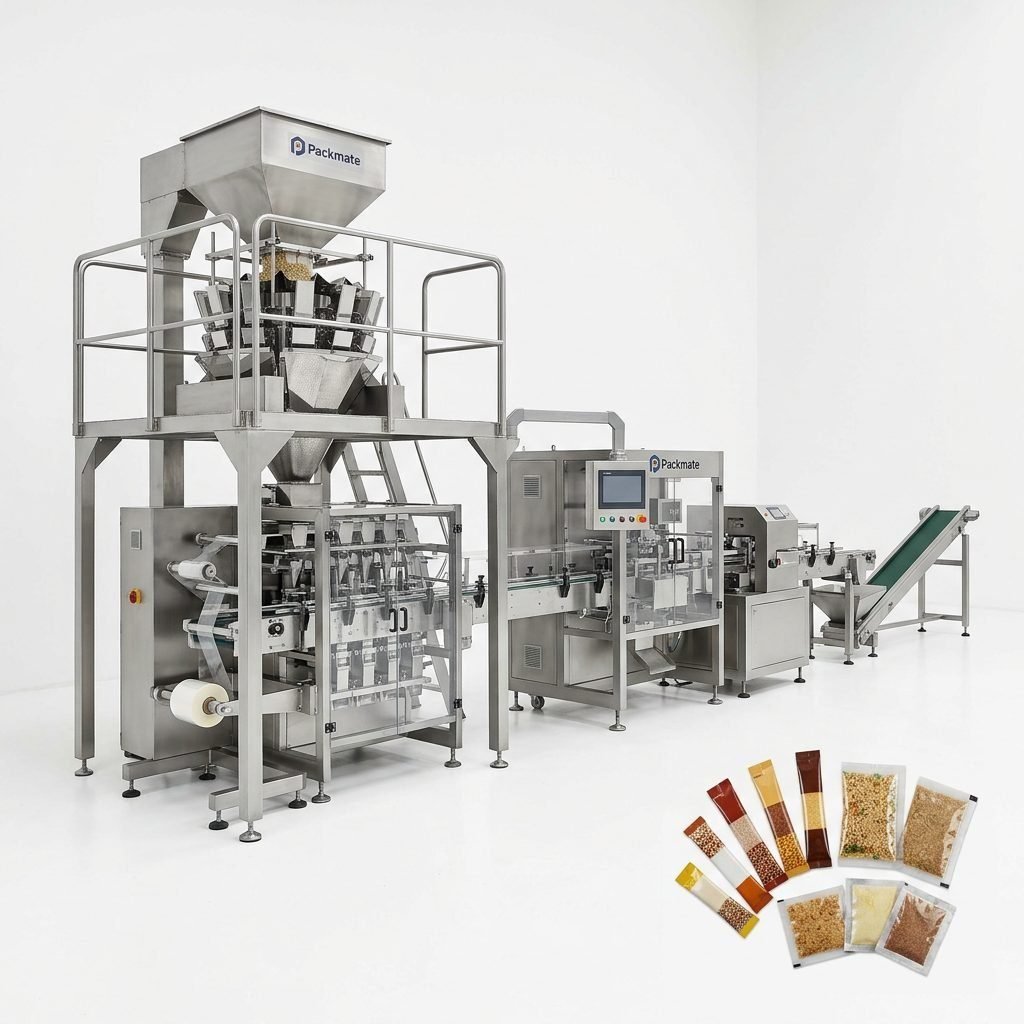
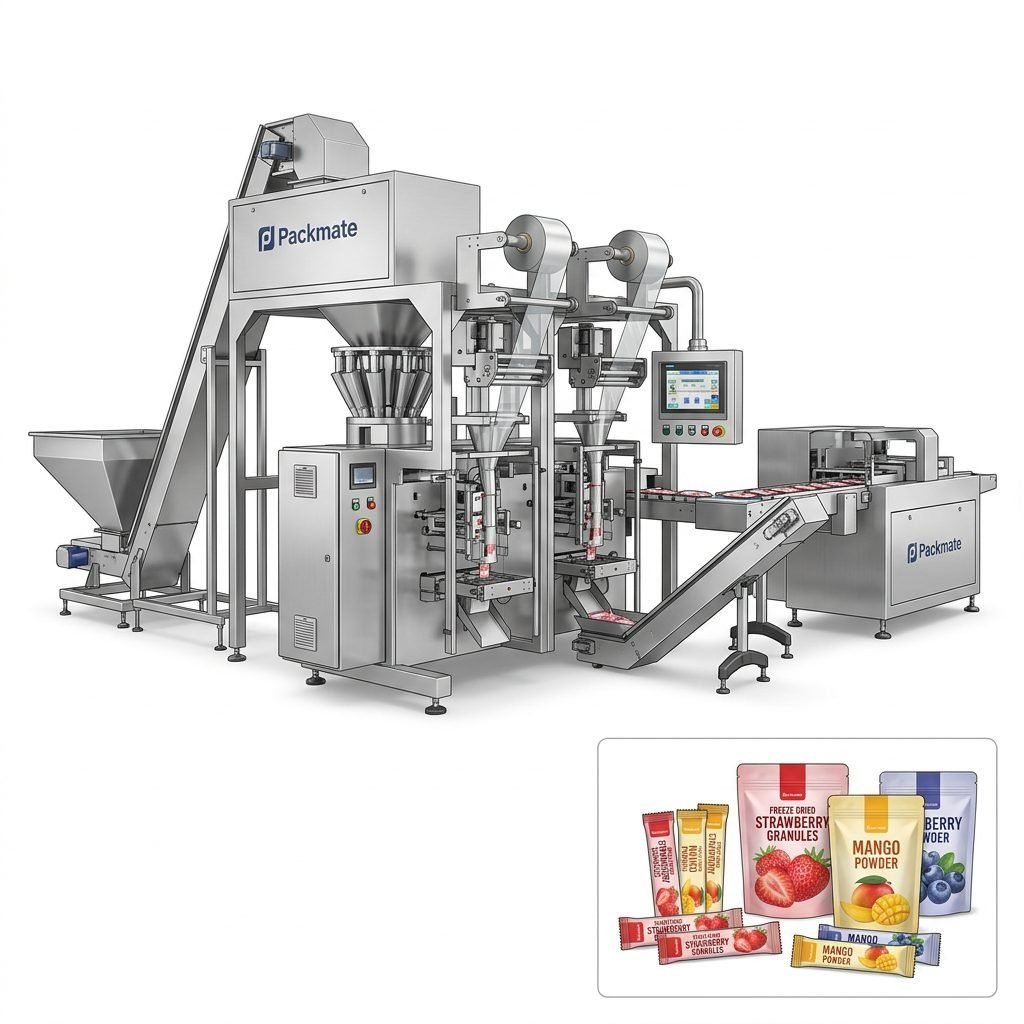
Perfect for single-serve portions of powders, granules, or liquids (e.g., drink mixes, sugar, ketchup). These machines operate multiple lanes simultaneously, dramatically increasing output. They create slim, portable packets that are popular for on-the-go consumption. Discover our advanced solutions in this category on our Sachet & Stick Pack Machines page.
Weighing and Dosing Systems
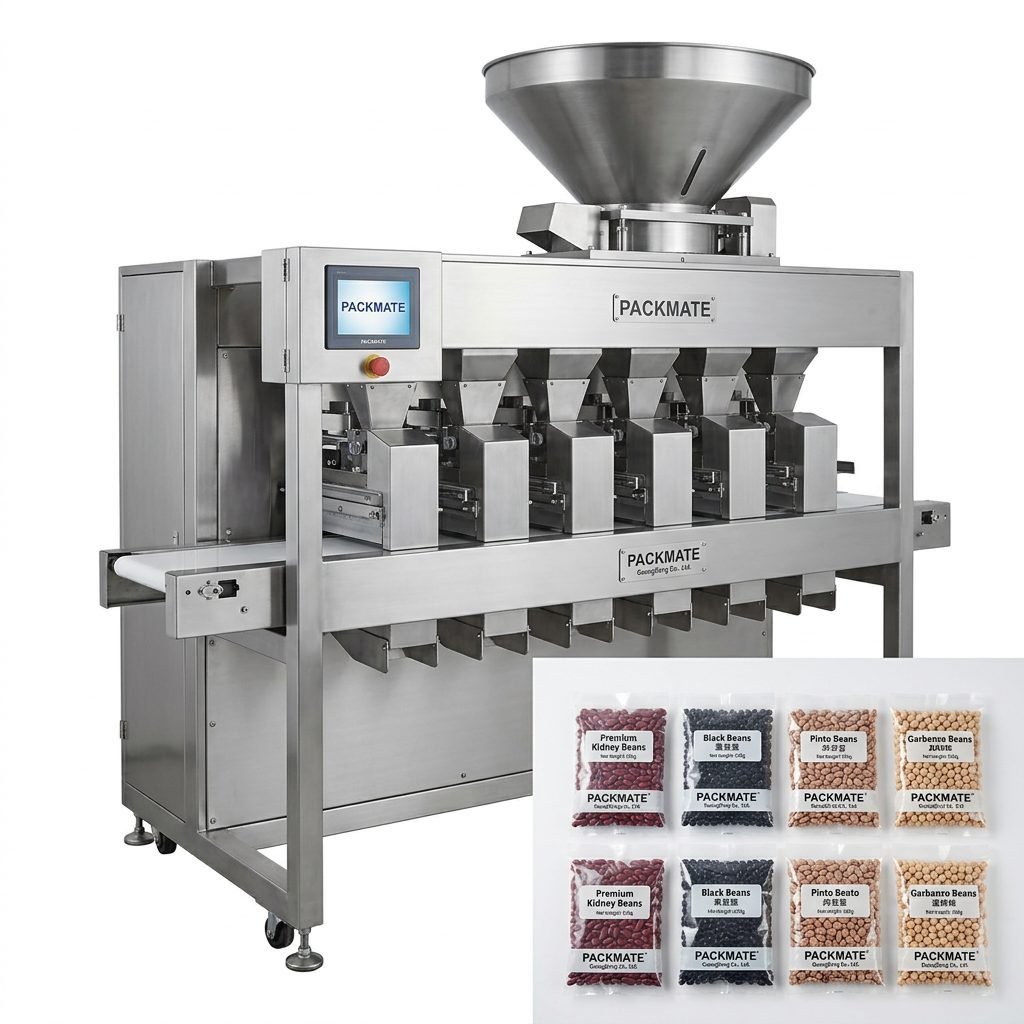
Accuracy is non-negotiable in food packaging. Integrated weighing systems, such as multi-head weighers or auger fillers, ensure each package contains the exact weight declared on the label. This is crucial for compliance and customer trust. A complete Weighing & Packaging System combines precision with speed.
Complete Filling and Packaging Lines
For turnkey operations, an integrated line automates the entire process from product handling to final case packing. This includes conveyors, baggers, checkweighers, and metal detectors. Investing in a synchronized line maximizes throughput and minimizes manual handling. Learn about our integrated approach through our Filling & Packaging Lines.
Essential Buying Tips for Your Investment
Purchasing packaging machinery is a significant capital expenditure. These tips will guide you toward a reliable and profitable investment.
1. Prioritize Machine Flexibility and Changeover Time: Market trends change rapidly. Opt for equipment that allows quick and easy changeovers between different bag sizes or products. This flexibility lets you respond to new opportunities without major downtime.
2. Evaluate Build Quality and Durability: Inspect the machine’s construction. Stainless steel contact parts and robust frames are essential for food safety and long-term reliability in a demanding production environment. A machine built to last reduces total cost of ownership.
3. Demand Comprehensive After-Sales Support: The relationship with your supplier begins after purchase. Ensure they offer readily available spare parts, detailed technical documentation, and responsive service support. This minimizes potential production halts.
Considering Automation and Smart Features
Modern packaging equipment goes beyond mechanical functions. Look for features like touch-screen HMIs (Human-Machine Interfaces) for intuitive operation, recipe storage for different products, and connectivity for data collection (Industry 4.0). These features enhance operational control, traceability, and efficiency.
The Importance of Supplier Expertise and Reliability
Partnering with an experienced manufacturer is as important as the machine itself. A supplier with a proven track record, like Packmate Machinery, brings over 30 years of engineering expertise to the table. They understand the real-world challenges of snack production and can recommend the optimal solution, not just sell a machine. Reviewing their case studies can provide valuable insights into successful applications.
Frequently Asked Questions (FAQs)
Q1: What is the typical lead time for a new snack packaging machine?
A: Lead times vary based on machine complexity and customization. For standard models from established manufacturers, it typically ranges from 30 to 90 days after order confirmation. Always confirm the timeline with your supplier during the quoting process.
Q2: Can one machine handle different types of snack products?
A> Yes, many machines are designed for flexibility. However, switching between vastly different products (e.g., from fine powder to whole nuts) may require changing parts like the feeding auger, funnel, or sealing jaws. Discuss your product range with the supplier to ensure the machine can be adapted efficiently.
Q3: How do I ensure the machine meets food safety standards?
A: Choose equipment constructed with food-grade materials (e.g., 304 or 316 stainless steel) for all product contact parts. The design should allow for easy cleaning and prevent contamination. Reputable manufacturers design their machines in compliance with global standards like ISO and CE.
Q4: What kind of maintenance does snack packaging equipment require?
A: Regular preventive maintenance is crucial. This includes daily cleaning, lubrication of moving parts as per the manual, and periodic inspection of critical components like seals, cutters, and sensors. A good supplier will provide a detailed maintenance schedule and training for your operators.
Q5: Is training provided for our operators?
A: Absolutely. Professional suppliers include comprehensive training—either at their facility (FAT – Factory Acceptance Test) or during installation at your site (SAT – Site Acceptance Test). This covers operation, basic troubleshooting, routine maintenance, and safety procedures.