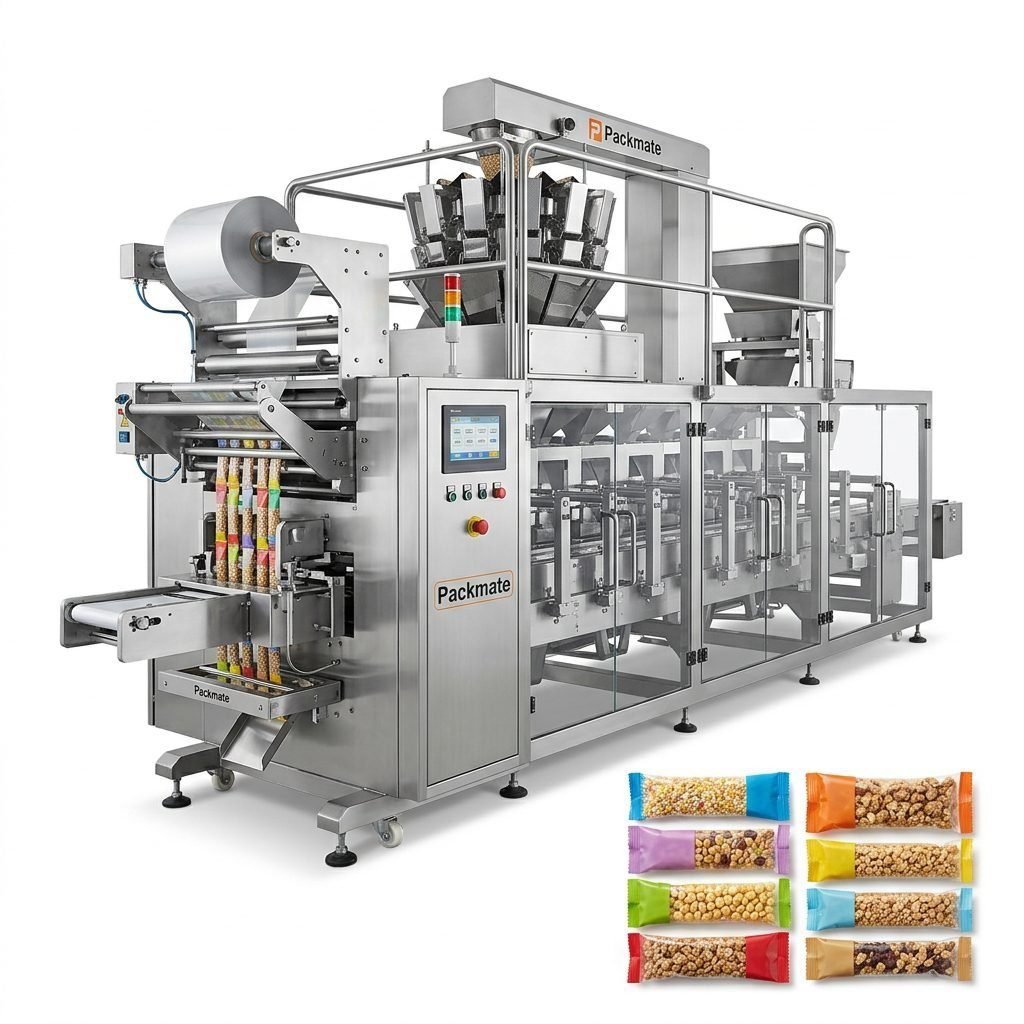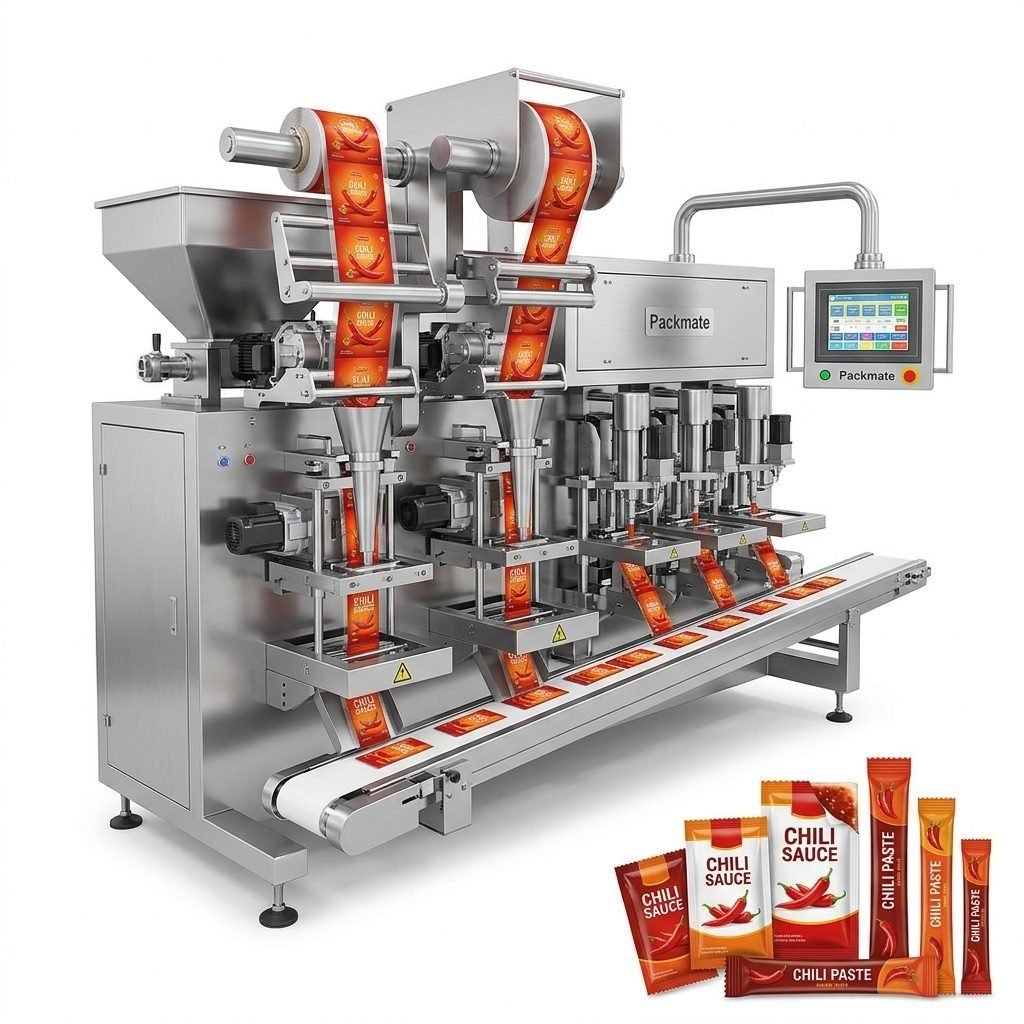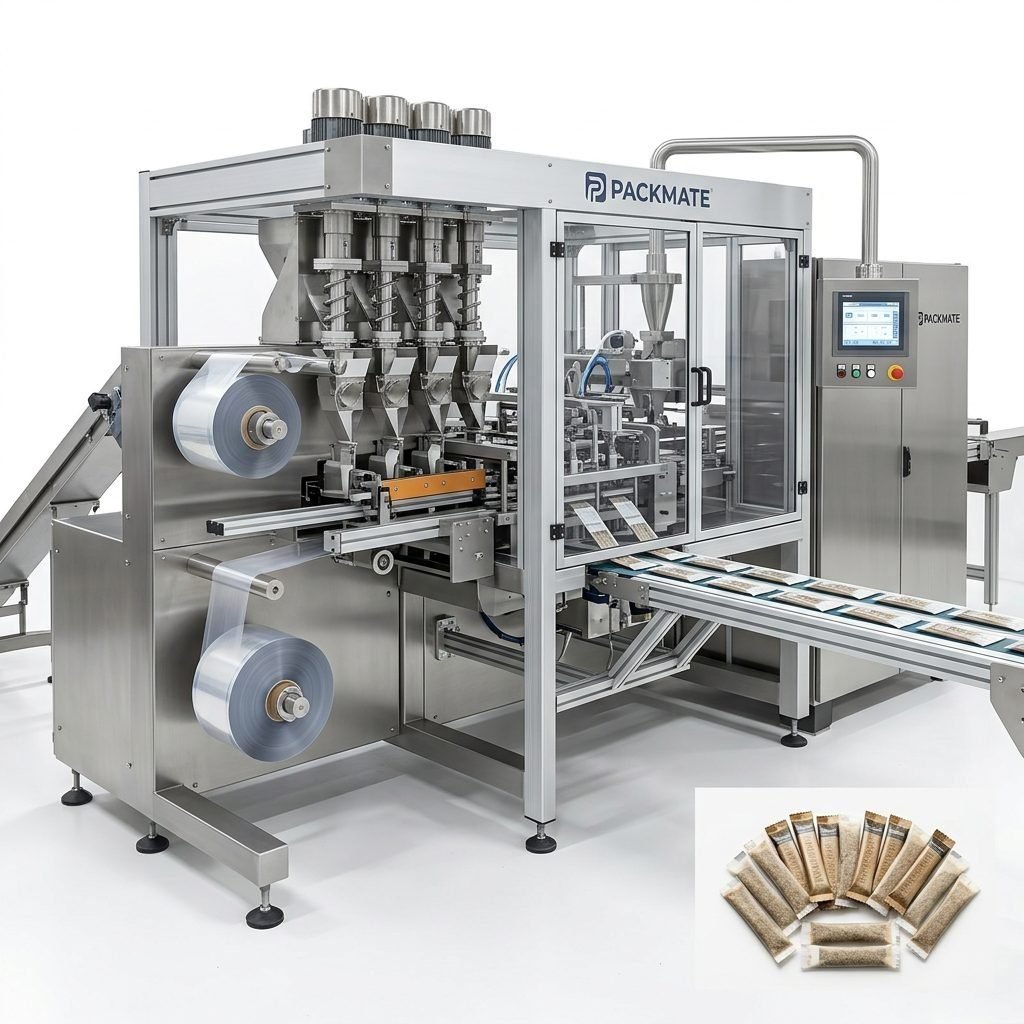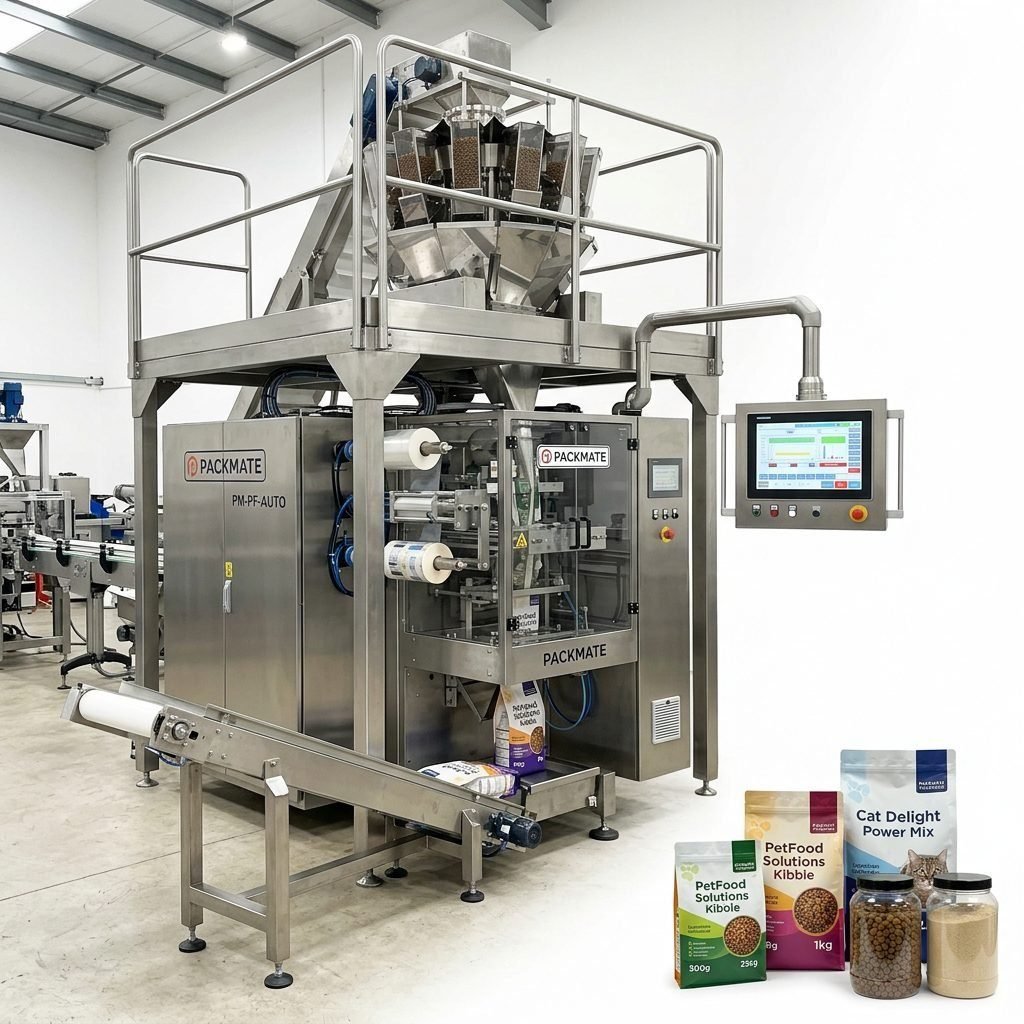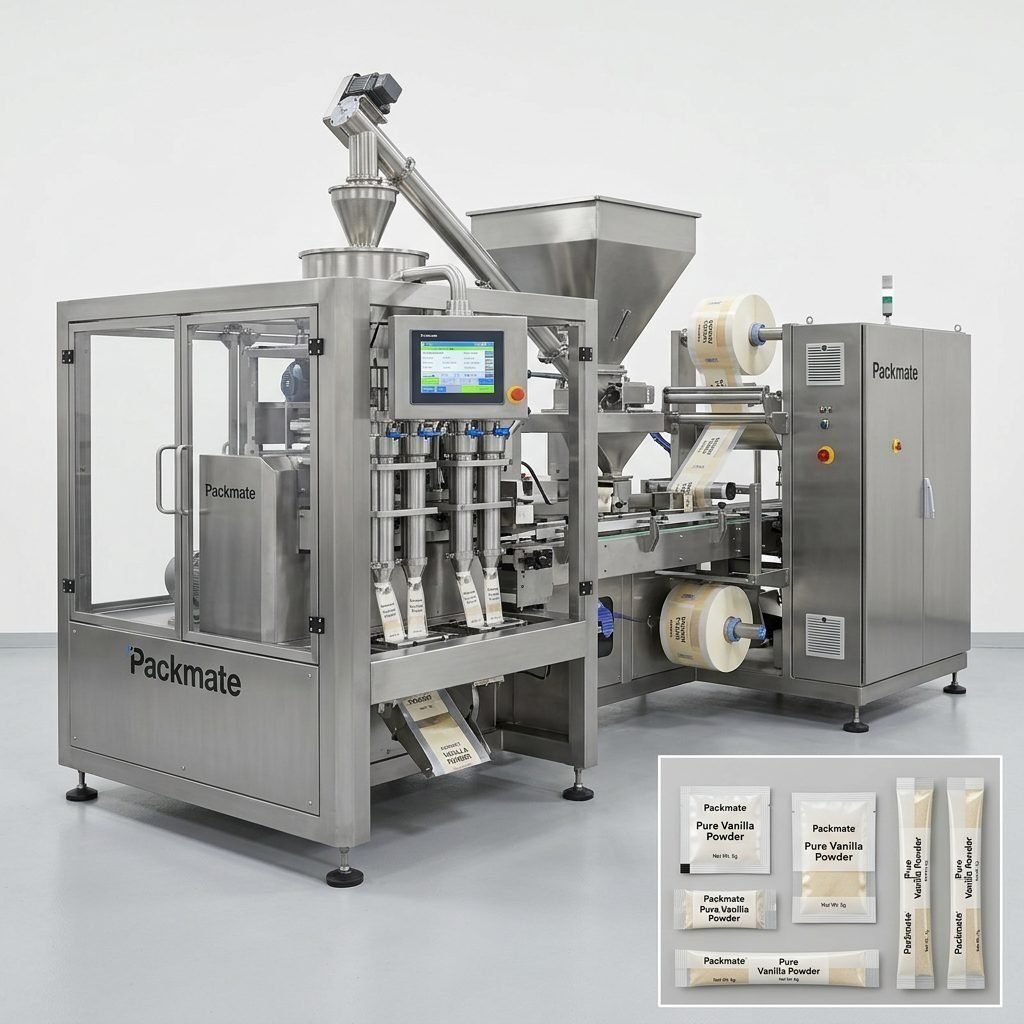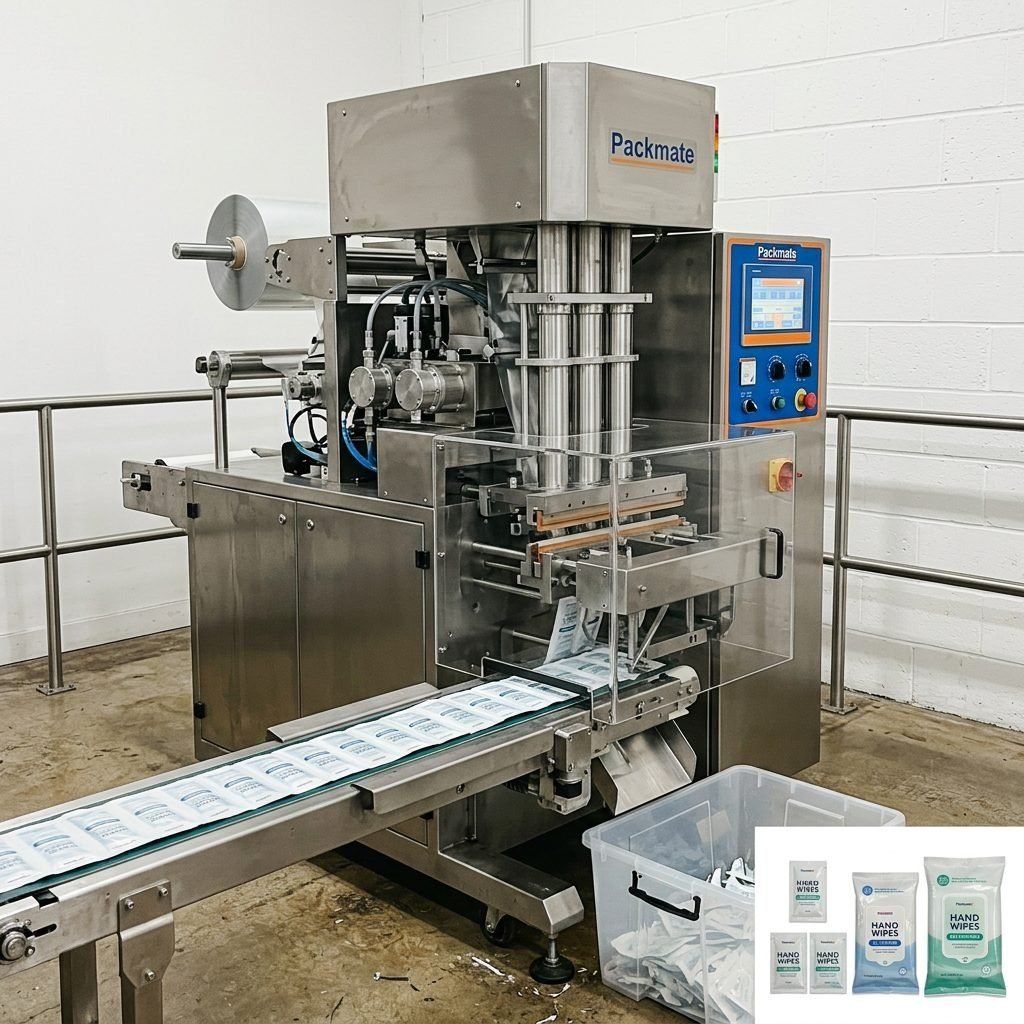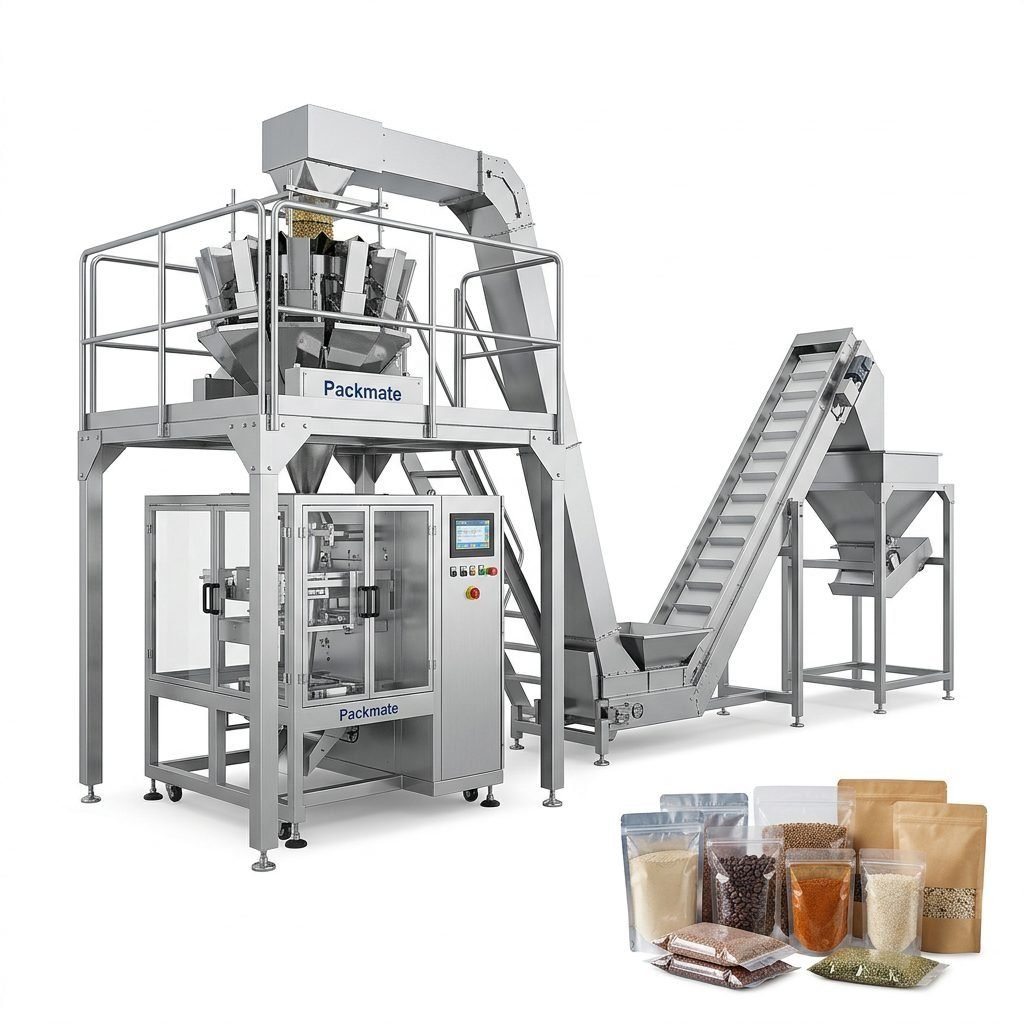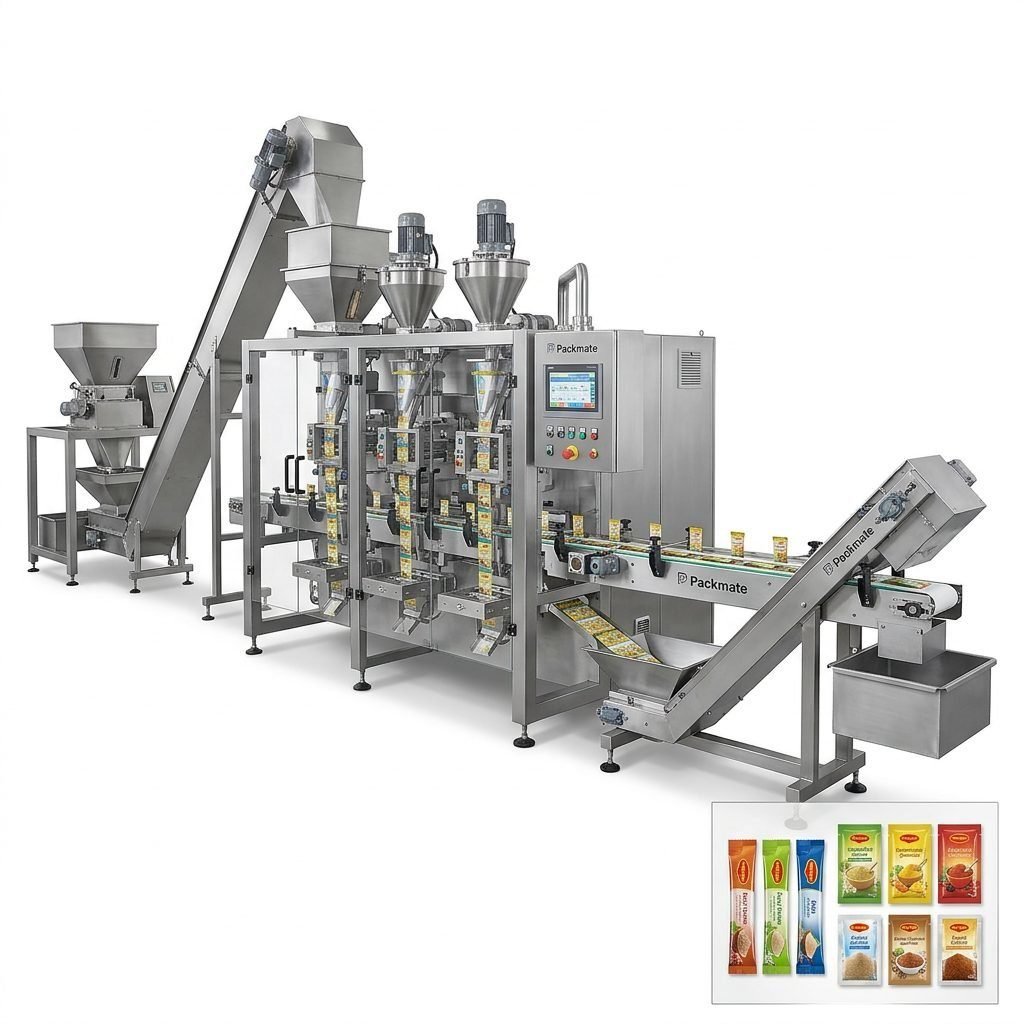
Choosing the right small coffee packaging machine is a critical decision for any coffee business, from artisanal roasters to specialty cafes. The perfect machine not only preserves the freshness and aroma of your carefully sourced beans but also enhances your brand’s presentation and operational efficiency. This comprehensive buyer’s guide will walk you through everything you need to know to make an informed investment.
Understanding Your Packaging Needs
Before diving into specifications, clearly define your requirements. Consider your daily output volume, packaging format (stick packs, sachets, stand-up pouches), and the type of coffee (whole bean, ground, or instant). A small-batch roaster has vastly different needs than a café producing single-serve sticks for retail.
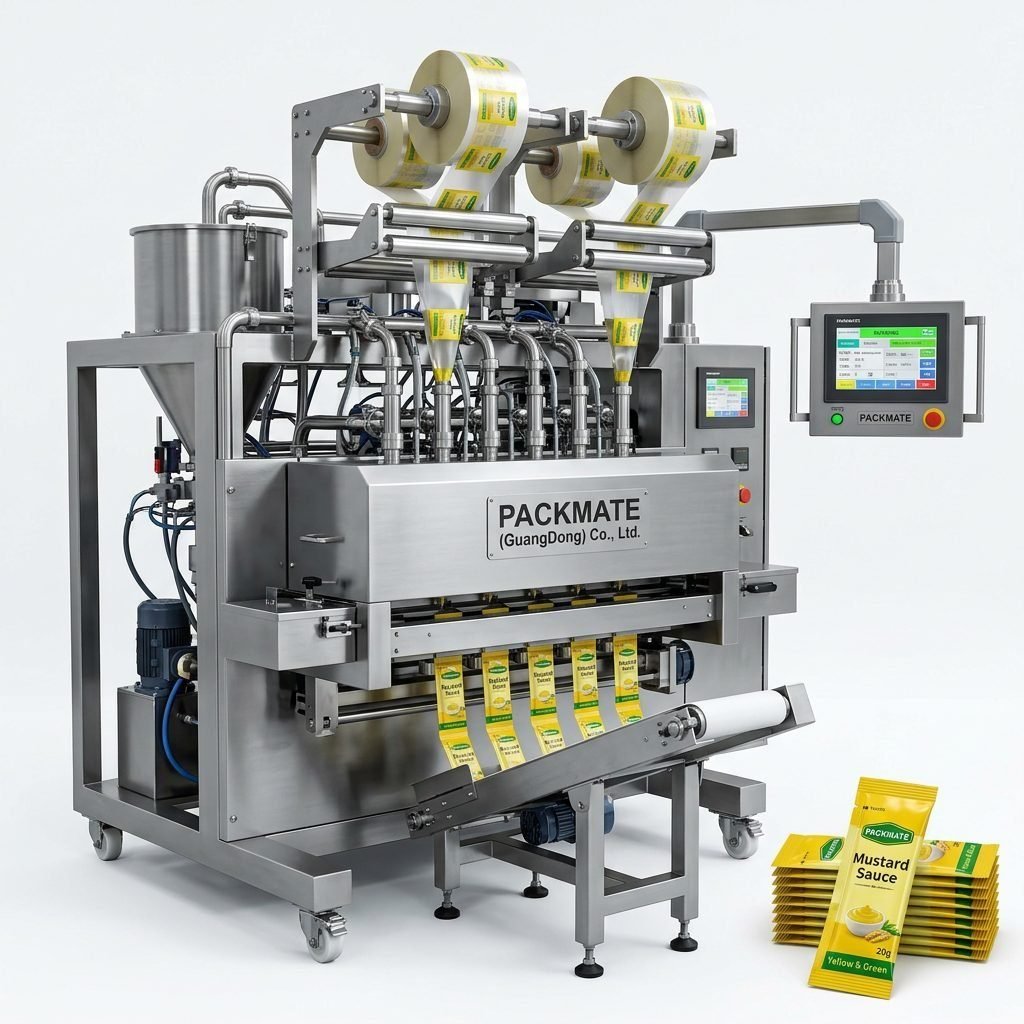
For businesses focusing on convenience and portion control, such as those offering coffee for hotels or offices, sachet and stick pack machines are often the ideal solution. They provide precise dosing and a clean, professional look.
Key Machine Types and Technologies
The market offers several types of small coffee packaging machines, each suited for specific applications.
Vertical Form-Fill-Seal (VFFS) Machines
These are the workhorses for packaging free-flowing products like ground coffee into pouches. They form the bag from a roll of film, fill it, and seal it in one continuous operation. They are highly efficient for medium to high-volume production.
Pre-Made Pouch Fillers
Ideal for premium whole bean coffee or unique pouch shapes, these machines open pre-made bags, fill them with product, and then seal them. This method allows for more complex and branded pouch designs but may have a slightly slower speed.
Essential Features to Prioritize
When evaluating machines, look beyond the price tag. The right features determine long-term reliability and product quality.
Weighing Accuracy: Coffee is a high-value product. Even a half-gram error per bag leads to significant loss over time. Look for machines with high-precision load cells or multi-head weighers integrated into the system. For comprehensive solutions, explore weighing and packaging systems designed for accuracy.
Gas Flushing (Nitrogen Flushing): This is non-negotiable for whole bean or ground coffee. The machine must be capable of displacing oxygen in the package with an inert gas like nitrogen to drastically extend shelf life and preserve freshness.
Seal Integrity: A weak seal allows air and moisture in, ruining the coffee. Ensure the machine has reliable, adjustable heat sealing bars that can consistently produce strong, airtight seals on your chosen packaging material.
Material Compatibility and Sustainability
Your packaging machine must work seamlessly with your chosen materials. Discuss with your supplier whether you plan to use mono-material films (easier to recycle), compostable laminates, or traditional multi-layer barrier films. The machine’s sealing parameters must be adjustable to handle different material thicknesses and compositions. For businesses looking to package in various formats, reviewing options for bag and pouch packaging machines can provide valuable insights into material handling capabilities.
The Importance of Automation and Ease of Use
For a small operation, a machine that is simple to operate, clean, and maintain is crucial. Look for user-friendly touchscreen interfaces, quick-changeover features for different bag sizes, and accessible components for cleaning. A little automation, like an automatic film roll splicer, can save considerable downtime.
Modern machines often come with IoT capabilities for monitoring production data, predicting maintenance needs, and optimizing performance remotely—a valuable feature for growing businesses.
Selecting a Reliable Manufacturer
Your machine is a long-term investment. Partnering with a reputable manufacturer is as important as the machine itself. A company with a strong track record, like Packmate Machinery, brings decades of engineering expertise to the table. With over 22 years of development and a 20,000㎡ modern facility, they understand the nuances of packaging sensitive products like coffee.
Always check for a robust after-sales service network, availability of spare parts, and comprehensive training. A manufacturer that offers global service and support ensures your operation stays running smoothly, no matter where you are located.
Budgeting and Total Cost of Ownership
Consider the total cost of ownership, not just the purchase price. Factor in energy consumption, required maintenance, cost of spare parts, and the potential cost of downtime. A slightly more expensive machine from a proven manufacturer often has a lower total cost over 5-10 years due to higher reliability and better support.
Final Steps Before Purchase
Always request a live or recorded product test using your actual coffee and packaging materials. This is the only way to verify performance, speed, and seal quality. Review the machine’s certifications for safety and hygiene standards relevant to food production.
For a complete overview of packaging solutions and to see the full range of equipment available, visiting the manufacturer’s homepage is an excellent starting point for research.
Frequently Asked Questions (FAQs)
Q: What is the typical production speed for a small coffee packaging machine?
A: Speeds vary widely by machine type and bag size. For small stick packs or sachets, speeds can range from 60 to 200 packs per minute. For larger retail pouches (250g-1kg), speeds are typically between 20 and 60 bags per minute. The key is to match the machine’s maximum speed to your actual daily production needs.
Q: Can one machine handle both whole bean and ground coffee?
A: Many machines can, but adjustments are required. Ground coffee is free-flowing and may require different auger or funnel setups than whole beans. The gas flushing system must also be calibrated differently. It’s best to choose a versatile machine designed for quick changeovers and discuss your specific needs with the manufacturer.
Q: How important is nitrogen flushing, and what gas concentration should I target?
A: It is critical for preserving freshness. Oxygen is the main enemy of roasted coffee, causing staling and off-flavors. A quality machine should achieve a residual oxygen level inside the package of below 2%, with many premium operations targeting less than 1%.
Q: What kind of maintenance does these machines require?
A: Daily cleaning of product contact parts (hoppers, funnels, augers) is essential. Regular maintenance includes lubricating moving parts, checking and replacing sealing elements, and calibrating the weighing system. A good supplier will provide a detailed maintenance schedule and training.
Q: Where can I see case studies or examples of these machines in use?
A: Reputable manufacturers often showcase client applications. You can review real-world implementations and success stories on their case studies page to see how similar businesses have successfully integrated packaging solutions.