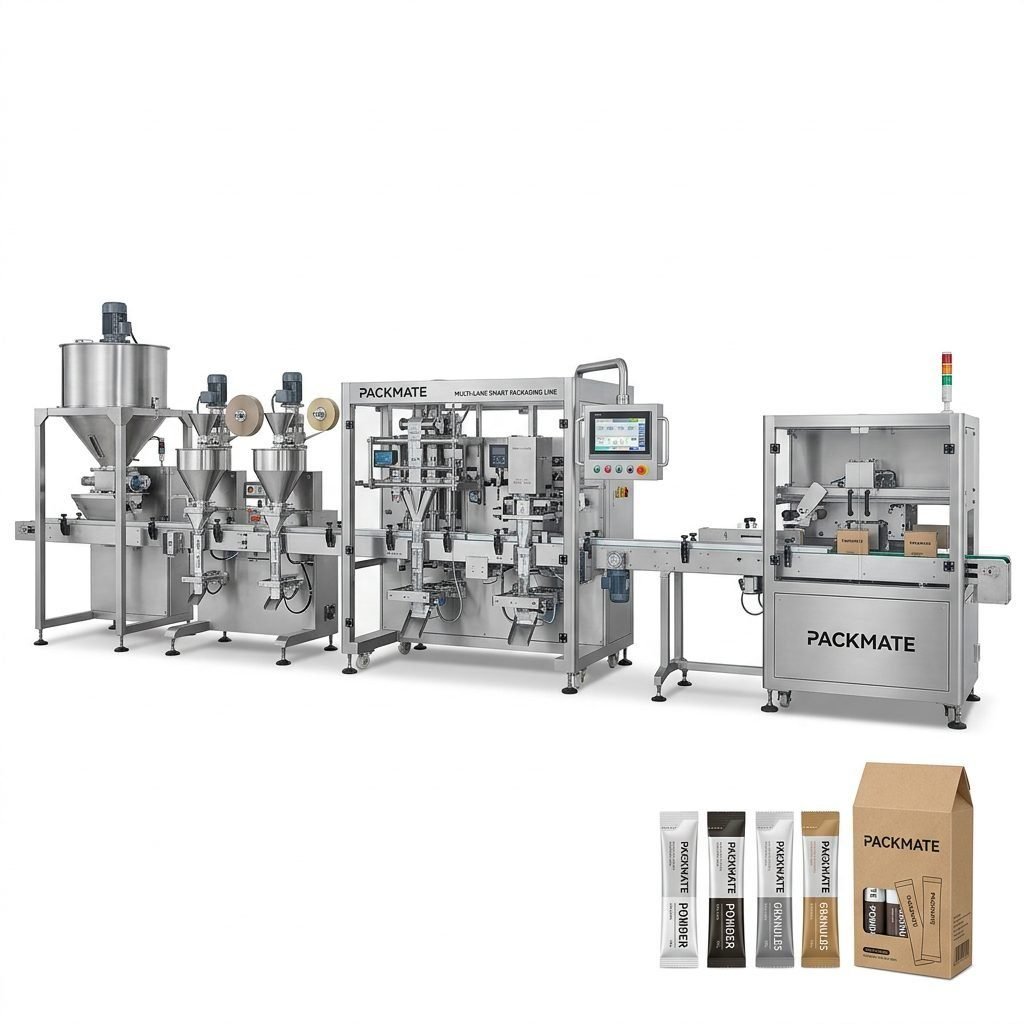
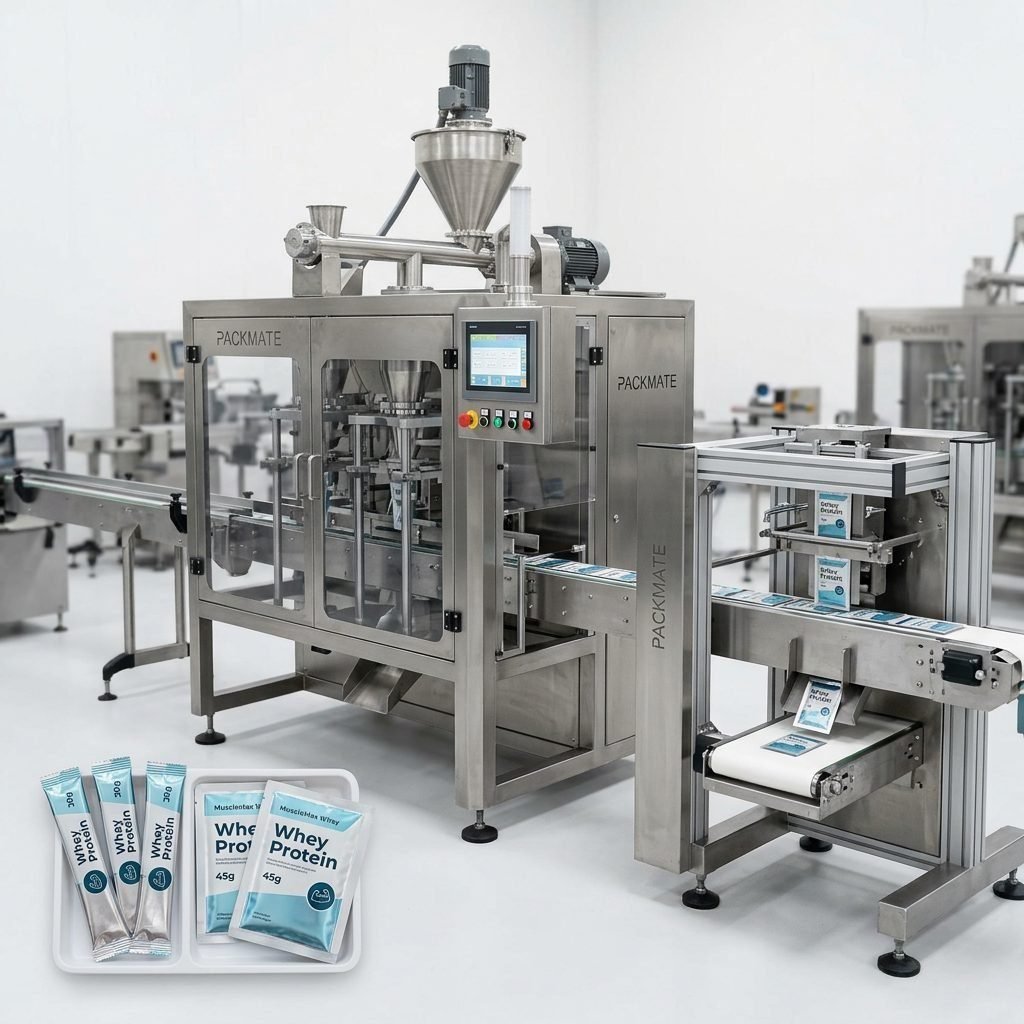
In the competitive landscape of personal care and cosmetics manufacturing, efficiency, precision, and hygiene are non-negotiable. The production of shampoo, a daily essential for millions worldwide, demands packaging solutions that are not only fast and reliable but also adaptable to diverse formulations, bottle designs, and market demands. This is where specialized shampoo bottle filling and capping machines become the cornerstone of a successful production line. These automated systems streamline the process of transferring product into containers and securely sealing them, ensuring consistency, reducing waste, and safeguarding product integrity from the factory floor to the consumer’s shower.
The Critical Role of Automation in Shampoo Packaging
Manual filling and capping are prone to inconsistencies, slow throughput, and potential contamination. Automated machinery eliminates these issues. A well-integrated filling and capping machine handles containers with precision, fills them to exact volumes—whether it’s a 200ml travel size or a 1-liter family bottle—and applies caps with the correct torque every time. This level of automation is crucial for maintaining brand reputation, as consumers expect every bottle they purchase to be perfectly filled and securely sealed. For manufacturers, this translates to higher output, lower labor costs, and a significant reduction in product giveaway.
Key Advantages of Integrated Filling & Capping Lines:
Enhanced Productivity: Machines can operate continuously at high speeds, filling and capping hundreds or even thousands of bottles per hour.
Unmatched Accuracy: Volumetric, piston, or gravity fillers ensure each bottle receives the precise amount of shampoo, critical for cost control and compliance.
Superior Hygiene: Closed systems and stainless-steel construction, common in machines from reputable providers like Packmate Machinery, minimize the risk of contamination.
Versatility: Modern machines can be quickly adjusted to handle different bottle shapes, sizes (from slim vials to wide jars), and cap types (flip-tops, screw caps, pumps).
Choosing the Right Filling Technology
Not all shampoos are created equal. Viscosity can range from thin, clarifying formulas to thick, creamy moisturizing blends. The filling technology must match the product’s characteristics.
Piston Fillers are excellent for medium to high-viscosity products like creamy shampoos and conditioners. They use a cylinder and piston to draw a precise product volume and dispense it, handling thicker fluids without dripping.
Gravity Fillers are ideal for low-viscosity, free-flowing liquids. They rely on the product’s own weight to fill bottles and are known for their simplicity and speed.
Volumetric Pump Fillers offer great flexibility and accuracy for a wide range of viscosities. They are often the go-to choice for lines that run multiple shampoo variants.
Partnering with an expert manufacturer ensures you get the right technology. Companies with deep experience, such as Packmate Machinery in their Filling & Packaging Lines division, can provide tailored recommendations based on your specific product profile.
Capping Solutions: Ensuring a Perfect Seal
The capping process is equally vital. A loose cap can lead to leaks and spoilage, while an overtightened one can damage the bottle or frustrate the end-user. Modern capping machines offer various solutions:
- Spindle Cappers: Use rotating spindles to screw caps onto bottles with consistent and adjustable torque.
- Chuck Cappers: Apply downward pressure while rotating, suitable for a wide variety of cap sizes and styles.
- Snap Cappers: Designed specifically for press-on, snap-fit closures common in some personal care products.
An integrated line synchronizes the filler and capper, creating a seamless flow that minimizes handling and maximizes efficiency. For a comprehensive look at how auxiliary equipment integrates, explore Packmate’s Auxiliary Packaging Equipment.
Scalability and Future-Proofing Your Investment
Market trends shift, and product lines expand. A scalable packaging solution is a smart business decision. Modular machines allow you to start with a semi-automatic single-head filler and capper and later upgrade to a fully automatic, multi-lane system as demand grows. Look for equipment built on robust platforms that facilitate easy changeovers for different bottle formats. This flexibility protects your investment and allows you to respond quickly to new opportunities, such as launching a new shampoo variant or entering a new market segment.
The Packmate Advantage: Experience in Action
With over 30 years of expertise in packaging machinery, Packmate (GuangDong) Co., Ltd. understands the nuanced needs of the cosmetics industry. Their journey, from a focused workshop to a company with a 20,000㎡ modern facility, is built on solving complex packaging challenges. This heritage translates into reliable, intelligent equipment. Their machines are engineered for the long haul, featuring precision components and user-friendly controls that minimize downtime and simplify operation. By choosing a partner like Packmate, you’re not just buying a machine; you’re gaining access to a wealth of turnkey solution expertise. Learn more about their commitment to innovation and quality on their About Us page.
Beyond the Machine: Total Support
The best machinery is only as good as the support behind it. A comprehensive solution includes detailed factory acceptance testing, thorough operator training, readily available spare parts, and responsive after-sales service. This ensures a smooth installation, rapid ramp-up to full production, and minimal disruption over the equipment’s lifespan. A reliable supplier stands by their equipment and their clients, offering global support to keep production lines running smoothly.
Conclusion
Investing in a dedicated shampoo bottle filling and capping machine is a strategic move for any brand serious about quality, efficiency, and growth. It transforms packaging from a potential bottleneck into a competitive advantage. By automating this critical stage, manufacturers achieve consistent, hygienic, and cost-effective packaging, allowing them to focus on innovation and market expansion. In an industry where presentation and performance are key, the right packaging machinery is the silent workhorse that builds brand trust, one perfectly filled and sealed bottle at a time.
Frequently Asked Questions (FAQs)
What is the typical output speed of an automatic shampoo filling line?
Output speeds vary greatly depending on the machine’s configuration (number of filling heads, level of automation) and bottle size. Semi-automatic machines may handle 20-40 bottles per minute (BPM), while fully automatic, multi-lane rotary fillers can achieve speeds exceeding 200 BPM. A detailed analysis of your container and production goals is needed for an accurate specification.
Can one machine handle different bottle shapes and sizes?
Yes, most modern machines are designed for quick changeover. This involves adjusting guide rails, replacing filling nozzles, and changing capping heads or chucks. The ease and time required for changeover depend on the machine’s design. Discussing your full range of container specs with your supplier is essential.
How do I choose between a piston filler and a gravity filler for my shampoo?
The primary deciding factor is product viscosity. Gravity fillers work best with thin, water-like liquids. Piston fillers are better suited for thicker, creamier products. If your shampoo formula changes or you have a wide range, a volumetric pump filler might offer the best versatility. Providing a sample to your machinery provider for testing is the most reliable method.
What maintenance does a filling and capping machine require?
Regular maintenance is key to longevity and consistent performance. Daily cleaning of product-contact parts is mandatory. Periodic lubrication of moving parts, inspection of seals and gaskets, and calibration of filling and torque settings are typical routine tasks. A good supplier will provide a detailed maintenance schedule and training.
Are these machines suitable for other liquid products besides shampoo?
Absolutely. Liquid filling and capping machines are highly versatile. With the appropriate adjustments, they can package conditioners, shower gels, liquid soaps, lotions, hair oils, and many other Newtonian and non-Newtonian fluids in the personal care, cosmetic, pharmaceutical, and food industries.