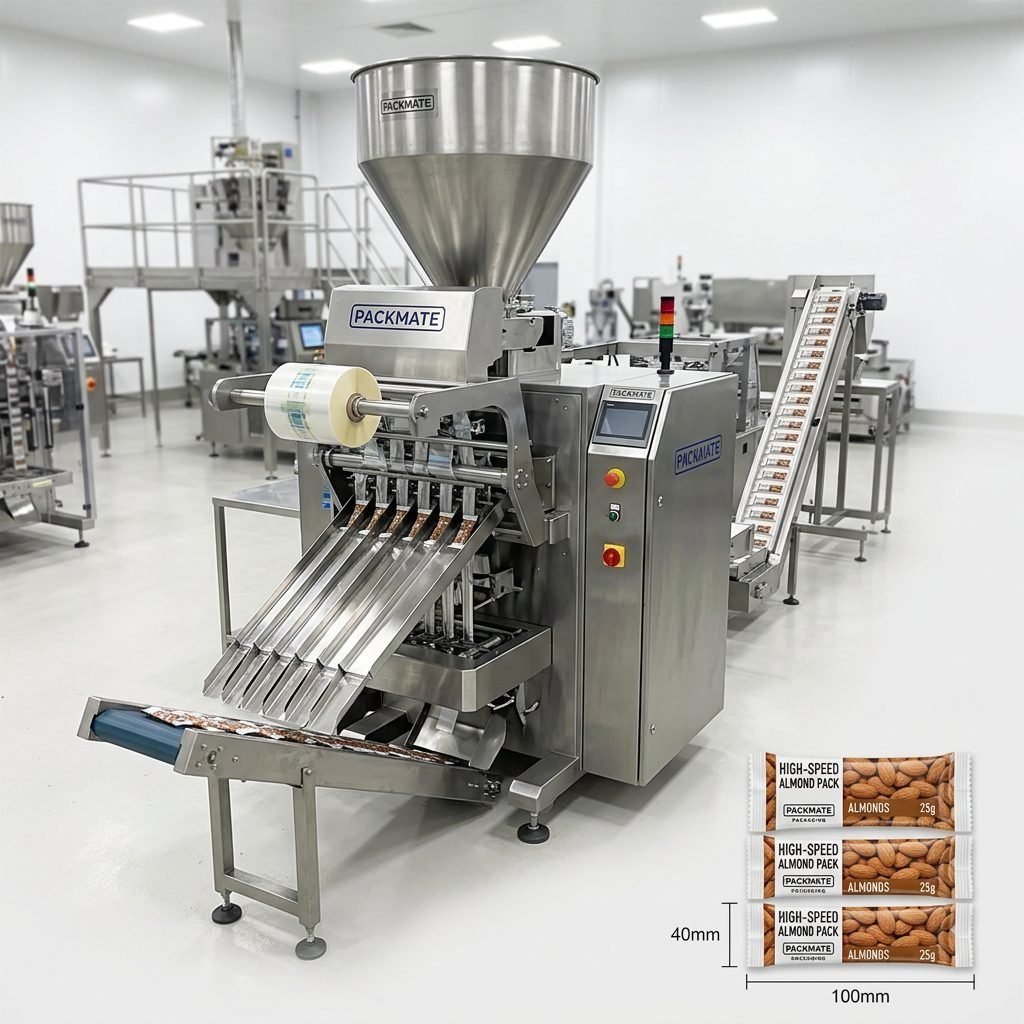
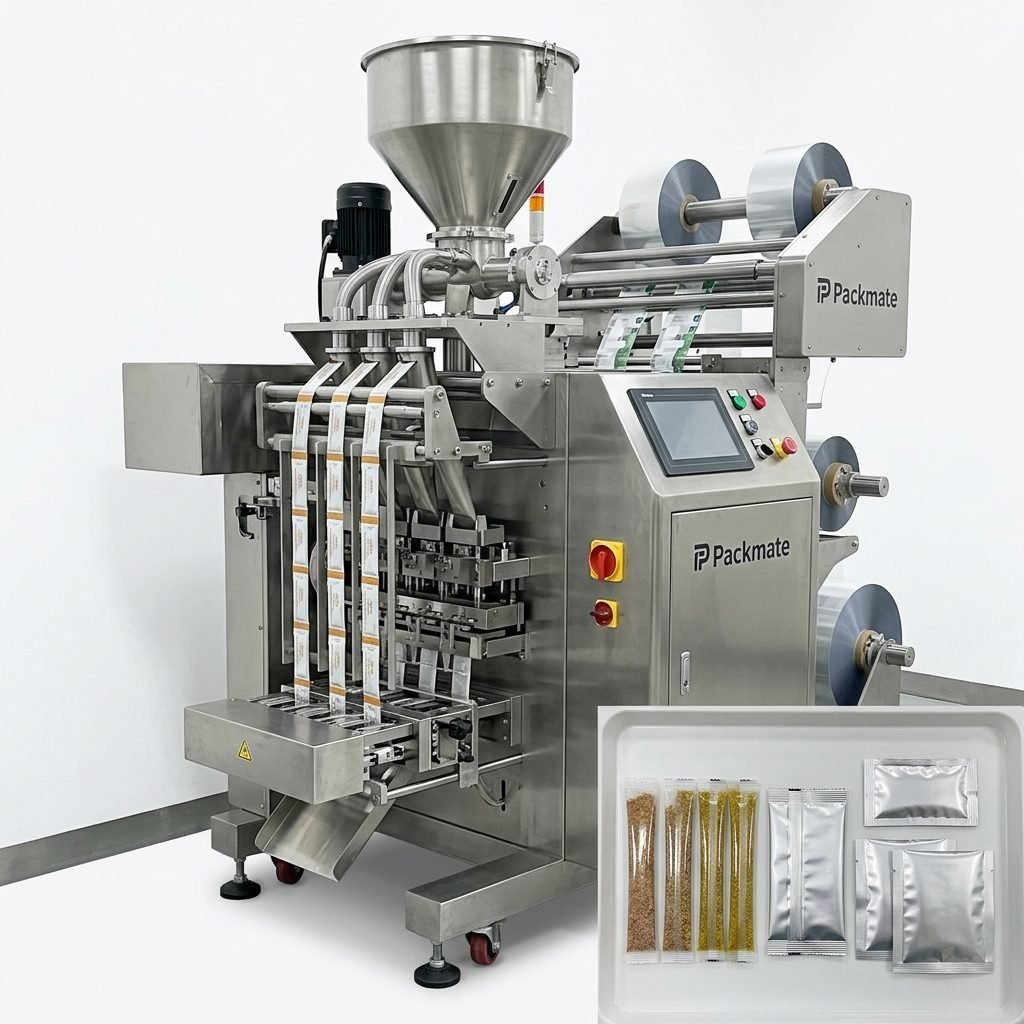
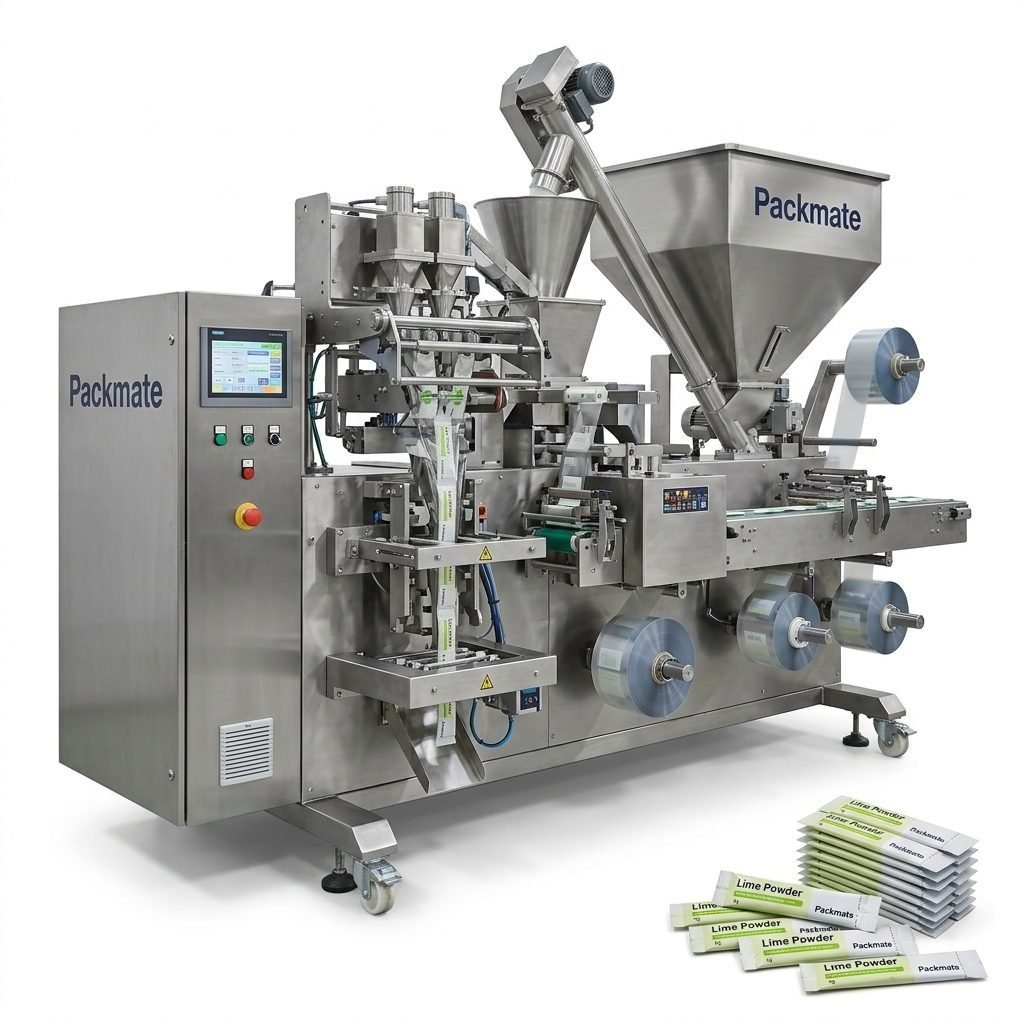
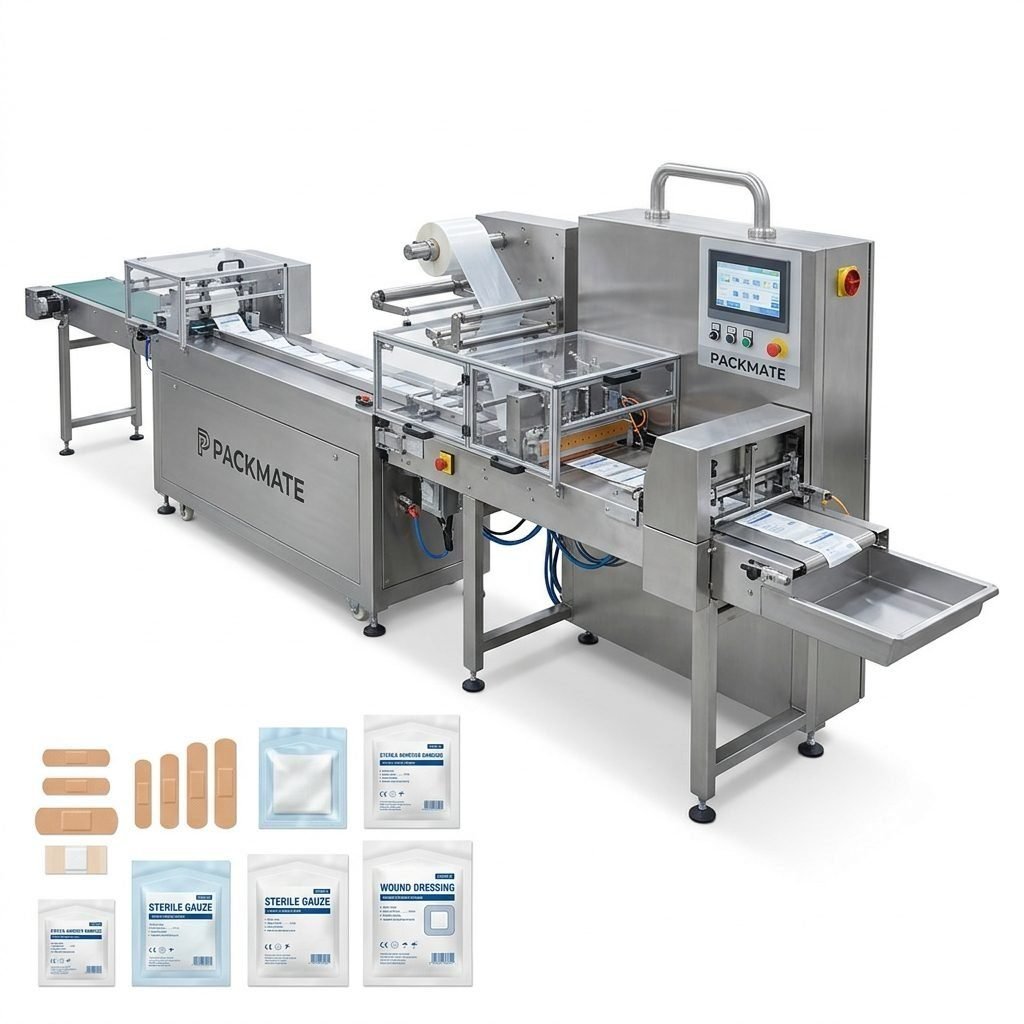
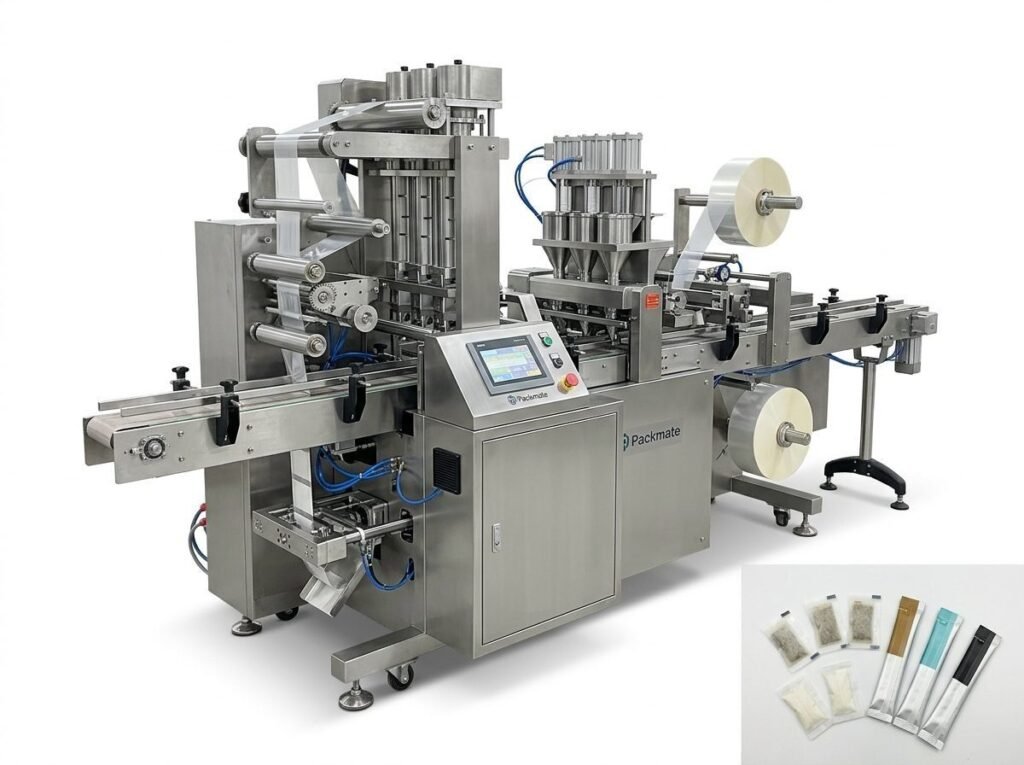
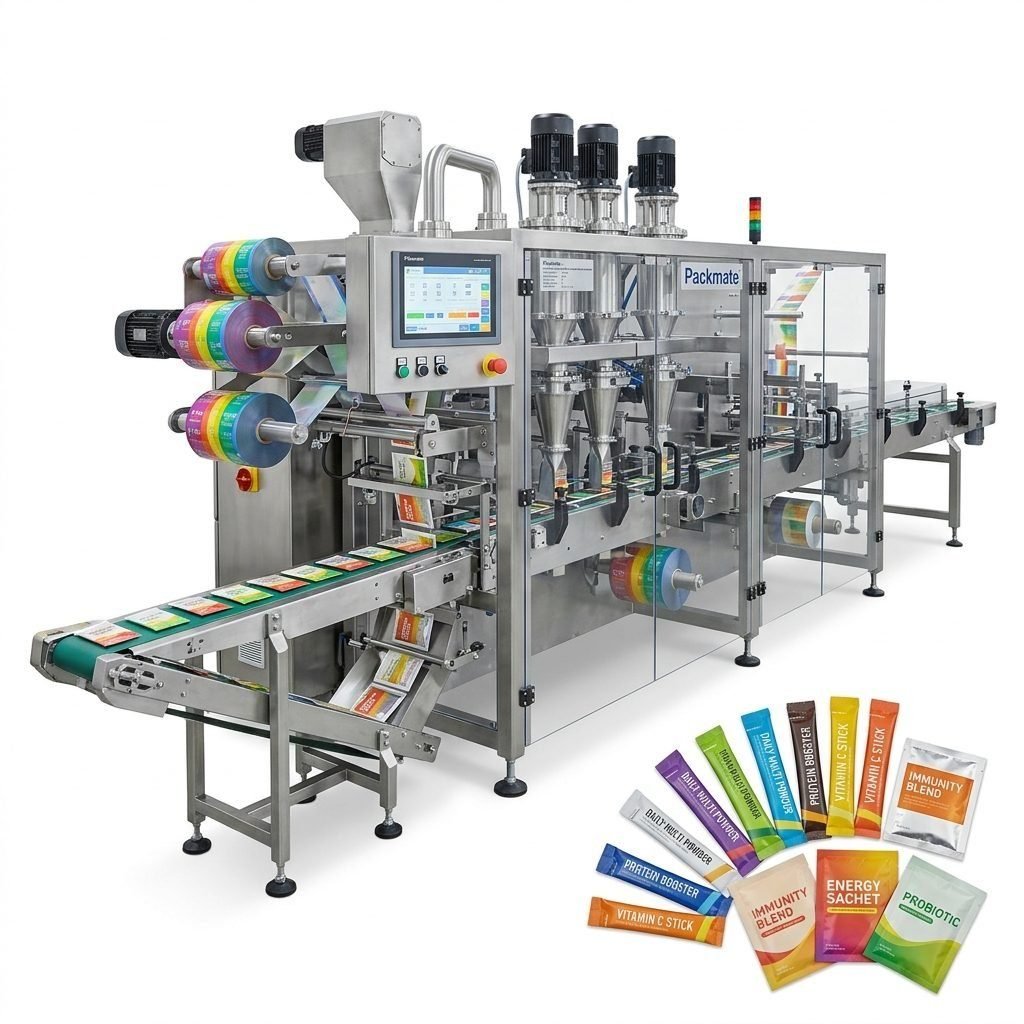
In the fast-paced world of modern packaging, efficiency, reliability, and precision are non-negotiable. The Horizontal Form Fill Seal (HFFS) machine stands as a cornerstone technology, enabling high-speed production of flexible pouches for a vast array of products. Understanding its core components is crucial for operators, maintenance personnel, and businesses investing in packaging automation. This deep dive explains the key parts of an HFFS machine and their functions.
The Film Unwind and Feeding System
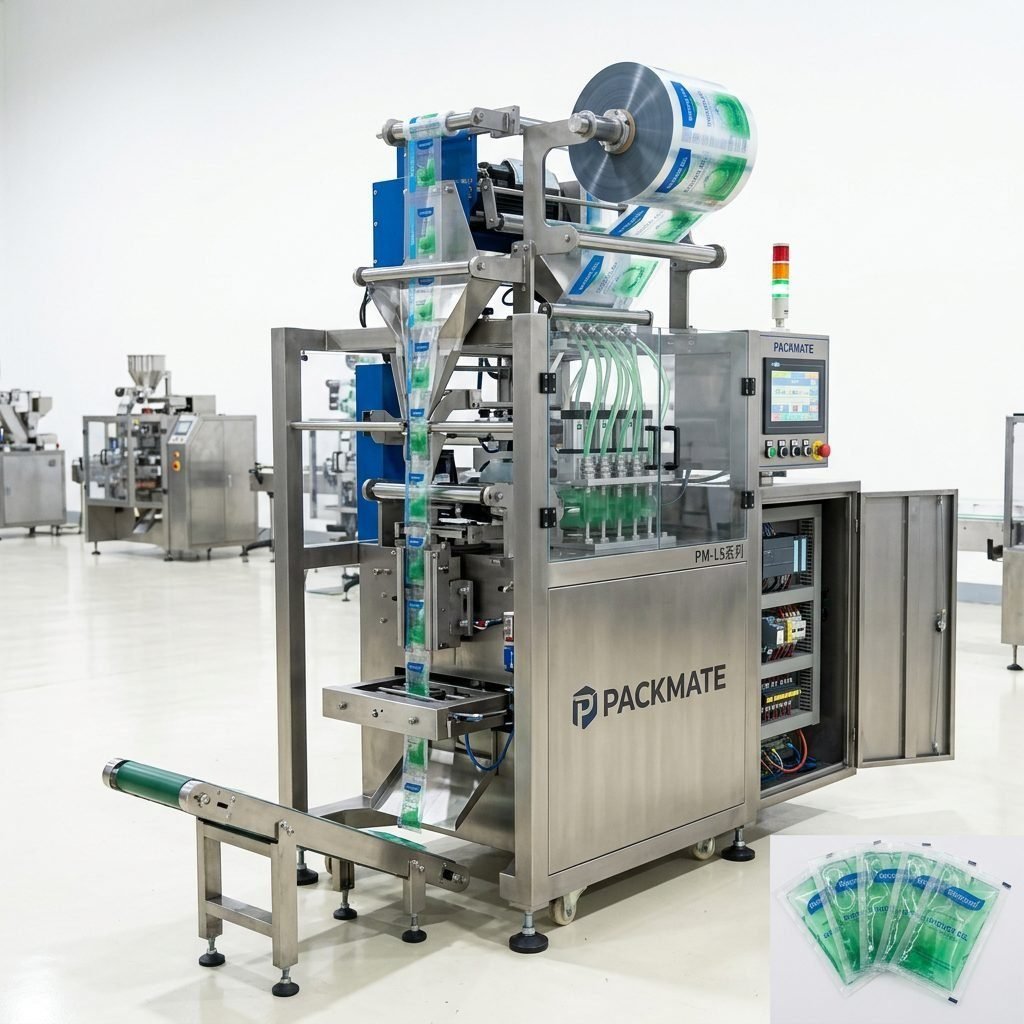
The journey of a pouch begins here. This system comprises the film roll holder, tension control mechanisms, and guiding rollers. Consistent, controlled film feed is paramount; any variation can lead to misalignment and defective seals. Advanced systems include automatic splicing units to allow for roll changes without stopping production, a critical feature for maintaining high Overall Equipment Effectiveness (OEE).
Forming Shoulder: The Shape Creator
This is arguably the heart of the forming process. The forming shoulder is a precisely machined metal component over which the flat packaging film is drawn. As the film passes over it, the shoulder’s shape dictates the final pouch structure—be it a pillow bag, gusseted bag, or a more complex shape. Its design is specific to the film type and pouch dimensions.
The Sealing System: Creating the Package
This system is responsible for creating airtight, durable seals. It typically involves:
Longitudinal Sealer: This unit seals the film vertically into a continuous tube after it passes the forming shoulder. It often uses heated sealing jaws or rotary sealers.
Cross (or End) Sealer: This critical component performs two functions. First, it creates the bottom seal of the current pouch. Second, it simultaneously creates the top seal of the preceding pouch and cuts the two apart. The precision of its temperature, pressure, and timing determines seal integrity.
The Product Filling Station
Located between the longitudinal and cross sealers, this is where the product is metered into the formed film tube. The technology here varies dramatically:
- Volumetric Cup Fillers: Ideal for free-flowing granules or powders.
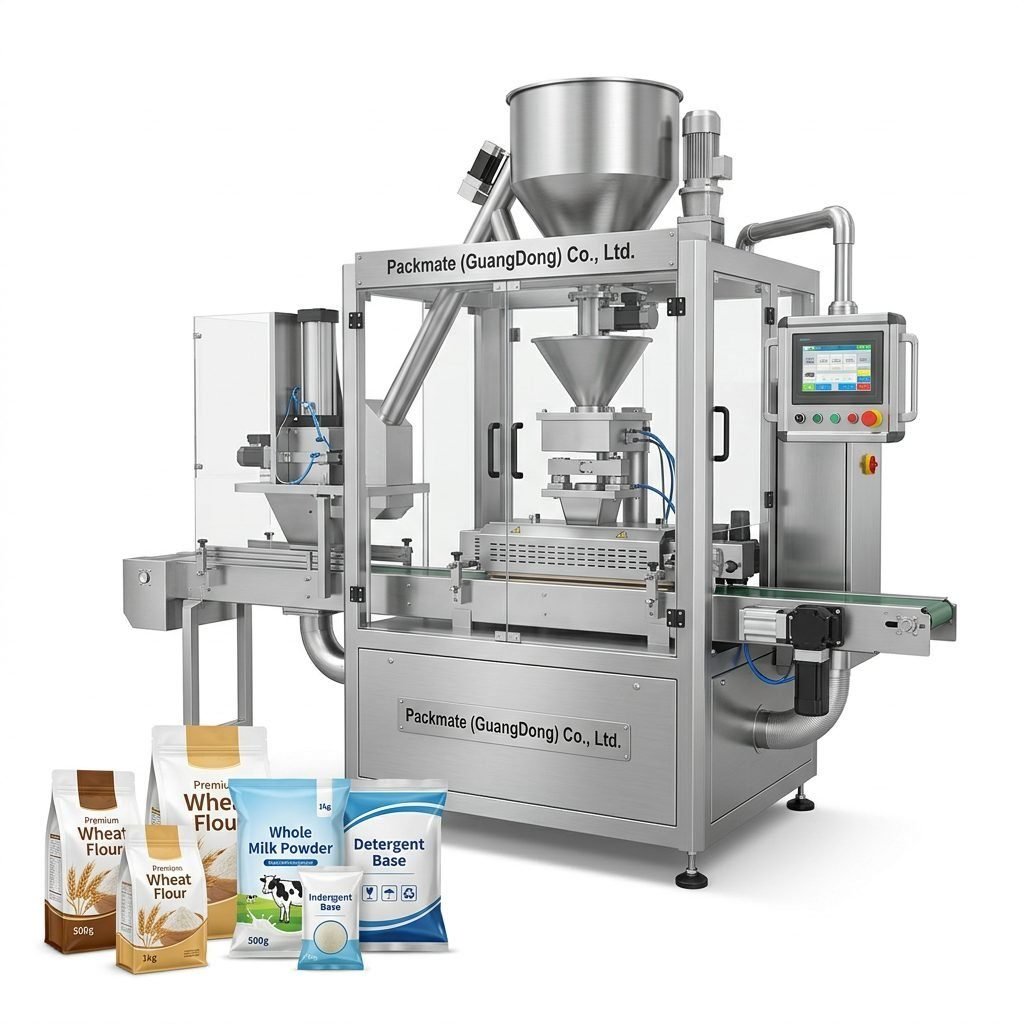
- Auger Fillers: Provide excellent accuracy for fine powders, spices, or cohesive products.
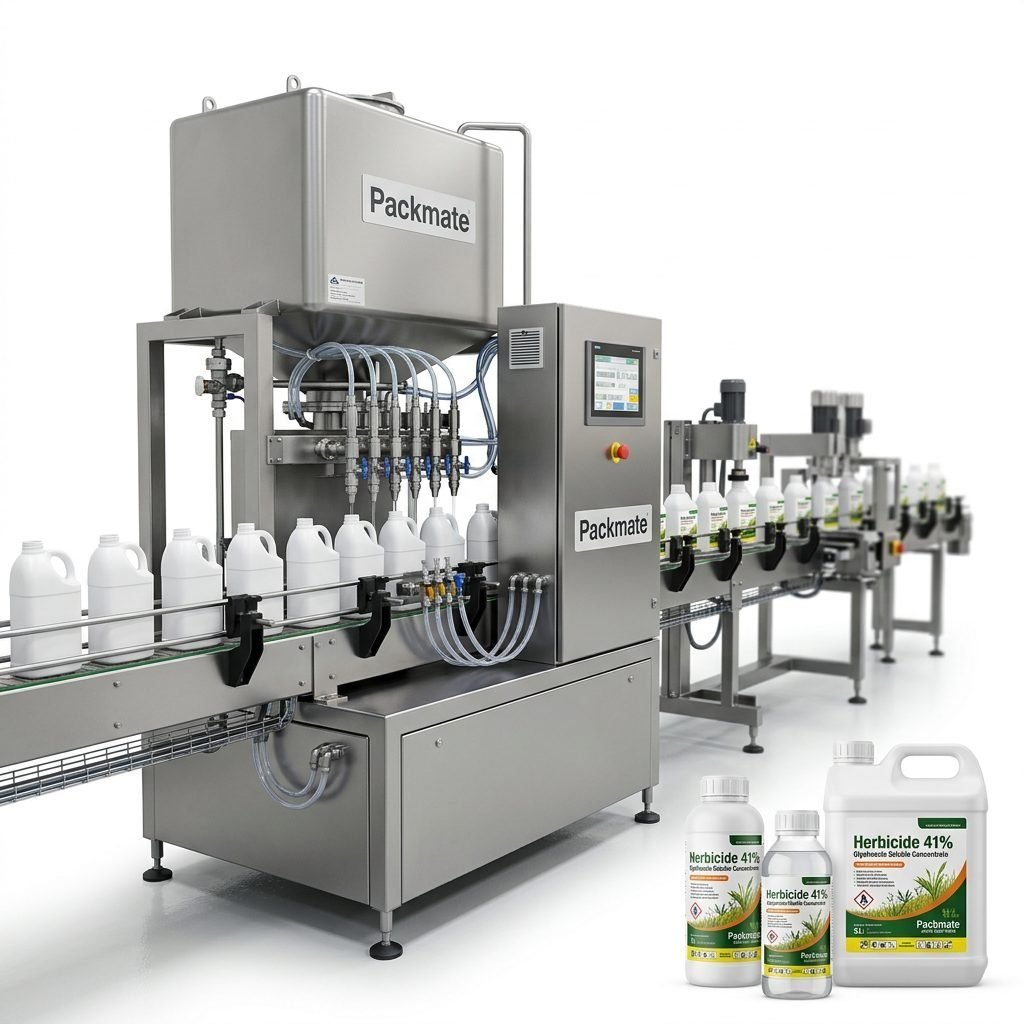
- Liquid Pumps: Used for sauces, oils, or other liquids.
- Net Weighing Systems: For the highest precision, multi-head weighers feed product into the tube.
Choosing the right filler, like those in our Weighing & Packaging Systems range, is essential for product give-away control and compliance.
Drive and Control System: The Machine’s Brain
This encompasses the servo or stepper motors, drives, and the Programmable Logic Controller (PLC). Modern HFFS machines, such as those developed by Packmate Machinery, utilize sophisticated servo technology for synchronized motion, ensuring precise film indexing, sealing, and cutting. The user-friendly Human-Machine Interface (HMI) allows operators to set parameters, monitor production speed, and diagnose faults.
Ancillary and Support Components
Beyond the core units, several components ensure smooth operation:
Film Registration System: Uses optical sensors to detect print marks on pre-printed film, ensuring graphics are correctly positioned on every pouch.
Gas Flushing System (for Modified Atmosphere Packaging – MAP): Evacuates air from the pouch and replaces it with a gas mixture (like Nitrogen or CO2) to extend shelf life, common for snacks and coffee.
Date Coders/Printers: Integrated inkjet or thermal transfer printers apply batch codes, expiry dates, or logos onto the film.
Discharge Conveyor: Gently transports finished pouches to the next stage, such as cartoning or case packing, which can be part of a complete Filling & Packaging Line.
Material Considerations: The Film Itself
The machine is only as good as the material it runs. HFFS machines process laminates or co-extruded films, which are layers of different materials (e.g., PET, PE, AL, OPP) combined to provide specific properties: barrier against moisture and oxygen, strength, sealability, and aesthetic printability. Film selection directly impacts machine performance and final product quality.
Understanding these components demystifies the operation of an HFFS machine. Each part plays a vital role in transforming a roll of flat film into a sealed, product-filled pouch at speeds exceeding hundreds of cycles per minute. For businesses looking to integrate this technology, partnering with an experienced manufacturer with a proven track record, like Packmate with its Sachet & Stick Pack Machines expertise, ensures access to reliable equipment, comprehensive technical support, and solutions tailored to specific product needs.
Frequently Asked Questions (FAQs)
1. What types of products are best suited for HFFS packaging?
HFFS machines are incredibly versatile. They are ideal for packaging a wide range of dry, free-flowing, or semi-liquid products. Common applications include snack foods (chips, nuts), coffee, powdered drinks, pet food, grains, spices, hardware items, and single-serve condiment sachets.
2. How does the sealing temperature affect pouch quality?
Sealing temperature is critical. Too low a temperature results in a weak, incomplete seal that can leak or break open. Too high a temperature can burn through the film, weaken the seal area, or cause excessive wrinkling. The optimal temperature depends on the film material’s melting point and must be carefully calibrated and consistently maintained.
3. What is the importance of film tension control in an HFFS machine?
Precise film tension control is essential for consistent pouch formation and registration. If tension is too high, it can stretch or tear the film, cause misalignment of print marks, and lead to premature film breaks. If tension is too low, the film may sag or wander, resulting in uneven seals, poor graphic alignment, and misfeeds into the forming shoulder.
4. Can one HFFS machine handle different pouch sizes and films?
Yes, but with changeover. Most modern HFFS machines are designed for quick changeovers. This involves replacing the forming shoulder, adjusting the sealing jaw widths, and potentially changing the filling head. Changeover time varies by machine design and complexity. Advanced machines allow for storing recipes on the HMI to expedite the process when switching between standard products.
5. What are the key maintenance routines for an HFFS machine?
Regular preventive maintenance is vital for longevity and uptime. Key routines include: daily cleaning of product contact areas and sealing jaws; weekly inspection and lubrication of chains, guides, and bearings; monthly checking of seal jaw alignment and pressure; and periodic calibration of scales and sensors. Always follow the manufacturer’s specific maintenance schedule outlined in the manual.