In today’s competitive market, custom packaging is a powerful tool for brand differentiation and product protection. At the heart of producing high-quality, customized packaging at scale lies flexographic printing equipment. This guide delves into the world of flexographic printing, exploring its technology, applications in custom packaging, and key considerations for selecting the right machinery for your production needs.
Understanding Flexographic Printing Technology
Flexographic printing, often called flexo, is a modern version of letterpress printing. It utilizes flexible photopolymer plates wrapped around rotating cylinders on a web press. The process is renowned for its versatility, speed, and efficiency, making it ideal for printing on a wide variety of substrates used in packaging, including paper, corrugated cardboard, film, foil, and laminates.
The core advantage of flexo printing for packaging is its ability to handle non-porous materials and print consistent, high-quality graphics at high speeds, which is essential for meeting the demands of consumer goods industries.
The ink system in flexography is another key feature. It typically uses low-viscosity, fast-drying inks, which allow for quick turnaround times and the ability to print on subsequent colors without smudging. This is particularly beneficial for custom packaging runs where brand colors and intricate designs must be reproduced accurately and efficiently.
Why Flexo is Ideal for Custom Packaging
Custom packaging demands flexibility, quality, and cost-effectiveness. Flexographic printing excels in all three areas. Its quick plate changeover and setup times make it perfect for short to medium print runs, allowing brands to create limited-edition packaging or tailor designs for different markets without significant downtime.
Furthermore, advancements in digital plate-making and precision engineering have dramatically improved print quality. Modern flexo presses can achieve fine details and vibrant colors that rival other printing methods, ensuring your custom packaging makes a stunning visual impact on the shelf.
Key Components of a Flexographic Press
Understanding the main parts of a flexo press helps in making an informed investment decision. The central components include:
- Unwind Unit: Feeds the substrate (e.g., film, paper) into the press.
- Printing Stations: Each station applies one color of ink via its anilox roll, chamber, and plate cylinder.
- Drying Systems: Crucial for fast-drying inks, often using hot air or UV curing between colors.
- Rewind or Sheeting Unit: Collects the finished printed web for further converting into bags, pouches, or boxes.
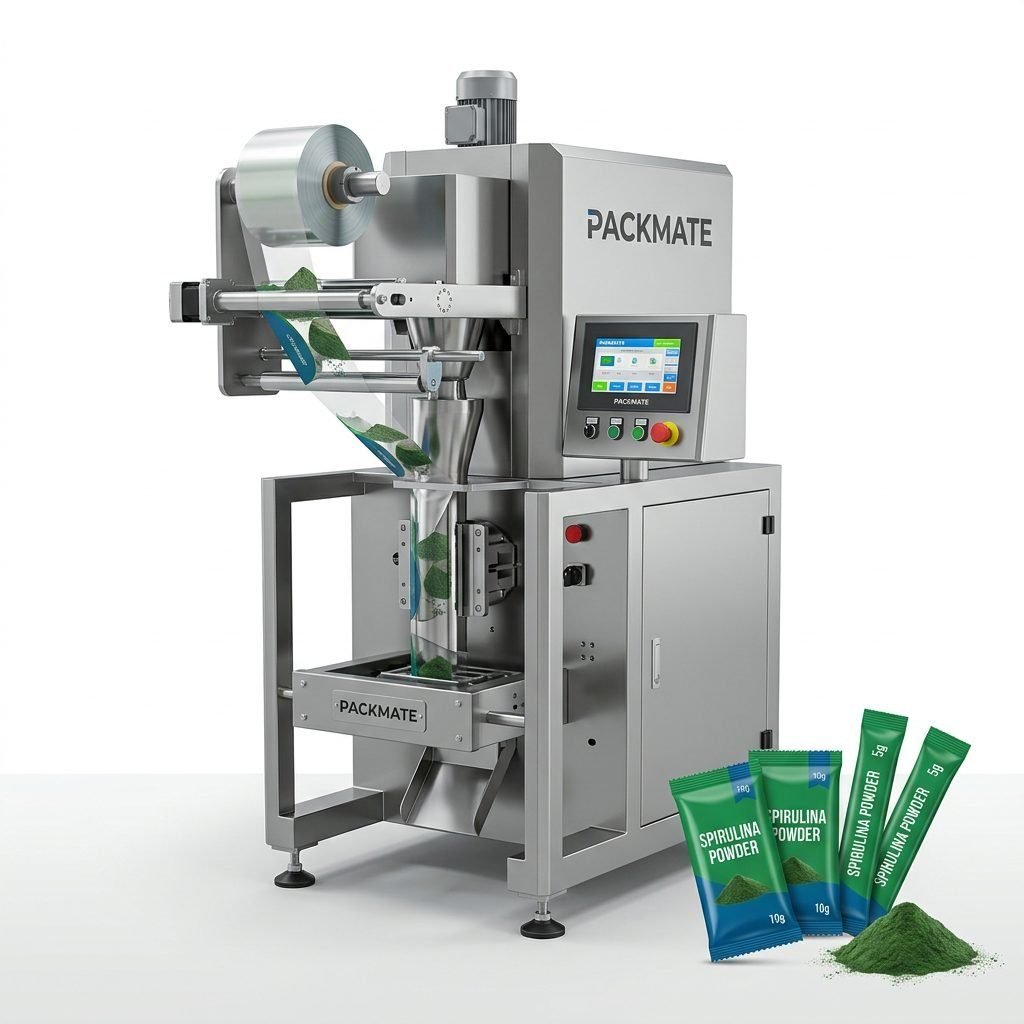
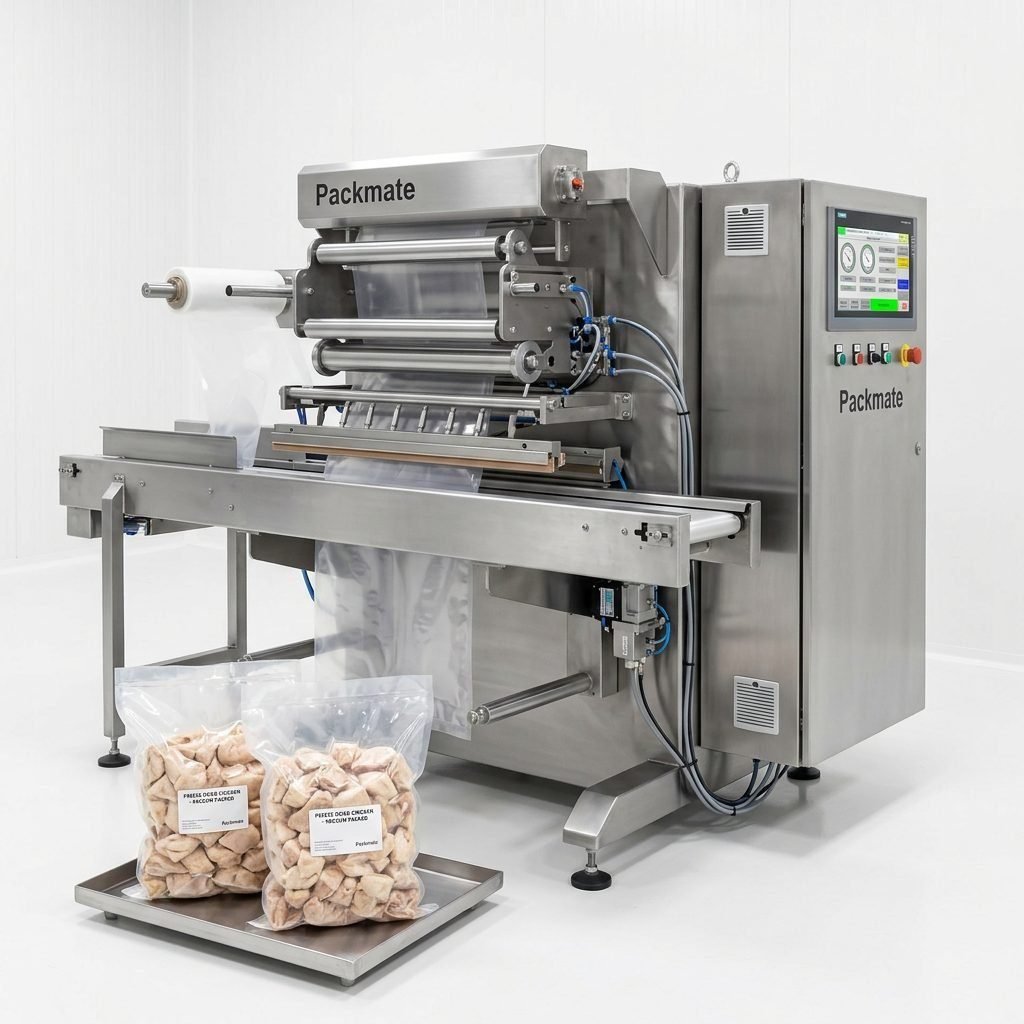
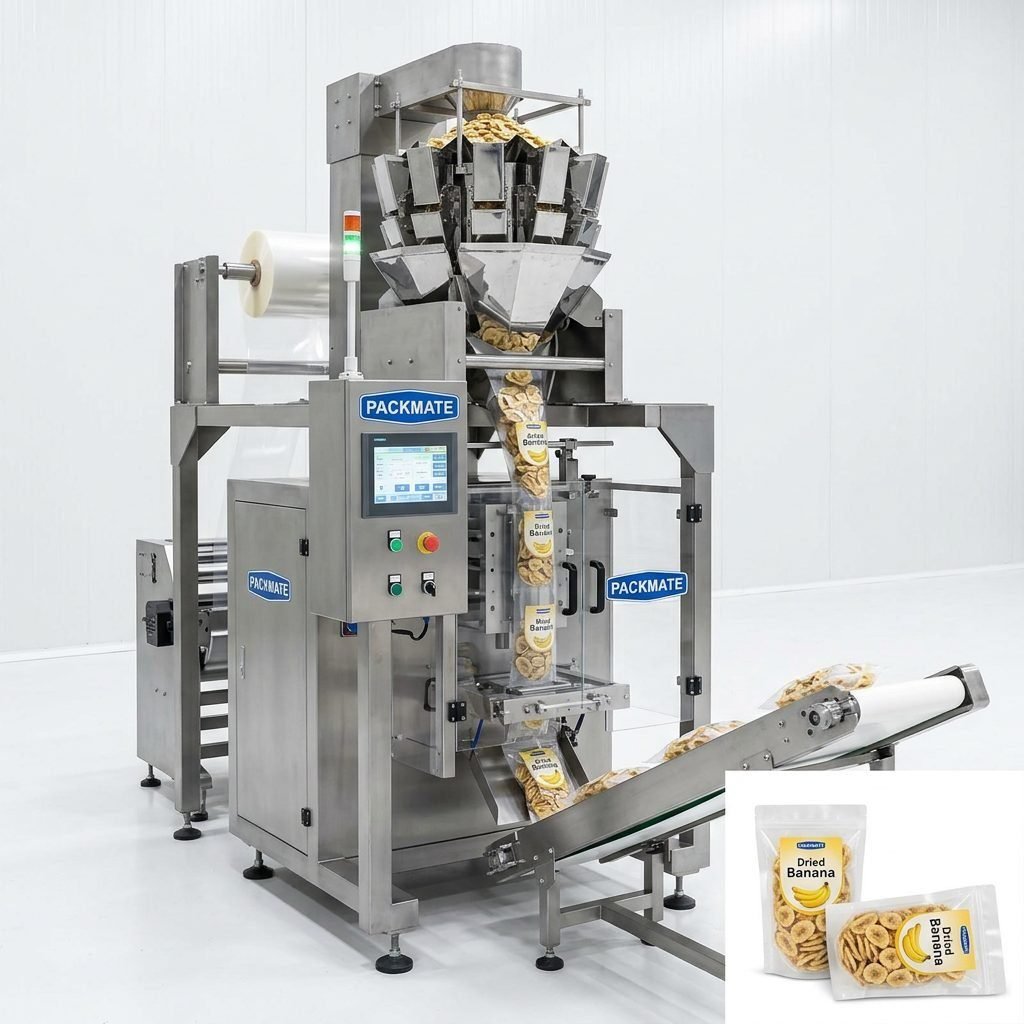
For businesses looking to integrate printing with their packaging line, partnering with a manufacturer that provides complete solutions is key. Companies like Packmate Machinery specialize in intelligent packaging equipment, ensuring that the printing and forming processes are seamlessly aligned for optimal efficiency.
Selecting the Right Flexo Equipment for Your Needs
Choosing flexographic printing equipment is a significant decision. Key factors to consider include the type of substrate you primarily use, the required print quality and color count, your production speed requirements, and the available floor space. A press designed for printing on thin film will differ from one built for corrugated board.
It’s also vital to consider the total cost of ownership, not just the initial purchase price. Factors like plate costs, ink consumption, maintenance requirements, and energy efficiency of the drying systems all contribute to the long-term operational costs. Exploring a range of packing machines and their specifications can provide valuable context for the broader packaging machinery ecosystem.
Integration with Downstream Packaging Processes
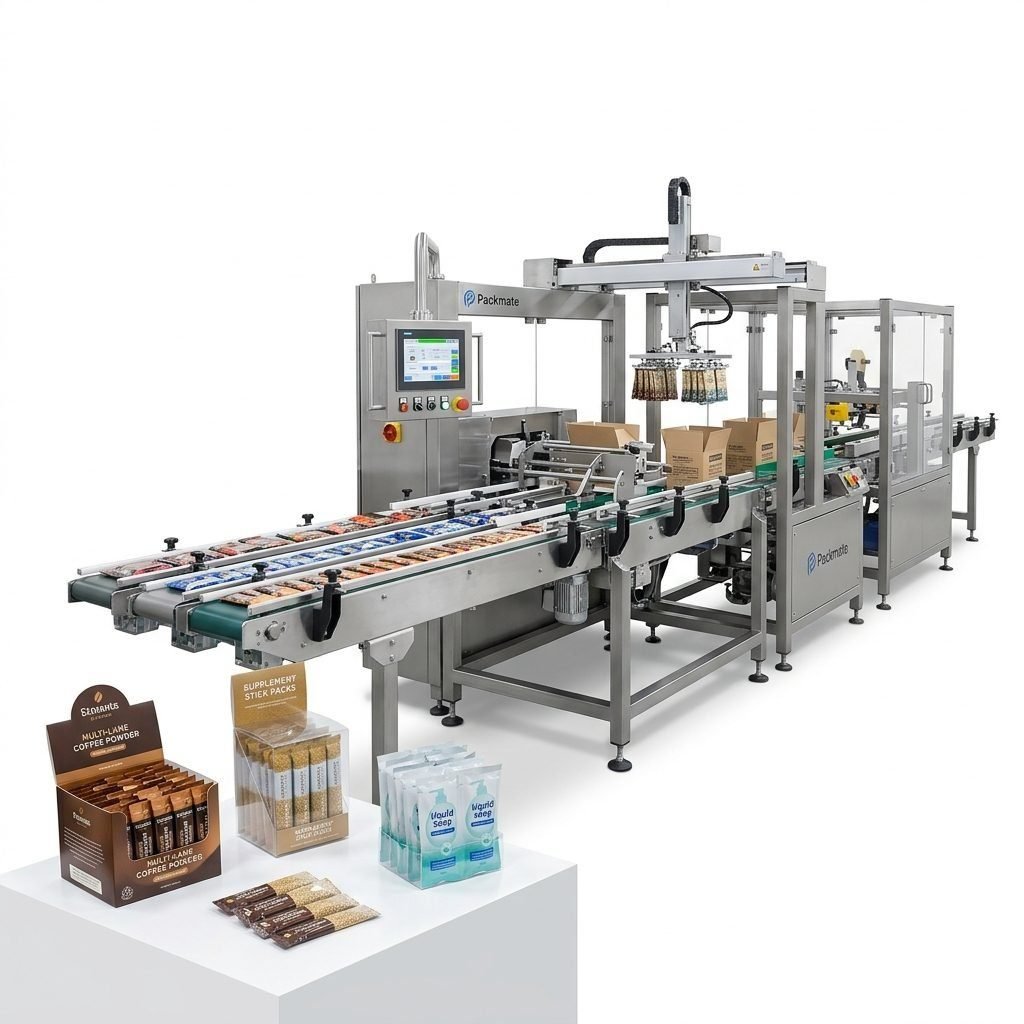
The true power of flexo printing in custom packaging is realized when it is integrated into a complete production line. The printed web often goes directly into converting equipment to be made into the final package form, such as stand-up pouches, stick packs, or sachets.
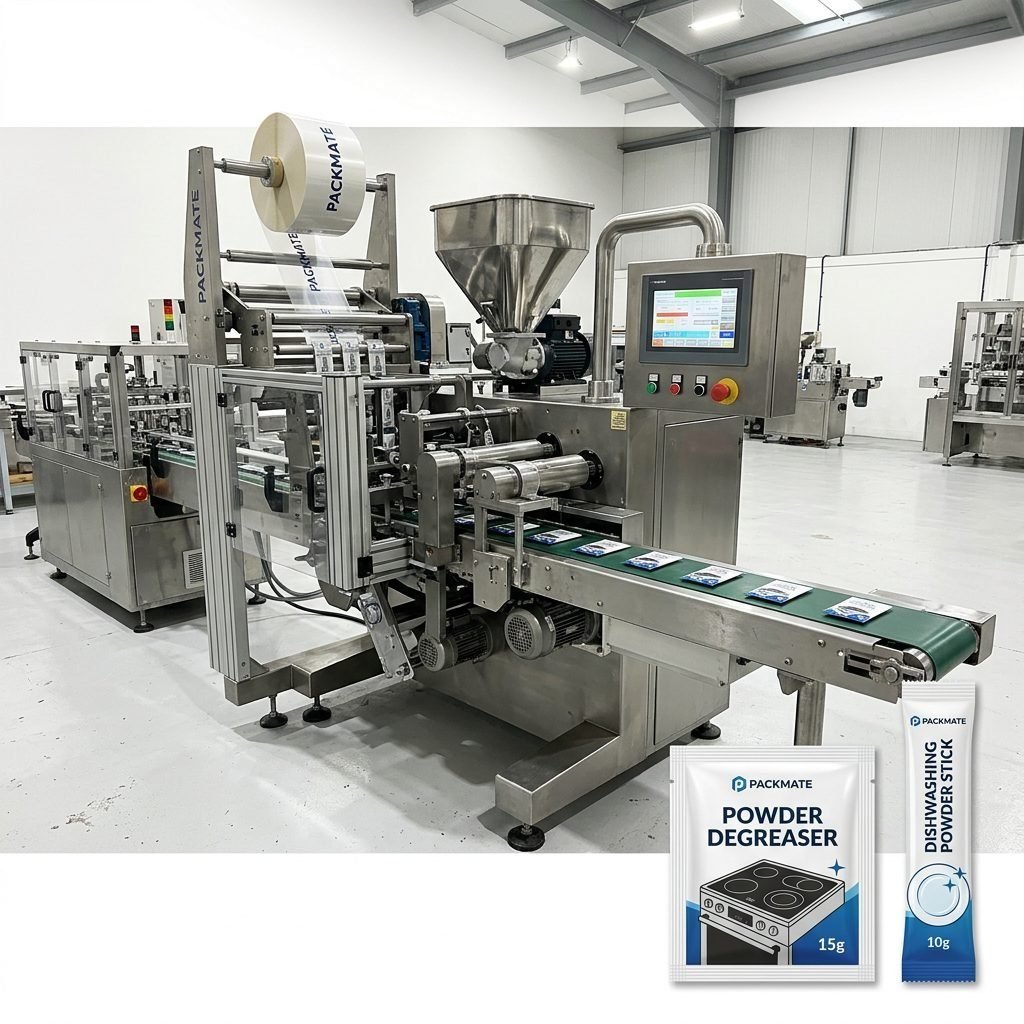
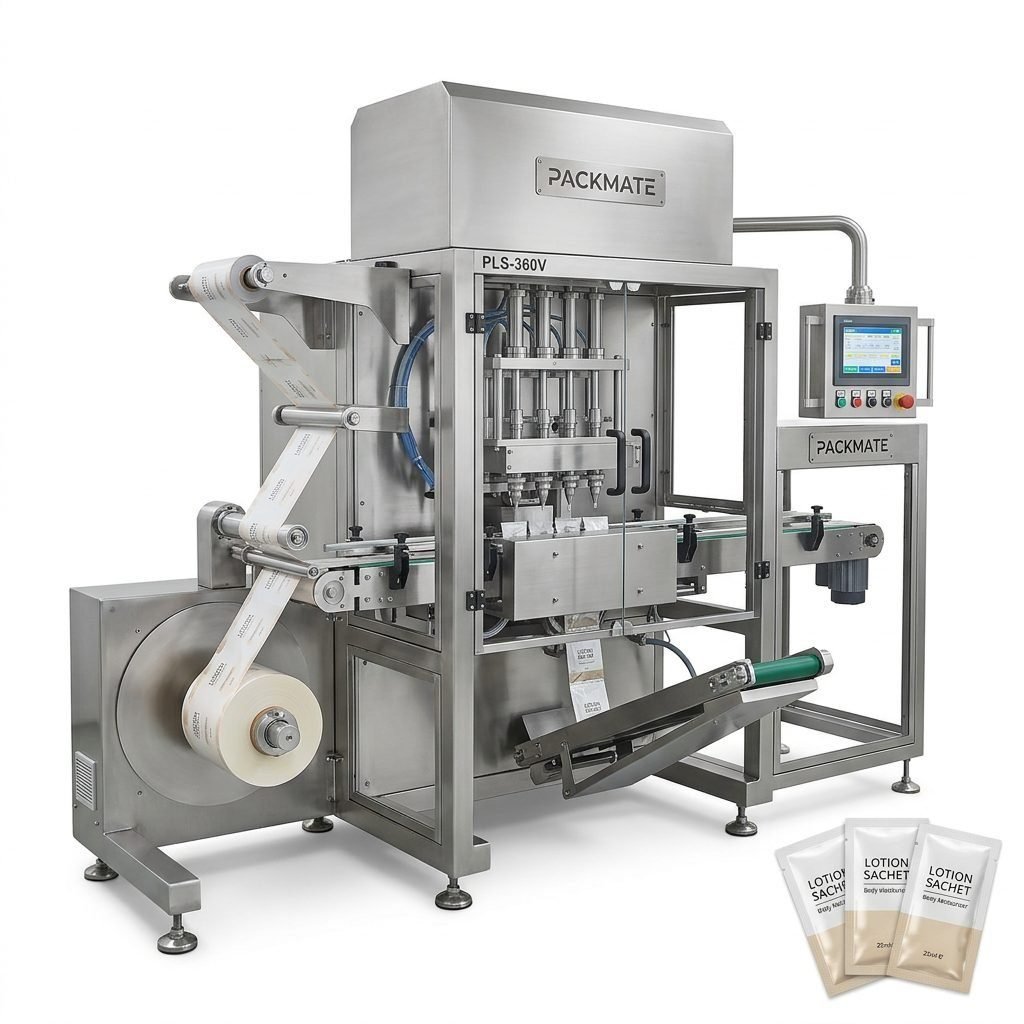
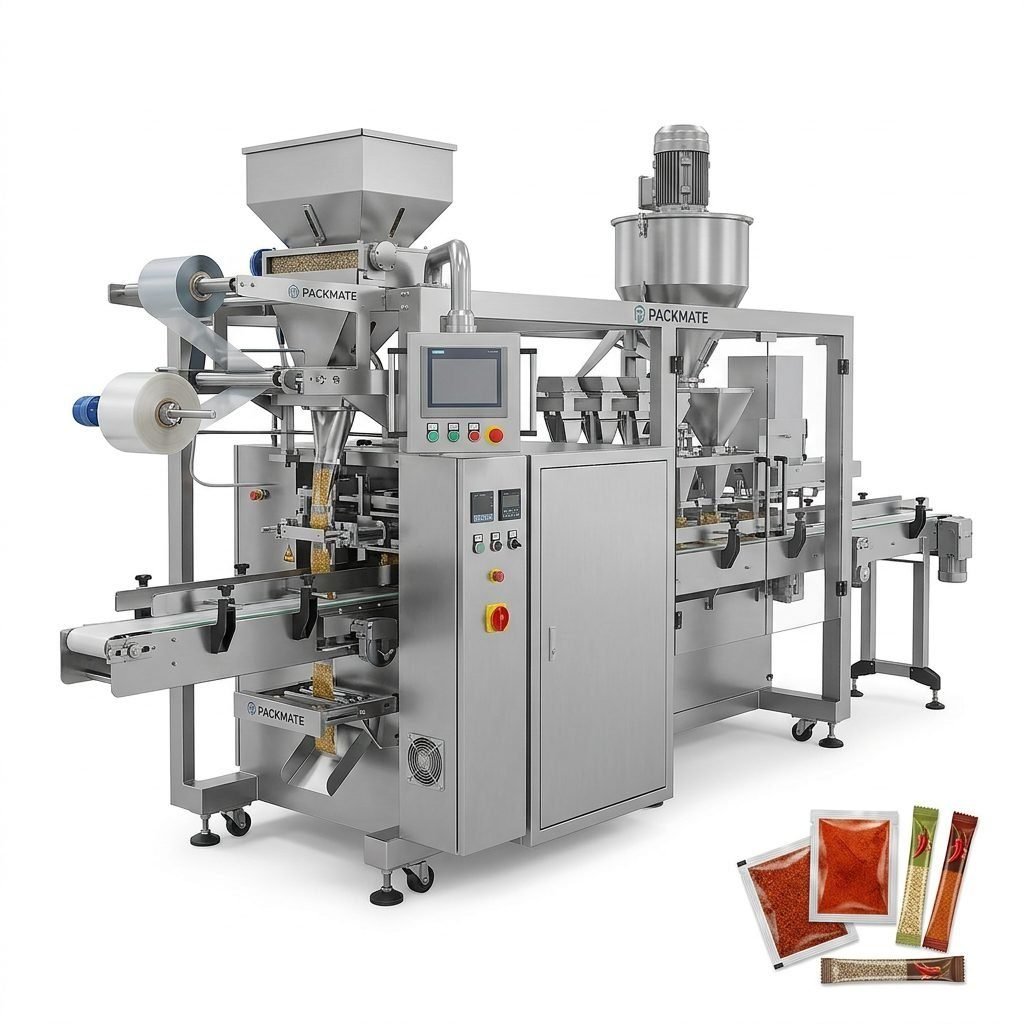
For instance, a high-speed flexo press printing on roll film can be directly coupled with a sachet and stick pack machine to create filled and sealed single-serve packages in one continuous operation. This integration minimizes material handling, reduces waste, and maximizes production throughput for items like condiments, pharmaceuticals, or instant beverages.
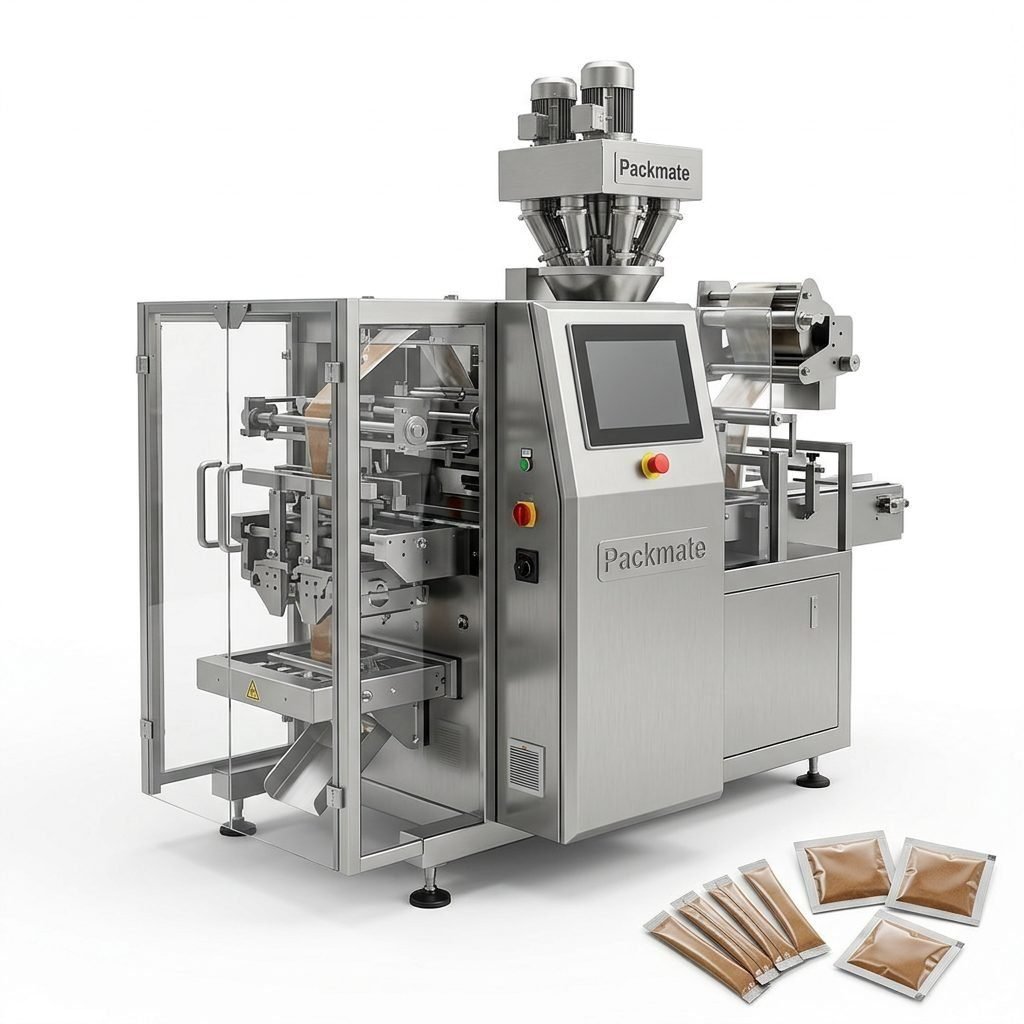
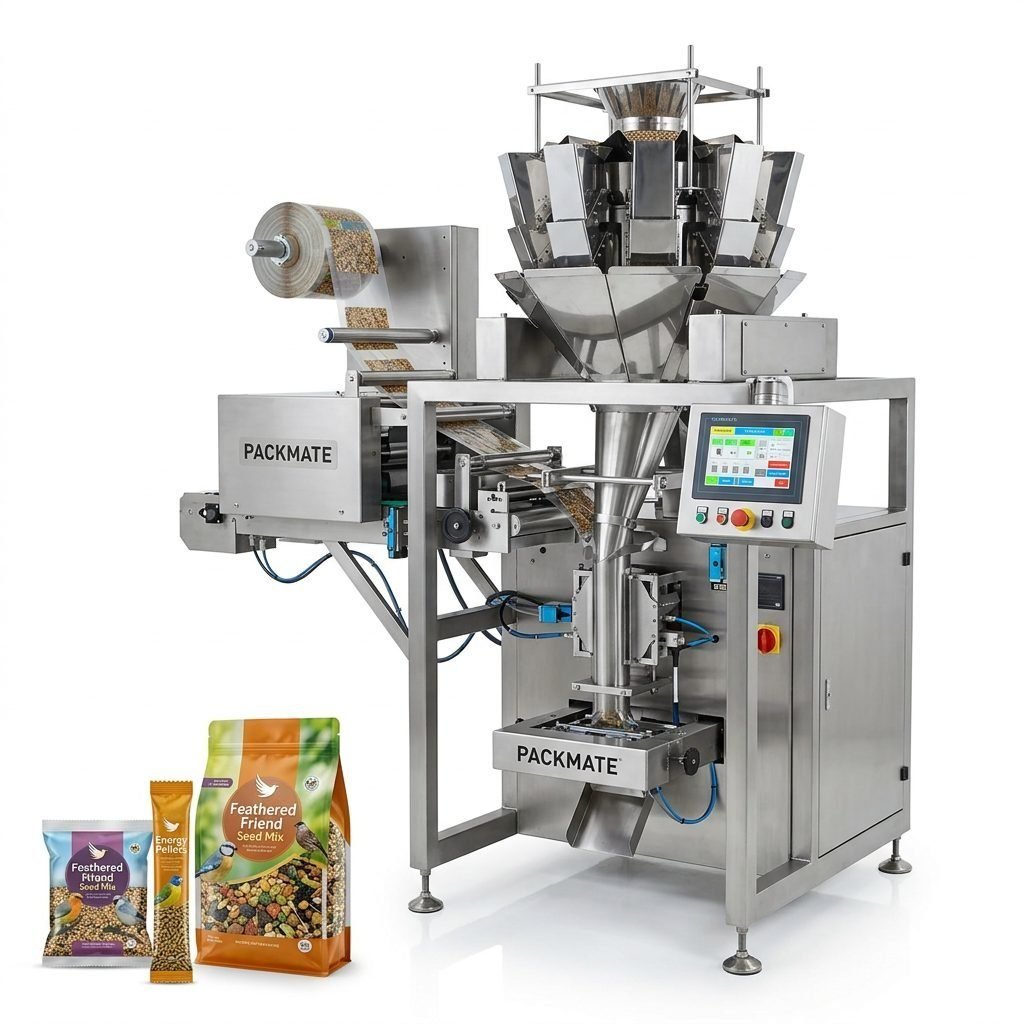
Similarly, for larger bag formats, the printed material can be fed into advanced bag and pouch packaging machines. This seamless flow from printing to forming and filling is a hallmark of modern, automated packaging lines and is essential for businesses aiming for scalability and efficiency in their custom packaging operations.
Maintenance and Best Practices
To ensure consistent print quality and extend the lifespan of your flexographic printing equipment, a proactive maintenance regimen is essential. Regular cleaning of anilox rolls and ink chambers prevents ink drying and contamination, which can lead to print defects. Proper storage and handling of photopolymer plates are also crucial to avoid damage that affects image clarity.
Operator training is another critical best practice. Skilled operators who understand press settings, ink viscosity control, and substrate tension can optimize performance, reduce waste, and quickly troubleshoot common issues. Investing in training pays dividends in productivity and print consistency.
The Future of Flexo in Custom Packaging
The future of flexographic printing is intertwined with digital innovation and sustainability. The integration of digital front-end systems allows for faster job changeovers and more variable data printing, enabling greater customization. Furthermore, the industry is moving towards more sustainable practices, including the development of water-based and UV-curable inks with lower VOC content, and plates that are easier to recycle.
As brands continue to seek unique, eye-catching, and eco-friendly packaging solutions, flexographic printing technology will continue to evolve to meet these demands, solidifying its role as a cornerstone of the custom packaging industry.
Frequently Asked Questions (FAQs)
What are the main advantages of flexographic printing for packaging?
Flexo printing offers high speed, versatility on various substrates (film, paper, foil), cost-effectiveness for medium to long runs, and consistently good print quality, making it a top choice for most flexible and corrugated packaging.
How does flexo printing compare to digital printing for custom packaging?
Digital printing excels at ultra-short runs and high variability with no plate costs, offering great flexibility for prototyping. Flexo printing is generally more cost-effective and faster for medium to large runs, with a wider range of compatible substrates and inks, including specialty metallic or opaque whites.
What is the typical lead time for producing flexo printing plates?
Lead times can vary, but with modern digital plate-making technology, photopolymer plates can often be produced within 24 to 48 hours after the design file is finalized, allowing for relatively quick job setup.
Can flexographic printing achieve high-quality brand colors?
Yes, absolutely. Modern flexo presses with precise ink management systems and high-line-screen anilox rolls can accurately match specific Pantone colors and produce vibrant, consistent graphics essential for strong brand identity on packaging.
What kind of maintenance does a flexo press require?
Regular daily cleaning of ink systems and rollers is crucial. Periodic maintenance includes checking and lubricating mechanical parts, inspecting and cleaning anilox rolls professionally, and ensuring drying systems and web tension controls are calibrated. A scheduled preventative maintenance plan is highly recommended.