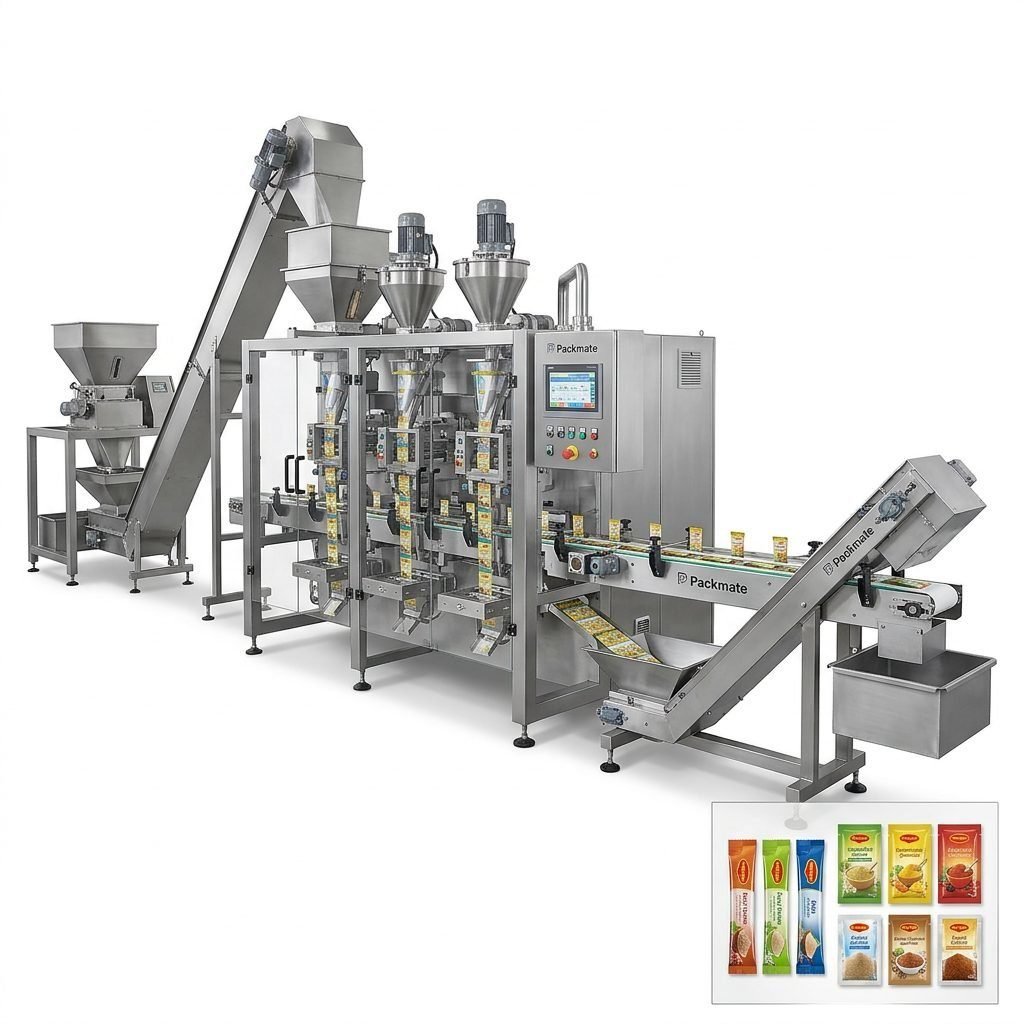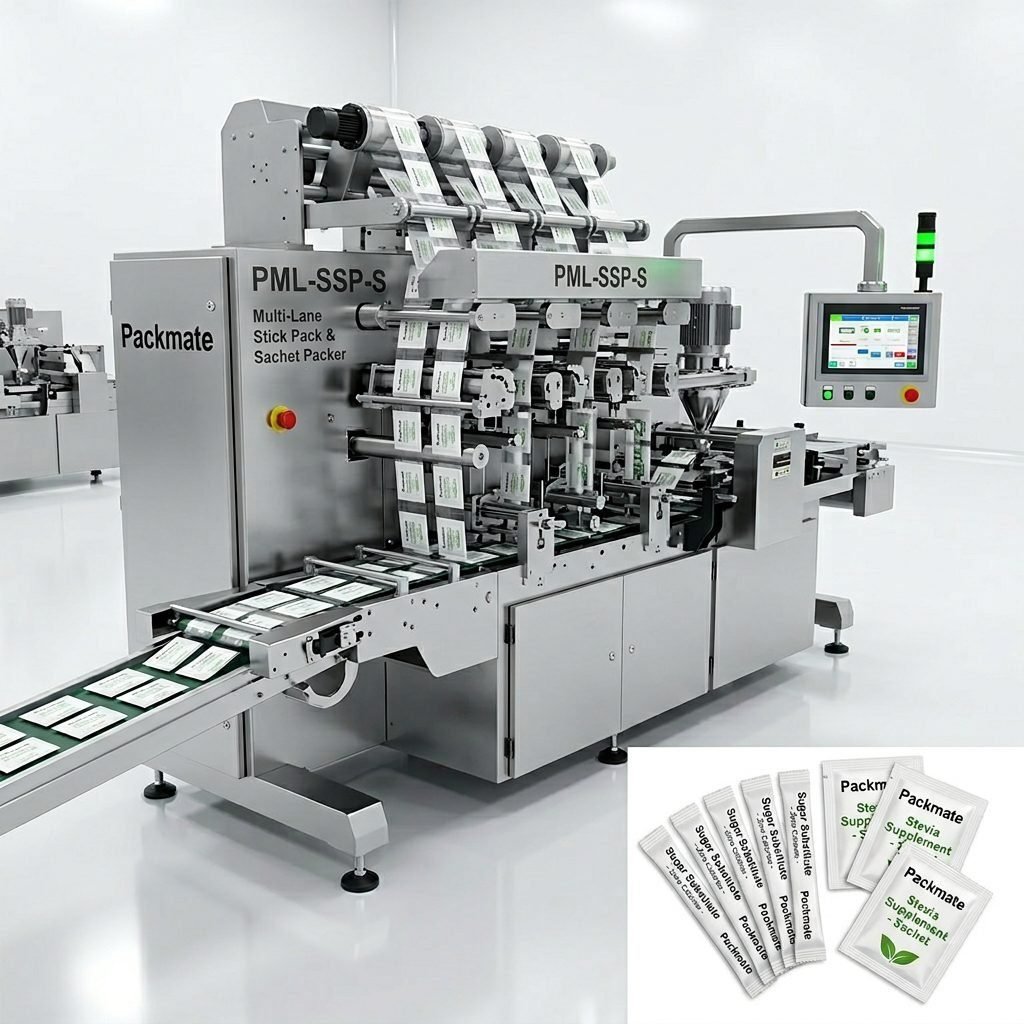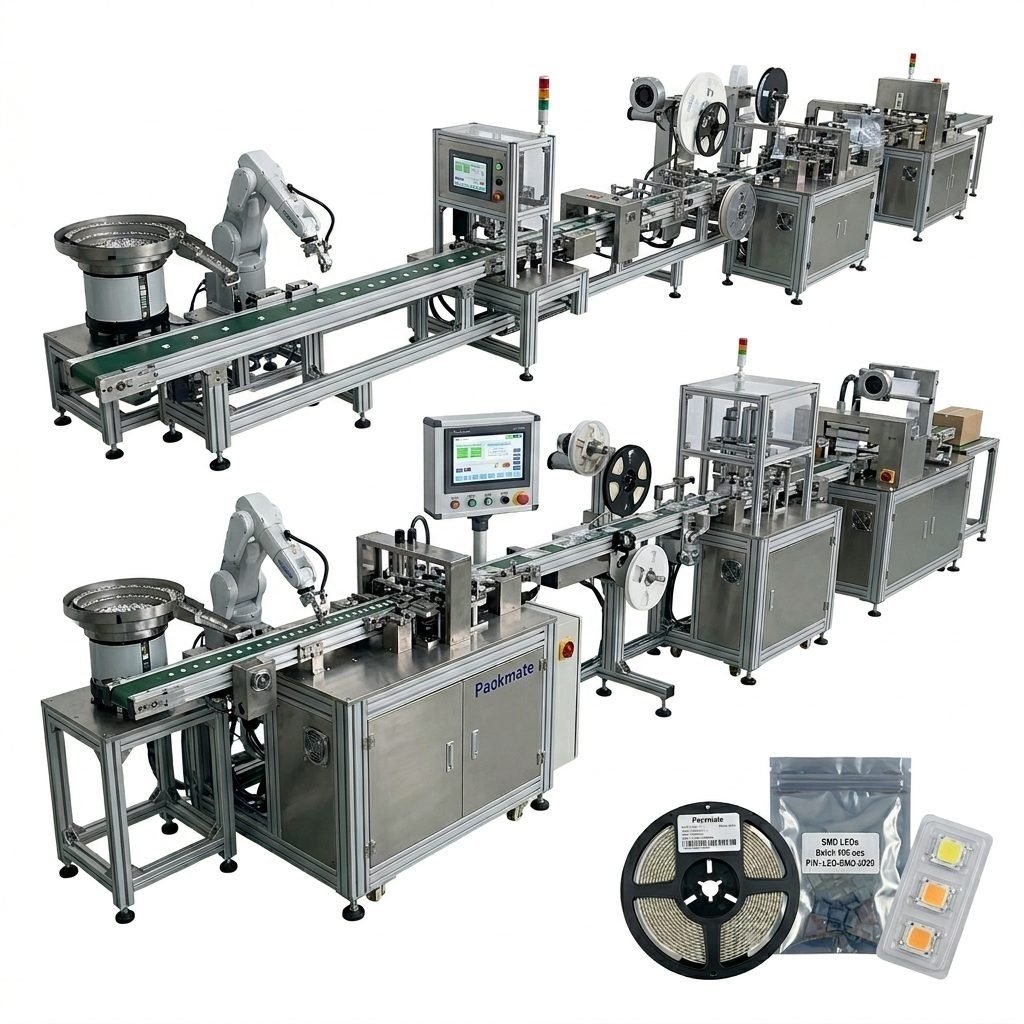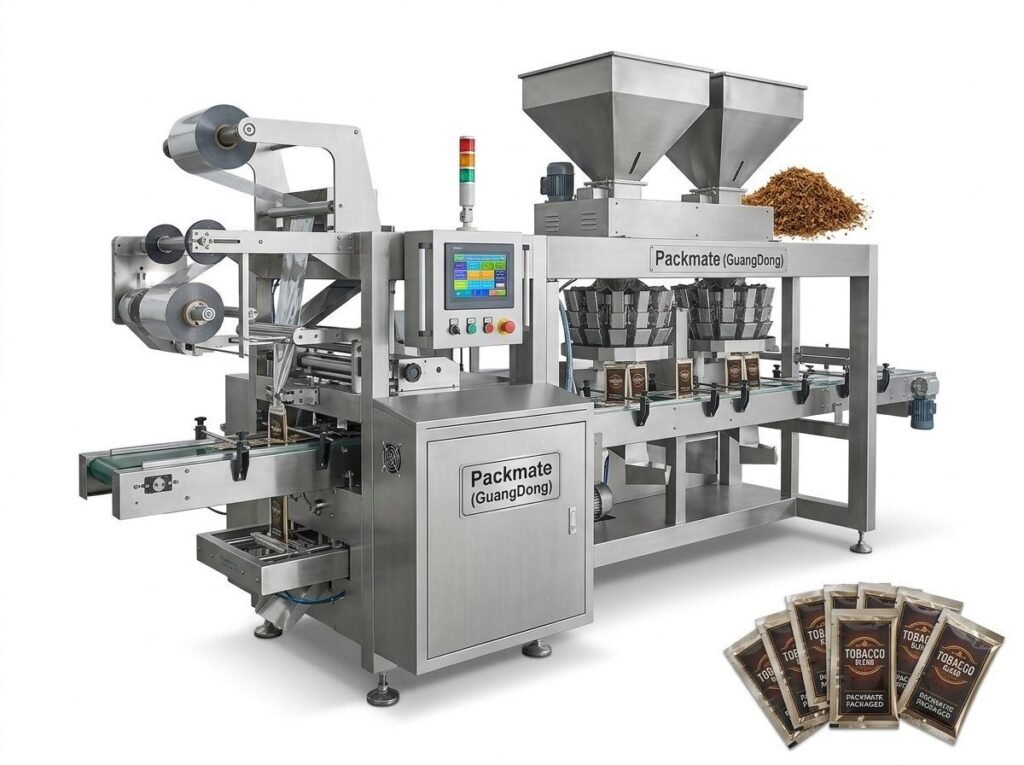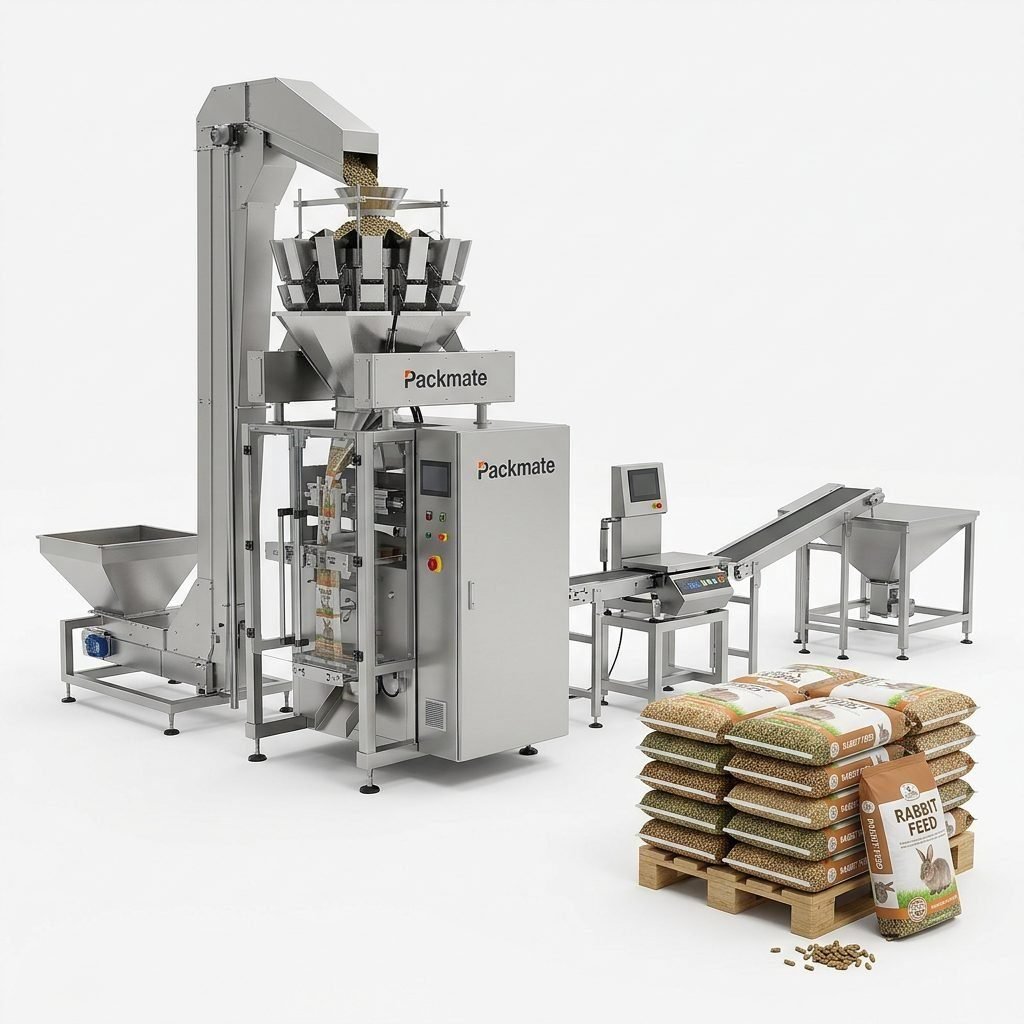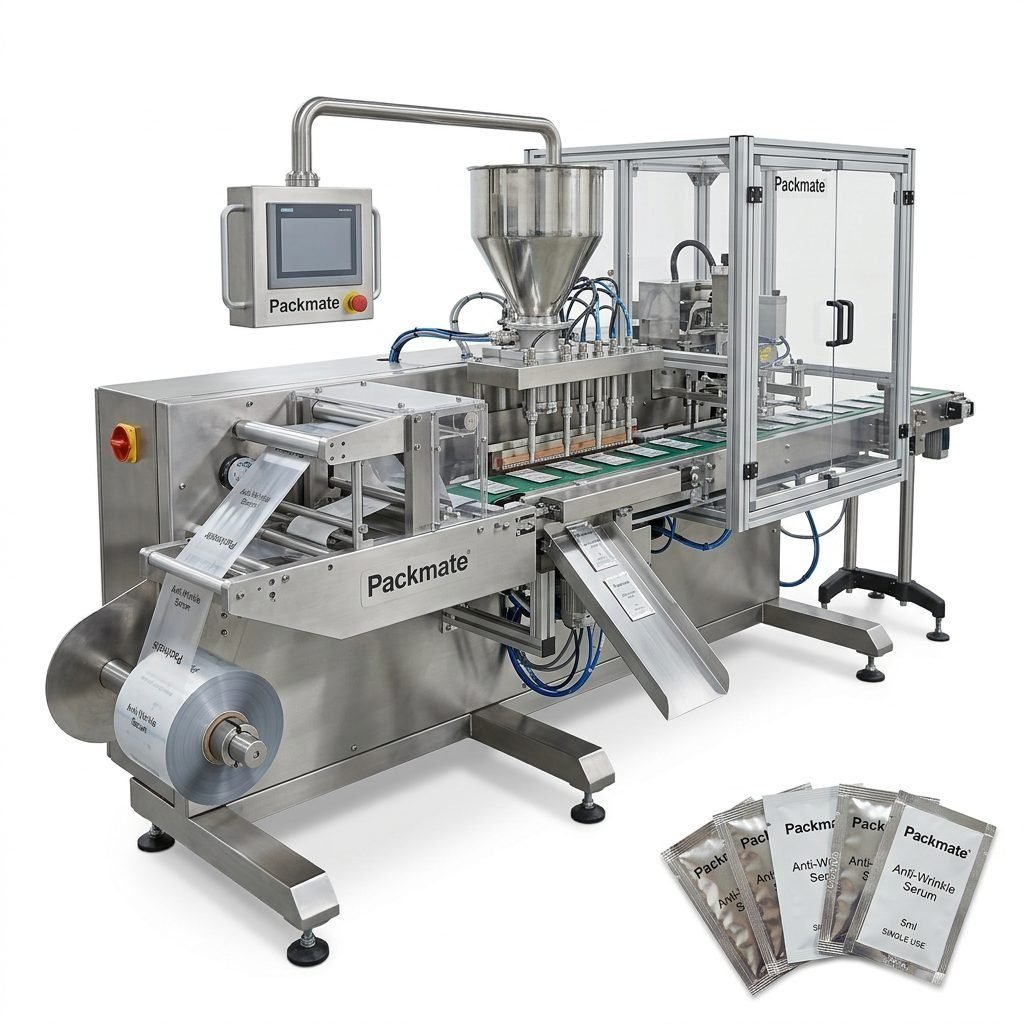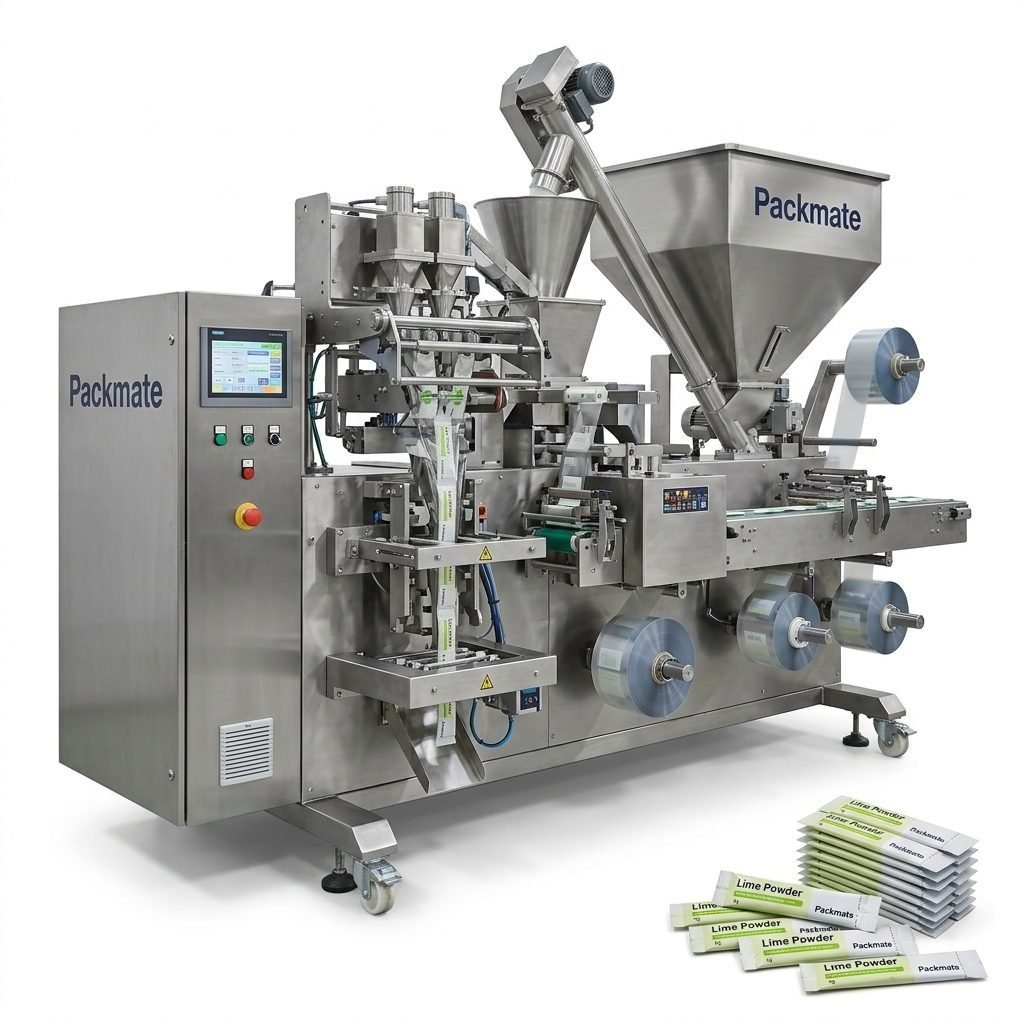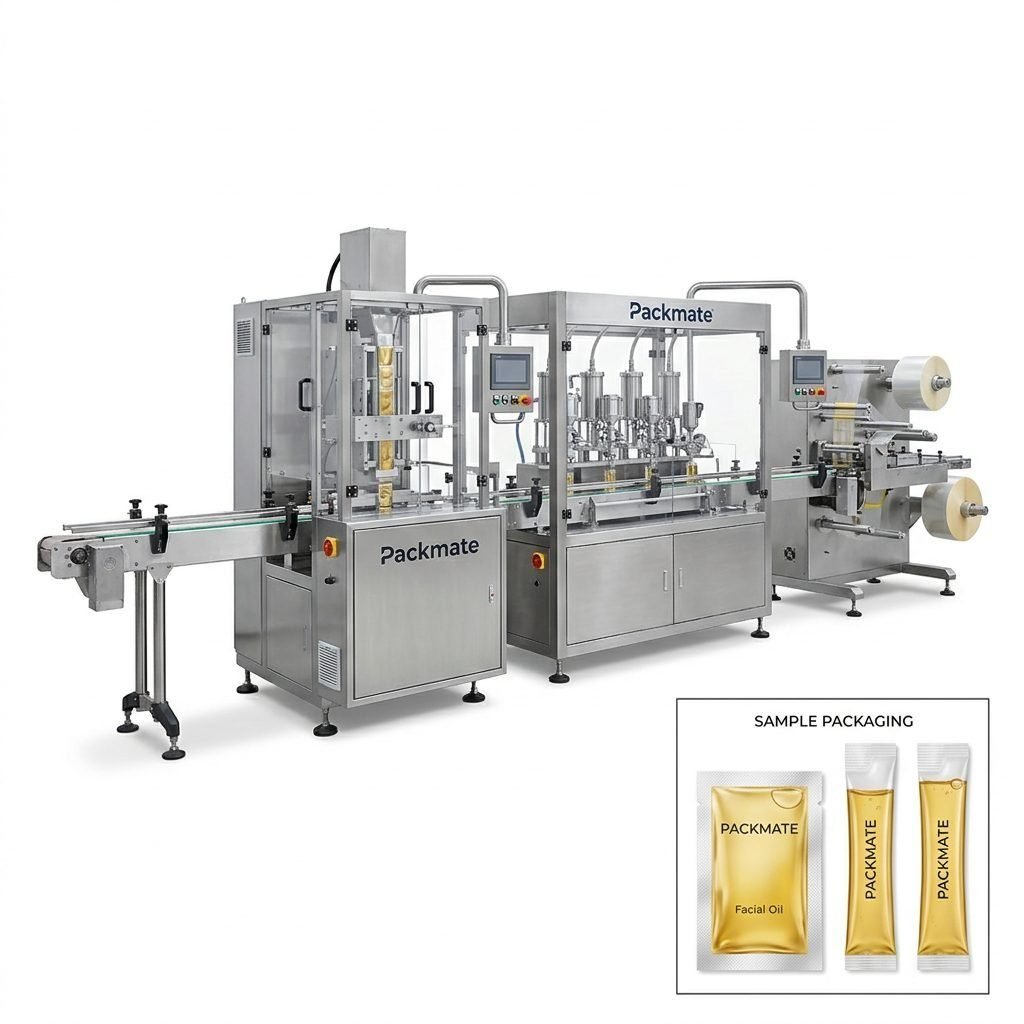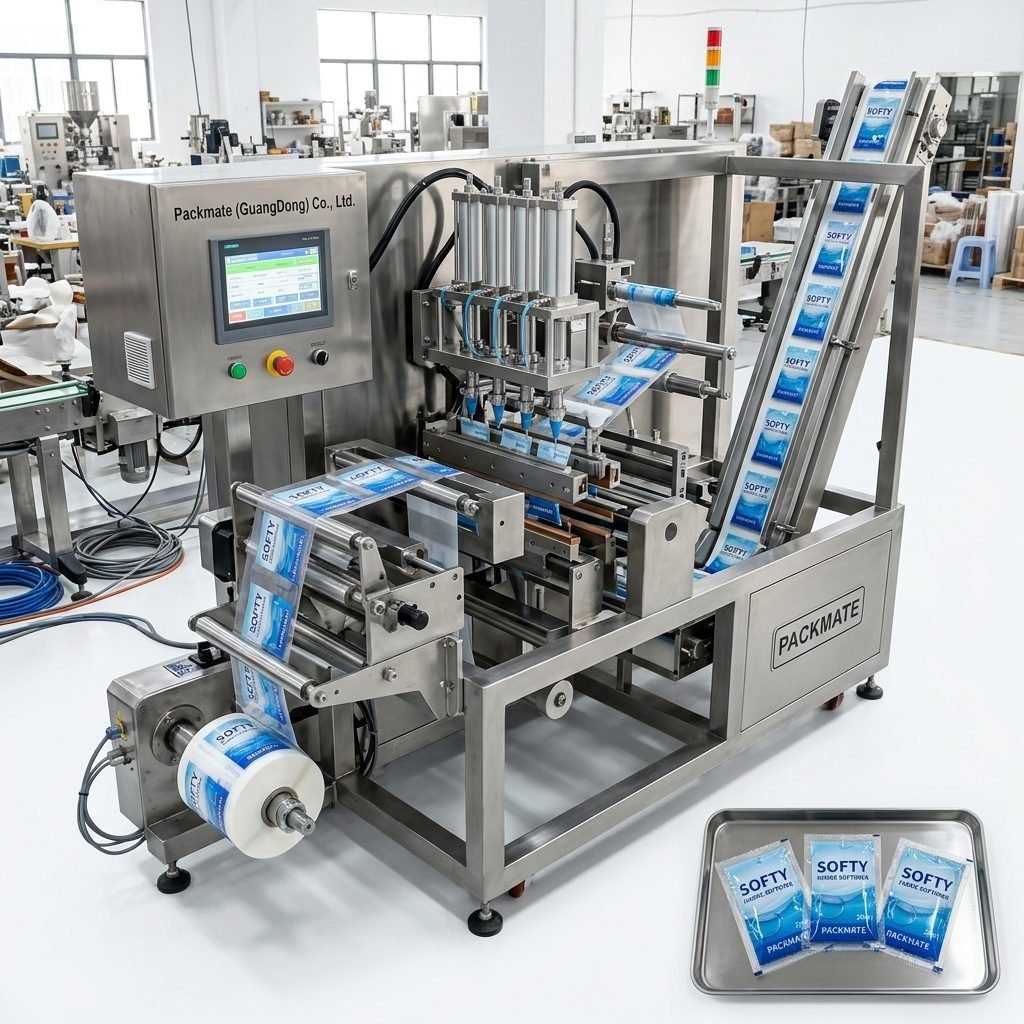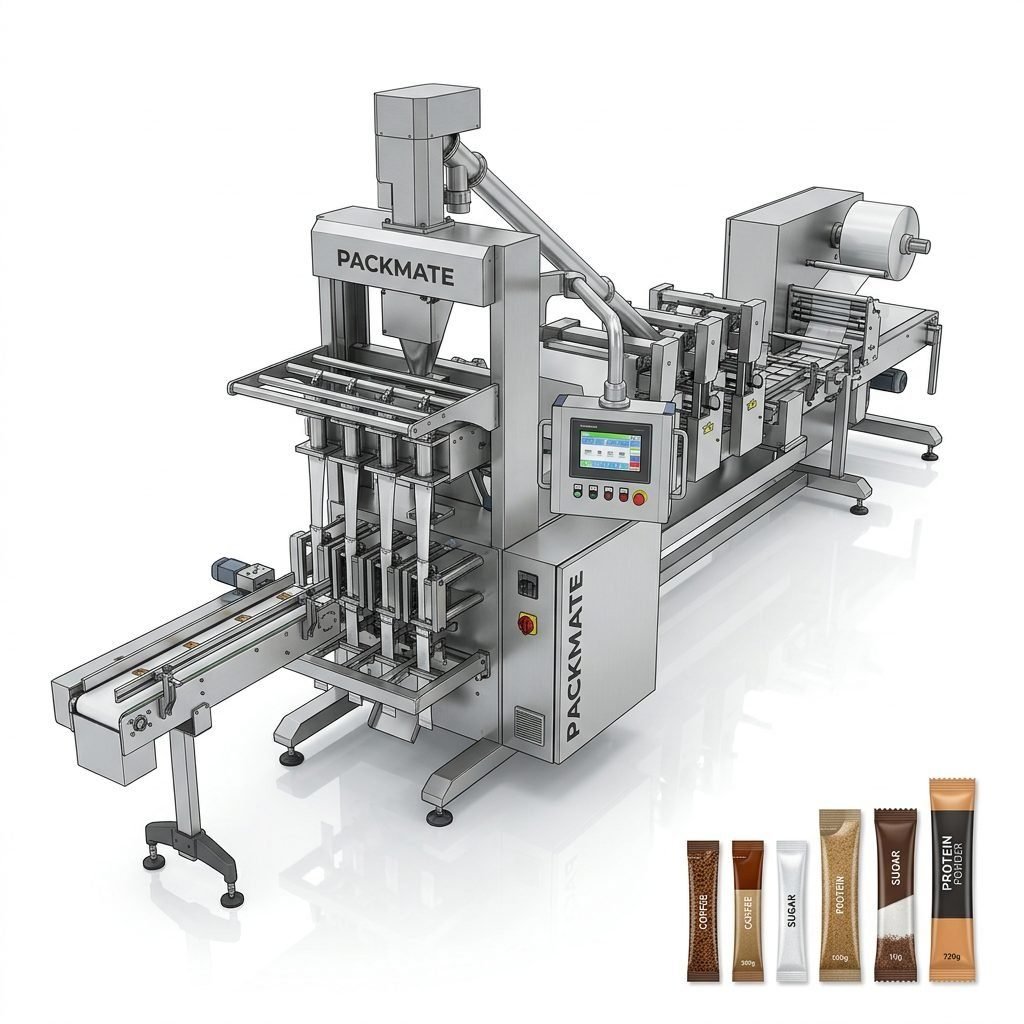
In the fast-paced world of manufacturing, packaging machines are the workhorses that keep production lines moving. From the food and pharmaceutical sectors to health products, reliable packaging is non-negotiable. However, even the most robust equipment from leading manufacturers can encounter operational hiccups. Understanding these common packaging machine problems and knowing how to address them is crucial for minimizing downtime, maintaining product quality, and ensuring a smooth workflow. This guide delves into frequent issues operators face and provides practical solutions to get your line back up and running efficiently.
Inconsistent Sealing and Heat-Related Issues
One of the most prevalent problems in packaging operations is inconsistent or failed sealing. This can manifest as weak seals that break open, incomplete seals, or burns through the packaging material.
Primary Causes:
- Temperature Fluctuations: The heating element’s temperature may be set incorrectly, or there could be a fault in the thermostat or temperature sensor.
- Contaminated Seal Bars: Product residue, dust, or film fragments can build up on the sealing jaws, creating an uneven surface that prevents a uniform seal.
- Worn or Damaged Seal Bars: Over time, the sealing surface can become pitted, scratched, or warped, leading to poor contact with the film.
- Incorrect Pressure or Dwell Time: The pressure applied during sealing or the time the jaws are closed might be insufficient for the specific packaging material.
How to Fix Them: First, verify and recalibrate the sealing temperature according to the film manufacturer’s specifications. Clean the seal bars meticulously with a non-abrasive cloth and appropriate solvent while the machine is cool and powered off. Inspect the bars for physical damage; if found, they may need resurfacing or replacement. Finally, adjust the sealing pressure and dwell time settings, ensuring they are adequate for your material’s thickness and type. Regular preventive maintenance of the heating system is key.
Film Feeding and Web Tension Problems
Improper film feeding results in misaligned packages, wrinkling, or web breaks, which can halt an entire production line. This often ties back to web tension control.
The film roll might not be mounted correctly on the unwind shaft, or the brake tension may be set too high or too low. Misaligned guide rollers and worn film feed gears or servo drives can also cause erratic feeding.
Solution Steps: Ensure the film roll is mounted squarely and rotates freely. Adjust the unwind brake tension so the film feeds smoothly without excessive drag or loose loops. Check all guide rollers for alignment and free rotation. Inspect the film feed mechanism, including gears and drives, for wear and proper engagement. For machines with servo-driven film feed, ensure the registration mark sensor is clean and correctly aligned to detect the print on the film.
Inaccurate Filling and Dosing Errors
When your packages contain too much or too little product, it leads to waste, customer complaints, and potential regulatory non-compliance. This is a critical issue for weight-sensitive industries.
Common culprits include: clogged or worn filling nozzles, calibration drift in weigh scales or volumetric fillers, product characteristics changes (e.g., density, flowability), and incorrect parameter settings in the machine’s control system.
How to Fix Them: Begin by thoroughly cleaning all filling nozzles and checking for wear. Recalibrate the weighing system or volumetric filler using certified weights or volumes. If the product formulation has changed, you may need to retune the filling parameters. For powder fills, ensure proper de-aeration. Implementing a routine schedule for scale calibration and nozzle inspection can prevent this issue from recurring. For complex systems, consider consulting with the OEM or a specialist service team.
Mechanical Jams and Component Wear
Physical jams within the machine’s mechanism—such as in the forming collar, sealing jaws, or cutting unit—are a direct cause of unplanned stops. These are often symptoms of underlying wear or misalignment.
Jams frequently occur due to a buildup of product debris, misaligned mechanical components, loose fasteners, or worn parts like bearings, cams, and grippers. A sudden change in packaging material gauge can also cause forming issues that lead to jams.
Resolution Process: Always follow lock-out/tag-out procedures before clearing a jam. Remove the jammed material carefully to avoid damaging components. Once clear, conduct a visual inspection of the area for signs of wear, misalignment, or loose parts. Lubricate moving parts as per the manufacturer’s manual, but avoid over-lubrication near product zones. Replace any visibly worn components. Ensuring all mechanical timing is correctly synchronized is also vital.
Electrical and Control System Faults
Modern packaging machines are complex electromechanical systems. Faults in sensors, programmable logic controllers (PLCs), drives, or wiring can cause erratic behavior or complete failure.
These faults may present as error codes on the HMI (Human-Machine Interface), unresponsive controls, or intermittent stoppages without a clear mechanical cause. Common issues include failed proximity sensors, overheating drives, loose wiring connections, or corrupted software parameters.
How to Fix Them: Start by documenting any error codes displayed. Power down the machine and check all electrical connections for tightness. Inspect critical sensors (e.g., position, registration, safety interlocks) for proper alignment and function. Check drive units and motors for overheating. If possible, reset the PLC to clear transient errors, but ensure you have a backup of parameters first. For persistent or complex electrical issues, it is safest to contact a qualified technician or the machine supplier’s service department to avoid causing further damage.
Poor Package Appearance and Presentation
While not always a functional failure, issues like wrinkled packages, crooked labels, or uneven cuts affect brand perception and can indicate setup or maintenance problems.
This can stem from incorrect film tracking, misadjusted forming plates, dull cutting blades, or improper settings for the specific film being used. Ambient conditions like high humidity can also affect some films.
Corrective Actions: Re-thread the film through the guide path, ensuring it tracks centrally. Adjust the forming collar and shoulder plates gently to achieve a smooth, wrinkle-free tube. Sharpen or replace dull cutting blades. Review all machine settings—including film feed length, temperature, and speed—against the material specifications. Sometimes, simply allowing the machine to run and “warm up” to a stable operating temperature can resolve minor appearance issues.
Summary of Common Problems and Quick Fixes
To recap, here are five of the most frequent packaging machine challenges and their core solutions:
1. Weak or Broken Seals: Check and recalibrate temperature, clean seal bars thoroughly, and verify pressure/dwell time settings.
2. Film Wrinkling or Misalignment: Re-mount the film roll squarely, adjust web tension, and ensure all guide rollers are aligned and clean.
3. Inaccurate Product Filling: Clean and inspect filling nozzles, recalibrate the weighing or volumetric system, and adjust parameters for product characteristics.
4. Recurring Mechanical Jams: Clear debris safely, inspect for and replace worn parts (bearings, grippers), and verify all mechanical timing is synchronized.
5. Control System Errors: Note error codes, check sensor alignment and wiring connections, and perform a controlled reset. For complex faults, seek professional technical support.
Proactive maintenance is the most effective strategy to avoid these problems. Following the manufacturer’s scheduled maintenance plan, using recommended parts and materials, and keeping detailed operational logs are best practices. For businesses seeking reliable and innovative solutions to minimize downtime, exploring the range of equipment from established manufacturers like Packmate Machinery, known for their sachet and stick pack machines and complete filling lines, can be a strategic investment in long-term operational stability.