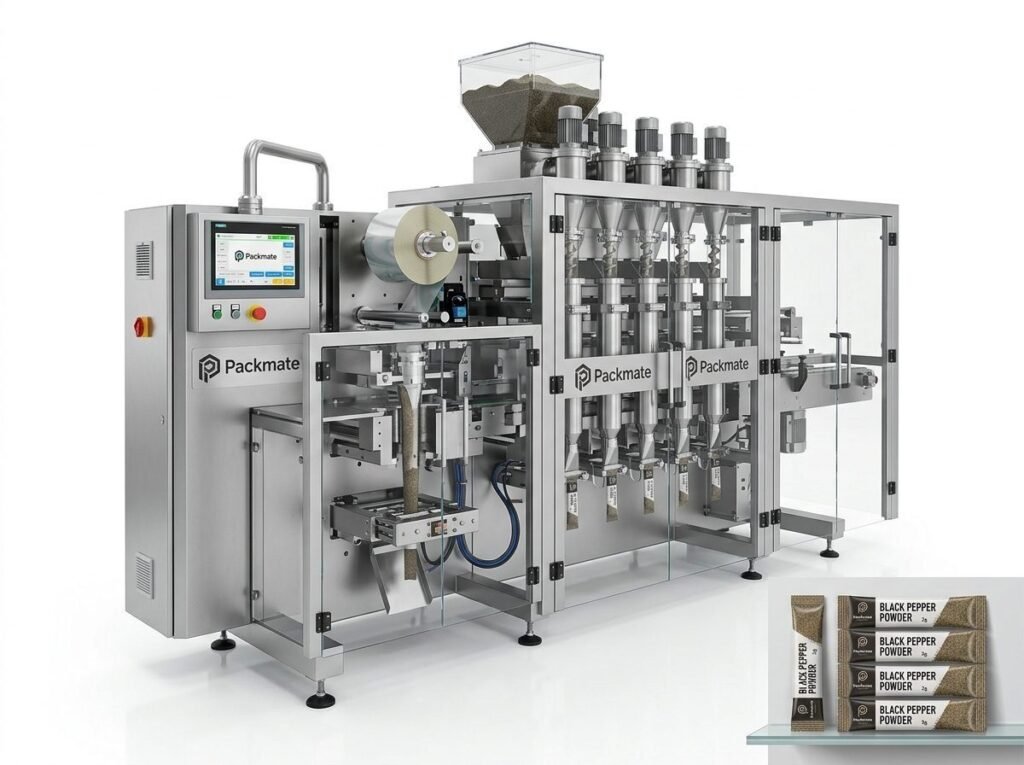
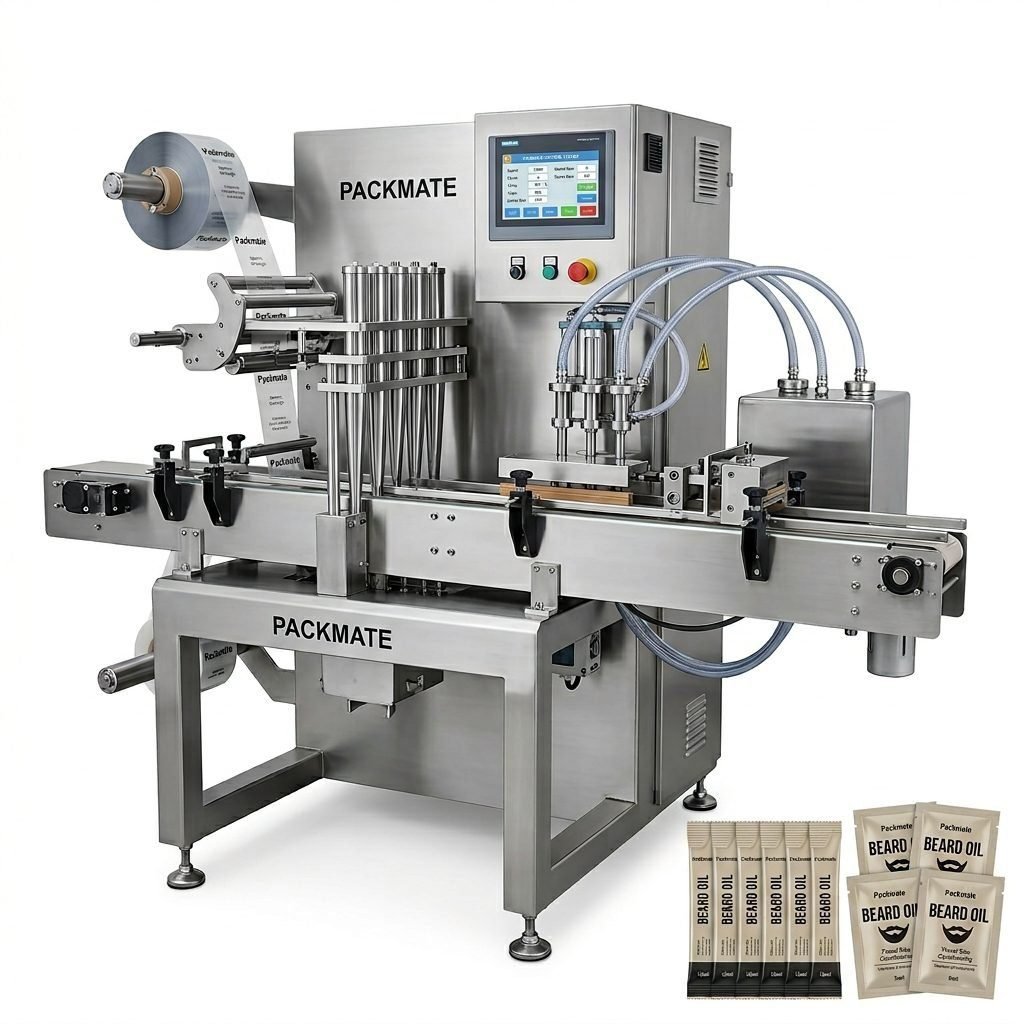
Choosing the best popsicle packaging machine is a critical decision for any frozen treat manufacturer. The right equipment can dramatically boost your production efficiency, ensure product consistency, and enhance the shelf appeal of your popsicles. This comprehensive buyer’s guide will walk you through the key factors to consider, helping you make an informed investment that aligns with your business goals and production volume.
Understanding Popsicle Packaging Machine Types
Not all packaging machines are created equal. The first step is to understand the different types of equipment available for wrapping and sealing your frozen products.
Key Insight: The core function of a popsicle packaging machine is to provide a secure, hygienic, and visually appealing barrier that protects the product from contamination and freezer burn while maintaining its shape and flavor.
Flow Wrappers
Flow wrappers, or horizontal form-fill-seal (HFFS) machines, are among the most common for individual popsicle wrapping. They use a continuous roll of film to form a tube around the product, which is then sealed at the ends. These machines are excellent for high-speed production and offer great flexibility in film materials, including printed films for branding.
Shrink Wrappers
Shrink wrapping involves placing the popsicle in a loose bag or sleeve and then applying heat. This causes the film to shrink tightly around the product, creating a sleek, second-skin appearance. This method is ideal for multi-packs or bundling several popsicles together for retail sale.
Cartoning Systems
For premium products or specific market requirements, machines that place individually wrapped popsicles into printed cartons or boxes are used. This adds an extra layer of protection and provides more space for marketing graphics and nutritional information.
Critical Factors for Your Buying Decision
Selecting the perfect machine requires a careful evaluation of your specific needs. Here are the most important criteria to assess.
Production Speed and Capacity
This is often the starting point. Calculate your current and projected future output. Machine speeds are measured in packs per minute (PPM). A small artisan producer might need a machine running at 50-100 PPM, while a large-scale industrial manufacturer will require equipment capable of 300 PPM or more. Investing in a machine with slightly higher capacity than your current needs can be a wise decision to accommodate business growth.
Product Size and Flexibility
Consider the range of popsicle sizes and shapes you produce. Does your lineup include standard sticks, novelties, or mini-pops? The best packaging machine should offer easy changeover between different product dimensions with minimal downtime. Look for machines with tool-less adjustments for length, width, and height.
Packaging Material Compatibility
The machine must be compatible with your chosen packaging film. Common materials include polypropylene (OPP), polyethylene (PE), and laminates. Consider factors like seal integrity at freezing temperatures, clarity, printability, and sustainability. Some advanced machines can handle recyclable or biodegradable films, which is a growing market demand.
Automation and Integration Level
How automated do you need your line to be? Basic machines require manual loading of popsicles. Semi-automatic systems may auto-feed but need manual film roll loading. Fully automatic lines integrate with upstream freezing tunnels and downstream cartoners, creating a seamless production flow with minimal labor. The choice impacts your labor costs and overall line efficiency.
Essential Features of a High-Quality Machine
Beyond the basic type, several features distinguish a reliable, high-performance machine from a basic model.
Durability and Construction: The frame and critical components should be made of stainless steel (grade 304 or higher) for hygiene, corrosion resistance in cold, damp environments, and long-term durability. Look for robust servo motors and precision gears.
Precision Sealing Technology
Consistent, strong seals are non-negotiable. They prevent leaks and protect the product. Look for machines with adjustable temperature and pressure controls on the sealing jaws. Impulse sealing or constant heat sealing are common, with some machines offering cool seals for specific films.
User-Friendly Control System
A modern machine should have an intuitive Human-Machine Interface (HMI) or touchscreen PLC. This allows operators to easily set parameters, store recipes for different products, and monitor machine performance. Diagnostic alerts for low film, jams, or seal faults are invaluable for preventing downtime.
Hygienic Design and Easy Cleaning
Food safety is paramount. The machine design should have smooth, rounded surfaces with no crevices where moisture or debris can accumulate. Easy-access panels for quick cleaning and sanitation are essential. Some machines feature CIP (Clean-in-Place) capabilities for certain components.
Investing in Reliability and Support
Your relationship with the manufacturer is as important as the machine itself. A reliable partner ensures long-term success.
Choosing an established manufacturer like Packmate Machinery brings significant advantages. With over 30 years of expertise in packaging equipment, they understand the unique challenges of food production. Their commitment to innovation means you get access to proven, reliable technology designed for 24/7 operation in demanding environments.
Comprehensive After-Sales Service
Ensure the supplier offers a strong warranty, readily available spare parts, and technical support. Ask about their response time for service calls and the availability of training for your operators and maintenance staff. A provider with a global service network is crucial if you are an international buyer.
Testing and Customization
The best suppliers will offer to run your actual product and packaging material on the machine before purchase. This proves the machine’s suitability. Furthermore, companies with deep engineering expertise, like those offering complete filling and packaging lines, can often customize solutions to fit your unique factory layout or product specifications.
Total Cost of Ownership (TCO)
Look beyond the initial purchase price. Calculate the Total Cost of Ownership, which includes energy consumption, required maintenance, expected lifespan, film waste (efficiency), and potential downtime costs. A slightly more expensive, robust machine from a reputable brand often has a lower TCO than a cheaper, less reliable alternative.
Final Steps Before Purchase
Once you’ve narrowed down your options, take these final steps to ensure a successful investment.
Request References and Case Studies: Ask the manufacturer for contact information of current clients who use the same machine, preferably in the frozen food industry. Visit a production facility if possible to see the machine in action.
Analyze the Quotation in Detail: Ensure the quote includes all necessary components, installation, training, and any import duties or shipping costs. Clarify what is and isn’t included.
By thoroughly evaluating your needs against the factors outlined in this guide—from machine type and features to manufacturer support—you can confidently select the best popsicle packaging machine. This strategic investment will become the reliable backbone of your production, ensuring your delicious products reach consumers in perfect condition, batch after batch. For further exploration of specialized packaging solutions, you can review different sachet and stick pack machine technologies that share principles with frozen novelty packaging.
Frequently Asked Questions (FAQs)
Q: What is the typical lifespan of a commercial popsicle packaging machine?
A: With proper maintenance and operation, a high-quality machine from a reputable manufacturer can last 10 to 15 years or more. Key factors include construction quality (stainless steel), regularity of maintenance, and production hours per day.
Q: Can one machine handle different popsicle shapes and sizes?
A: Yes, most modern machines are designed for flexibility. Look for models with quick-change tooling or adjustable forming boxes and sealing jaws. The changeover time and complexity will vary between machines, so this is a key point to discuss during demos.
Q: How important is the packaging film choice?
A: Extremely important. The film must have excellent cold-temperature flexibility and seal strength to prevent brittleness and cracking. It also needs high moisture barrier properties to prevent freezer burn. Your machine supplier can recommend compatible films that meet your product’s shelf-life and branding needs.
Q: What are the most common maintenance tasks?
A: Daily cleaning and lubrication of specified points are essential. Regular tasks include checking and replacing sealing jaw covers or Teflon strips, inspecting and cleaning film guides and sensors, and ensuring all moving parts are free of debris. Always follow the manufacturer’s detailed maintenance schedule.
Q: Is technical training provided with the machine purchase?
A: Reputable suppliers always include comprehensive training for your operators and maintenance technicians as part of the installation and commissioning process. This should cover safe operation, routine maintenance, basic troubleshooting, and changeover procedures. Confirm the duration and details of the training program in your contract.