In the fast-paced world of e-commerce, the unboxing experience has become a critical touchpoint between your brand and your customer. The right packaging machinery is no longer just a functional necessity; it’s a strategic investment that impacts efficiency, cost, brand perception, and customer satisfaction. Selecting the best e-commerce packaging machinery solutions can streamline your operations, protect your products during transit, and create memorable moments that encourage repeat business.
Why Your E-commerce Business Needs Specialized Packaging Machinery
Manual packaging processes quickly become a bottleneck as order volumes grow. Specialized machinery automates repetitive tasks like measuring, filling, sealing, and labeling, dramatically increasing output while reducing labor costs and human error. More importantly, it ensures consistency and precision in every package. This is vital for e-commerce, where products often travel long distances through various logistics networks. Consistent, secure packaging minimizes damage, returns, and the associated costs, directly protecting your bottom line and reputation.
Key Benefits of Automated Packaging for E-commerce:
Scalability: Easily handle peak season surges without proportional increases in staffing.
Brand Enhancement: Produce professional, clean, and branded packaging that stands out.
Operational Efficiency: Integrate with Warehouse Management Systems (WMS) for a seamless order-to-ship workflow.
Material Savings: Precise material application reduces waste of films, boxes, and fillers.
Data & Insights: Modern machines provide operational data to optimize processes further.
Core Machinery Solutions for E-commerce Operations
The ideal packaging line is a combination of machines tailored to your specific products. Here are the core solutions every e-commerce business should evaluate.
1. Bag & Pouch Packaging Machines
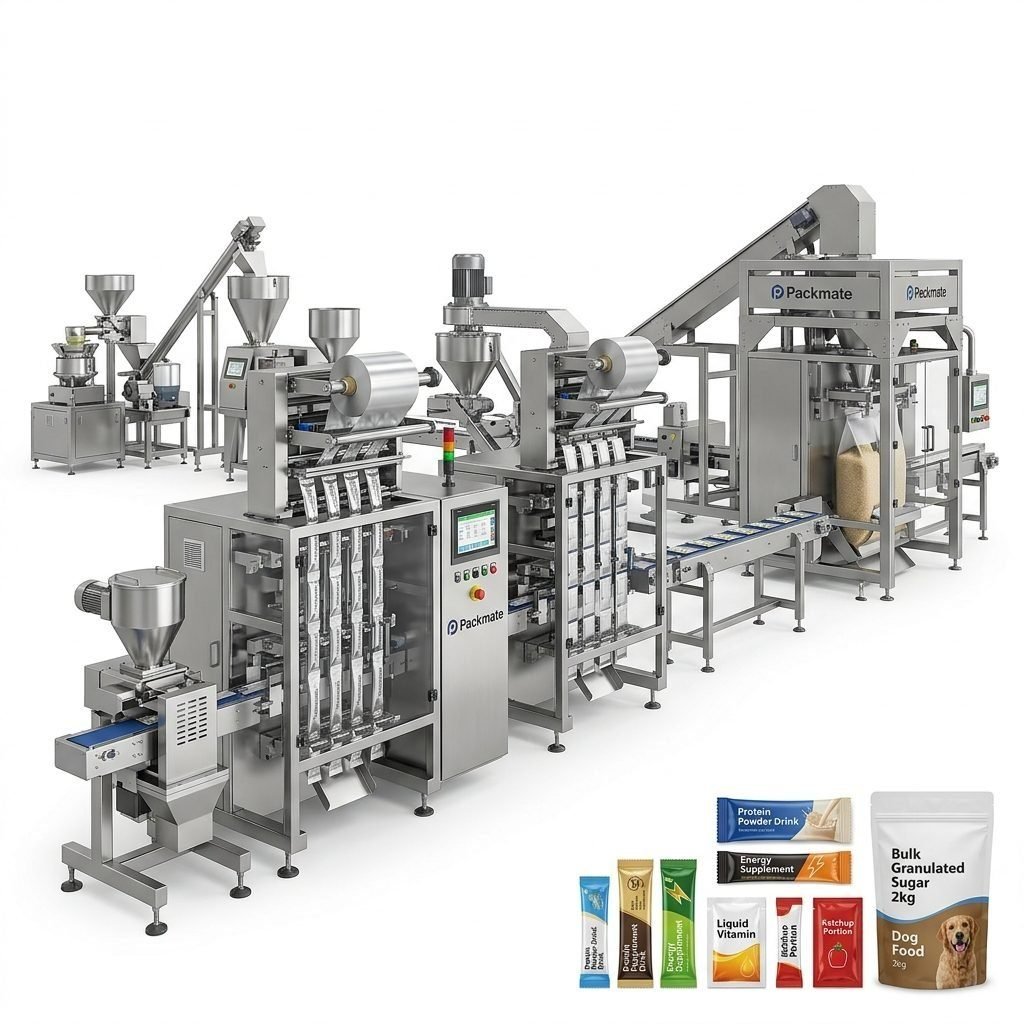
For products like snacks, coffee, hardware, or cosmetics, flexible pouches are a popular, cost-effective, and lightweight option. Automatic bag and pouch packaging machines can form, fill, and seal bags from a roll of film at high speeds. Look for models that offer easy size changeover to accommodate a diverse product catalog, a common need in e-commerce fulfillment centers.
2. Sachet & Stick Pack Machines
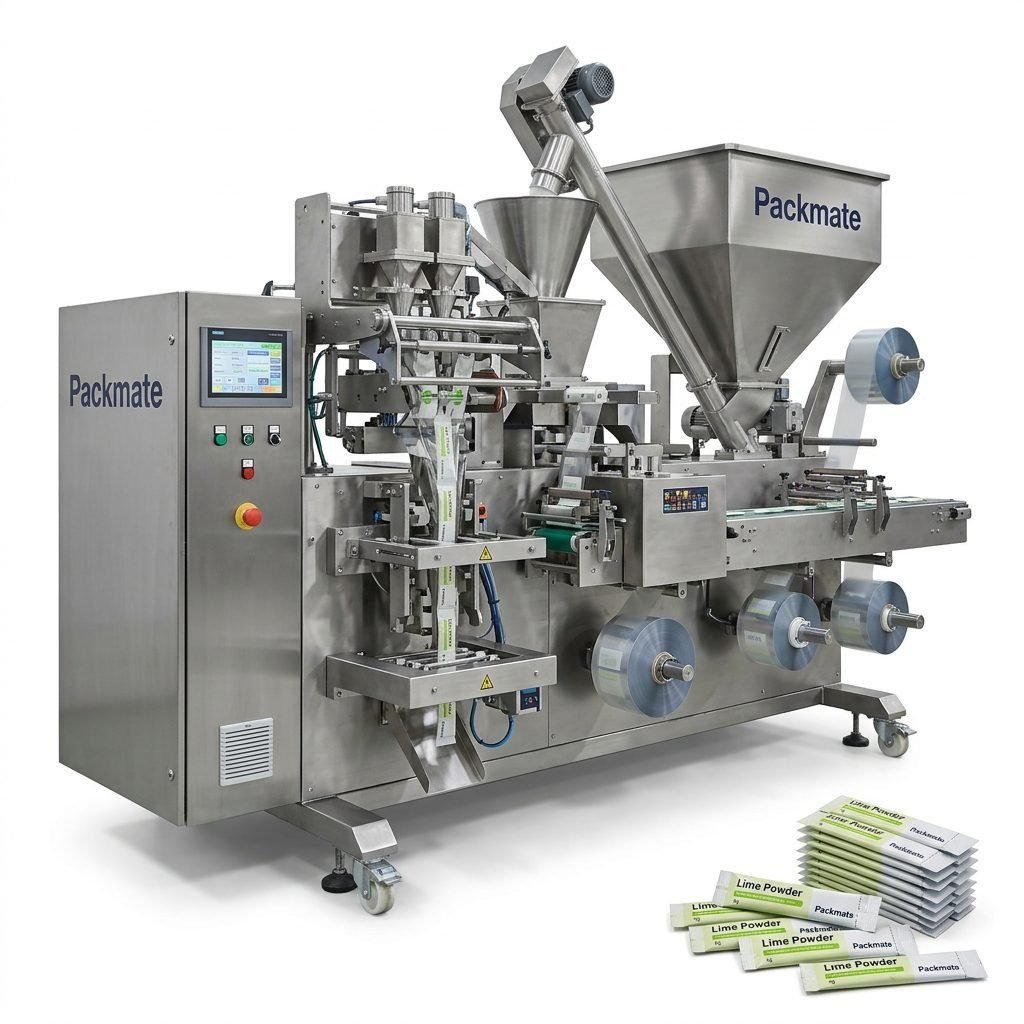
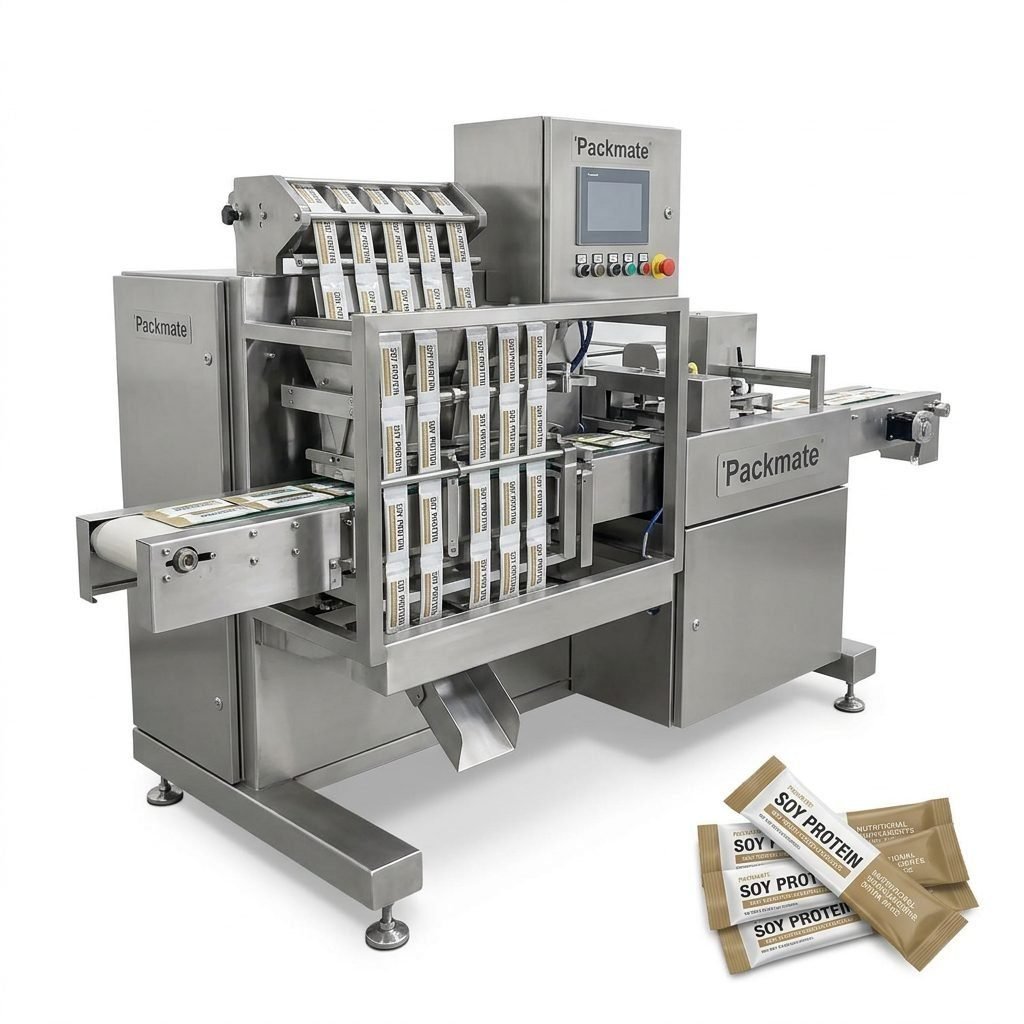
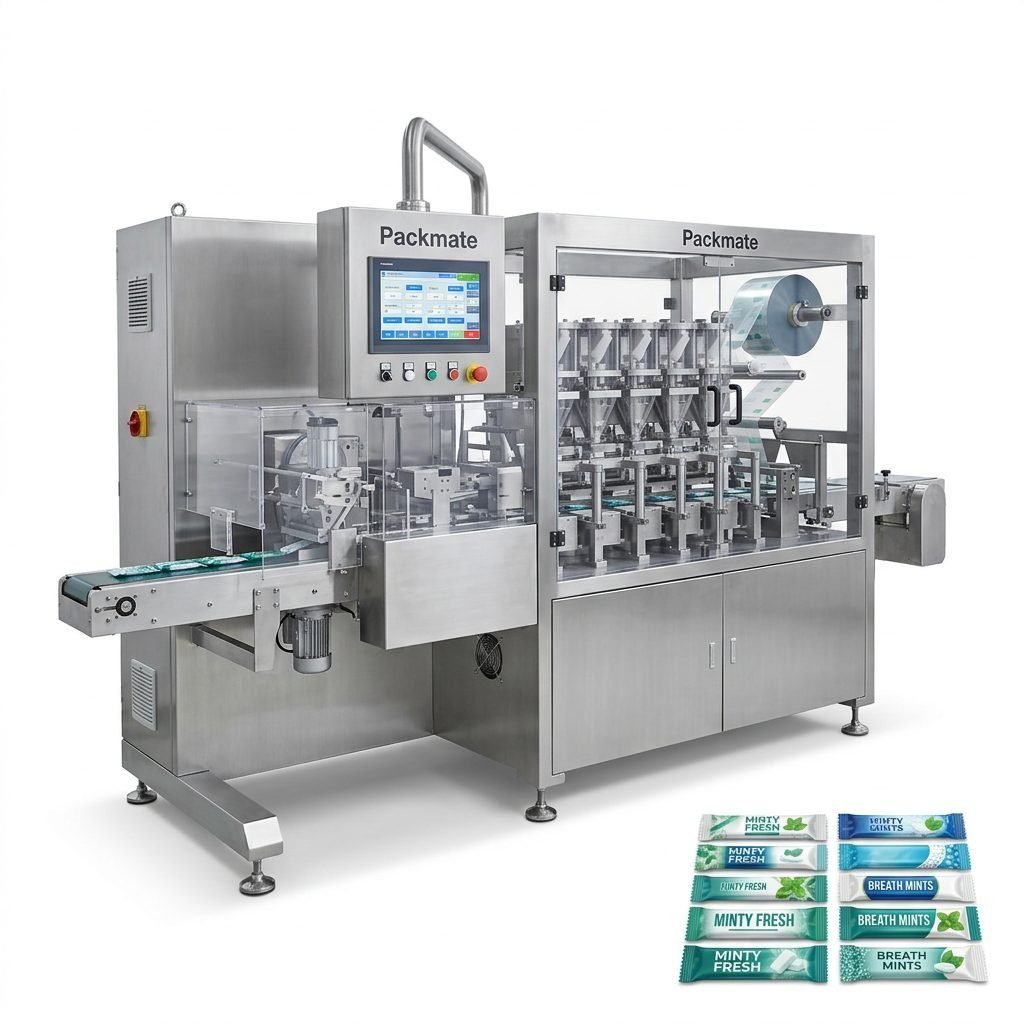
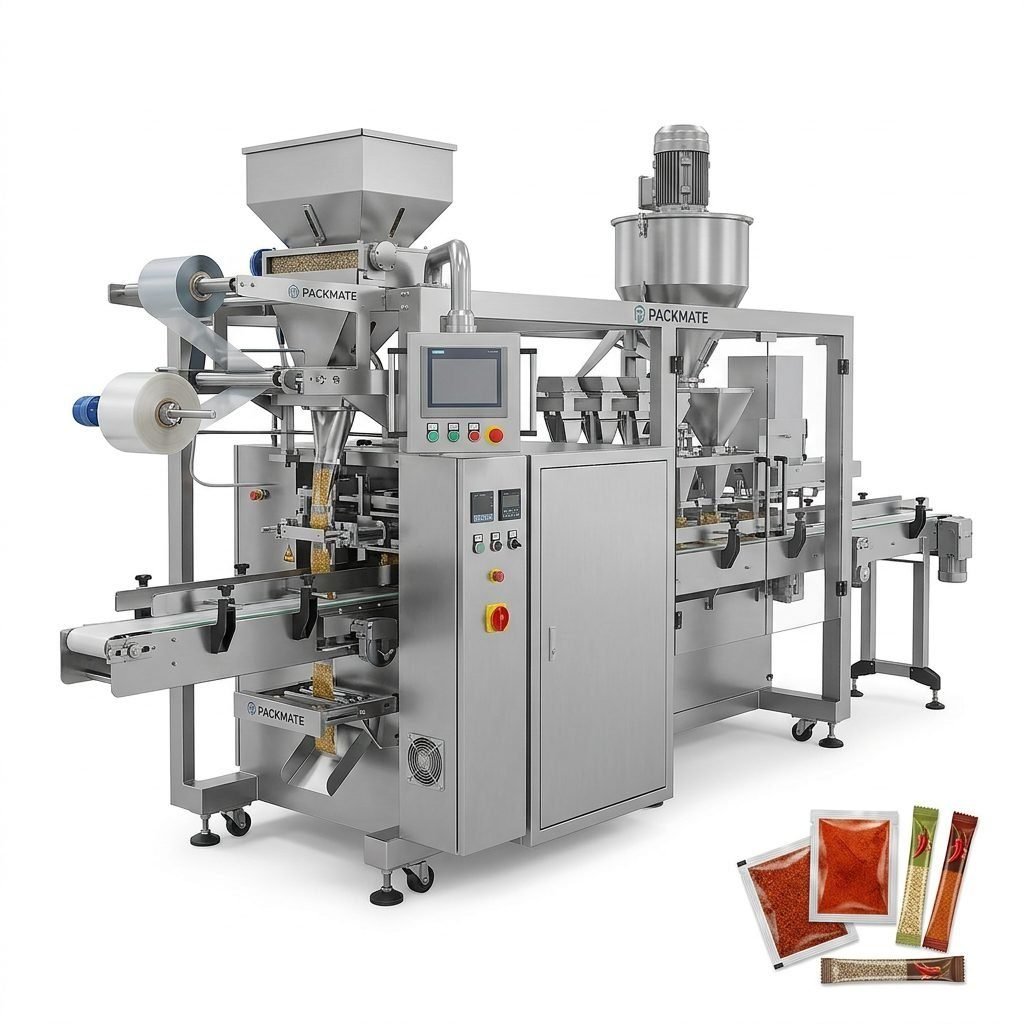
Perfect for single-serve or sample-sized products—such as condiments, supplements, or powders—these machines produce small, sealed packets. High-speed, multi-lane sachet and stick pack machines are ideal for businesses that ship large volumes of small items or include promotional samples with orders. Their compact output is also excellent for subscription box models.
3. Weighing & Packaging Systems
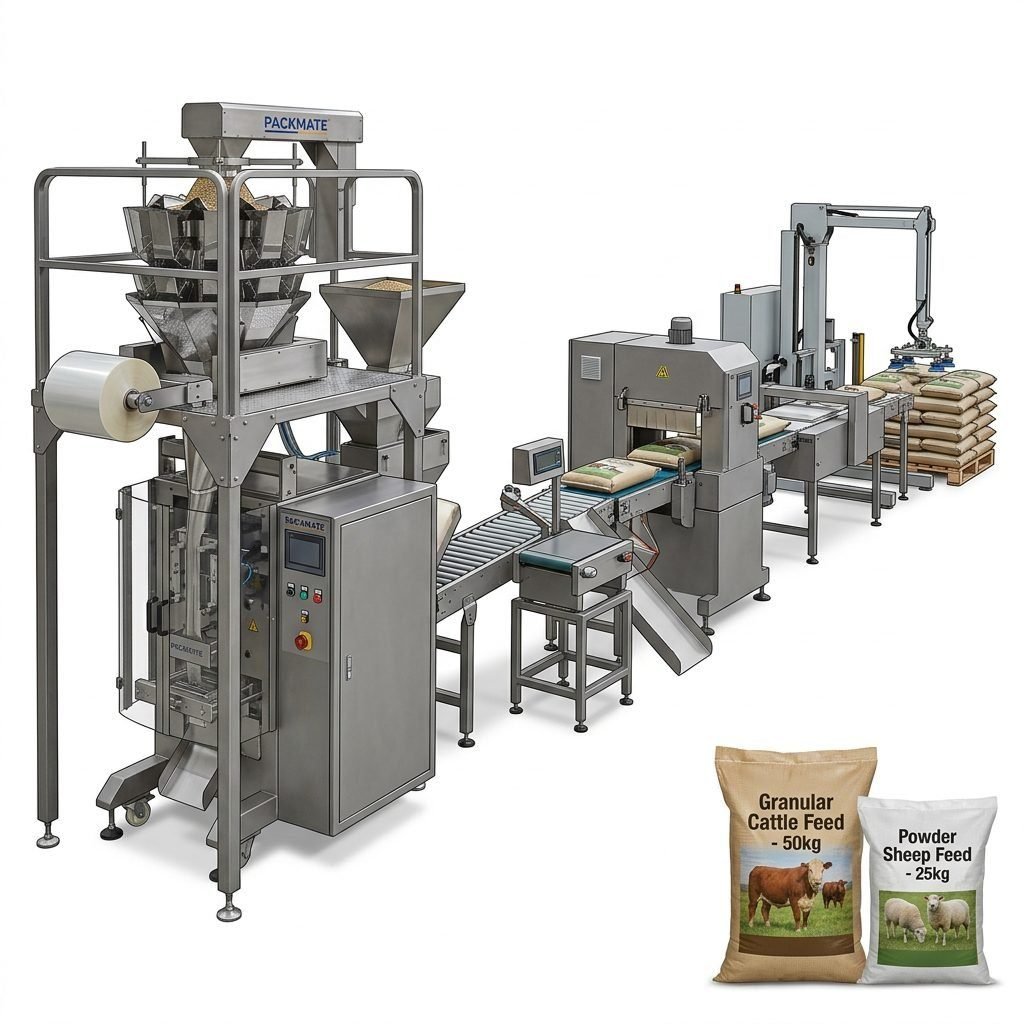
Accuracy in product weight is non-negotiable, especially for food and consumables. Automated weighing systems, like multi-head weighers, ensure each package contains the exact promised amount before it is sent to the bagging machine. This combination guarantees compliance and customer trust. Integrating a weighing and packaging system eliminates underfilling complaints and costly overfilling.
4. Complete Filling & Packaging Lines
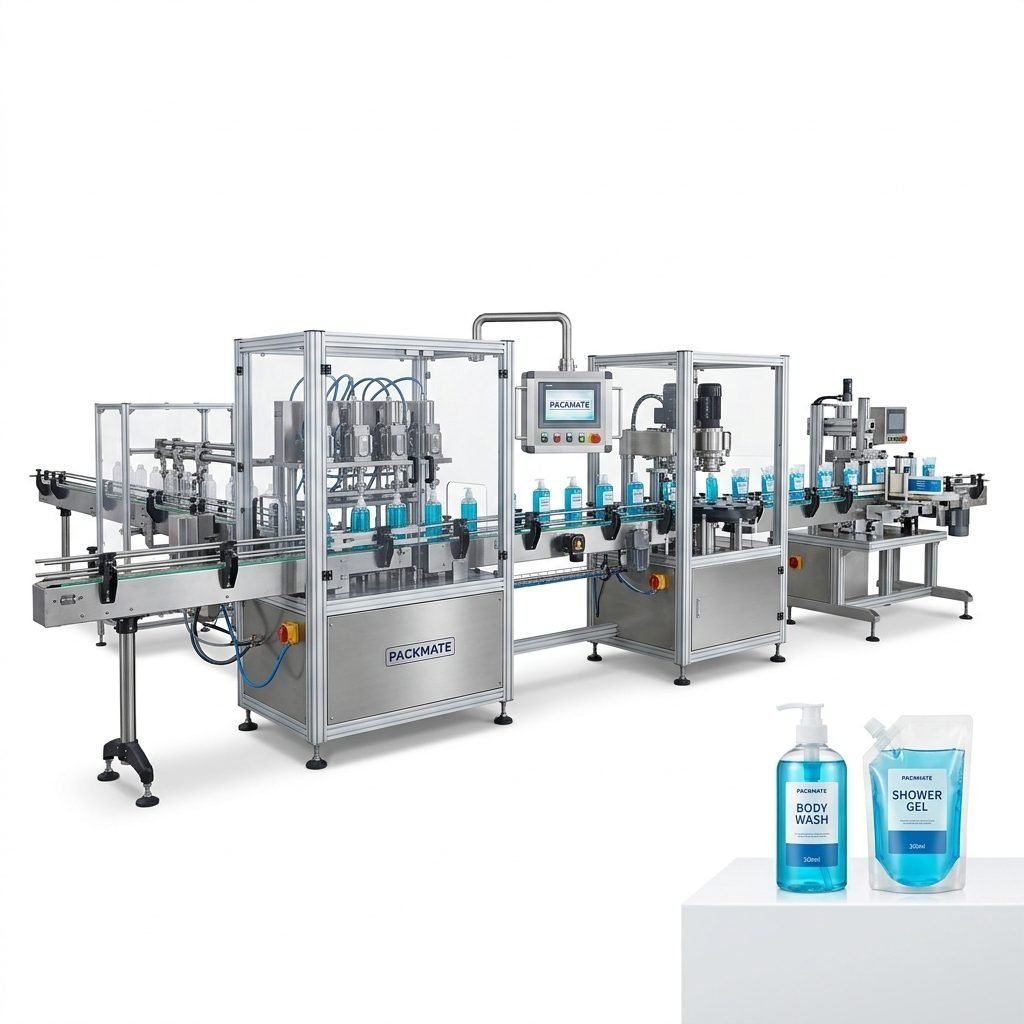
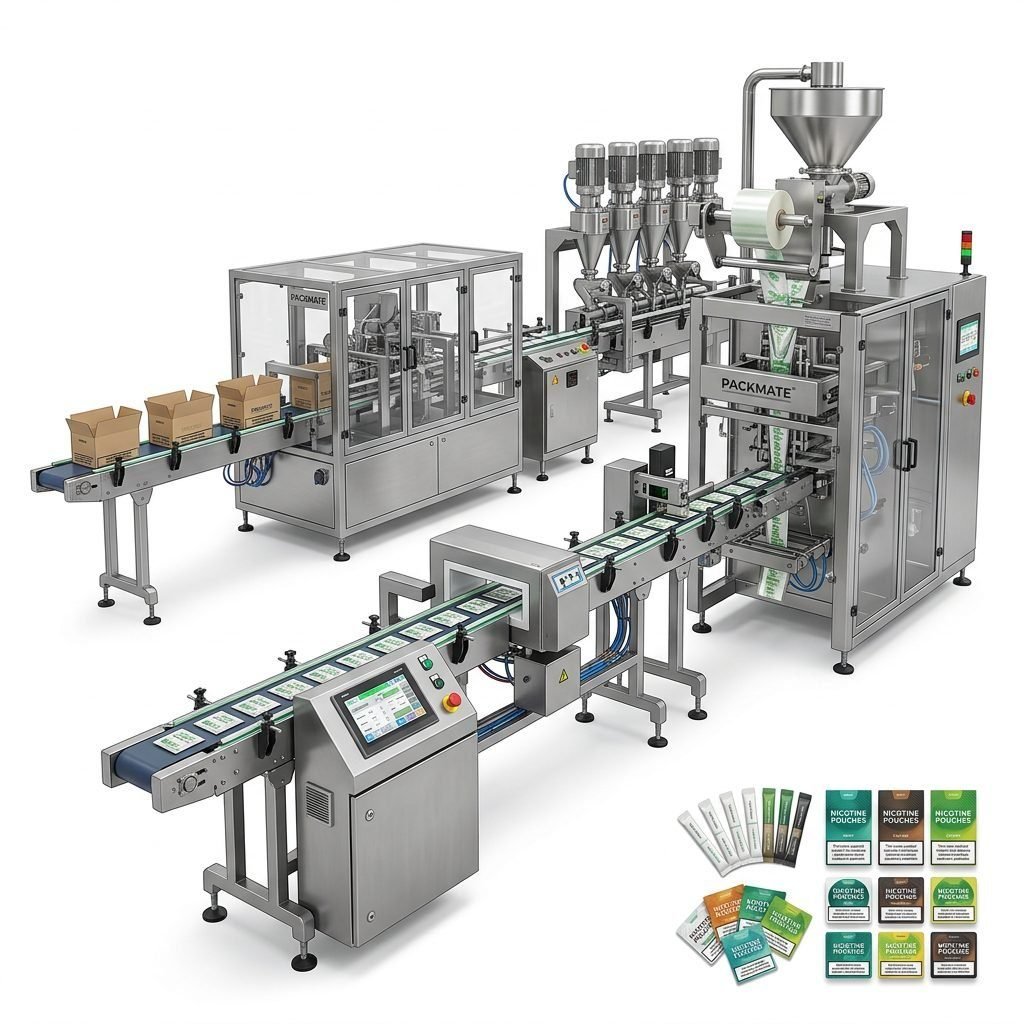
For businesses looking for a ready-to-run solution, a turnkey filling and packaging line is the answer. These integrated systems combine multiple processes—from product feeding and weighing to bag forming, filling, sealing, and coding—into one synchronized unit. This is the ultimate solution for maximizing throughput and minimizing floor space and manual handling.
Choosing the Right Partner: Beyond the Machine
Investing in packaging machinery is a significant decision. The manufacturer you choose is as important as the machine specifications. A partner with deep industry experience, like Packmate Machinery, brings invaluable expertise. With over 30 years of focused innovation in packaging automation, they understand the evolving challenges of manufacturers and e-commerce fulfillers.
Their journey, from a specialized workshop to a modern 20,000㎡ manufacturing facility, reflects a commitment to solving real-world packaging problems. This history translates into reliable, durable machines built for 24/7 operation. When you partner with an expert, you gain access to comprehensive support, from initial consultation and custom engineering to installation, training, and after-sales service, ensuring your machinery delivers a strong return on investment. Learn more about their commitment to innovation on their About Us page.
Implementation Strategy: Getting Started
Transitioning to automated packaging requires planning. Start by auditing your current process: identify your top-selling SKUs, peak output requirements, and common pain points (e.g., slow sealing, high damage rate). Consult with machinery experts who can analyze your product types—be it granules, powders, or liquids—and recommend a scalable solution. A phased approach, perhaps starting with a single automated machine like a pouch packer, allows for integration without major operational disruption. Remember to factor in future growth; the best solution is one that grows with your business.
Conclusion
Optimizing your e-commerce packaging process with the right machinery is a decisive step toward sustainable growth. It enhances operational resilience, protects product integrity, and elevates the customer experience. By focusing on solutions that offer flexibility, precision, and reliability—and by partnering with an experienced manufacturer—you can build a packaging operation that is not just efficient, but a genuine competitive advantage.
Frequently Asked Questions (FAQs)
1. What is the typical lead time for installing a new packaging line?
Lead times vary based on machine complexity and customization. For standard models from established manufacturers, delivery can range from a few weeks to several months. It’s crucial to plan well in advance of your anticipated need and discuss a clear timeline with your supplier during the quotation process.
2. How do I ensure the machine is compatible with my existing products?
Reputable manufacturers offer product testing services. You can send samples of your product to their facility, where they will run tests on the proposed equipment. This proves the machine’s capability with your specific material (e.g., flow characteristics of a powder) and packaging format before you purchase.
3. What kind of maintenance do these machines require?
Regular preventive maintenance is key to longevity and uptime. This typically includes daily cleaning, lubrication of moving parts, and inspection of wear components like sealing jaws. Your supplier should provide a detailed maintenance schedule and training for your operators. Many also offer annual service contracts.
4. Can one machine handle multiple different package sizes?
Yes, most modern machines are designed for quick changeover. The ease and speed of this process vary by model. If you have a wide variety of SKU sizes, you should prioritize machines known for tool-less or quick-change features to minimize downtime between production runs.
5. Where can I see more case studies or specific machine information?
You can explore detailed specifications, videos, and application examples by visiting the manufacturer’s product pages. For real-world implementations, check their case studies to see how similar businesses have successfully automated their packaging.