For coffee producers, beverage companies, and specialty food manufacturers, the efficient and attractive packaging of single-serve products is paramount. K-Cup® compatible pods have revolutionized convenience, creating a massive demand for reliable, high-speed packaging solutions. This comprehensive guide delves into the world of K Cup packaging equipment, exploring the essential machines, the complete packaging process, and key considerations for selecting suppliers to optimize your production line.
Core Machines in a K Cup Packaging Line
A fully automated K Cup packaging line is a symphony of specialized equipment working in unison. Each machine plays a critical role in transforming empty pods, roasted coffee, and filter paper into the sealed, retail-ready products consumers know.
Pod Feeding and Orientation Systems
The process begins with handling the empty pods. Bulk pods are loaded into a vibratory bowl feeder or a centrifugal feeder that orients them correctly (open-end up) for the downstream filling stage. Precision here is crucial to prevent jams and ensure a smooth, continuous flow into the filling machine.
Precision Filling Machines
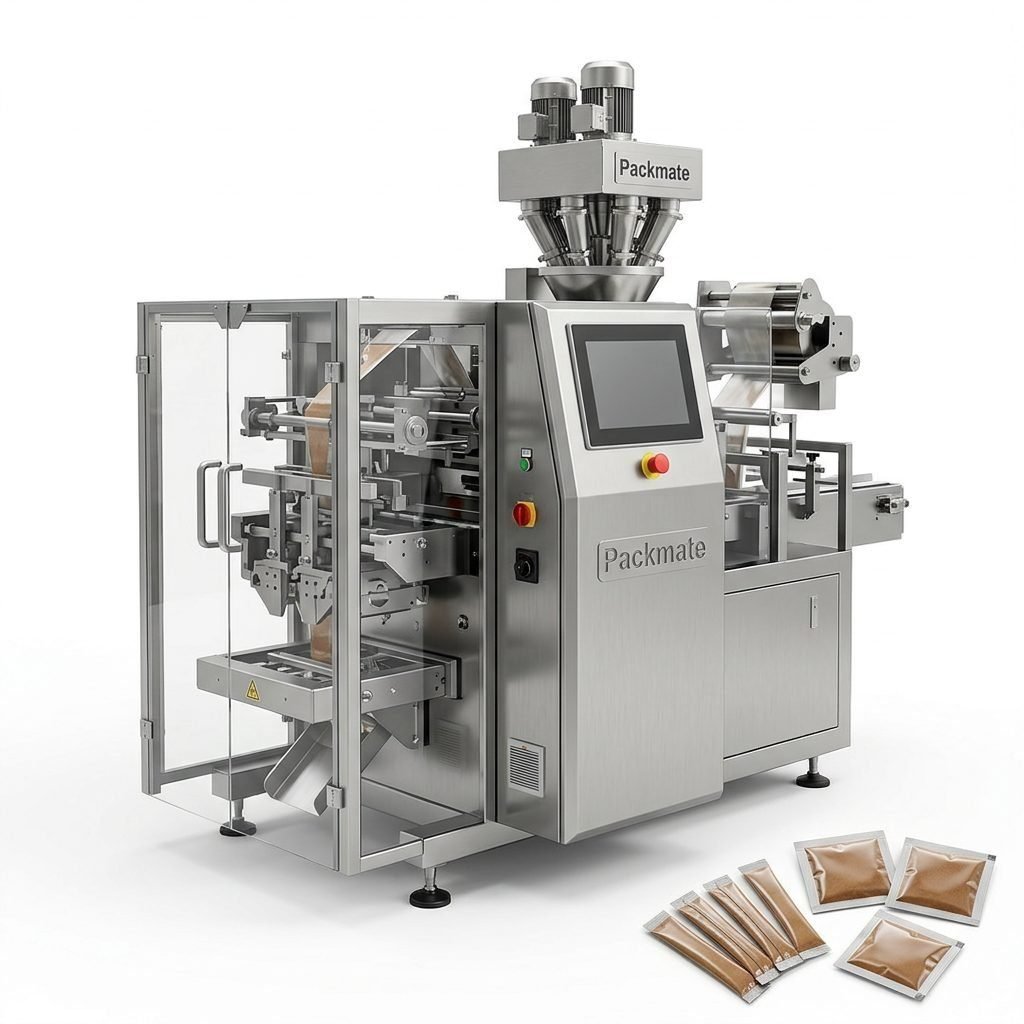
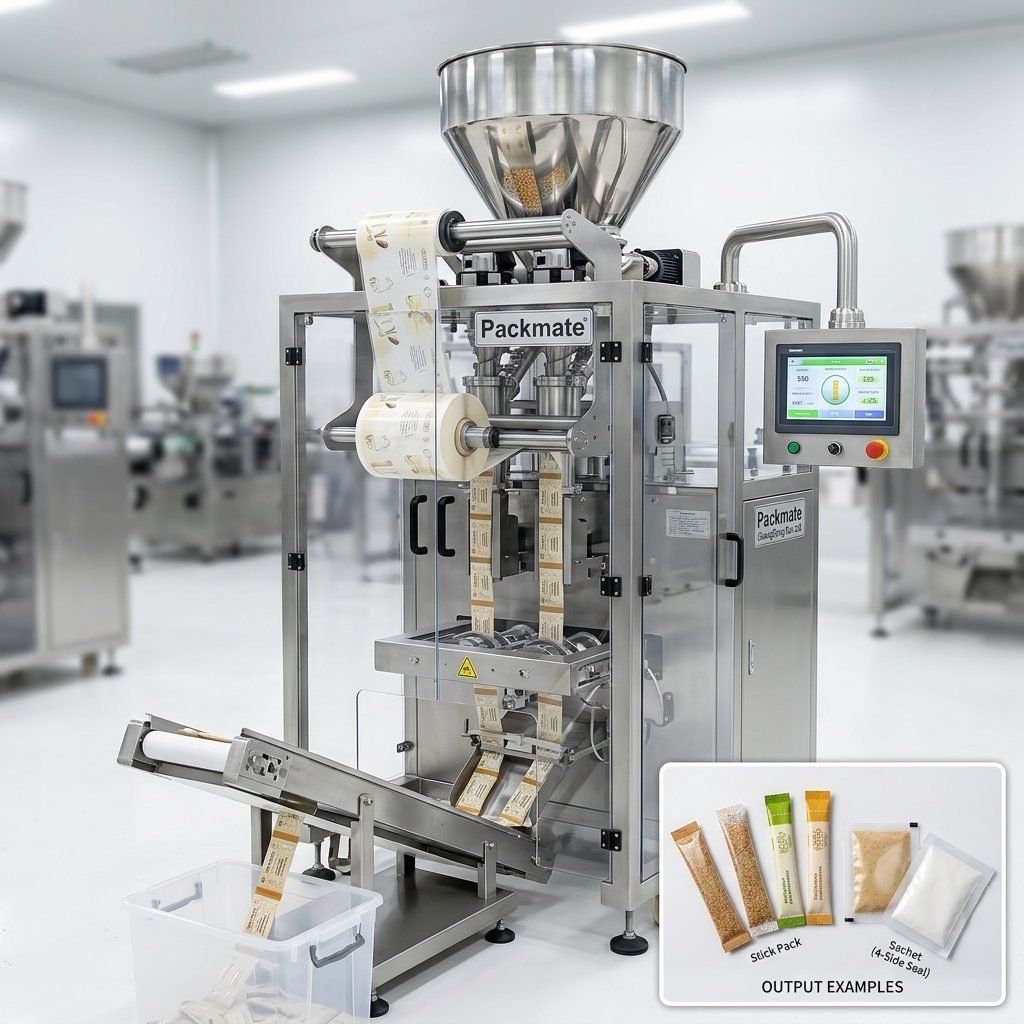
This is the heart of the line. Multi-head weighers or auger fillers deposit an exact amount of ground coffee (typically between 9-12 grams) into each passing pod. Consistency is non-negotiable; even slight deviations can affect brew strength and consumer satisfaction. For lines handling various products, such as tea, hot chocolate, or soup mixes, versatile weighing and packaging systems are essential.
Lidding and Sealing Equipment
After filling, a filter paper disc is placed atop the coffee grounds. The pod then moves to the lidding station, where a foil or plastic lid is heat-sealed onto the rim of the pod. This seal must be hermetic and tamper-evident to preserve freshness and ensure product safety. The sealing temperature, pressure, and dwell time are precisely controlled parameters.
Nitrogen Flushing and Gas Flush Systems
To maximize shelf life and protect against oxidation, most premium K Cup lines integrate nitrogen flushing. Immediately before the lid is applied, inert nitrogen gas displaces the oxygen inside the pod. This critical step significantly slows staling and preserves the coffee’s aromatic oils and flavor profile.
Cartoning and Secondary Packaging
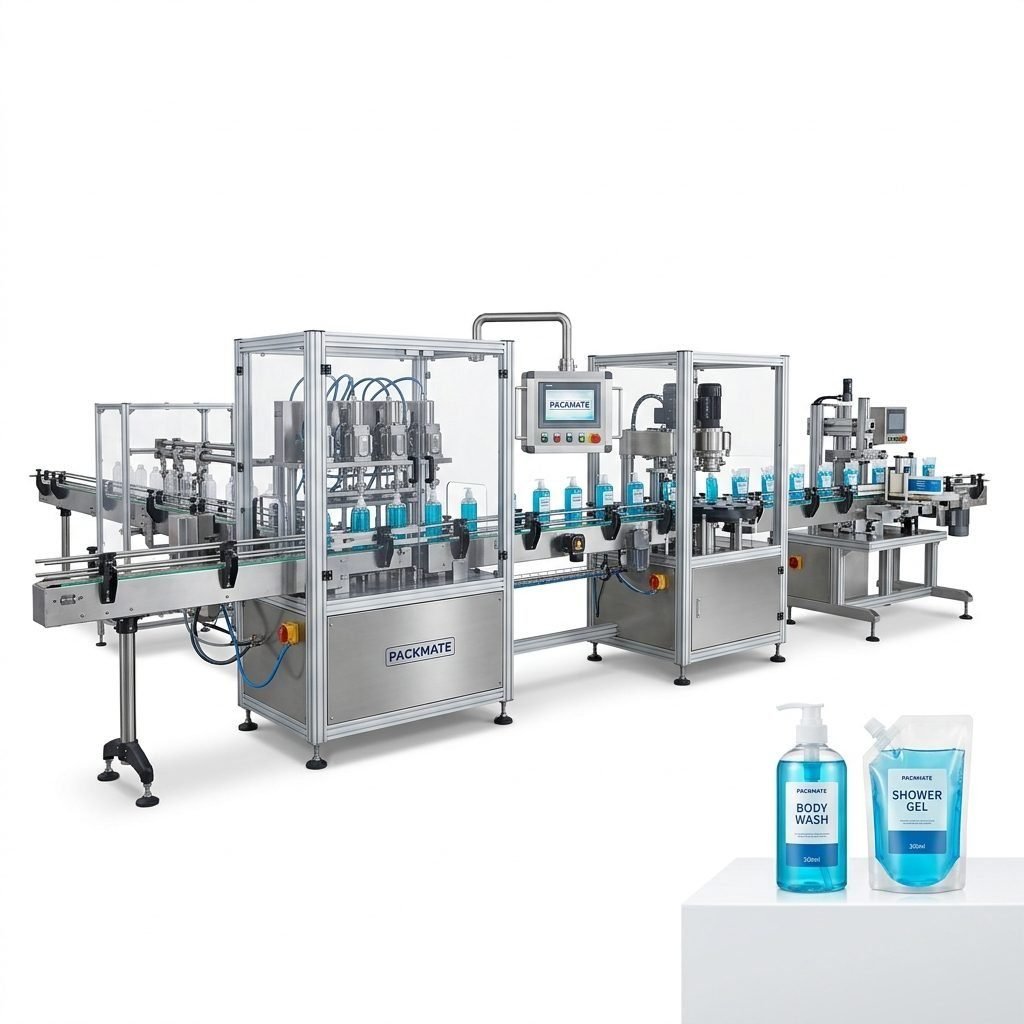
Individual pods are then collated into counts (e.g., 12, 24, 36) and loaded into cardboard cartons, trays, or flow-wrap sleeves. Automatic cartoners form the box, insert the pods, and close the flaps. For higher-volume operations, integrating these with complete filling and packaging lines ensures seamless throughput from raw material to shippable case.
The End-to-End Packaging Process Flow
Understanding how these machines interconnect reveals the efficiency of modern automation. The typical process follows a linear, synchronized path designed for minimal manual intervention and maximum output.
- Stage 1: Supply & Orientation. Empty pods are bulk-fed and correctly oriented.
- Stage 2: Precision Filling. Ground coffee is dosed with high accuracy into each pod.
- Stage 3: Filter Placement. A paper filter is automatically positioned over the coffee.
- Stage 4: Gas Flushing. Oxygen is purged and replaced with nitrogen (if equipped).
- Stage 5: Heat Sealing. A foil lid is applied and sealed under controlled heat/pressure.
- Stage 6: Quality Check. Vision systems or checkweighers verify fill weight, seal integrity, and lid presence.
- Stage 7: Collation & Boxing. Pods are grouped and packed into retail cartons.
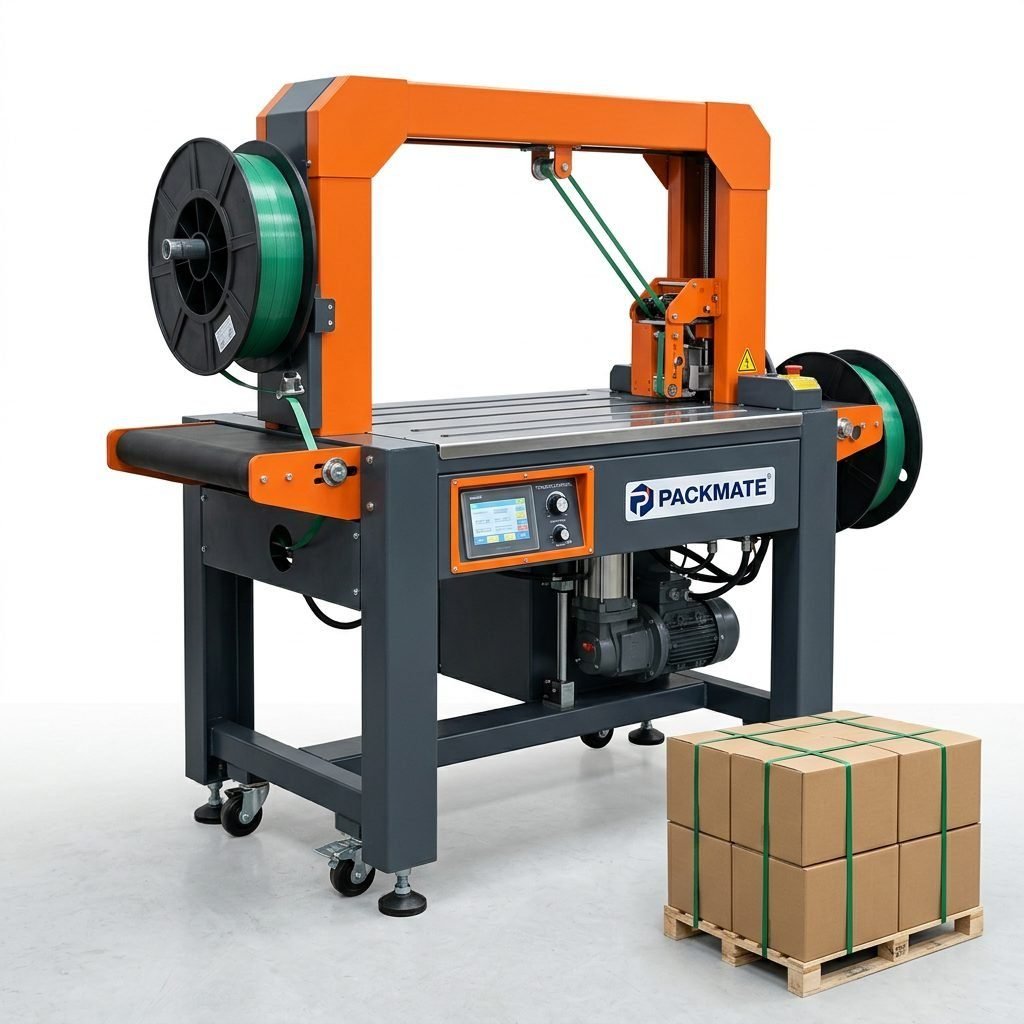
- Stage 8: Case Packing. Finished cartons are packed into shipping cases, often with auxiliary packaging equipment like case erectors and sealers.
This integrated flow can achieve speeds from 60 to over 400 pods per minute, depending on the machine configuration and level of automation.
Key Factors When Choosing Equipment Suppliers
Selecting the right machinery partner is as important as choosing the machines themselves. A reliable supplier ensures not just a purchase, but a long-term investment in your production capability.
Technical Expertise and Customization
Look for a supplier with deep application knowledge in food and coffee packaging. They should offer customizable solutions, not just off-the-shelf machines. Can they adjust the line for different pod sizes or shapes? Can they integrate specific quality control systems you require? A partner like Packmate Machinery, with over two decades of experience in building intelligent packaging lines, exemplifies the value of proven technical expertise.
Machine Reliability and Build Quality
Downtime is the enemy of profitability. Inspect the construction: are frames robust? Are food-contact surfaces made of compliant, durable stainless steel? High-quality components (PLCs, servos, sensors) from reputable brands are a strong indicator of a machine built to last in a 24/7 production environment.
After-Sales Support and Service Network
Comprehensive support is non-negotiable. Before purchasing, clarify the supplier’s offer for installation, commissioning, operator training, and maintenance. Availability of spare parts and the responsiveness of their technical service team, whether locally or internationally, will dramatically impact your total cost of ownership and operational peace of mind.
Scalability and Future-Proofing
Your needs will evolve. Discuss with potential suppliers how the line can be upgraded or expanded. Can speed be increased later? Can new modules (like a nitrogen flusher or a more advanced cartoner) be integrated seamlessly? A forward-thinking supplier designs with your growth in mind.
Optimizing Your Packaging Operation
Beyond selecting equipment, several operational strategies can enhance efficiency and product quality.
Critical Control Points
Establish and monitor Critical Control Points (CCPs) throughout the line. The two most vital are fill weight accuracy and seal integrity. Regular checks using statistical process control (SPC) methods help maintain consistency and quickly identify drift in machine performance.
Furthermore, implementing a robust preventive maintenance (PM) schedule is far more cost-effective than reactive repairs. Regularly cleaning fill heads, calibrating scales, and checking seal jaw conditions prevent unplanned stoppages and protect your product quality.
Frequently Asked Questions (FAQs)
What is the typical output speed of a K Cup packaging line?
Speeds vary widely based on automation level. Basic semi-automatic lines may produce 60-80 pods per minute (PPM). Fully integrated, high-speed rotary lines can achieve 300-400+ PPM. The right speed depends on your current and projected volume requirements.
Can one packaging line handle different pod sizes or products?
Yes, with the right design. Many modern lines are built with quick-change parts for different pod diameters and heights. For switching between products like coffee and tea, thorough line cleaning and potential adjustments to fill heads or sealing parameters are necessary.
How important is nitrogen flushing for K Cup coffee?
For brands focused on premium quality and extended shelf life (often 12+ months), nitrogen flushing is highly recommended. It dramatically reduces oxidation, which is the primary cause of coffee staling. It is a key differentiator for products sold through wider retail channels.
What are the main maintenance requirements for this equipment?
Daily cleaning of food-contact surfaces (fill heads, hoppers), weekly lubrication of moving parts as per the manual, and monthly inspections of critical wear items like sealing jaws, gaskets, and filter placement mechanisms are standard. A disciplined PM program is essential.
What should I look for in a machinery supplier’s warranty and support?
Seek a clear warranty covering parts and labor for a defined period (e.g., 12-18 months). More importantly, evaluate their support structure: Do they provide on-site installation? Is operator training included? What is their average spare parts delivery time? A supplier’s commitment to support is a critical factor in your decision.