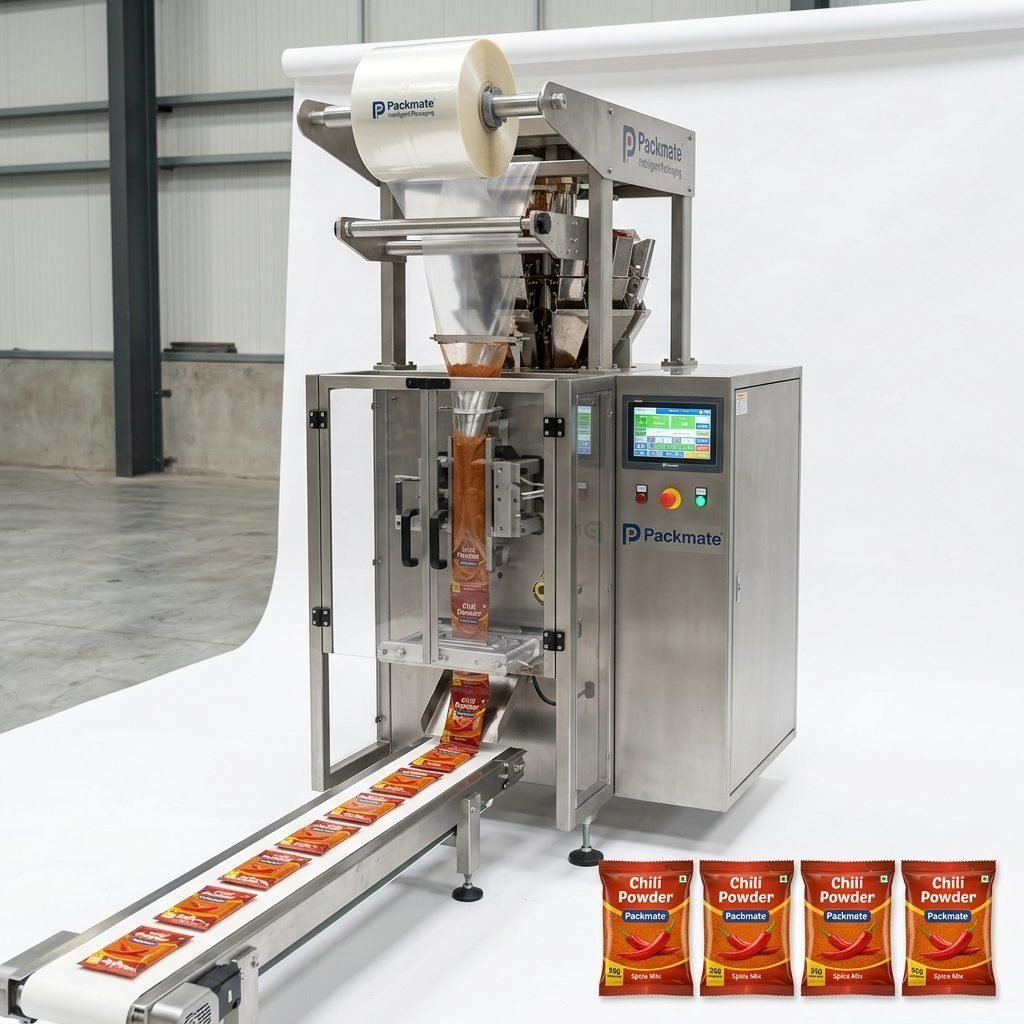
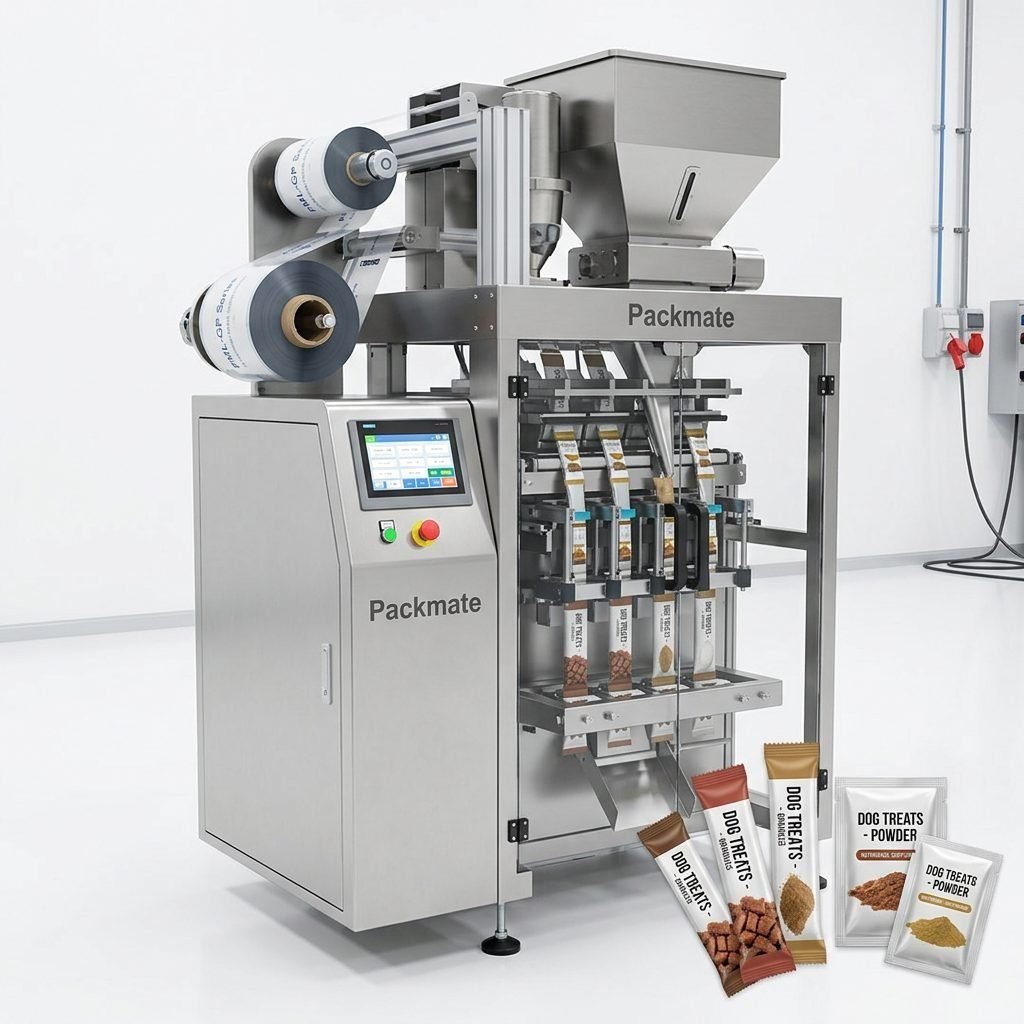
Choosing the right baby food packaging machine supplier is a critical decision for any business in the nutrition sector. The equipment you select directly impacts product safety, shelf life, operational efficiency, and ultimately, your brand’s reputation. With parents becoming increasingly discerning about the quality and integrity of baby food products, the packaging process must meet the highest standards of hygiene, precision, and reliability. This guide explores the key factors to consider when selecting a supplier and highlights what sets industry leaders apart.
Essential Criteria for Selecting a Baby Food Packaging Machine Supplier
Not all packaging machine manufacturers are created equal, especially when it comes to handling sensitive products like baby food. The ideal partner must demonstrate excellence across several core areas.
1. Expertise in Food-Grade and Aseptic Packaging
Baby food requires an uncompromising commitment to safety. Leading suppliers specialize in machines designed for food-grade and aseptic packaging environments. This means using stainless steel contact parts, implementing CIP (Clean-in-Place) systems, and ensuring the machinery can maintain sterile conditions to prevent contamination. The ability to handle various consistencies—from smooth purees to chunky blends—without compromising seal integrity is paramount.
2. Technological Innovation and Machine Flexibility
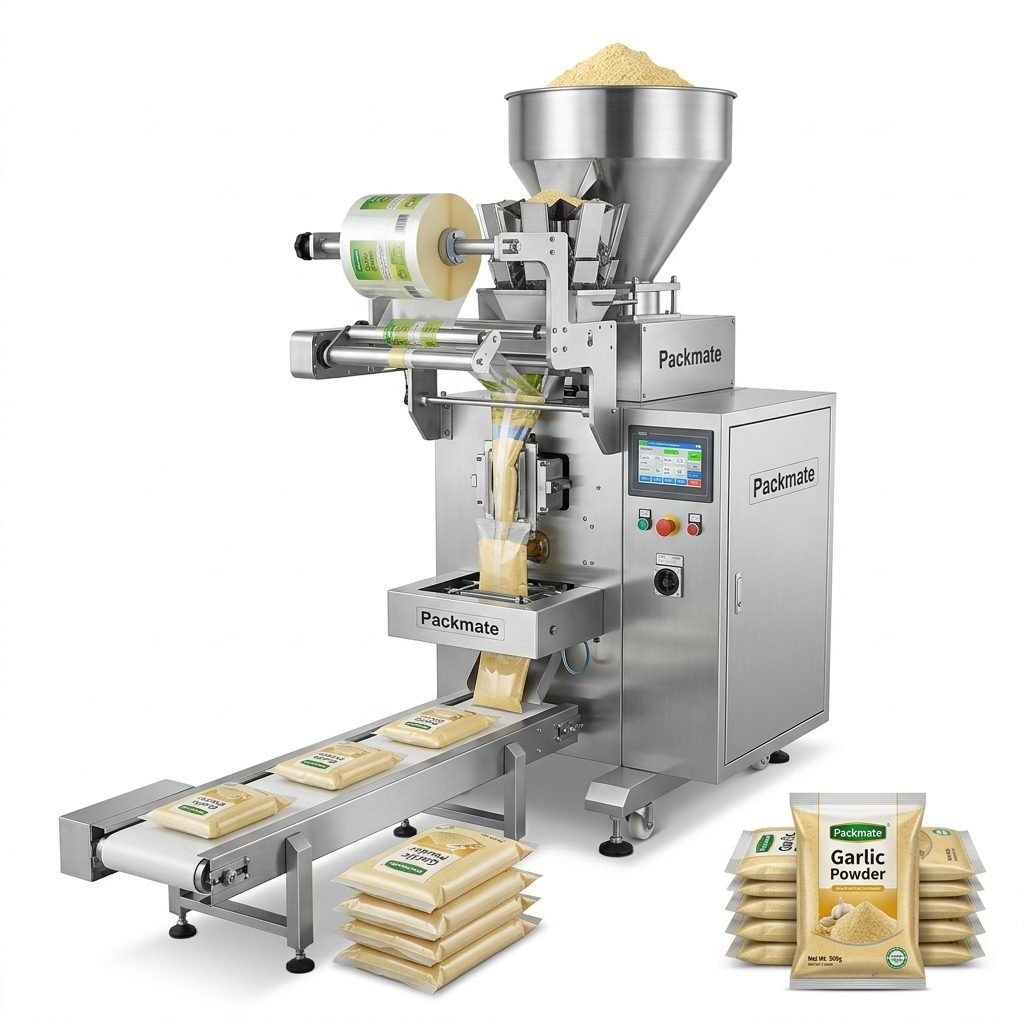
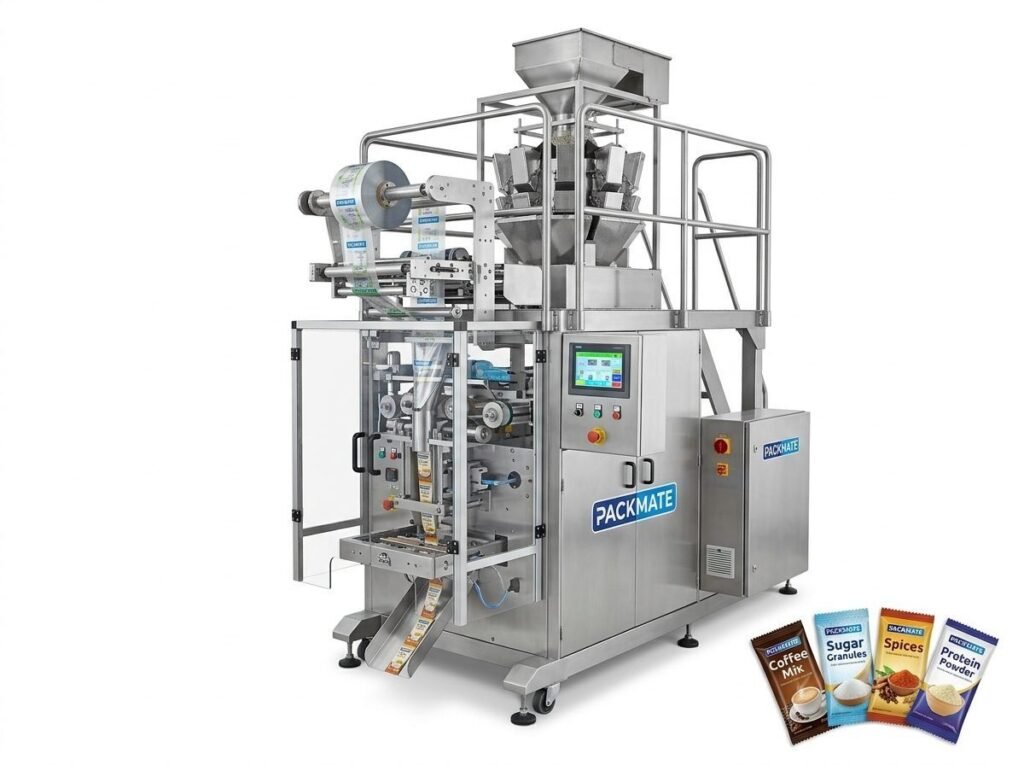
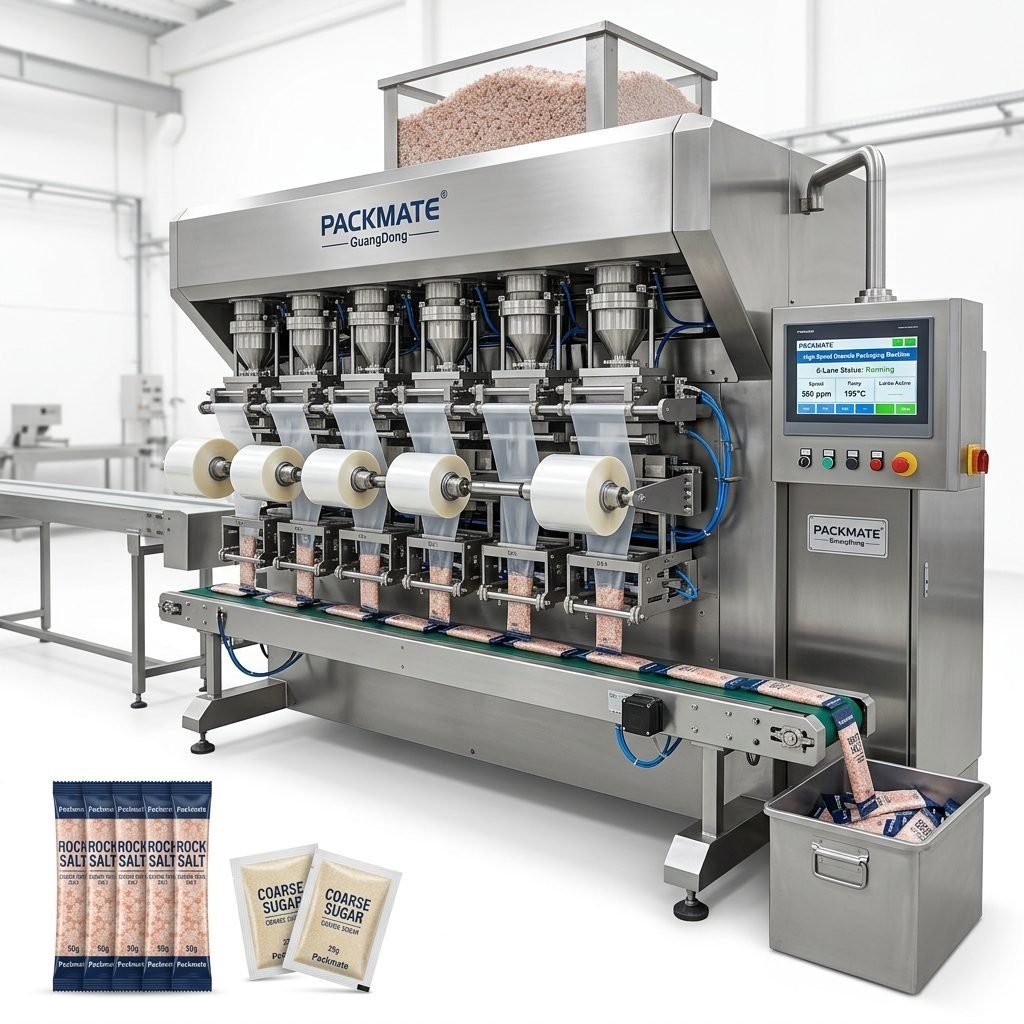
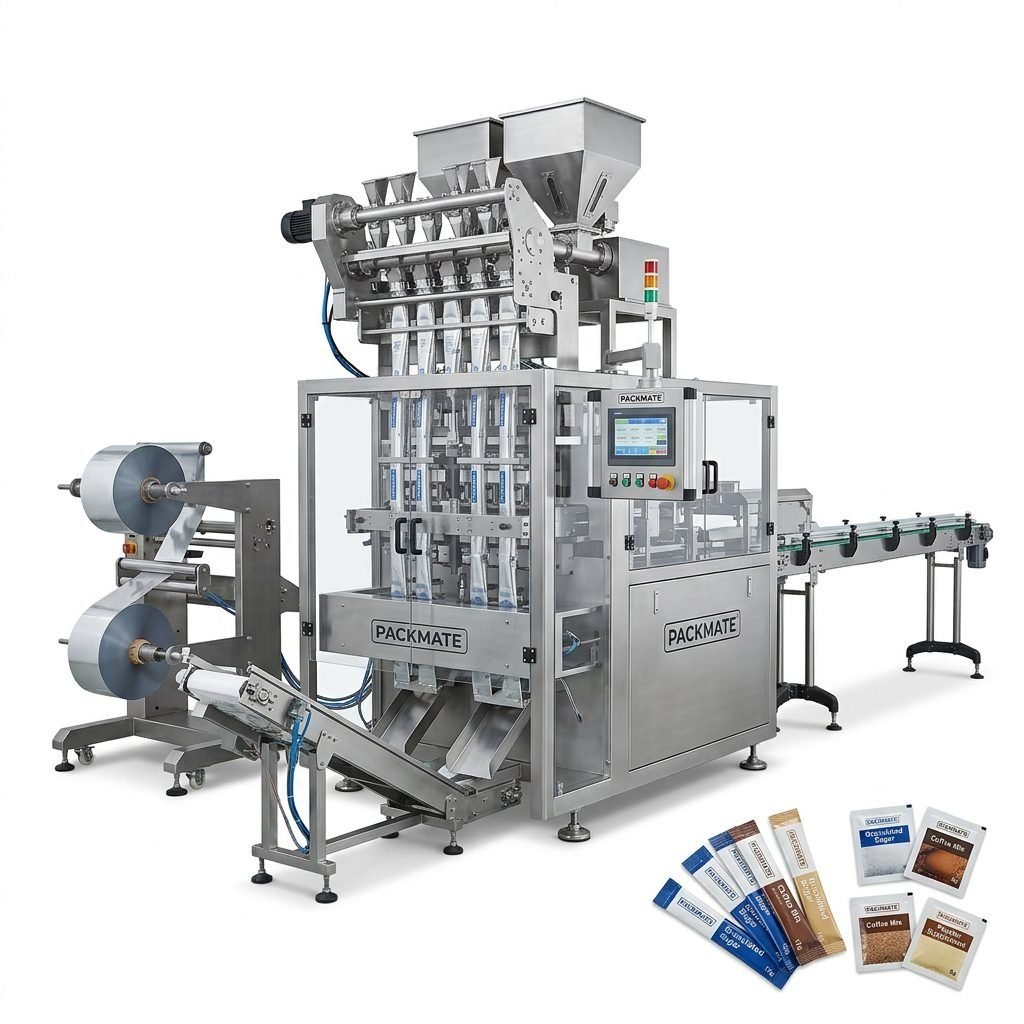
The market for baby food is dynamic, with trends shifting towards organic blends, subscription services, and varied portion sizes. A top-tier supplier offers flexible and intelligent packaging solutions. This includes machines capable of producing different pack styles like sachets, stick packs for powders, or spouted pouches for liquids. Look for suppliers who integrate advanced features such as precise volumetric or weight filling, inert gas flushing for oxidation-sensitive products, and high-speed multi-lane operations to scale with your production needs.
Key Insight: The shift towards sustainable packaging is significant. Forward-thinking suppliers now provide solutions for using recyclable or compostable film materials, helping brands align with eco-conscious consumer values.
3. Proven Track Record and Industry Compliance
Experience matters. A supplier with a long history, like Packmate Machinery with over two decades in the industry, brings invaluable knowledge. They understand the unique challenges of baby food packaging. Furthermore, they should demonstrate compliance with international standards such as ISO certification and have machinery that meets FDA, CE, or other regional regulatory requirements for food contact equipment.
The Role of Complete Turnkey Solutions
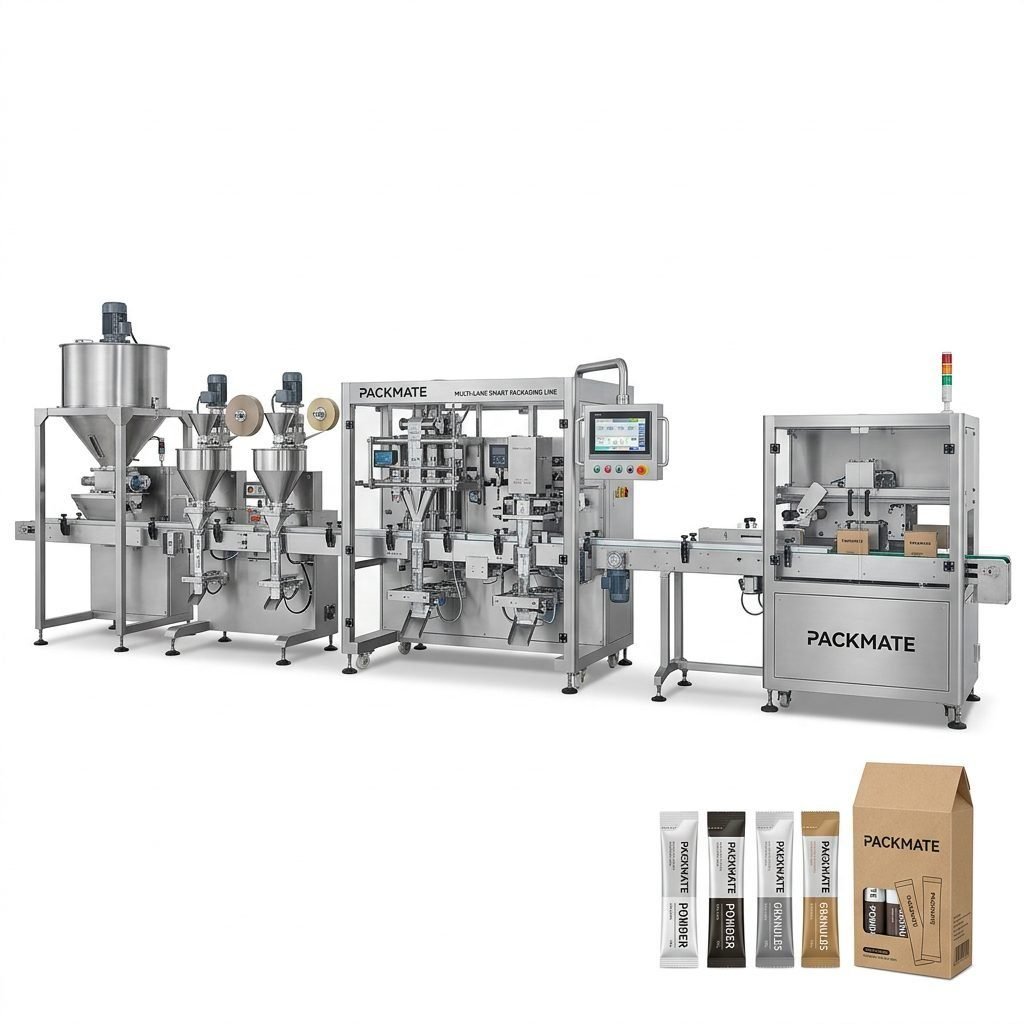
For businesses looking to establish or upgrade a production line, partnering with a supplier that offers complete turnkey solutions is a game-changer. This goes beyond selling a single machine; it encompasses the entire process from initial design and equipment selection to installation, commissioning, and staff training.
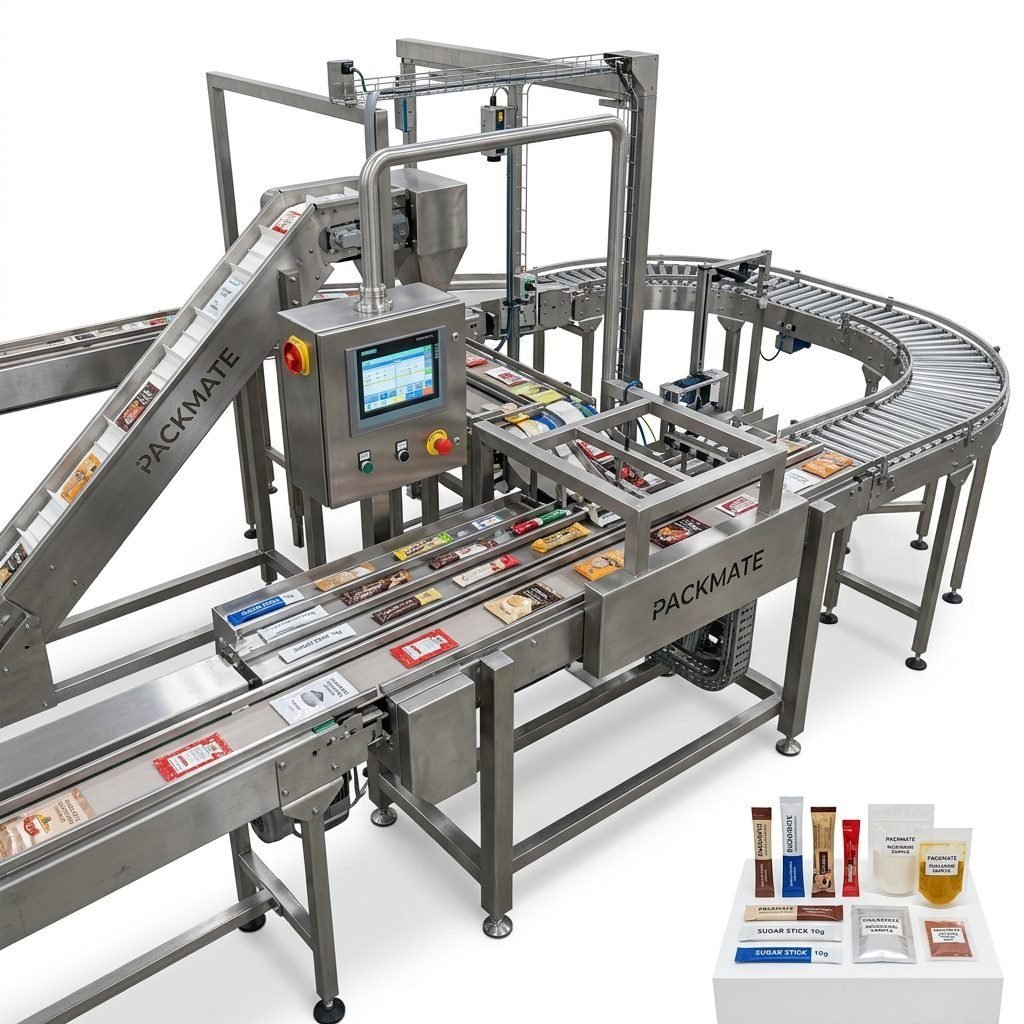
A comprehensive provider will assess your specific product type, desired output, and factory layout to recommend an integrated line. This might include a combination of a weighing system for dry ingredients, a mixer, a cooker, an aseptic filler, and the primary packaging machine—all synchronized for seamless operation. This holistic approach minimizes downtime, ensures compatibility between components, and provides a single point of accountability for service and support.
Why Manufacturing Scale Matters
Suppliers with substantial in-house manufacturing capabilities, such as a 20,000㎡ modern facility, are better positioned to ensure quality control, manage production timelines, and offer competitive pricing. This scale allows for rigorous testing of every machine, like those used for sachet and stick pack machines, before delivery, guaranteeing reliability for your critical baby food production.
Global Support and After-Sales Service
The relationship with your supplier doesn’t end at delivery. Given the critical nature of production lines, robust after-sales support is non-negotiable. Leading global suppliers offer comprehensive service packages including:
- Remote Diagnostics & Troubleshooting: Quick resolution of software or minor operational issues.
- Readily Available Spare Parts: Maintaining an inventory of common wear parts to minimize downtime.
- On-Site Technical Training: Ensuring your operators and maintenance team are fully proficient.
- Preventive Maintenance Plans: Scheduled check-ups to keep the machinery running at peak efficiency.
A supplier with a global presence can provide timely support regardless of your factory’s location, ensuring continuous operation of your filling and packaging lines.
Making the Final Decision
After shortlisting potential suppliers, request detailed proposals and conduct factory audits if possible. Evaluate their project management process, request client references specifically from the baby food or related sectors, and scrutinize the warranty terms. The goal is to find a partner that is not just a vendor but a long-term ally in your business growth, committed to innovation and quality as reflected in their own mission and vision.
Frequently Asked Questions (FAQs)
What types of baby food can be packaged with these machines?
Modern packaging machines are highly versatile. They can handle a wide range, including dry powder formulas, liquid ready-to-feed formulas, purees, and cereals. The key is to match the machine’s filling technology (auger, piston, volumetric) and sealing system to your product’s viscosity and characteristics.
How important is speed in a baby food packaging machine?
Speed, measured in packs per minute (PPM), directly correlates with production capacity. While high speed is desirable, it should not compromise accuracy or seal quality. For start-ups, a reliable mid-speed machine may be ideal. Established brands should look for high-speed, multi-lane machines to meet large-volume demands efficiently.
Can one machine handle different package sizes and materials?
Yes, many advanced machines offer quick-change features for formats and sizes. This is crucial for producing variety packs or different portion sizes. However, switching between vastly different materials (e.g., from standard laminate to a recyclable mono-material) may require specific adjustments or different sealing jaws.
What is the typical lead time for a custom packaging line?
Lead times vary significantly based on complexity, customization, and the supplier’s order backlog. For a standard machine, it could be 2-4 months. A fully customized, integrated turnkey line may require 6-12 months from design to installation. Clear communication and project planning with your supplier are essential.
What kind of training and support can we expect after purchase?
Reputable suppliers provide comprehensive training for your operators, mechanics, and quality control staff, both at their facility and on-site during installation. Ongoing support typically includes technical documentation, access to a service hotline, remote support, and availability of spare parts. Always clarify the details of the after-sales service agreement before purchasing.