Navigating the world of jar packaging can be complex, but with the right machinery, it becomes a streamlined and efficient process. Jar packaging machines are essential for a wide range of industries, from food and pharmaceuticals to cosmetics and chemicals. This guide will delve into the different types of machines, their specific uses, and crucial tips for making an informed purchase. Whether you are looking to automate a small production line or scale up to high-volume output, understanding the technology behind jar packaging is the first step toward optimizing your operations.
Understanding Jar Packaging Machines
At their core, jar packaging machines automate the process of filling, capping, sealing, and labeling jars. They are designed to handle various jar shapes, sizes, and materials—from glass and plastic to metal. The primary goal is to enhance productivity, ensure consistency, and maintain hygiene standards. Modern machines often integrate advanced features like weight checkers, vision systems, and data tracking to comply with stringent industry regulations.
The evolution of this technology has been significant. From simple semi-automatic fillers to fully integrated, computer-controlled lines, the progression mirrors the broader industrial shift towards automation and smart manufacturing. Companies with deep expertise, such as Packmate Machinery, have been pivotal in driving this innovation, developing reliable solutions over decades.
Primary Types of Jar Packaging Machines
The market offers a diverse array of jar packaging machines, each suited to different production scales and product types. Understanding these categories is vital for selecting the right equipment.
1. Volumetric Filling Machines
These machines dispense product into jars based on a pre-set volume. They are ideal for liquids, semi-liquids, and free-flowing powders. Common mechanisms include piston fillers, gravity fillers, and pump fillers. They offer excellent accuracy for products with consistent viscosity and are often the most cost-effective solution for many applications.
2. Auger Filling Machines
Perfect for powders, granules, and pastes, auger fillers use a rotating screw to dispense product. The amount is controlled by the number of screw revolutions. They are highly accurate and minimize product waste and dust generation, making them a favorite in the food and pharmaceutical sectors.
3. Net Weight Filling Machines
For the highest precision, especially with valuable or non-uniform products, net weight fillers are the go-to choice. They weigh each jar before and during filling to achieve an exact target weight. This type is part of sophisticated weighing and packaging systems that ensure compliance and minimize giveaway.
4. Capping and Sealing Machines
After filling, jars must be securely closed. Capping machines apply screw caps, snap-on lids, or press-on caps. Sealing machines might apply induction seals for tamper evidence or foil liners for freshness. These are often integrated directly into the filling line for a continuous workflow.
5. Labeling Machines
The final touch involves applying labels accurately. Options range from simple semi-automatic applicators to high-speed, fully automatic wraparound or front-and-back labelers that handle variable data and complex designs.
Key Applications and Industry Uses
Jar packaging machines serve a multitude of industries. In the food industry, they package everything from jams and sauces to spices and nuts, prioritizing speed and hygiene. The pharmaceutical and nutraceutical sectors rely on them for creams, ointments, and powdered supplements, where accuracy and contamination control are non-negotiable.
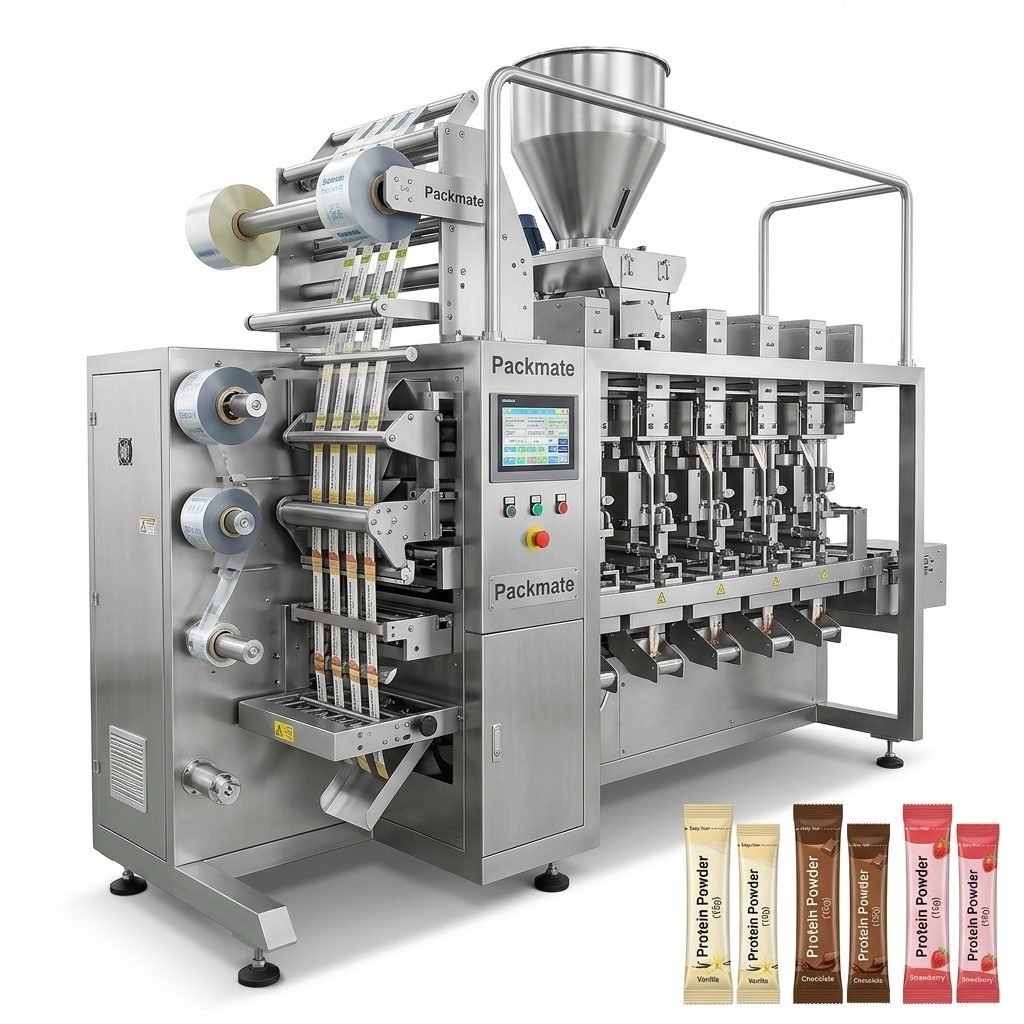
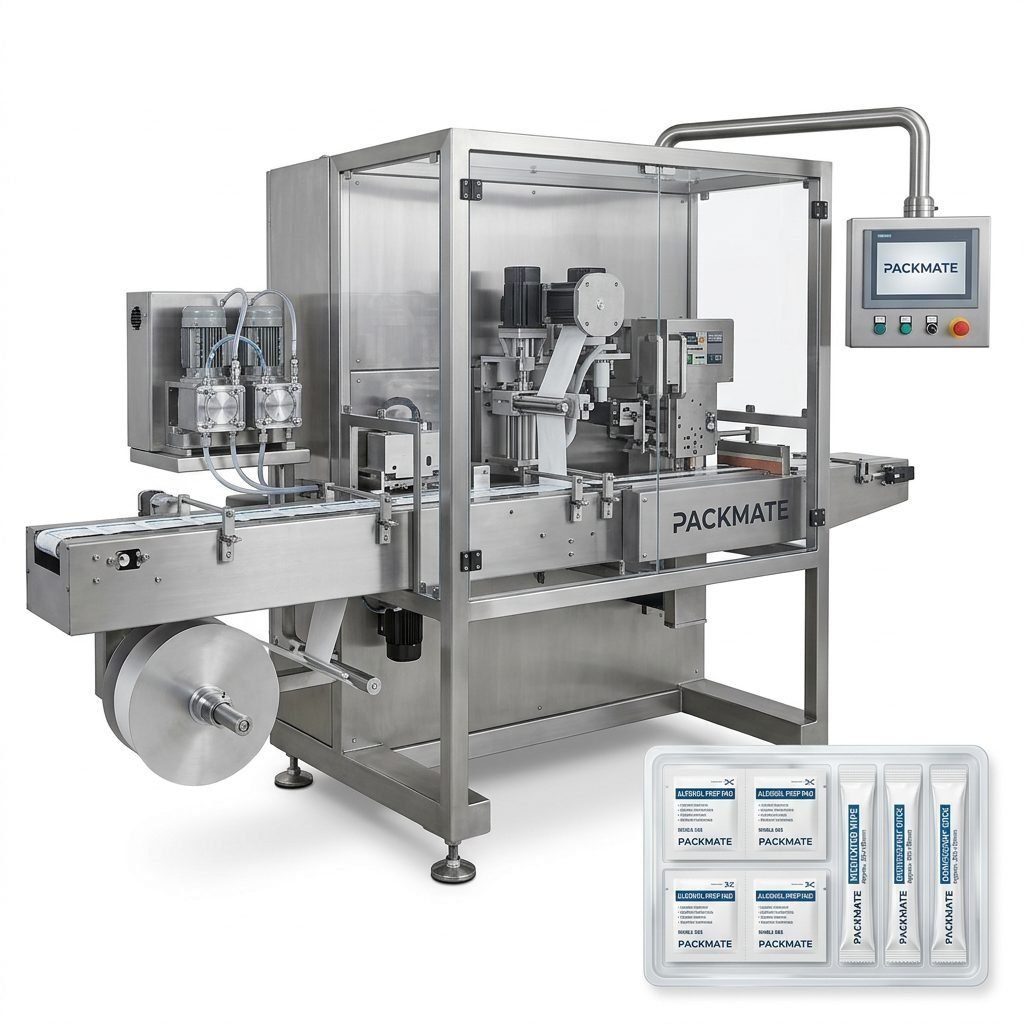
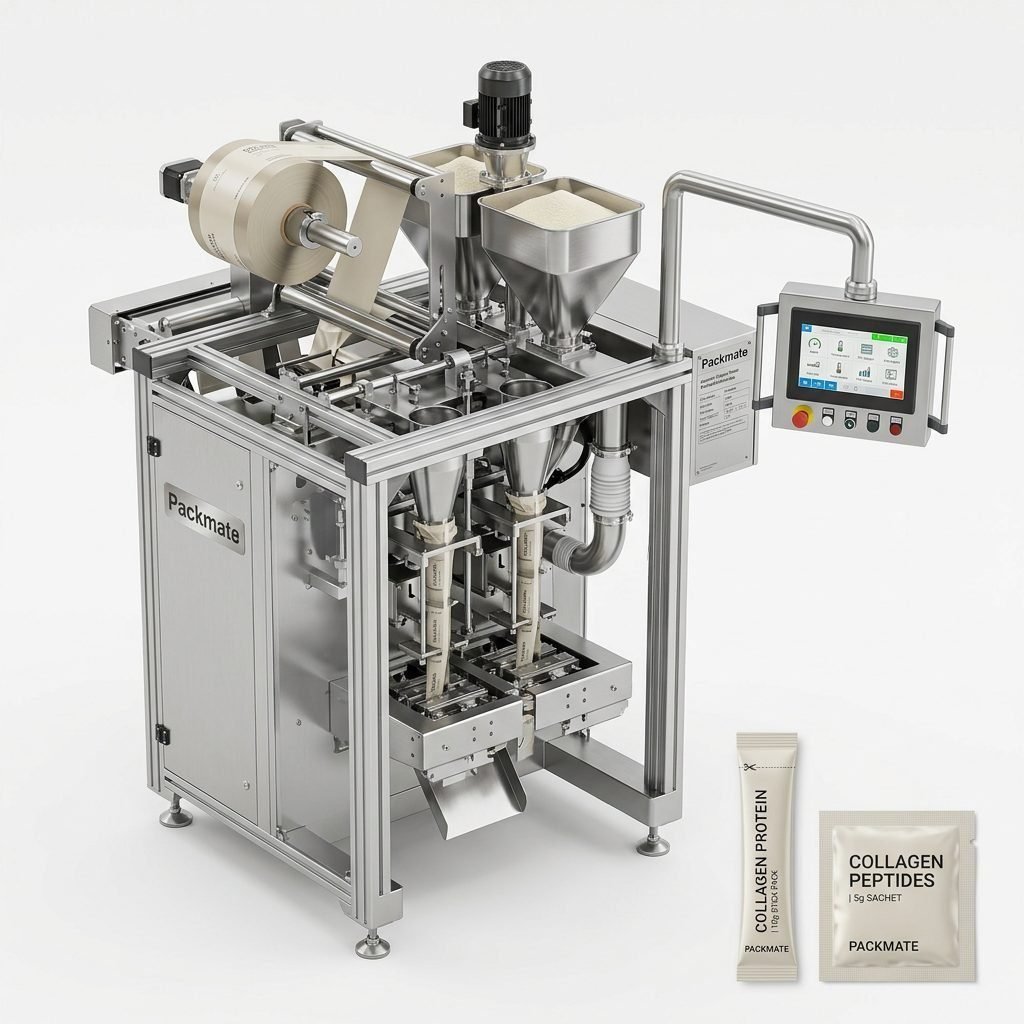
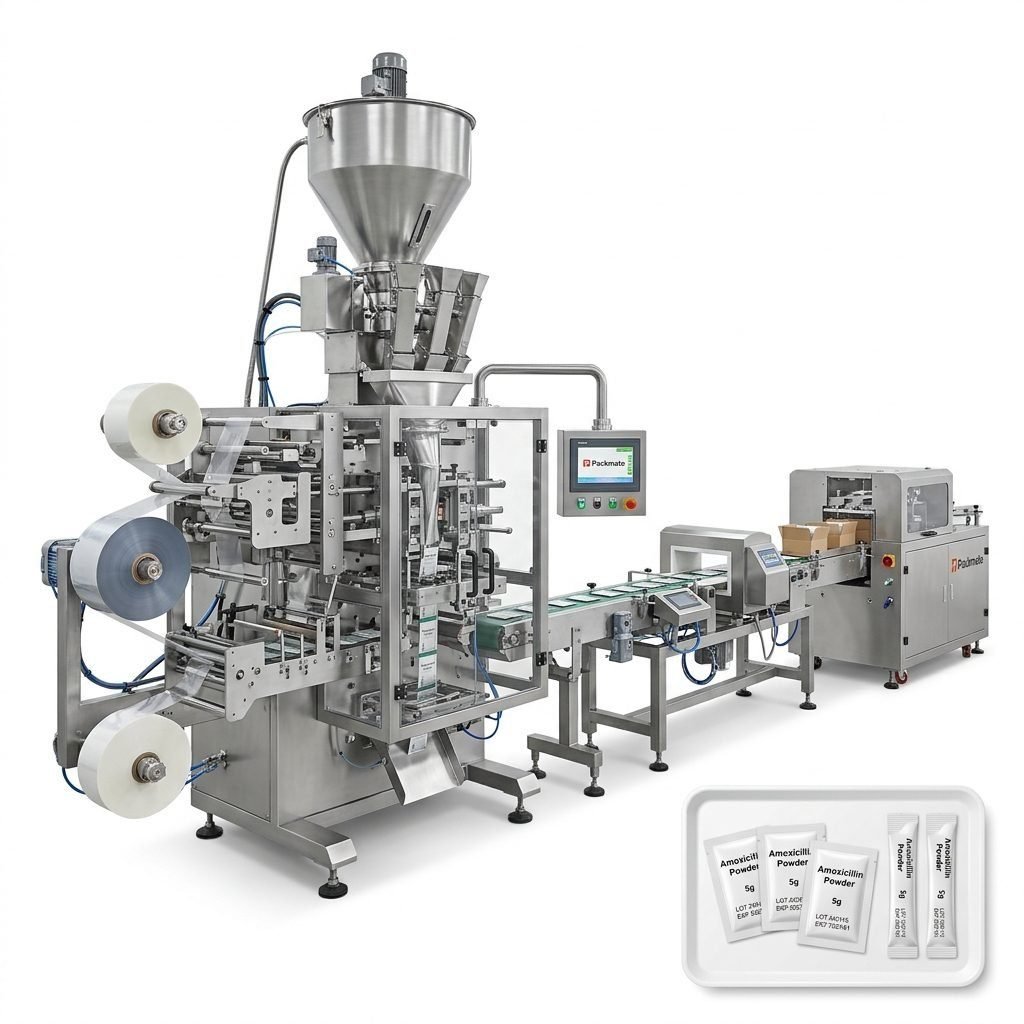
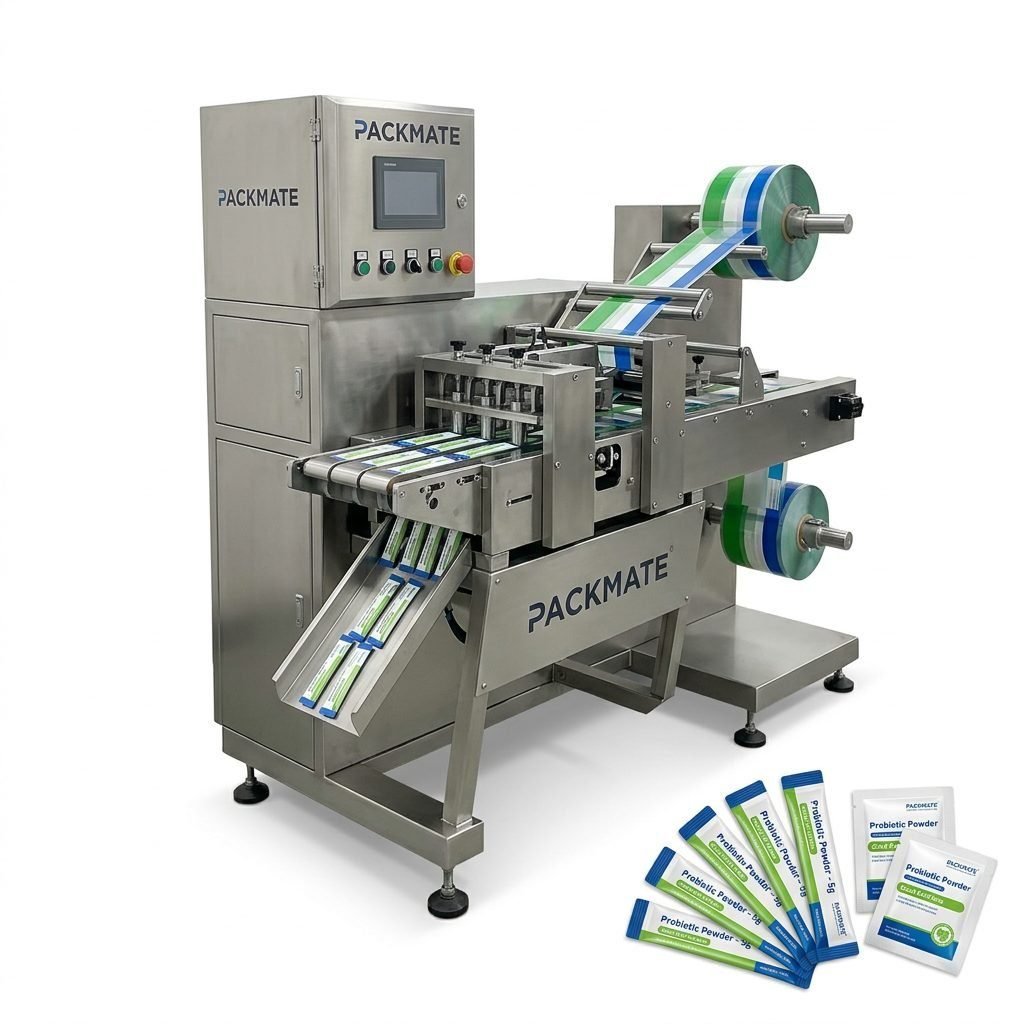
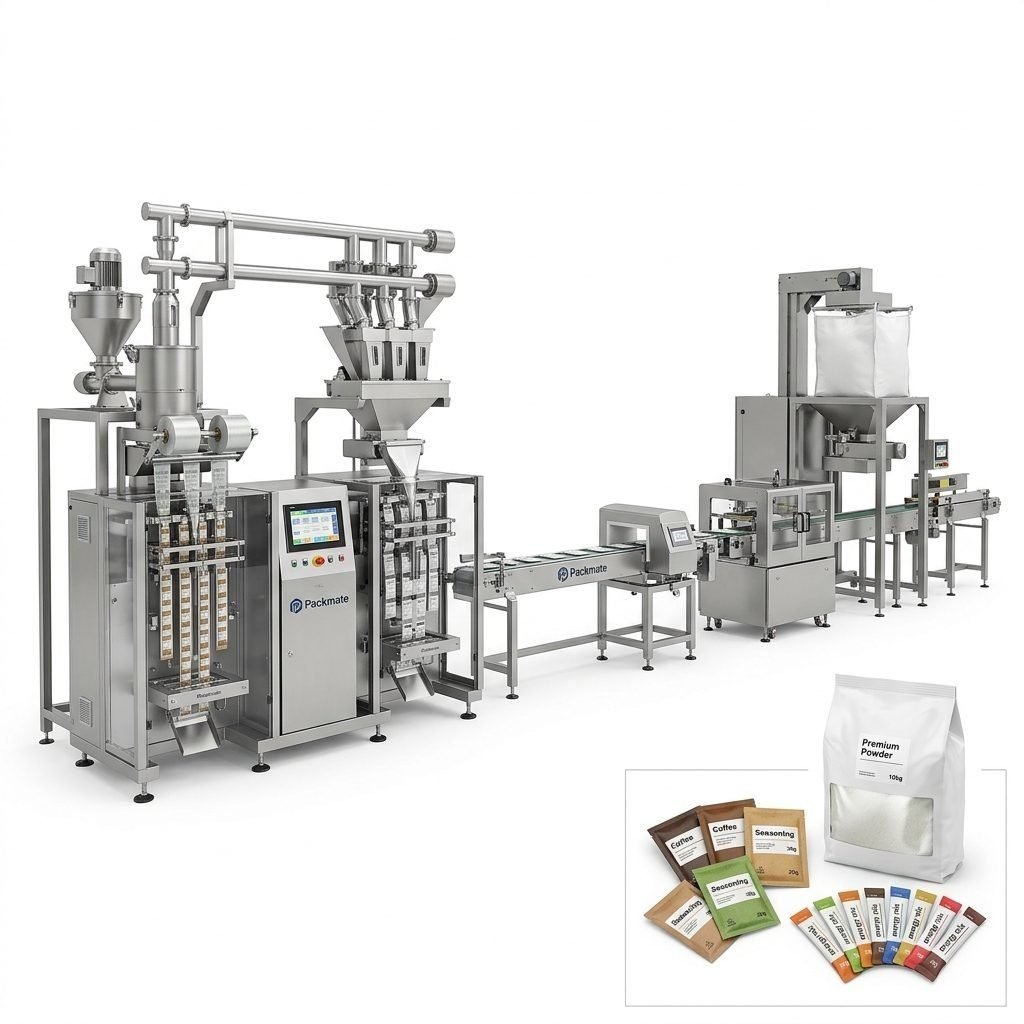
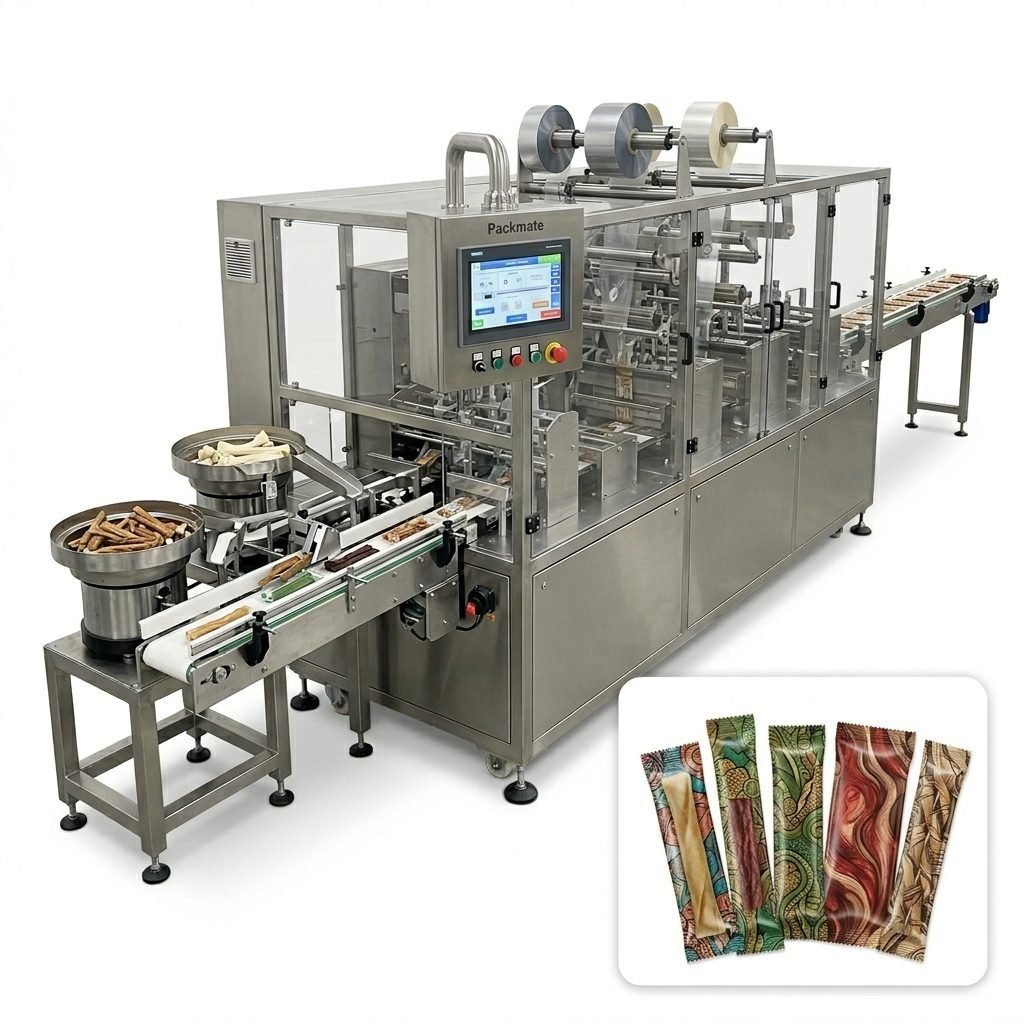
In cosmetics and personal care, these machines fill lotions, creams, and serums, often requiring gentle handling for viscous products. The chemical industry uses them for adhesives, lubricants, and compounds, where material compatibility and sealing integrity are critical. For businesses looking to package products in flexible formats as well, exploring sachet and stick pack machines can provide complementary packaging solutions.
Essential Buying Tips for Your Jar Packaging Machine
Investing in a jar packaging machine is a significant decision. Here are key factors to consider to ensure you choose a machine that delivers a strong return on investment.
1. Define Your Product and Jar Specifications
Start with a clear understanding of your product’s physical characteristics (viscosity, abrasiveness, particle size) and your jar’s material, shape, and size range. The machine must be compatible with these parameters. Will you need to switch between different jar sizes frequently? If so, look for machines with quick-change parts.
2. Determine Your Required Production Speed
Calculate your current and future production needs in jars per minute (JPM). A semi-automatic machine might suffice for low-volume or pilot production, while high-volume operations will require a fully automatic, multi-head rotary filler integrated into a complete filling and packaging line. Overestimating your speed requirement can lead to unnecessary capital expenditure, while underestimating it creates a production bottleneck.
3. Prioritize Accuracy and Hygiene
For costly ingredients or regulated products, filling accuracy is paramount. Inquire about the machine’s standard deviation or fill accuracy specifications. Hygiene is equally crucial, especially for food and pharmaceuticals. Machines with stainless steel contact parts, CIP (Clean-in-Place) systems, and enclosed designs should be prioritized.
4. Evaluate Ease of Use and Maintenance
A user-friendly HMI (Human-Machine Interface) and simple mechanical design reduce operator training time and minimize downtime. Consider the availability of spare parts and the manufacturer’s technical support reputation. A reliable partner like Packmate Machinery, with over 30 years of experience, can provide long-term peace of mind.
5. Consider Integration and Future-Proofing
Think beyond the standalone filler. Will the machine need to connect to upstream cleaners/dryers or downstream cappers and labelers? Choosing a machine from a manufacturer that offers modular and integrable systems allows for easier future expansion. Also, consider features like data logging and connectivity for Industry 4.0 readiness.
6. Analyze Total Cost of Ownership (TCO)
Look beyond the initial purchase price. Factor in installation costs, energy consumption, required consumables (like pump seals), maintenance schedules, and potential upgrade costs. A slightly more expensive, robust machine from a reputable supplier often has a lower TCO than a cheaper, less reliable alternative.
Conclusion and Final Recommendations
Selecting the right jar packaging machine is a strategic decision that impacts your product quality, operational efficiency, and bottom line. By thoroughly assessing your product needs, production volume, and hygiene requirements, you can narrow down the type of machine that best fits your operation. Partnering with an experienced manufacturer who offers comprehensive support—from initial consultation and machine testing to after-sales service—is invaluable. Remember, the best investment is one that grows with your business, providing reliability and flexibility for years to come.
Frequently Asked Questions (FAQs)
Q: What is the main difference between volumetric and net weight filling?
A: Volumetric filling measures product by volume (e.g., milliliters), which is suitable for uniform liquids. Net weight filling measures by weight (grams), which is more accurate for powders, granules, or products with variable density, as it accounts for product compaction and settling.
Q: Can one machine handle different jar sizes and shapes?
A: Many machines are designed with changeover capabilities. However, switching between significantly different sizes or shapes (e.g., from a short, wide jar to a tall, narrow one) typically requires changing parts like filling nozzles, jar holders, and guides. Look for machines advertised with “quick changeover” features to minimize downtime.
Q: How important is the construction material of the machine?
A> Extremely important. For food, pharmaceutical, or corrosive chemical applications, all product-contact parts should be made of food-grade or industrial-grade stainless steel (e.g., SS304 or SS316). This ensures hygiene, prevents contamination, and provides resistance to corrosion and wear.
Q: What kind of maintenance do jar packaging machines require?
A> Regular maintenance includes daily cleaning, lubrication of moving parts as per the manual, inspection of seals and gaskets for wear, and calibration of weighing or filling systems. A preventive maintenance schedule provided by the manufacturer is crucial for long-term reliability.
Q: Should I buy a semi-automatic or fully automatic machine?
A> The choice depends on your production volume and labor costs. Semi-automatic machines require an operator to place and remove each jar, making them suitable for low-volume production, pilot runs, or small businesses. Fully automatic machines are fed by a conveyor and handle all operations autonomously, making them necessary for medium to high-volume production to achieve efficiency and consistency.