The dairy industry operates on a foundation of freshness, safety, and efficiency. From milk and yogurt to cheese powders and nutritional supplements, every product requires packaging that preserves quality and meets stringent hygiene standards. For producers aiming to scale operations and enhance profitability, selecting the right dairy packaging machinery is not just an operational decision—it’s a strategic imperative. This guide explores top machinery solutions designed to streamline production, ensure product integrity, and adapt to the diverse needs of modern dairy processing.
Core Machinery for Dairy Packaging Lines
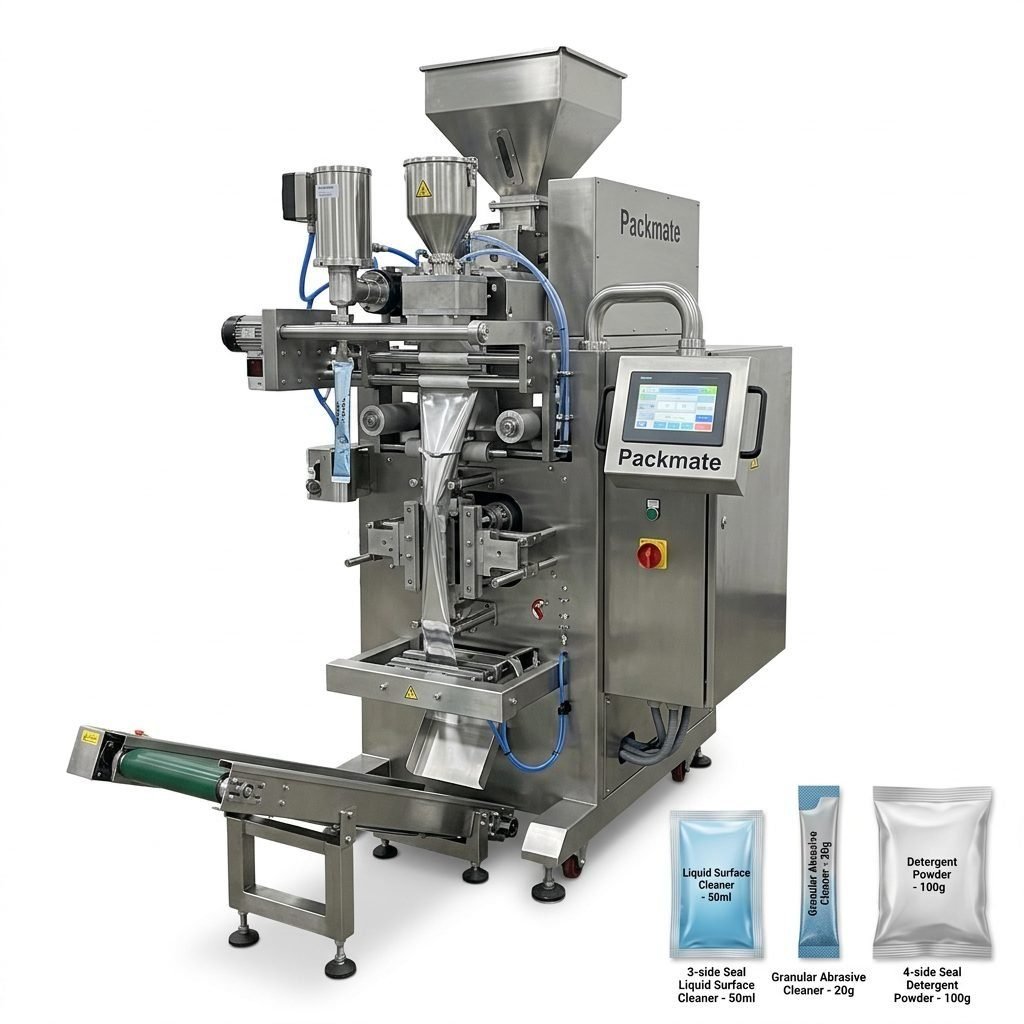
An efficient dairy packaging line is a symphony of specialized machines working in unison. The core components typically include filling machines, sealing systems, and labeling units. For liquid dairy products like milk and cream, automatic volumetric or gravity fillers offer precise measurement to minimize waste and ensure consistent fill levels. Viscous products such as yogurt and sour cream often benefit from piston fillers or pump-based systems that handle thicker consistencies without compromising speed.
A critical advancement is the integration of ultrasonic sealing technology for pouches and cups. This method creates a hermetic seal without extreme heat, which is ideal for heat-sensitive dairy products. It prevents leakage and contamination far more effectively than traditional heat sealing, extending shelf life and reducing customer complaints.
Specialized Solutions for Powdered and Granular Dairy Products
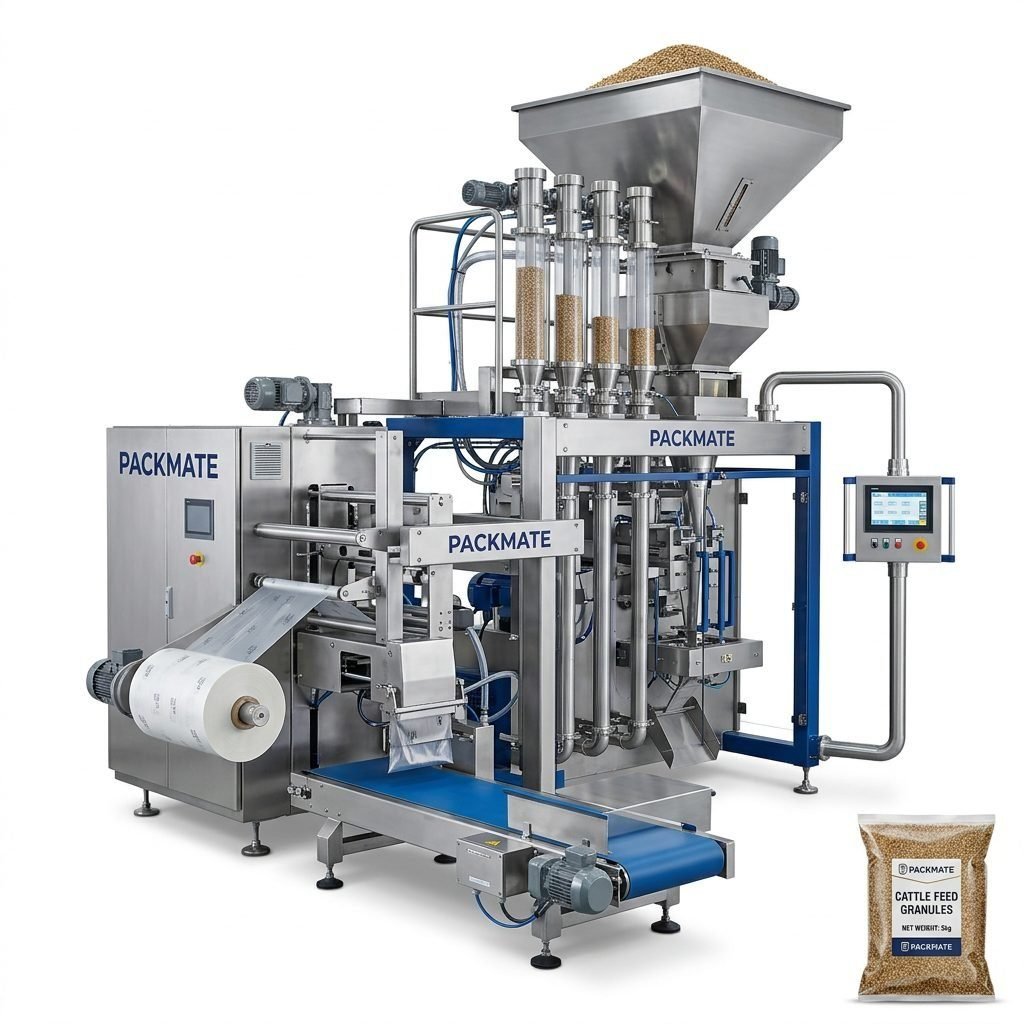
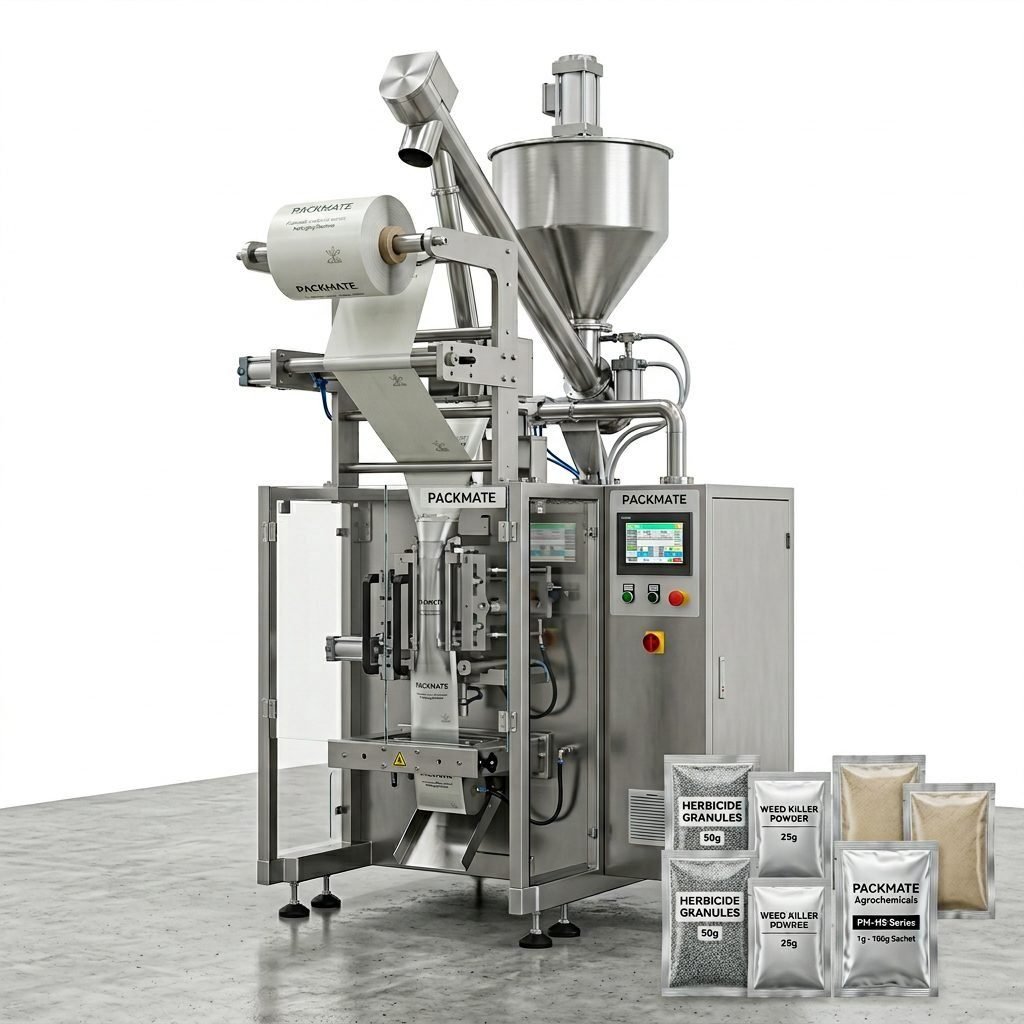
Dairy powders, including milk powder, whey protein, and infant formula, present unique challenges due to their dusty nature and need for absolute dryness. For these, auger filler-based packaging systems are the industry standard. Modern auger fillers are equipped with servo motors for exceptional accuracy, often achieving fill tolerances within ±0.5%. To combat dust, many systems incorporate integrated dust extraction hoods and nitrogen flushing options. Nitrogen flushing displaces oxygen in the package, preventing oxidation and caking, which is crucial for maintaining the free-flowing quality and nutritional value of the powder.
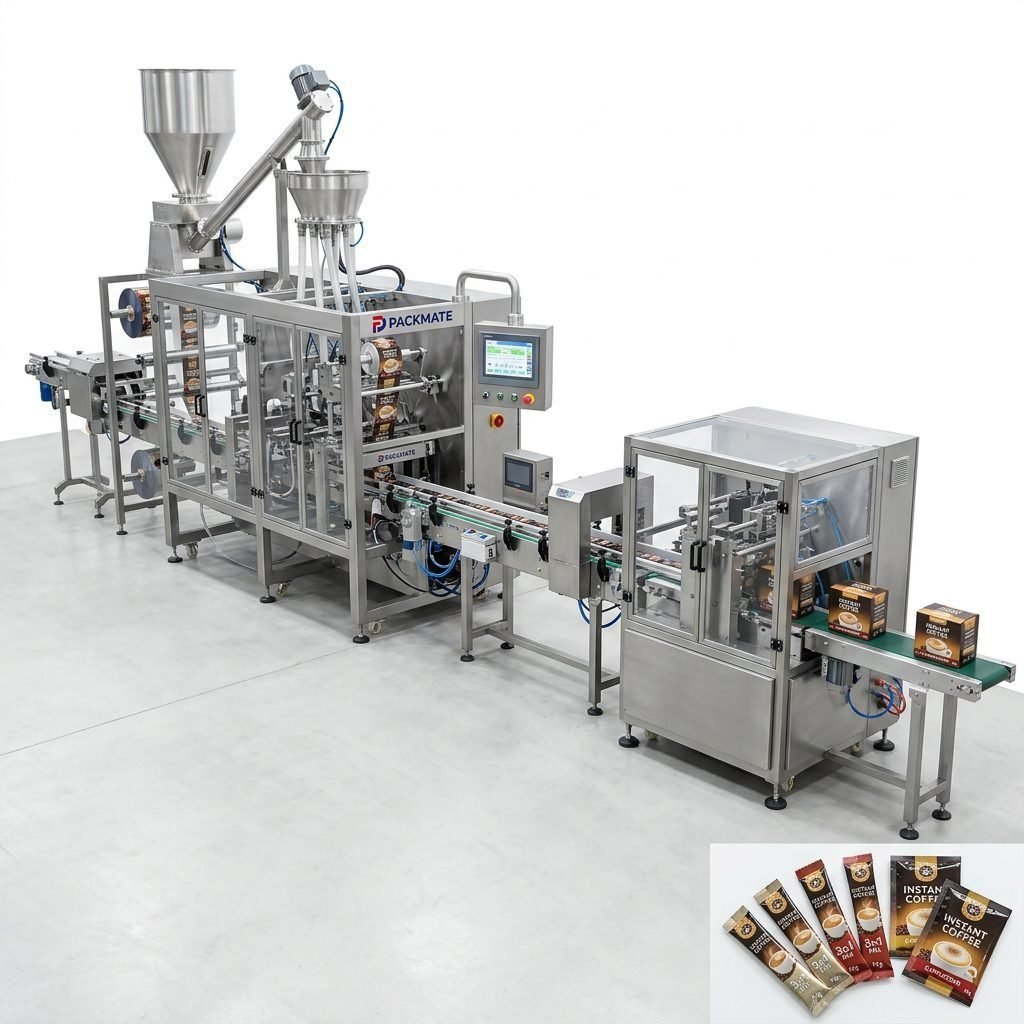
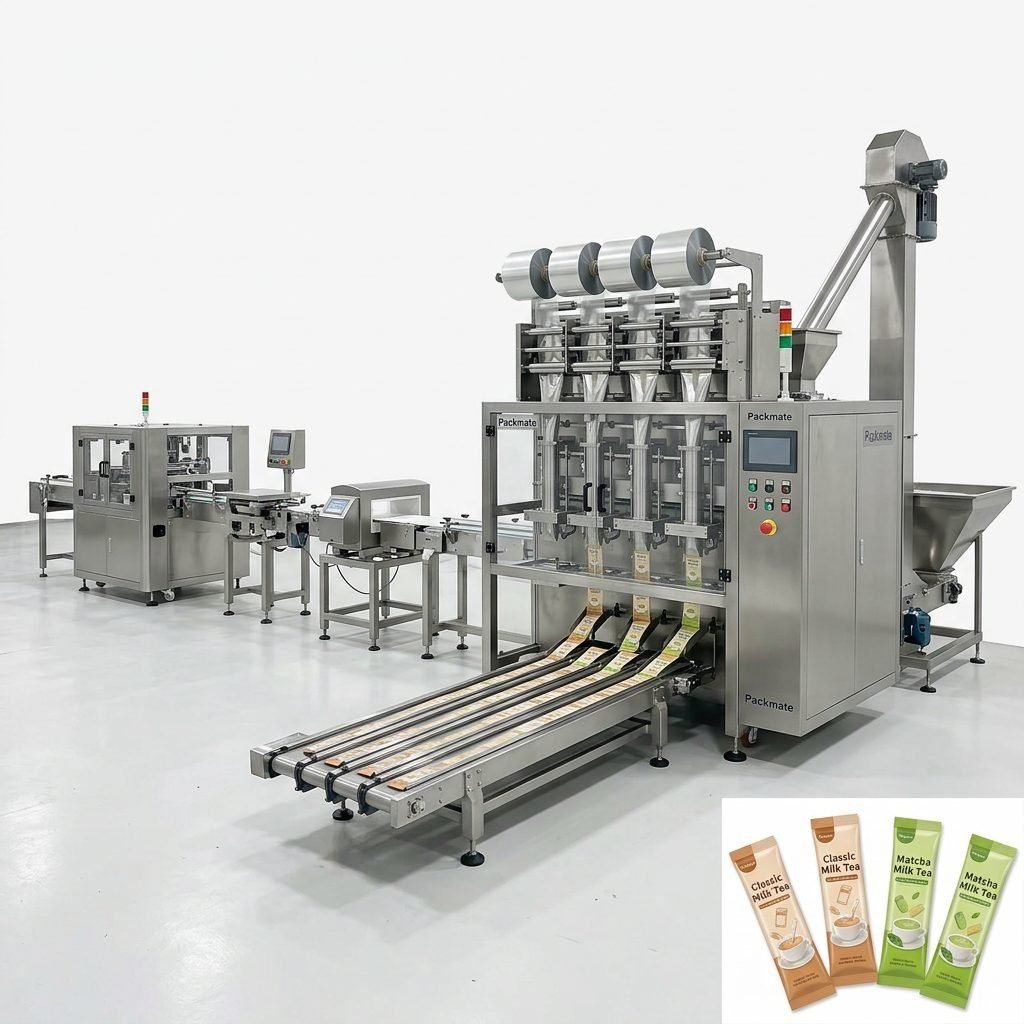
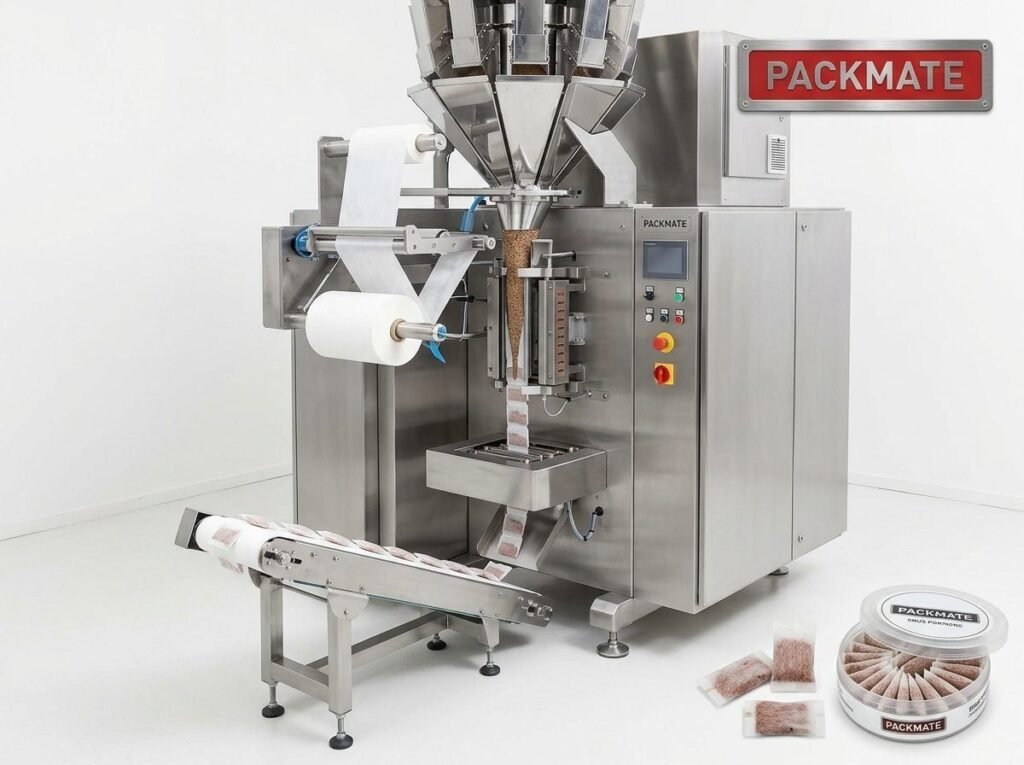
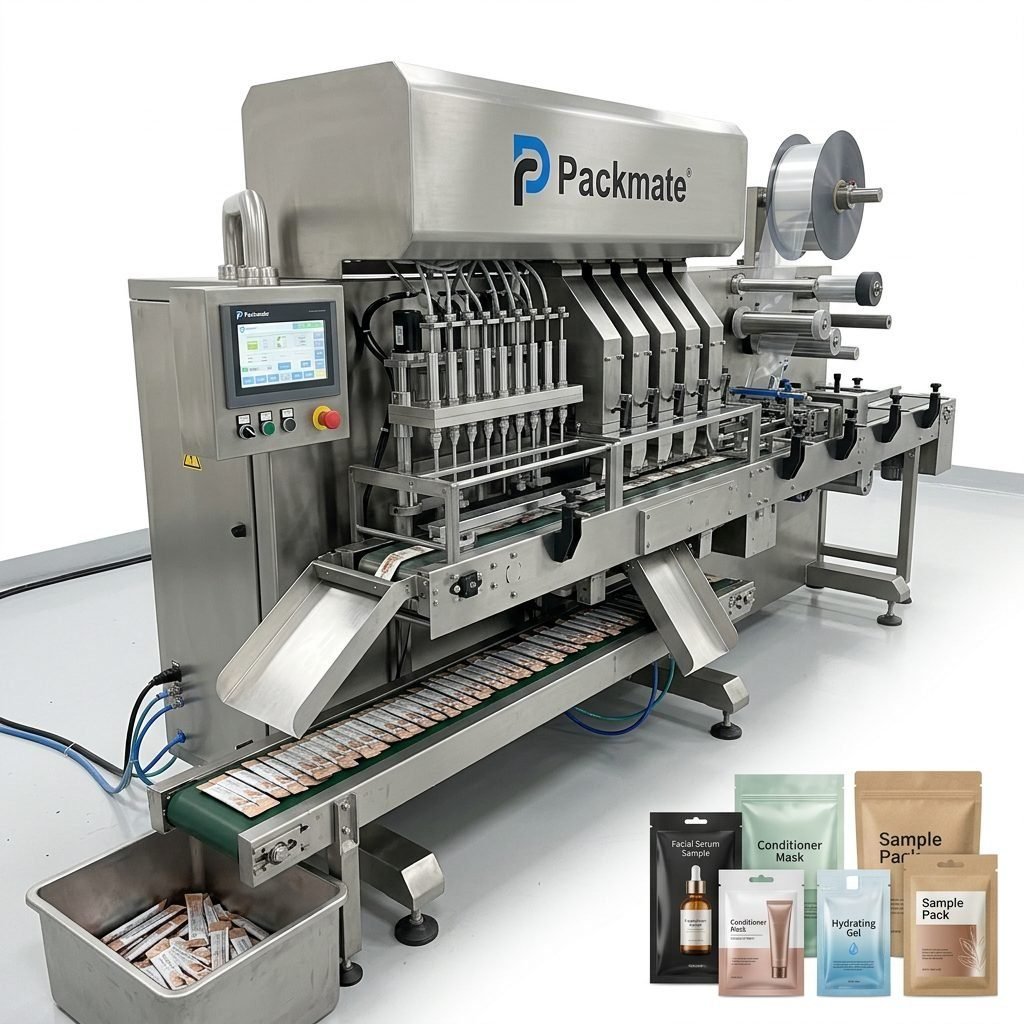
For single-serve sticks or sachets containing coffee creamer, flavored milk powders, or cheese powder, multi-lane stick pack and sachet machines deliver unparalleled efficiency. These machines can run multiple lanes simultaneously, producing thousands of portions per minute. The use of high-barrier, multi-laminate films ensures the product is protected from moisture and light, preserving taste and potency until the moment of use.
Driving Efficiency with Automation and Integration
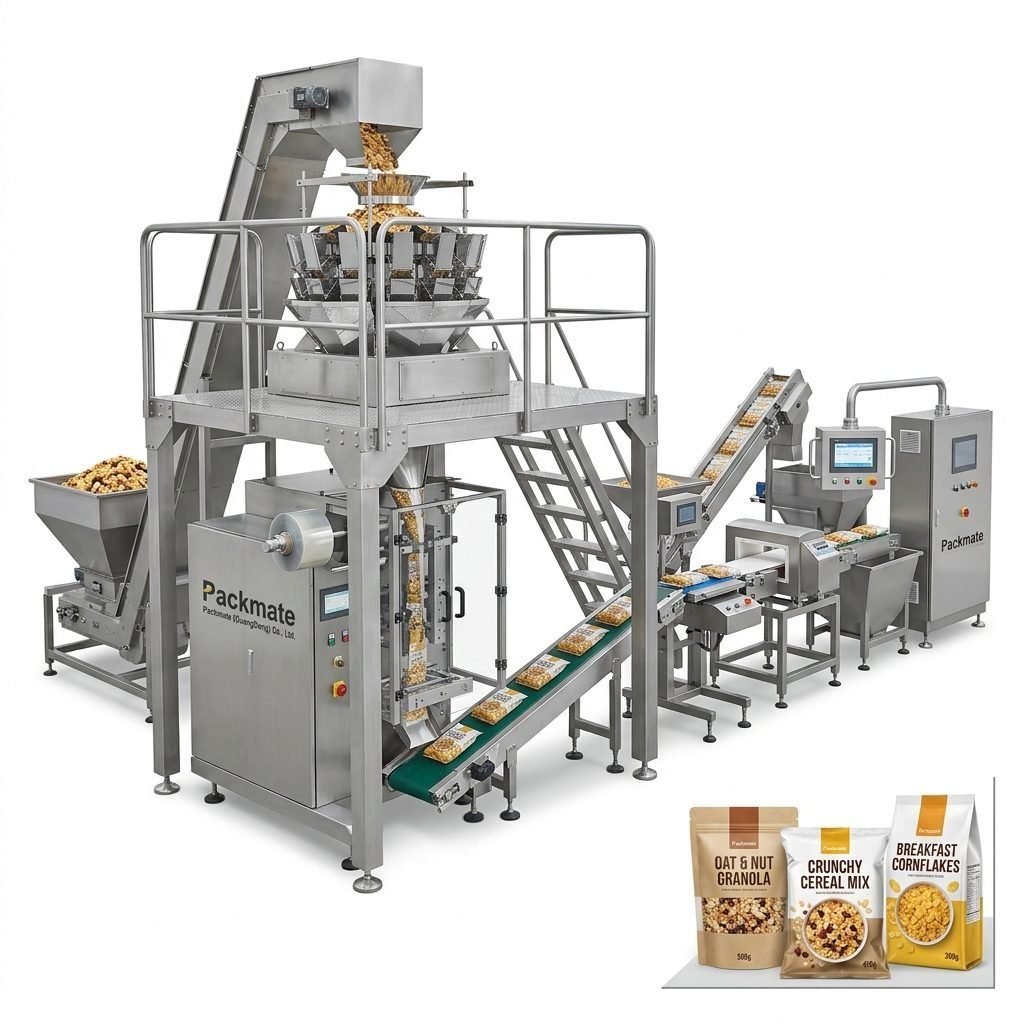
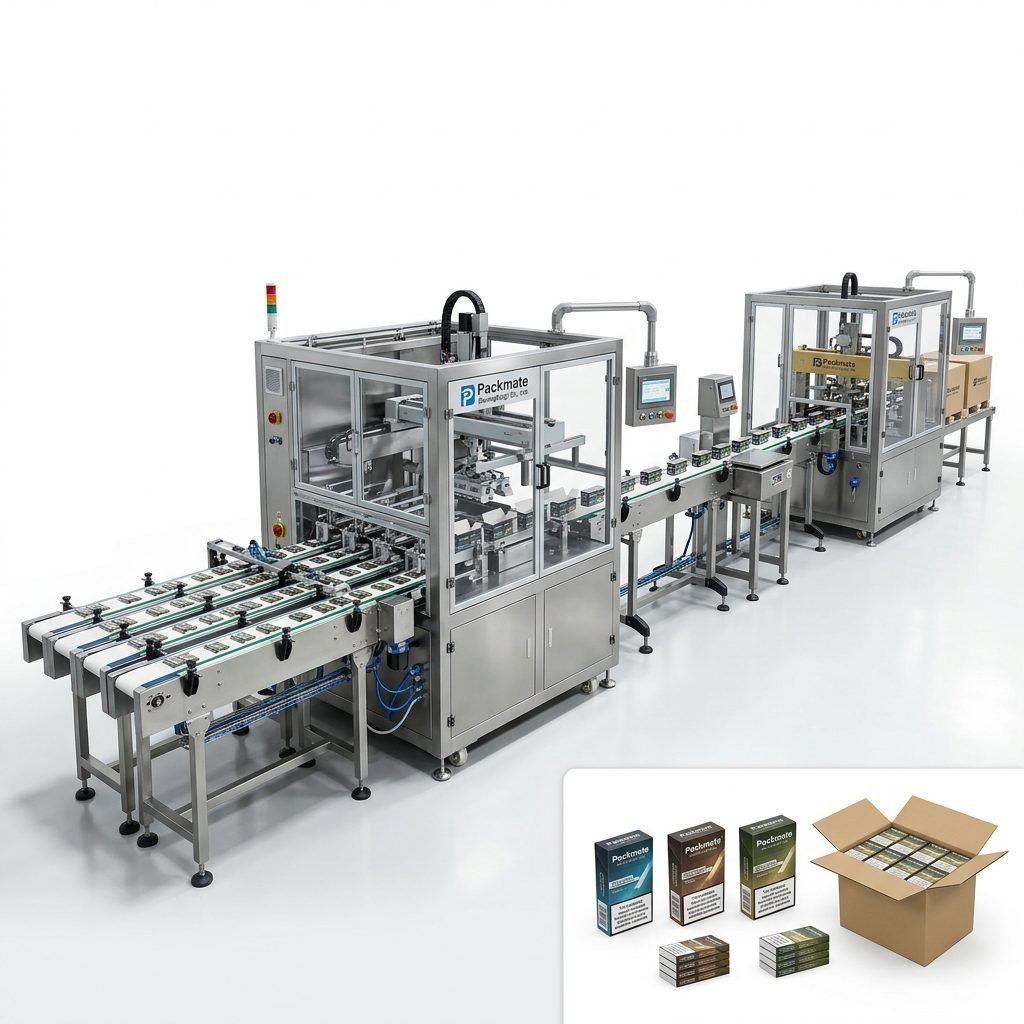
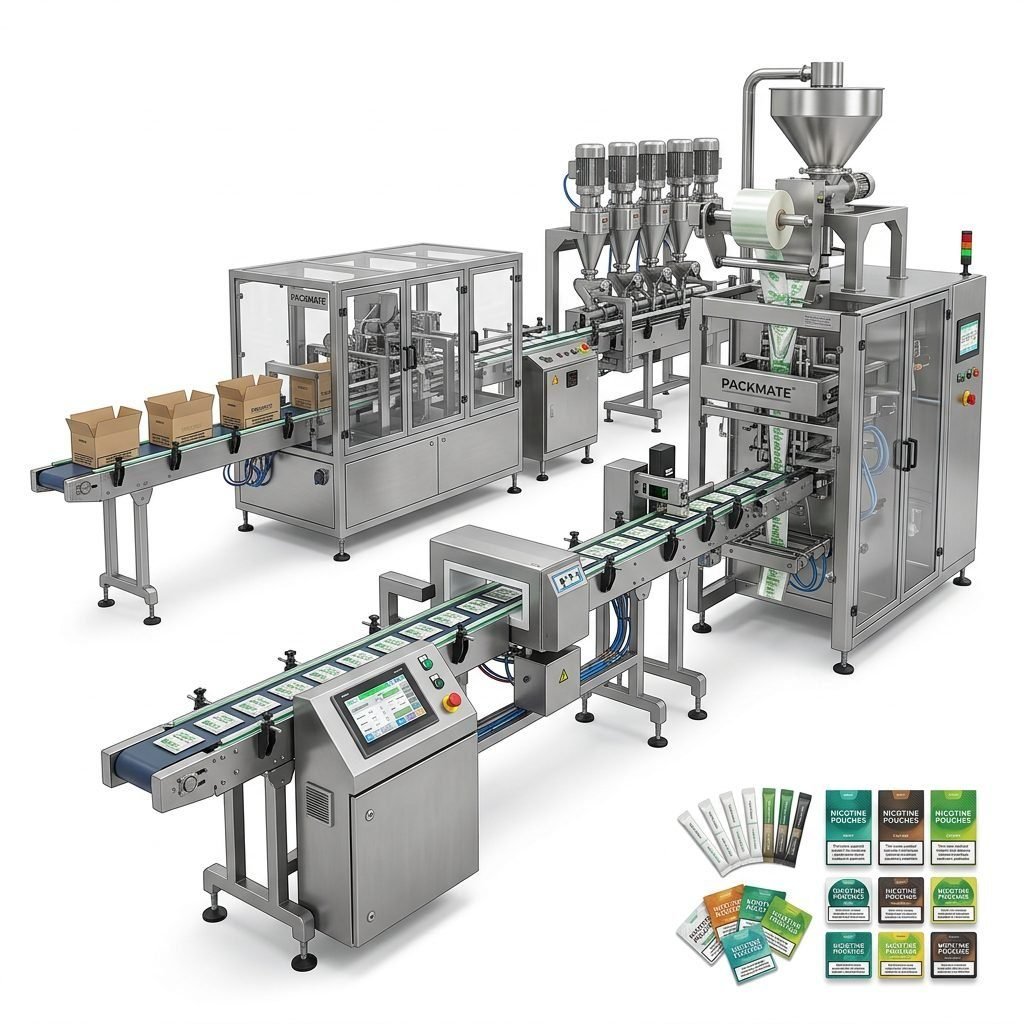
The true potential of dairy packaging machinery is unlocked through automation. Standalone machines are being rapidly replaced by fully integrated packaging lines. These lines connect form-fill-seal (FFS) machines, cartoners, case packers, and palletizers with a single control system. The primary benefit is a dramatic reduction in manual handling, which lowers labor costs and minimizes the risk of human-borne contamination—a paramount concern in food production.
An automated line with PLC (Programmable Logic Controller) and HMI (Human-Machine Interface) controls allows operators to change package sizes, product weights, and production speeds with a few screen touches. This flexibility is vital for dairies that produce a wide range of SKUs, enabling quick changeovers and reducing downtime. Furthermore, these systems collect vast amounts of production data, providing insights into Overall Equipment Effectiveness (OEE), identifying bottlenecks, and facilitating predictive maintenance.
Hygiene and Safety: Non-Negotiable Standards
Dairy packaging equipment must be designed for easy and thorough cleaning. The best machinery features stainless steel construction (often grade 304 or 316) on all product-contact surfaces, with smooth, crevice-free finishes that prevent bacterial harborage. Sanitary design principles include CIP (Clean-in-Place) capabilities for closed systems and quick-release parts for manual cleaning. Compliance with international standards like FDA, EHEDG, and 3-A Sanitary Standards is not optional; it’s a fundamental requirement for any machinery supplier serving the global dairy market.
Choosing a Machinery Partner: Beyond the Machine
Investing in packaging machinery is a long-term partnership. A reputable supplier like Packmate Machinery offers more than just hardware. They provide complete turnkey solutions, which encompass factory layout planning, installation, commissioning, and comprehensive operator training. Reliable after-sales service, with readily available spare parts and remote technical support, is essential to maintain high uptime. Before committing, review the supplier’s industry experience, visit their facility if possible, and speak to existing clients in the dairy sector.
Looking ahead, sustainability is becoming a key driver. Machinery that minimizes film waste through precise sealing, supports the use of recyclable or biodegradable materials, and optimizes energy consumption will be increasingly important. The future of dairy packaging lies in smart, hygienic, and adaptable systems that not only boost efficiency but also align with environmental and consumer expectations.
Frequently Asked Questions (FAQs)
What type of packaging machine is best for liquid milk?
For liquid milk, automatic liquid filling machines are ideal. Volumetric fillers (using pistons or pumps) are common for gallons and larger containers, offering high speed and accuracy. For smaller bottles or pouches, gravity fillers are often used. The choice depends on container type, required speed, and viscosity.
How can I prevent caking in milk powder packaging?
Caking is primarily caused by moisture absorption. The most effective solution is to use a high-barrier packaging film and integrate nitrogen flushing into your packaging line. The nitrogen gas displaces oxygen and moisture from the package headspace, creating an inert environment that keeps the powder dry and free-flowing.
What is the importance of a “turnkey” packaging solution?
A turnkey solution means the supplier handles everything from design and machinery supply to installation, testing, and training. This single-point responsibility reduces project risk, ensures system compatibility, and gets your production line operational faster, allowing you to focus on your core business of dairy production.
How do I ensure my packaging line meets food safety standards?
Select machinery built with food-grade stainless steel (AISI 304/316) and designed according to sanitary principles (easy to clean, no dead zones). Ensure the equipment supplier can provide documentation of compliance with relevant standards like FDA (USA) or EHEDG (Europe). Regular validation and cleaning protocols are also essential.
Can one packaging line handle different dairy products?
Yes, with the right equipment. Modular and flexible packaging machines allow for quick changeovers. For example, a filler with interchangeable nozzles and a sealing system with adjustable parameters can often switch between yogurt, cottage cheese, and sour cream with minimal downtime, making it efficient for multi-product dairies.