In the fast-paced world of food production, efficiency is the cornerstone of profitability and market competitiveness. For manufacturers of sauces, condiments, dressings, and similar liquid or viscous products, the packaging line is a critical bottleneck—or a powerful accelerator. Selecting the right sauce packaging machine is not merely a purchase; it’s a strategic investment in the entire production ecosystem. The ideal machine seamlessly integrates into your line, maximizing output, minimizing waste, and ensuring consistent, high-quality packaging that protects your product and appeals to consumers.
The Core Role of Specialized Sauce Packaging Equipment
Sauce packaging presents unique challenges. Products range from thin, free-flowing liquids like soy sauce to thick, chunky pastes like salsa or mayonnaise. Each type demands precise handling to avoid separation, ensure accurate filling, and maintain hygienic standards. A dedicated sauce filling and packaging line is engineered to handle these variables. Beyond basic containment, these machines contribute to extended shelf life, reduced product giveaway, enhanced brand presentation, and improved operational safety by automating processes that are messy and inconsistent when done manually.
Key Challenges in Sauce Packaging:
- Product Consistency: Handling varying viscosities without dripping or splashing.
- Accuracy: Ensuring precise fill volumes to meet regulatory standards and control costs.
- Hygiene & Cleanability: Machines must be designed for easy cleaning to prevent cross-contamination and meet food safety protocols (e.g., FDA, CE standards).
- Packaging Material Compatibility: Working effectively with different pouch types, bottles, or stick pack materials.
- Line Speed Synchronization: Integrating smoothly with upstream and downstream equipment like mixers, cappers, and labelers.
Top Types of Sauce Packaging Machines for Modern Lines
The market offers a variety of machines tailored to different production scales, package types, and sauce characteristics. Understanding these options is the first step toward building an efficient line.
1. Vertical Form-Fill-Seal (VFFS) Pouch Machines
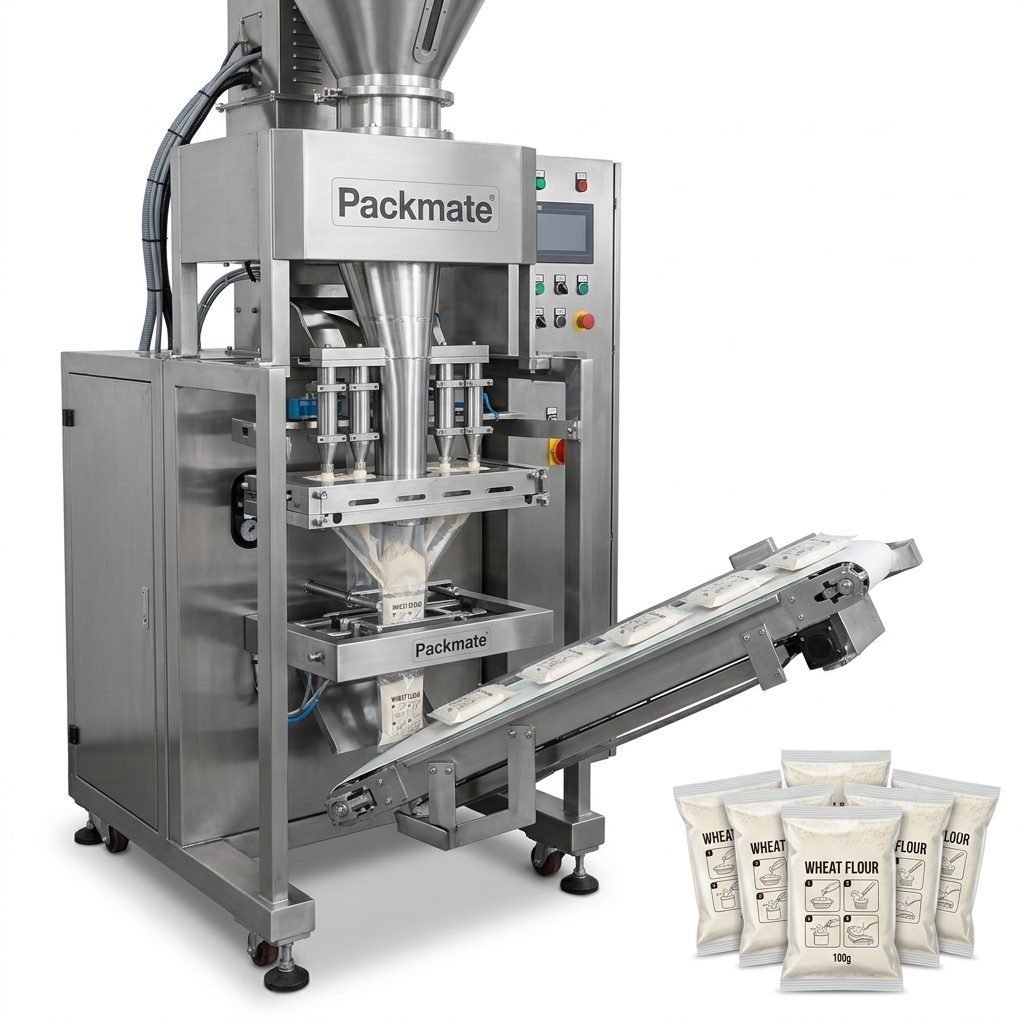
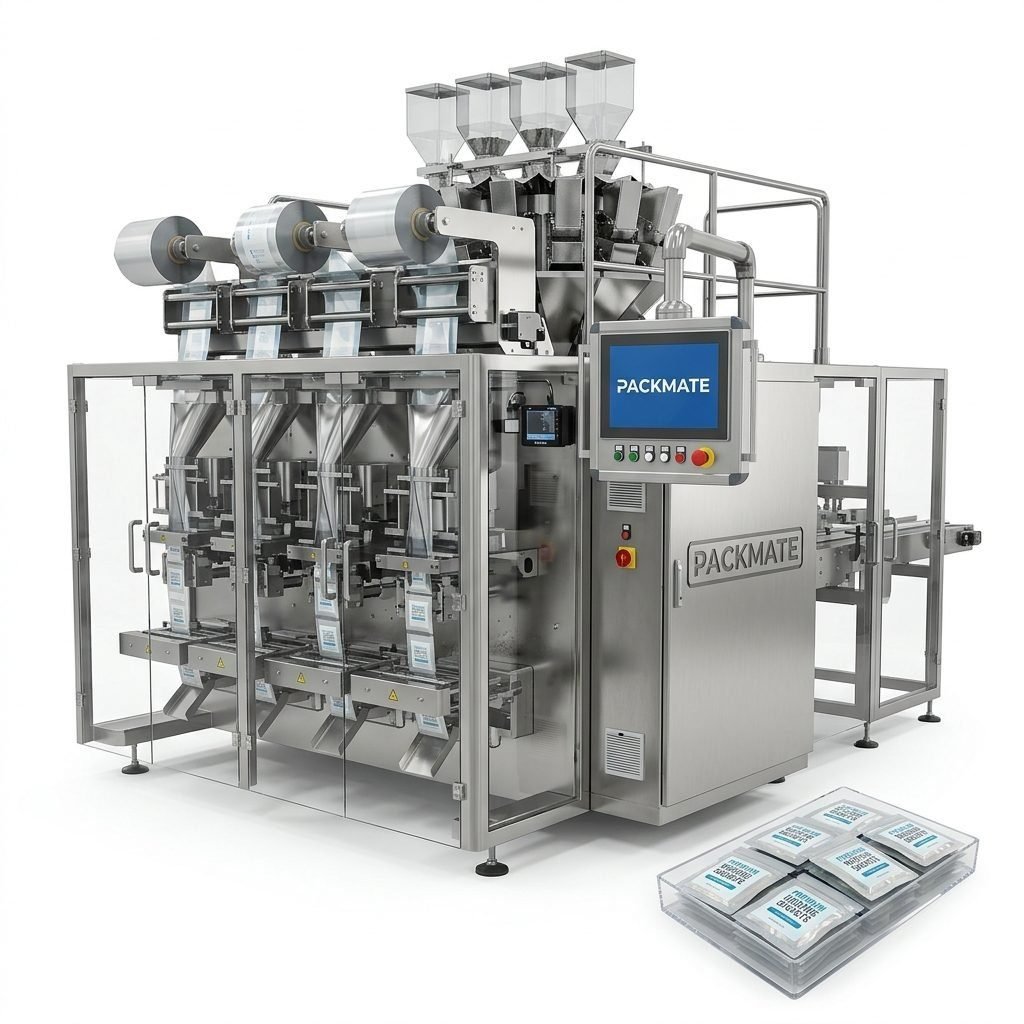
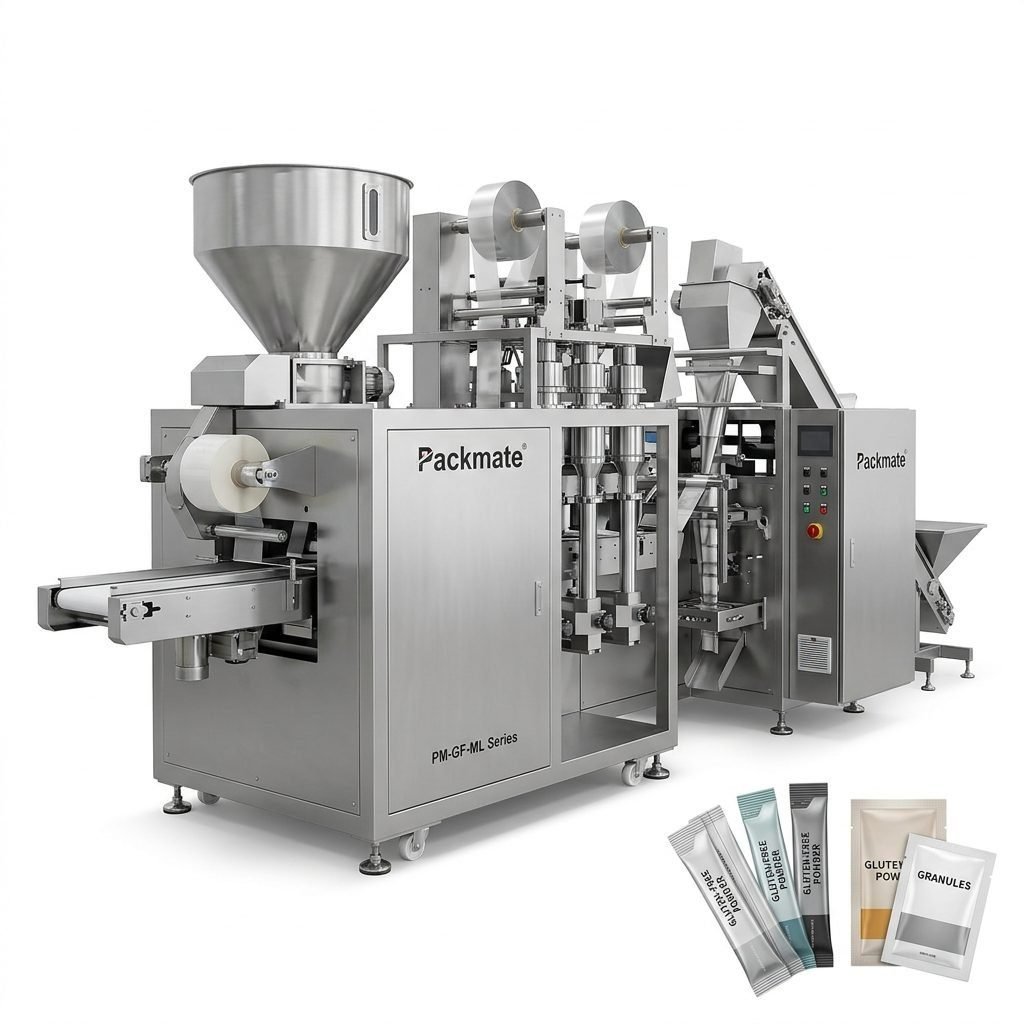
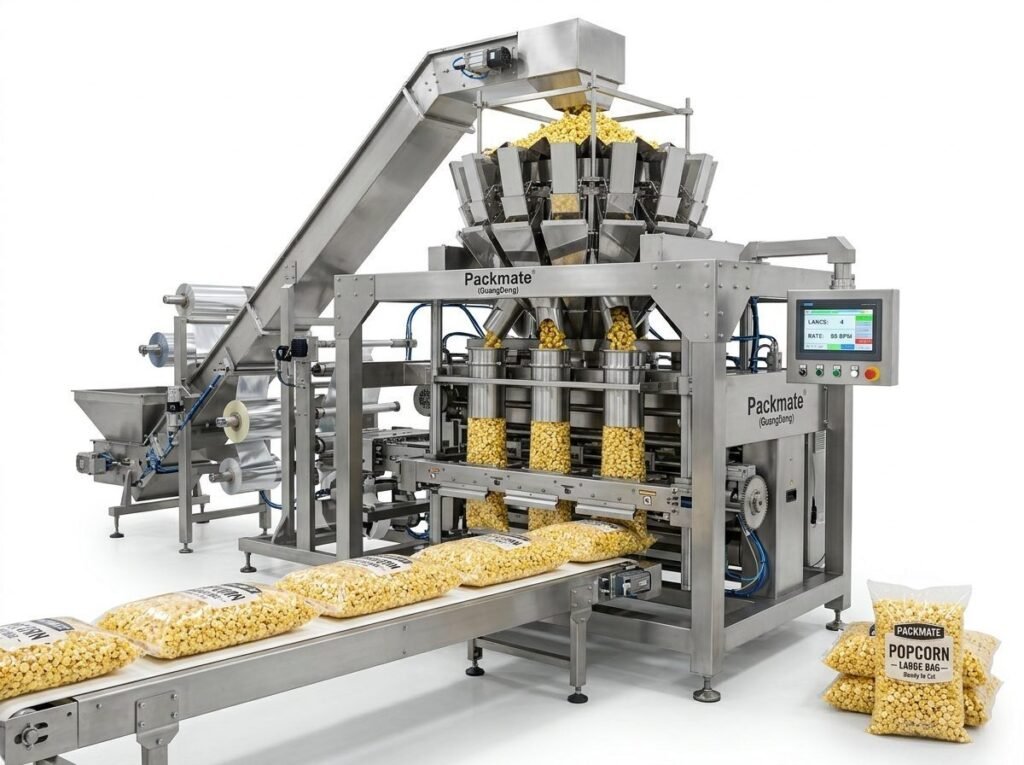
These are the workhorses for producing flexible pouches from a roll of film. They form the pouch, fill it with sauce, and seal it in one continuous operation. Modern VFFS machines for sauces often feature piston pump fillers or servo-driven auger fillers designed for viscous products. They are ideal for creating stand-up pouches, spouted pouches, or flat sachets for single-serve condiments. Their flexibility in pouch size and design makes them perfect for brands with diverse SKUs.
2. Pre-Made Pouch Fill & Seal Machines
For operations using pre-printed, pre-formed pouches, these machines excel. They automatically open the pouch, fill it with high accuracy using specialized sauce nozzles, and then seal it. This method is superb for maintaining exceptional graphic quality on the packaging, as the pouches are printed flat before forming. They are often used for premium sauces, baby food, or products where brand imagery is paramount. You can explore robust options in our range of bag and pouch packaging machines.
3. Stick Pack Packaging Machines
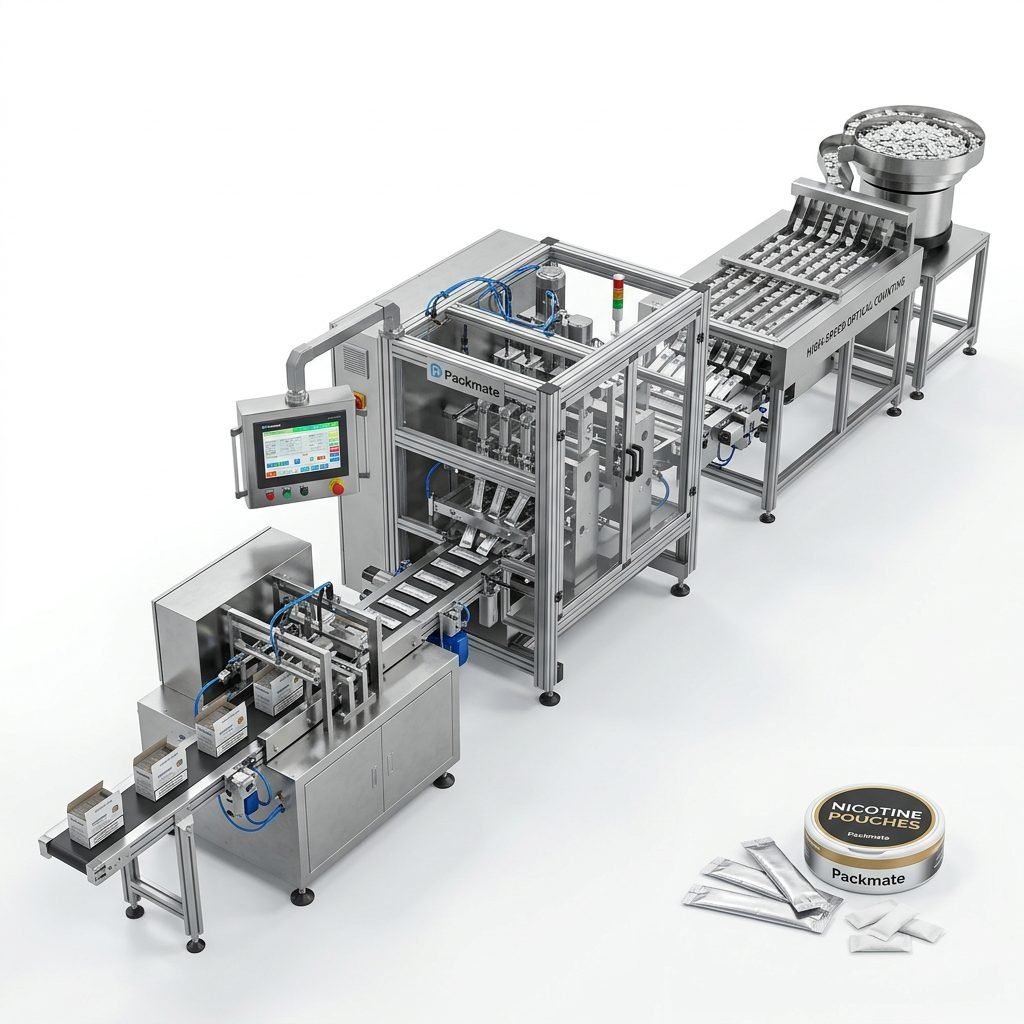
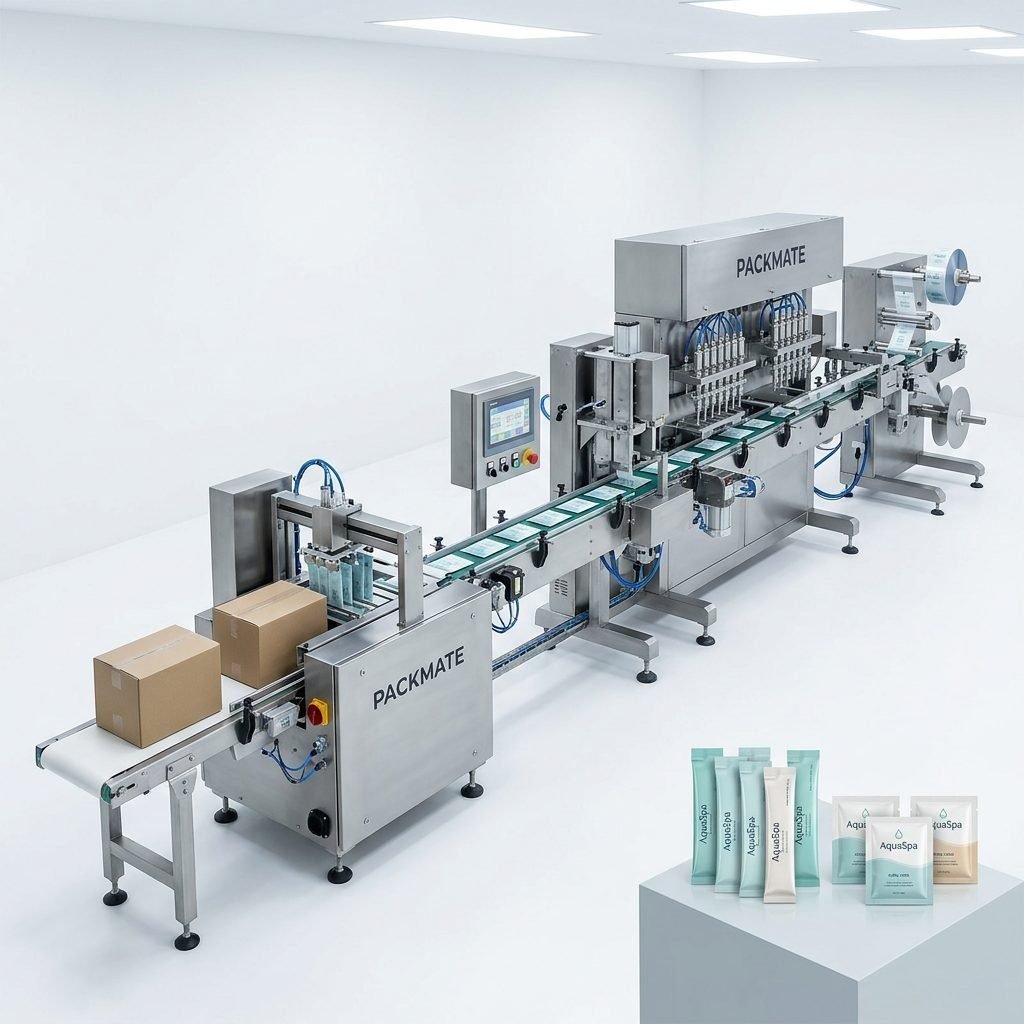
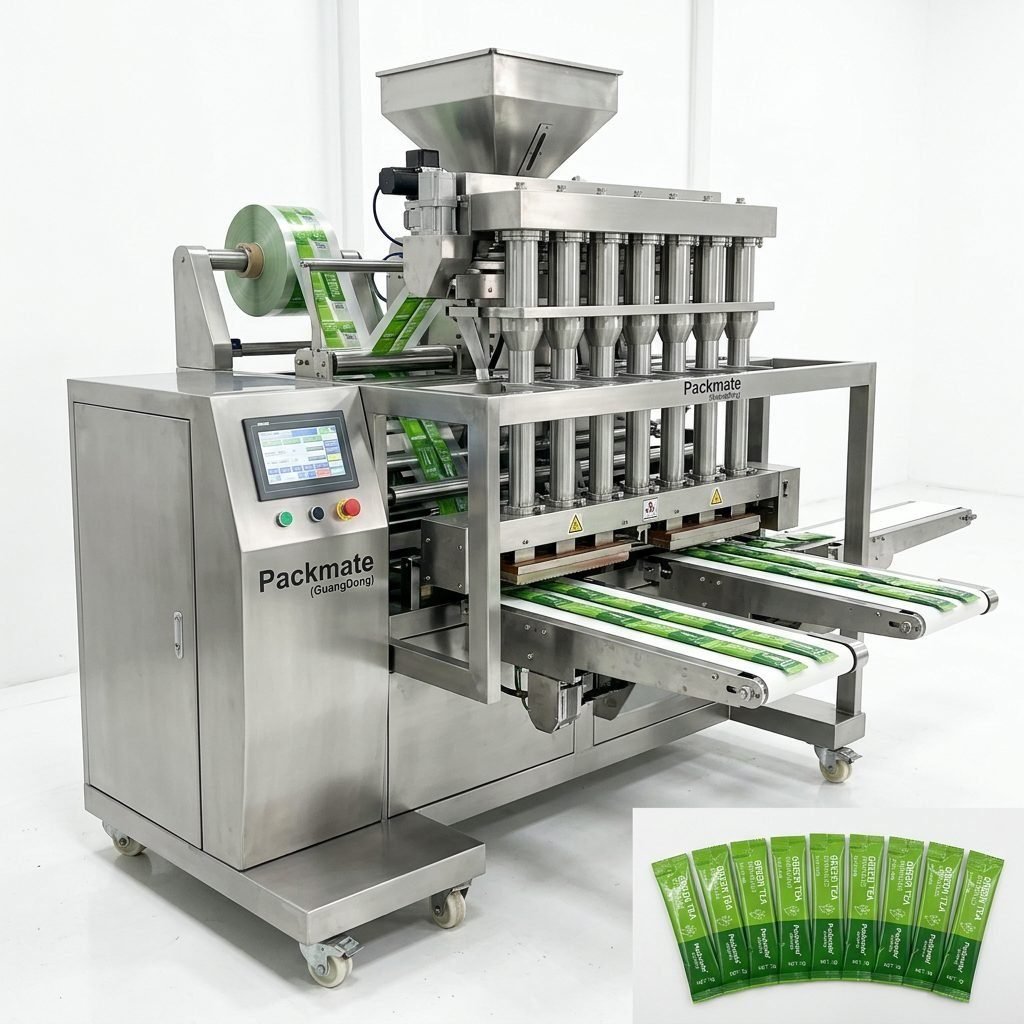
The demand for ultra-convenient, single-use portions has skyrocketed. Stick pack machines are engineered to create long, narrow packets perfect for liquid sauces, dressings, or powder mixes that become sauces (like gravy). Multi-lane stick pack machines can produce dozens of sticks per minute, offering incredible space efficiency and portion control. They are a game-changer for foodservice, takeaway kits, and promotional samples. Discover high-speed solutions in our sachet and stick pack machines category.
4. Liquid Filling Machines for Bottles & Jars
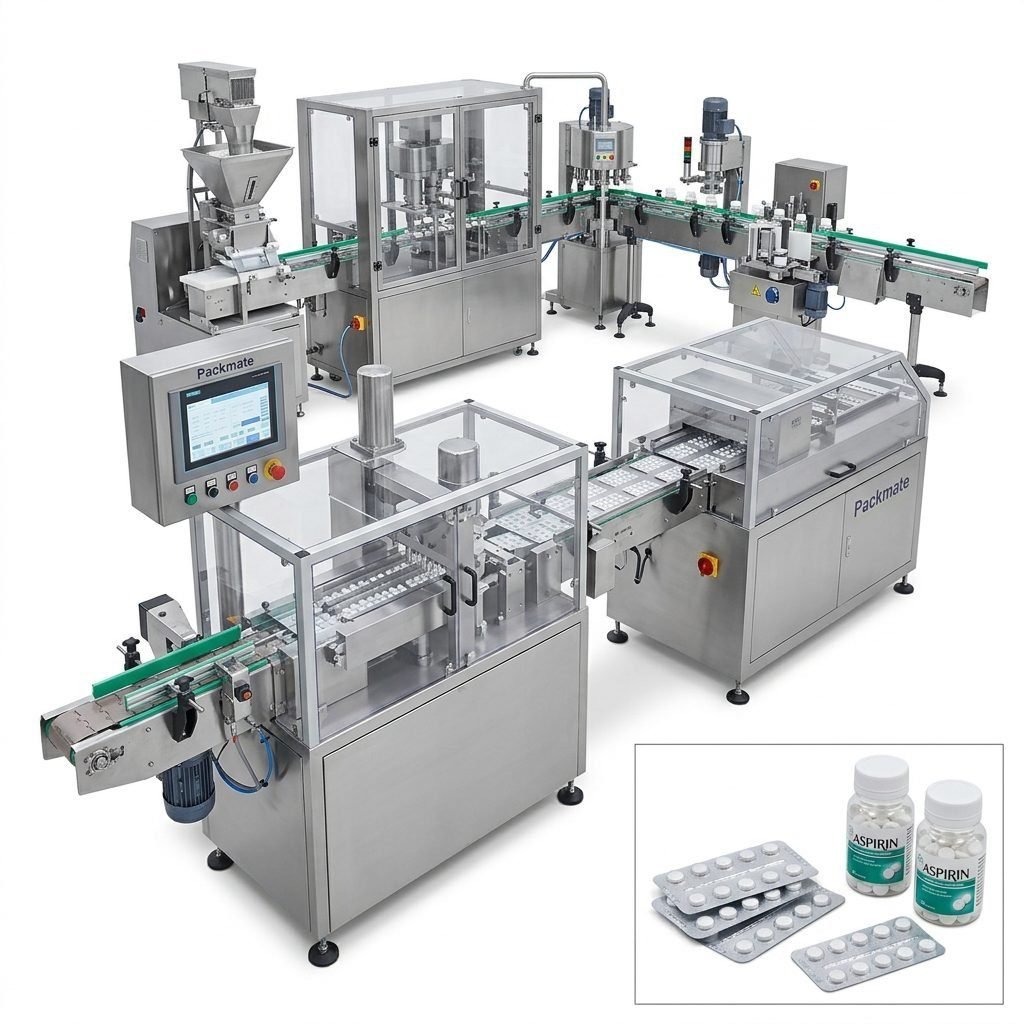
For traditional bottling lines, automatic liquid fillers are essential. These include gravity fillers for thin sauces, piston fillers for precise volumetric filling of viscous products (like ketchup or mustard), and vacuum fillers for foamy liquids. They are integrated with capping and labeling machines to form a complete turnkey bottling line. The choice of filler depends entirely on the sauce’s physical properties and the required fill speed.
Choosing the Right Filling Technology: A Quick Guide
Piston Filling: Best for thick, viscous, or chunky sauces (e.g., pasta sauce, chutney). Offers excellent accuracy and handles particulates well.
Gravity/Pressure Gravity Filling: Ideal for thin, free-flowing liquids (e.g., vinegar, light soy sauce). Simple, fast, and easy to clean.
Pump Filling: Versatile for a wide range of viscosities. Often used in conjunction with VFFS machines for pouch filling.
Auger Filling: Typically for thick pastes or semi-solids (e.g., some mayonnaise, concentrated pastes). Provides consistent dosing.
Features That Define Efficiency in Sauce Packaging
Beyond the machine type, specific features directly impact the efficiency and reliability of your production line.
Precision Filling Systems: Look for machines with servo-driven fillers that offer repeatable accuracy within ±0.5-1%. This reduces product giveaway—a significant cost savings over time.
Quick-Changeover Capabilities: For lines running multiple products or pouch sizes, tool-less or quick-release mechanisms for forming collars, fill nozzles, and sealing jaws can slash downtime from hours to minutes.
Advanced Sealing Technology: Consistent, strong seals are non-negotiable to prevent leaks. Look for machines with precise temperature control, dual sealing wires, or cool seal options for sensitive films.
Hygienic & Easy-Clean Design (CIP/SIP): Machines with stainless steel construction, rounded corners, minimal crevices, and sometimes Clean-in-Place (CIP) capabilities drastically reduce cleaning time and improve food safety compliance.
Smart Integration & IoT Connectivity: Modern machines offer PLC controls with touchscreen HMIs, recipe storage, production data tracking, and potential for integration into factory-wide monitoring systems for predictive maintenance and OEE (Overall Equipment Effectiveness) analysis.
Integrating Machines into a Cohesive Production Line
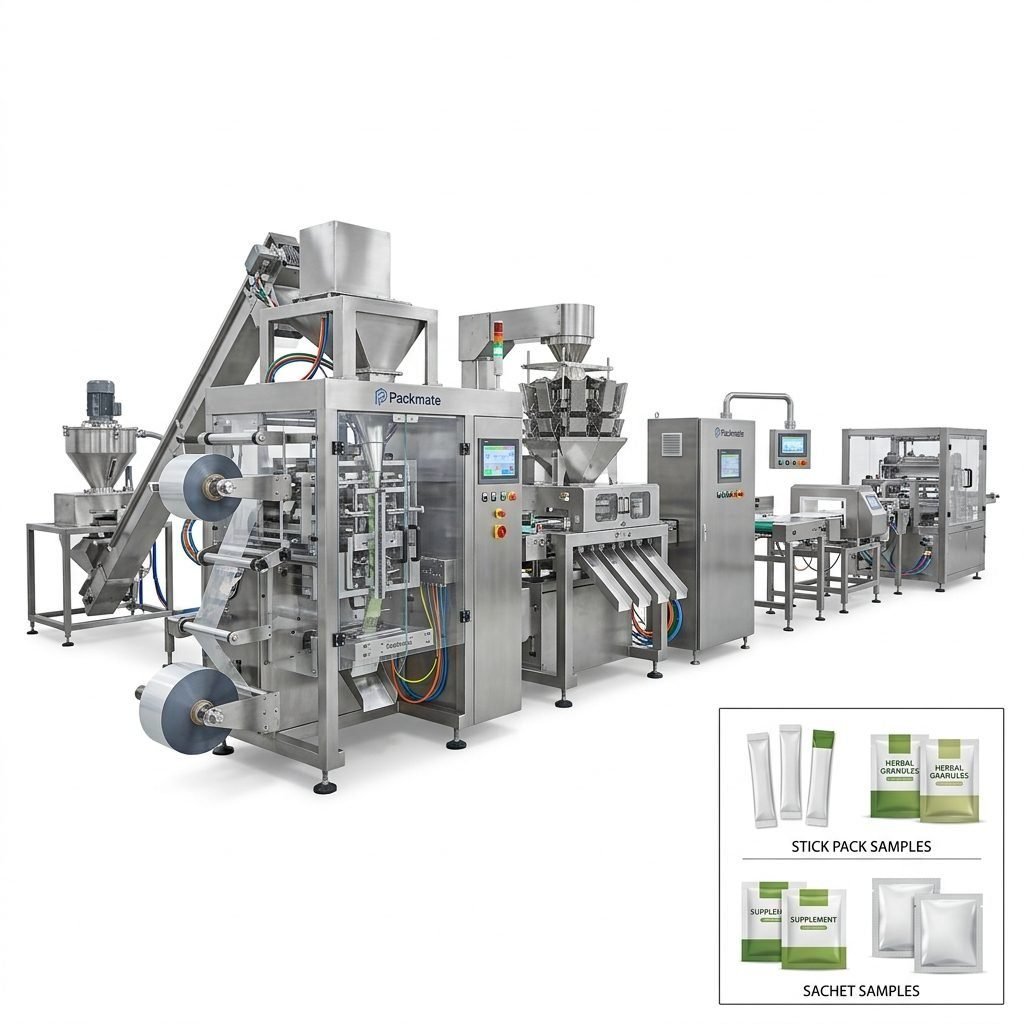
A top-tier sauce packaging machine is only as good as the line it’s in. True efficiency comes from seamless integration. This often involves combining the primary packaging machine with auxiliary equipment.
- Upstream: Product supply systems (pumps, hoppers), multi-head weighers for dry components in wet sauces, and de-aeration systems for products prone to foaming.
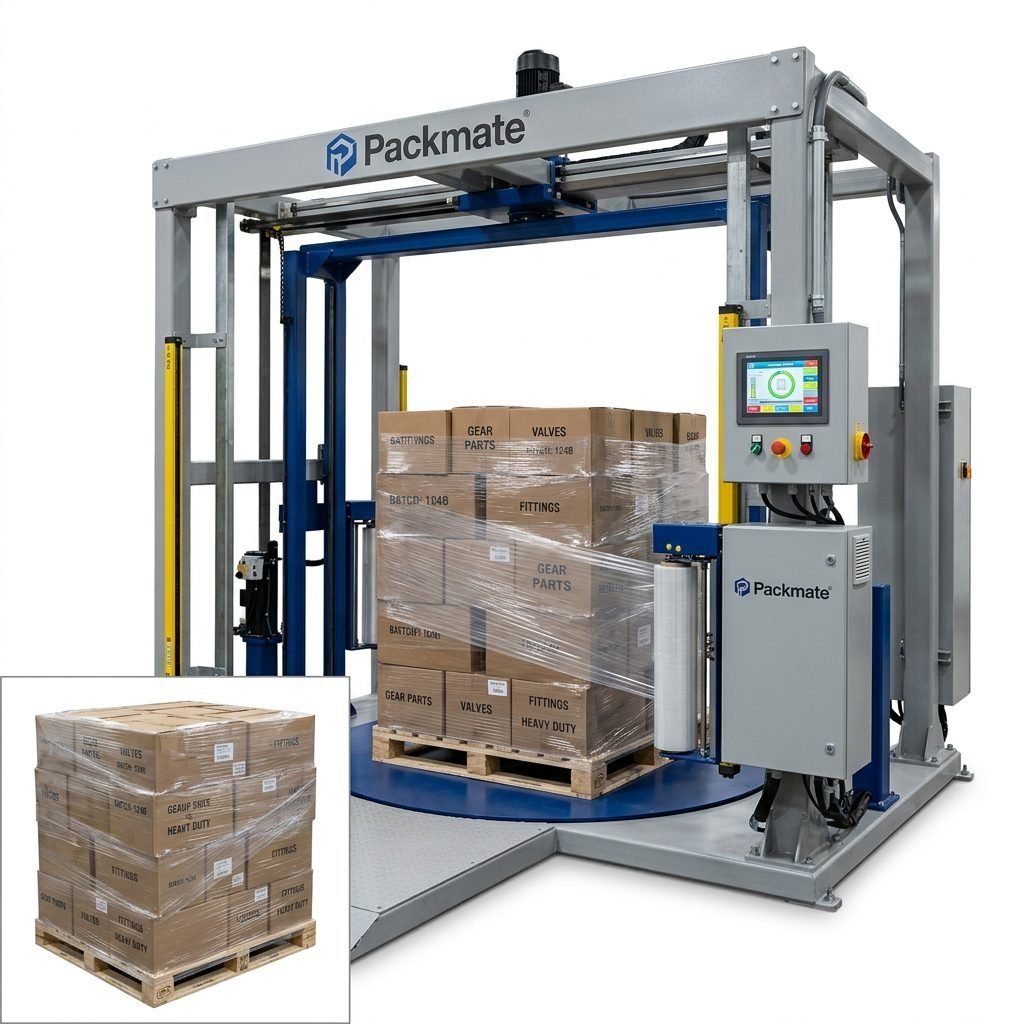
- Downstream: Checkweighers to ensure fill accuracy, metal detectors for safety, coders for batch/date marking, cartoners, and case packers.
A trusted manufacturer like Packmate Machinery, with over 30 years of expertise and a 20,000㎡ modern facility, doesn’t just sell machines; it provides complete turnkey packaging solutions. This holistic approach ensures all components communicate flawlessly, eliminating bottlenecks and maximizing throughput from raw ingredient to shipped case.
Conclusion: Investing in Peak Performance
Selecting the top sauce packaging machines is a multifaceted decision that balances product characteristics, desired package format, required output, and long-term operational goals. The most efficient production lines are built on equipment that delivers precision, flexibility, hygiene, and connectivity. By partnering with an experienced manufacturer who understands the intricacies of sauce packaging—from the challenges of handling particulates to the demands of high-speed stick pack production—you secure more than a machine. You gain a reliable partner in driving your brand’s growth, ensuring every bottle, pouch, or stick that leaves your line is a testament to quality and efficiency.
Frequently Asked Questions (FAQs)
1. What is the most important factor when choosing a sauce packaging machine?
The viscosity and composition of your sauce is the primary deciding factor. A machine perfect for thin vinegar will struggle with chunky salsa. Always provide a detailed product sample to the machine supplier for testing to ensure compatibility and accuracy.
2. How can I minimize product waste and “giveaway” during filling?
Invest in machines with high-precision, servo-driven filling systems. These offer superior volumetric control compared to older pneumatic systems. Additionally, integrating a checkweigher downstream can provide feedback for automatic filler adjustment, further optimizing accuracy over long runs.
3. Are these machines difficult to clean and maintain for food safety?
Modern machines are designed with hygiene as a priority. Look for features like stainless steel construction, quick-disconnect parts, tool-less access panels, and CIP options. A good supplier will provide comprehensive training and clear cleaning protocols to ensure your team can maintain strict food safety standards efficiently.
4. Can one machine handle different sauce products and package sizes?
Yes, many machines offer quick-changeover capabilities. This allows you to switch between different products or pouch/bottle sizes with minimal downtime (often in 15-30 minutes). Discuss your full product range with the manufacturer to ensure the machine’s flexibility meets your needs.
5. What kind of after-sales support should I expect?
Reliable support is crucial. Expect comprehensive services including installation supervision, operator and maintenance training, readily available spare parts, and technical support (remote and on-site). A manufacturer with a strong global presence, like Packmate, is better equipped to provide timely support wherever your facility is located.