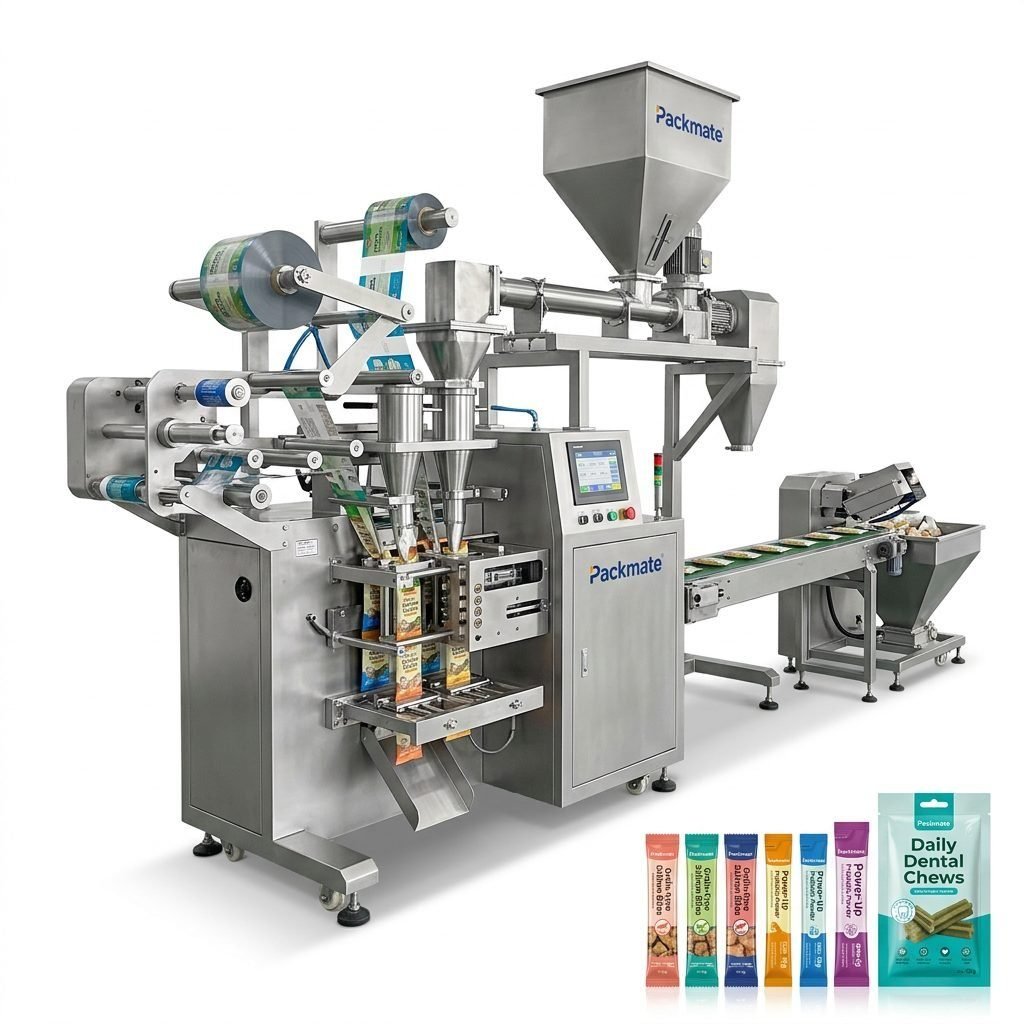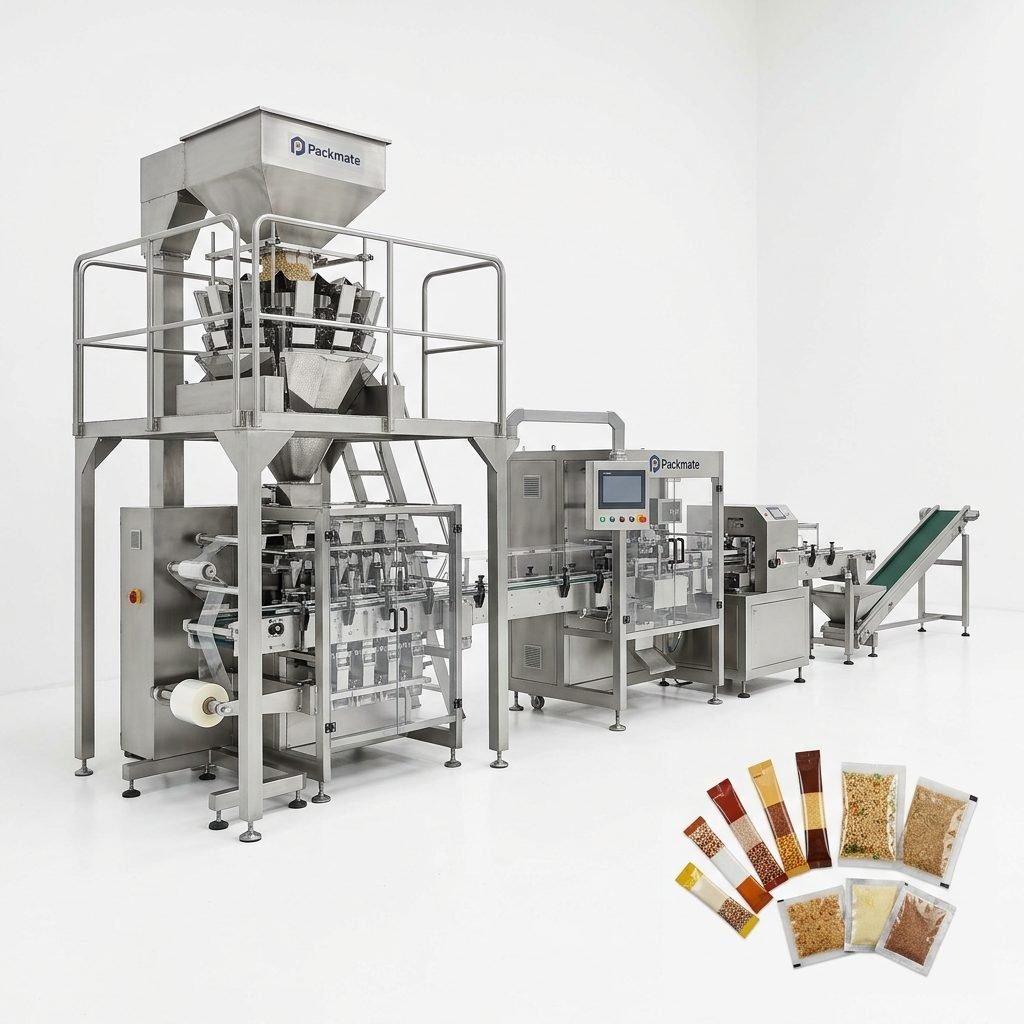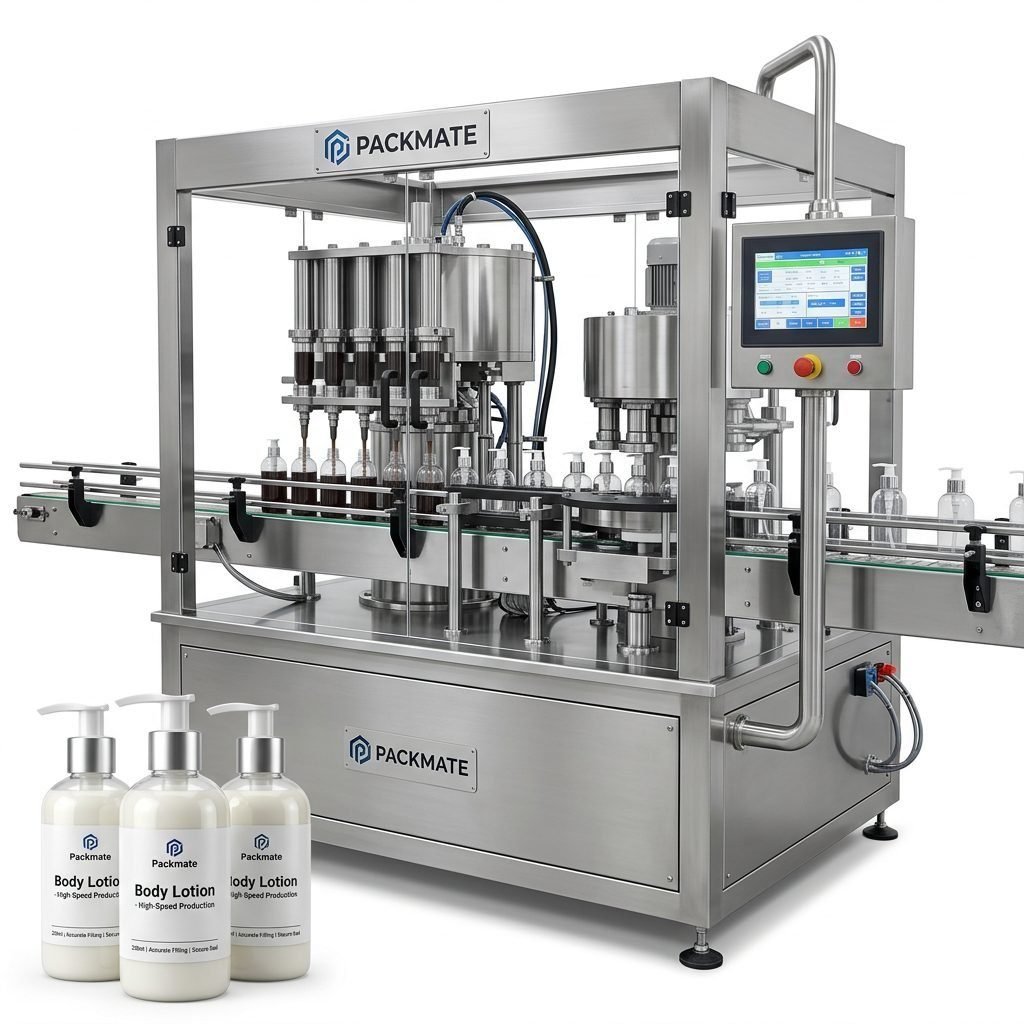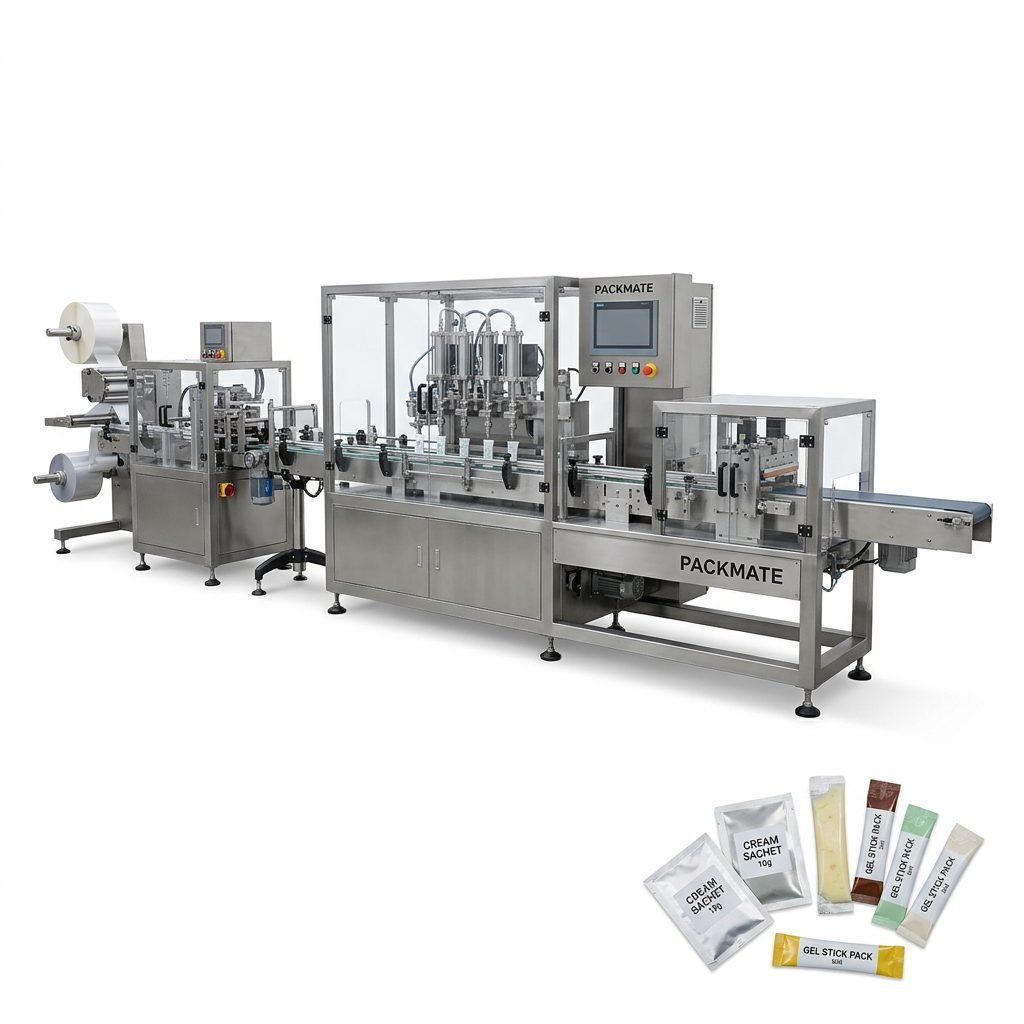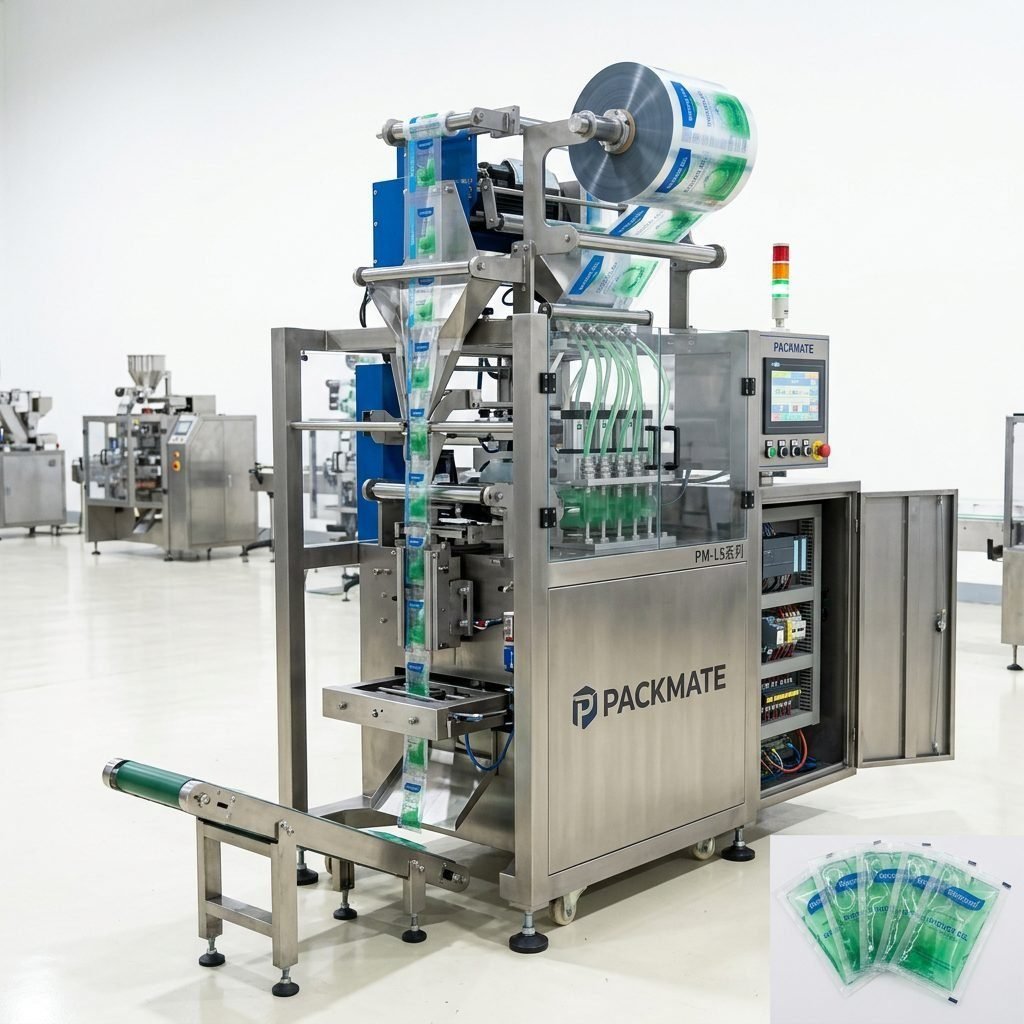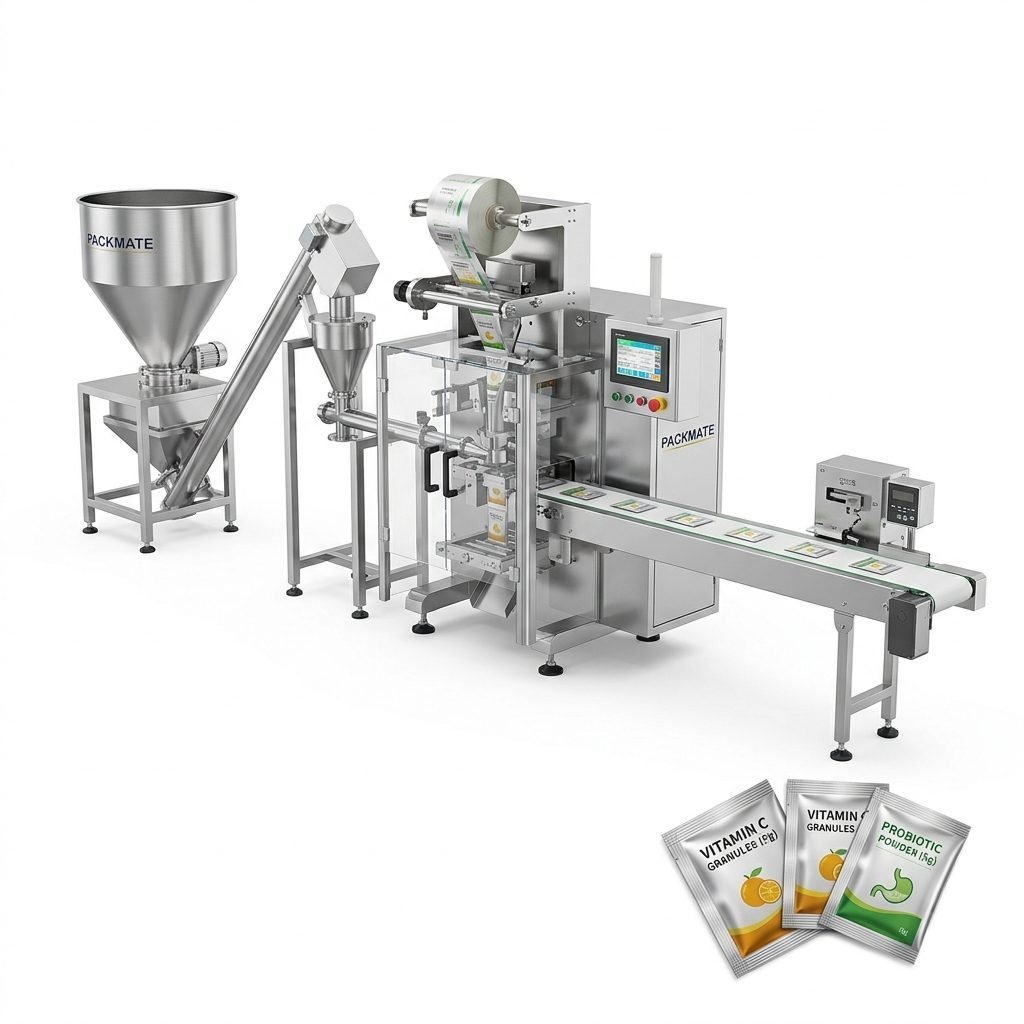
Sachet packaging machines have revolutionized the way products are portioned, protected, and presented. From single-serve condiments and pharmaceutical powders to health supplements and instant beverages, these versatile machines create small, sealed packets that are convenient for consumers and efficient for producers. Choosing the right machine is crucial for operational success, impacting speed, material usage, and final product quality.
Understanding Sachet Packaging Machines
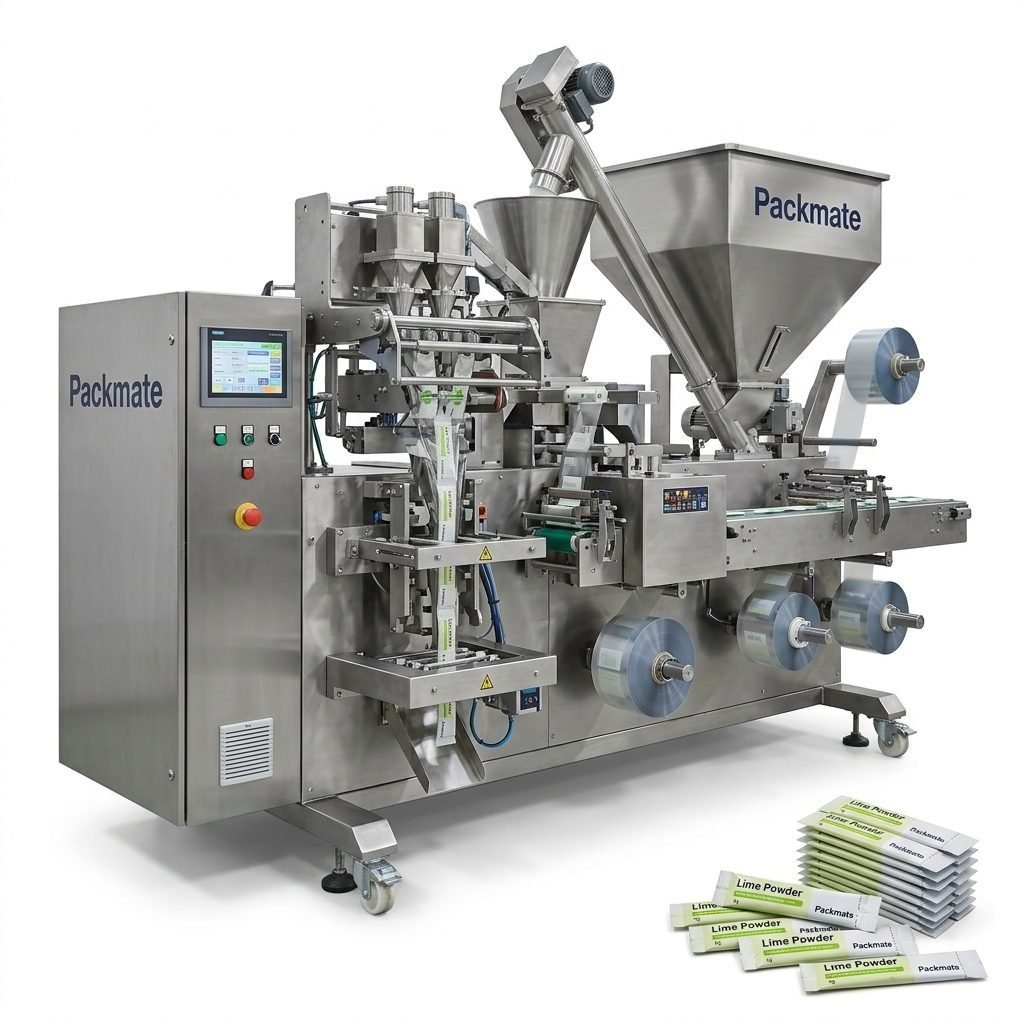
A sachet packaging machine is an automated system designed to form, fill, and seal individual packets from a roll of packaging film. The process is continuous and precise, ensuring each sachet contains the exact amount of product, whether it’s a powder, granule, liquid, or paste. This technology is fundamental for businesses looking to scale production while maintaining consistency and hygiene.
Core Function: The primary role of these machines is to automate the creation of small, sealed packets. This eliminates manual labor, drastically increases output, and minimizes product waste and contamination risks.
Key Components of a Standard Machine
While models vary, most sachet packaging machines share essential components:
- Film Unwinding System: Holds and feeds the roll of packaging material (like laminates or foil).
- Forming Shoulder: Shapes the flat film into a tube around the filling nozzle.
- Filling System: The heart of the machine. This can be a volumetric cup, auger filler for powders, or pump for liquids, ensuring accurate dosing.
- Sealing Jaws: Apply heat and pressure to create the longitudinal and cross-seals, forming individual sachets.
- Control Panel (HMI): The user interface for setting parameters like speed, temperature, and package length.
Main Types of Sachet Packaging Machines
Selecting the correct type depends on your product, required output, and budget. Here are the most common configurations.
Vertical Form-Fill-Seal (VFFS) Machines
These are the most prevalent type for sachets. The film travels vertically, forming a tube that is filled and then sealed horizontally and vertically. They are space-efficient, highly versatile for different sachet sizes, and ideal for medium to high-speed production. They are perfectly suited for granules, powders, and small solid items.
Horizontal Form-Fill-Seal (HFFS) Machines
In HFFS machines, the film moves horizontally. They are often used for more complex sachet shapes, multi-lane production (producing several sachets side-by-side simultaneously), and products that require precise placement, such as tea bags or wet wipes. This type excels in ultra-high-speed applications.
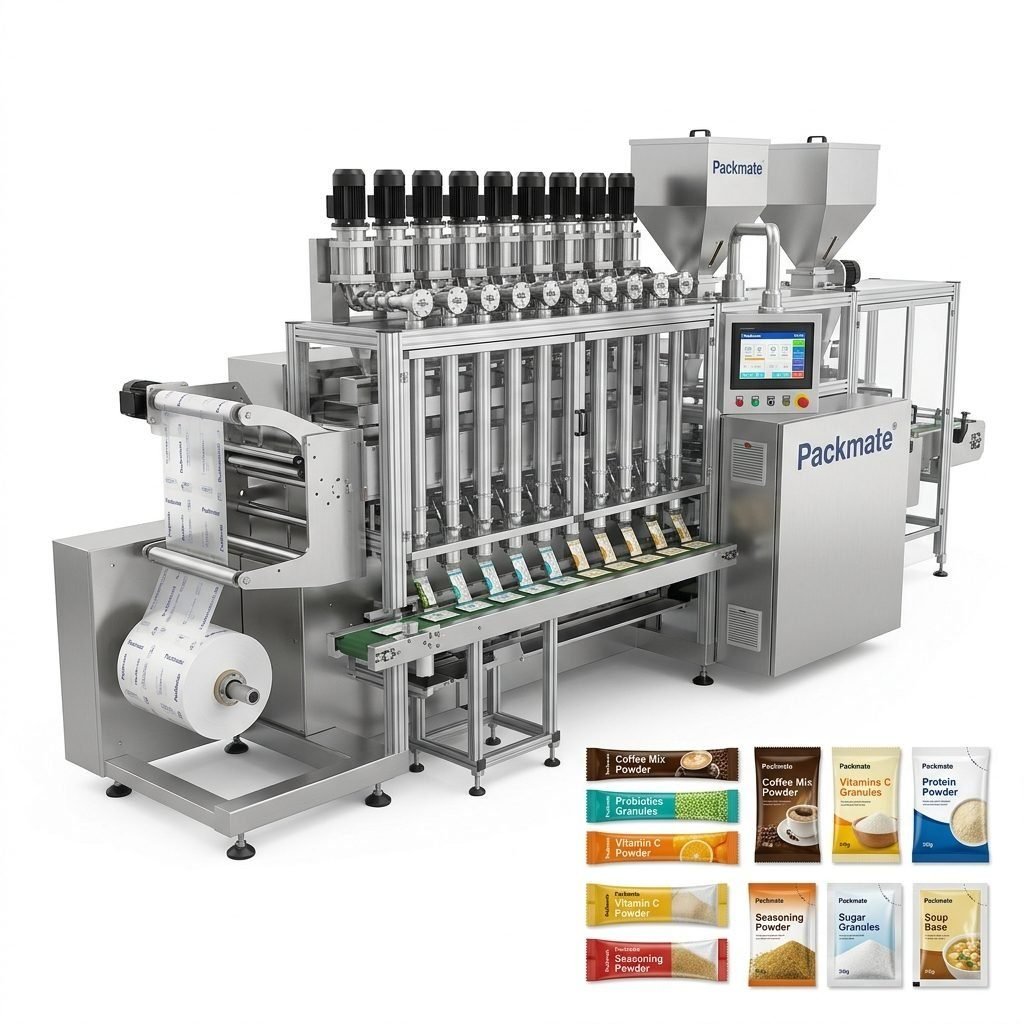
Stick Pack Machines
A subset of sachet machines, stick pack machines produce long, narrow, pencil-like packets. They are extremely popular for single-serve powders (like coffee, sugar, or protein shakes) and liquids (like energy shots or syrup) due to their sleek design and ease of tearing open. Modern multi-lane stick pack machines can achieve remarkable outputs.
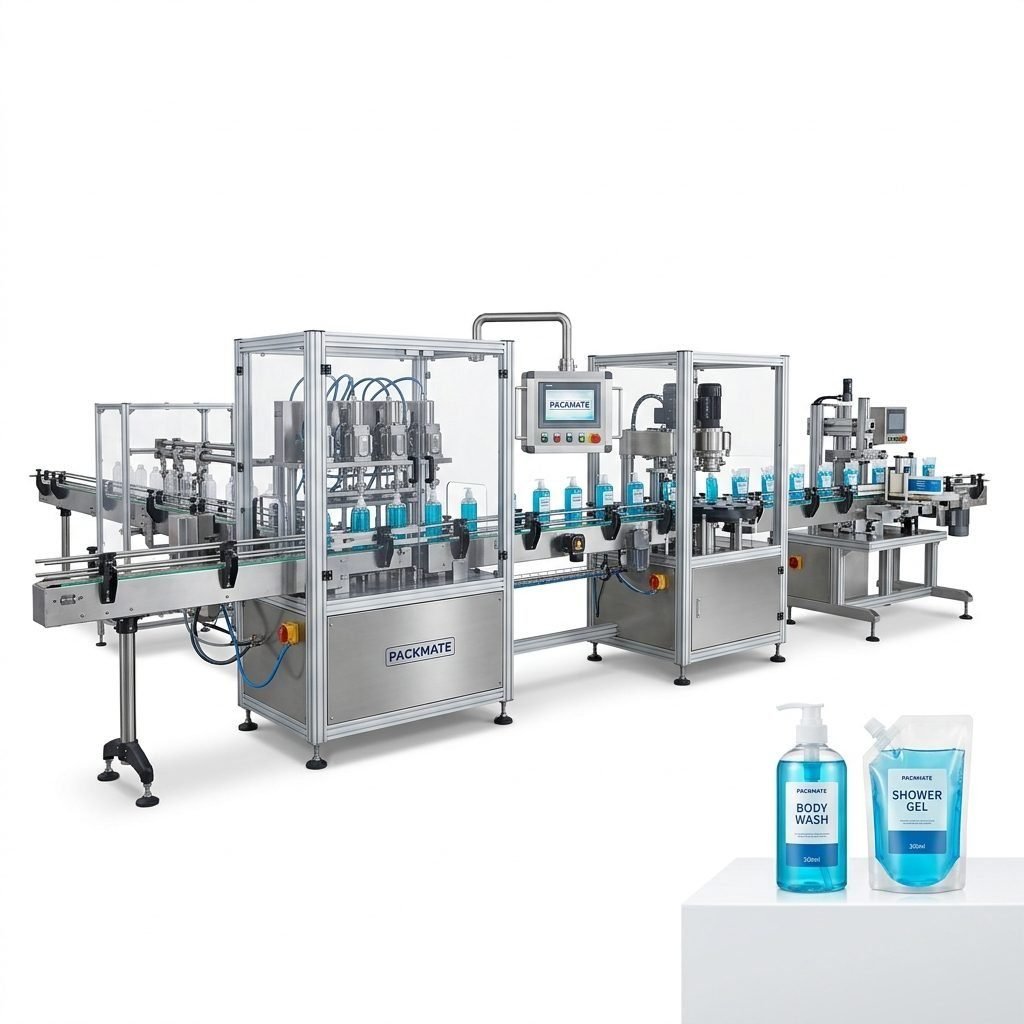
Liquid Sachet/Pouch Machines
Specifically engineered to handle free-flowing and viscous liquids (shampoo, ketchup, oils). These machines feature specialized filling systems like piston pumps or timed-flow fillers to ensure clean, drip-free filling and robust seals to prevent leakage.
Choosing Based on Product Form
- Powders & Granules: Best served by VFFS machines with auger fillers. Critical to prevent dust and ensure accuracy.
- Liquids: Require liquid-specific machines with pump fillers. Viscosity is a key factor in pump selection.
- Pastes & Creams: Need machines with positive displacement piston fillers to handle thick, non-free-flowing products.
Primary Uses and Industry Applications
The adaptability of sachet packaging makes it indispensable across numerous sectors.
Food & Beverage: The largest application area. Includes sugar, salt, pepper, instant coffee, creamer, ketchup, soy sauce, and salad dressings. Single-serve portions reduce waste and are essential for hospitality and takeaway services.
Pharmaceutical & Healthcare: Used for unit-dose powders (like pain relievers or antibiotics), rehydration salts, and medicated creams. Sachets ensure precise dosage, improve patient compliance, and extend product shelf life by blocking moisture and light.
Personal Care & Cosmetics: Shampoo, conditioner, lotion, and face cream samples are classic examples. Sachets are a cost-effective marketing tool and a hygienic way to distribute product samples.
Agrochemicals & Industrial: Packaging for fertilizers, pesticides, dyes, and lubricants in small, pre-measured doses enhances safety for handlers and ensures correct application.
Comprehensive Buying Guide: Key Considerations
Investing in a sachet packaging machine is a significant decision. Here is a structured guide to help you evaluate your options.
1. Define Your Product and Packaging Requirements
This is the foundational step. Clearly outline:
- Product Characteristics: Form (powder, liquid), density, flowability, abrasiveness, and any special handling needs (hygienic, aseptic).
- Sachet Specifications: Desired dimensions, film material (PET/AL/PE, CPP), and seal type (fin seal, pillow seal).
- Production Output: Required speed in sachets per minute (SPM). Consider both current needs and future growth.
2. Evaluate Machine Features and Technology
Look beyond the basic specs. Key features include:
- Filling Accuracy: The most critical performance metric. High-quality auger or servo-driven filling systems offer superior precision, saving product cost.
- Sealing Reliability: Consistent heat control and jaw alignment are vital to prevent leaks and ensure package integrity.
- Changeover Ease: How quickly and simply can you switch between different sachet sizes? Look for machines with tool-less or quick-change parts.
- Control System: A user-friendly Human-Machine Interface (HMI) with recipe storage, diagnostic alerts, and production data tracking is essential for modern operations.
3. Assess Build Quality and Supplier Support
The machine’s construction and the manufacturer’s service determine its lifespan and uptime.
- Construction Materials: Critical food-contact parts should be stainless steel (e.g., SS304 or SS316) for durability and compliance.
- Supplier Reputation & Experience: Choose an established manufacturer with a proven track record. Companies with deep expertise, like Packmate Machinery, bring valuable application knowledge. Their 22+ years of development and portfolio of over 50 machine models demonstrate a capacity to deliver reliable solutions.
- After-Sales Service: Ensure availability of installation, training, spare parts, and technical support. Global service networks are crucial for international clients.
The Importance of a Turnkey Solution
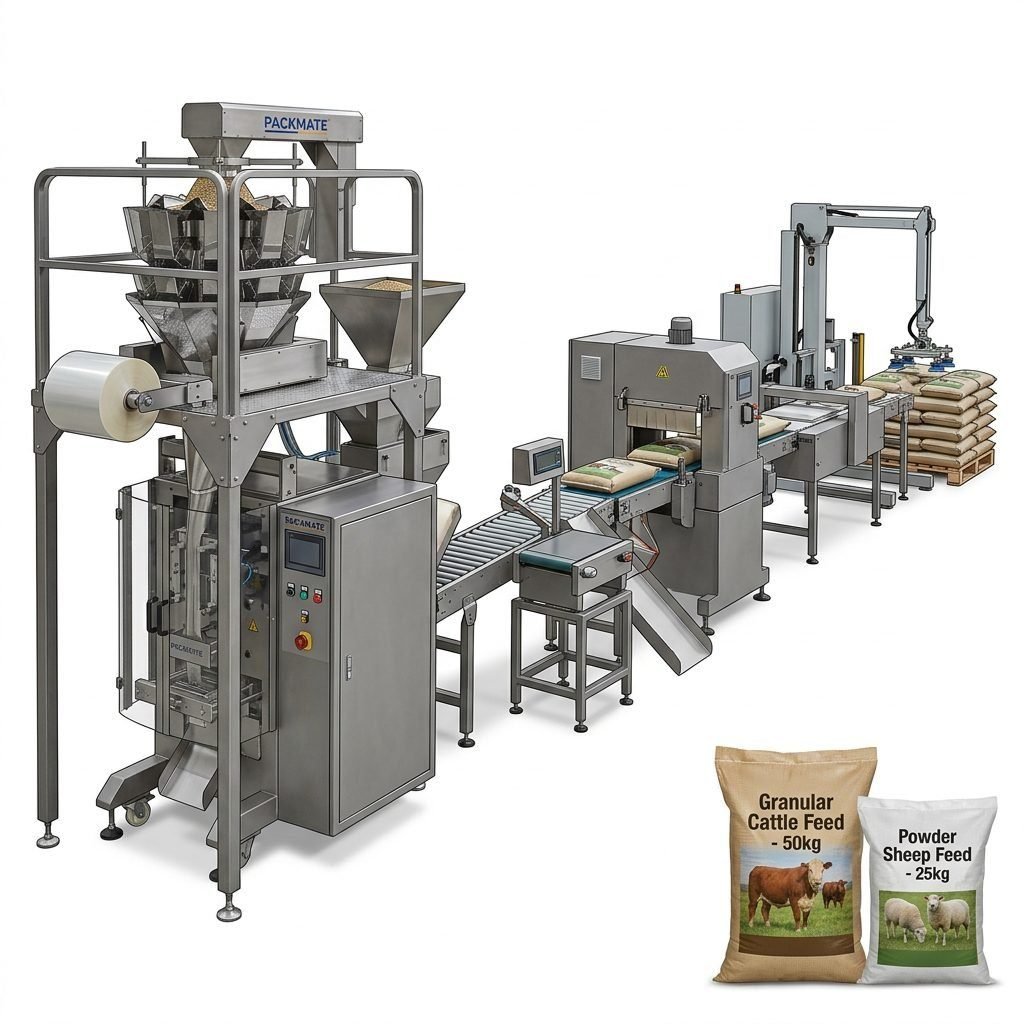
For a seamless operation, consider suppliers who offer more than just a standalone machine. A complete turnkey packaging solution includes upstream equipment (like mixers and conveyors) and downstream systems (like cartoners and case packers). This integrated approach, backed by a single point of responsibility, ensures compatibility, optimizes line efficiency, and reduces project risk.
4. Consider Total Cost of Ownership (TCO)
Look beyond the initial purchase price. TCO includes:
- Energy consumption and compressed air usage.
- Film waste during machine setup and operation.
- Maintenance costs and spare part availability.
- Potential cost of downtime due to machine failure.
A slightly higher initial investment in a robust, efficient machine from a reliable partner often leads to significantly lower TCO.
Frequently Asked Questions (FAQs)
Q1: What is the typical production speed of a sachet machine?
Speeds vary widely based on type and configuration. Single-lane VFFS machines may range from 60 to 120 sachets per minute (SPM), while multi-lane stick pack or HFFS machines can exceed 600 SPM. The required speed should be matched to your production volume.
Q2: Can one machine handle different products and sachet sizes?
Yes, most modern machines are designed for changeover. However, the ease and time required depend on the machine’s design. Machines with quick-change tooling and servo-driven adjustments allow for faster size changes, minimizing downtime.
Q3: How do I choose the right packaging film for my product?
The film must provide a barrier against moisture, oxygen, and light as needed by your product. Common structures include PET/AL/PE for excellent barriers or MET/PE for cost-effective moisture protection. Your machine supplier or a film converter can recommend the optimal material based on your product’s shelf-life requirements.
Q4: What kind of maintenance do these machines require?
Regular daily cleaning (especially for food/pharma products) and lubrication are essential. Periodic checks and replacement of wear parts like sealing jaws, cutting blades, and gaskets are needed. A detailed maintenance schedule should be provided by the manufacturer.
Q5: Why is supplier experience as important as the machine itself?
An experienced supplier like Packmate Machinery doesn’t just sell a machine; they provide application engineering, ensuring the machine is correctly specified for your product. They also offer reliable technical support, spare parts, and process knowledge that is critical for long-term, trouble-free operation and maximizing your return on investment.