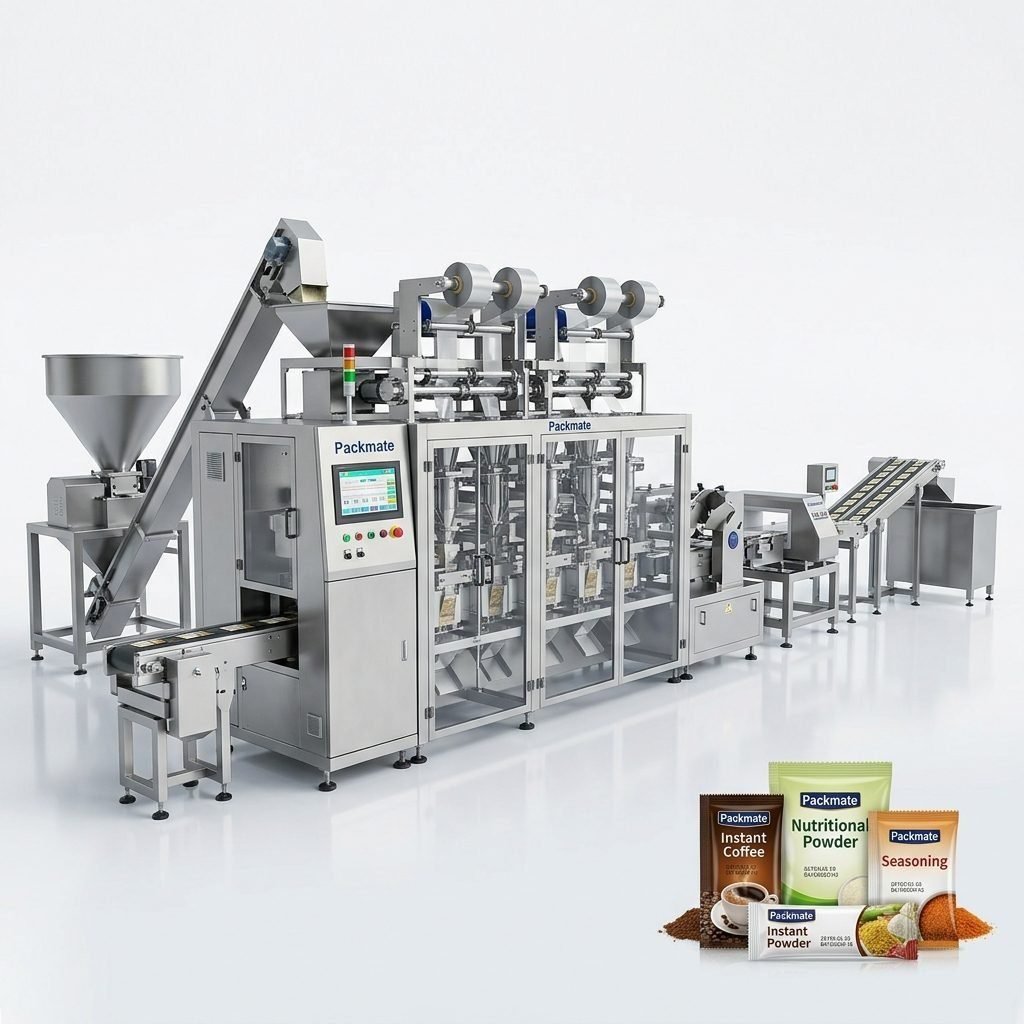
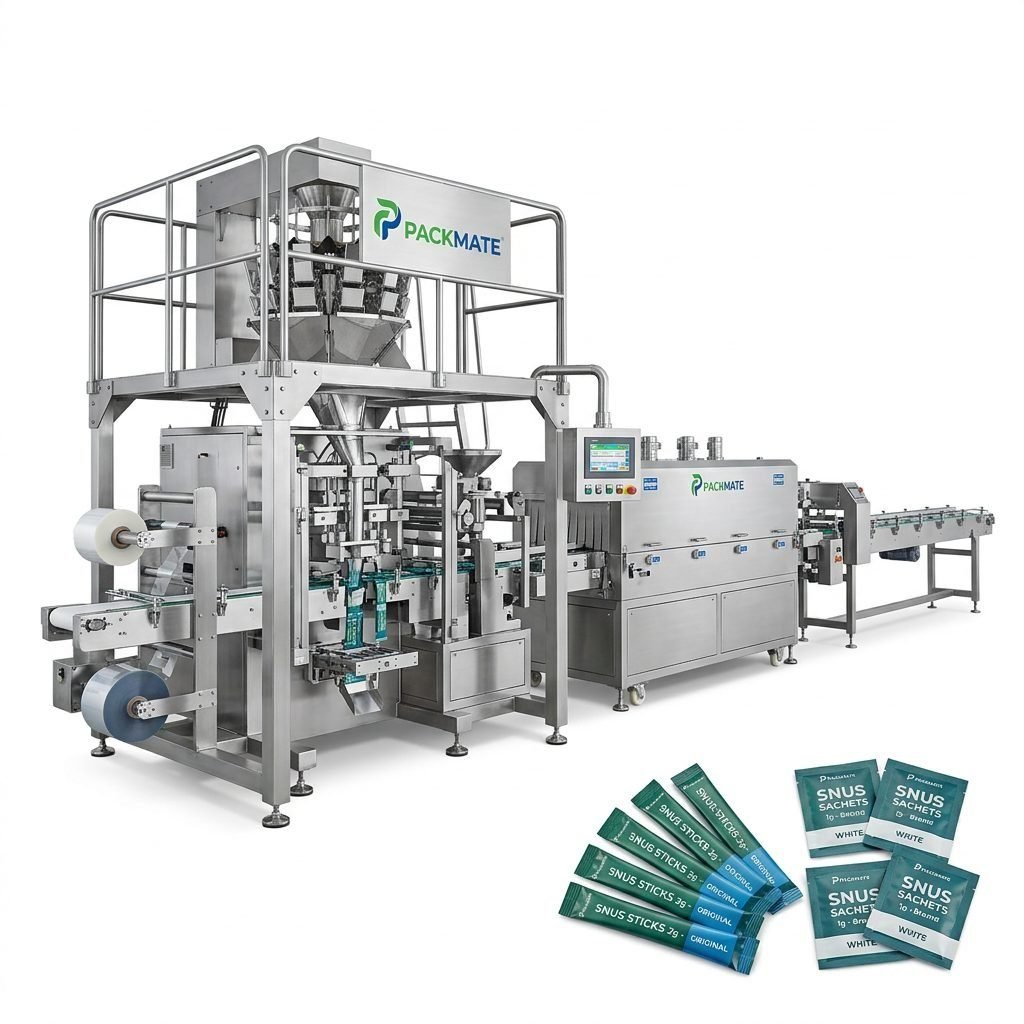
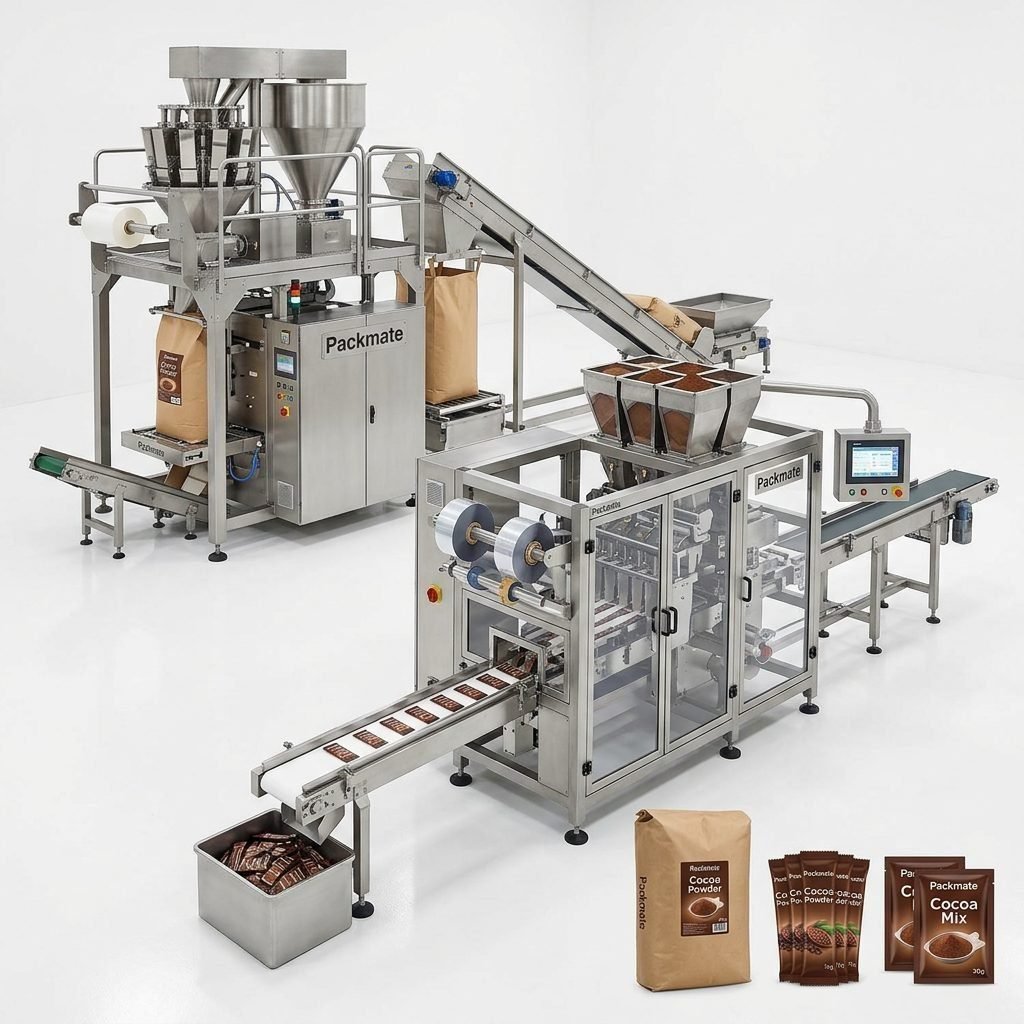
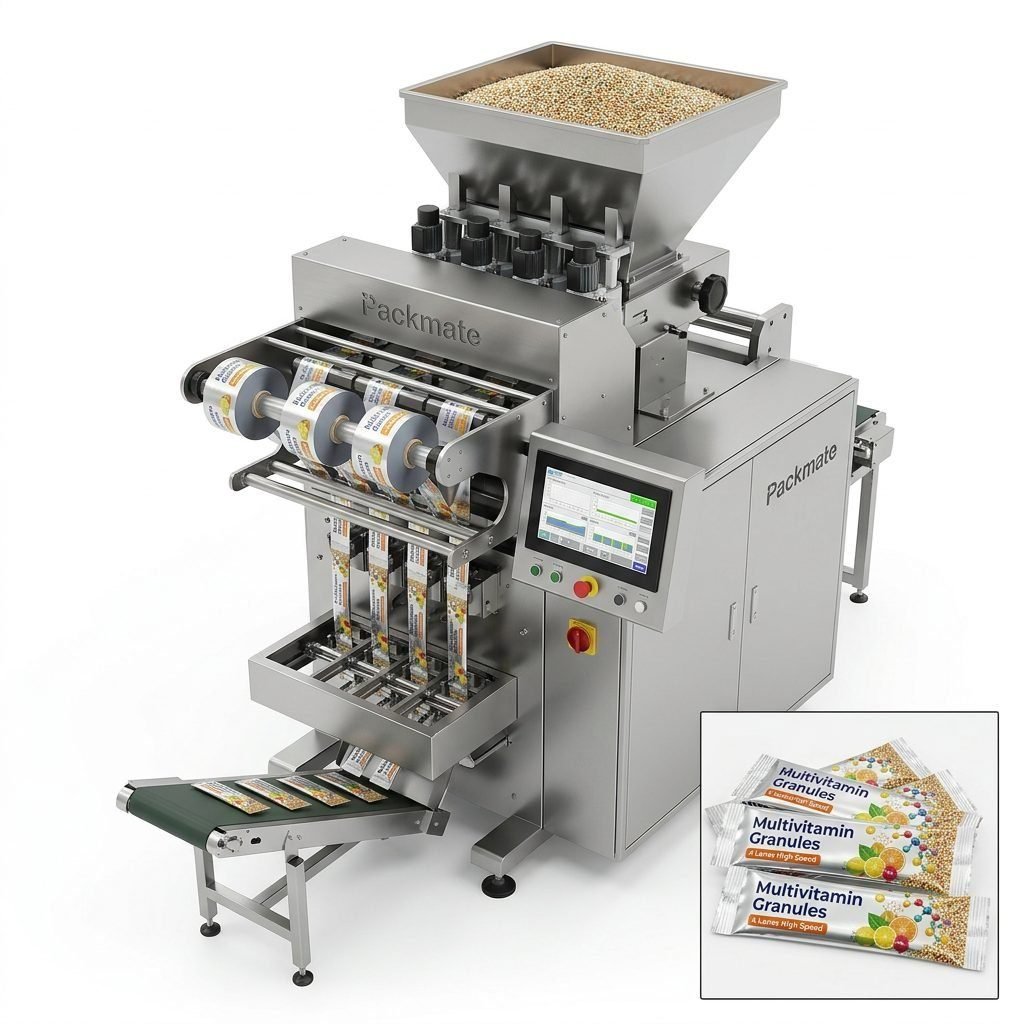
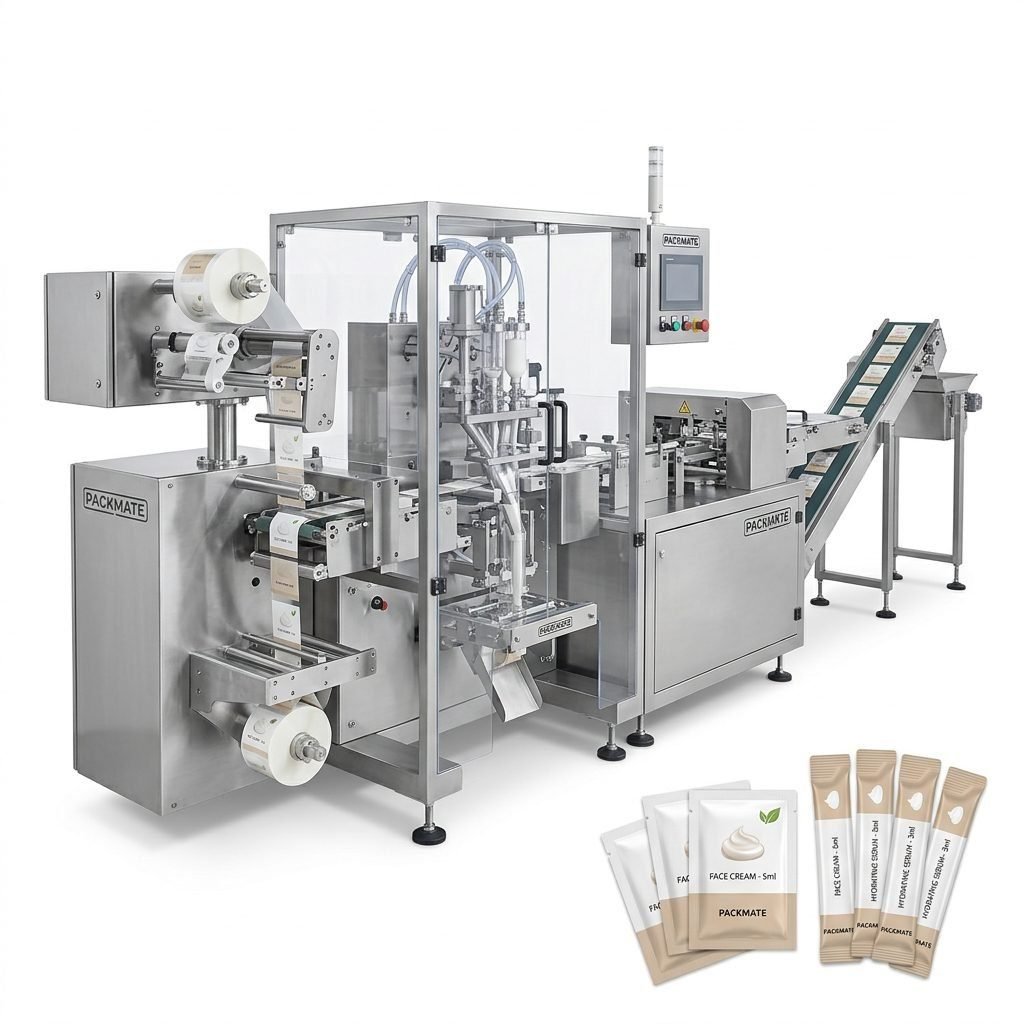
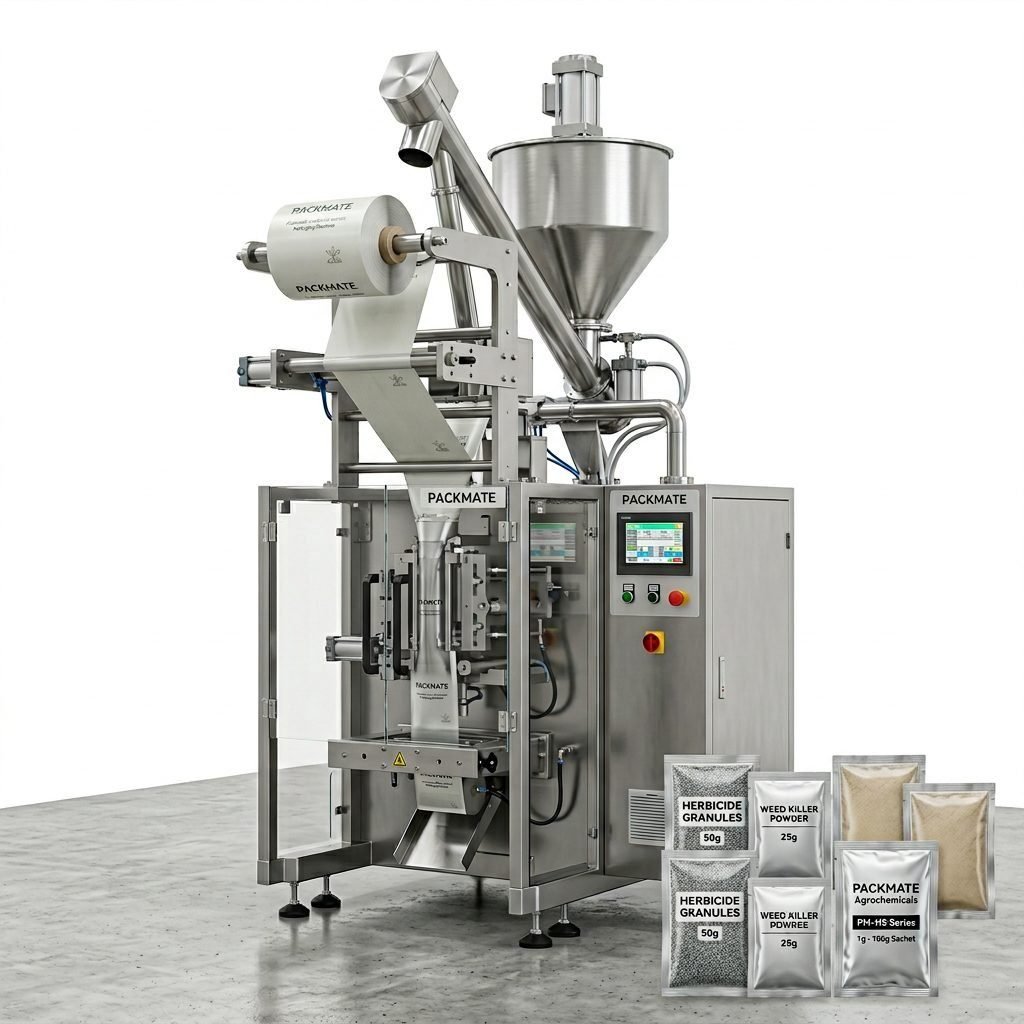
In the dynamic world of modern manufacturing, efficiency and precision are paramount. For industries handling powders, granules, and liquids, the choice of packaging equipment can define operational success. Spout packaging, a specialized method for creating pouches with a resealable pouring spout, has become a critical solution for products requiring controlled dispensing, enhanced shelf appeal, and user convenience. This guide delves into the world of top spout packaging equipment, exploring the technology, benefits, and key considerations for selecting the most efficient solutions for your production line.
Understanding Spout Packaging Technology
Spout packaging involves integrating a plastic spout, often with a screw cap or flip-top closure, into a flexible pouch during the form-fill-seal (FFS) process. This technology is widely used for liquid foods, detergents, motor oils, agricultural chemicals, and health supplements. The equipment must precisely handle multiple components: the roll stock film, the pre-made spouts, and the filling material. Advanced machines achieve this through synchronized servo motors, precision vision systems for spout placement, and robust sealing mechanisms that ensure a leak-proof, durable package.
The core advantage of automated spout packaging lies in its ability to combine the convenience of rigid bottles with the cost and storage efficiency of flexible pouches. This hybrid packaging reduces material usage, lowers shipping costs due to lighter weight, and offers superior branding space. For manufacturers, the right equipment translates to higher speeds, reduced waste, and consistent package integrity.
Key Components of a Spout Packaging Line
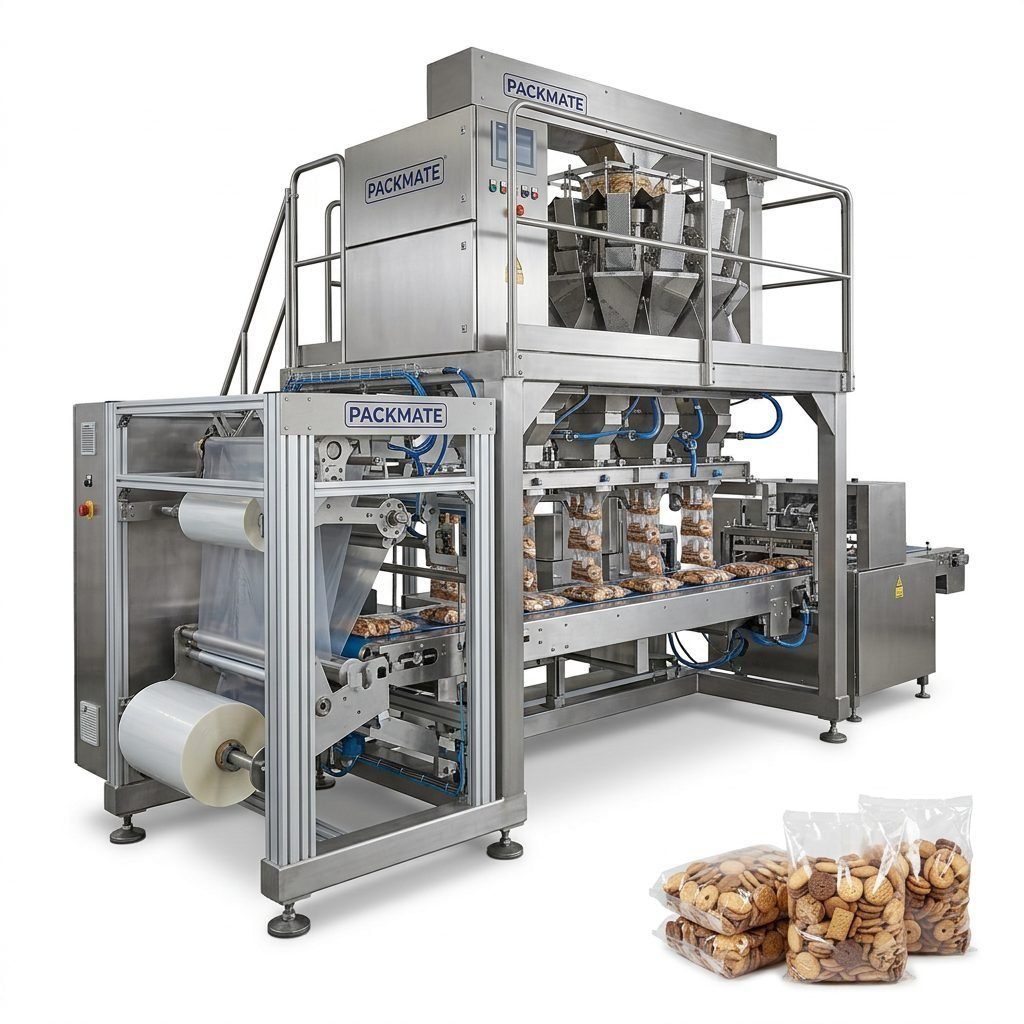
A complete spout packaging solution is more than just a single machine; it’s an integrated system. The primary unit is the vertical form-fill-seal (VFFS) machine with a spout attachment. This machine forms the pouch from a roll of laminated film, precisely inserts the spout into the film web before the final sealing, fills the product, and then seals the pouch top. Supporting this core unit are several auxiliary systems:
- Spout Feeder & Orienter: Automatically supplies and correctly positions spouts for insertion.
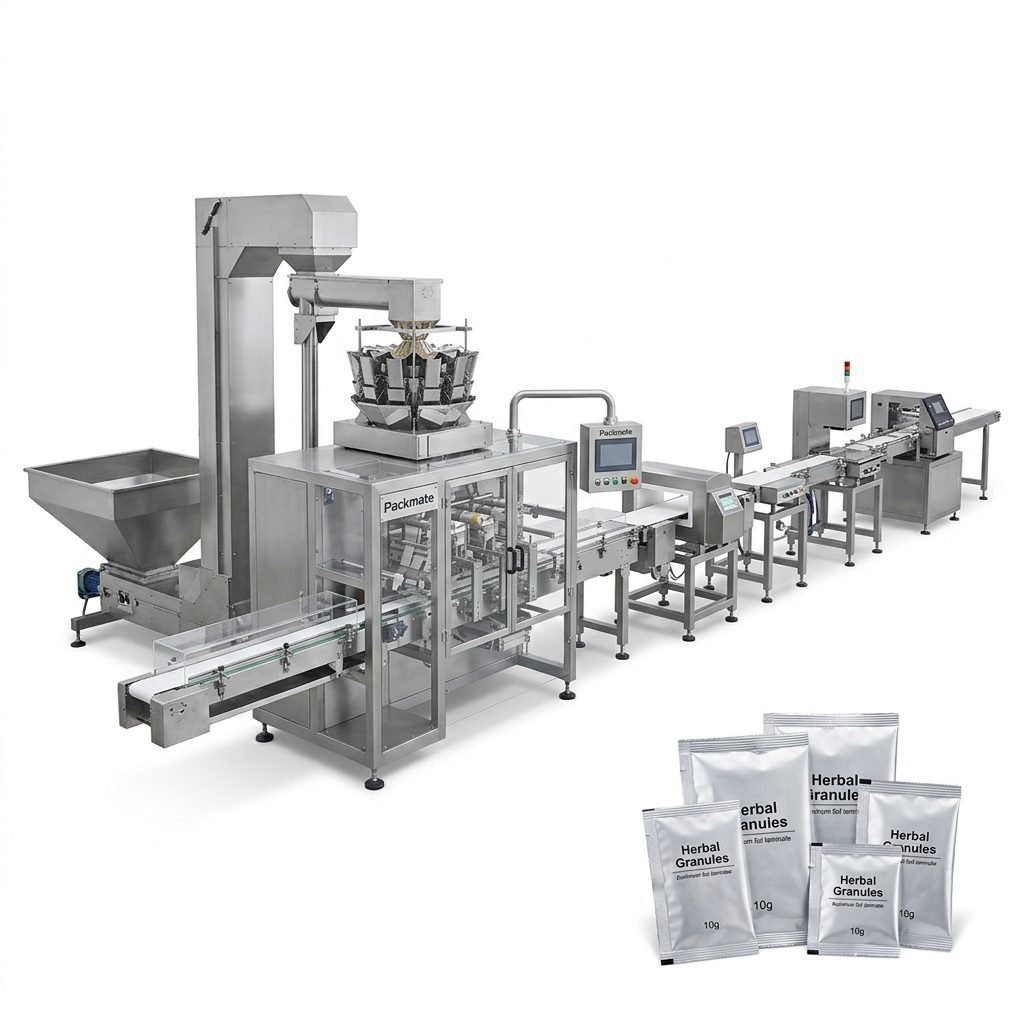
- Precision Weighing System: For accurate filling of powders or granules, often using multi-head weighers or auger fillers.
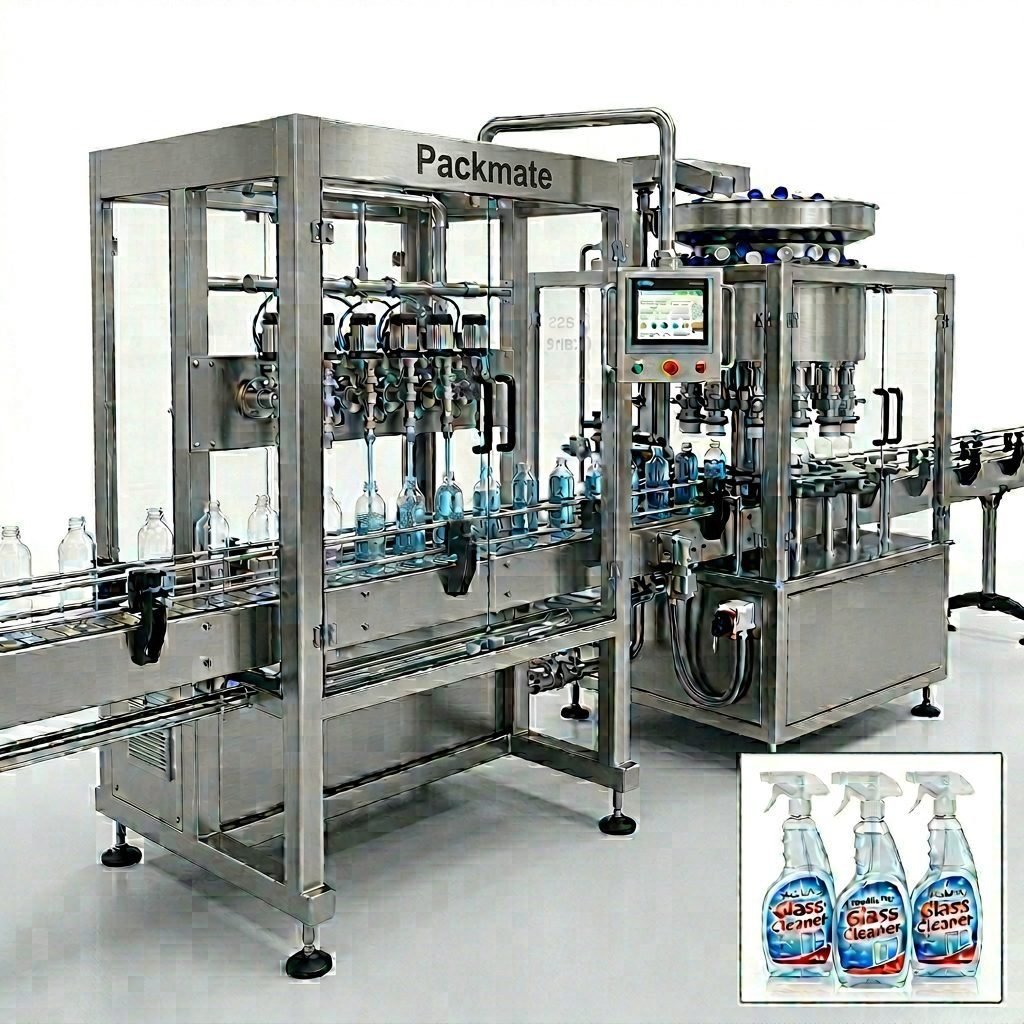
- Liquid Filling Pump: For consistent volumetric or gravimetric filling of liquids.
- Gas Flushing System: Optional for products requiring modified atmosphere packaging (MAP) to extend shelf life.
- Date Coder & Vision Inspection System: Applies batch codes and verifies spout presence, seal quality, and print registration.
Leading manufacturers like Packmate Machinery specialize in engineering these turnkey systems, ensuring all components work in seamless harmony for maximum uptime and output.
Evaluating Top Equipment for Efficiency
Selecting the best spout packaging equipment requires a careful analysis of your specific needs against the machine’s capabilities. Here are the critical factors that define an efficient solution:
1. Speed and Output Capacity
Machine speed is measured in pouches per minute (PPM). High-speed spout packers can range from 40 to over 120 PPM, depending on pouch size and complexity. True efficiency, however, is measured by Overall Equipment Effectiveness (OEE), which factors in speed, quality yield, and operational availability. A machine built with robust components and minimal changeover time contributes more to your bottom line than one with a high theoretical speed but frequent stoppages.
2. Flexibility and Changeover
Markets evolve, and your equipment should adapt. Top-tier machines offer quick changeover capabilities between different pouch sizes, spout types, and products. Look for features like tool-less adjustments, servo-driven format changes stored in recipe memory, and compatibility with a wide range of film materials. This flexibility is crucial for contract packagers or brands with diverse product portfolios.
3. Precision and Reliability
The integrity of the spout seal is non-negotiable. Equipment must provide consistent heat control and pressure during the sealing process to bond the spout flange to the film securely. Reliability is underpinned by engineering quality—using industrial-grade PLCs, servo drives, and hardened mechanical parts. Companies with deep expertise, such as Packmate, leverage decades of experience to build machines known for durability and consistent performance in demanding 24/7 production environments.
Furthermore, integration with modern Industry 4.0 principles is becoming standard. Equipment with IoT connectivity allows for remote monitoring, predictive maintenance alerts, and data collection for production analytics, driving continuous improvement in efficiency.
The Role of a Trusted Manufacturer
Investing in spout packaging machinery is a significant decision. Partnering with a reputable manufacturer is as important as the technical specifications of the machine itself. A true partner provides comprehensive support that extends far beyond the sale.
This begins with a thorough analysis of your project requirements. Experienced engineers will assess your product characteristics, desired output, factory layout, and future growth plans to recommend the optimal configuration. Following this, they should offer extensive testing facilities where you can run your actual product and materials on the proposed equipment, verifying performance before installation.
Post-sale, the value of a strong manufacturer shines through. Look for providers who offer:
- Global Technical Support: Access to spare parts and expert technicians, crucial for minimizing downtime.
- Operator & Maintenance Training: Comprehensive on-site training to ensure your team can run and maintain the equipment effectively.
- Service Contracts & Remote Diagnostics: Proactive maintenance plans and the ability to troubleshoot issues remotely.
With over 22 years of development and a 20,000㎡ modern facility, manufacturers like Packmate embody this full-service approach, ensuring clients receive not just a machine, but a complete, efficient packaging solution backed by reliable partnership. Explore their range of integrated filling and packaging lines to see this philosophy in action.
Future Trends in Spout Packaging
The spout packaging landscape continues to innovate. Sustainability is a major driver, with equipment increasingly designed to handle mono-material or recyclable film structures and lighter-weight spouts without compromising seal strength. Another trend is towards even greater flexibility, with machines capable of producing stand-up pouches with spouts, flat bottom pouches, and even shaped pouches on the same platform. Automation is also reaching new levels, with robotic cartoning and case packing being integrated directly with the spout pouch machine for a fully connected line.
Choosing equipment from a forward-thinking manufacturer ensures your investment is future-proof, capable of adapting to new materials, consumer preferences, and regulatory requirements.
Frequently Asked Questions (FAQs)
1. What types of products are best suited for spout packaging?
Spout packaging is ideal for free-flowing liquids, viscous products, and fine granules or powders that require controlled pouring. Common applications include cooking oils, liquid soaps/detergents, nutritional supplements, motor oil, agrochemicals, and liquid food ingredients like sauces or syrups.
2. How do I choose between a single-lane and a multi-lane spout packaging machine?
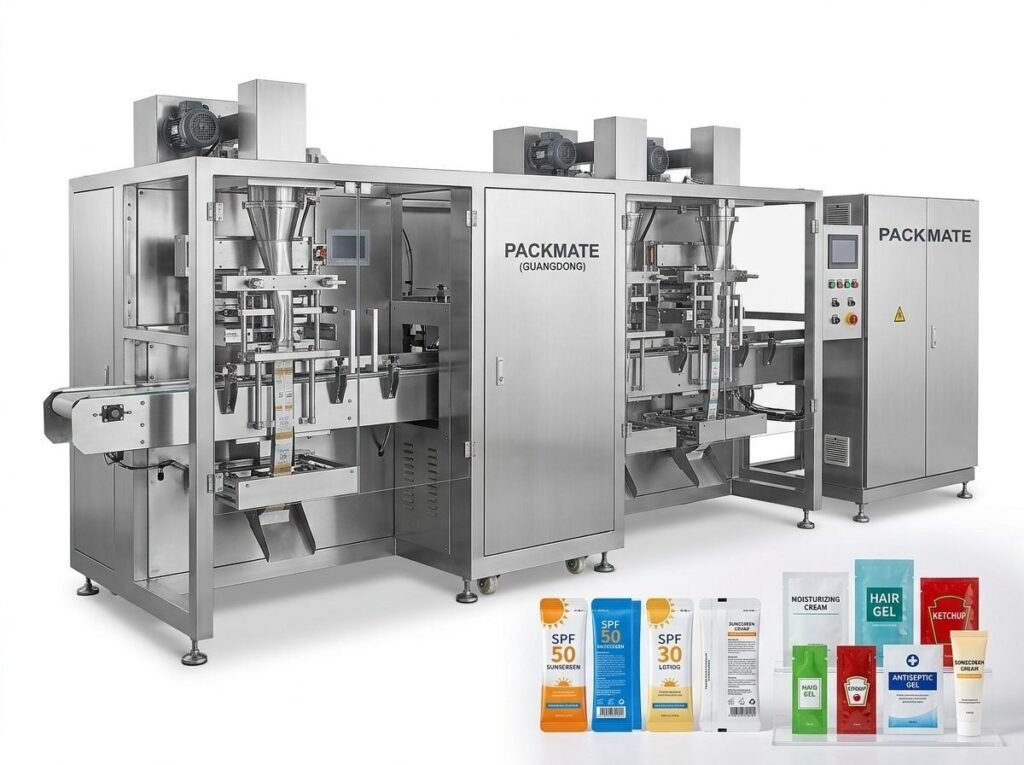
The choice depends on your required output. Single-lane machines are perfect for lower to medium output needs or for larger pouch formats. Multi-lane machines (e.g., dual or quad-lane) produce multiple pouches simultaneously, dramatically increasing output for high-volume production of smaller sachet or stick-pack style spout pouches, making them highly efficient for their intended use case.
3. What is the typical lead time for a custom spout packaging line?
Lead times vary based on machine complexity and customization. For standard models, it can range from 3 to 4 months. For fully custom, high-speed integrated lines, the engineering, manufacturing, and testing process may take 5 to 8 months. Reputable manufacturers provide clear timelines after the project specification is finalized.
4. Can one machine handle different spout sizes and styles?
Yes, most modern spout packaging machines are designed for flexibility. Quick-change parts kits allow operators to switch between different spout diameters (e.g., 28mm, 38mm) and styles (screw cap, flip-top, snap-fit). The level of changeover speed (from minutes to an hour) depends on the machine’s design and the extent of the format change.
5. How critical is after-sales service when purchasing this equipment?
Extremely critical. Packaging equipment is a long-term investment. Reliable, responsive after-sales service for technical support, spare parts supply, and maintenance is essential for maximizing uptime and protecting your productivity. Always evaluate a manufacturer’s service network and reputation before purchasing.