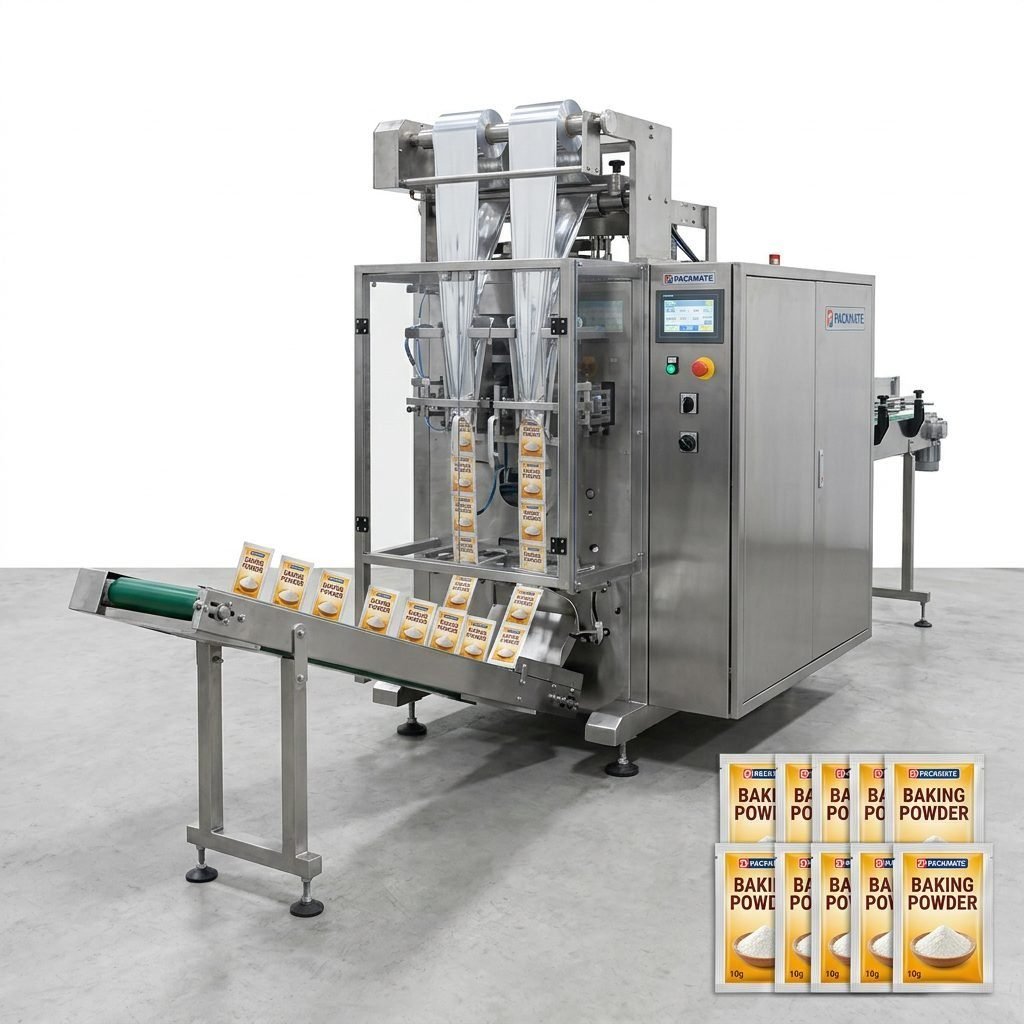
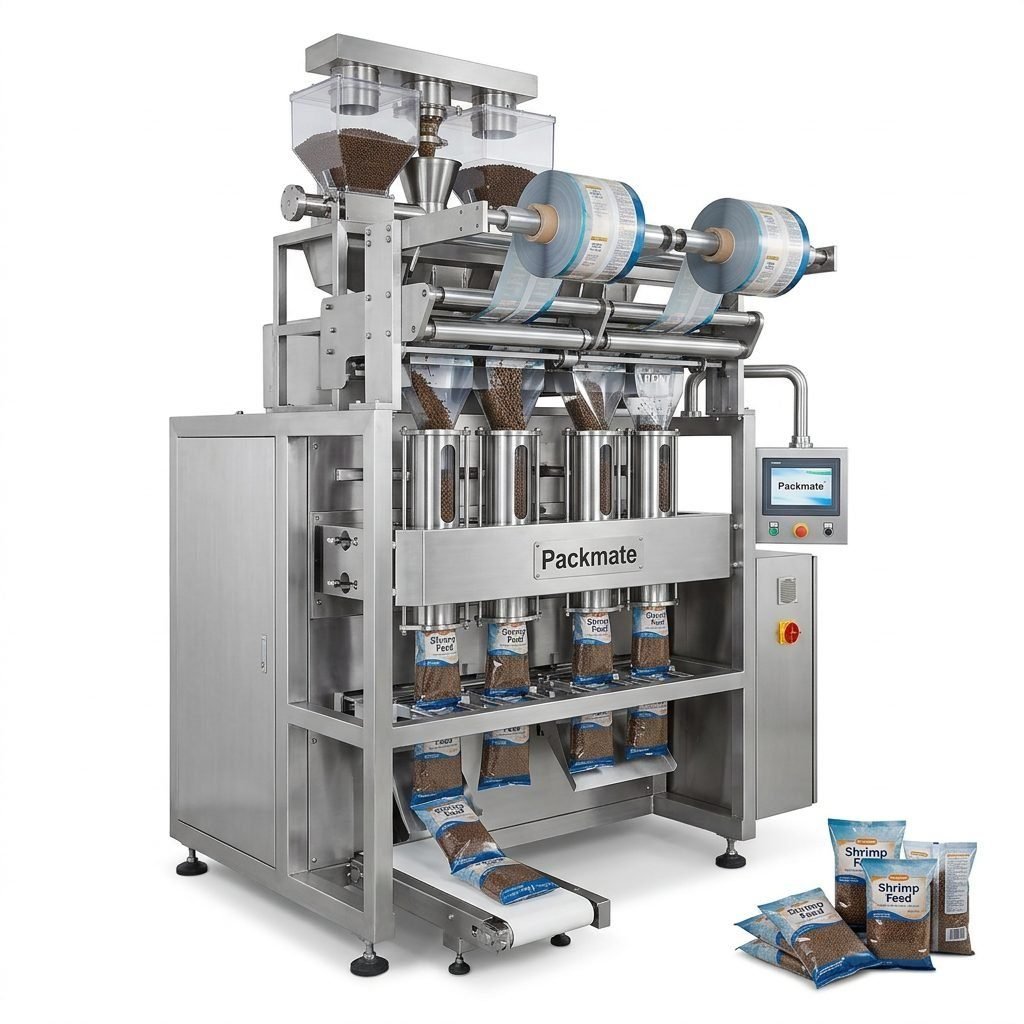
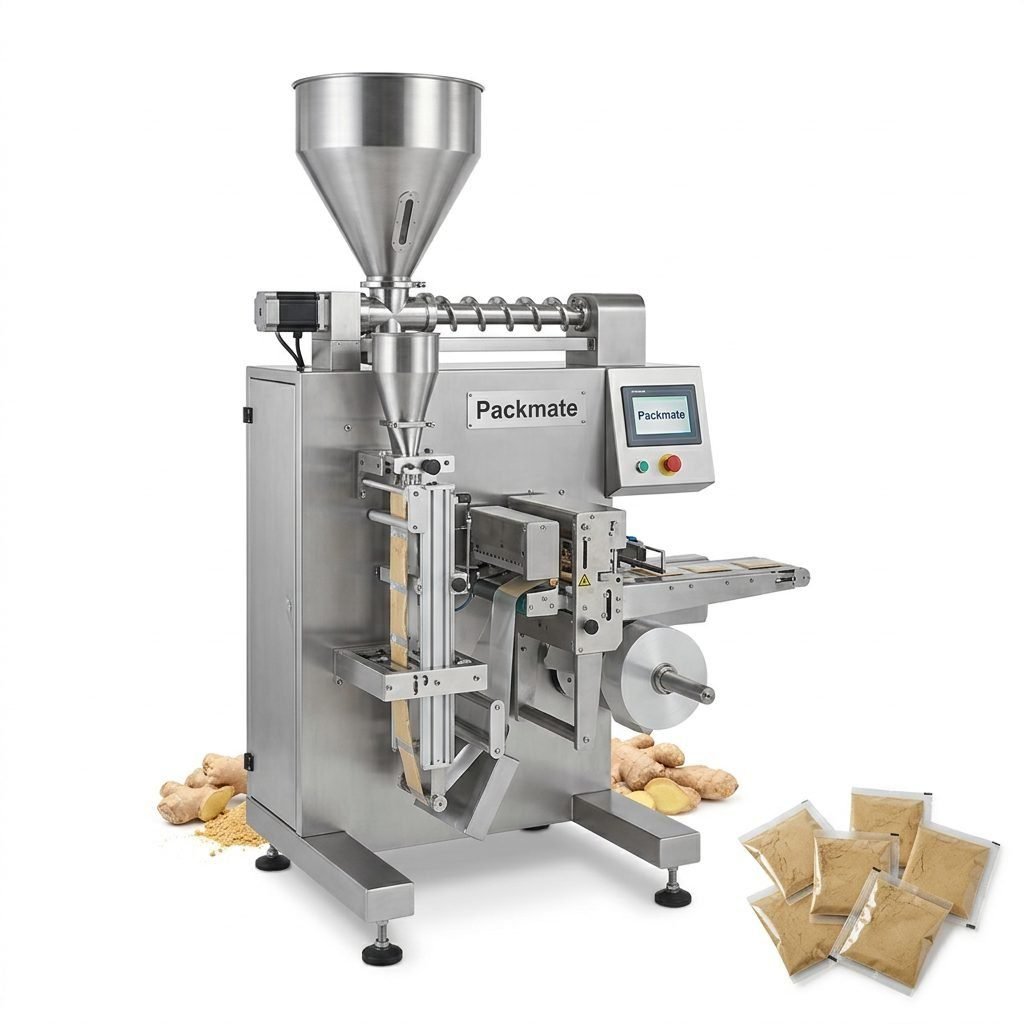
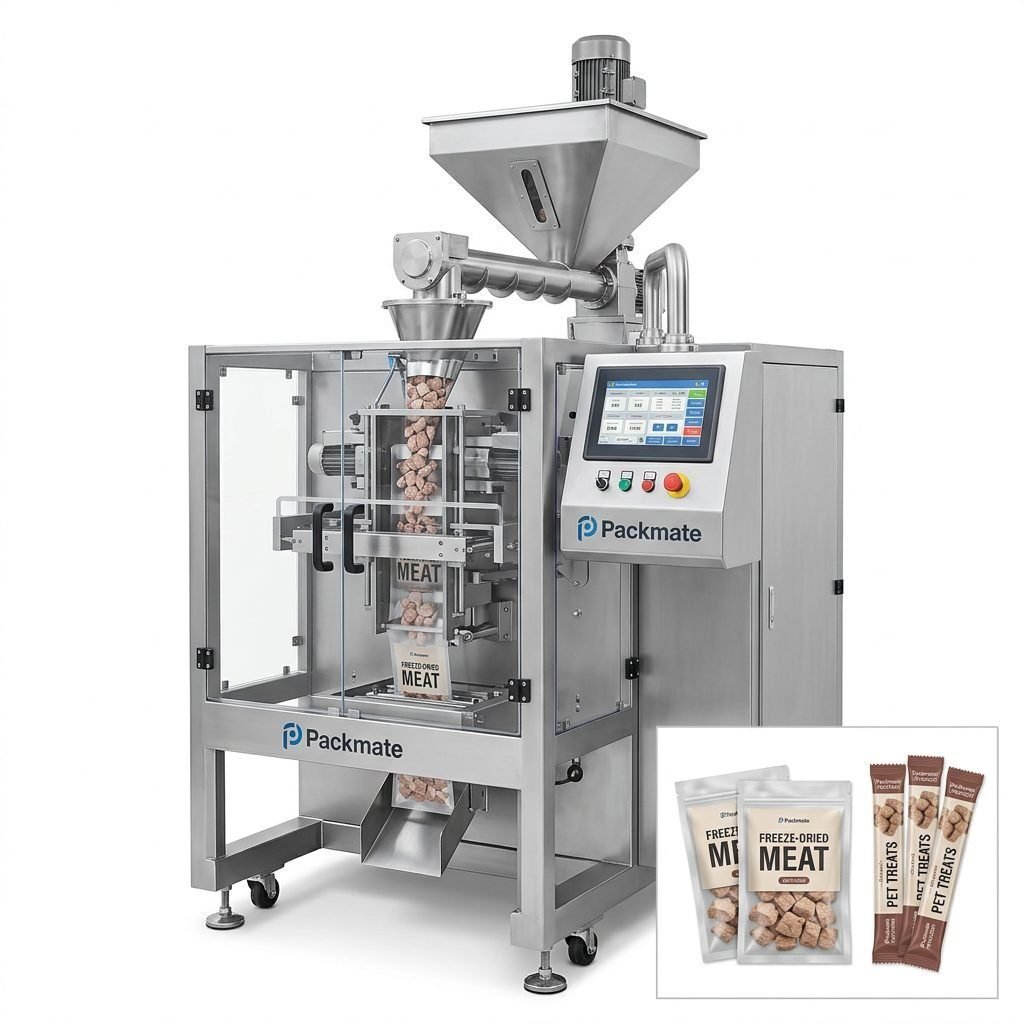
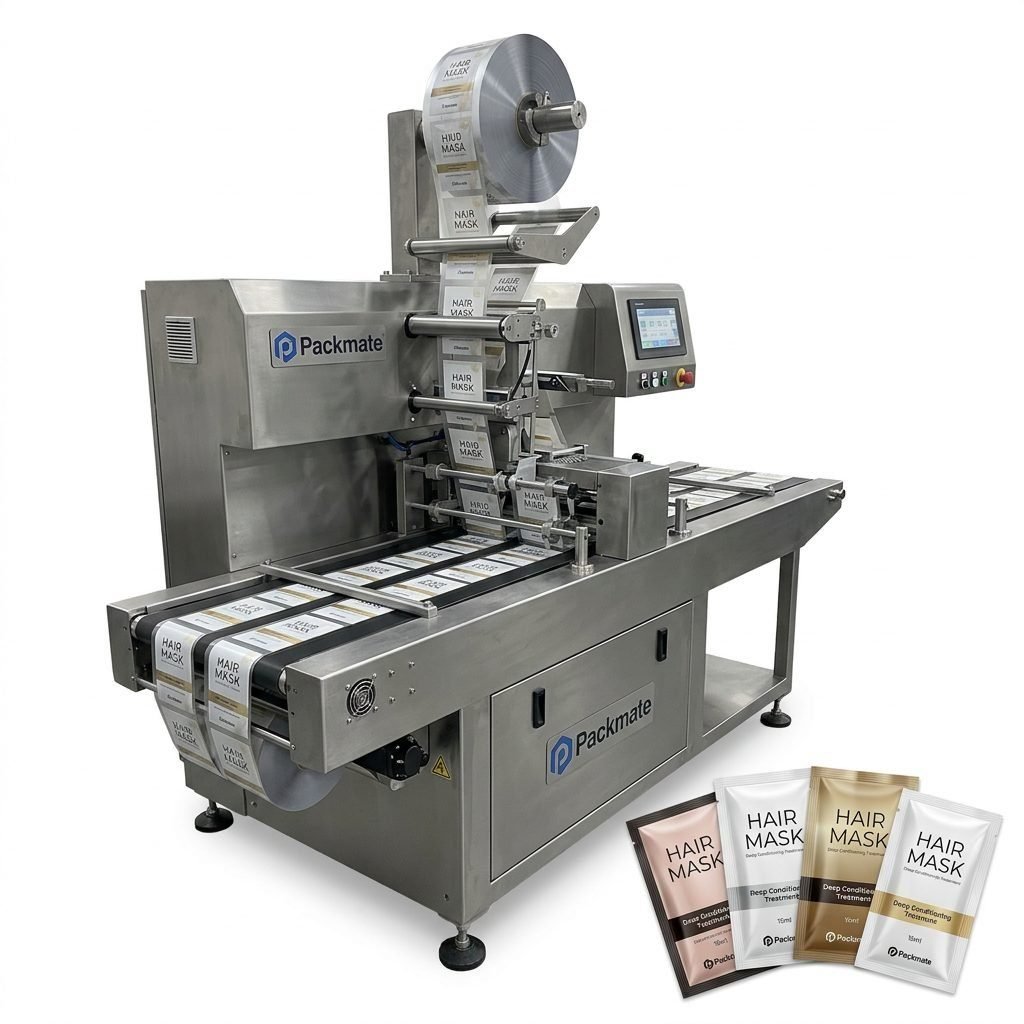
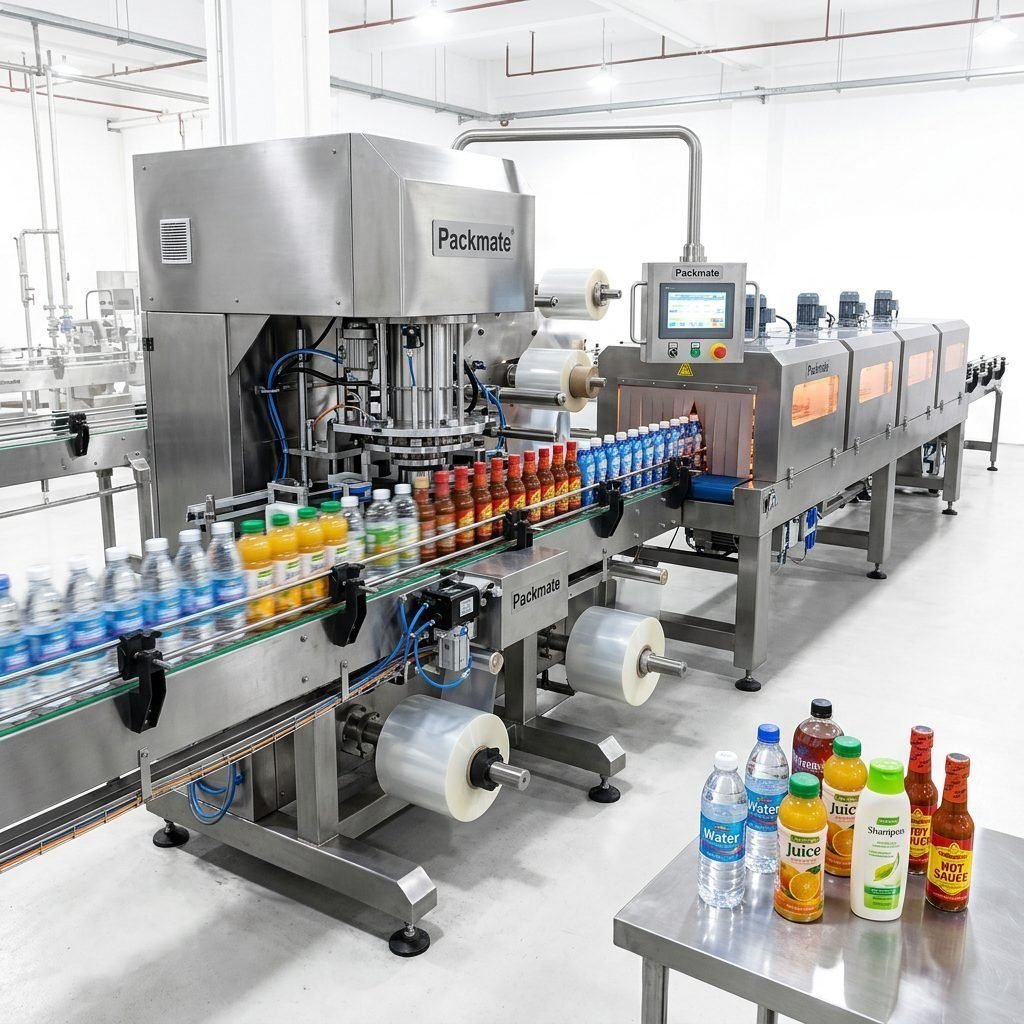
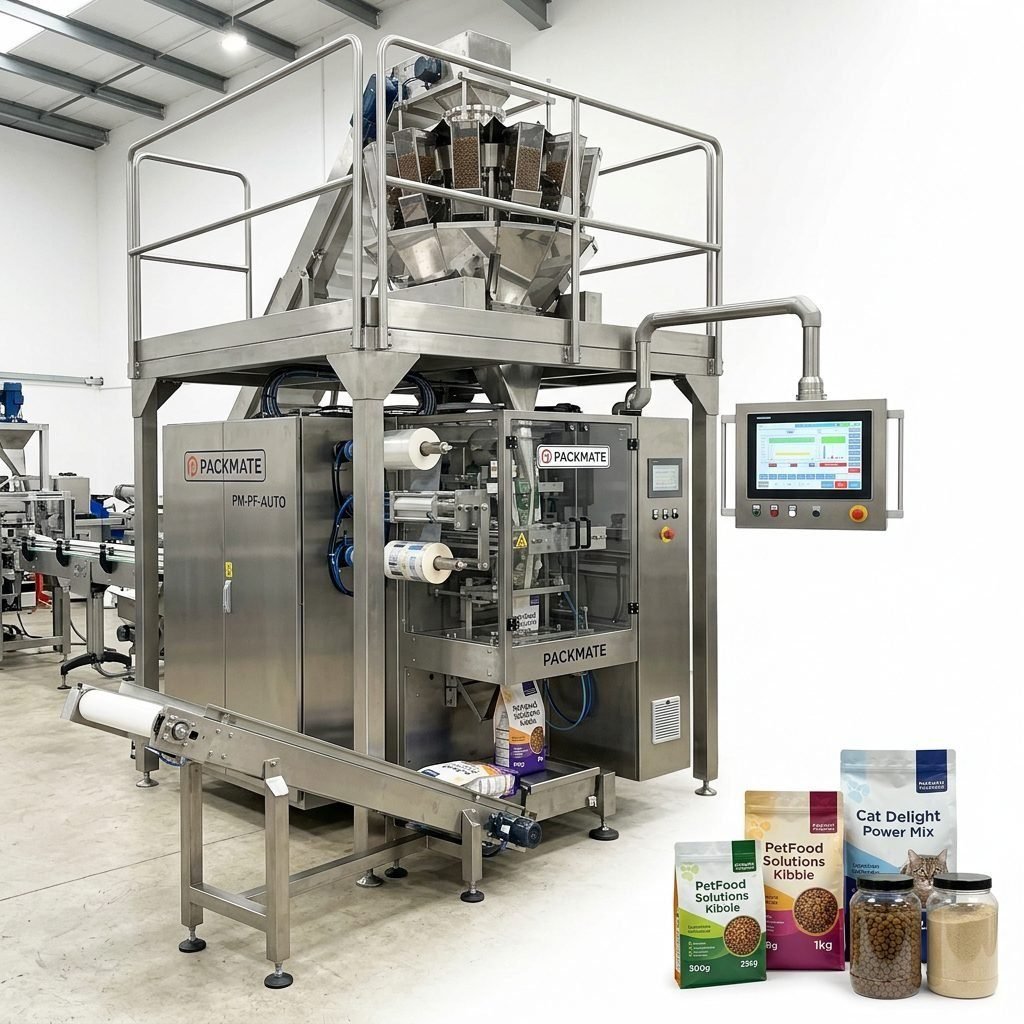
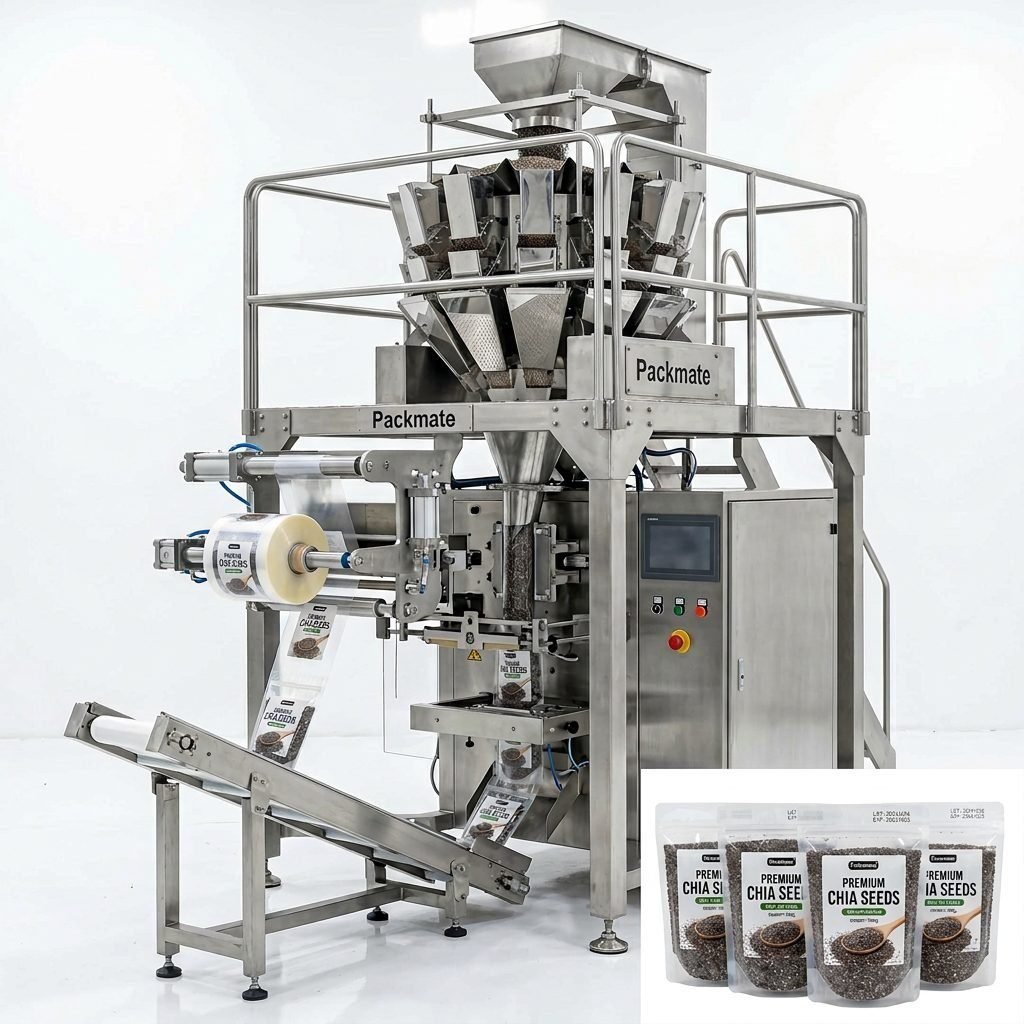
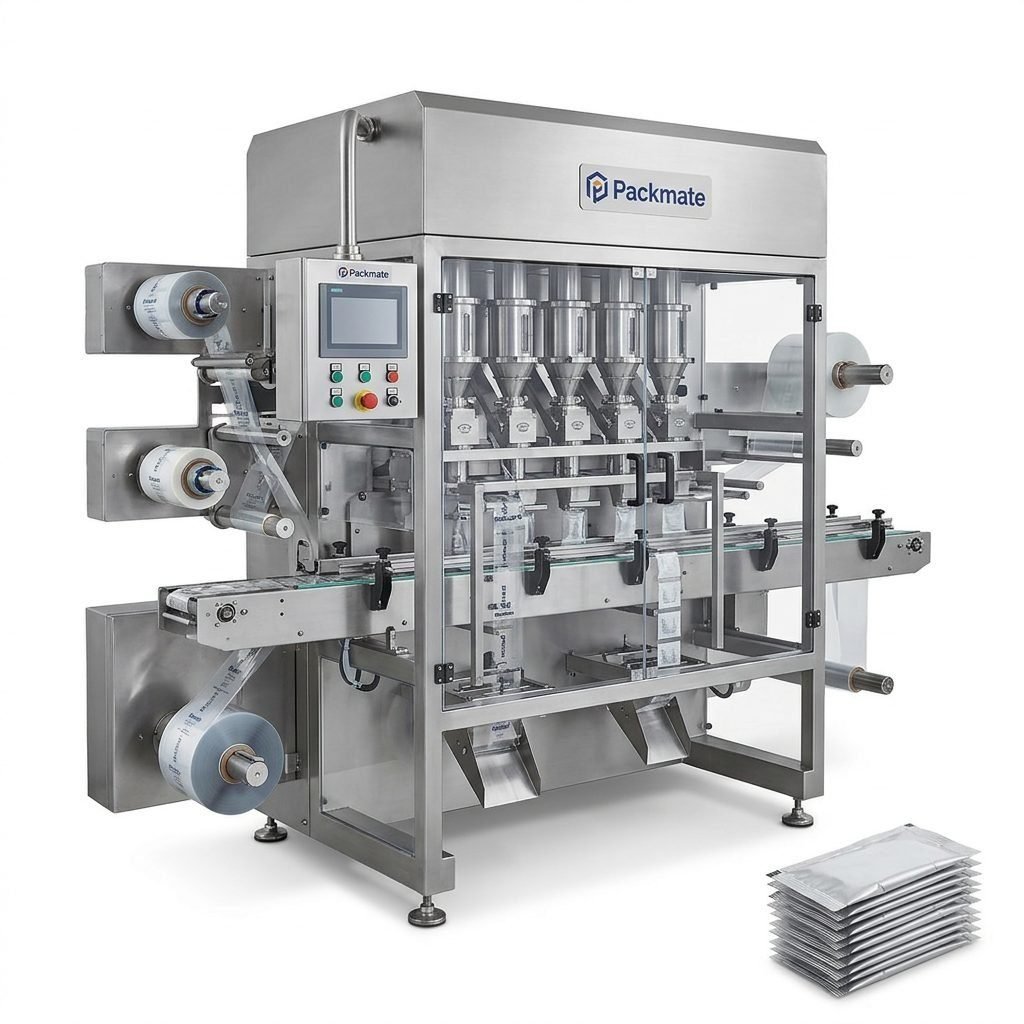
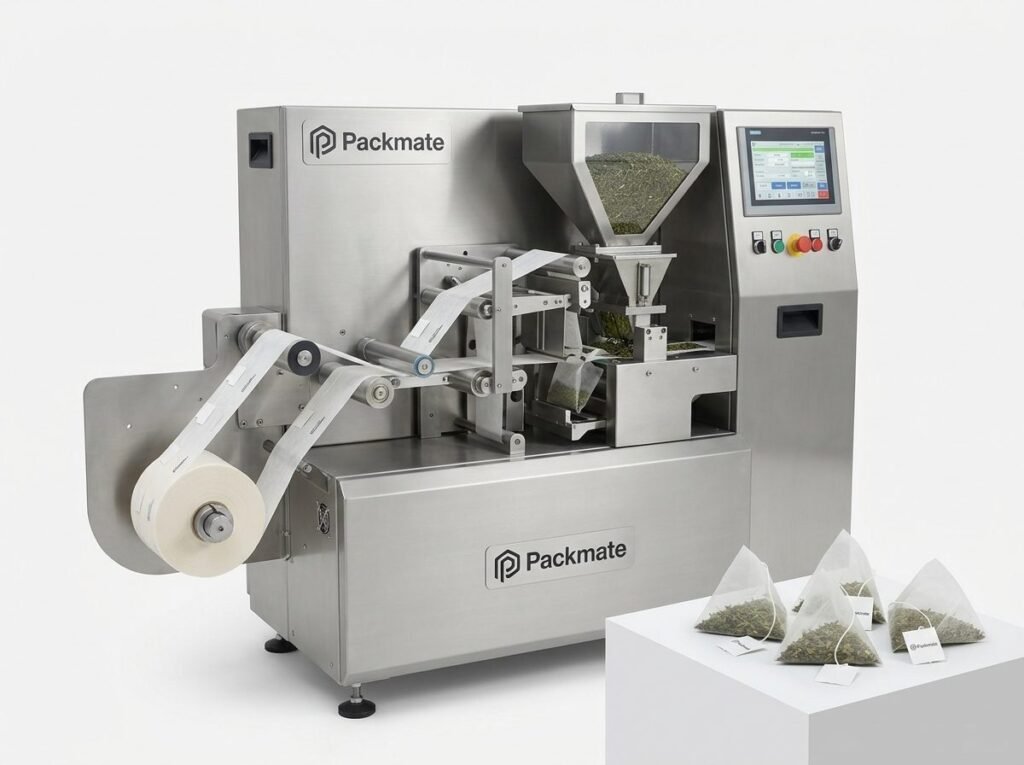
In the dynamic world of product packaging, efficiency, appeal, and reliability are paramount. Horizontal pouch packaging machines have emerged as a cornerstone technology for a vast array of industries, from food and pharmaceuticals to health supplements and beyond. These machines automate the creation, filling, and sealing of flat, pillow-style pouches, offering a versatile solution for packaging powders, granules, liquids, and solids. This complete guide delves into the mechanics, benefits, and critical buying considerations for horizontal pouch packaging machines, empowering you to make an informed investment for your production line.
Understanding Horizontal Pouch Packaging Machines
At its core, a horizontal pouch packaging machine is an integrated system designed to form pouches from a roll of flexible film, fill them with a precise amount of product, and then seal them securely. The process is continuous and highly automated, making it ideal for medium to high-volume production. The “horizontal” designation refers to the direction of the film feed and pouch formation, which travels horizontally through the machine. This design is particularly efficient for creating stand-up pouches, flat bottom bags, and other common pouch styles that maximize shelf impact.
Key Operational Stages:
1. Film Unwinding & Forming: A roll of packaging material (laminate, foil, polyethylene, etc.) is fed into the machine. A forming collar shapes the flat film into a tube.
2. Longitudinal Sealing: The vertical back seal of the pouch is created as the film tube passes through a sealing mechanism.
3. Product Metering & Filling: Precisely measured product is dispensed into the formed tube. This can be done via auger fillers for powders, volumetric cups for granules, or liquid pumps.
4. Transverse Sealing & Cutting: Horizontal jaws simultaneously seal the top of the filled pouch and the bottom of the next pouch, then cut them apart, creating individual, sealed packages.
Advantages of Automating with Horizontal Pouch Packers
Investing in a horizontal pouch packaging system translates into tangible operational benefits. Significant increases in production speed and output are the most immediate gains, allowing businesses to scale efficiently. Automation ensures consistent, high-quality seals that protect product integrity, extend shelf life, and reduce waste from leaks or spoilage. Furthermore, these machines offer remarkable flexibility; with quick changeovers, a single machine can often handle multiple pouch sizes and product types, making it a cost-effective asset for diverse product lines. For businesses looking to upgrade from manual or semi-automatic processes, exploring a range of bag & pouch packaging machines is a logical first step.
Industry Applications
The versatility of horizontal pouch machines makes them indispensable across sectors. In the food industry, they package items like instant coffee, spices, soup mixes, and snacks. The pharmaceutical and nutraceutical sectors rely on them for precise dosing of powders, effervescent tablets, and herbal supplements. Even industries like hardware (for small parts) and agriculture (for seeds and fertilizers) utilize this technology. For specialized needs, such as packaging moist smokeless tobacco, dedicated snus & nicotine packaging machines offer tailored solutions.
Essential Buying Tips for Your Investment
Selecting the right horizontal pouch packaging machine requires careful analysis of your specific needs. Rushing this decision can lead to bottlenecks, compatibility issues, and unmet production goals.
1. Define Your Core Requirements
Start by detailing your product characteristics (form, density, flowability), required production speed (pouches per minute), and pouch specifications (size range, material type). This forms the non-negotiable foundation of your search.
2. Evaluate Machine Capabilities & Flexibility
Look beyond basic specs. Assess the machine’s changeover time between different pouch sizes—this directly impacts operational efficiency. Consider the available filling systems (auger, volumetric, liquid pump) and ensure they match your product’s demands. The ability to integrate with upstream and downstream equipment like weighing systems or cartoners is also crucial for a seamless filling & packaging line.
3. Prioritize Build Quality and Support
The machine’s construction determines its longevity and reliability. Opt for manufacturers known for robust frames, high-grade stainless steel contact parts, and precision engineering. Equally important is the supplier’s after-sales support, including training, spare parts availability, and technical service. A company’s history, like Packmate’s 30+ years of expertise, often reflects its commitment to quality and customer partnership.
4. Consider Total Cost of Ownership (TCO)
The purchase price is just one component. Factor in energy consumption, maintenance costs, and potential downtime. A slightly more expensive machine with higher efficiency and reliability often yields a lower TCO and better return on investment over its lifespan.
Why Manufacturer Experience Matters
Partnering with an established manufacturer brings invaluable advantages. Experienced providers, such as those with a 20,000㎡ modern facility and over 50 machine models in their portfolio, have deep insights into solving complex packaging challenges. They can offer proven, reliable solutions and are more likely to provide comprehensive turnkey packaging solutions—delivering not just a machine, but a fully integrated, production-ready system. This level of support is detailed in many manufacturers’ service commitments.
Frequently Asked Questions (FAQs)
Q1: What is the typical production speed range for a horizontal pouch machine?
A: Speeds vary widely based on pouch size, product, and machine model. Entry-level machines may operate at 40-80 pouches per minute (ppm), while high-speed models can exceed 200 ppm. It’s essential to test your specific product to determine achievable speeds.
Q2: Can one machine handle different types of products, like powders and liquids?
A: Many machines are designed for flexibility, but the filling system must be compatible. A machine equipped with an auger filler for powders may require a changeover kit or a different filler head to handle liquids effectively. Discuss multi-product applications with your supplier.
Q3: How important is the packaging film material, and can I source it myself?
A: The film is critical for seal integrity, barrier properties, and machine runnability. While you can often source your own film, it must meet specific specifications (thickness, coefficient of friction, seal layer) for the machine to perform reliably. Most manufacturers provide film guidance and can recommend suppliers.
Q4: What kind of maintenance do these machines require?
A: Regular maintenance is key to longevity. Daily cleaning, weekly lubrication of moving parts, and periodic inspection of seals, cutters, and sensors are standard. A reputable manufacturer will provide a detailed maintenance schedule and training for your operators.
Q5: What safety features should I look for?
A: Essential safety features include emergency stop buttons, protective guarding around moving parts, safety interlocks that prevent operation when guards are open, and sometimes touch-screen HMI with password-protected access to machine parameters.