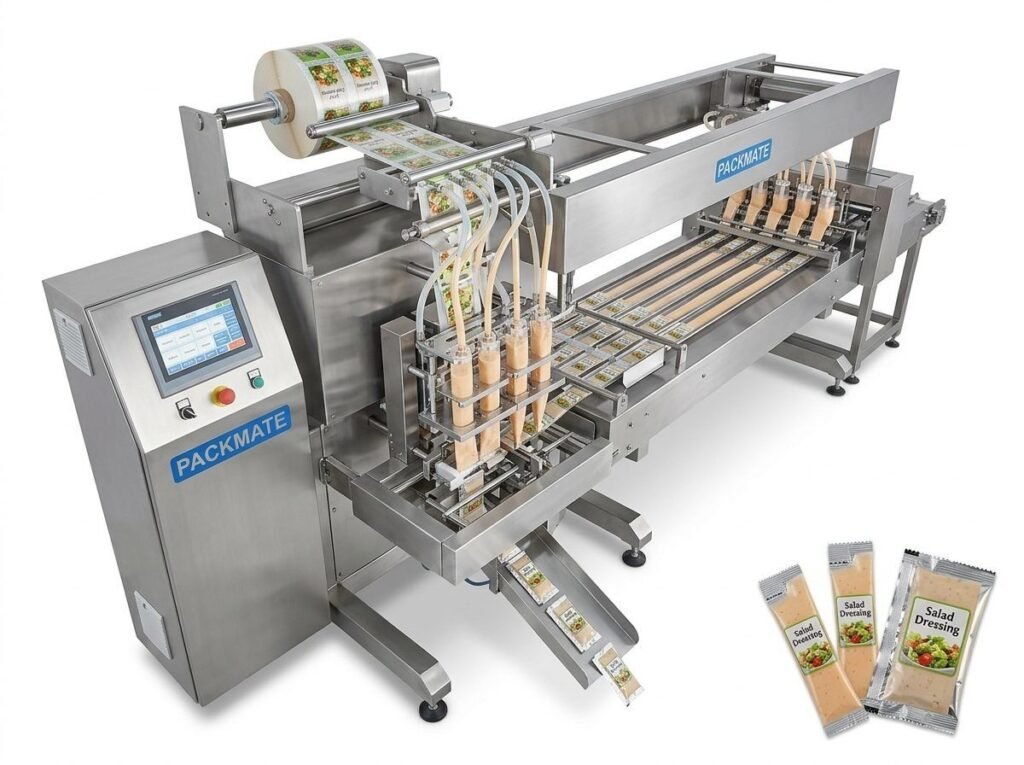
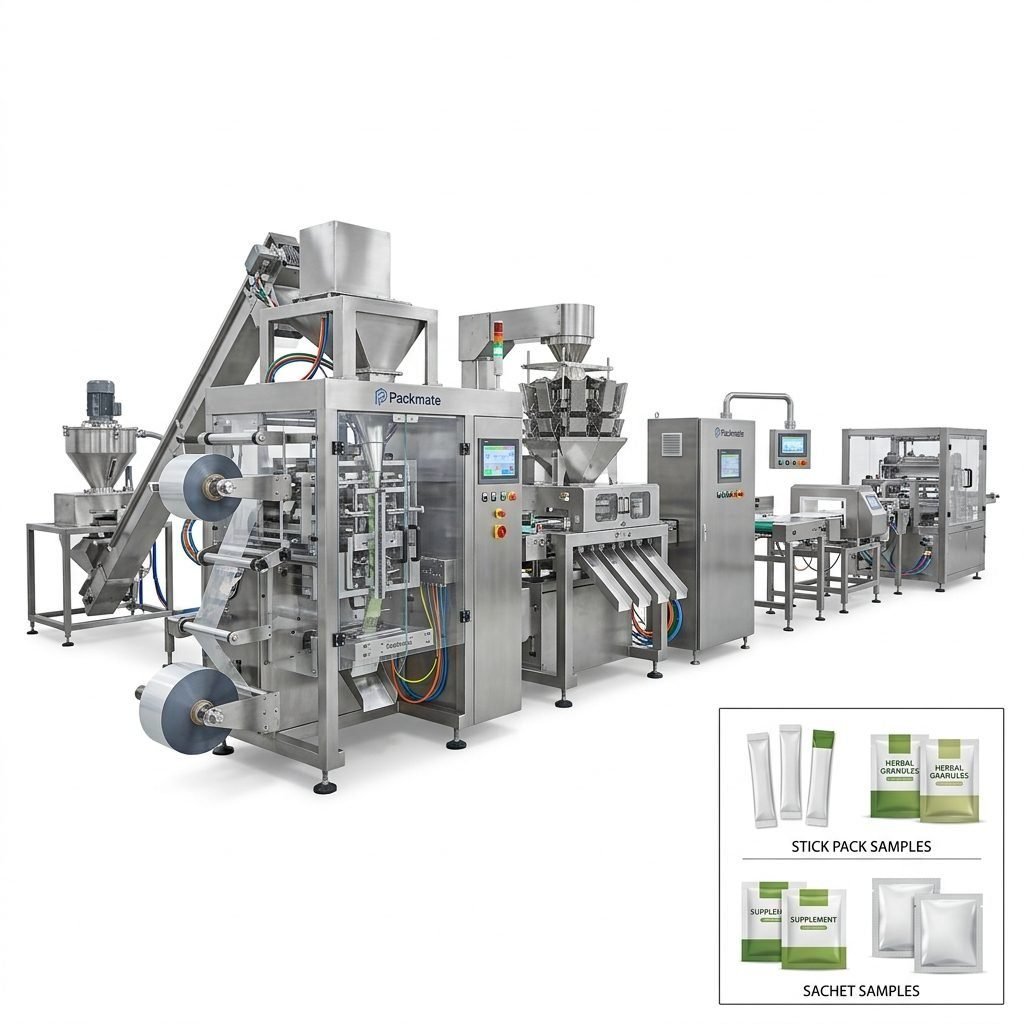
In the fast-paced world of tea production, efficiency and consistency are paramount. Automatic tea bag packaging machines have revolutionized the industry, transforming how tea is portioned, sealed, and presented to consumers worldwide. These sophisticated systems are designed to handle everything from delicate herbal blends to robust black teas with precision and speed, ensuring every bag meets the highest standards of quality and hygiene.
How Automatic Tea Bag Packaging Machines Work
The core process begins with the feeding of filter paper, which is formed into a continuous tube. Pre-measured tea is then dispensed into this tube at precise intervals. The machine creates individual pockets, seals them, and often attaches a string and tag in one seamless operation. Finally, the connected bags are separated and counted for final packaging. Modern machines integrate advanced weighing systems, optical inspection, and programmable logic controllers (PLCs) to maintain tight tolerances and minimize waste.
Key Takeaway: The automation of the tea bagging process eliminates human error in dosing and sealing, leading to a more consistent product, improved shelf life, and significantly higher output compared to manual or semi-automatic methods.
Essential Features to Look For
When selecting a machine, several critical features determine its suitability for your operation. Versatility in bag style (pyramid, square, round) and size is crucial for brand differentiation. The type of sealing mechanism—whether heat seal, ultrasonic seal, or a combination—affects the integrity of the bag and its compatibility with different filter materials. Look for machines with easy-changeover parts to reduce downtime when switching tea varieties or bag designs. Hygiene is non-negotiable, so stainless steel contact parts and CIP (Clean-in-Place) capabilities are major advantages.
Benefits for Your Tea Business
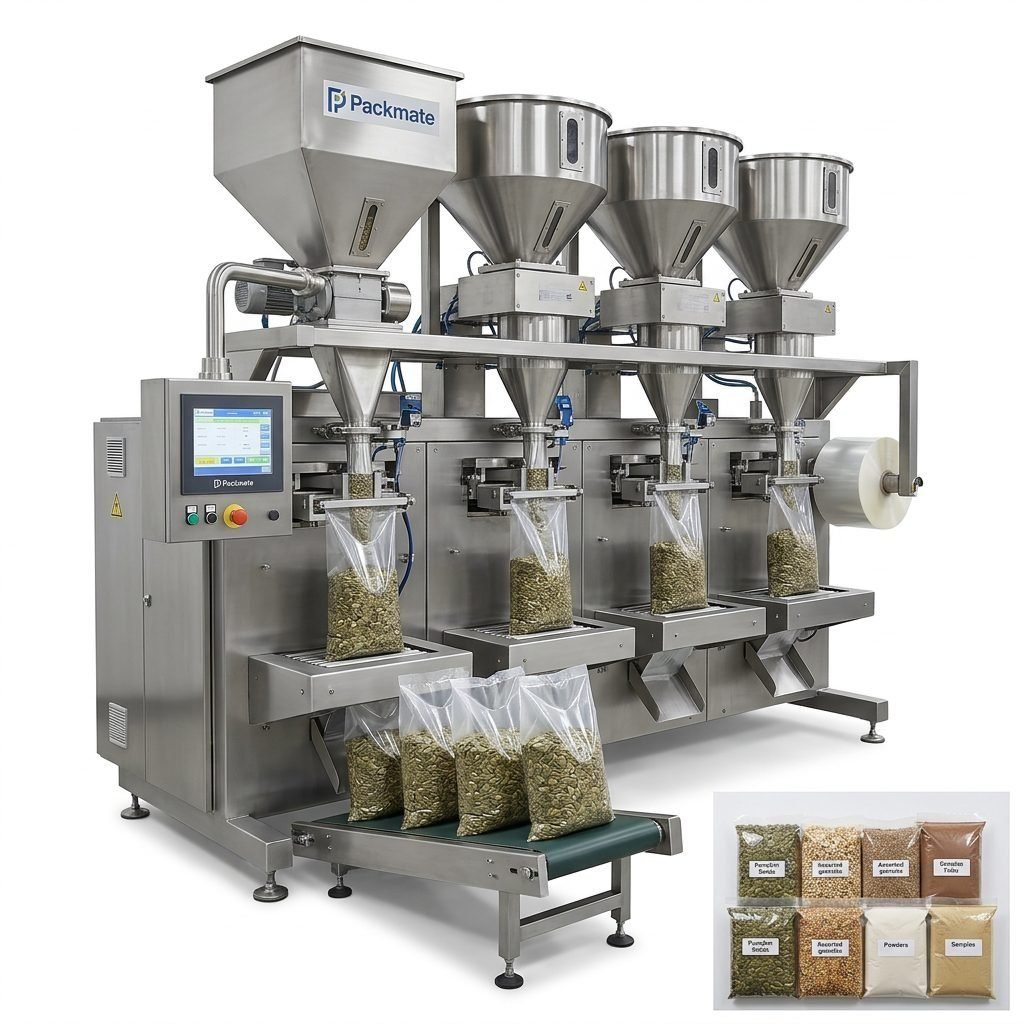
Investing in an automatic packaging line delivers a compelling return on investment. The most immediate benefit is a dramatic increase in production speed, often capable of producing hundreds of bags per minute. This scalability allows businesses to grow without proportional increases in labor costs. Automation ensures precise weight control, giving away less product and protecting profit margins. Furthermore, the consistent, professional packaging enhances brand perception and consumer trust, which is vital in a competitive market. For a closer look at integrated systems, explore our Filling & Packaging Lines.
Top Considerations Before You Buy
Choosing the right machine requires a thorough analysis of your current and future needs. Start by defining your output requirements in bags per minute or hour. Consider the physical characteristics of your tea—is it fine dust, leafy, or contains large pieces of fruit or herbs? This affects the feeding and dosing system. The available factory space and utilities (electrical, compressed air) are practical constraints. Finally, assess the level of after-sales support, training, and spare parts availability offered by the manufacturer. A reliable partner like Packmate Machinery, with decades of experience, can provide invaluable guidance through this process.
Material Compatibility Checklist
- Standard filter paper (non-woven)
- Biodegradable or compostable plant-based materials
- Silk pyramid-style mesh
- Heat-sealable string and tag paper
- Outer overwrapping films or cartons
Always request samples of your packaging materials to be tested on the machine before purchase.
Integration with Existing Production Lines
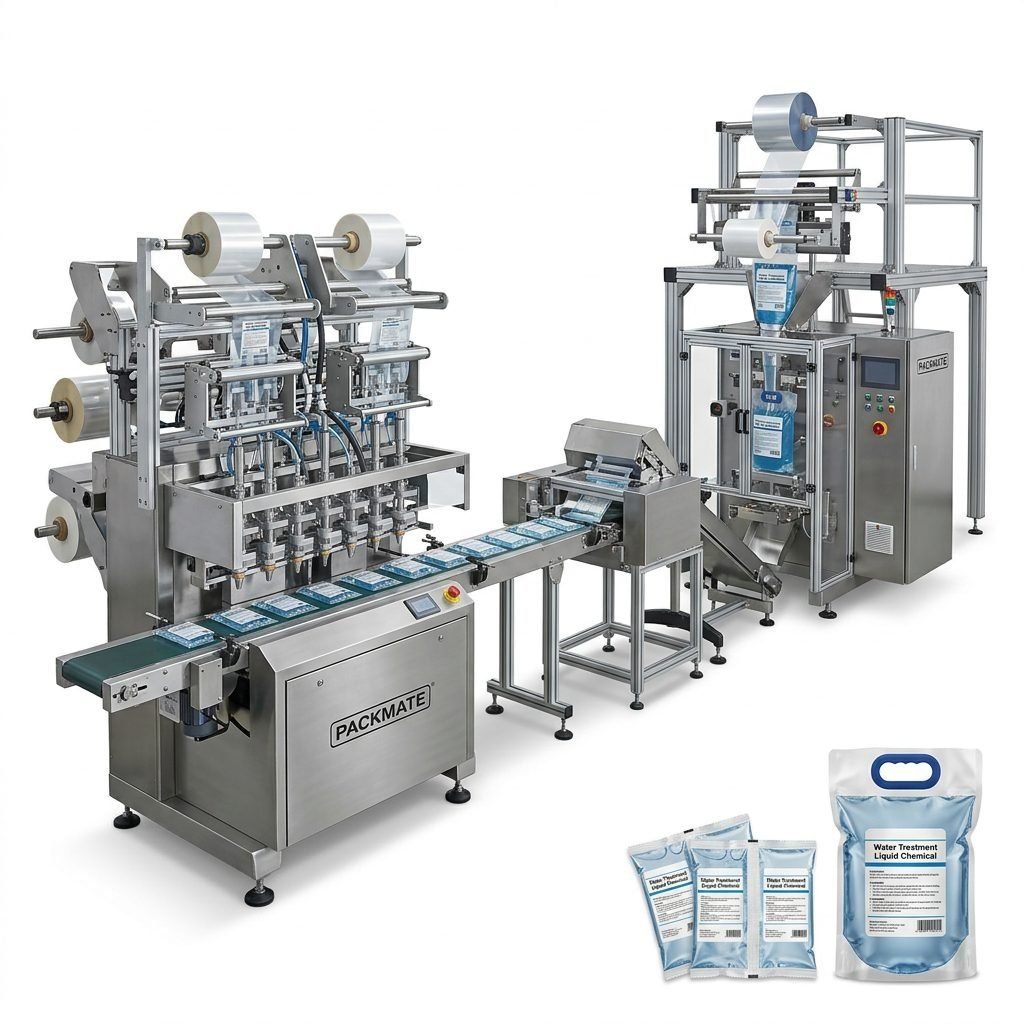
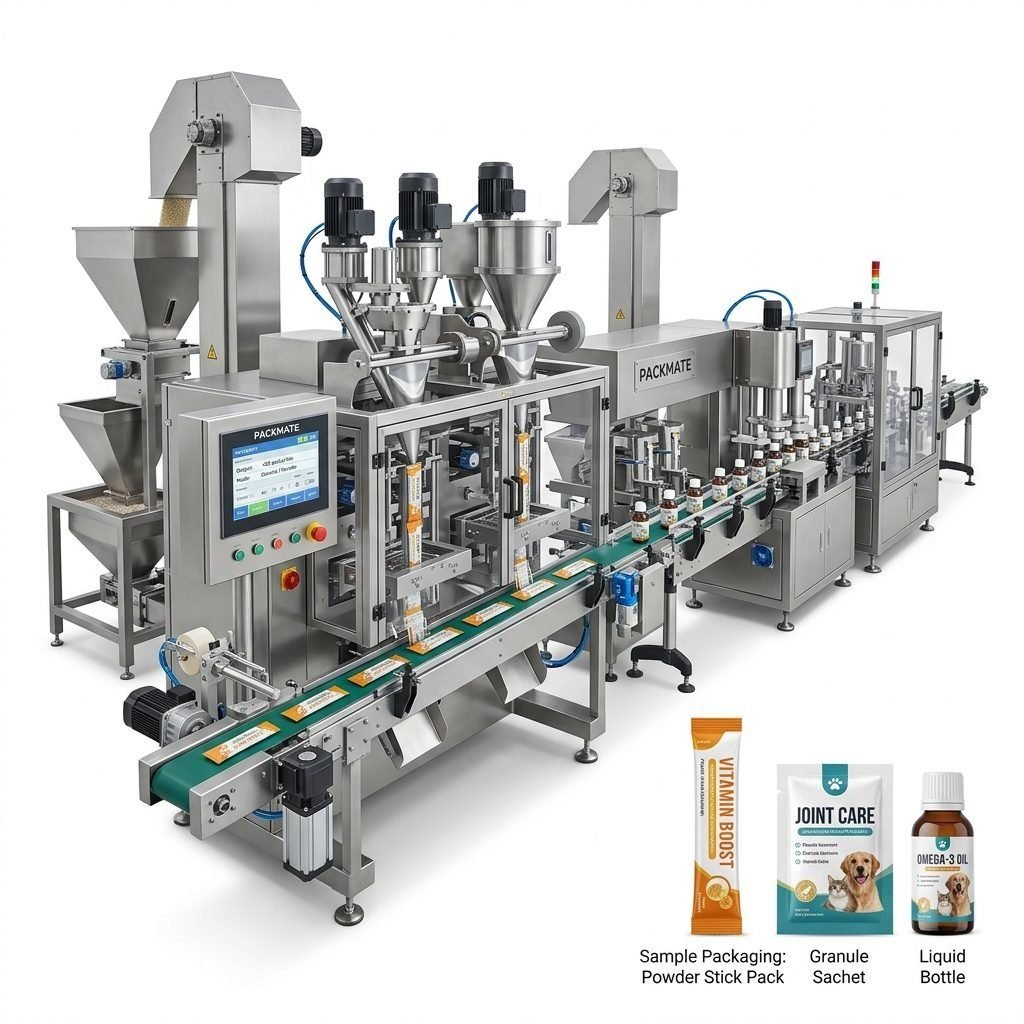
A standalone packaging machine is just one part of the puzzle. For maximum efficiency, it should integrate smoothly with upstream and downstream equipment. Upstream, this includes tea blenders, conveyors, and bulk storage silos. Downstream, machines may feed into cartoners, overwrappers, or case packers. Modern machines with industry-standard communication protocols (like OPC UA or Modbus) allow for centralized monitoring and control. This holistic approach to turnkey packaging solutions minimizes bottlenecks and creates a seamless, continuous production flow. Discover our range of supporting equipment on the Auxiliary Packaging Equipment page.
Maintenance and Operational Best Practices
To ensure longevity and consistent performance, a proactive maintenance regimen is essential. Daily cleaning to remove tea dust and particles prevents contamination and mechanical wear. Regular lubrication of moving parts as per the manufacturer’s schedule is critical. Operators should be trained to perform basic troubleshooting for common issues like seal integrity failures or web breaks. Keeping a log of machine performance and any minor adjustments helps in predictive maintenance. Sourcing genuine spare parts from the original manufacturer guarantees fit and function, protecting your investment. For ongoing support, review the comprehensive Service offerings available.
Weekly Maintenance Snapshot
Inspect and Clean: All sealing jaws, forming parts, and product contact surfaces.
Check and Tighten: Belts, chains, and fasteners for any looseness.
Verify Settings: Weighing accuracy, temperature controls, and photoelectric sensors.
Record Data: Output counts, downtime causes, and any quality deviations.
The Future of Tea Packaging Automation
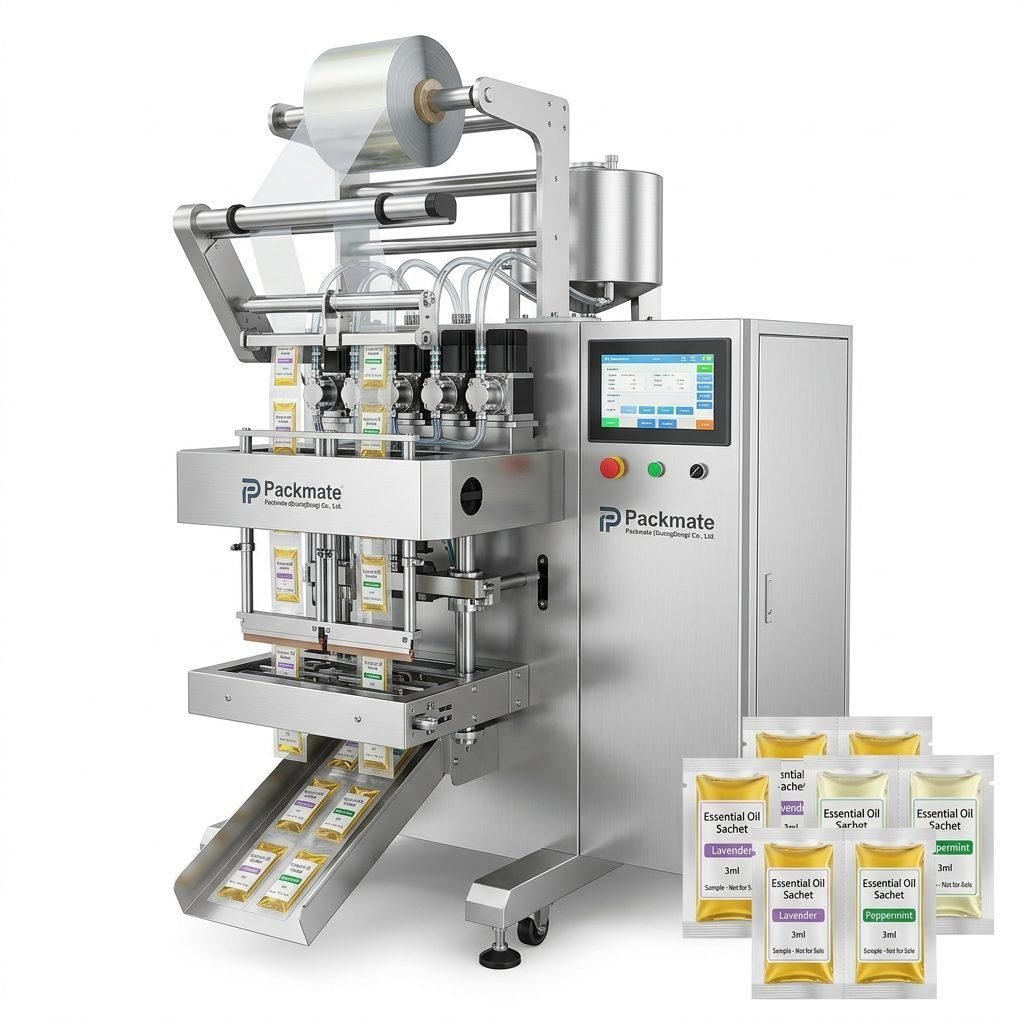
The evolution of tea bag packaging is driven by sustainability and smart technology. We are seeing a growing demand for machines that can handle eco-friendly, plastic-free materials. Industry 4.0 integration is becoming standard, with machines offering real-time data collection, remote diagnostics, and predictive analytics to optimize efficiency and plan maintenance. Furthermore, flexibility is key, as consumers seek more variety; machines that can quickly switch between single-serve sachets, stick packs for on-the-go consumption, and traditional tea bags will provide a significant competitive edge. Explore innovative formats in our Sachet & Stick Pack Machines category.
Frequently Asked Questions (FAQs)
What is the typical production speed range for an automatic tea bag machine?
Speeds vary greatly by model and bag complexity. Basic machines may produce 80-120 bags per minute (bpm), while high-speed, multi-lane systems can exceed 400 bpm. The required speed depends entirely on your production volume targets.
Can one machine produce different styles of tea bags, like pyramid and flat bags?
Many modern machines are designed with modular tooling, allowing for changeover between different bag shapes (e.g., from flat to pyramid). However, this usually requires changing the forming parts and jaws, which can take from 30 minutes to a few hours. It’s crucial to discuss your specific needs with the supplier.
How important is the weighing accuracy of the machine?
Extremely important. Precise dosing ensures consistent product quality, customer satisfaction, and regulatory compliance (for weight declarations). It also directly impacts your material costs. High-quality machines use multi-head weighers or auger fillers with feedback systems to maintain accuracy within a fraction of a gram.
What kind of after-sales support should I expect?
Comprehensive support includes on-site installation and commissioning, detailed operator and maintenance training, a readily available inventory of common spare parts, and access to technical support (often remote). A warranty period of at least one year is standard for mechanical and electrical components.
Are these machines suitable for packaging other granular products?
Yes, absolutely. The technology used in tea bag machines is often adaptable for other fine granular or powdered products in the food, pharmaceutical, and nutraceutical industries, such as instant coffee, sugar, spices, or medicinal herbs. The machine’s configuration and tooling would need to be specified for the particular product.