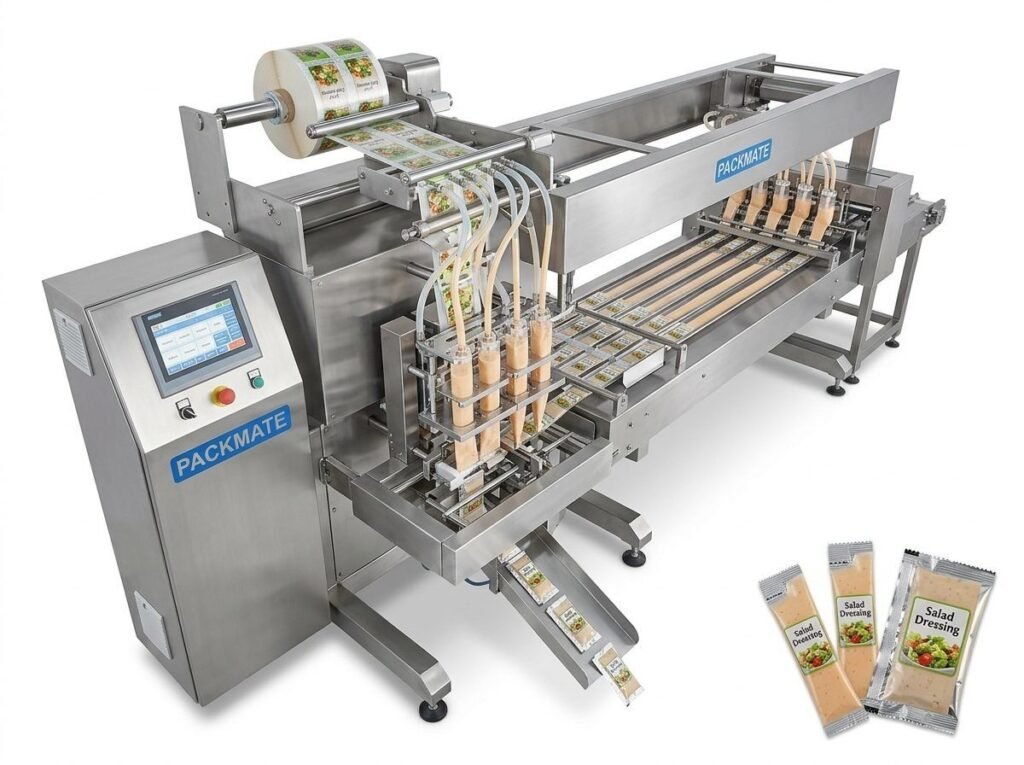
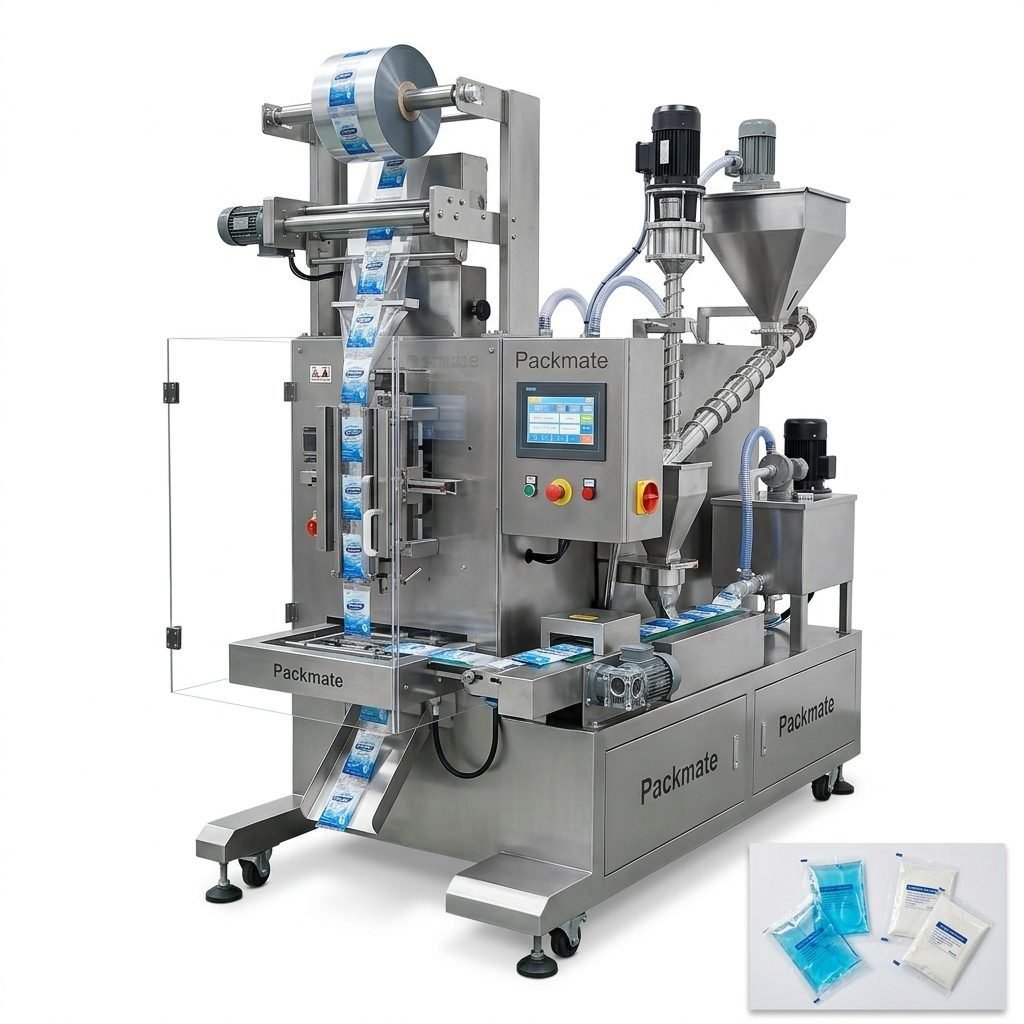
In the world of food preservation and industrial packaging, vacuum technology stands as a cornerstone for extending shelf life, maintaining product quality, and enhancing presentation. Among the leading names in this field is Cryovac, a brand synonymous with advanced vacuum packaging solutions. This guide delves into the essentials of Cryovac vacuum packaging machines, offering key insights and practical buying tips to help you select the right equipment for your specific needs, whether for commercial food service, retail, or large-scale production.
Understanding Cryovac Vacuum Packaging Technology
Cryovac systems utilize a robust method of removing air from a package before sealing it. This process significantly slows down oxidation and spoilage, inhibits the growth of aerobic bacteria and fungi, and helps retain the natural moisture, flavor, and texture of the product. The core principle involves placing the item in a specially designed plastic bag or pouch, evacuating the air from the chamber containing the bag, and then hermetically sealing it. This creates a tight, protective barrier against external elements.
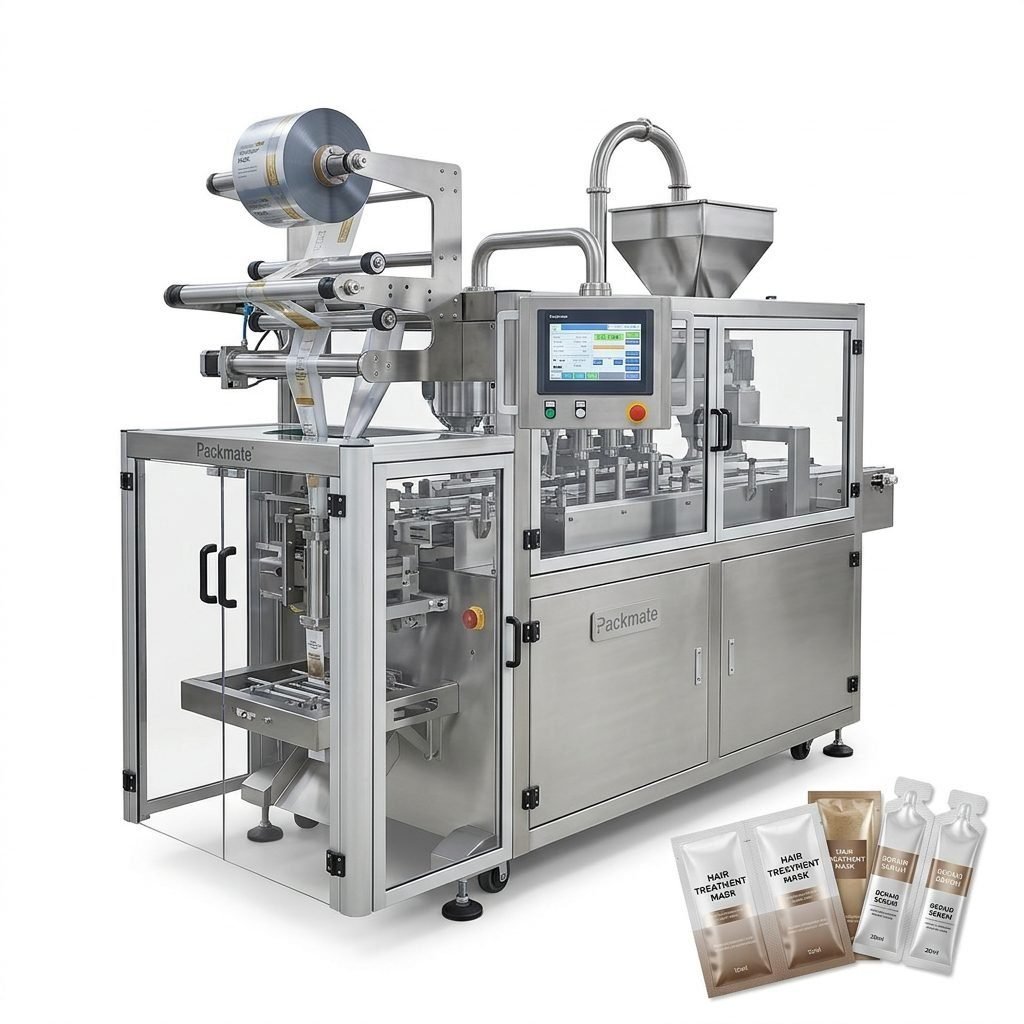
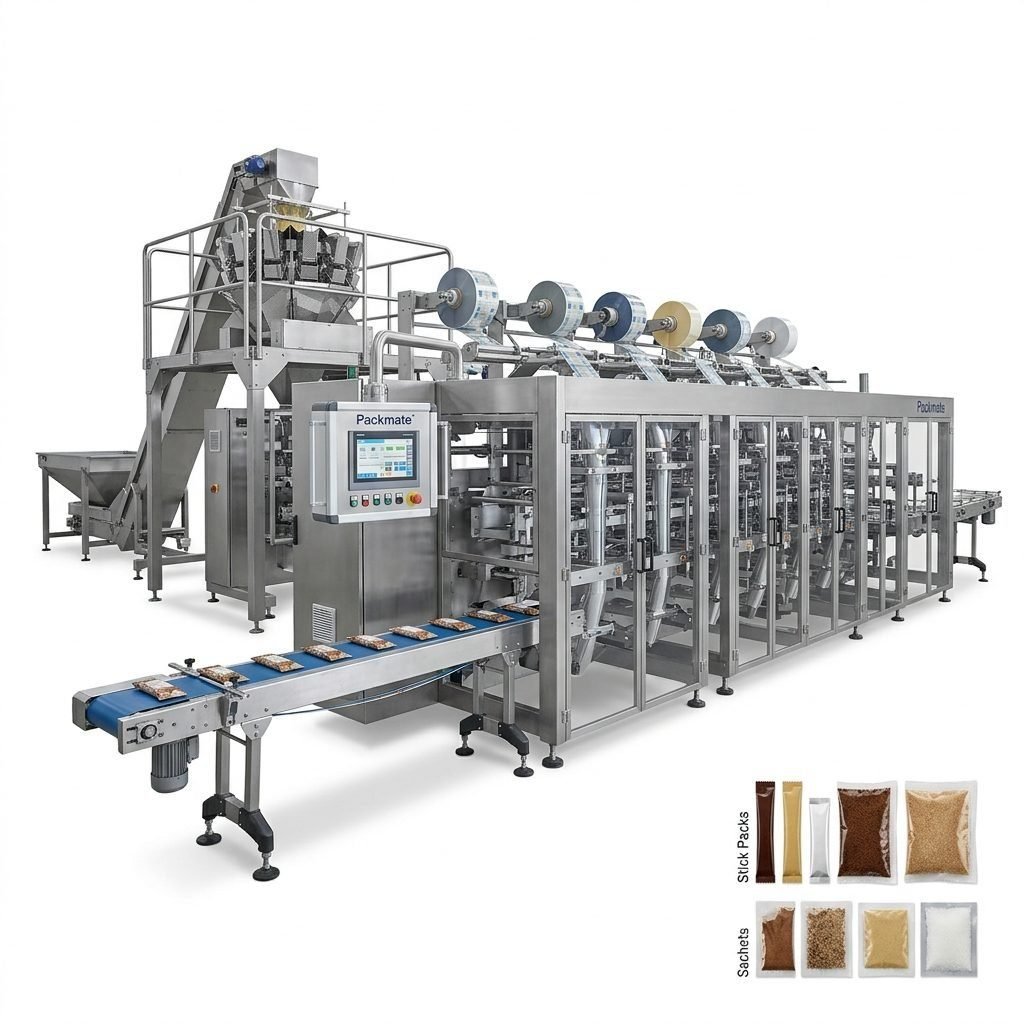
The effectiveness of a vacuum packer is not just about removing air; it’s about the integrity of the seal and the consistency of the vacuum level. Cryovac machines are engineered to deliver precise, repeatable results, which is critical for both food safety and product presentation. For businesses looking to scale their packaging operations, integrating a system like a complete filling and packaging line can streamline the entire process from portioning to sealing.
Key Benefits for Your Business
Investing in a professional-grade vacuum packaging machine offers a multitude of advantages:
Extended Shelf Life: This is the most significant benefit. By removing oxygen, the primary agent in food degradation, you can extend the shelf life of products by three to five times compared to conventional storage methods.
Reduced Food Waste: Longer shelf life directly translates to less spoilage, leading to substantial cost savings and more sustainable operations.
Improved Product Quality: Vacuum sealing locks in freshness, flavor, and nutritional value. It also prevents freezer burn, making it ideal for long-term frozen storage.
Space Efficiency: Vacuum-sealed bags conform tightly to the product’s shape, reducing bulk and maximizing storage and transportation space.
Enhanced Safety: By creating an anaerobic environment, the machine inhibits the growth of pathogens that require oxygen, contributing to safer food handling.
Types of Cryovac Vacuum Packaging Machines
Choosing the right machine depends entirely on your volume, product type, and operational workflow. Cryovac and similar industrial manufacturers offer several main categories.
Chamber Vacuum Machines
These are the workhorses of commercial kitchens and food processing plants. The product and open bag are placed inside a sealed chamber. The lid closes, the air is evacuated from the entire chamber, and the bag is sealed. They are excellent for packaging liquids, moist foods, and powders, as the vacuum is applied evenly around the bag, preventing liquid from being sucked into the machine’s pump. They are ideal for high-volume operations.
External (Nozzle) Vacuum Sealers
Also known as suction vacuum sealers, these machines have a protruding nozzle. The open end of a specially designed bag is placed over the nozzle, and air is sucked out directly from the bag before heat sealing. They are typically more affordable and faster for dry products but are not suitable for liquids or very fine powders. They are common in retail settings for sealing individual items.
Automatic Belt Chamber Machines
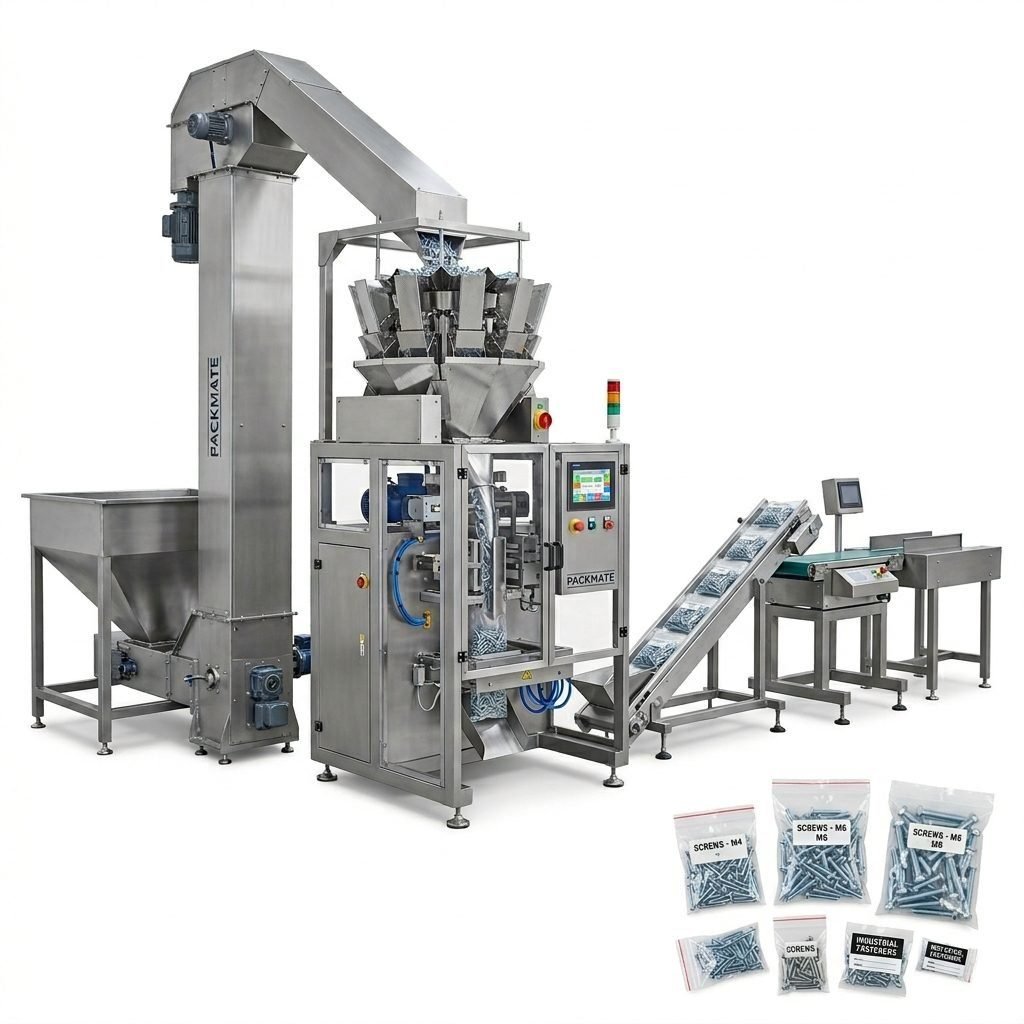
For the highest level of automation in production lines, automatic belt chamber machines are the solution. Products are automatically fed into the machine on a conveyor belt, which indexes them into the vacuum chamber. The cycle of evacuation and sealing is fully automated, allowing for incredibly high throughput with minimal manual labor. This type is integral to large-scale weighing and packaging systems.
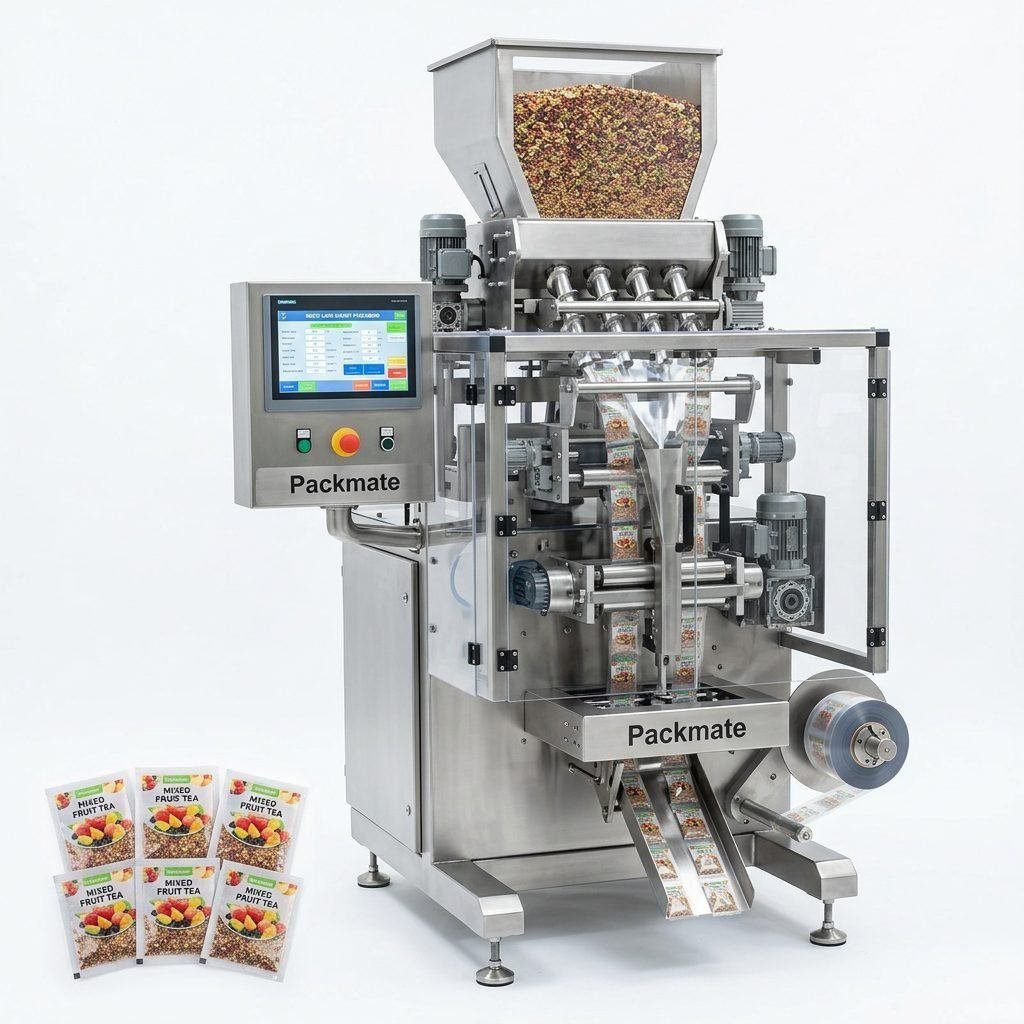
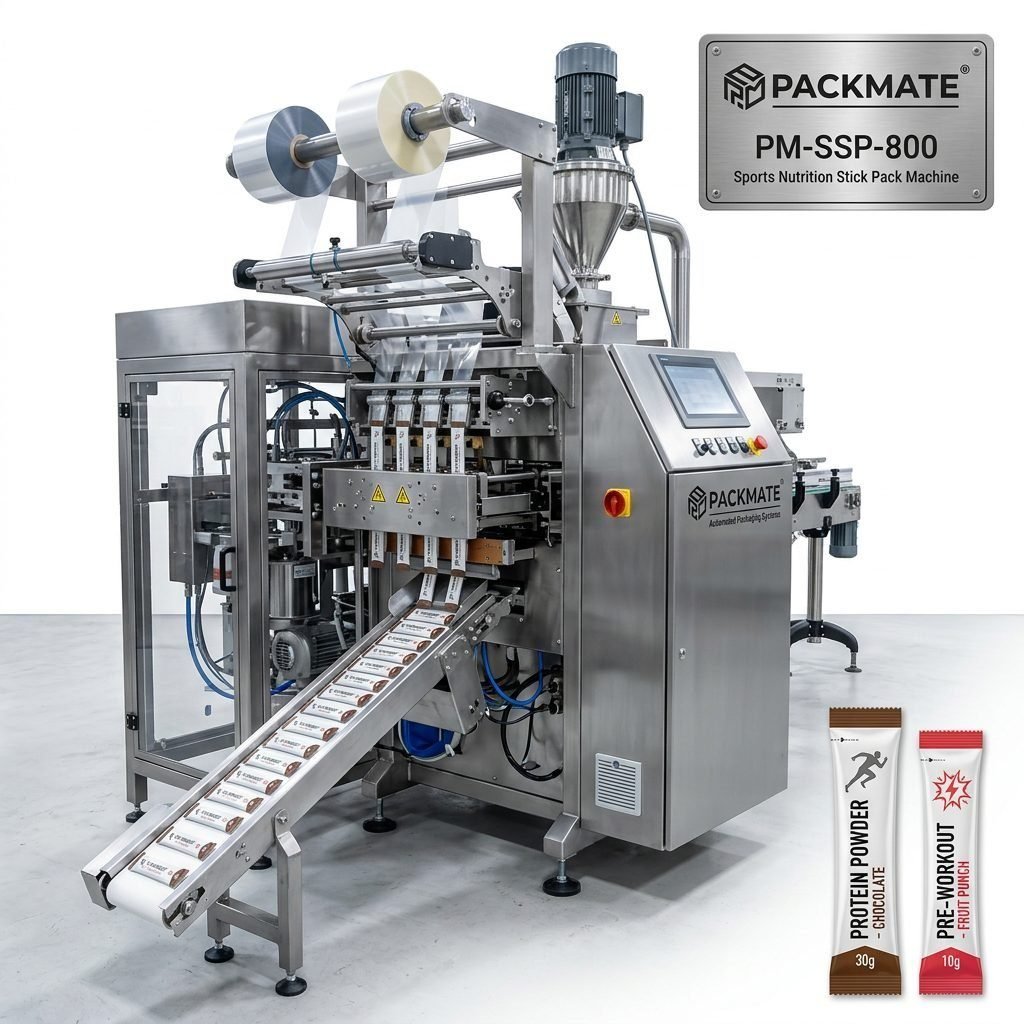
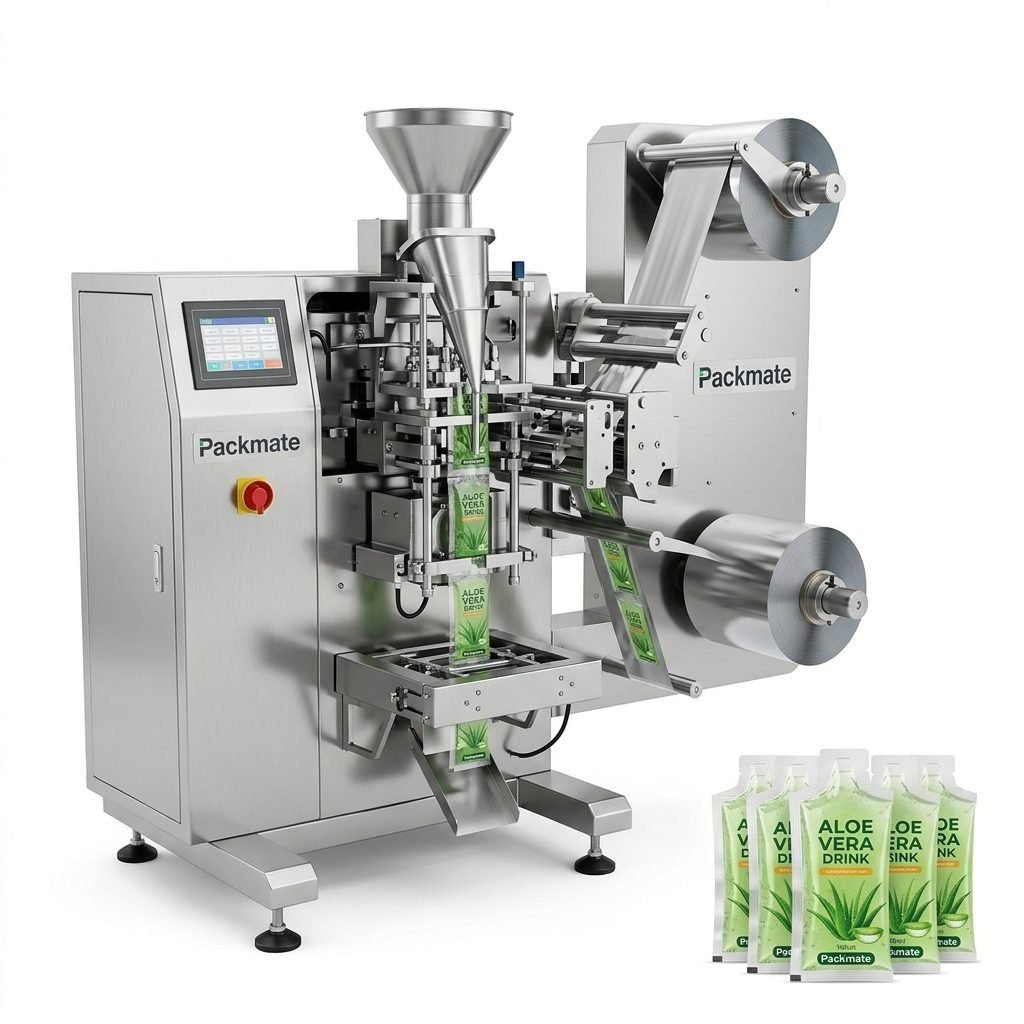
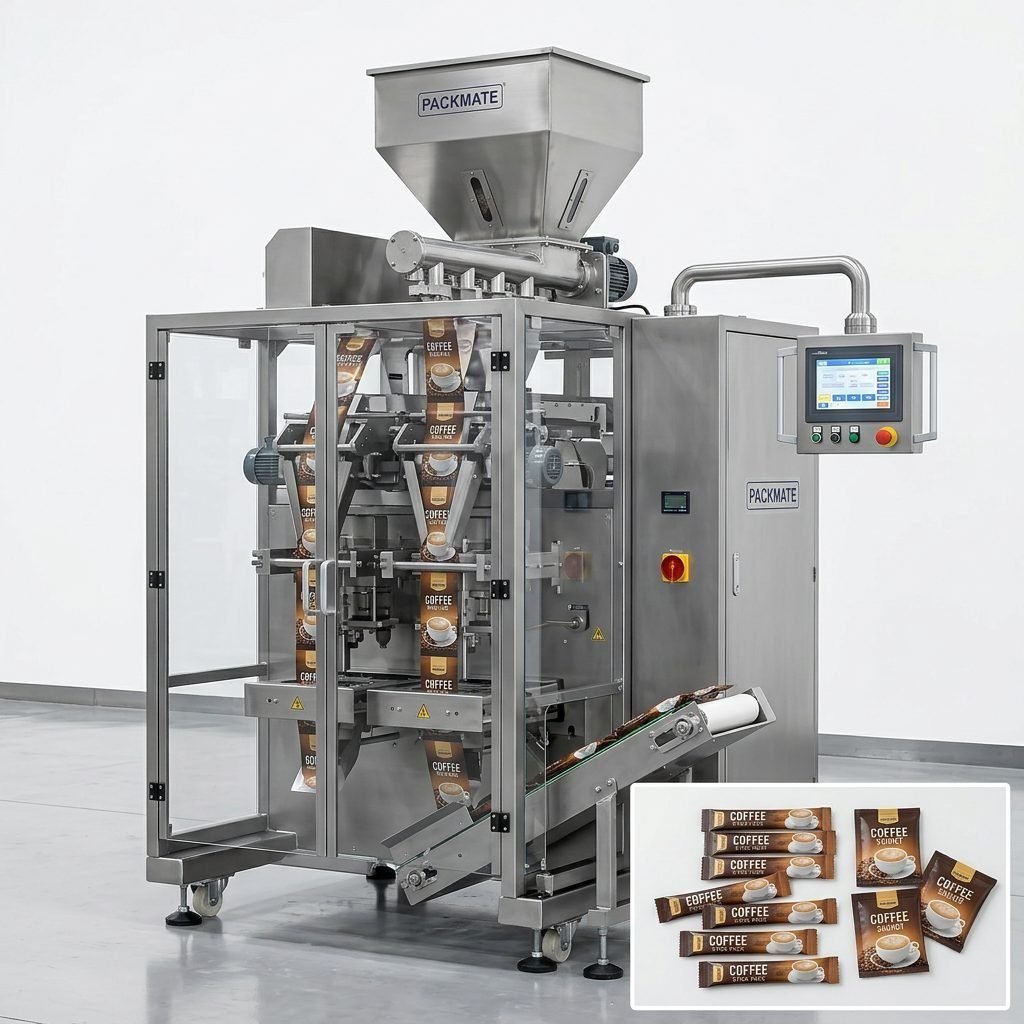
When considering automation, it’s also worth exploring specialized machinery for different product formats. For instance, for packaging granular or powdered goods in small, precise doses, sachet and stick pack machines offer a complementary packaging solution to bulk vacuum sealing.
Critical Buying Guide and Selection Tips
Selecting a Cryovac vacuum packer is a significant investment. Here are the crucial factors to evaluate to ensure you get a machine that meets your demands and offers a strong return on investment.
1. Assess Your Volume and Product Type
Daily/Weekly Volume: Estimate how many packages you need to produce. Chamber machines have cycle times (e.g., 30-60 seconds), which will determine your maximum output. For low volume, a single chamber machine suffices. For high volume, consider a double-chamber or automatic belt machine.
Product Characteristics: Are you packaging prime cuts of meat, marinated products, soups, or dry spices? For wet or liquid products, a chamber vacuum machine is non-negotiable. For dry goods, an external sealer might be a cost-effective starting point.
2. Machine Specifications and Features
Chamber Size: This dictates the maximum bag size and the number of items you can seal per cycle. Choose a chamber that accommodates your largest common product without being excessively large, as a larger chamber requires a more powerful pump and longer cycle times.
Vacuum Power and Speed: Measured in cubic meters per hour (m³/h) or by the ultimate vacuum level (e.g., 99%). A more powerful pump creates a deeper vacuum faster, which is critical for product quality and throughput.
Seal Bar Quality: Look for dual or triple seal bars for redundancy and leak prevention. The seal bar length determines your maximum bag width.
Construction and Durability: The machine should have a sturdy, stainless-steel construction, especially for the chamber and components that contact food, ensuring hygiene and longevity in demanding environments.
3. Operational and Support Considerations
Ease of Use and Cleaning: User-friendly controls and easy-access components for cleaning are vital for daily operation and compliance with food safety standards.
Supplier Reputation and Support: Partner with a reputable manufacturer or distributor. Consider their warranty, availability of spare parts, and technical support. A company with a strong track record, like Packmate Machinery with over two decades of experience in packaging solutions, can provide invaluable peace of mind and reliable service.
Total Cost of Ownership: Look beyond the purchase price. Factor in costs for bags/rolls, maintenance, potential downtime, and energy consumption. A slightly more expensive, robust machine from a trusted supplier often proves cheaper in the long run.
Best Practices for Optimal Results
To maximize the benefits of your Cryovac machine, follow these operational guidelines:
Use the Right Bag: Always use bags designed for chamber vacuum sealing. They are made from multi-layer, food-grade materials (like PA/PE) that are puncture-resistant and provide an excellent oxygen barrier.
Proper Product Preparation: Ensure products are cool or cold before packaging. Hot items will create steam, which can compromise the vacuum and seal. Pat dry any excess surface moisture on items like meat.
Correct Bagging Technique: Leave enough space (at least 2-3 inches) between the product and the top of the bag to ensure a clean, effective seal. Avoid overfilling the chamber.
Regular Maintenance: Clean the chamber, seal bar, and gasket after every use. Regularly check the gasket for wear and tear, as a damaged gasket will prevent a proper vacuum. Follow the manufacturer’s schedule for oil changes (for oil-lubricated pumps) and general servicing.
Frequently Asked Questions (FAQ)
Q1: Can I use any plastic bag with a chamber vacuum machine?
A: No. You must use bags specifically designed for chamber vacuum sealers. They are constructed to withstand the vacuum pressure without collapsing prematurely and to create a hermetic seal. Using improper bags will lead to seal failures and potential damage to the machine.
Q2: How do I prevent liquids from being sucked into the vacuum pump?
A: Chamber vacuum machines are designed to handle liquids. The key is to use the correct settings. Many machines have a “Pulse” or “Liquid” mode that slows the vacuum process, allowing time for the air to be removed without pulling the liquid up. Also, ensure the bag opening is clean and placed flat over the seal bar.
Q3: What is the difference between a single-seal and a double-seal bar?
A: A double-seal bar creates two parallel seals across the bag. This provides redundancy; if one seal has a minor imperfection, the second seal maintains the package’s integrity. It is a highly recommended feature for critical applications to ensure a perfect, leak-proof closure every time.
Q4: How often does the vacuum pump oil need to be changed?
A: The frequency depends on the pump type and usage. For rotary vane pumps in high-use environments, it might be every 3-6 months. For lower usage, once a year may suffice. Always refer to your machine’s user manual for the specific maintenance schedule. Clean oil is essential for pump performance and longevity.
Q5: My sealed bags seem to have air in them after a few days. What’s wrong?
A: This is usually caused by one of three issues: 1) A poor initial seal due to a dirty seal bar, wrinkled bag material, or a worn gasket. 2) Micro-permeation through the bag material if using a low-quality bag. 3) For meat products, it can be “off-gassing” where gases are released from the product itself after packaging, which is normal but can be minimized by using high-barrier bags and ensuring the product is very fresh when sealed.