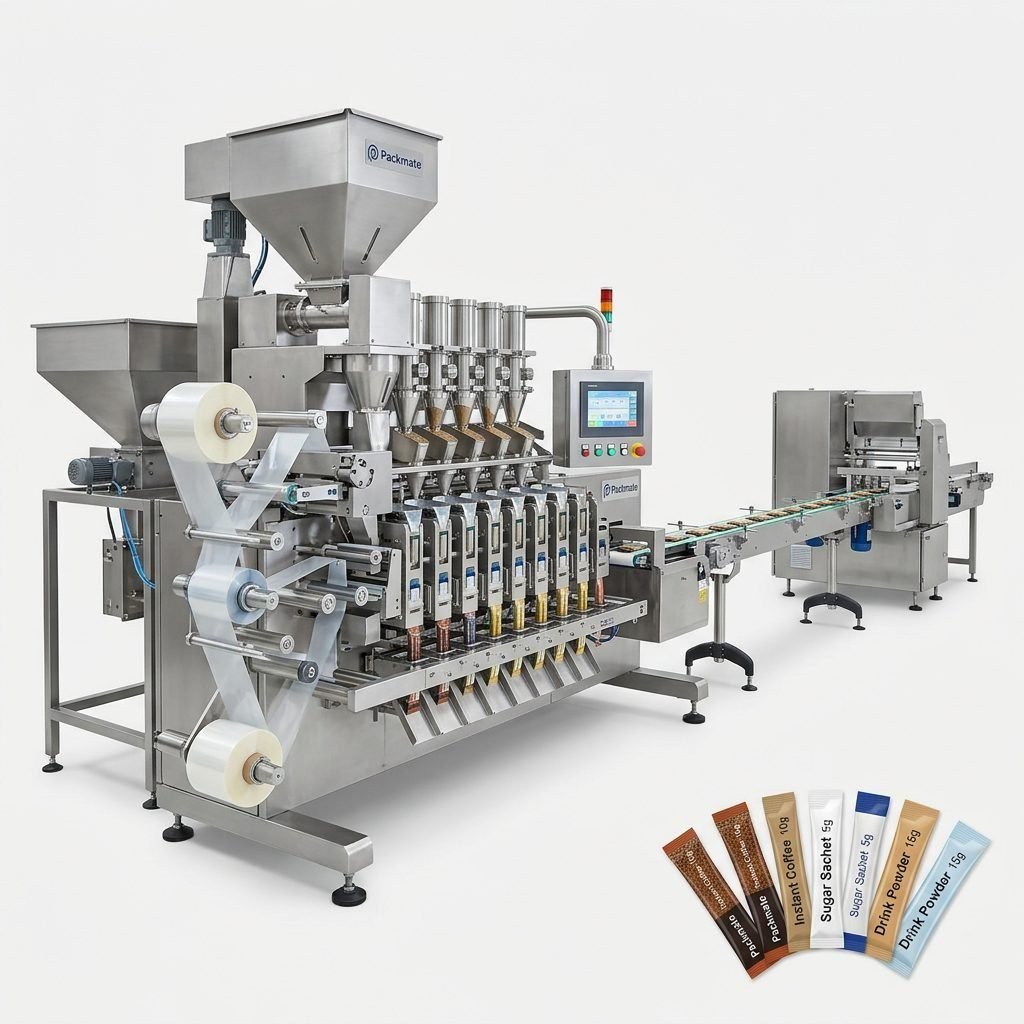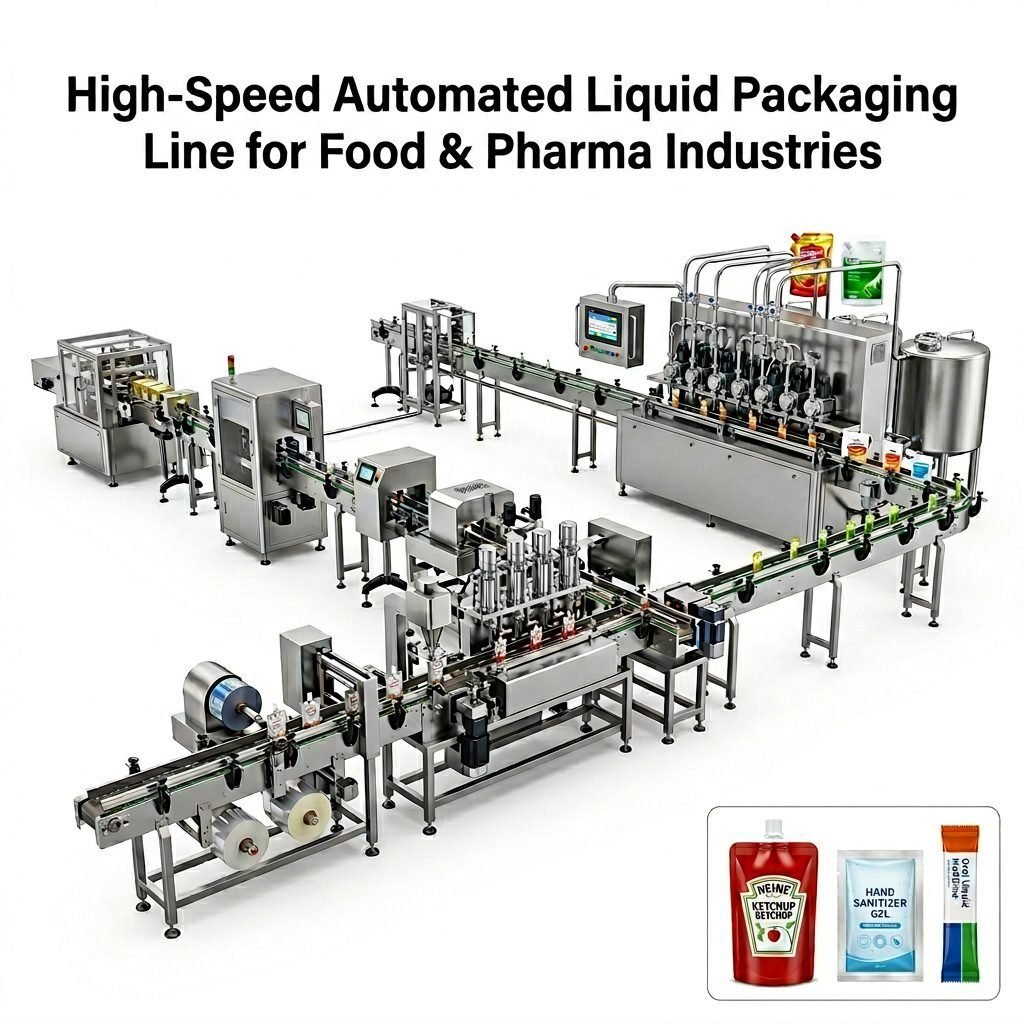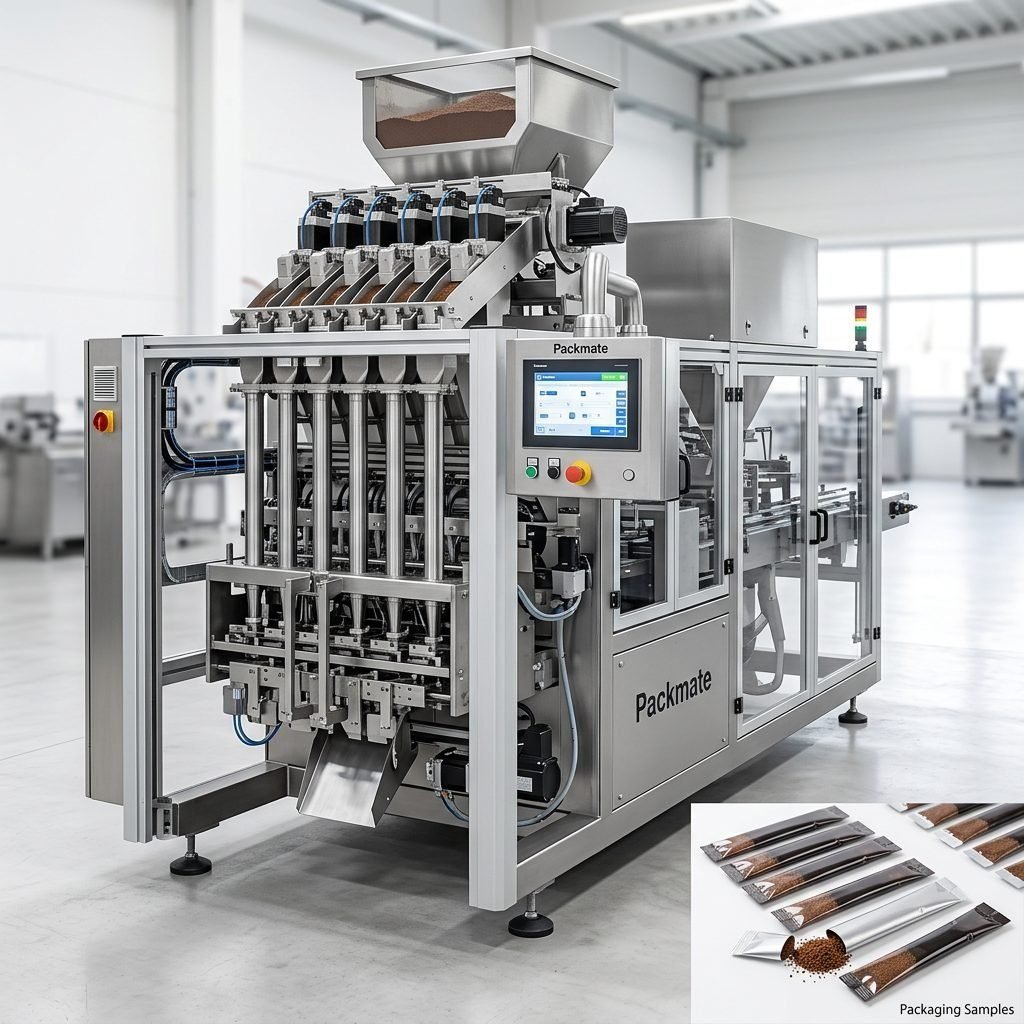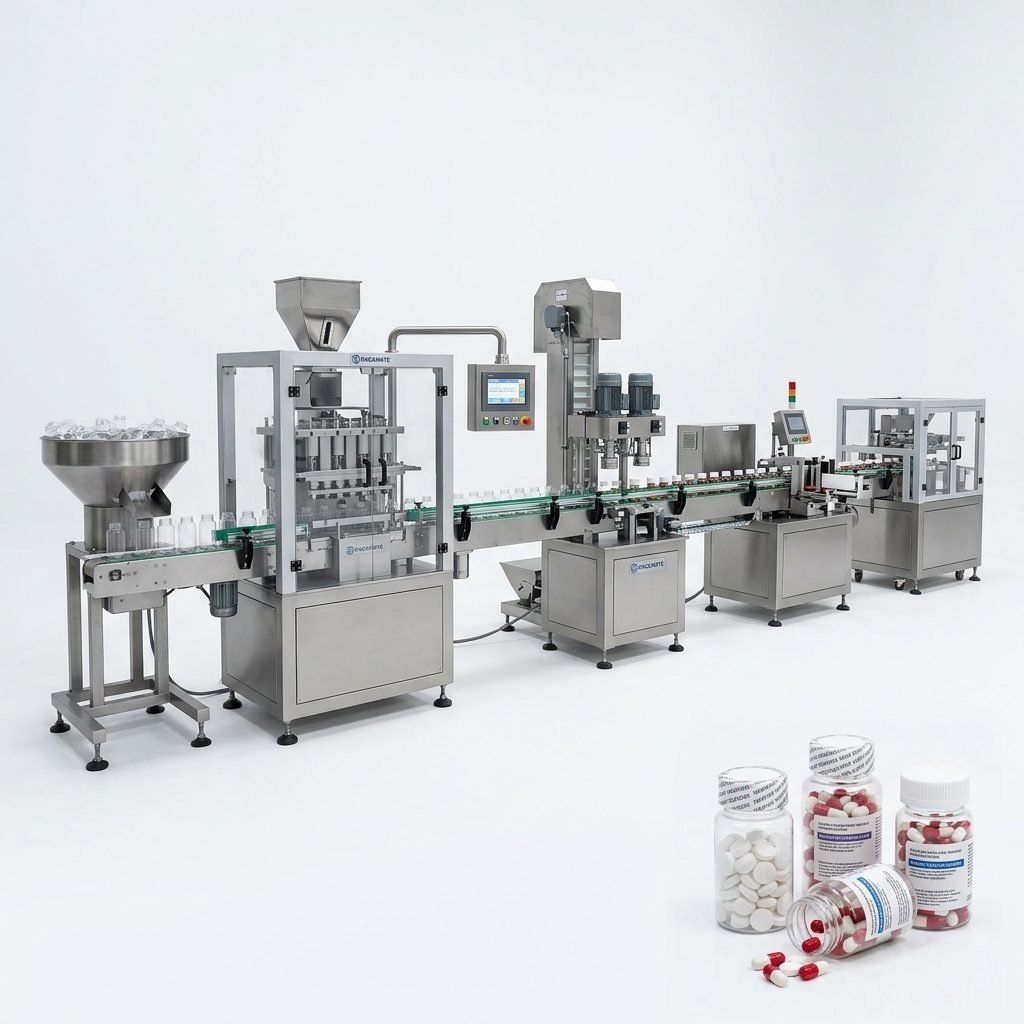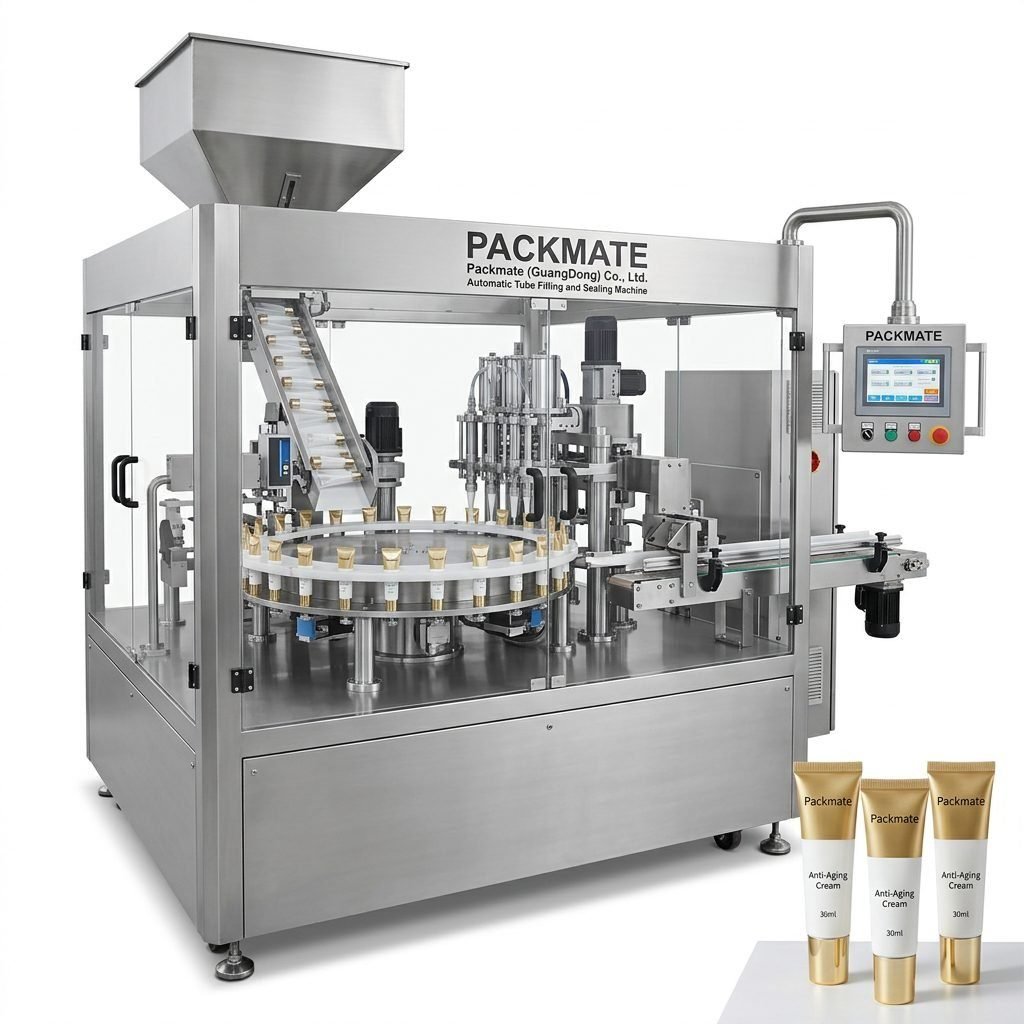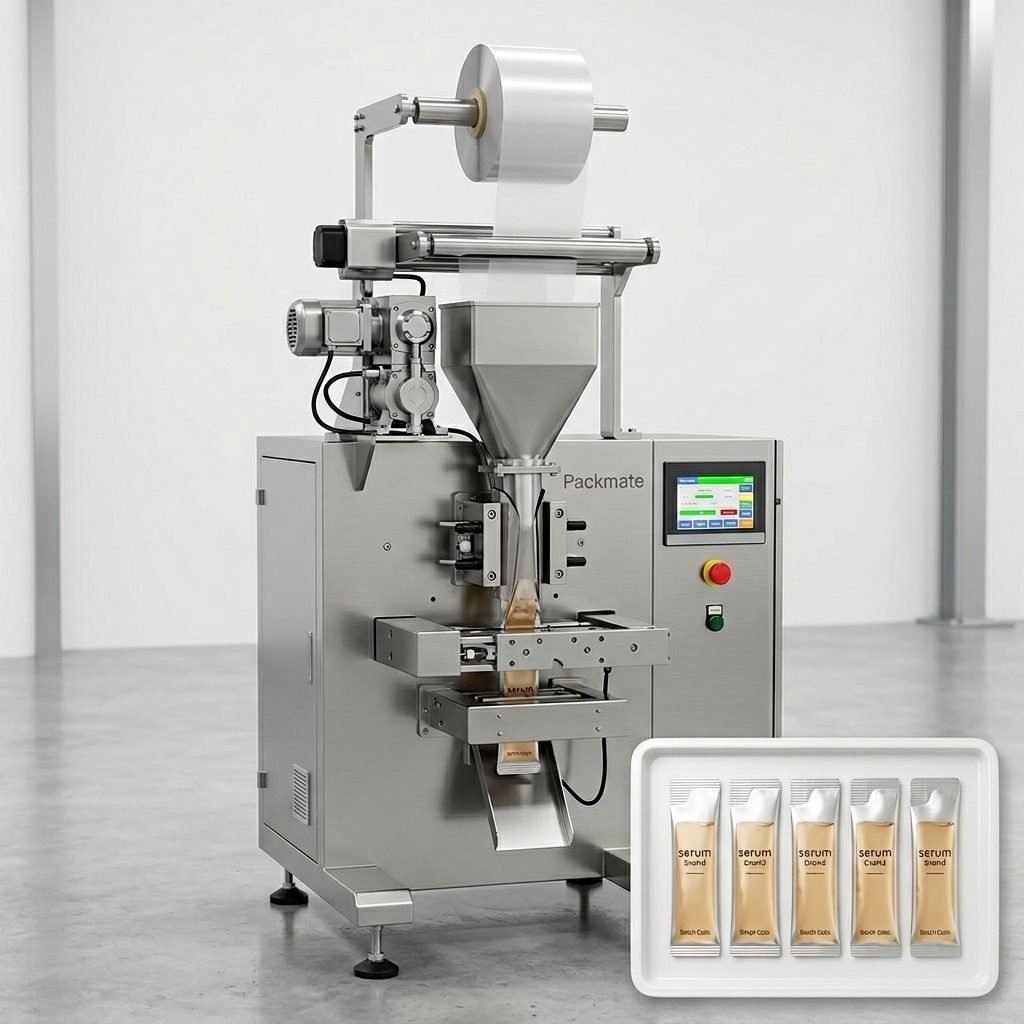
Selecting the ideal IMA (Integrated Modular Automation) packaging machine is a critical decision that directly impacts your production efficiency, product quality, and overall operational costs. With numerous models and configurations available, navigating the options can be complex. This guide provides a structured approach to help you evaluate your needs and choose the perfect IMA packaging machine for your production line.
Understanding Your Core Production Requirements
The first and most crucial step is a thorough internal audit. You must clearly define what you need the machine to accomplish.
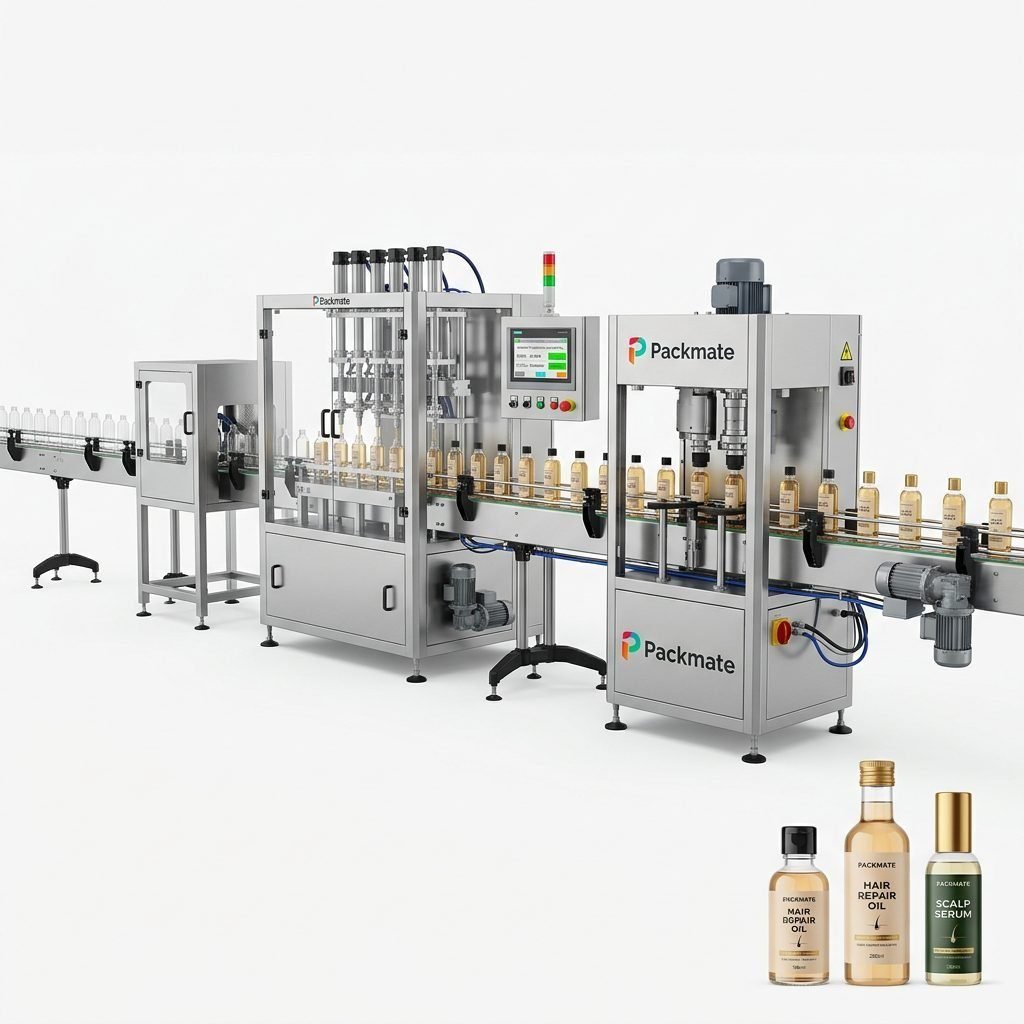
Start by analyzing your product characteristics. Is it a granule, powder, or liquid? Each form requires specific filling mechanisms. For powders, consider machines with auger fillers for precision, while liquids demand piston or pump fillers. The product’s flowability, abrasiveness, and sensitivity to contamination are vital factors.
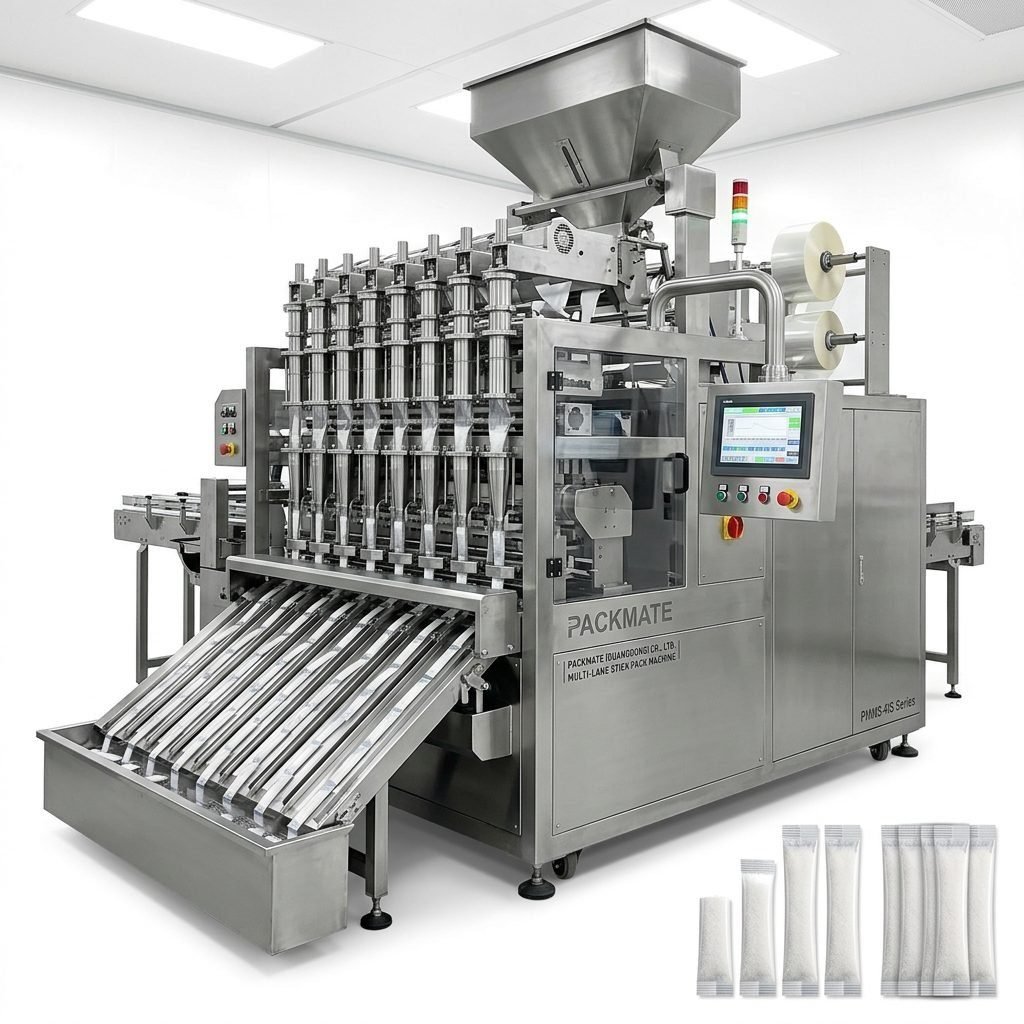
Next, quantify your output needs. Determine your required production speed in packs per minute (PPM) and your target annual capacity. This will guide you towards machines with the appropriate number of lanes and cycle speeds. Don’t forget to consider future growth; a machine that operates at 80% of its maximum capacity today allows room for scaling up tomorrow.
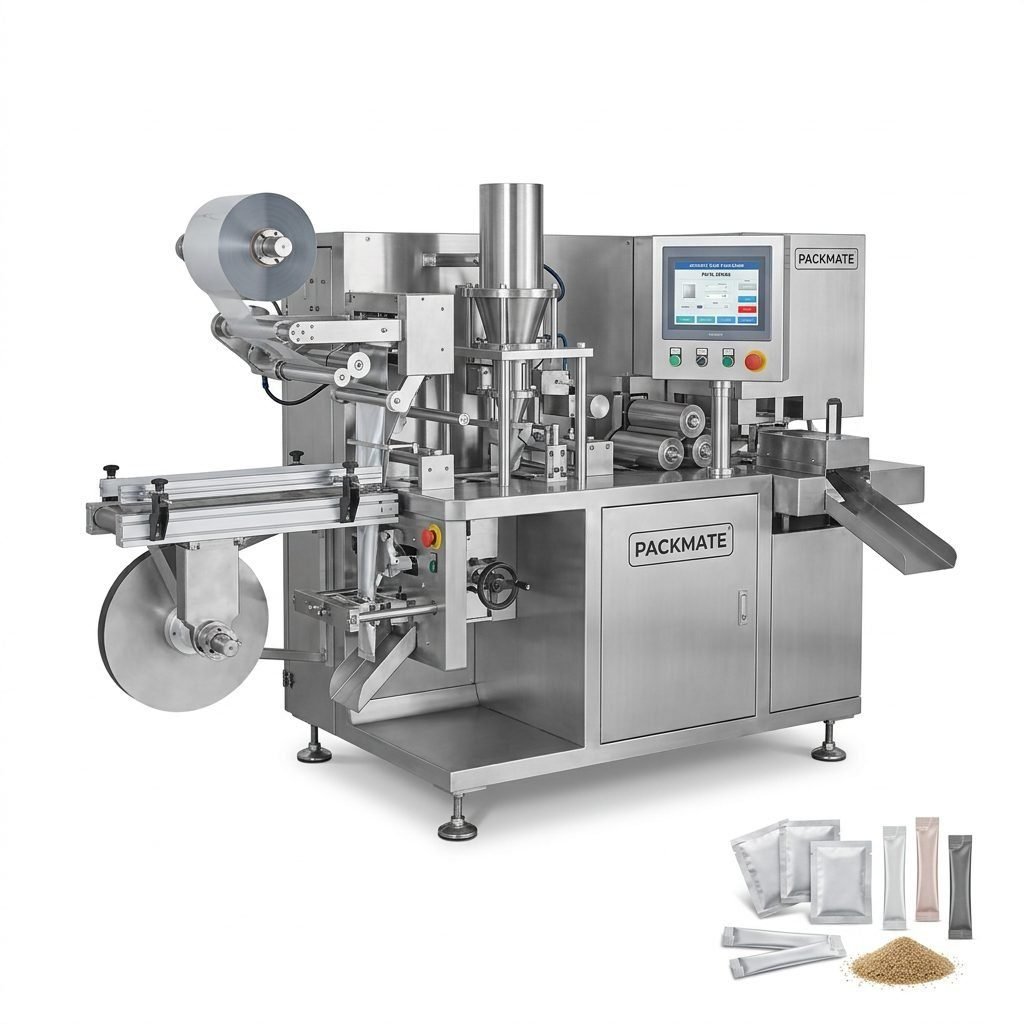
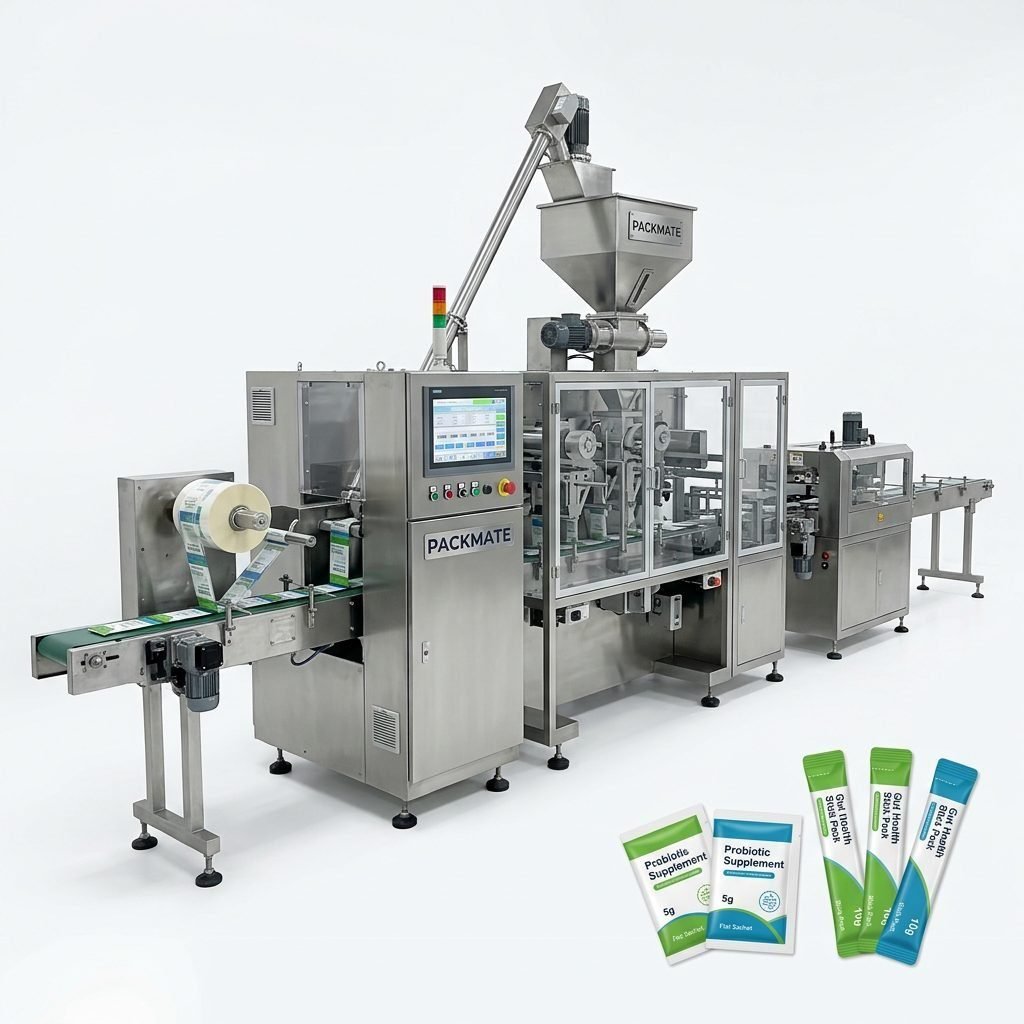
Finally, specify your packaging format. Are you producing sachets, stick packs, or larger pouches? The machine must be compatible with your desired film material (e.g., laminated films for barrier properties) and capable of creating the necessary seals (fin seal, pillow pack, etc.). For specialized formats like snus or nicotine pouches, seek machines with dedicated tooling and precision dosing systems.
Evaluating Key Machine Specifications and Features
With your requirements in hand, you can now assess the technical specifications of potential machines.
Focus on the filling accuracy. In industries like pharmaceuticals or high-value food supplements, even minor deviations are unacceptable. Look for machines with high-precision servo-driven fillers and integrated check-weighing systems that automatically reject under or over-filled units.
The machine’s flexibility and changeover time are paramount if you run multiple products or package sizes. Machines with quick-change parts, recipe memory stored in the PLC, and tool-less adjustments can reduce downtime from hours to minutes, significantly boosting overall equipment effectiveness (OEE).
Assess the level of automation and integration. A basic machine fills and seals, but a true IMA system can include integrated vision inspection systems, date/batch coders, label applicators, and robotic cartoning. Consider how the machine will fit into your existing line. Can it communicate via industry-standard protocols (OPC UA, Ethernet/IP) with your upstream and downstream equipment? For a complete line view, explore integrated filling and packaging lines.
The Critical Role of the Manufacturer and Support
The machine itself is only part of the equation. The manufacturer’s expertise and support network are equally important for long-term success.
Investigate the manufacturer’s industry experience and track record. A company with decades of specialization, like Packmate Machinery with over 30 years in intelligent packaging, brings invaluable problem-solving knowledge. Review their portfolio of successful case studies in your specific sector.
Scrutinize the after-sales service and parts availability. Ensure they offer comprehensive training for your operators and maintenance staff. Confirm the availability of a local service team or certified partners for timely support. The warranty period and the terms of extended service contracts are key negotiation points.
Finally, consider the total cost of ownership (TCO), not just the purchase price. Factor in energy consumption, required consumables (like sealing jaws), maintenance costs, and potential future upgrade paths. A slightly more expensive machine with higher reliability and lower operating costs often provides a better return on investment over its lifespan.
Making the Final Decision and Implementation
After narrowing down your options, take concrete steps to validate your choice.
Always request a product sample test run. Sending your actual product and packaging material to the manufacturer for a live demonstration is non-negotiable. This test will reveal the machine’s true performance regarding speed, accuracy, and seal quality with your specific materials.
Conduct a thorough factory audit or visit if possible. Inspecting the manufacturing facility, like Packmate’s 20,000㎡ factory with advanced production lines, gives you confidence in their build quality and process control. Meeting the engineering team can also build a stronger partnership.
Plan the integration and installation phase meticulously. Work with the supplier to layout the factory floor, ensuring adequate utilities (power, air, networking) are in place. Schedule training sessions and create a detailed project timeline from delivery to commissioning and final acceptance.
Frequently Asked Questions (FAQ)
What is the typical lead time for a new IMA packaging machine?
Lead times vary significantly based on machine complexity and customization. For standard models, it can range from 12 to 20 weeks. Highly customized or fully integrated lines may require 6 months or more. It’s essential to discuss and confirm timelines early in the quotation process.
How do I ensure the machine meets food safety or pharmaceutical compliance standards?
Specify your required certifications upfront, such as CE, FDA, or GMP compliance. Reputable manufacturers design machines with these in mind, using food-grade or pharmaceutical-grade stainless steel, easy-clean surfaces, and documentation to support validation (IQ/OQ/PQ protocols).
Can an existing packaging line be upgraded or retrofitted with a new IMA machine?
Yes, in many cases. Modern IMA machines are designed for connectivity. The key is to evaluate the communication protocols of your existing equipment (conveyors, cartoners, etc.) and ensure the new machine’s PLC can interface with them. A site survey by the supplier’s engineers is recommended.
What are the most common maintenance requirements for these machines?
Regular preventive maintenance is crucial. Common tasks include daily cleaning, lubrication of moving parts as per the manual, inspection and replacement of wear parts like sealing jaws or cutting blades, and calibration of weighing systems. A good supplier will provide a detailed maintenance schedule and training.
Where can I find technical support or spare parts after the machine is installed?
Choose a manufacturer with a robust global support network. They should offer remote diagnostic support, have readily available spare parts inventory, and provide access to technical documentation and manuals online. Ensure you understand the response time for on-site service calls.