The global packaging machinery market is a dynamic and critical component of modern manufacturing, driving efficiency, product safety, and brand presentation across countless industries. From food and beverages to pharmaceuticals and consumer goods, the demand for sophisticated packaging solutions continues to grow, fueled by trends in automation, sustainability, and e-commerce. Understanding the market’s size, growth trajectories, and underlying industry analysis is essential for businesses looking to invest, innovate, or streamline their operations.
Current Market Size and Valuation
The packaging machinery sector represents a multi-billion-dollar global industry. Recent analyses indicate sustained growth, with the market valued significantly higher than in previous decades. This expansion is directly tied to the relentless demand for packaged goods, stringent regulatory requirements for product safety, and the continuous need for supply chain optimization. The integration of Industry 4.0 technologies like IoT and AI is creating new revenue streams and transforming traditional equipment into smart, connected systems.
Key Growth Drivers and Trends
Several powerful forces are shaping the market’s upward trajectory. The explosive growth of e-commerce has necessitated durable, efficient, and cost-effective packaging solutions for last-mile delivery. Simultaneously, consumer awareness and regulatory pressures are pushing brands toward sustainable and eco-friendly packaging materials, which in turn requires machinery capable of handling new substrates like biodegradable films and recycled content.
Automation and Flexibility: Perhaps the most significant trend is the shift toward full automation. Manufacturers are seeking complete turnkey packaging lines that minimize human intervention, reduce labor costs, and maximize throughput. Furthermore, the need for short production runs and personalized packaging is driving demand for highly flexible machinery that can handle quick changeovers.
Regional Market Analysis
Market growth is not uniform globally. The Asia-Pacific region, led by manufacturing powerhouses like China, is a dominant force, both as a major producer and consumer of packaging machinery. North America and Europe remain mature markets with strong demand for high-speed, precision equipment, particularly in the pharmaceutical and food sectors. Emerging economies are also witnessing rapid adoption as local manufacturing capabilities expand.
Industry Segmentation and Analysis
The packaging machinery market can be segmented in several ways, providing deeper insights into specific opportunities.
By Machine Type
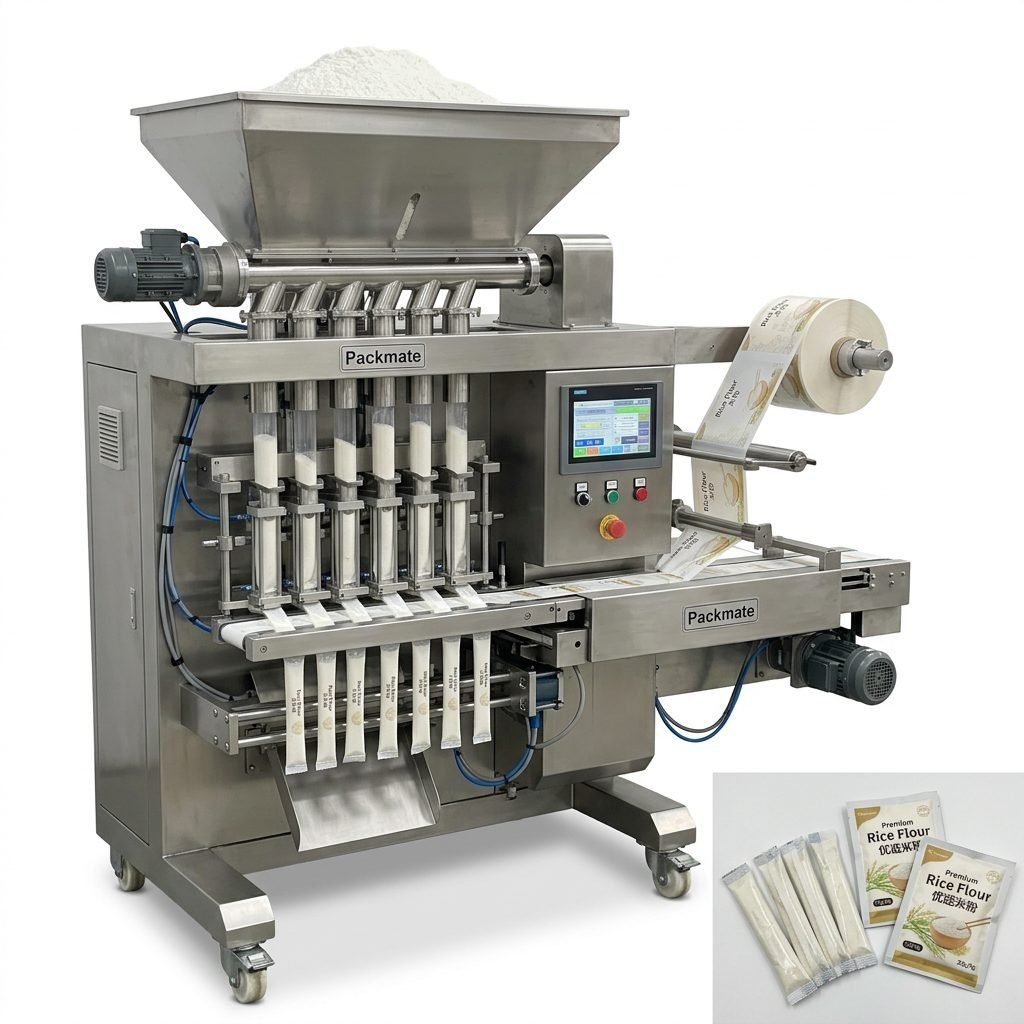
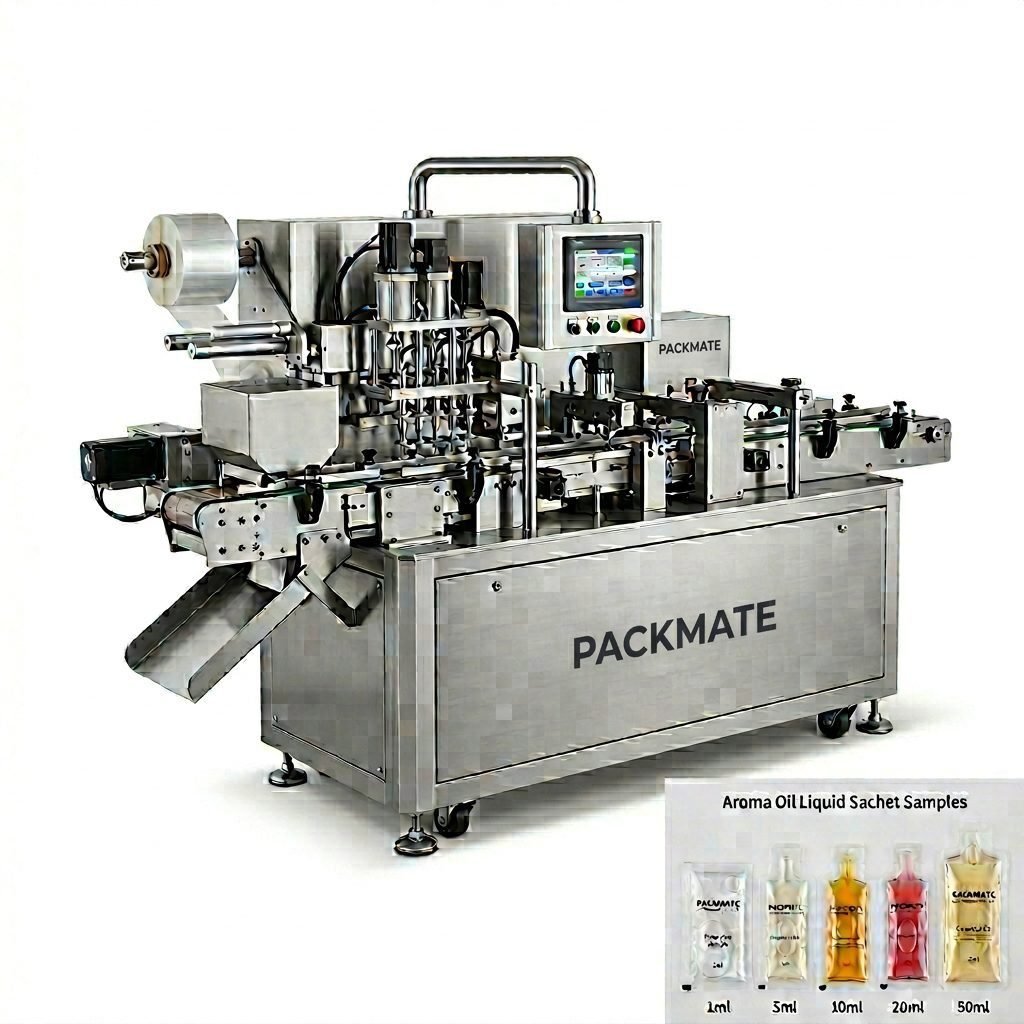
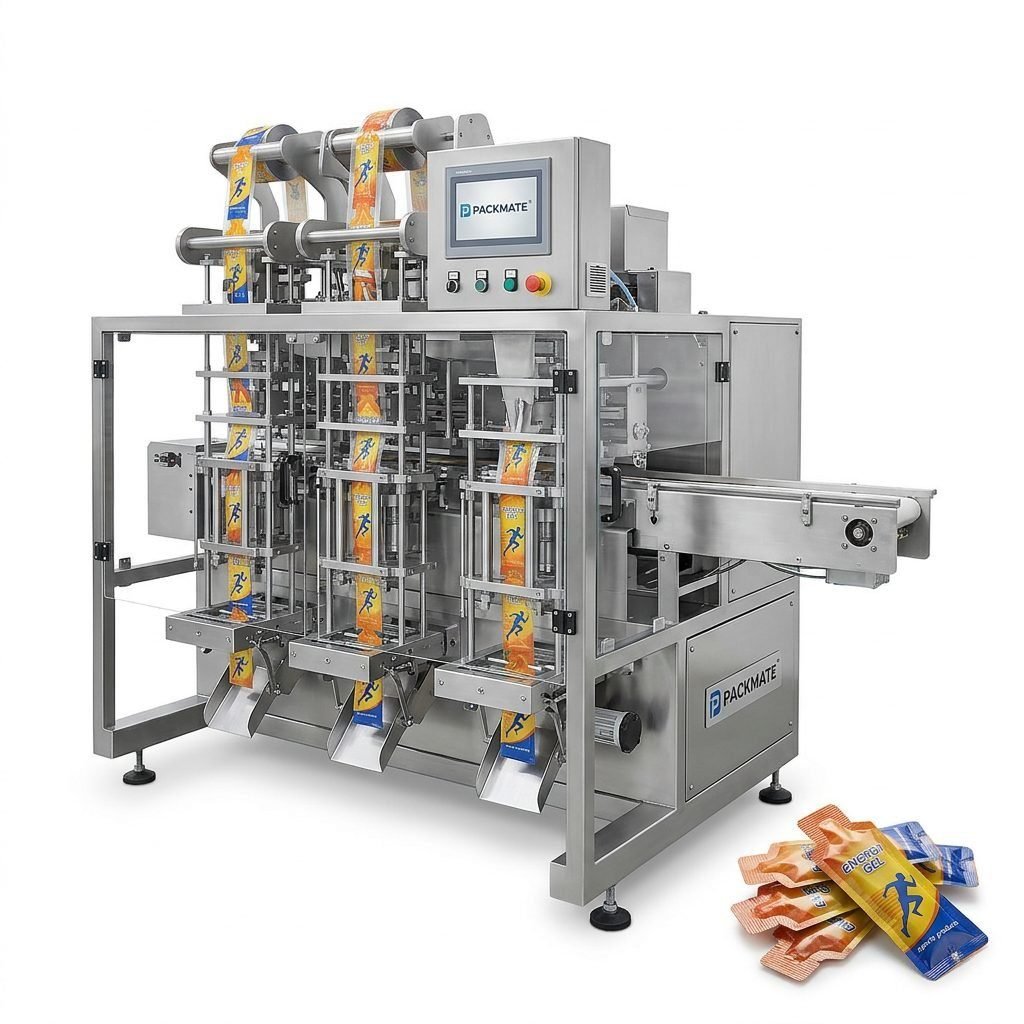
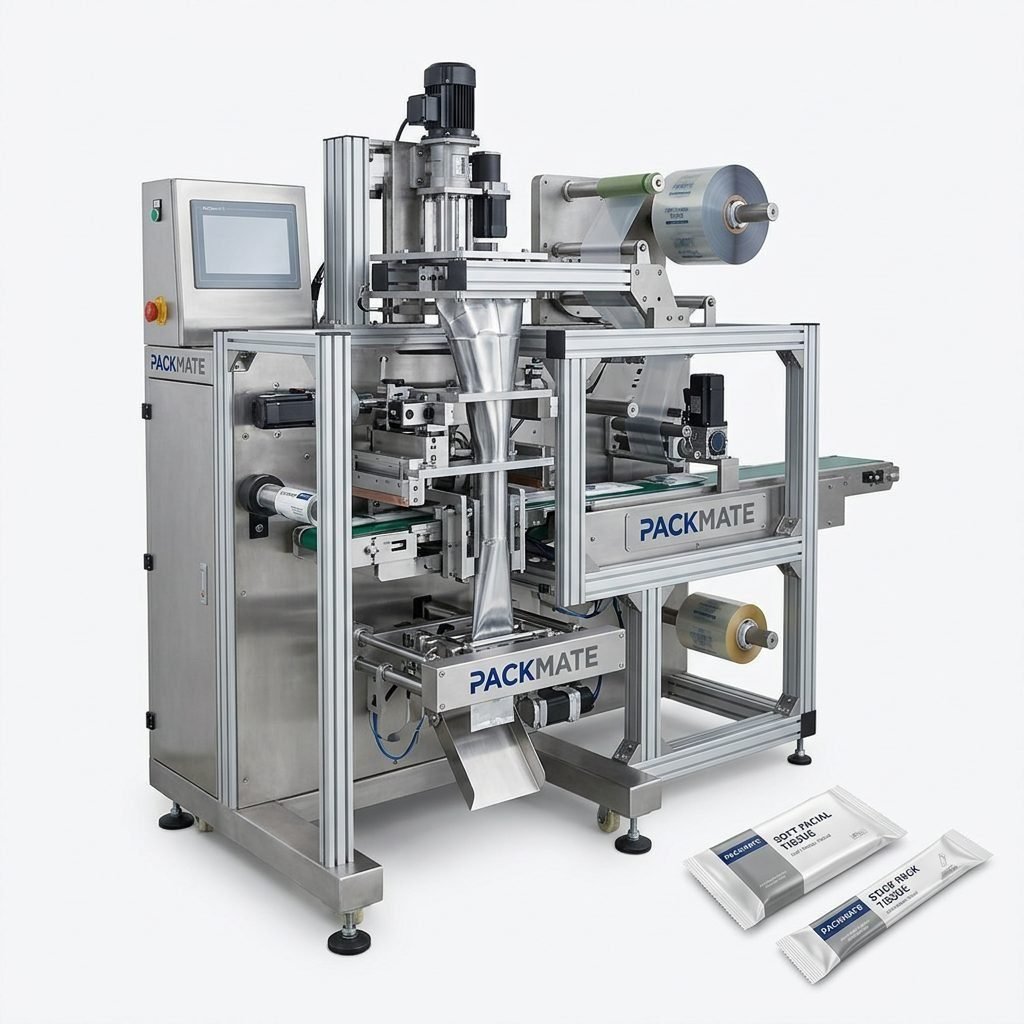
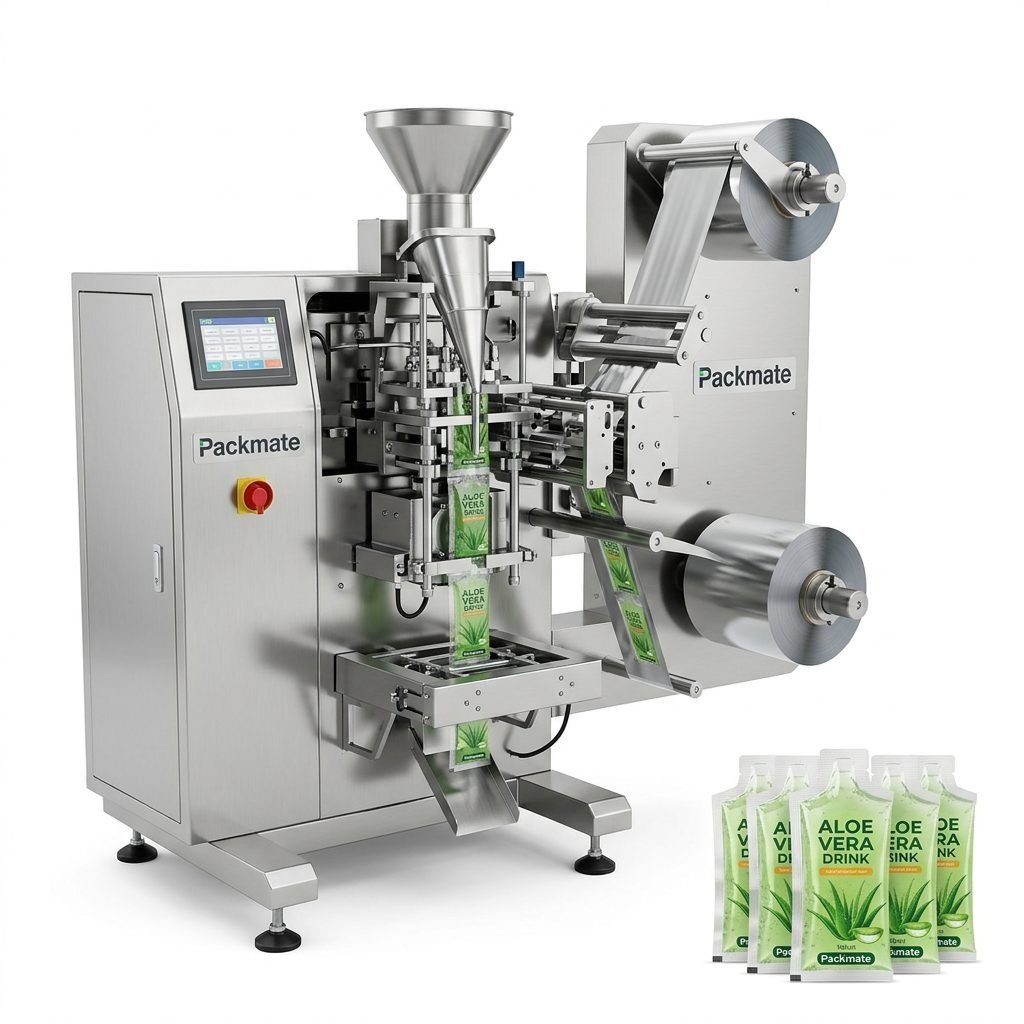
The landscape includes a wide array of equipment. Filling machines, capping machines, labeling machines, and bagging and pouching machines form the core. There is particularly high growth in segments like sachet and stick pack machinery, driven by demand for single-serve portions in food, pharmaceuticals, and personal care.
By End-Use Industry
The food and beverage industry is the largest end-user, requiring machinery for everything from snacks to liquids. The pharmaceutical industry demands exceptionally high standards of accuracy, cleanliness, and compliance, making it a key sector for advanced machinery. Other significant sectors include cosmetics, chemicals, and household products.
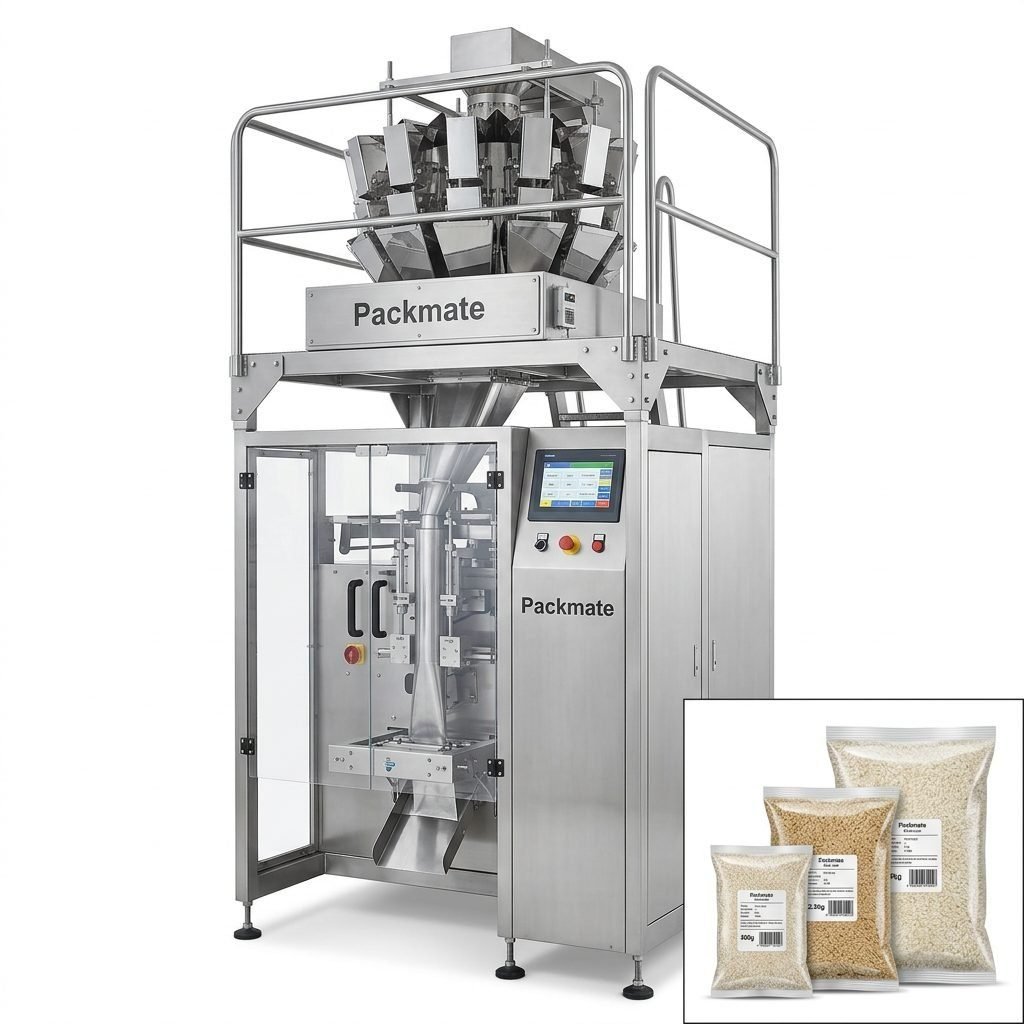
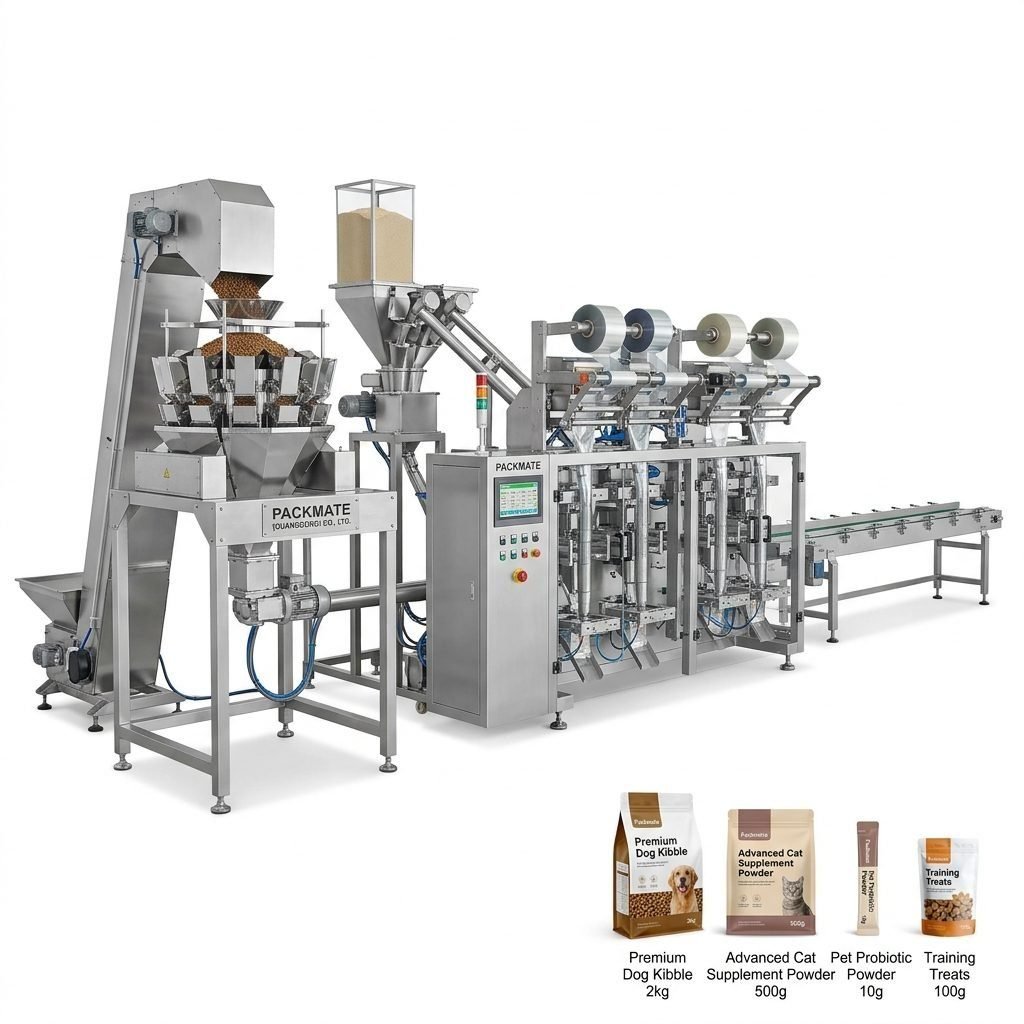
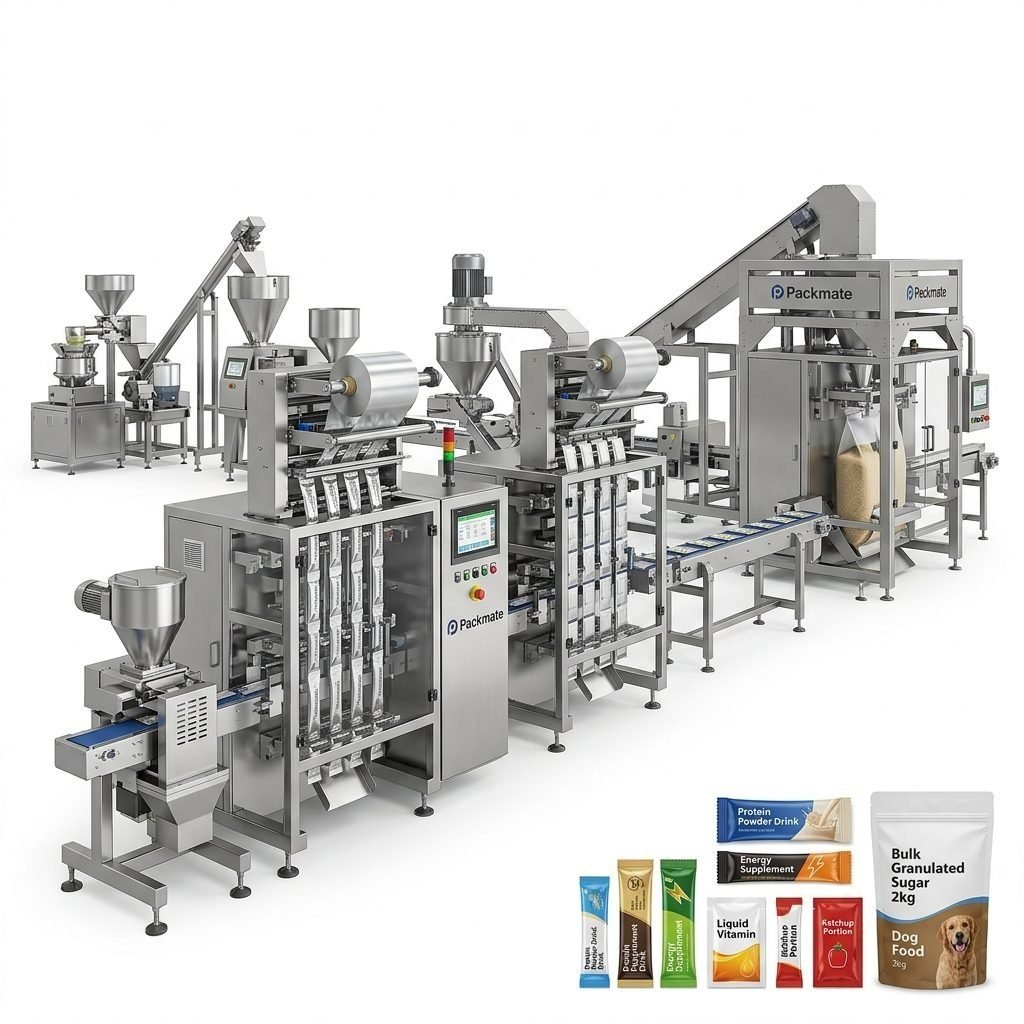
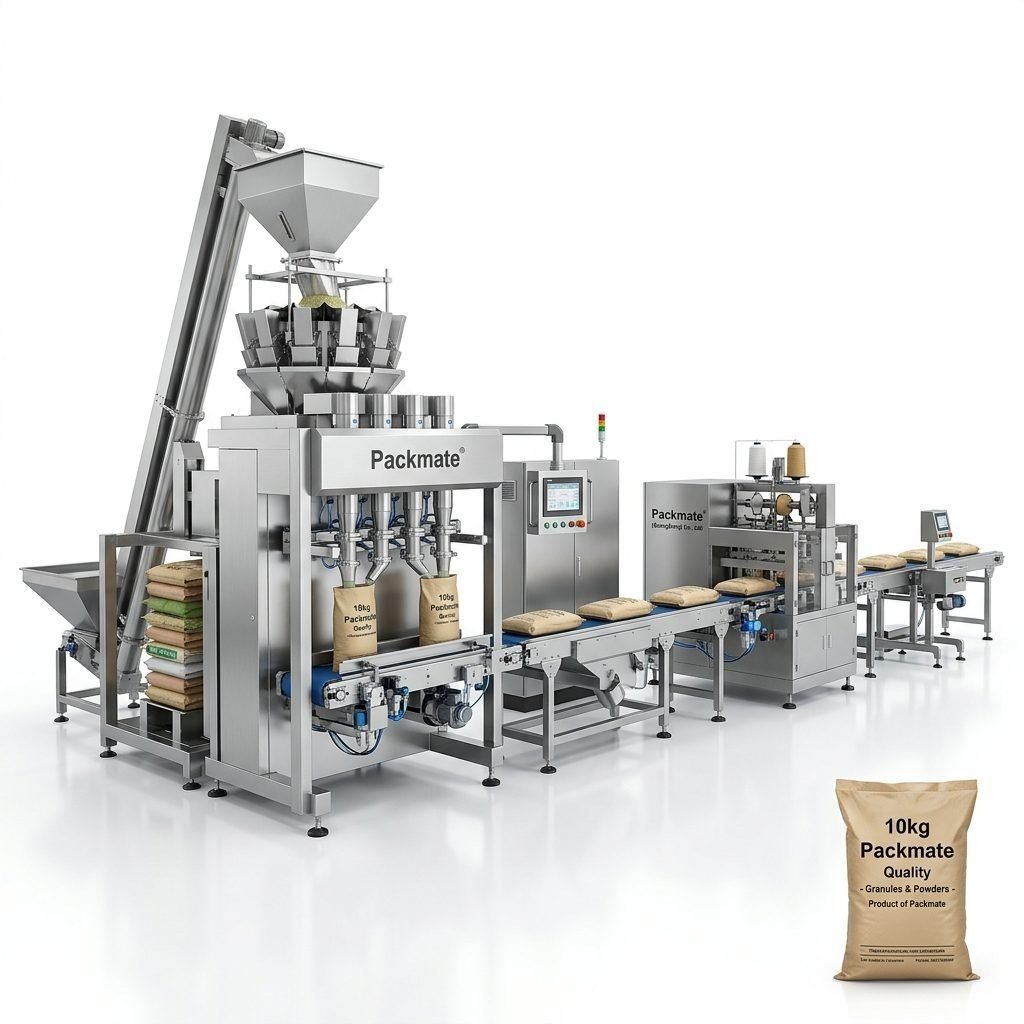
The Role of Specialized Manufacturers: Companies with deep vertical expertise, such as Packmate Machinery, exemplify how focused innovation drives market segments. With over 30 years of experience, they have evolved from basic sachet machines to providing intelligent, multi-lane systems and complete weighing and packaging solutions, directly responding to industry demands for higher speed and integration.
Challenges and Future Outlook
Despite robust growth, the industry faces challenges. The high initial capital investment for advanced machinery can be a barrier for small and medium-sized enterprises. Additionally, the rapid pace of technological change requires continuous workforce training and R&D investment from manufacturers. Supply chain disruptions for critical components also pose a recurring risk.
Looking ahead, the future is intelligent and connected. The convergence of robotics, machine vision, and data analytics will lead to self-optimizing packaging lines that predict maintenance needs and adapt in real-time. Sustainability will move beyond materials to encompass energy-efficient machine design and circular economy principles for the equipment itself.
Frequently Asked Questions (FAQs)
What is the main driver of growth in the packaging machinery market?
The primary driver is the global demand for automation to improve efficiency, reduce labor costs, and ensure consistent quality and hygiene, especially in food and pharmaceutical packaging. The rise of e-commerce and the need for sustainable packaging solutions are also major contributing factors.
Which region has the largest market for packaging machinery?
The Asia-Pacific region currently holds the largest and fastest-growing market share, largely due to expansive manufacturing activities in countries like China and India, coupled with rising domestic consumption of packaged goods.
What are the key trends in packaging machinery technology?
Key trends include the integration of IoT for predictive maintenance and data monitoring, the development of flexible machines for quick product changeovers, increased use of robotics for pick-and-place tasks, and a strong focus on designing machines that can handle new, eco-friendly packaging materials.
How important is after-sales service when investing in packaging machinery?
Extremely important. Given the critical role of packaging lines in production, reliable technical support, readily available spare parts, and comprehensive operator training are essential for minimizing downtime and ensuring a strong return on investment. Providers with a global service network offer a significant advantage.
Can modern packaging machinery handle different types of products and materials?
Yes, a major trend is toward modular and flexible machinery. Many manufacturers now design systems that can be easily reconfigured to switch between different product forms (powders, granules, liquids) and packaging formats (sachets, stick packs, pouches), making them ideal for diversified production facilities.