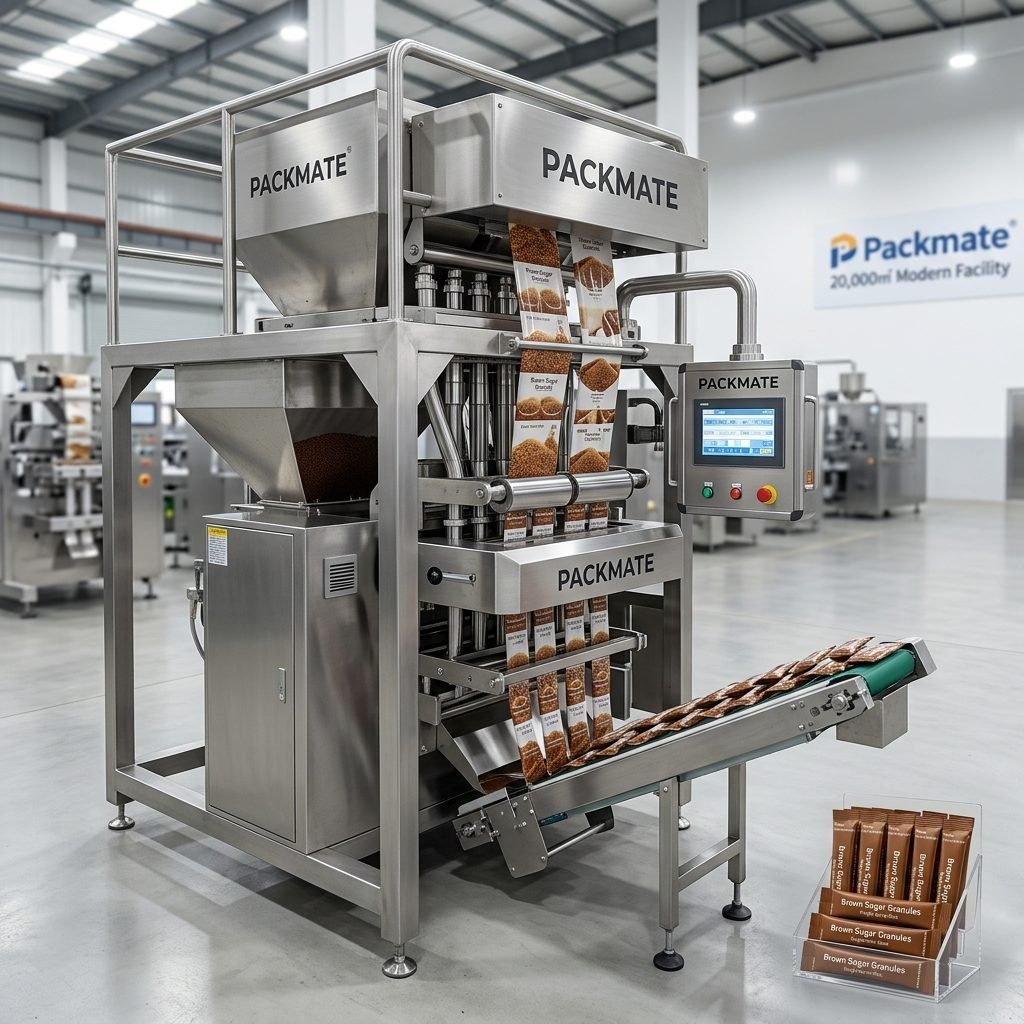
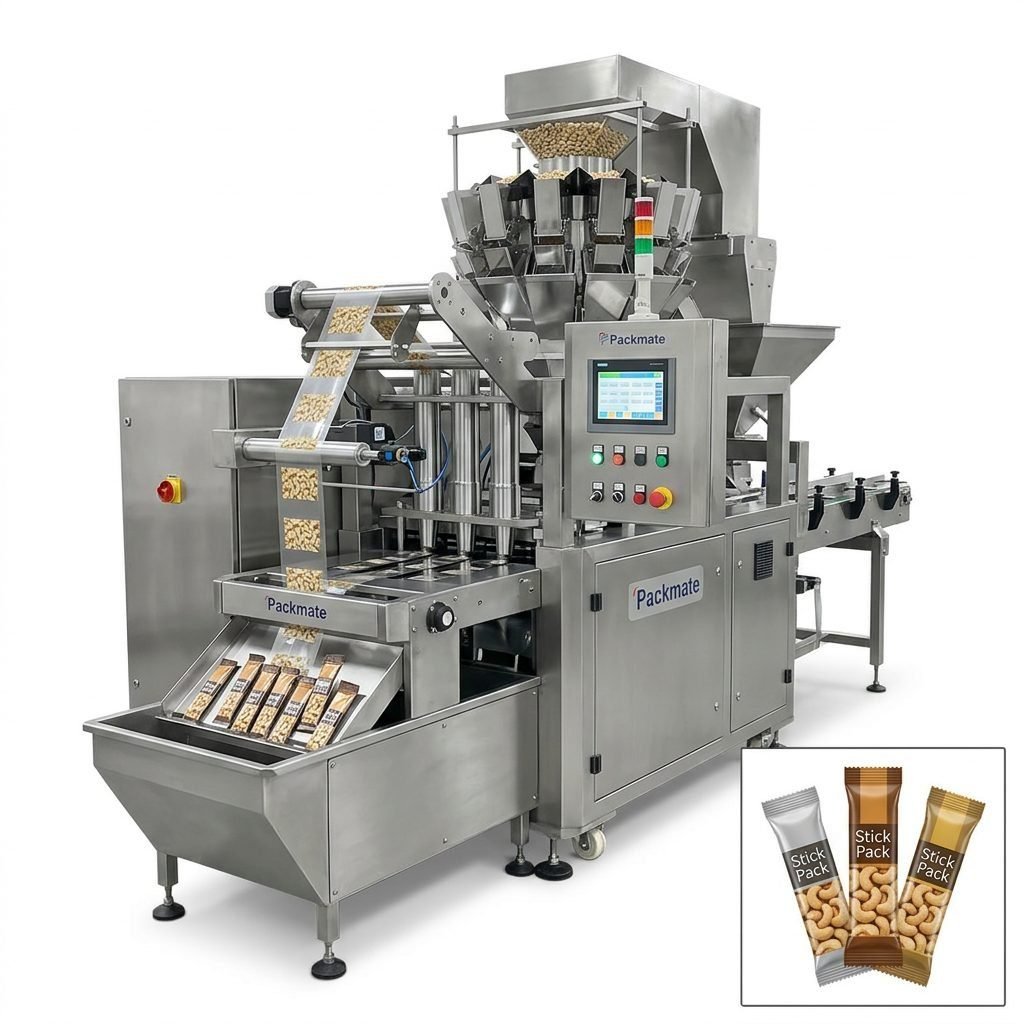
Acquiring a packaging machine is a significant capital investment and a strategic decision that can profoundly impact your production efficiency, product quality, and bottom line. Whether you are scaling an existing operation or launching a new product line, understanding the key considerations is paramount to making a successful purchase. This guide delves into the essential factors you need to know about packaging machine acquisitions.
Defining Your Packaging Requirements
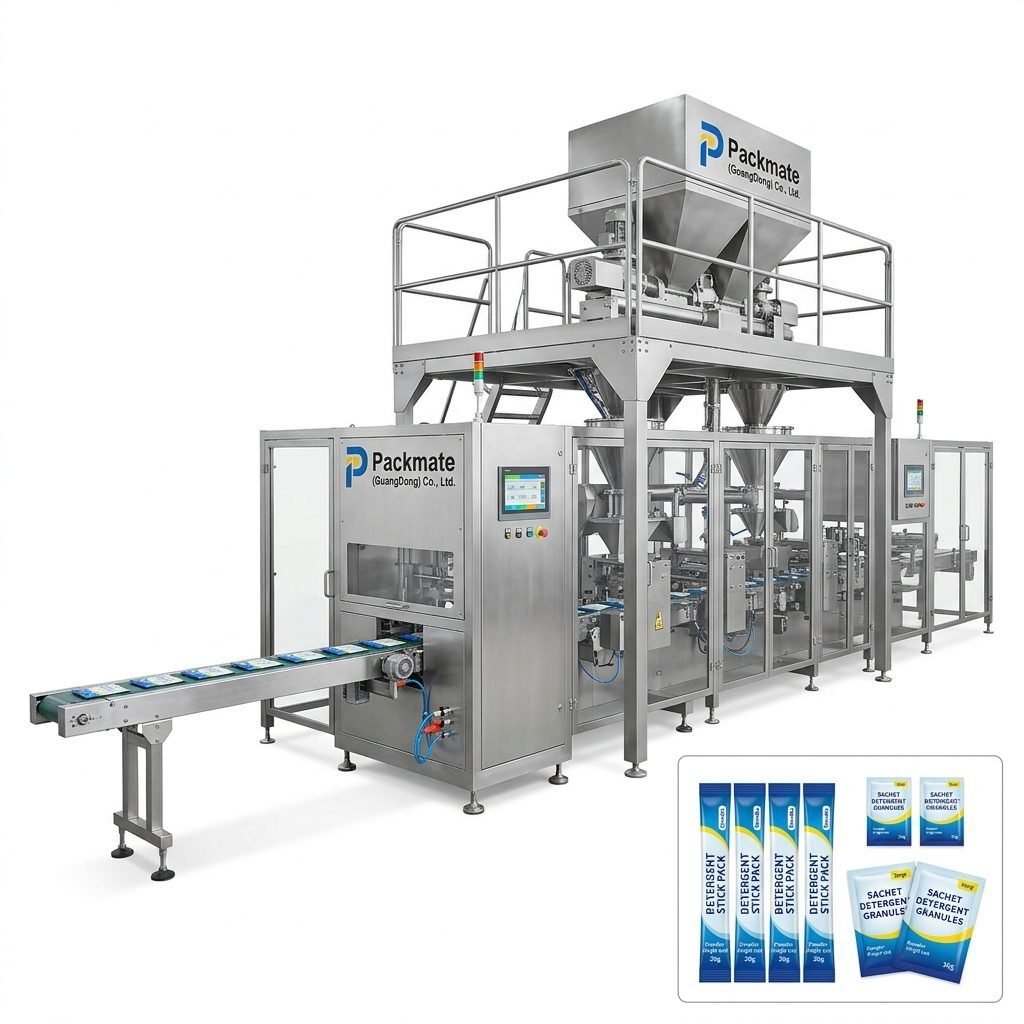
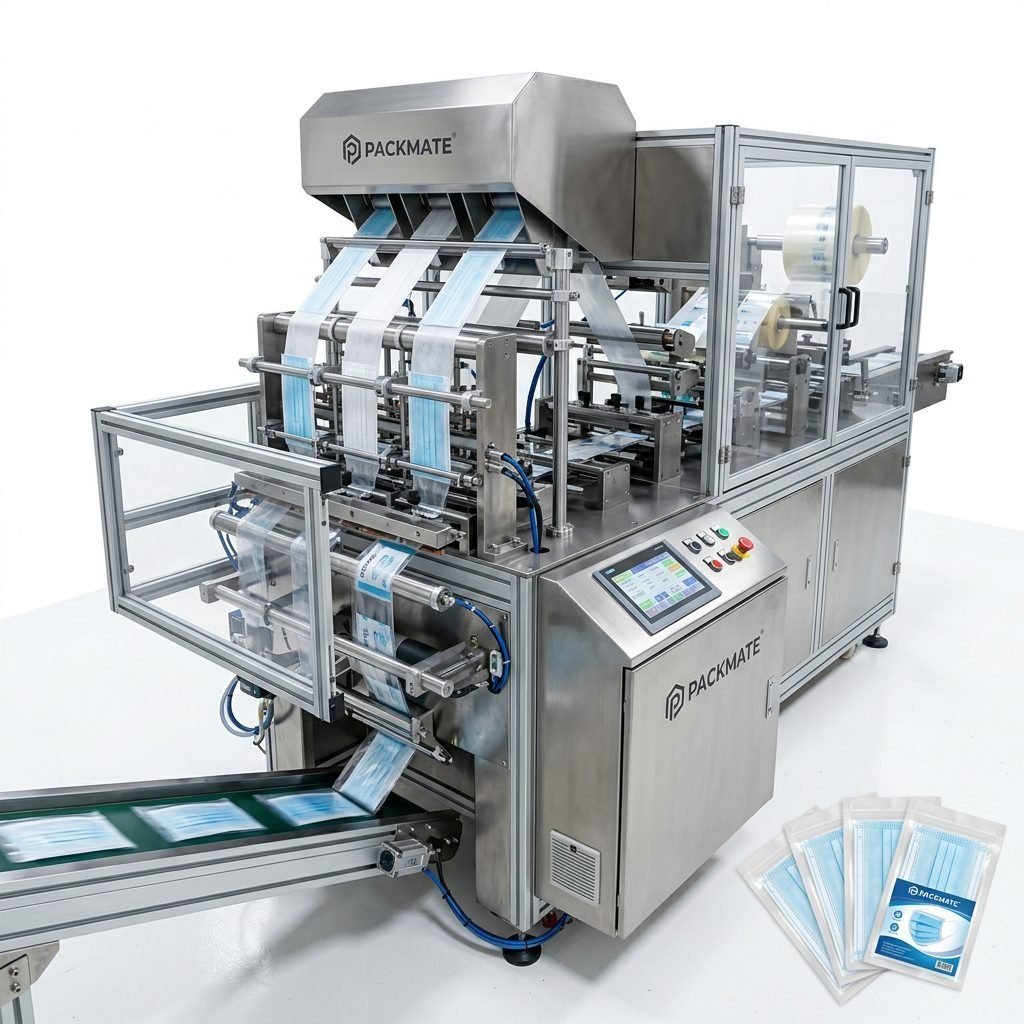
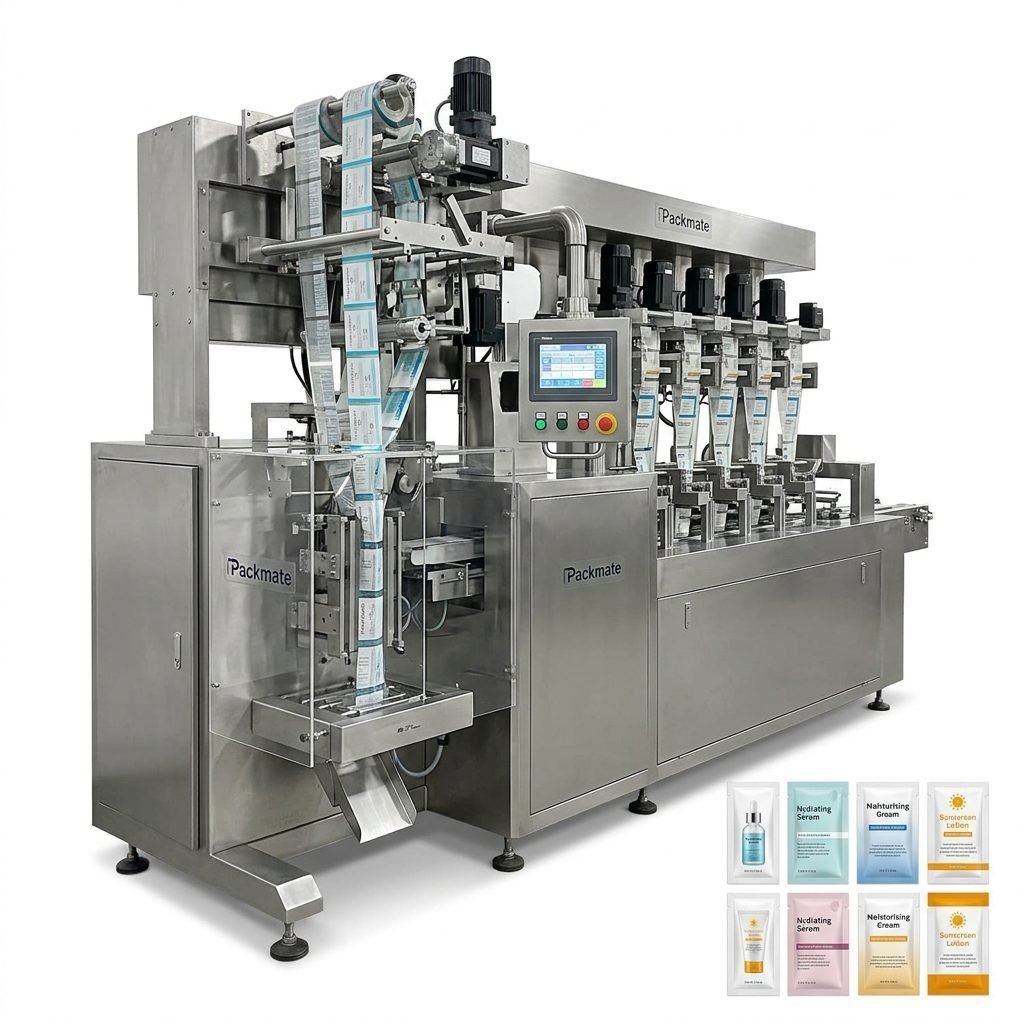
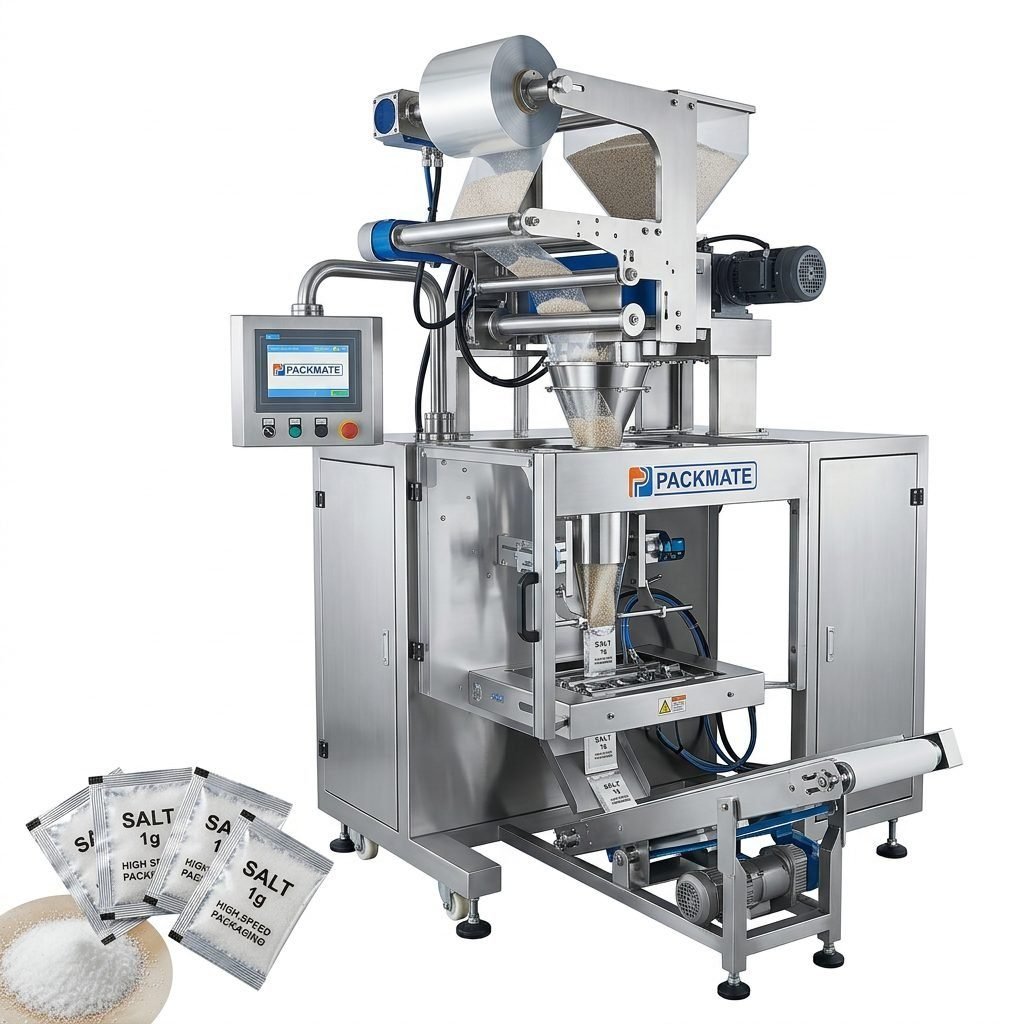
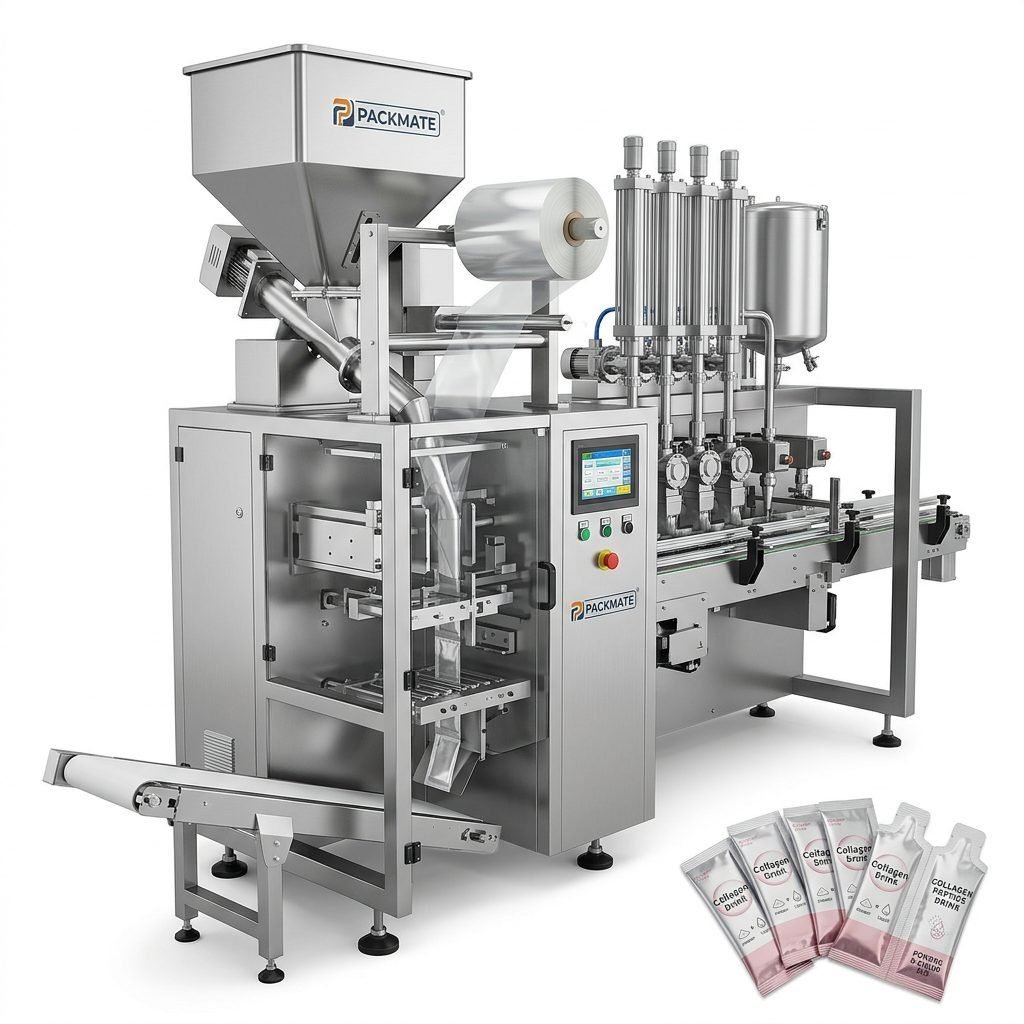
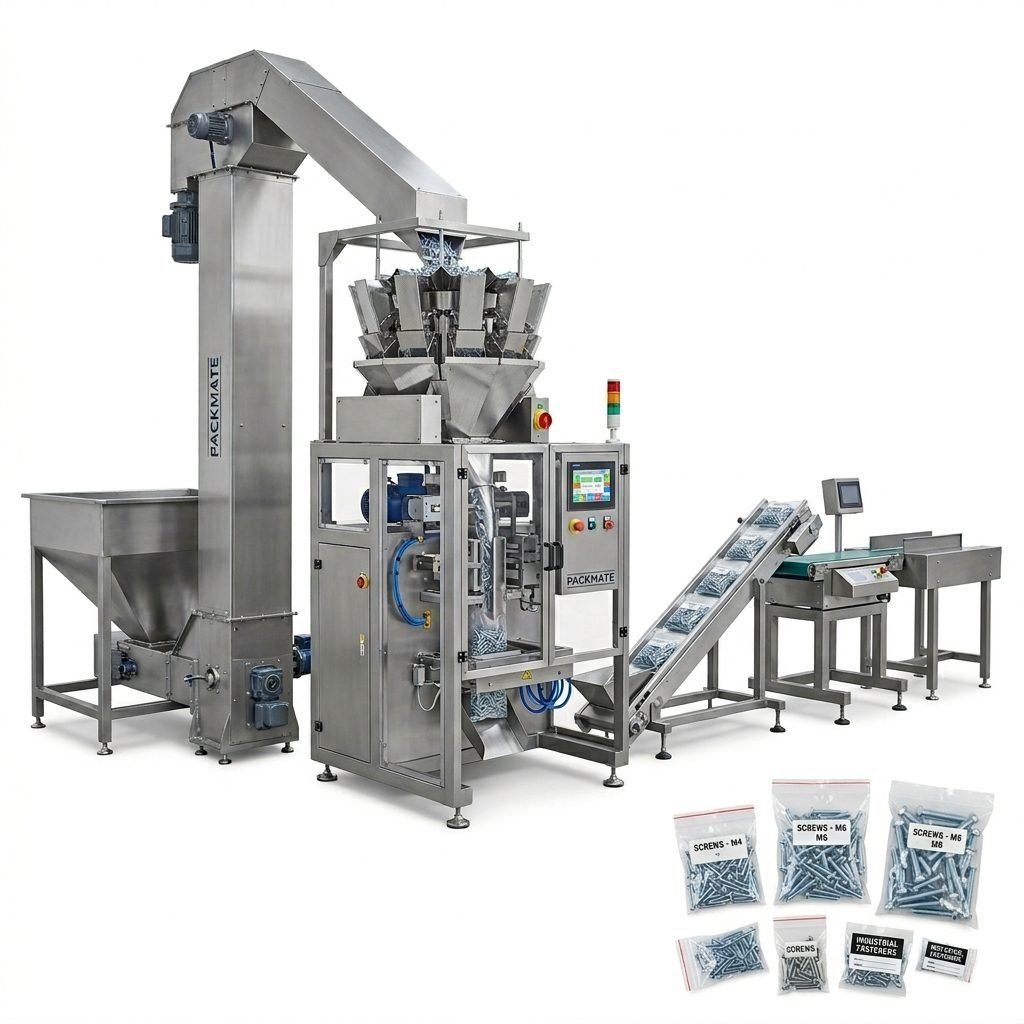
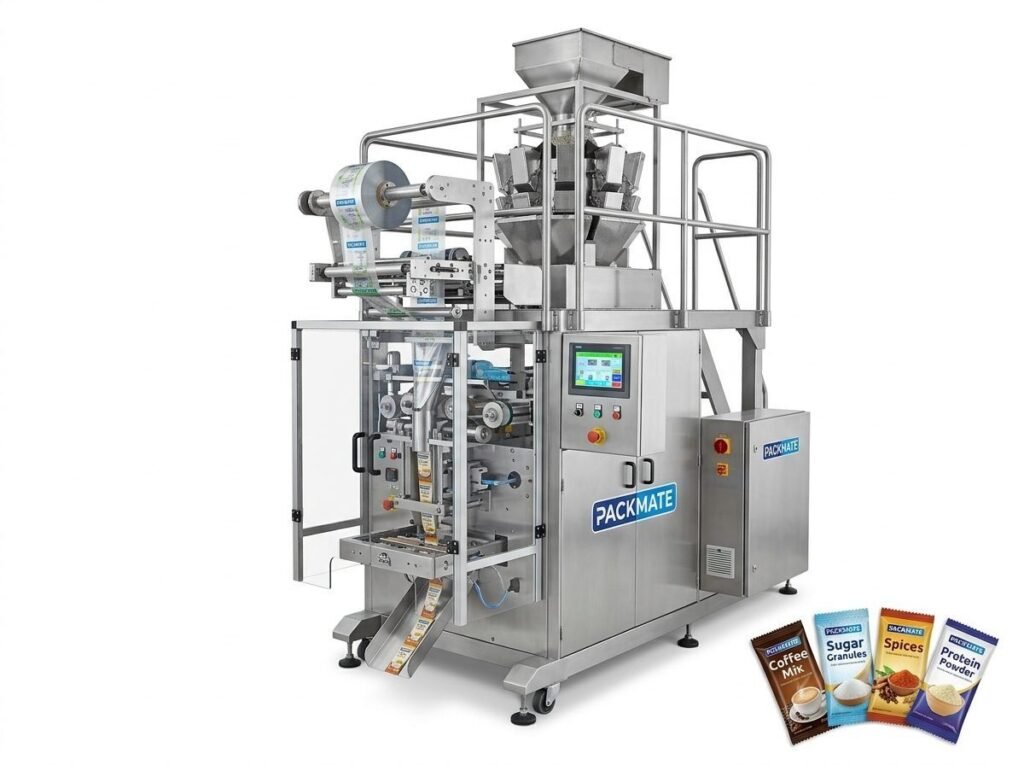
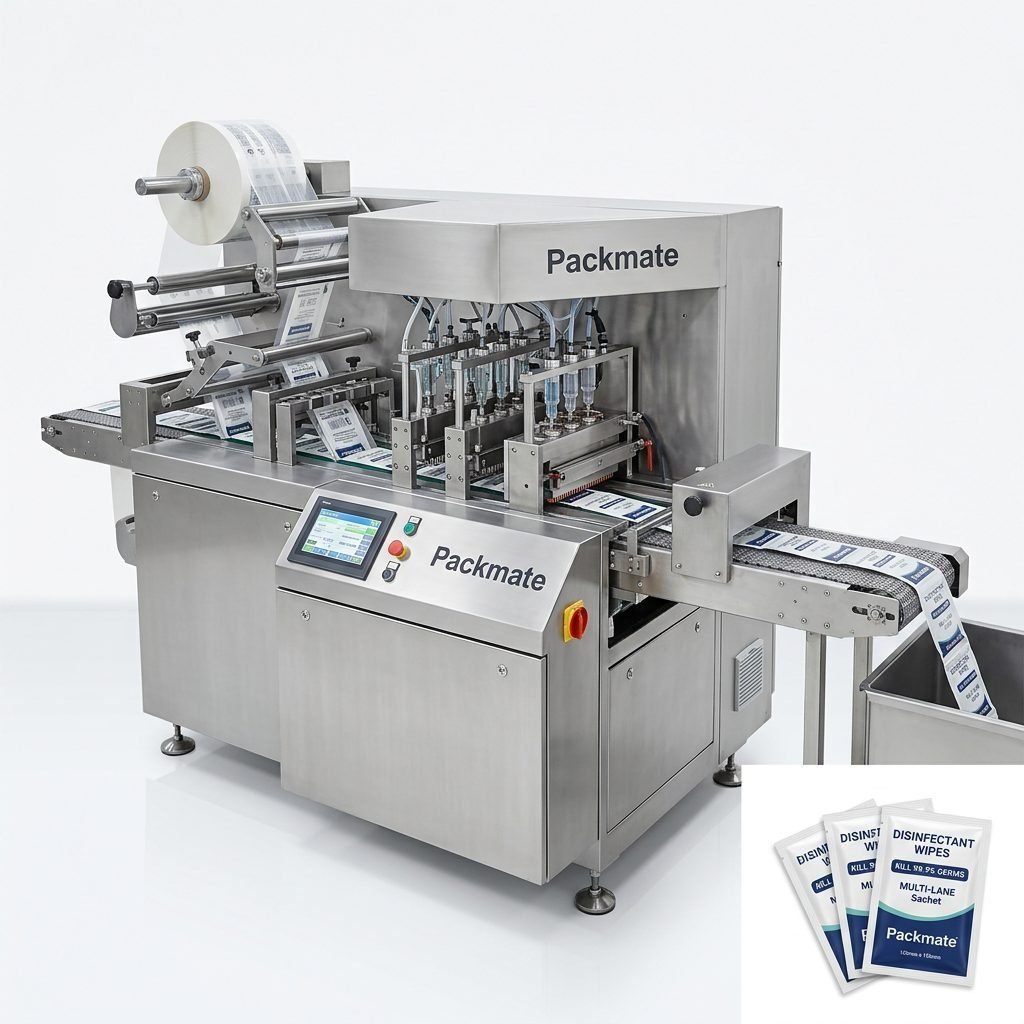
The journey begins with a clear and detailed definition of your needs. This is the foundation upon which all other decisions are built. You must consider the product characteristics—is it a powder, granule, liquid, or solid? Each requires different handling and filling technologies. Determine your required output speed (packages per minute), the types of packages (sachets, stick packs, pouches, bags), and the materials you plan to use (films, laminates).
Furthermore, consider future scalability. Will this machine need to handle multiple products or package sizes? Investing in a versatile machine from a manufacturer like Packmate Machinery, which offers a wide range of adaptable solutions, can provide long-term value and flexibility as your business evolves.
Budgeting Beyond the Initial Purchase Price
Your budget must account for the total cost of ownership, not just the sticker price of the equipment. Key cost components include:
Machine Cost: The base price of the equipment.
Installation & Commissioning: Costs for setup, calibration, and initial testing.
Training: Ensuring your operators can run and perform basic maintenance.
Spare Parts & Consumables: An initial stock of common wear parts (like seals and blades) and ongoing material costs.
Maintenance & Service Contracts: Planned preventative maintenance to avoid costly downtime.
Partnering with a supplier that provides comprehensive after-sales service and support is crucial for managing these long-term operational expenses effectively.
Evaluating Machine Technology and Automation Level
Technology choice dictates efficiency and precision. Modern packaging machines incorporate advanced features like servo-driven systems for accuracy, touch-screen PLC controls for ease of use, and integrated checkweighers for quality assurance. The level of automation should match your labor strategy and quality requirements.
For high-volume production of items like condiments, supplements, or pharmaceuticals, a fully automated filling and packaging line that includes feeding, filling, sealing, and cartoning may be necessary. For smaller batches or niche products, a semi-automatic machine might be more cost-effective. Assess the machine’s changeover time and complexity between different products or package sizes, as this directly affects operational flexibility.
The Critical Role of Manufacturer Selection
Choosing the right manufacturer is as important as choosing the right machine. A reputable manufacturer ensures quality, reliability, and ongoing support. Key evaluation criteria include:
Experience and Reputation: Look for a company with a proven track record in your specific industry. With over 30 years of expertise, Packmate (GuangDong) Co., Ltd. has built a strong reputation for intelligent packaging solutions in the food, pharmaceutical, and health sectors.
Technical Support and Service: Verify the availability of local or responsive remote technical support, spare parts supply, and training programs. The ability to get timely help minimizes production interruptions.
Testing and Validation: Always insist on a factory acceptance test (FAT) where your actual product is run on the machine. This is the best way to verify performance, speed, and accuracy before the machine leaves the factory.
Compliance, Safety, and Future-Proofing
Regulatory compliance is non-negotiable, especially in industries like food and pharmaceuticals. Ensure the machine meets all relevant safety standards (e.g., CE, UL) and is constructed with materials suitable for food-grade or GMP (Good Manufacturing Practice) environments if required.
Think about the future. Is the machine’s design modular, allowing for future upgrades or integration with other line equipment like auxiliary packaging systems? A forward-thinking purchase protects your investment against obsolescence.
The Acquisition Process: From Inquiry to Installation
A structured acquisition process helps manage risks and ensures a smooth transition.
1. Request for Proposal (RFP): Submit detailed specifications to multiple qualified vendors for quotation.
2. Quotation and Clarification: Compare offers not just on price, but on scope of supply, warranties, and delivery terms. Ask detailed questions.
3. Factory Visit and FAT: If possible, visit the manufacturer’s facility. A modern facility, like Packmate’s 20,000㎡ factory, is a good indicator of manufacturing capability. The FAT is a critical milestone.
4. Delivery and Installation: Plan for the logistics of delivery and the physical installation requirements in your plant (space, utilities, flooring).
5. Training and Handover: Comprehensive training for your maintenance and operational staff is essential for a successful launch.
Conclusion and Key Takeaways
Acquiring a packaging machine is a multifaceted project that demands careful planning and due diligence. Success hinges on thoroughly understanding your own requirements, budgeting for the total lifecycle cost, selecting appropriate technology, and most importantly, partnering with a credible and supportive manufacturer. By focusing on these core areas, you can make an informed investment that enhances your productivity, ensures product quality, and delivers a strong return on investment for years to come.
Frequently Asked Questions (FAQs)
Q1: How do I determine the right packaging machine speed for my needs?
Calculate your current and projected daily/weekly production volume. The machine’s speed (packages per minute) should meet your peak demand with some buffer for efficiency losses, but avoid over-specifying as higher speeds often come with a significantly higher price tag.
Q2: What is the typical lead time for a new packaging machine?
Lead times vary widely based on machine complexity and manufacturer backlog. For standard models, it can range from 8 to 16 weeks. For highly customized systems, it may take 20 weeks or more. Always confirm the timeline during the quotation process.
Q3: Should I buy a new or used packaging machine?
A new machine offers the latest technology, full warranty, and manufacturer support. A used machine has a lower upfront cost but may come with hidden maintenance issues, obsolete controls, and limited support. For critical production, a new machine is generally the safer, more reliable choice.
Q4: What kind of training should I expect from the manufacturer?
Reputable manufacturers provide comprehensive training covering machine operation, routine maintenance, troubleshooting common faults, and safety procedures. This usually occurs during installation and commissioning at your facility.
Q5: How important is after-sales service, and what should it include?
Extremely important. Reliable after-sales service is your insurance against prolonged downtime. Look for a provider offering readily available spare parts, remote technical support (phone/online), and the option for on-site service visits or preventative maintenance contracts.