In the dynamic world of product packaging, efficiency, protection, and presentation are paramount. For countless industries—from food and pharmaceuticals to cosmetics and electronics—finding the right packaging solution is a critical step in the supply chain. Among the various packaging formats, cardboard sleeve packaging stands out for its blend of durability, cost-effectiveness, and excellent branding potential. This guide delves into the world of cardboard sleeve packaging machines, exploring their functions, benefits, and the comprehensive solutions available to modern businesses.
Understanding Cardboard Sleeve Packaging
Cardboard sleeve packaging, often simply called a sleeve or carton sleeve, is a hollow tube of cardboard that slides over a product or a primary package. It serves multiple purposes: it provides structural rigidity, protects the contents from dust and minor impacts, and offers a large, printable surface for vibrant graphics and essential product information. This type of packaging is ubiquitous, found on software boxes, beverage multi-packs, gourmet food items, and hardware tools.
The manual application of sleeves is not feasible for high-volume production. This is where automated cardboard sleeve packaging machines become indispensable. They precisely erect, open, and slide sleeves over products at remarkable speeds, ensuring consistency and significantly reducing labor costs.
Core Components of a Sleeve Packaging System
A typical automated sleeve packaging line integrates several key components that work in harmony:
1. Sleeve Feeder & Magazine: This unit holds a stack of flat, die-cut cardboard sleeves. It reliably feeds them one by one into the machine.
2. Sleeve Opener: Using suction cups or mechanical fingers, this component expertly opens the flat sleeve into a ready-to-use rectangular tube.
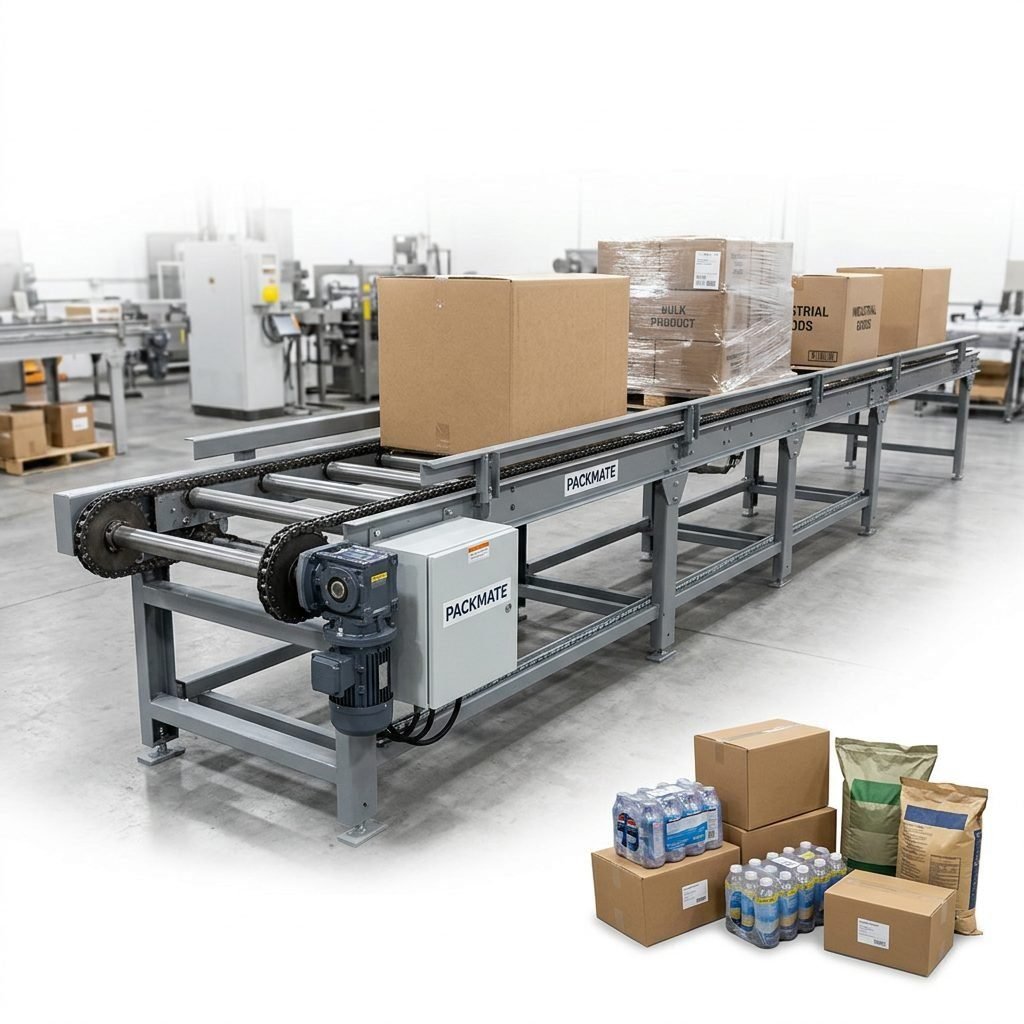
3. Product Infeed Conveyor: This synchronized conveyor brings the products (or primary packages) into the machine at the correct interval and orientation.
4. Sleeving Station: The heart of the machine. Here, the opened sleeve is precisely positioned and slid over the incoming product. Mechanisms can vary from simple pushers to sophisticated robotic arms.
5. Sealing or Closing Unit (Optional): For some applications, the open ends of the sleeve may be sealed with glue, tuck flaps, or tape to fully enclose the product.
Benefits of Automating with a Sleeve Packing Machine
Investing in a dedicated cardboard sleeve packaging machine delivers a compelling return on investment through numerous operational advantages.
Unmatched Speed and Output: Machines can apply hundreds, even thousands, of sleeves per hour, far surpassing manual capabilities and meeting the demands of large-scale production runs.
Consistent and Professional Quality: Every package is identical. Sleeves are applied squarely and securely, eliminating the crooked or loose application common in manual packing, which enhances brand perception.
Significant Labor Savings: Automation reduces dependency on a large manual packing workforce, lowering long-term labor costs and reallocating human resources to more value-added tasks.
Reduced Material Waste: Precise machine handling minimizes damage to cardboard sleeves (like creasing or tearing) that can occur during manual handling, leading to lower material costs.
Enhanced Worker Safety & Ergonomics: It removes repetitive strain injuries associated with constant manual packing motions, creating a safer work environment.
Flexibility for Changeovers: Modern machines are designed for quick changeovers between different sleeve sizes, allowing production lines to handle multiple product SKUs with minimal downtime.
Choosing the Right Machine: Key Considerations
Selecting the optimal cardboard sleeve packaging machine requires a careful analysis of your specific needs. Here are the critical factors to evaluate:
- Product Dimensions & Characteristics: The machine must accommodate the size, weight, and shape of your product. Fragile items may require gentler handling systems.
- Sleeve Size Range: Define the minimum and maximum length, width, and height of sleeves you plan to use, both now and in the foreseeable future.
- Required Production Speed (UPH): Calculate your required units per hour to match the machine’s capability with your production volume.
- Level of Automation: Options range from semi-automatic machines (operator places the product) to fully automatic systems integrated with upstream and downstream equipment like weighing systems and case packers.
- Integration with Existing Lines: Ensure the machine can communicate and synchronize with your current conveyors, fillers, and labelers.
- Supplier Expertise and Support: Partner with a manufacturer known for robust engineering, reliable after-sales service, and readily available spare parts.
Advanced Solutions and Industry Applications
Today’s sleeve packaging technology offers sophisticated solutions for complex needs. For instance, machines can handle multi-packing—applying one sleeve to bundle several individual items together, a common practice in the beverage industry. Vision systems can be integrated to check for correct sleeve graphics or print validation codes before application.
These machines are vital across sectors. In food and beverage, they bundle cans, bottles, or create attractive gift packs. The pharmaceutical industry uses them for bundling medicine boxes or adding tamper-evident outer sleeves. In cosmetics and personal care, they add a layer of luxury and protection to perfume boxes or skincare kits. Even in electronics, sleeve packaging is used for software or accessory kits.
For businesses looking beyond standalone machines, a complete turnkey packaging line that integrates filling, sleeving, and secondary packaging might be the most efficient solution.
Partnering with an Expert Manufacturer
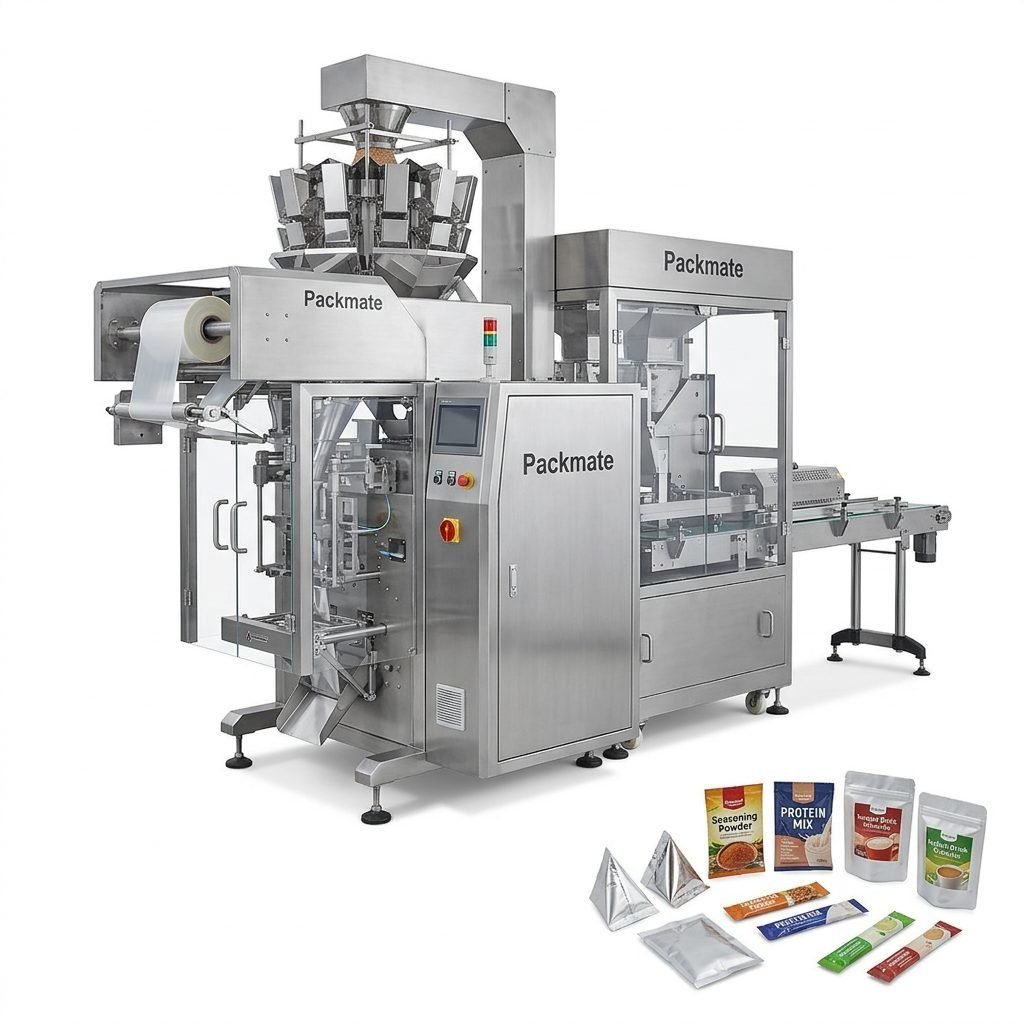
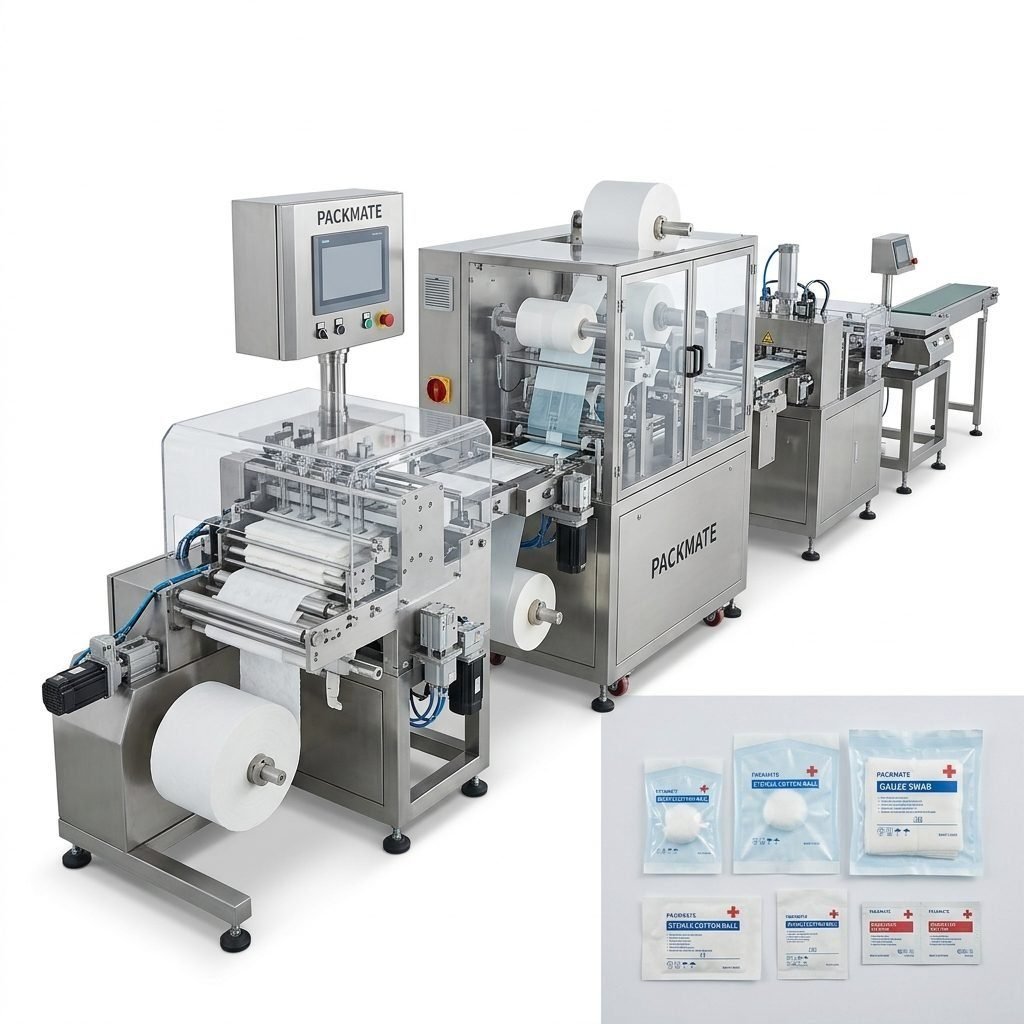
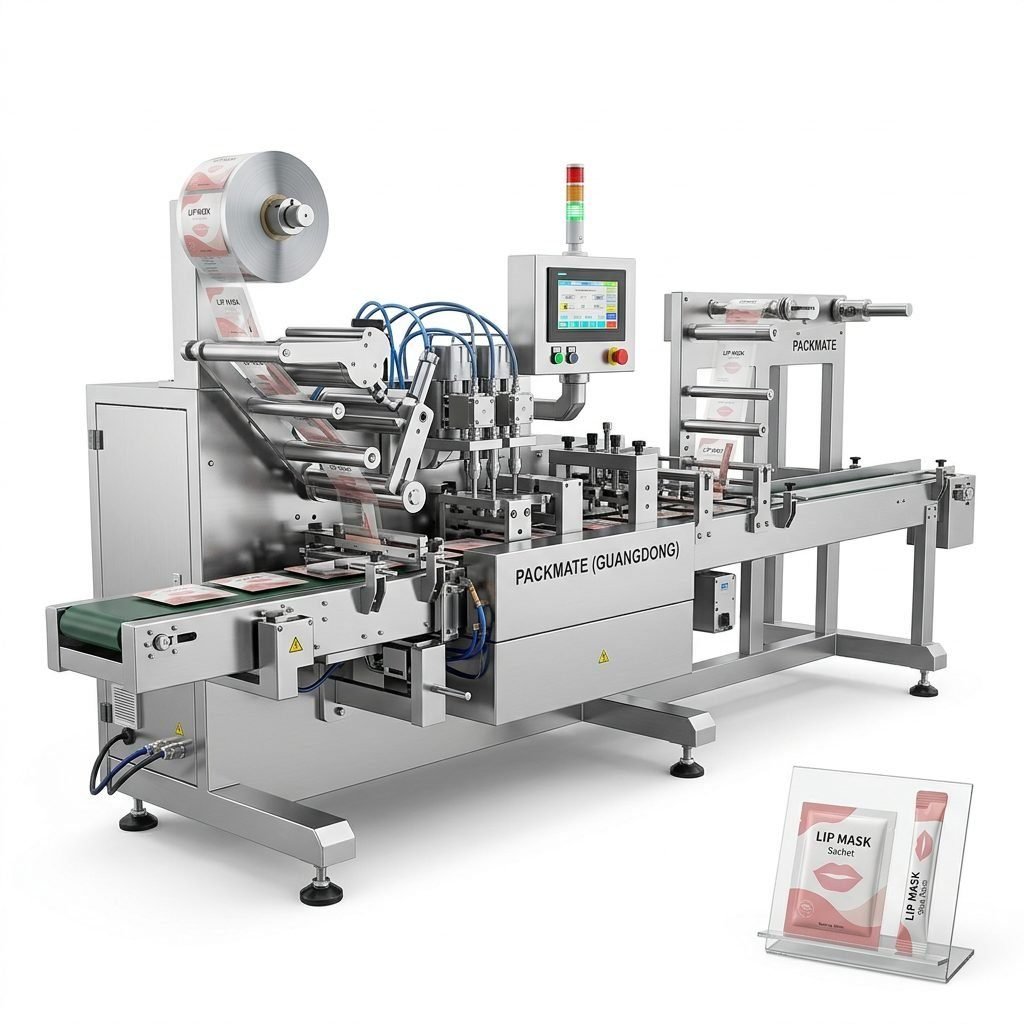
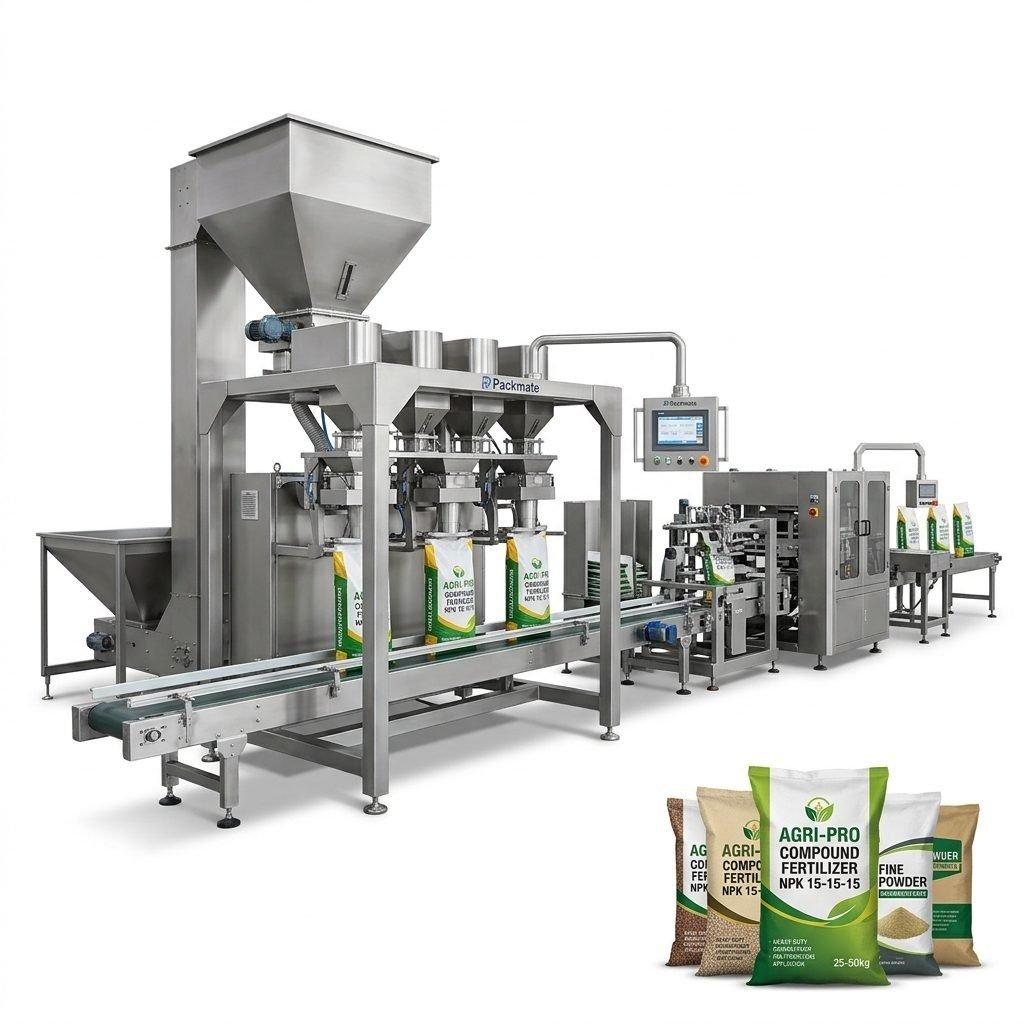
The success of your packaging automation project heavily depends on the partner you choose. A manufacturer with deep industry experience, like Packmate Machinery, brings invaluable expertise. With over 22 years of development, Packmate has evolved from a specialized workshop into a leading provider of intelligent packaging equipment. Their journey, beginning with a focus on small sachet machines and expanding to complex multi-lane systems, reflects a commitment to solving real-world production challenges.
Housing their operations in a modern 20,000㎡ facility in Guangdong, China, they combine extensive R&D with rigorous testing. This ensures their machinery, including potential sleeve packaging solutions developed for specific client needs, meets high standards of reliability and performance. Their global perspective means they understand diverse market requirements and can provide tailored support. Exploring their full range of packaging machines can reveal integrated solutions that perfectly match your operational goals.
Frequently Asked Questions (FAQs)
1. What types of cardboard are suitable for sleeve packaging machines?
Most machines are designed to handle standard corrugated cardboard (E-flute, B-flute) and solid paperboard within a specified caliper (thickness) range. It’s crucial to provide sample sleeves to the machine manufacturer for testing to ensure smooth feeding and erection.
2. How difficult is it to change over the machine for a different sleeve size?
Changeover complexity varies by machine model. Modern machines are built for flexibility, often featuring adjustable guides and programmable settings. Changeover times can range from 10-30 minutes with proper tooling and operator training.
3. Can the machine handle products that are not perfectly rectangular?
Yes, to a certain extent. While ideal for rectangular boxes, many machines can sleeve cylindrical products (like cans or bottles in a multi-pack) or tapered items. Specialized infeed guides and sleeve opening mechanisms are configured during the machine design phase based on your specific product.
4. What is the typical maintenance required for a sleeve packer?
Routine maintenance includes cleaning of suction cups and sensors, lubrication of moving parts as per the manual, and inspection of wear components like belts and guides. A reputable supplier will provide a clear maintenance schedule and training.
5. Is it possible to get a machine trial with our actual product and sleeves?
Reputable manufacturers often offer factory acceptance tests (FAT) or can arrange testing at their facility using customer-provided samples. This is the best way to verify machine performance and output quality before purchase.