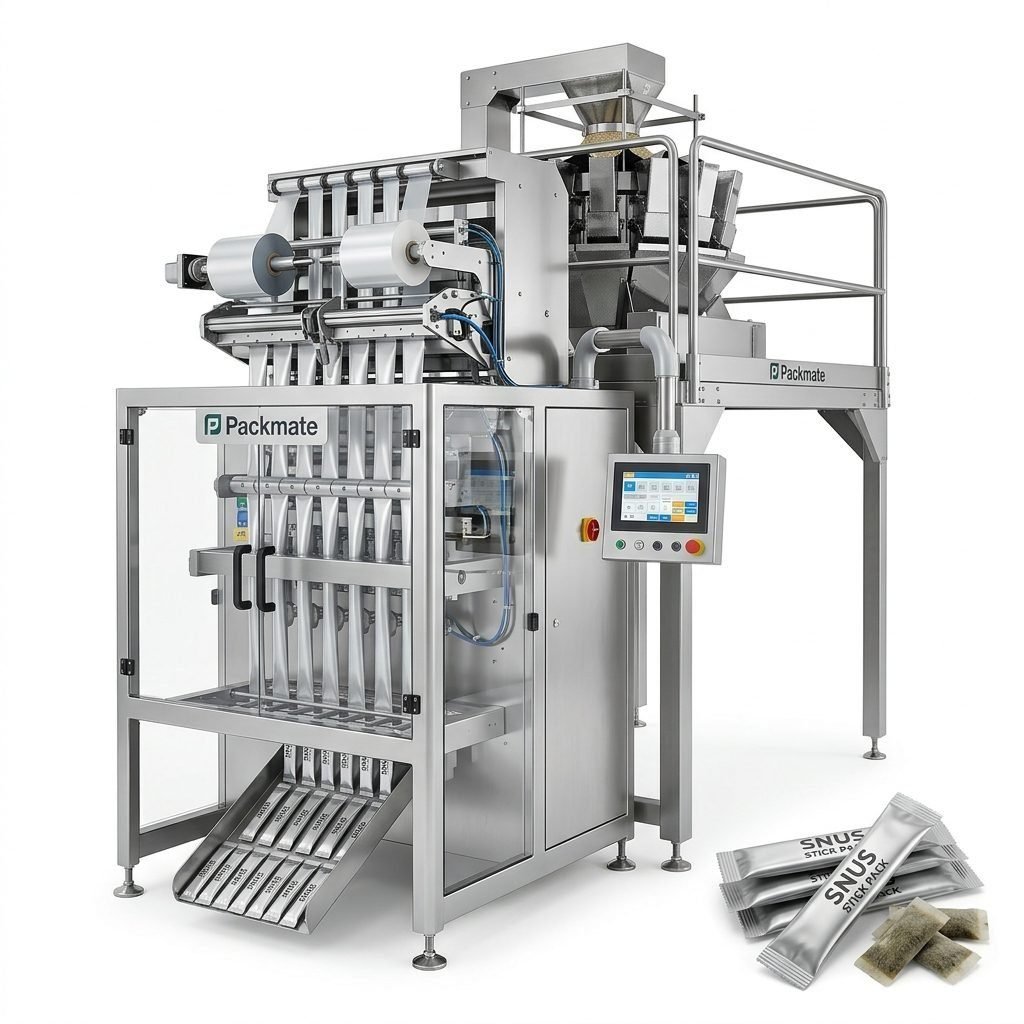
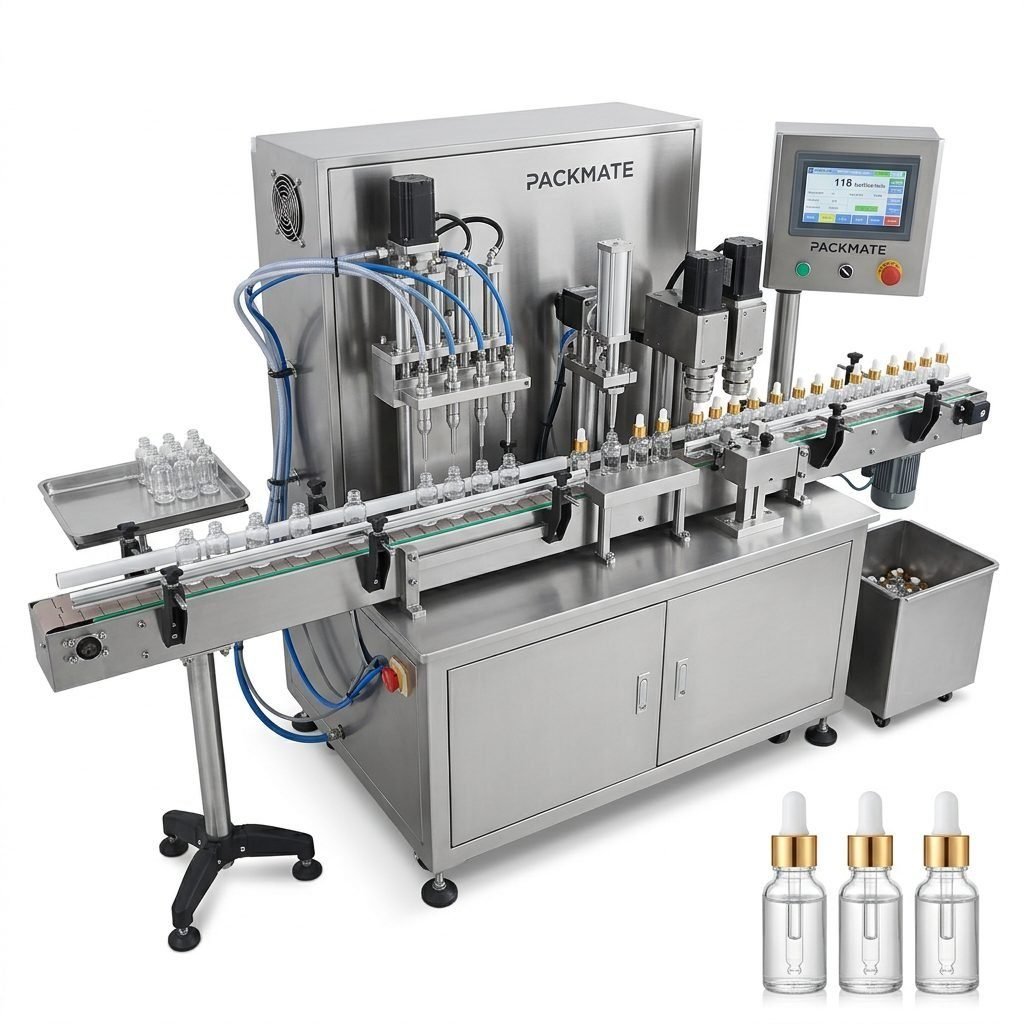
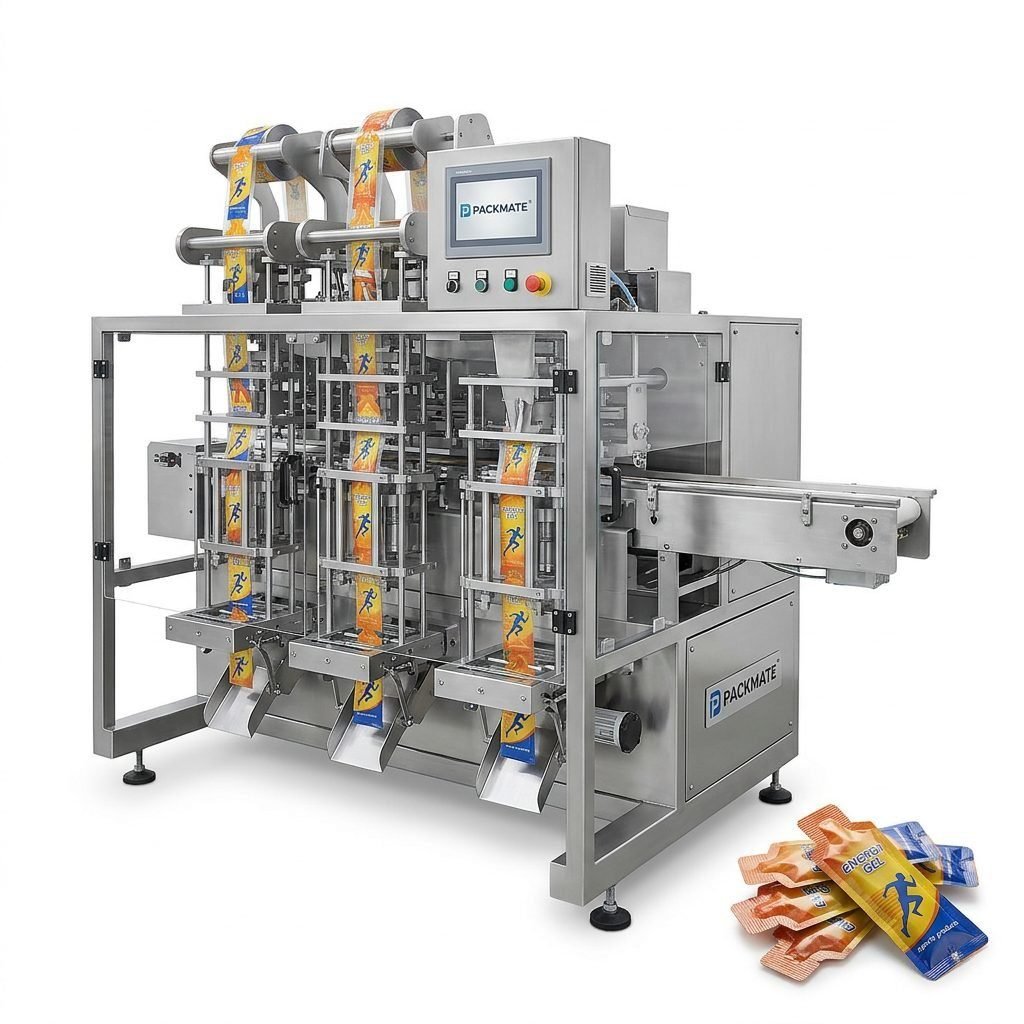
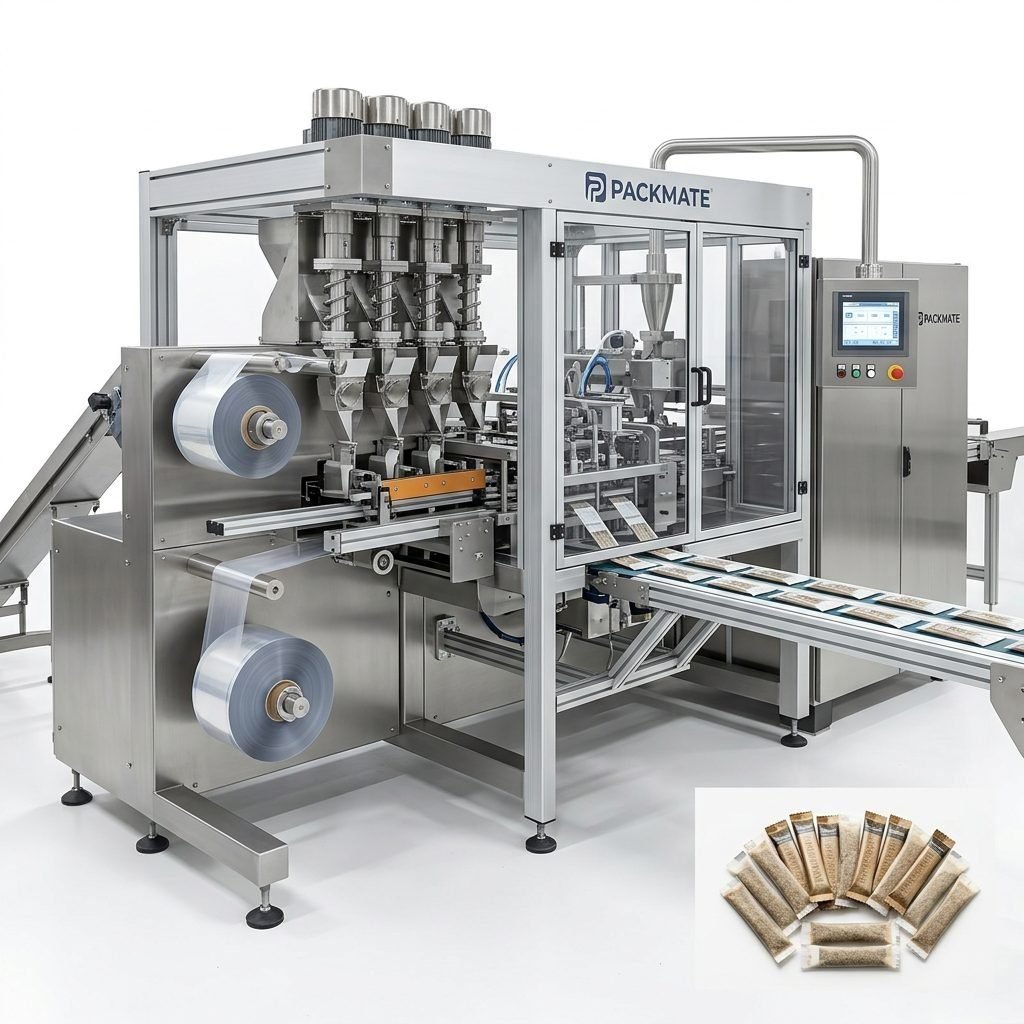
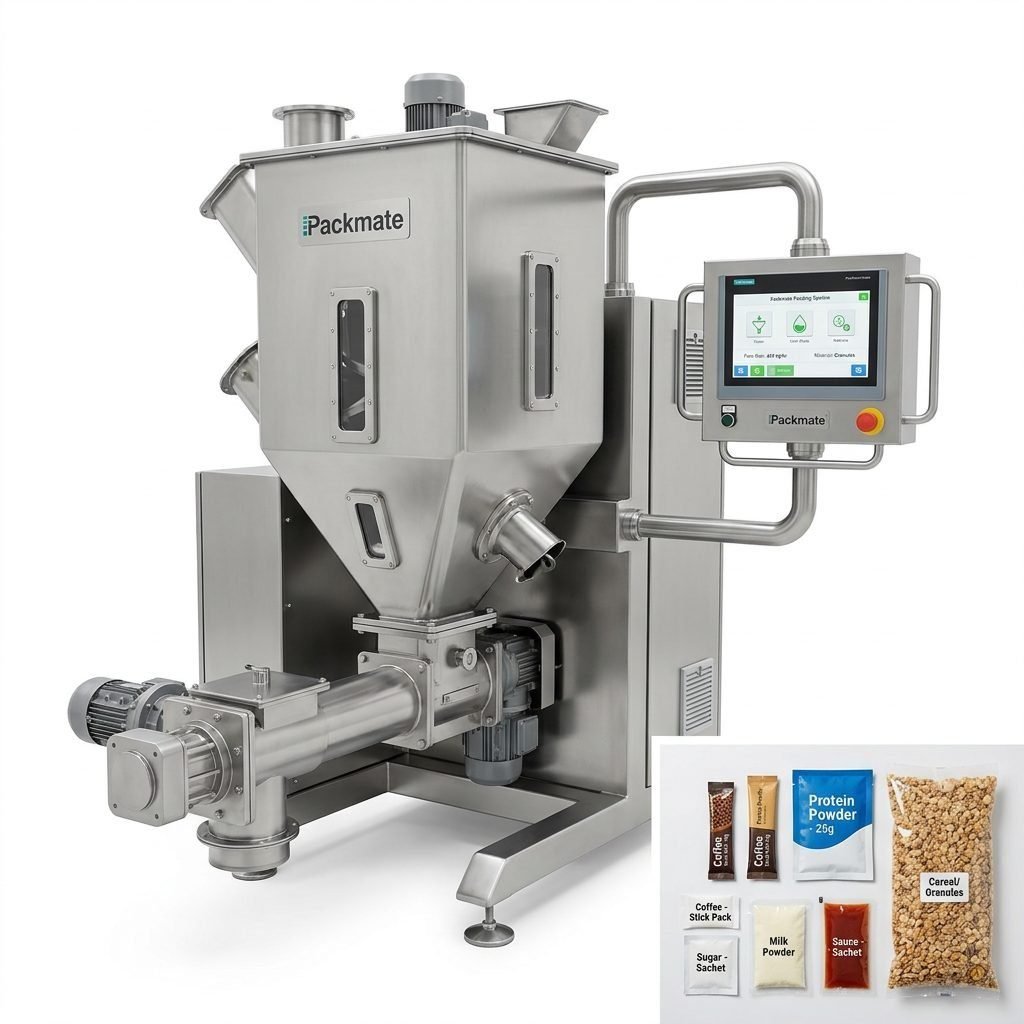
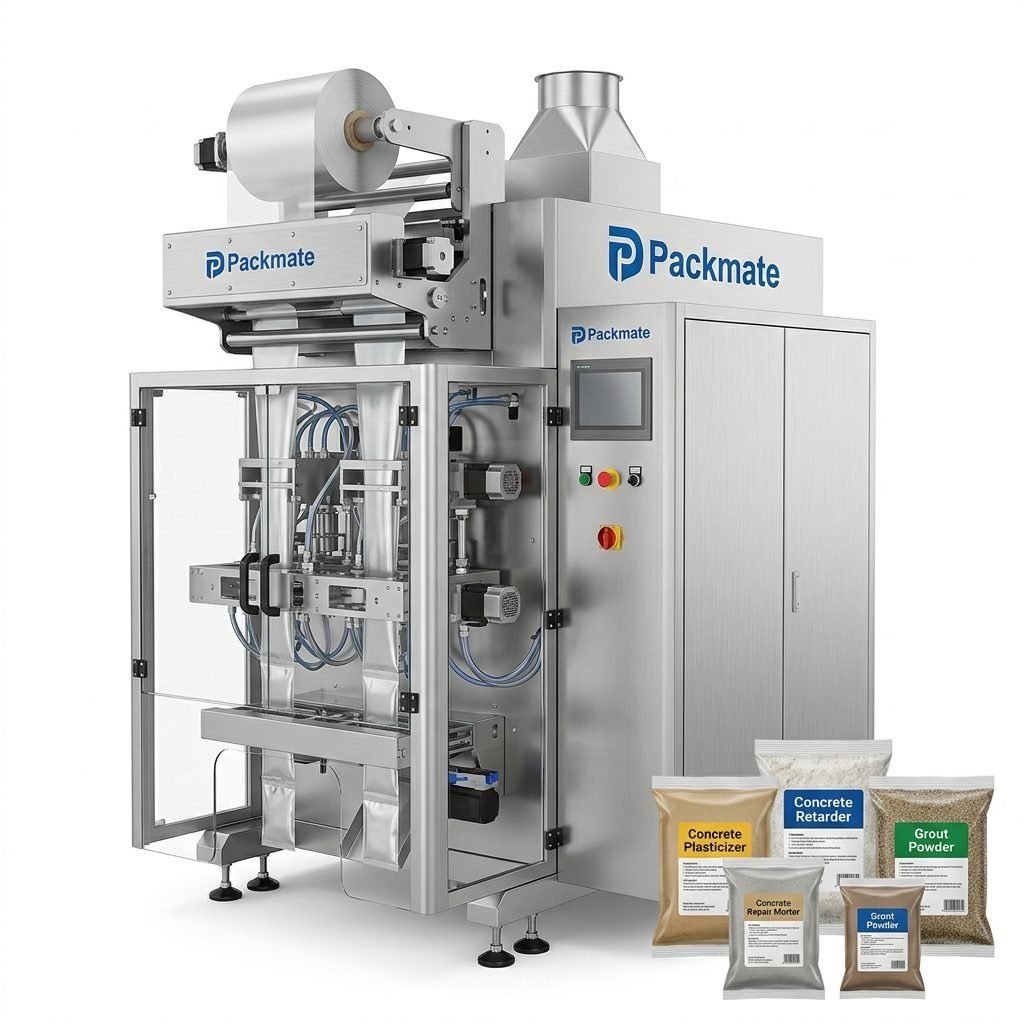
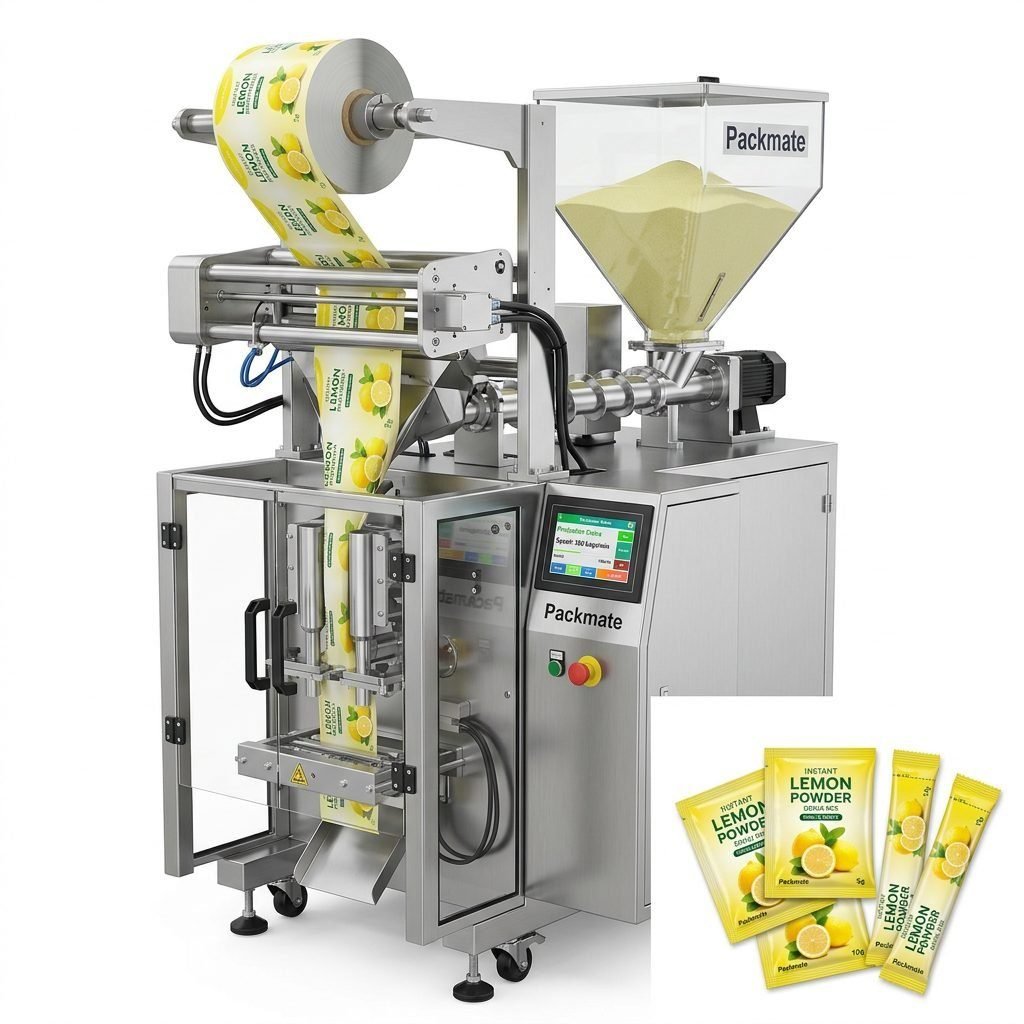
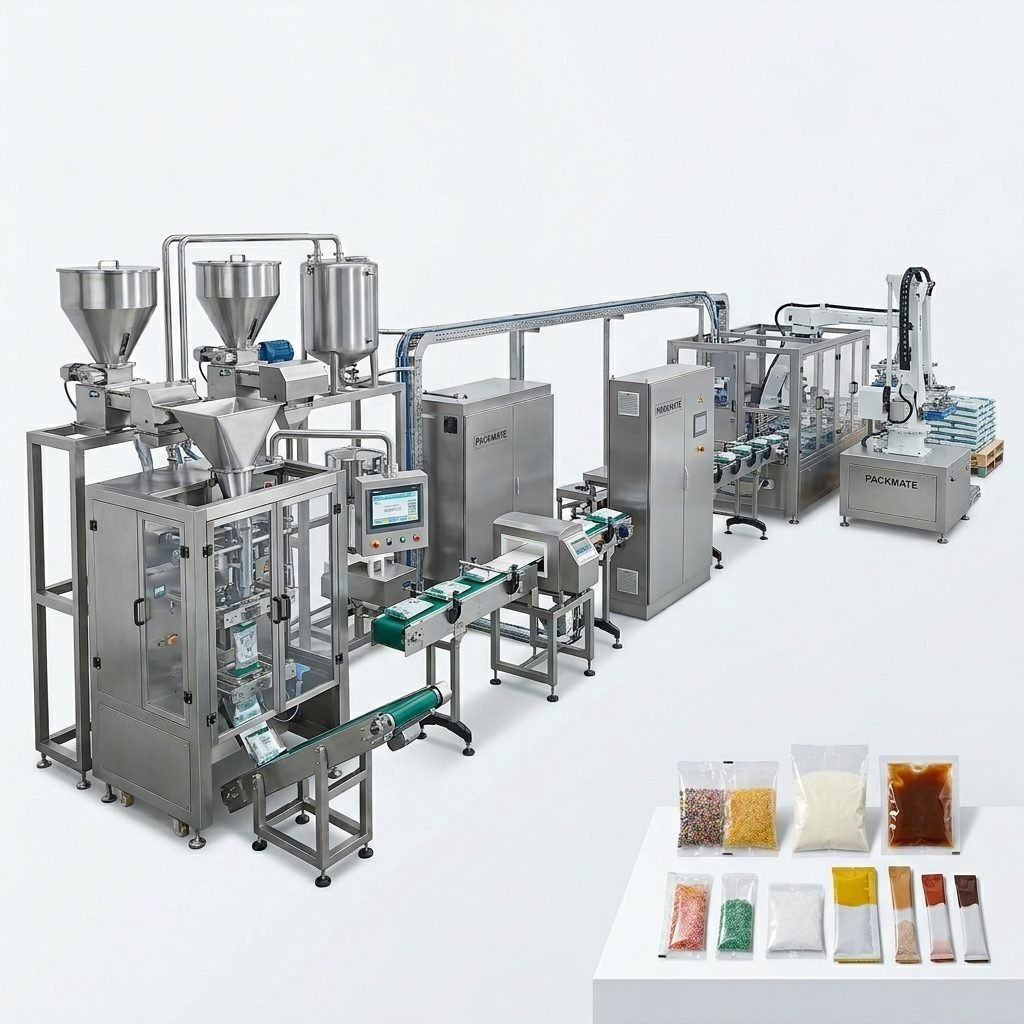
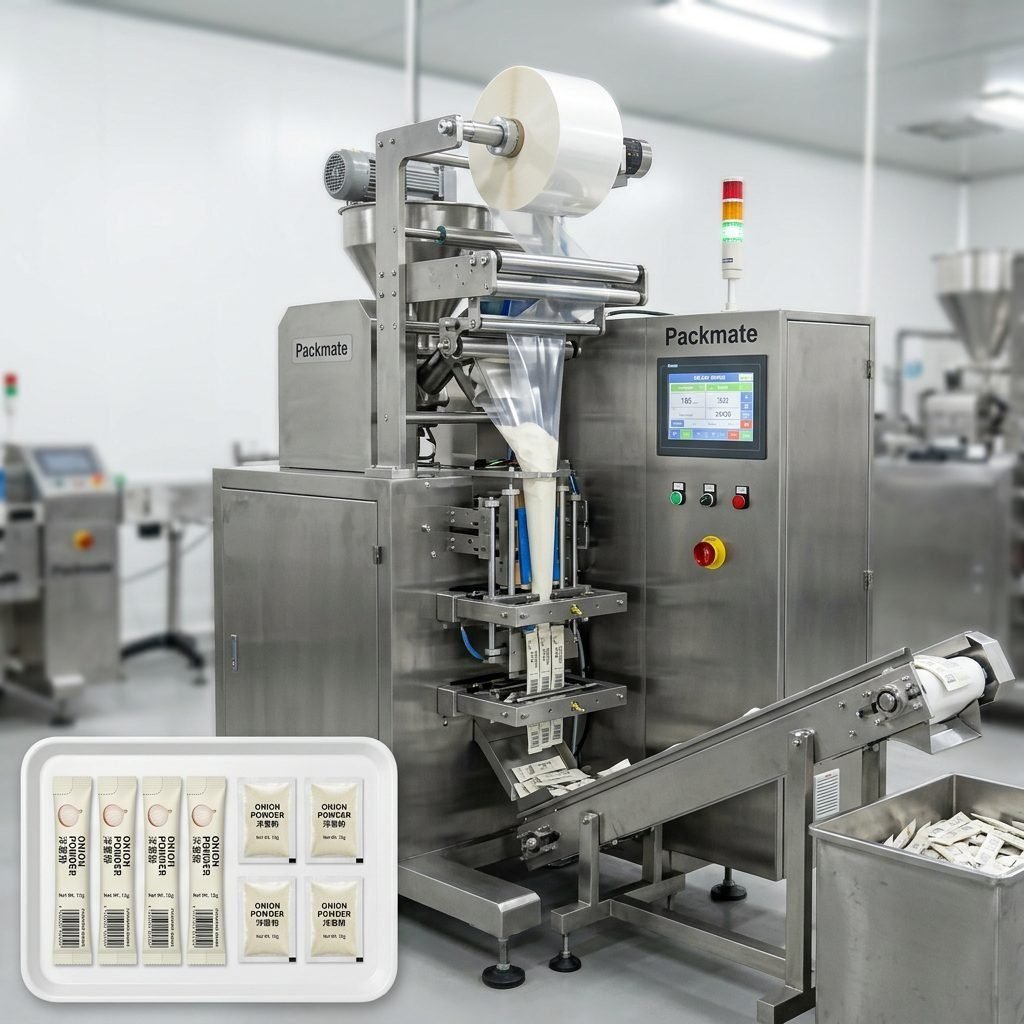
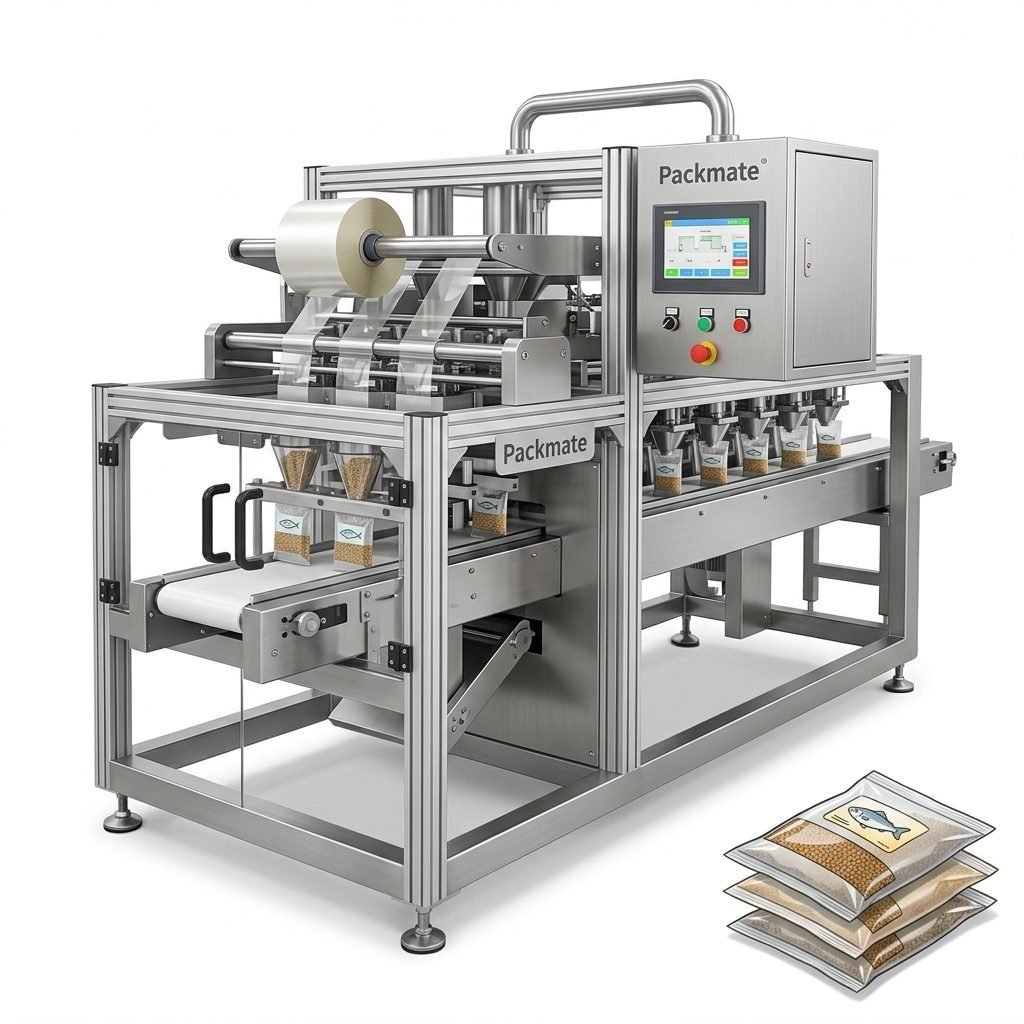
Delta packaging machines represent a significant evolution in the world of industrial packaging, offering a specialized approach to forming, filling, and sealing packages with a distinctive triangular or pyramidal shape. This unique form factor is not merely aesthetic; it provides distinct advantages in product presentation, stability, and material efficiency. For businesses in the food, pharmaceutical, nutraceutical, and chemical sectors, investing in the right delta packaging technology can be a game-changer for brand differentiation and operational efficiency.
Understanding Delta Packaging Machines
At its core, a delta packaging machine is an automated system designed to create three-dimensional, stand-up pouches from a roll of flexible film. The term “delta” refers to the triangular cross-section of the finished pouch, reminiscent of the Greek letter Δ. These machines typically integrate several key processes: film unwinding, forming, sealing, filling, and final sealing. The forming stage is critical, where flat film is shaped into the three-dimensional delta structure using specialized forming collars and sealing jaws.
The primary appeal of delta bags lies in their excellent shelf presence. They stand upright reliably, offering a large, printable surface area for branding and product information. This makes them ideal for retail environments where grabbing consumer attention is paramount. Furthermore, their rigid structure often provides better protection for granular or powdery contents compared to flat-bottomed or pillow-style bags.
Primary Types of Delta Packaging Machines
The market offers various configurations of delta packaging machines, tailored to different production scales, speeds, and product types. Understanding these types is the first step in making an informed selection.
Vertical Form-Fill-Seal (VFFS) Delta Machines
This is the most common type. The film travels vertically over a forming tube, where it is shaped into a continuous tube, sealed longitudinally, and then transversely sealed at the bottom. Product is filled from above, and the top is sealed to create the individual pouch. VFFS machines are renowned for their high speed and efficiency, making them suitable for large-volume production of items like snacks, coffee, powdered drinks, and pet food. They are a cornerstone technology for many manufacturers.
Horizontal Form-Fill-Seal (HFFS) Delta Machines
In HFFS systems, the film travels horizontally. The pouch is formed, the bottom and sides are sealed, the product is placed inside (often using robotic pick-and-place systems for solid items), and then the top is sealed. This style is often preferred for more delicate, irregularly shaped, or fragile products that might be damaged by a vertical drop, such as cookies, crackers, hardware items, or medical device kits.
Single-Lane vs. Multi-Lane Machines
Production capacity is a key differentiator. Single-lane machines produce one stream of delta pouches and are ideal for lower to medium output requirements or frequent product changeovers. Multi-lane machines, which can produce two, four, or even more lanes of pouches simultaneously from a single film web, are designed for maximum throughput. Companies like Packmate Machinery have developed expertise in multi-lane systems, significantly boosting production rates for high-demand products.
Specialized Delta Machines
Beyond standard models, specialized machines exist for unique applications. These include machines with integrated gas flushing for modified atmosphere packaging (MAP) to extend food freshness, machines capable of handling high-barrier laminates for sensitive pharmaceuticals, or systems with precision auger fillers for consistent dosing of powders and granules. Exploring a manufacturer’s full product range can reveal solutions for niche requirements.
Key Benefits of Implementing Delta Packaging
Transitioning to delta packaging offers a multitude of tangible benefits that impact marketing, logistics, and sustainability.
Enhanced Shelf Impact and Branding: The stand-up, stable nature of delta pouches creates a commanding shelf presence. The large, flat panels offer superior print quality for vibrant graphics and essential information, directly influencing consumer purchase decisions.
Improved Product Protection and Stability: The three-dimensional structure is inherently more rigid than flat pouches, offering better resistance to crushing and protecting the integrity of the contents. This structural strength also makes them easier to handle and stack.
Material and Storage Efficiency: Delta pouches often use less packaging material per unit volume compared to some other rigid formats. Their ability to stand upright also optimizes shelf and display space, both in warehouses and at the point of sale.
Versatility and Consumer Convenience: They are suitable for a vast array of products—from dry goods to liquids (with appropriate laminates). Features like resealable zippers, tear-notches, and pour spouts can be easily incorporated, enhancing user convenience. For a closer look at versatile packaging solutions, consider sachet and stick pack machines which offer complementary benefits for different portion formats.
Operational Advantages: Modern delta packaging machines are designed for quick changeovers, easy cleaning, and high reliability. This minimizes downtime, reduces waste, and maximizes overall equipment effectiveness (OEE), contributing directly to a healthier bottom line.
A Strategic Guide: How to Choose the Right Delta Packaging Machine
Selecting the ideal machine requires a careful analysis of your specific needs. Rushing this decision can lead to underperformance, compatibility issues, and unnecessary cost.
1. Define Your Product and Packaging Specifications
This is the foundational step. Be precise about:
– Product Type: Is it powder, granules, flakes, liquids, or solids? Each requires different filling systems (auger, volumetric cup, pump, scale).
– Package Size and Weight: Define the target weight range and pouch dimensions (length, width, gusset depth).
– Film Material: Determine the required laminate structure (e.g., PET/AL/PE for high barrier, OPP/MPET/PE for snacks). The machine must be compatible with your chosen material’s thickness and sealing properties.
2. Assess Your Production Requirements
Align the machine’s capability with your business goals:
– Required Output Speed (Pouches Per Minute): Calculate your current and projected future needs. Don’t just buy for today; consider growth.
– Operational Footprint: Measure your available floor space. Machine layout, including upstream feeding and downstream case packing, must be planned.
– Automation Level: Do you need basic automation or a fully integrated filling and packaging line with robotic palletizing?
3. Evaluate Machine and Supplier Capabilities
The machine’s features and the manufacturer’s support are critical for long-term success.
– Construction Quality and Technology: Look for robust frames, high-grade stainless steel contact parts, and reliable servo-driven systems for precision and energy savings.
– Changeover Ease and Flexibility: How quickly can you switch pouch sizes or products? Look for features like tool-less change parts and digital recipe storage.
– Supplier Reputation and Support: Choose an established manufacturer with a proven track record. A company like Packmate Machinery, with over two decades of development, offers not just equipment but valuable expertise. Assess their after-sales service, availability of spare parts, and technical training.
– Total Cost of Ownership (TCO): Look beyond the initial purchase price. Consider energy consumption, maintenance costs, expected lifespan, and potential for future upgrades. A slightly higher initial investment in a reliable, efficient machine often yields a lower TCO.
4. Request a Product Test and Review Case Studies
Never buy based on specifications alone. Always insist on a live or recorded product test using your actual product and film material. This validates machine performance, filling accuracy, and seal integrity. Additionally, review the supplier’s case studies or client references, particularly those in your industry, to gauge real-world performance and reliability.
Conclusion
Delta packaging machines offer a powerful combination of marketing appeal, product protection, and production efficiency. The journey to selecting the right one involves a clear understanding of your product, honest assessment of production needs, and diligent evaluation of technology and suppliers. By focusing on the core factors of product compatibility, required output, machine durability, and supplier partnership, you can invest in a system that not only packages your product but elevates your brand and streamlines your operations for years to come. The evolution from a simple workshop idea to a global provider like Packmate Machinery underscores the importance of innovation and quality in this field—principles that should guide any investment in packaging automation.
Frequently Asked Questions (FAQs)
What types of products are best suited for delta packaging?
Delta pouches are exceptionally versatile. They are ideal for dry goods like snacks (chips, nuts, pretzels), coffee, powdered beverages, sugar, spices, pet food, and cereal. With the appropriate barrier film, they can also package liquid products like oils, sauces, and liquid detergents, as well as non-food items like hardware, gardening supplies, and industrial powders.
How does the speed of a delta machine compare to other packaging formats?
Modern vertical form-fill-seal delta machines are very fast, often ranging from 60 to over 200 pouches per minute depending on the model and pouch size. Multi-lane machines can effectively double or quadruple this output. They are generally competitive with other flexible packaging formats like pillow bags but offer the added benefit of the stand-up shape.
What is the typical lead time for a new delta packaging machine?
Lead times vary significantly based on the machine’s complexity, customization level, and the manufacturer’s order backlog. For standard models, it can range from 12 to 20 weeks. For highly customized or fully integrated lines, it may take 6 months or more. It’s crucial to discuss timelines early in the procurement process.
Can my existing packaging film be used on a new delta machine?
Not necessarily. The new machine’s forming collar, sealing jaws, and film path are engineered for specific film gauges and sealing properties. While many machines are adaptable, a compatibility test is essential. You may need to adjust your film specification slightly to achieve optimal performance on the new equipment.
What kind of maintenance do delta packaging machines require?
Regular maintenance is key to longevity and consistent performance. Daily tasks include cleaning and visual inspection. Weekly or monthly maintenance involves lubricating moving parts, checking seal jaw alignment and pressure, and inspecting wear parts like forming collars and pull belts. Following the manufacturer’s recommended maintenance schedule and using genuine spare parts is critical for minimizing unplanned downtime.