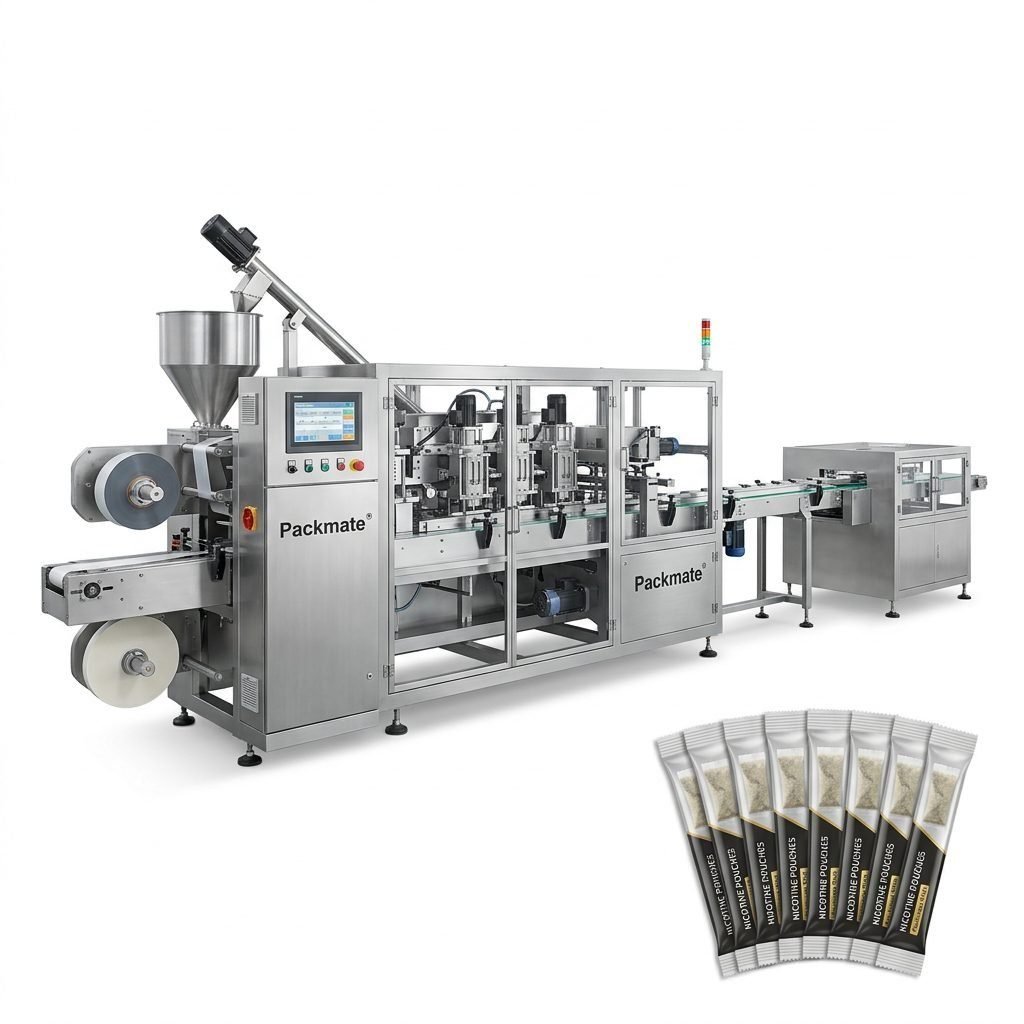
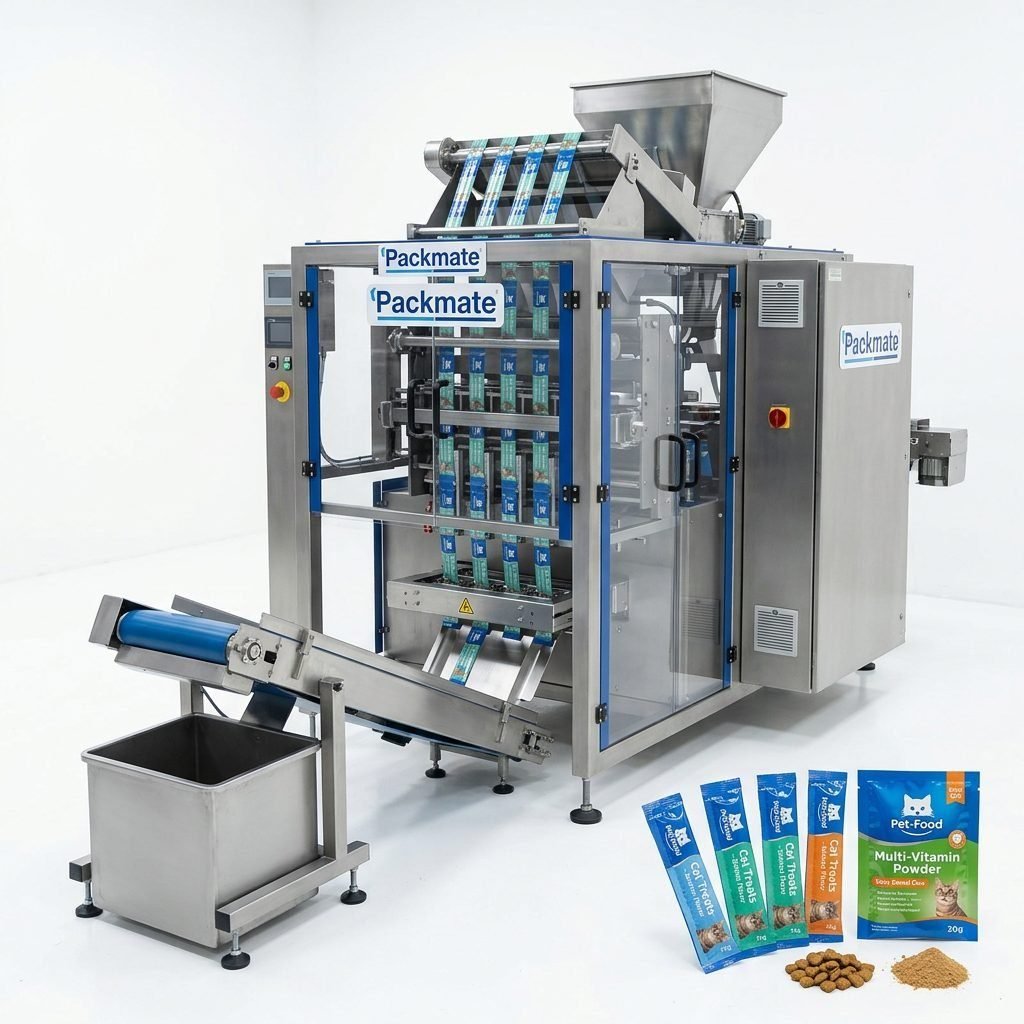
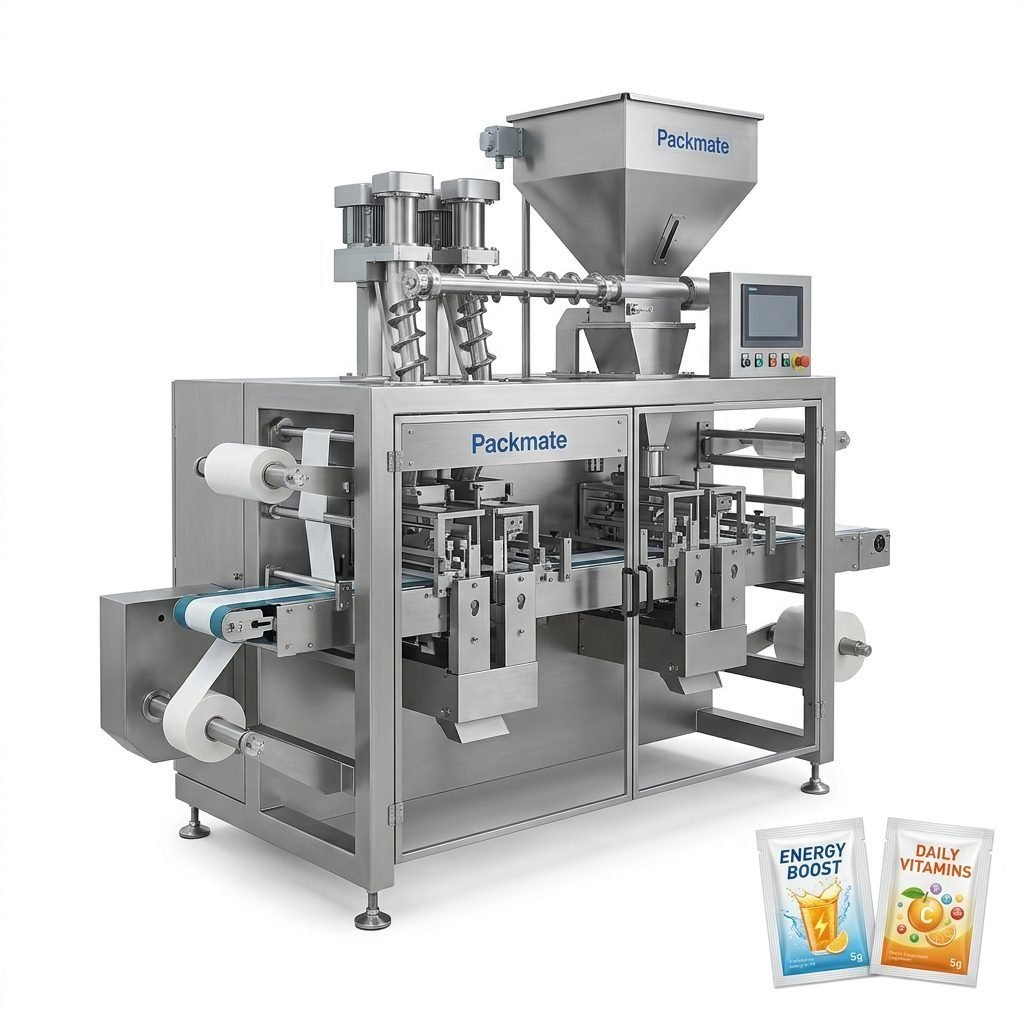
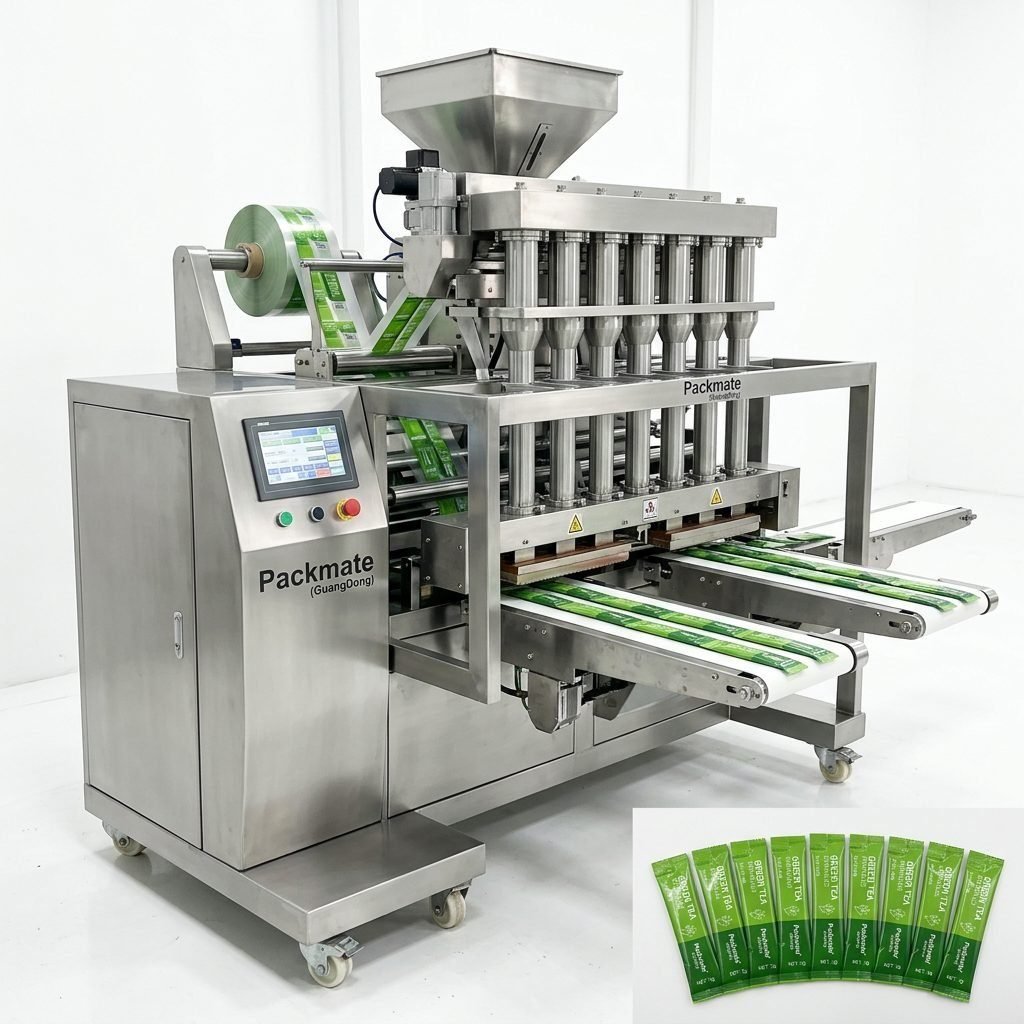
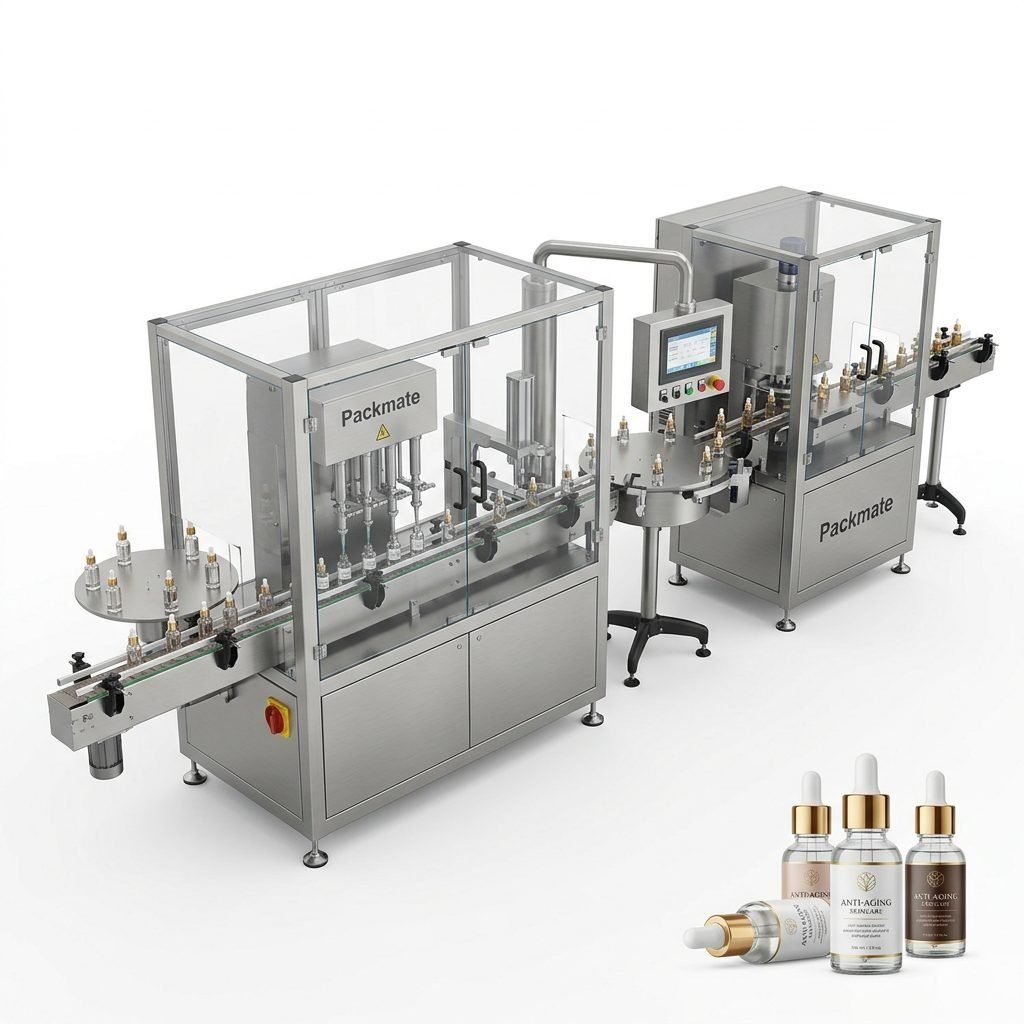
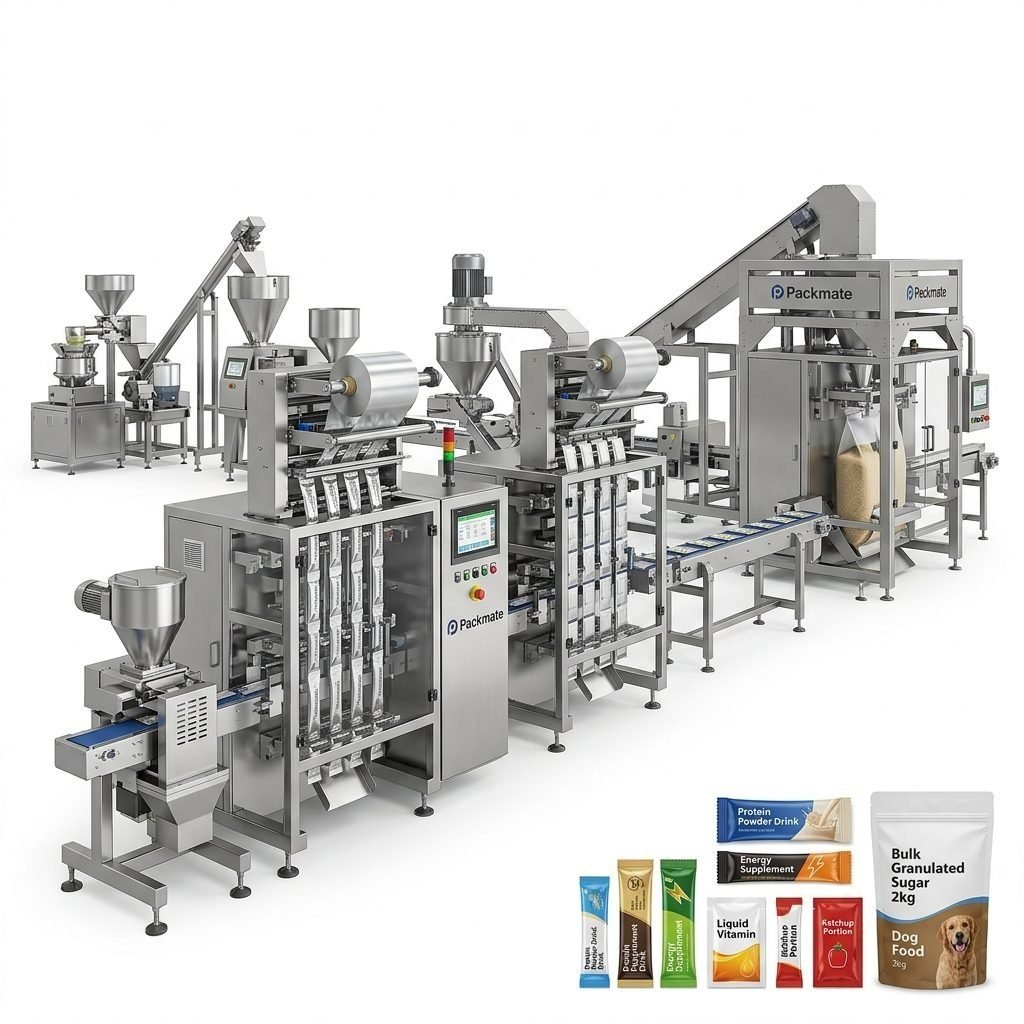
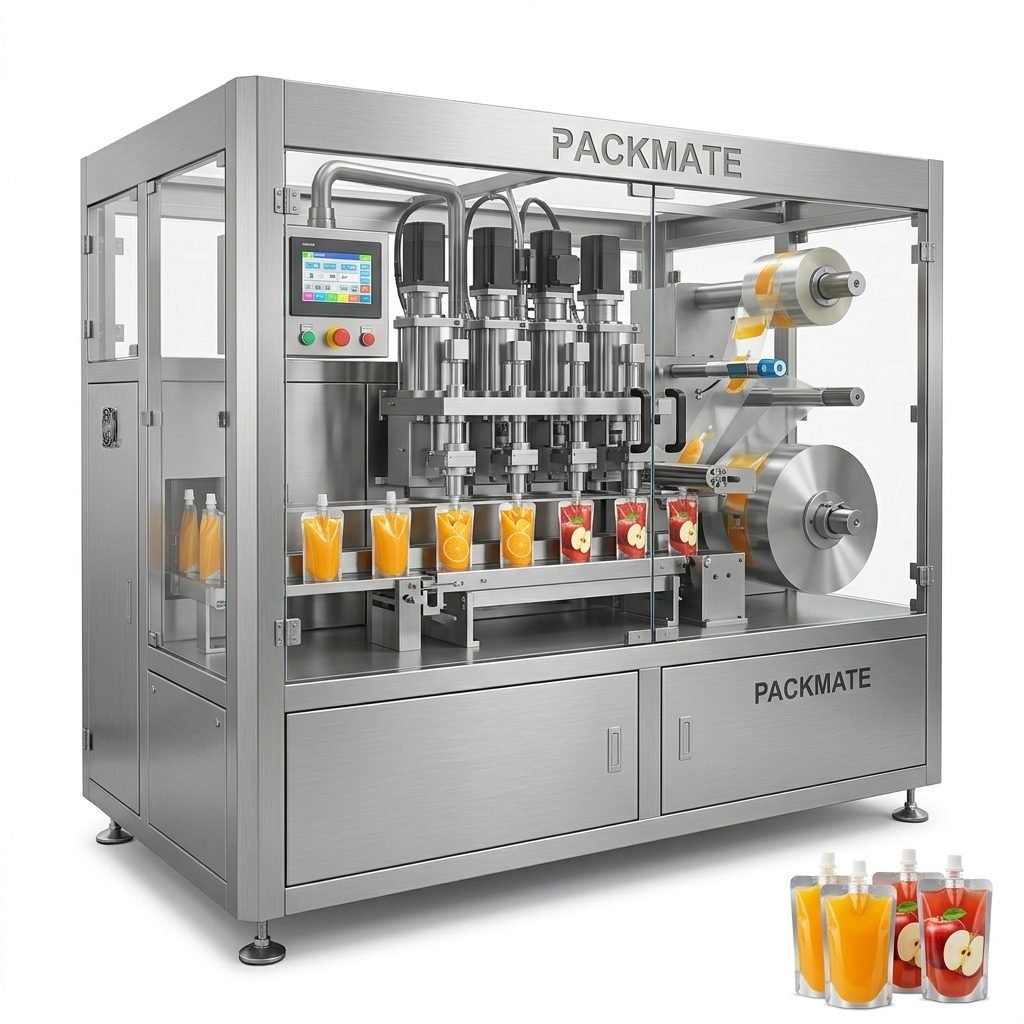
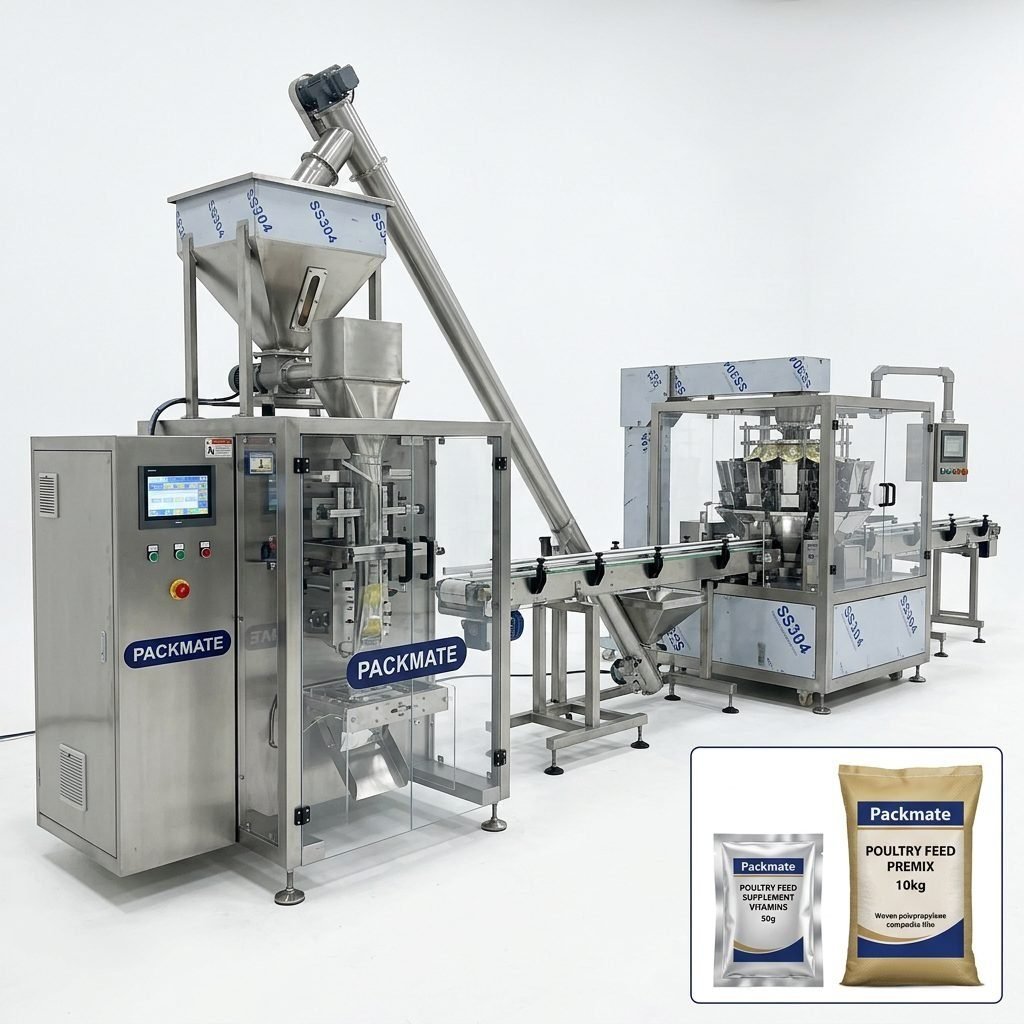
In the dynamic and fast-growing pet food industry, the demand for convenient, hygienic, and appealing packaging for products like dog snack sticks has surged. This places immense importance on the machinery that creates these packages. Selecting the right dog snack sticks packaging machine manufacturer is not just a purchase; it’s an investment in brand consistency, production efficiency, and market competitiveness. The packaging is often the first physical interaction a consumer has with your product, making its quality paramount.
The Critical Role of Specialized Packaging Machinery
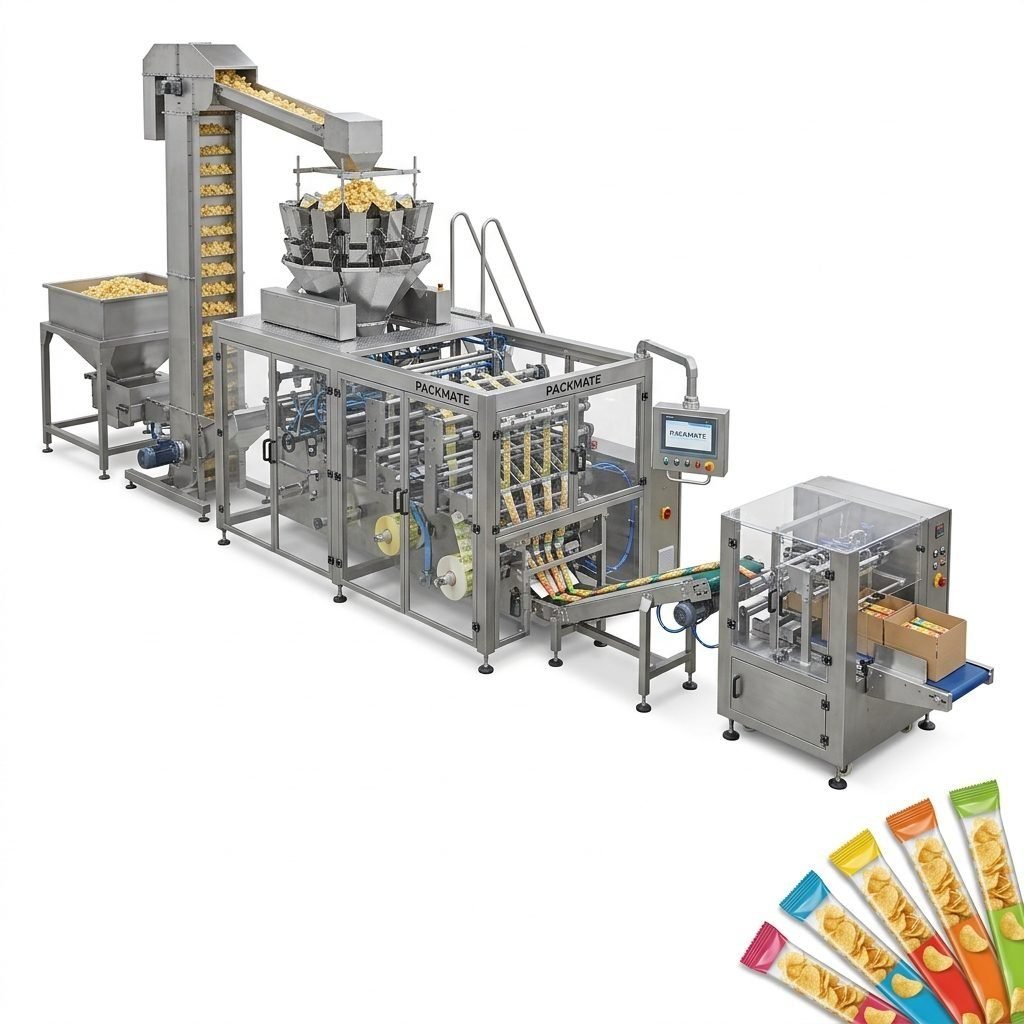
Dog snack sticks, being a semi-moist or dry product, require packaging that maintains freshness, prevents contamination, and is durable enough for retail handling. A specialized stick pack machine is engineered to address these needs precisely. Unlike generic baggers, these machines are designed to form, fill, and seal the long, narrow stick packs efficiently. Key functionalities include precise volumetric or auger filling to ensure consistent product weight, robust sealing mechanisms to create strong, airtight seams, and often integrated nitrogen flushing to extend shelf life by displacing oxygen.
For manufacturers, the benefits are clear: high-speed production to meet large-scale demand, remarkable material savings through precise sealing and minimal film waste, and exceptional flexibility to switch between different stick sizes or products with quick changeovers. This operational efficiency directly translates to lower cost per unit and a stronger bottom line.
Key Factors in Choosing Your Manufacturing Partner
Navigating the market of packaging machine suppliers requires a strategic approach. The cornerstone of a reliable partnership is proven expertise and a solid track record. A manufacturer with decades of experience, like Packmate Machinery, brings invaluable knowledge of industry challenges and technological evolution. Look for a supplier with a comprehensive portfolio, demonstrating capability across various packaging formats, which indicates deep engineering prowess.
Secondly, evaluate the technological sophistication and innovation embedded in their machines. Modern packaging lines should feature user-friendly PLC touchscreen controls, servo-driven systems for precision and energy efficiency, and robust construction from food-grade stainless steel. The ability to integrate seamlessly with upstream and downstream equipment, such as conveyors or cartoning systems, is vital for a smooth packaging line.
Beyond the Machine: The Value of Comprehensive Support
The relationship with your supplier shouldn’t end at delivery. True value comes from comprehensive after-sales support. This includes detailed installation and commissioning, thorough operator and maintenance training, and readily available spare parts. A global service network ensures that if technical issues arise, expert help is never far away, minimizing costly downtime. Many leading suppliers also offer custom engineering services to tailor a machine specifically to your unique product characteristics or factory layout.
Understanding the Manufacturing Process and Quality Control
Partnering with a manufacturer that controls its production from the ground up is advantageous. In-house machining, assembly, and testing allow for stringent quality control at every stage. Before shipment, machines should undergo rigorous Factory Acceptance Testing (FAT) with your actual packaging materials (films) and a product sample. This process verifies speed, accuracy, seal integrity, and overall performance, ensuring the machine meets your specifications before it leaves the factory floor.
Furthermore, reputable manufacturers adhere to international standards. Certifications like CE (for the European market) or compliance with food safety regulations are non-negotiable. They guarantee that the equipment is designed and built with safety, hygiene, and environmental considerations in mind. Exploring a supplier’s certifications provides tangible proof of their commitment to quality and global market compliance.
Market Trends Driving Packaging Innovation
The pet food sector is increasingly influenced by human food trends, including sustainability and convenience. This drives innovation in packaging machinery. There is growing demand for machines capable of running mono-material or recyclable films, supporting brands’ environmental goals. Additionally, the need for smaller batch sizes and personalized packaging is pushing the development of more agile and digitally connected machines with IoT capabilities for predictive maintenance and production data analytics.
For businesses aiming to export, understanding regional preferences is key. While the core functionality of the machine remains the same, packaging aesthetics—such as vibrant printing quality for stand-out graphics—can be tailored to different markets. A versatile machine from a knowledgeable supplier can adapt to these varying global demands.
Frequently Asked Questions (FAQs)
1. What is the typical production speed of a dog snack stick packaging machine?
Speeds vary by model and configuration. Standard multi-lane stick pack machines can range from 200 to over 1,000 sticks per minute. The optimal speed depends on your production volume, product characteristics, and packaging material. A detailed consultation with your supplier, like the team at Packmate, is necessary to match the machine’s capability to your specific output goals.
2. Can one machine handle different sizes of stick packs?
Yes, most modern machines are designed with changeover flexibility. By changing the forming tube and adjusting the sealing jaws and cutting mechanism, you can switch between different stick lengths and widths. Quick-change parts and recipe storage in the PLC control system significantly reduce changeover time from hours to minutes, enhancing production flexibility for multiple product lines.
3. What type of packaging film is required, and can the machine handle sustainable materials?
These machines typically use roll-stock laminates, which are multi-layer films (e.g., PET/AL/PE) offering excellent barrier properties. A key question for modern suppliers is their machine’s compatibility with newer, sustainable packaging materials, such as recyclable mono-PP or PLA films. The sealing parameters (temperature, pressure, dwell time) may need adjustment, so it’s crucial to discuss your material choices with the manufacturer during the selection process.
4. What kind of after-sales support and warranty should I expect?
A reliable manufacturer provides a comprehensive warranty, typically 12-18 months for critical parts. More importantly, they offer robust support: installation supervision, training programs, a readily available inventory of genuine spare parts, and access to technical support via phone, email, or remote diagnostics. Ensure your supplier has a proven service network, especially if you are operating in a different country or region.
5. How do I determine the total cost of ownership, not just the purchase price?
Look beyond the initial invoice. Consider operational efficiency (speed and yield), energy consumption, downtime rates, ease of maintenance, and the long-term cost of spare parts and service. A slightly higher initial investment in a robust, efficient machine from a reputable supplier often results in a significantly lower total cost of ownership over 5-10 years due to higher productivity and reliability.