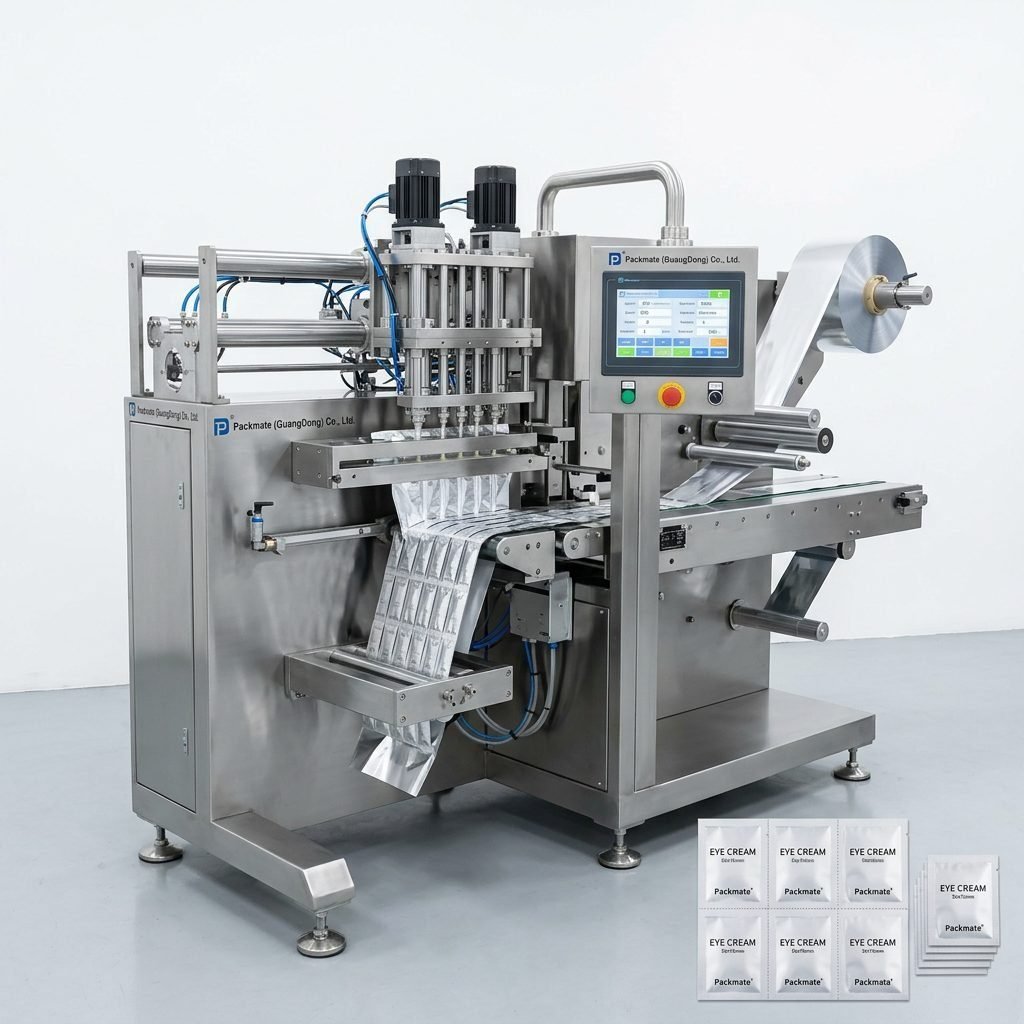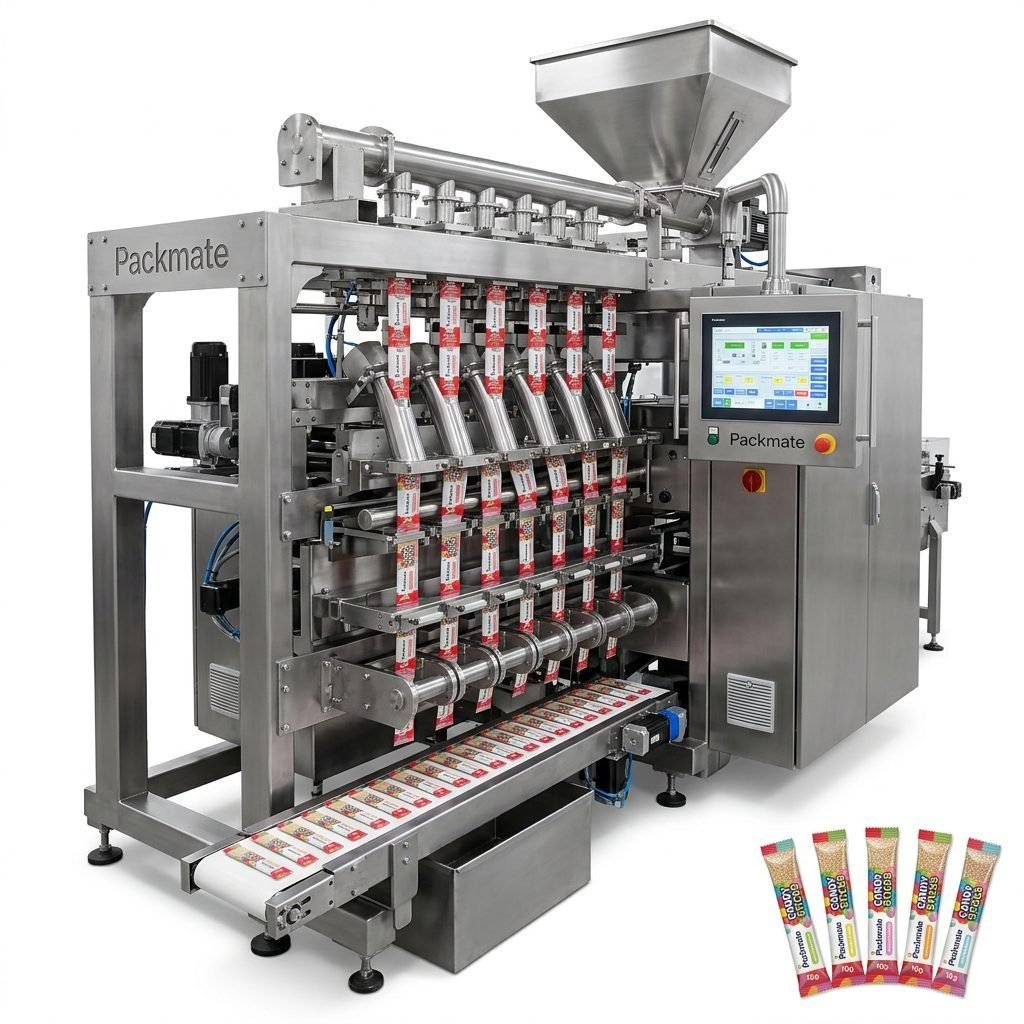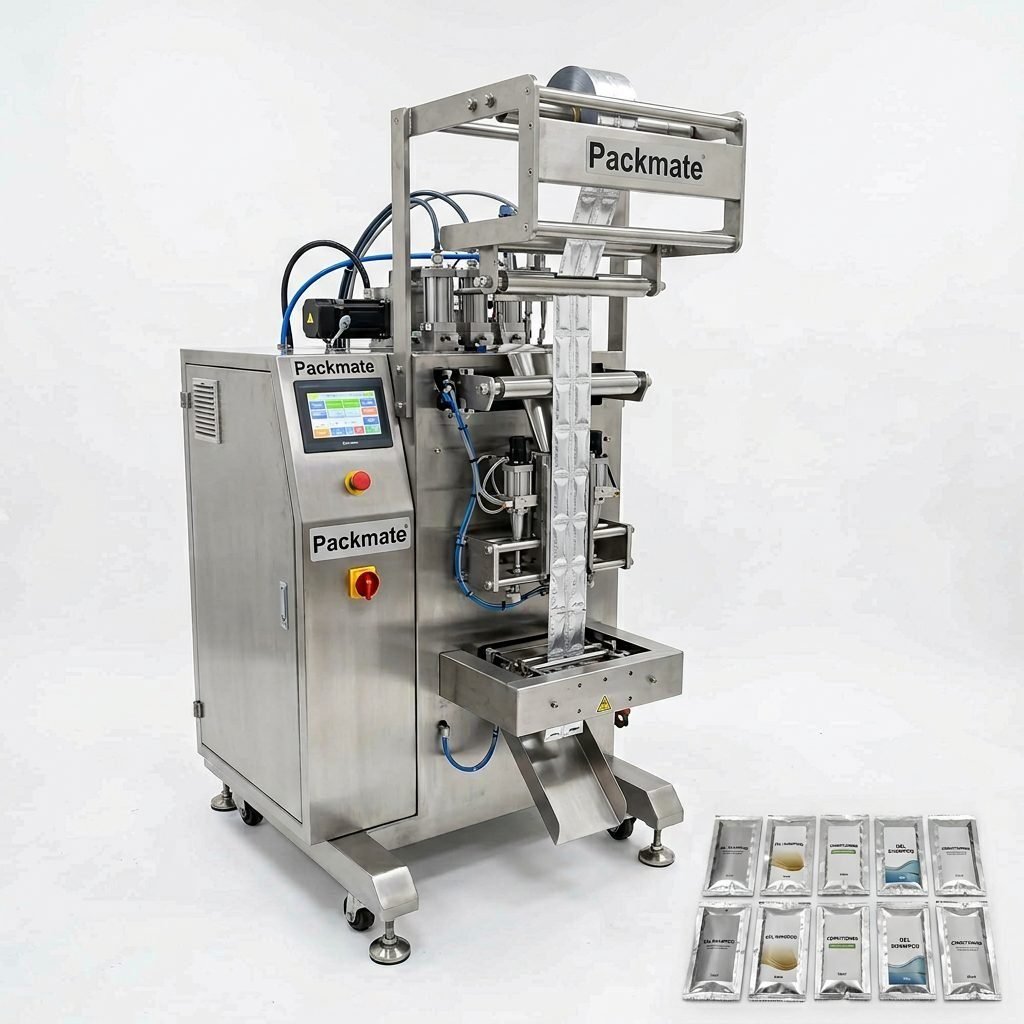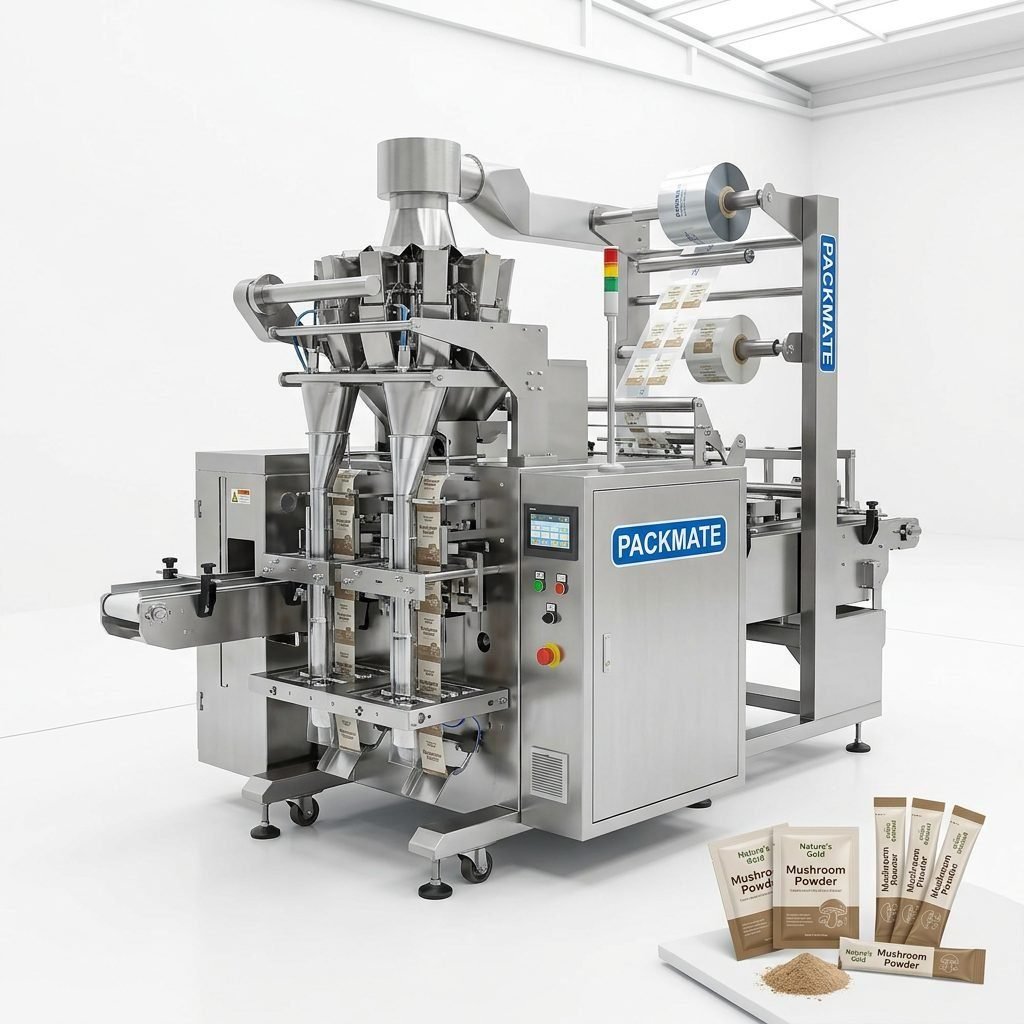
The pharmaceutical packaging landscape is undergoing a profound transformation, driven by technological innovation, stringent regulatory demands, and a global focus on patient safety and supply chain integrity. For manufacturers, staying ahead means not only adopting new equipment but understanding the underlying trends that define the future of packaging lines. This evolution is critical for ensuring product efficacy, enhancing operational efficiency, and meeting the sophisticated needs of modern healthcare.
Intelligent Automation and Industry 4.0 Integration
The shift from mechanization to intelligent automation is the most significant trend reshaping pharmaceutical packaging. Modern equipment is no longer just about speed; it’s about smart, connected systems. Packaging lines integrated with Industrial Internet of Things (IIoT) sensors collect real-time data on machine performance, output quality, and predictive maintenance needs. This data-driven approach allows for unprecedented levels of operational visibility and control.
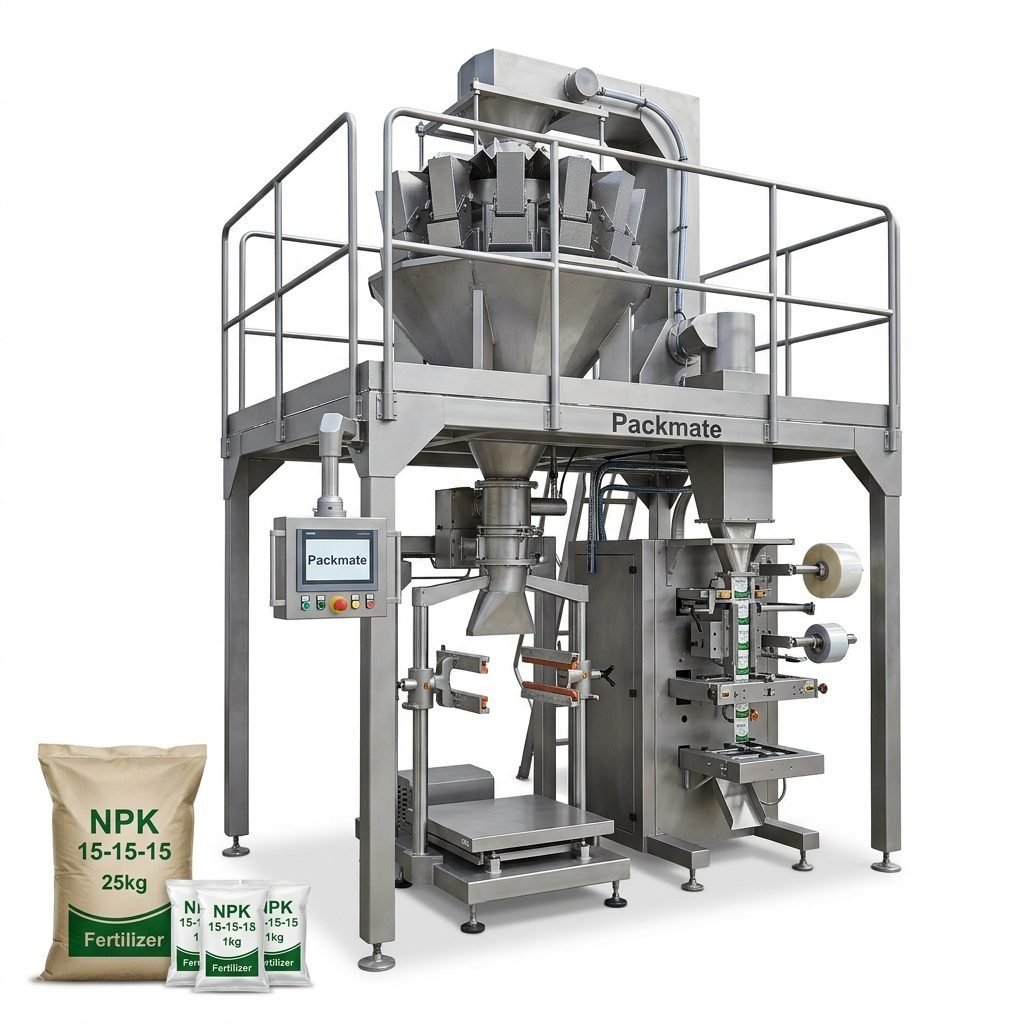
For instance, a high-precision weighing and packaging system can now self-calibrate based on environmental conditions and communicate fill-weight deviations instantly to a central dashboard. This minimizes waste and ensures every unit meets strict compliance standards. The move towards cyber-physical systems enables packaging floors to be more agile, responsive, and efficient, forming a core component of the smart factory.
Enhanced Traceability and Serialization
Global regulations, such as the U.S. Drug Supply Chain Security Act (DSCSA) and the EU Falsified Medicines Directive, have made item-level serialization non-negotiable. Packaging equipment must now seamlessly integrate coding, verification, and aggregation functions. The trend is towards embedded vision systems and inline print-and-inspect technology that guarantees every single package has a unique, scannable identifier—from the primary sachet to the shipping case.
This goes beyond compliance. Robust traceability protects patient safety by enabling the swift identification and recall of specific product batches. It also combats counterfeit drugs, a critical issue in global healthcare. Equipment that can handle complex serialization protocols while maintaining high line speeds is becoming a standard requirement for any pharmaceutical manufacturer looking to operate in international markets.
Sustainability in Materials and Machine Design
Sustainability is no longer a secondary concern but a primary driver in packaging decisions. This trend manifests in two key areas: the materials being used and the design of the equipment itself. There is a growing demand for machines that can handle mono-material films, recyclable polymers, and bio-based substrates without compromising seal integrity or barrier properties.
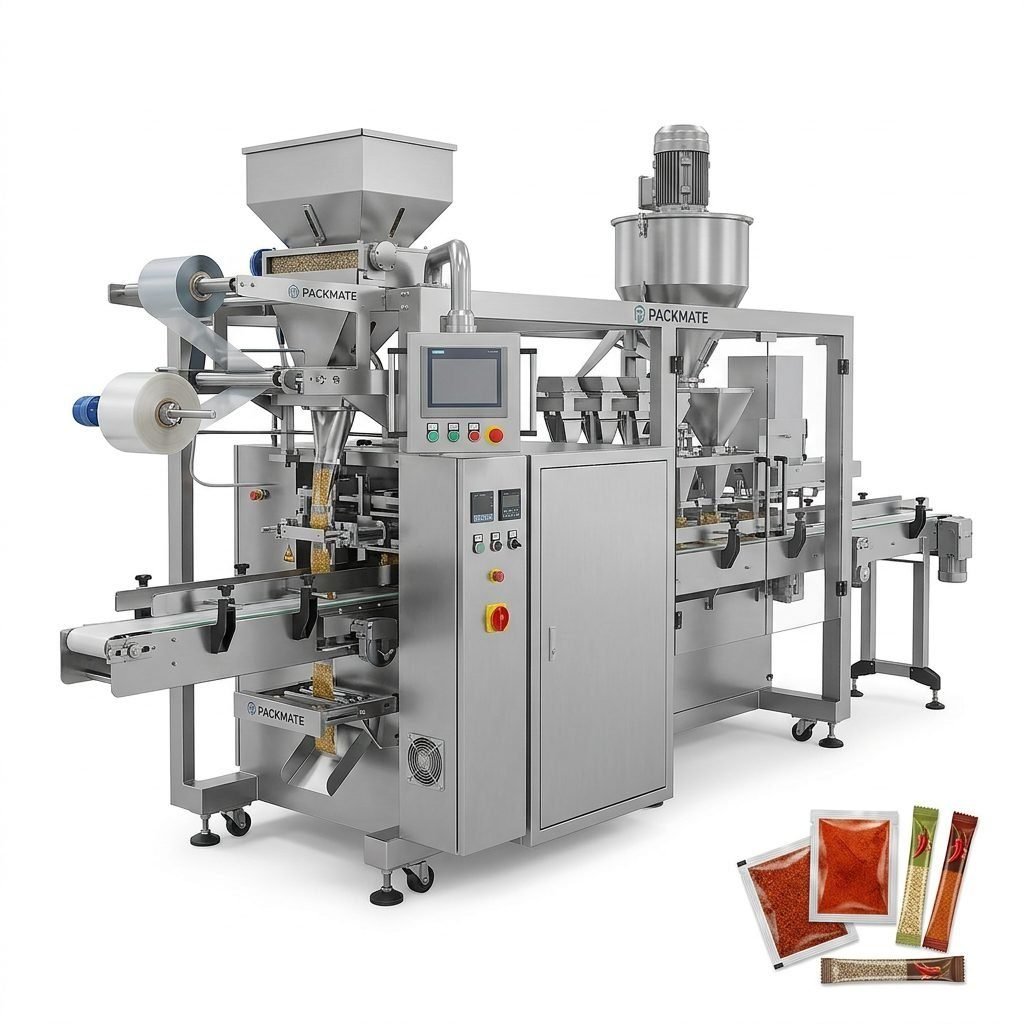
Furthermore, equipment manufacturers are focusing on energy-efficient designs. This includes servo-driven motors that consume less power, heat-sealing technologies that reduce energy waste, and systems designed for quick changeovers to minimize material waste during production runs. Choosing sustainable bag and pouch packaging machines is a strategic decision that aligns with corporate environmental goals and responds to increasing consumer and regulatory pressure for greener solutions.
Flexibility for Small Batch and Personalized Medicine
The rise of biologics, orphan drugs, and personalized medicine is driving the need for highly flexible packaging solutions. Large, rigid production lines are giving way to modular, adaptable equipment capable of efficient small-batch production. The trend is towards plug-and-play modules that can be easily reconfigured for different package formats, fill volumes, and products.
This flexibility is crucial for handling clinical trial materials, niche therapies, and regional market variations. Equipment that allows for rapid changeover with minimal downtime enables manufacturers to be more responsive to market demands and reduces the cost of producing smaller, specialized batches. This agility is a key competitive advantage in the modern pharmaceutical landscape.
Advanced Aseptic and Barrier Packaging Technologies
As drug formulations become more complex—including sensitive biologics, vaccines, and lyophilized powders—the demand for superior barrier protection and aseptic processing capabilities intensifies. The trend is moving towards advanced packaging that offers exceptional protection against moisture, oxygen, and light.
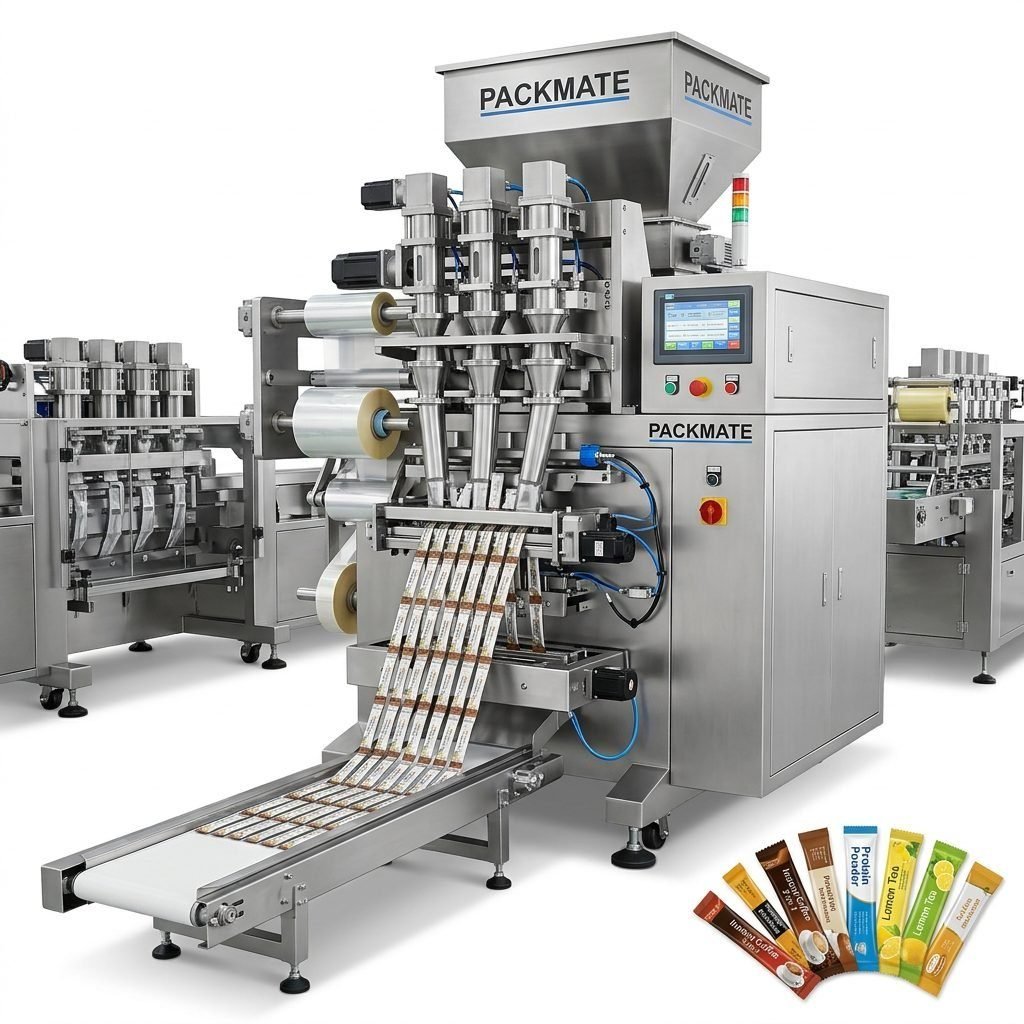
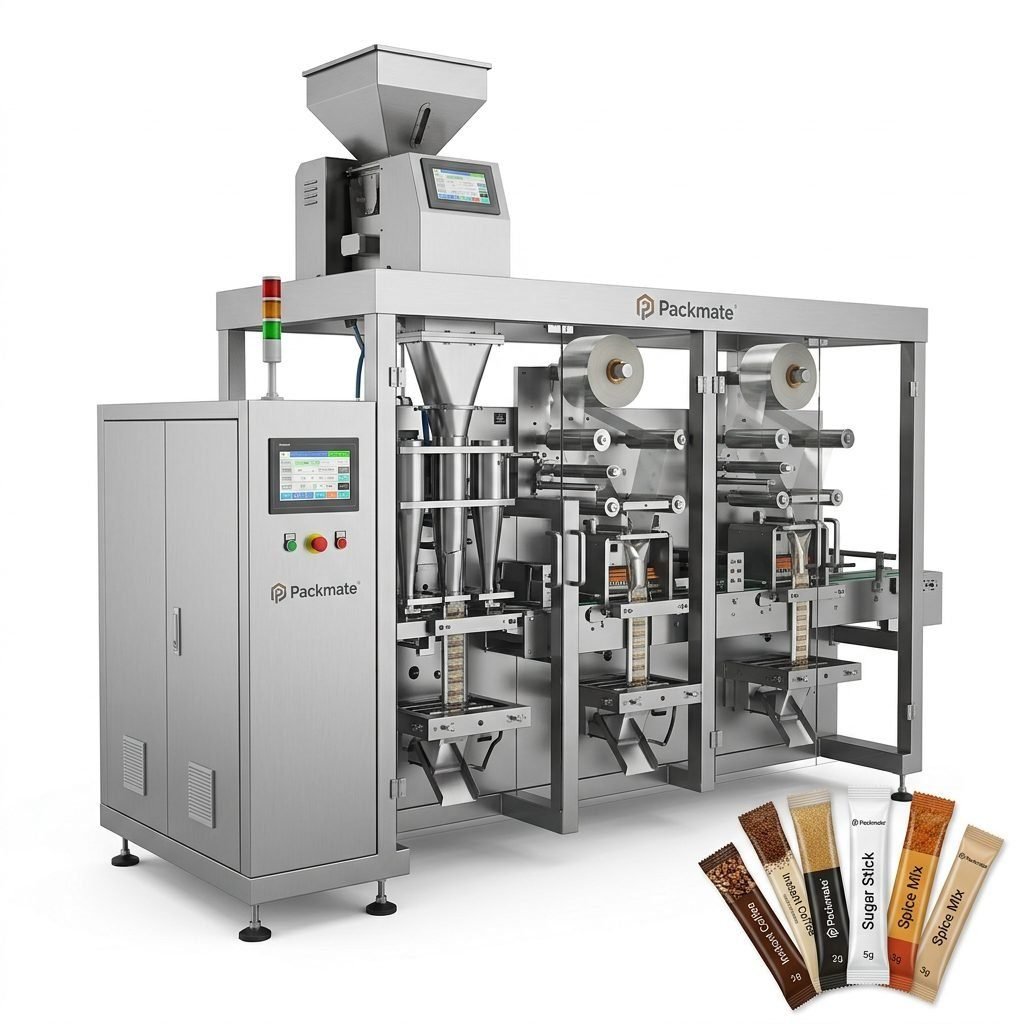
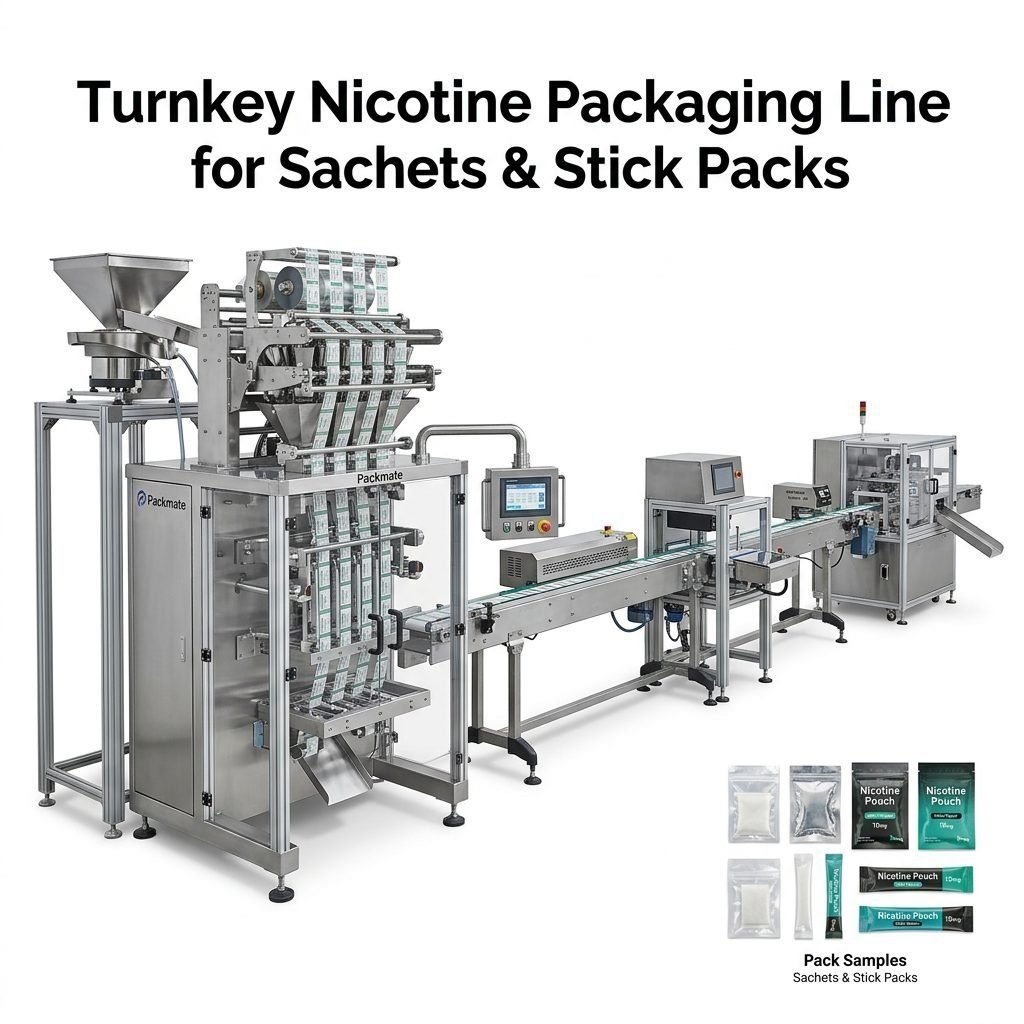
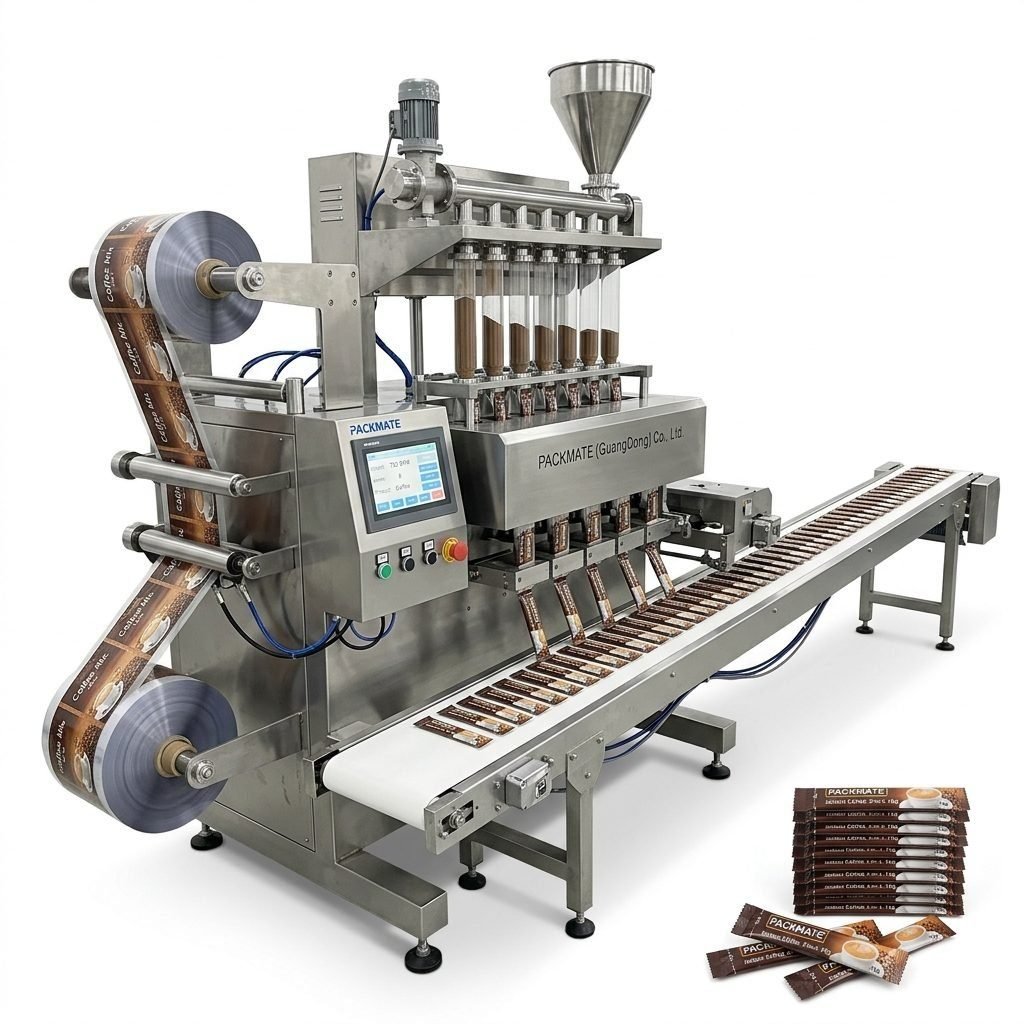
Packaging equipment is evolving to integrate more sophisticated aseptic filling and sealing technologies in controlled environments. This includes isolator technology and restricted access barrier systems (RABS) that are built into the packaging line design. For unit-dose formats like stick packs and sachets, which are popular for powders and granules, ensuring an absolute barrier is paramount for product stability and shelf life. Investing in reliable sachet and stick pack machines with advanced sealing systems is essential for these sensitive applications.
In conclusion, the top trends in pharmaceutical packaging equipment—intelligent automation, robust traceability, sustainable design, operational flexibility, and advanced barrier protection—are interconnected. They collectively aim to create packaging lines that are smarter, cleaner, more efficient, and more adaptable. For companies like Packmate Machinery, with decades of experience in precision engineering, these trends represent the frontier of innovation. By embracing these developments, pharmaceutical companies can future-proof their operations, ensure compliance, enhance patient safety, and achieve a sustainable competitive edge.
Frequently Asked Questions (FAQs)
1. How does intelligent automation in packaging equipment improve Overall Equipment Effectiveness (OEE)?
Intelligent automation enhances OEE by increasing asset availability through predictive maintenance alerts, boosting performance with optimized running speeds and reduced micro-stops, and improving quality via real-time monitoring and rejection of non-conforming packages. Connected systems provide data to pinpoint and eliminate losses.
2. What are the key considerations when upgrading a line for pharmaceutical serialization compliance?
Key considerations include: ensuring equipment can print high-quality, compliant codes (e.g., 2D DataMatrix); integrating robust vision systems for 100% verification; achieving reliable aggregation (bundling cases to pallets); and ensuring the system’s software can communicate with your enterprise-level traceability repository and handle regulatory reporting.
3. Can modern packaging equipment handle both sustainable materials and high-speed production?
Yes, leading equipment manufacturers are engineering machines specifically for this challenge. This involves advanced film handling systems, precise temperature-controlled sealing jaws for sensitive materials, and tension control mechanisms that ensure reliable operation with thinner or less rigid recyclable films without sacrificing line speed or seal integrity.
4. Why is flexibility so important for pharmaceutical packaging lines today?
Flexibility is critical due to the growing market for personalized medicine, smaller batch production for orphan drugs, and the need for rapid response to clinical trial packaging. Flexible, modular lines reduce changeover time and cost, allow for packaging multiple product types on the same line, and enable manufacturers to scale production up or down efficiently based on demand.
5. What role does packaging equipment play in ensuring the stability of sensitive drug formulations?
Packaging equipment is the first line of defense. It ensures the integrity of the primary package by providing consistent, high-strength seals with optimal barrier materials. For moisture or oxygen-sensitive products, equipment with integrated gas flushing or vacuum capabilities is used. Precision filling in a controlled environment prevents contamination and degradation, directly impacting the drug’s shelf life and efficacy.