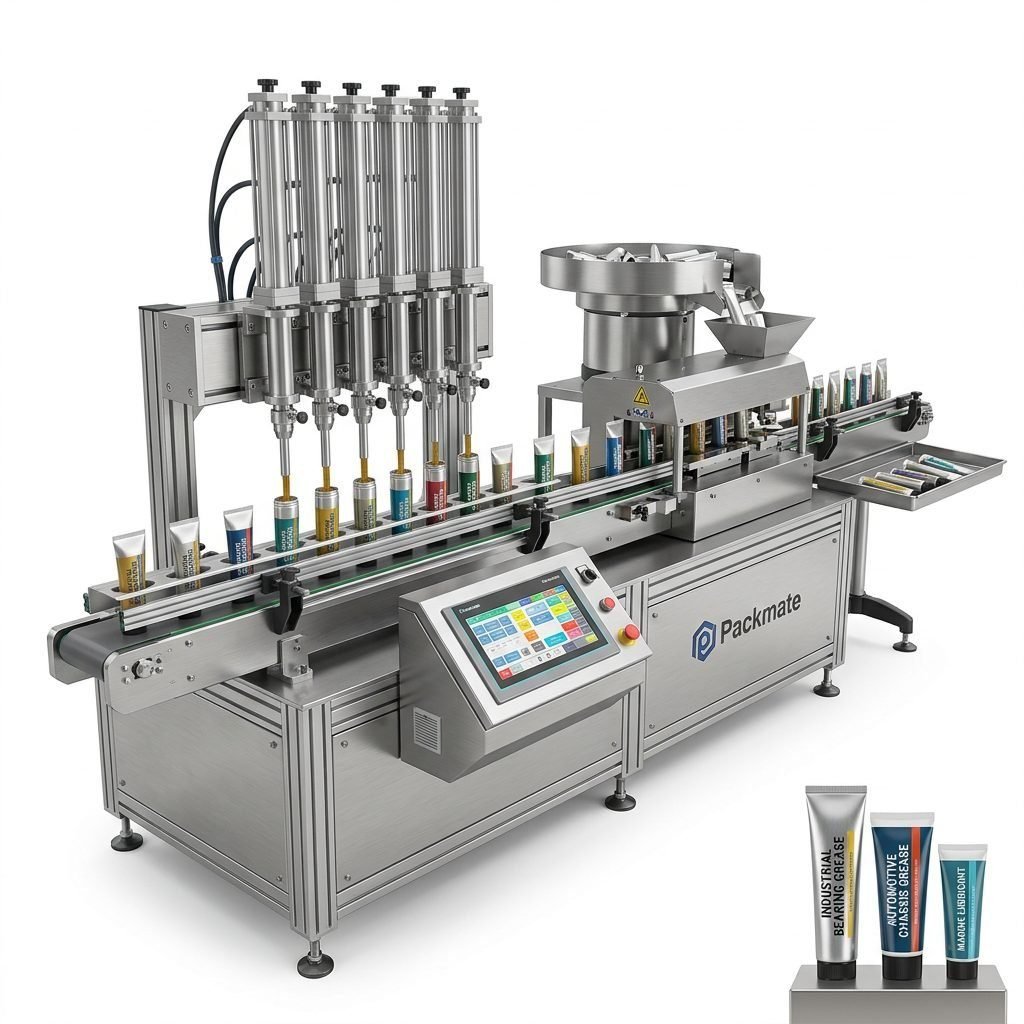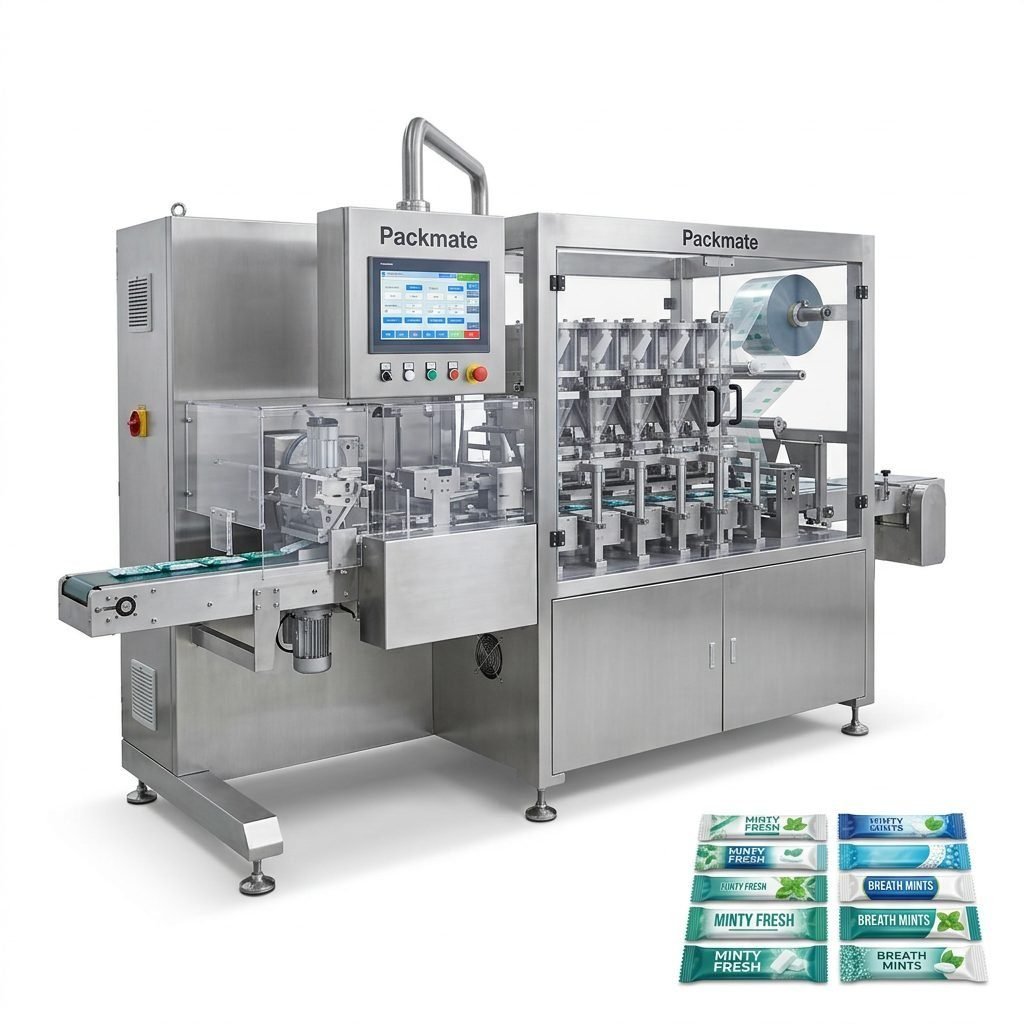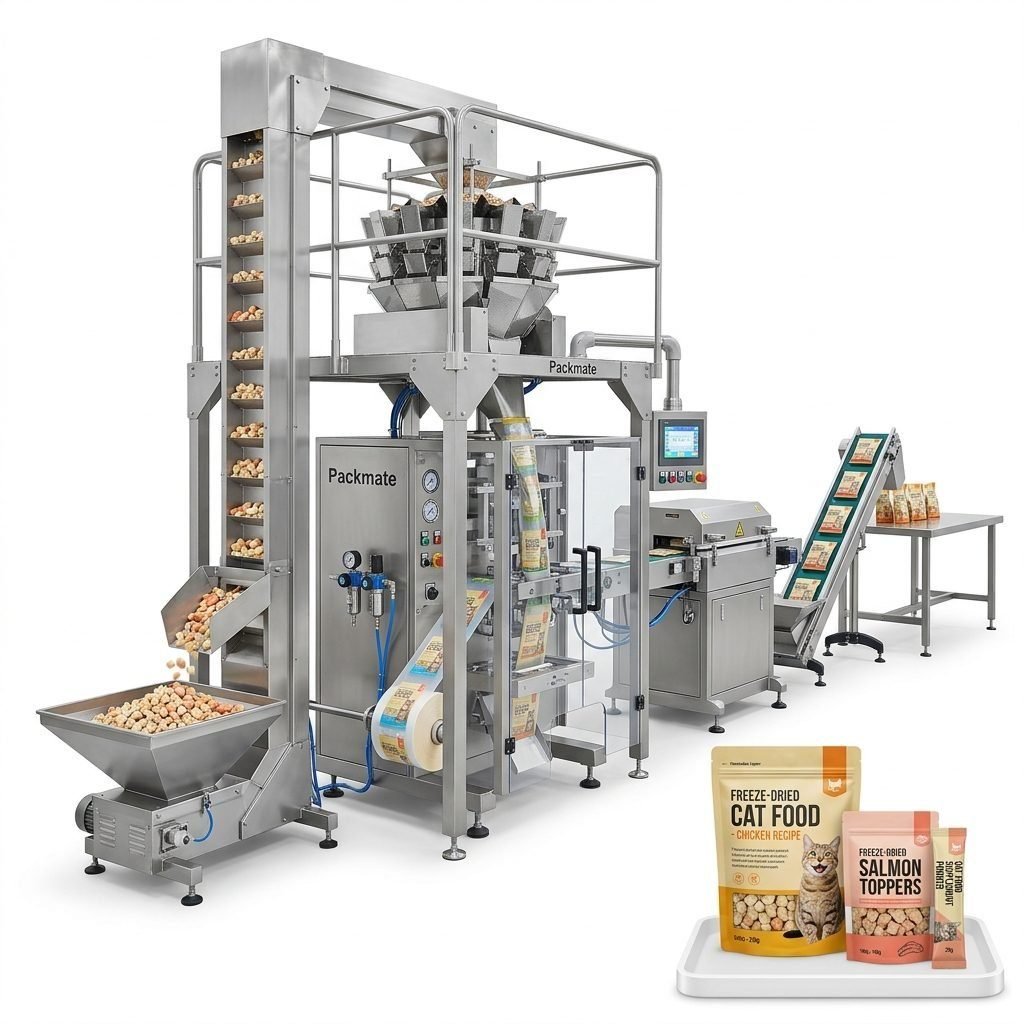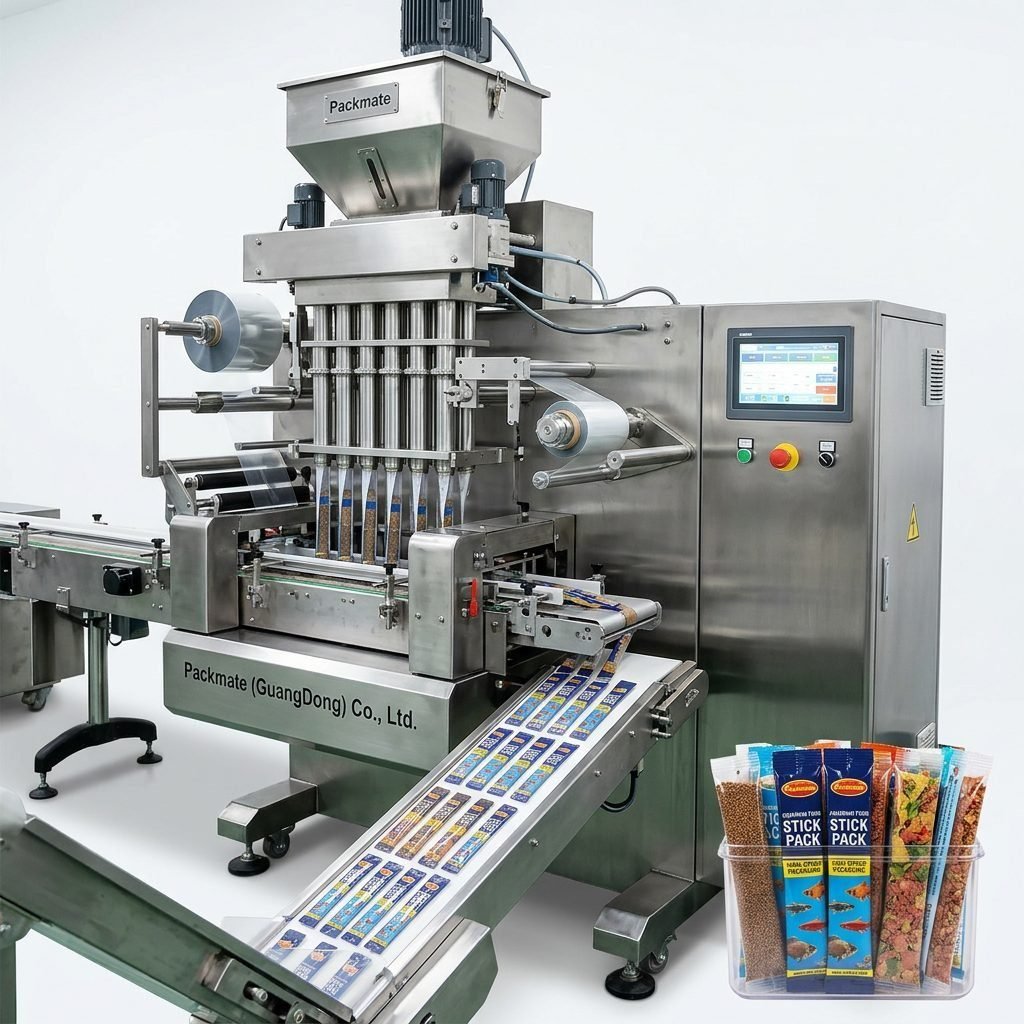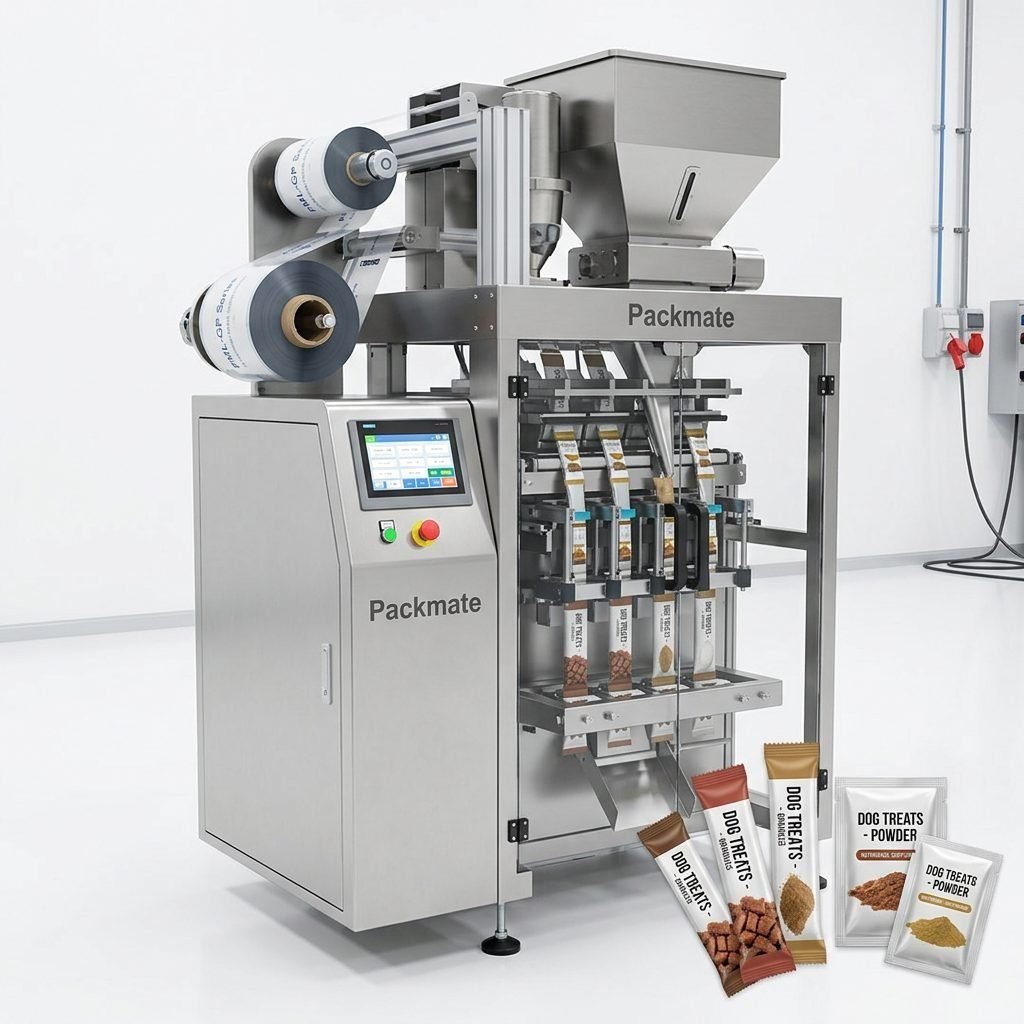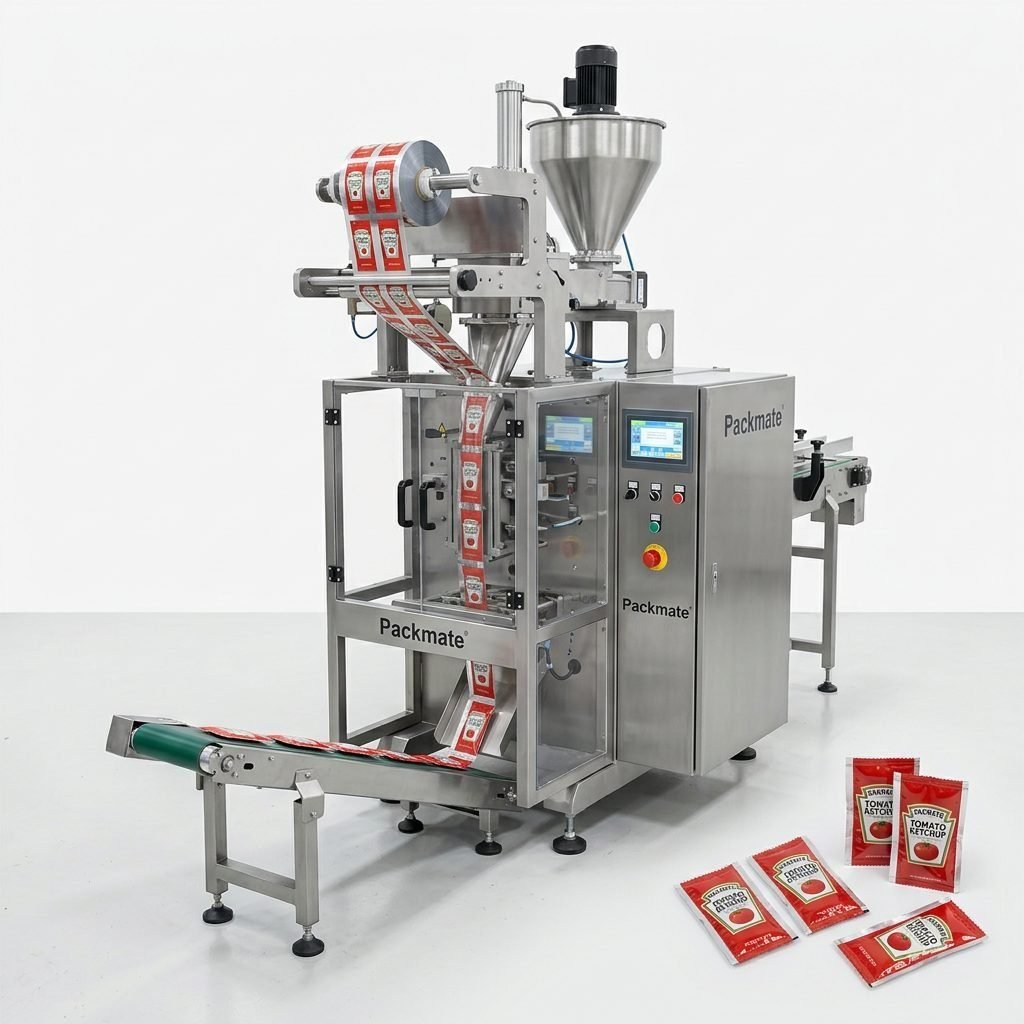
In the competitive food industry, packaging is not just a final step—it’s a critical component of brand identity, product protection, and operational efficiency. Choosing the right food box packaging machine can transform your production line, ensuring consistency, reducing waste, and enhancing your product’s shelf appeal. For businesses looking to scale or optimize their packaging process, investing in reliable machinery is a strategic decision that impacts both quality and profitability.
Why Your Business Needs Specialized Food Box Packaging Machines
Modern consumers expect more than just great taste; they demand convenience, freshness, and visual appeal. A dedicated food box packaging machine delivers on these fronts by providing precise, hygienic, and efficient packaging solutions. Whether you’re packaging snacks, ready-to-eat meals, or gourmet ingredients, the right equipment ensures your products are sealed securely and presented attractively.
Beyond aesthetics, these machines play a vital role in maintaining food safety standards. They minimize human contact with the product, reduce contamination risks, and often include features like nitrogen flushing to extend shelf life. For businesses, this translates to reduced spoilage, lower operational costs, and enhanced compliance with food safety regulations.
Key Features to Look for in Packaging Machinery
When selecting a food box packaging machine, several features are non-negotiable. Versatility is paramount—machines that can handle various box sizes and materials allow for greater flexibility in your product lineup. Look for models with easy changeover systems to minimize downtime between production runs.
Speed and efficiency directly affect your output. High-speed machines can significantly boost production capacity, but it’s essential to balance speed with precision. An efficient machine should also be energy-efficient and designed for easy cleaning and maintenance, ensuring long-term reliability and lower total cost of ownership.
Types of Food Box Packaging Machines
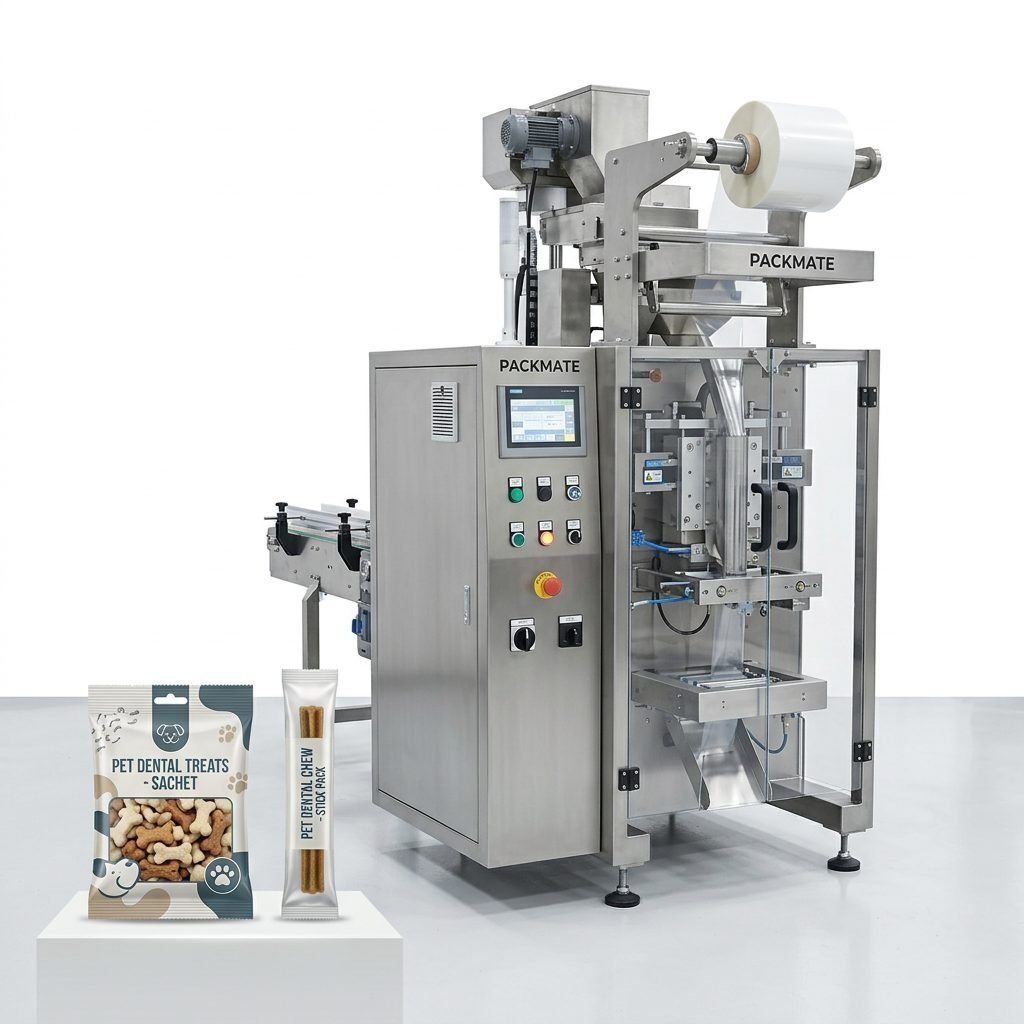
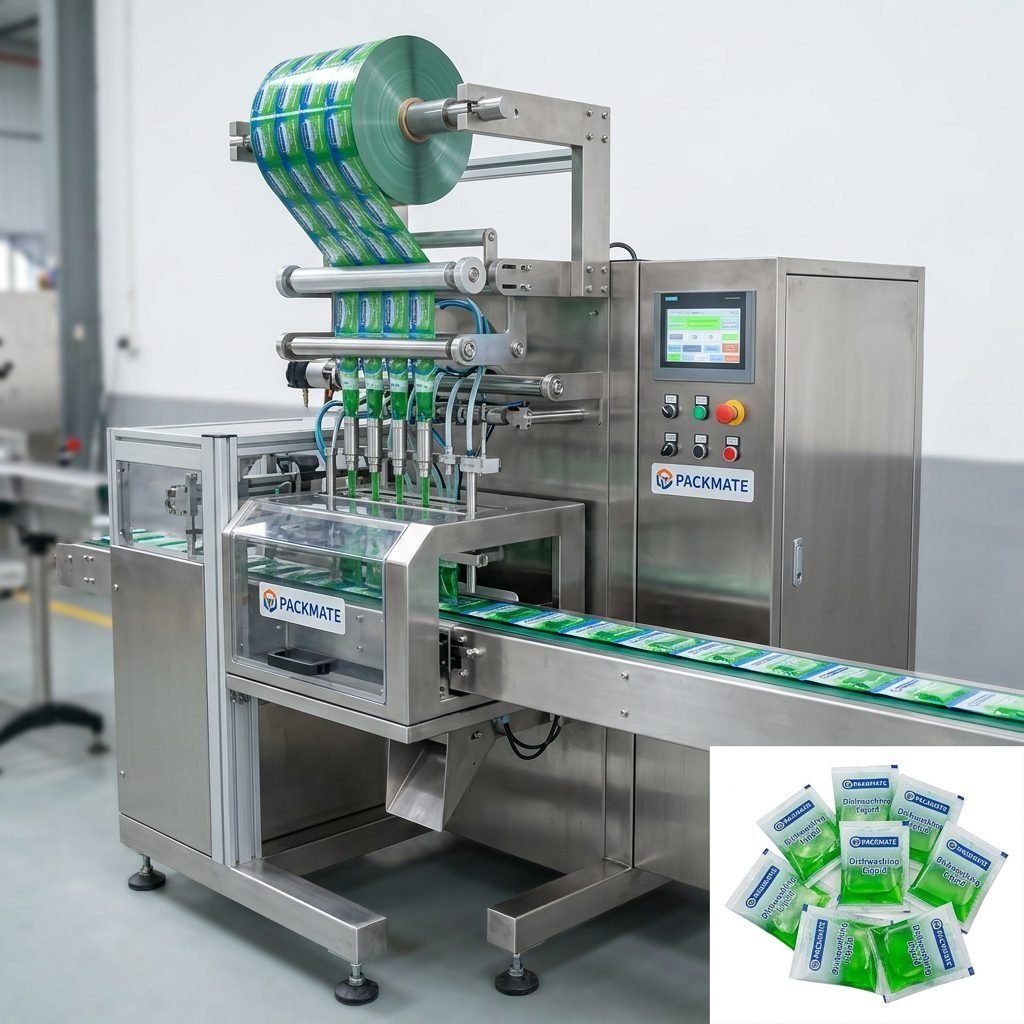
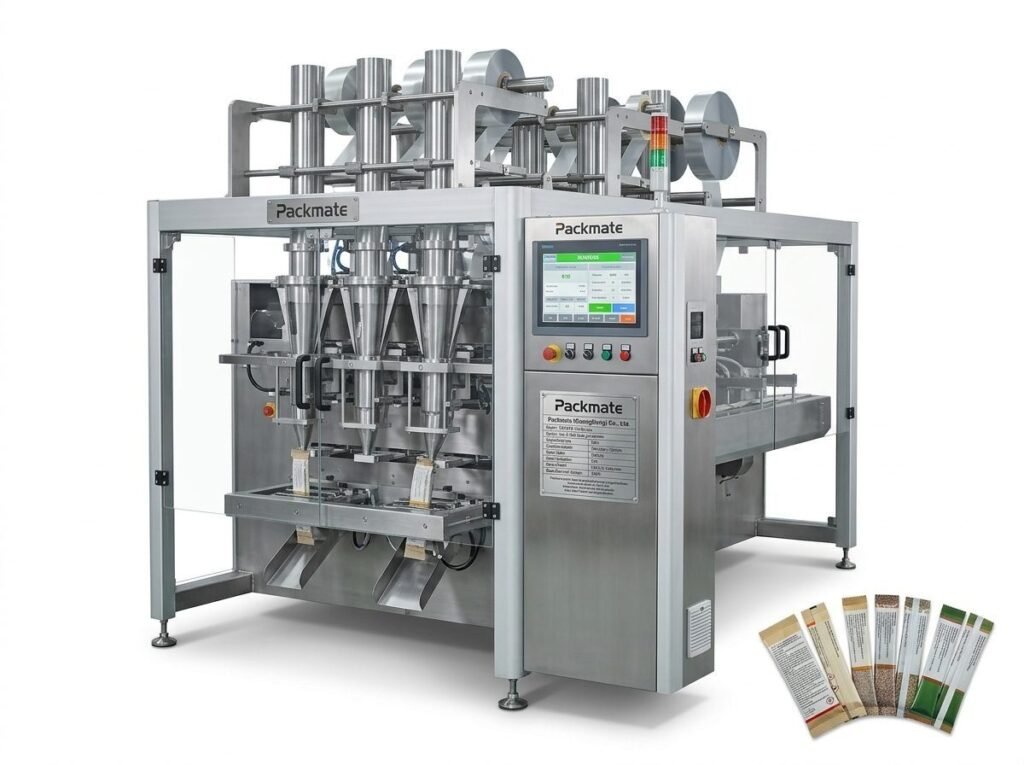
The market offers a range of machines tailored to different packaging needs. Automatic cartoning machines are ideal for high-volume operations, forming, loading, and sealing boxes with minimal manual intervention. For businesses that require custom packaging, form-fill-seal (FFS) machines create boxes from flat blanks, fill them with product, and seal them in one continuous process.
Another popular option is the sleeve wrapping machine, which applies a printed film sleeve around a pre-formed box, offering excellent graphic display opportunities. For delicate or irregularly shaped items, tray sealing machines provide a secure, tamper-evident seal. Exploring the full range of packing machines can help you identify the perfect match for your specific product requirements.
Integrating Packaging into Your Production Line
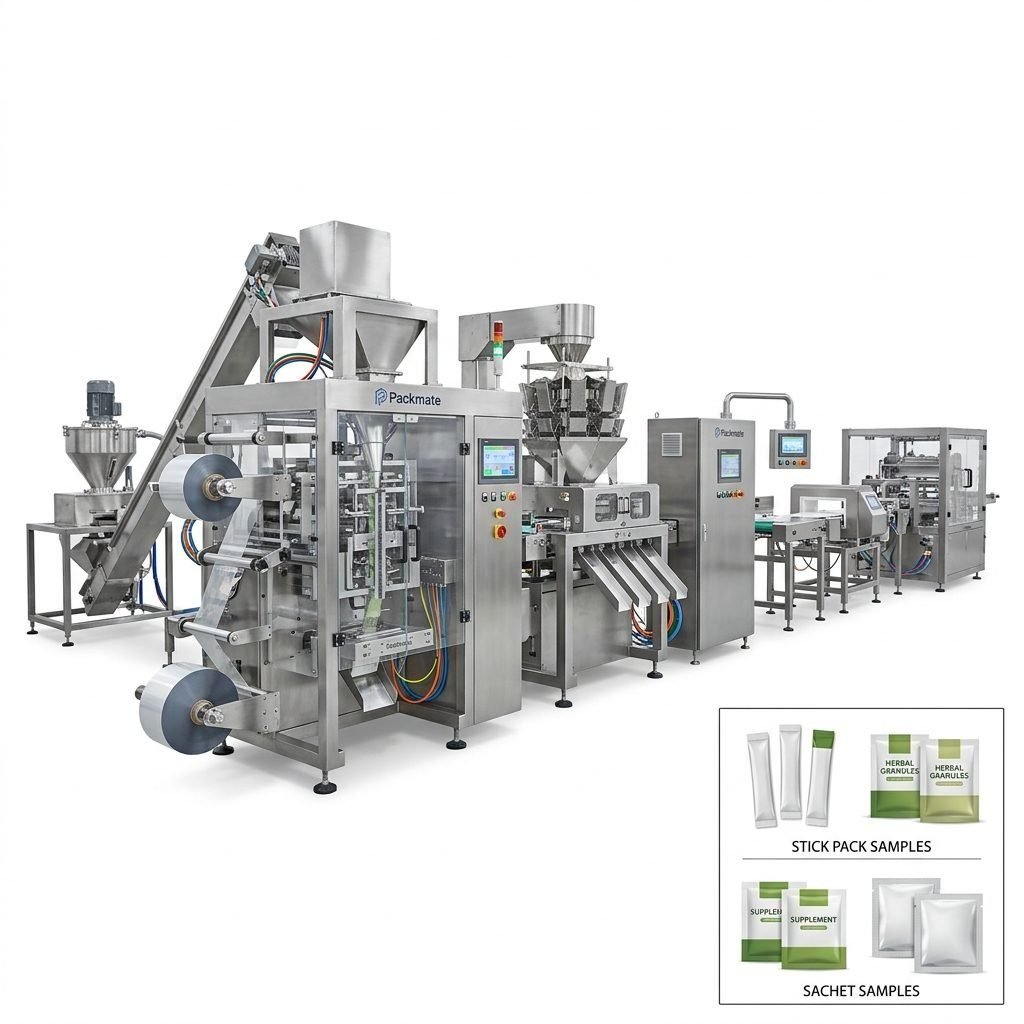
A packaging machine should not operate in isolation. Its successful integration into your existing production line is crucial for smooth workflow. Consider machines that offer compatibility with upstream equipment like fillers, conveyors, and downstream systems such as labeling or case packing. This seamless integration, often part of a complete filling and packaging line, maximizes efficiency and minimizes bottlenecks.
Modern machines often come with Programmable Logic Controller (PLC) systems and touch-screen interfaces, allowing for easy operation, monitoring, and adjustment. Connectivity features that support Industry 4.0 principles can provide valuable data on machine performance, production rates, and maintenance needs, enabling predictive maintenance and smarter production planning.
The Role of Innovation and Reliability
In an industry driven by innovation, packaging machinery must evolve. Leading manufacturers invest heavily in research and development to introduce features like vision systems for quality inspection, robotic loading arms for precision, and sustainable material handling capabilities. These advancements help businesses stay ahead of trends, such as the growing demand for eco-friendly packaging solutions.
However, innovation must be paired with unwavering reliability. A machine that frequently breaks down can cripple production. This is where the heritage and expertise of the manufacturer become critical. Companies with decades of experience, like Packmate Machinery, build their reputation on durable, high-performance equipment backed by robust engineering and comprehensive support services.
Making the Right Investment for Long-Term Growth
Purchasing a food box packaging machine is a significant capital investment. To ensure a strong return, conduct a thorough analysis of your current and future needs. Consider not only the initial purchase price but also factors like operational costs, maintenance requirements, potential for scalability, and the manufacturer’s reputation for after-sales service and support.
Partnering with a manufacturer that offers customizable solutions and turnkey project management can be invaluable. They can assess your entire operation, recommend the optimal machinery, and assist with installation and operator training, ensuring a smooth transition and rapid time-to-value for your investment.
Ultimately, the best food box packaging machine for your business is one that aligns perfectly with your product specifications, production volume, quality standards, and growth ambitions. It should be a reliable workhorse that enhances your brand, protects your product, and drives operational excellence on the path to greater market success.
Frequently Asked Questions (FAQs)
1. What is the typical production speed of an automatic food box packaging machine?
Production speeds vary widely based on machine type and box complexity. Standard automatic cartoners can range from 50 to 300 boxes per minute. High-speed models integrated into full weighing and packaging systems can achieve even higher rates. The key is to match the machine’s speed with your overall line capacity and product requirements.
2. Can one machine handle different sizes and styles of food boxes?
Yes, many modern machines are designed for quick changeover. Look for features like tool-less adjustments, servo-driven mechanisms, and pre-set recipes stored in the PLC. This flexibility is essential for businesses that produce multiple product lines or frequently launch limited-edition packaging.
3. How important is after-sales support when purchasing packaging machinery?
Extremely important. Reliable technical support, availability of spare parts, and comprehensive operator training are critical for minimizing downtime. A manufacturer with a strong global service network ensures you can get assistance quickly, protecting your production schedule and investment.
4. What are the key maintenance requirements for these machines?
Regular maintenance typically includes daily cleaning to meet food safety standards, periodic lubrication of moving parts, inspection of seals and cutting blades, and calibration of sensors. Following the manufacturer’s recommended maintenance schedule is vital for ensuring longevity, consistent performance, and product quality.
5. Are there packaging solutions suitable for small and medium-sized enterprises (SMEs)?
Absolutely. The market offers semi-automatic and compact automatic machines that are perfect for SMEs or businesses with lower production volumes. These models provide the benefits of automation—consistency and labor savings—at a more accessible entry point, with the option to upgrade as the business grows.