For German manufacturers, precision, reliability, and efficiency are not just operational goals but deeply ingrained cultural values. This mindset extends directly to the selection of industrial equipment, where the “Made in Germany” standard is a global benchmark. In the packaging sector, choosing the right machinery is a critical decision that impacts production flow, product quality, and ultimately, brand reputation. German businesses, known for their meticulous planning and long-term investment strategies, require packaging solutions that embody these same principles of durability, innovation, and seamless integration.
Understanding the Core Types of Packaging Machines
The German industrial landscape is diverse, from large-scale food processing to specialized pharmaceutical and chemical production. Accordingly, the packaging machinery market offers specialized solutions for every need. Understanding the primary categories is the first step in making an informed choice.
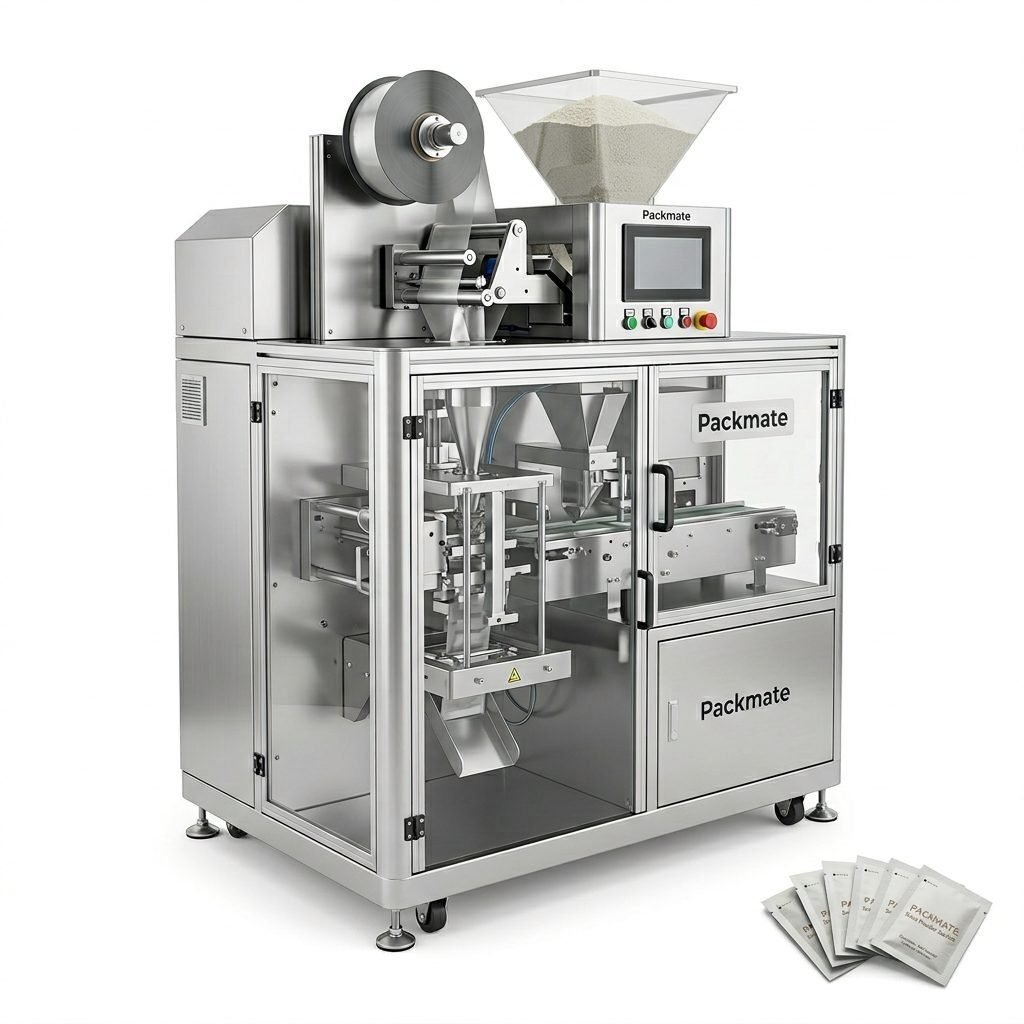
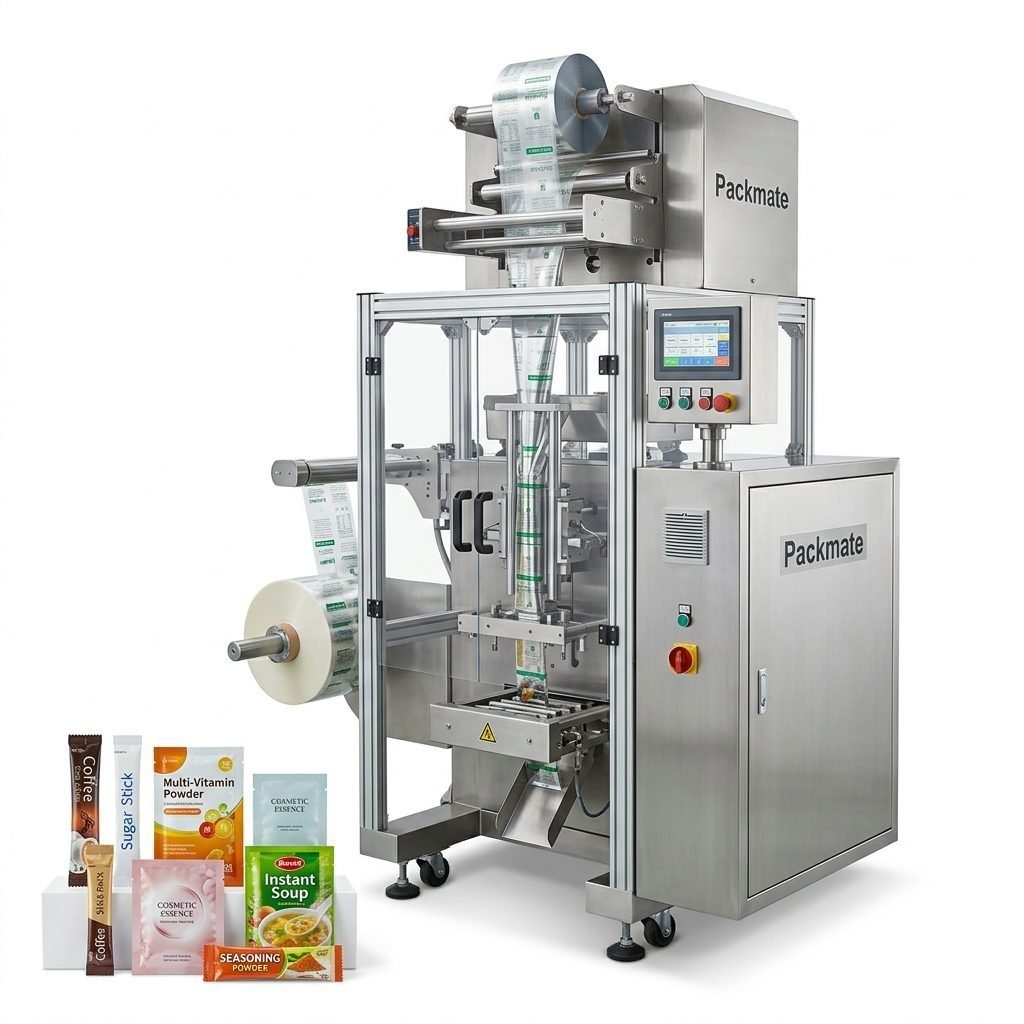
1. Form-Fill-Seal (FFS) Machines
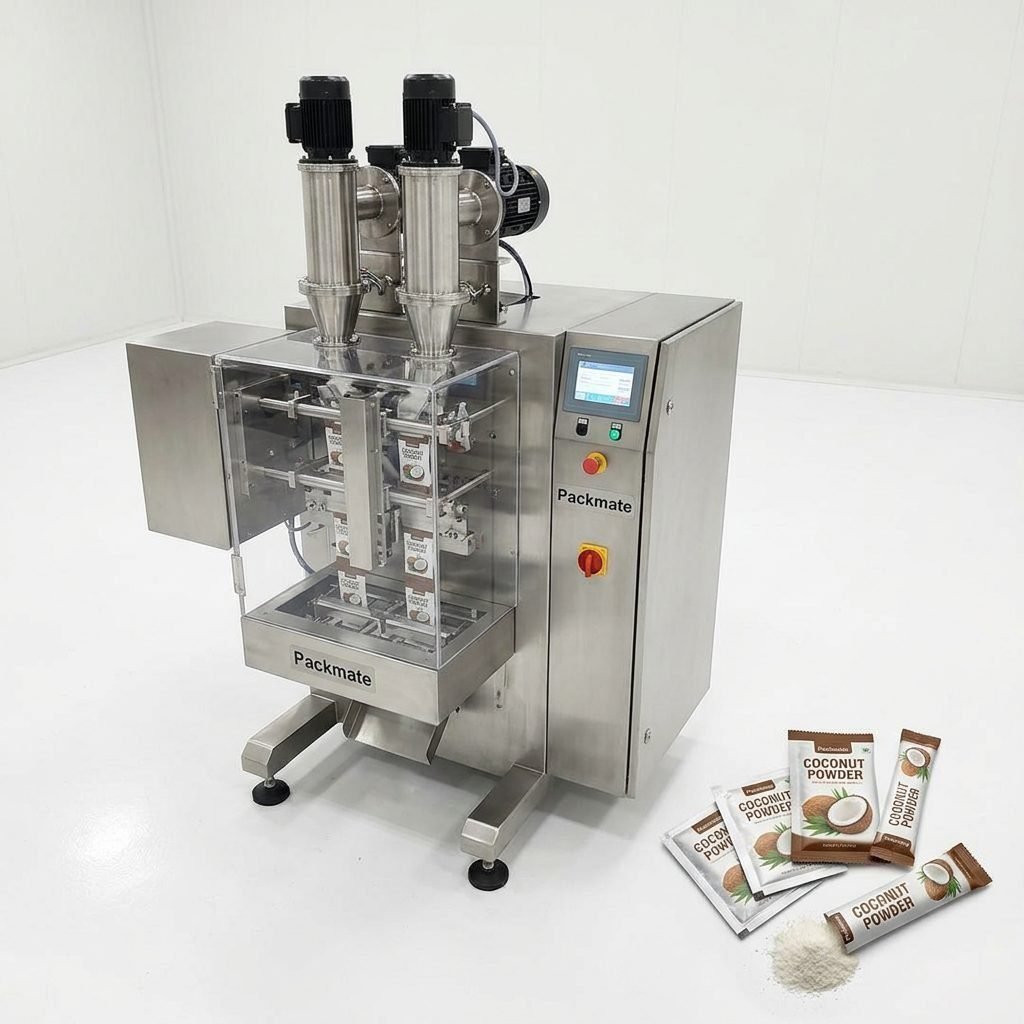
These are the workhorses of modern packaging, creating the pouch or bag from a roll of film, filling it with product, and sealing it—all in one continuous, automated process. They are ideal for high-volume output of products like coffee, snacks, powders, and liquids. For German companies focused on lean manufacturing and minimizing material waste, FFS machines offer significant efficiency gains.
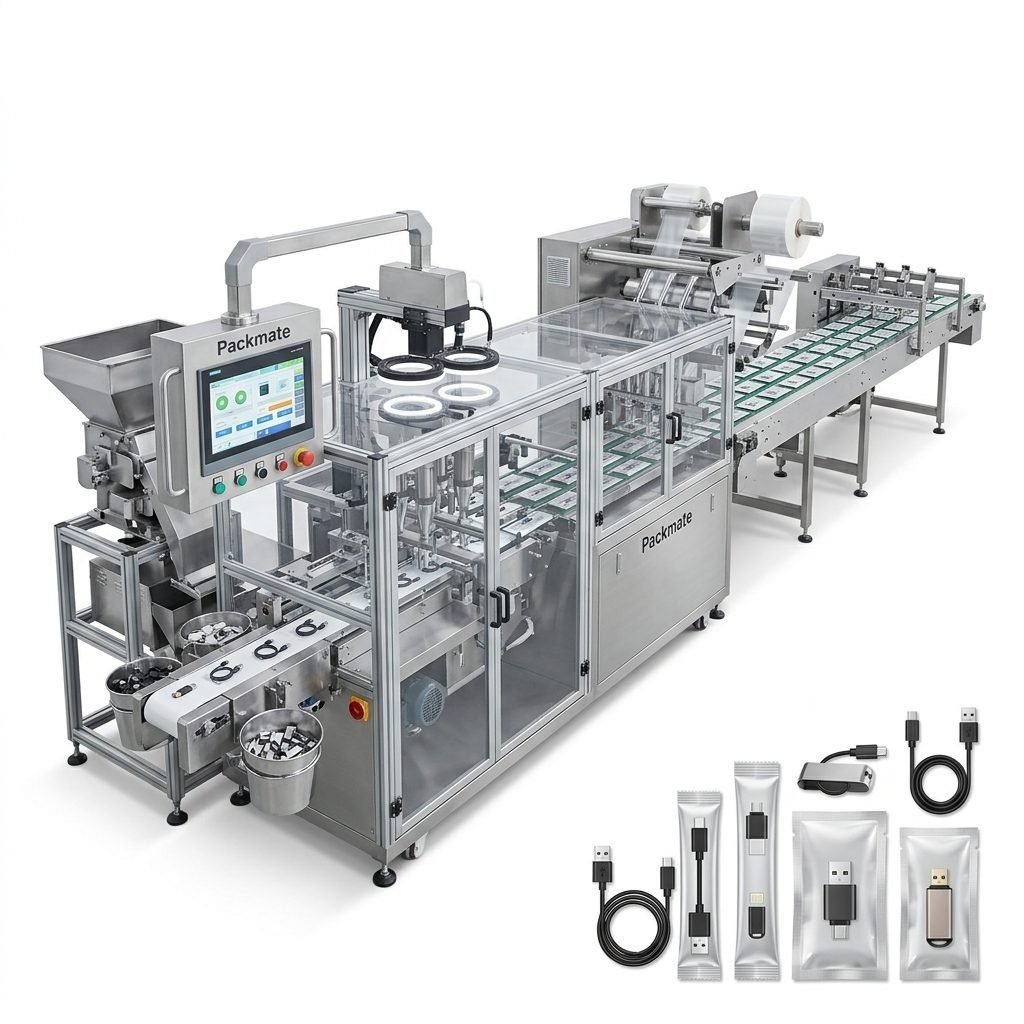
Key Sub-Types: Vertical Form-Fill-Seal (VFFS) machines are common for granular and powdered goods, while Horizontal Form-Fill-Seal (HFFS) machines are often used for items like biscuits or medical devices that require a specific orientation. You can explore various bag and pouch packaging machines to see the range of FFS technologies available.
2. Pre-Made Pouch Fillers
For premium products where packaging aesthetics are paramount—such as high-end teas, gourmet sauces, or luxury cosmetics—machines that handle pre-made, often stand-up pouches are preferred. This method allows for more complex and branded pouch designs, aligning with the German appreciation for high-quality presentation and brand identity.
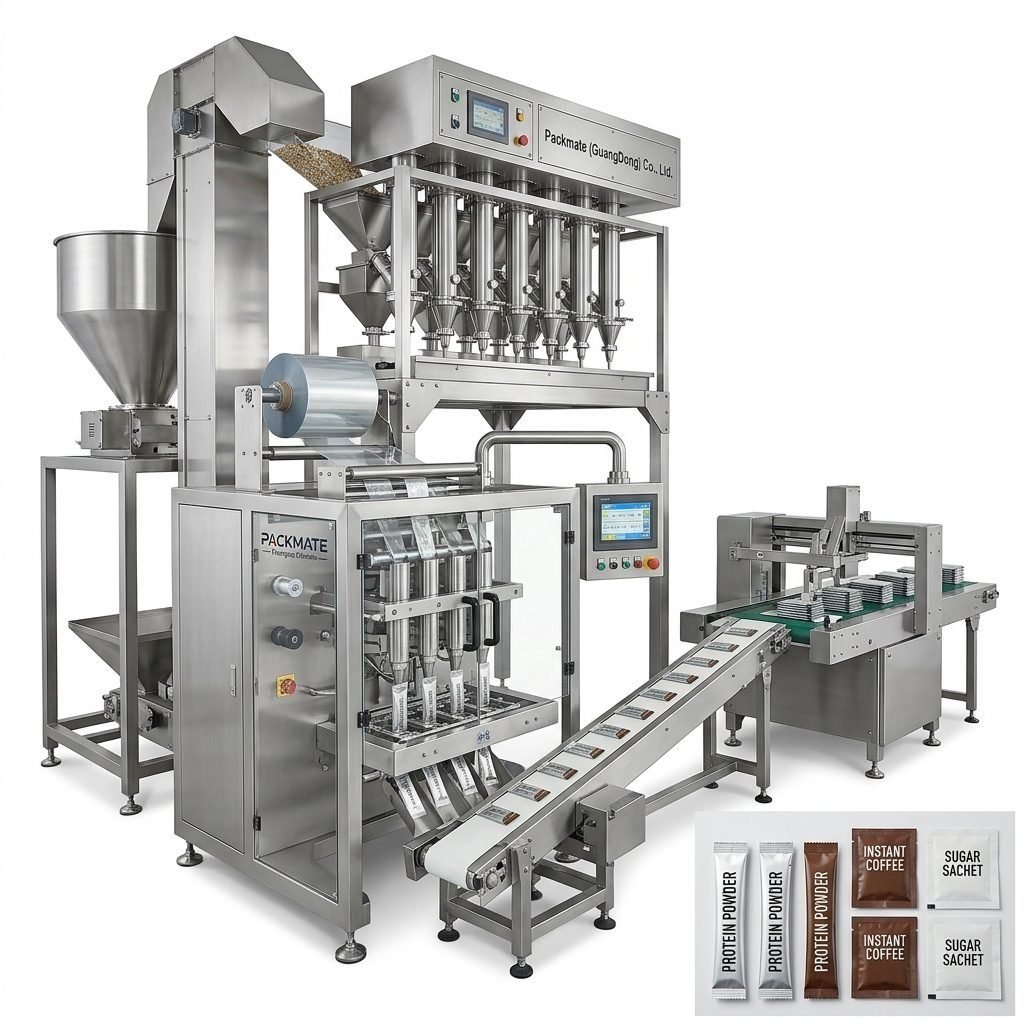
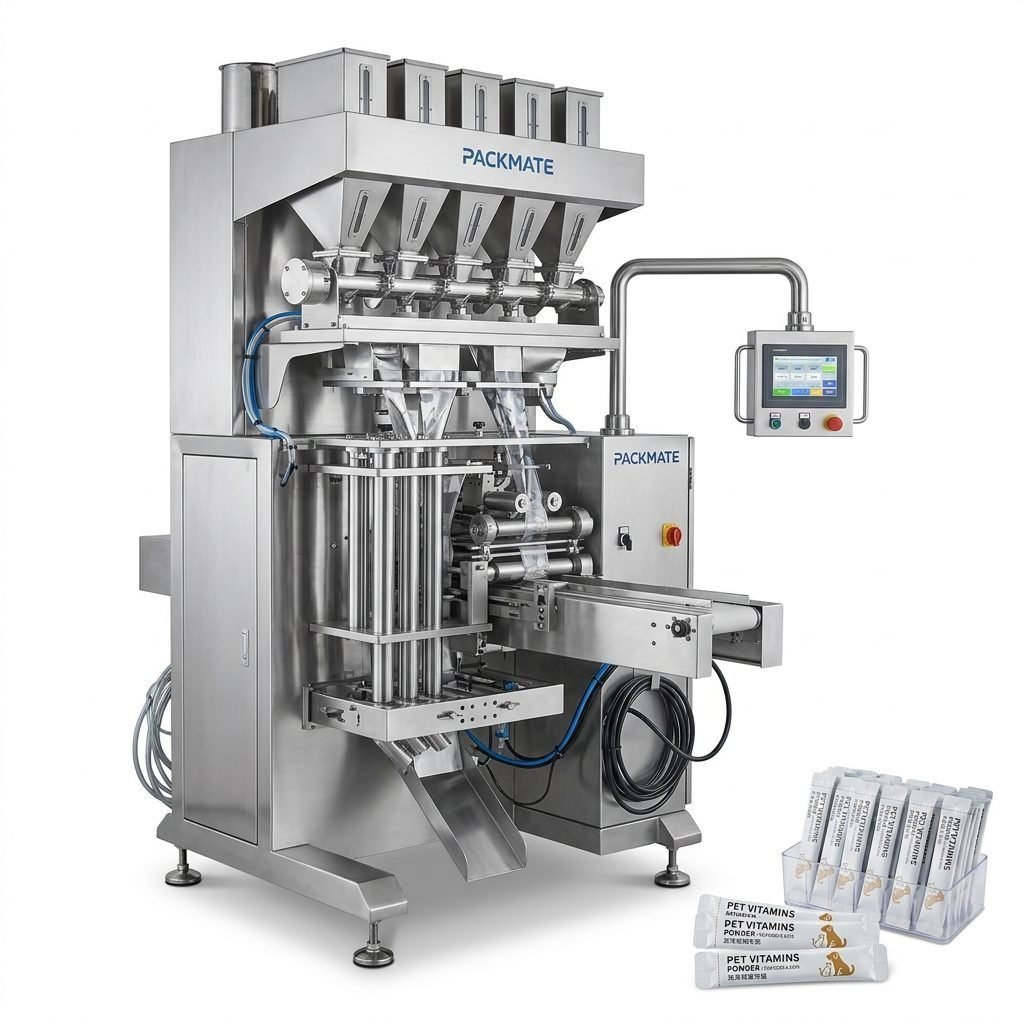
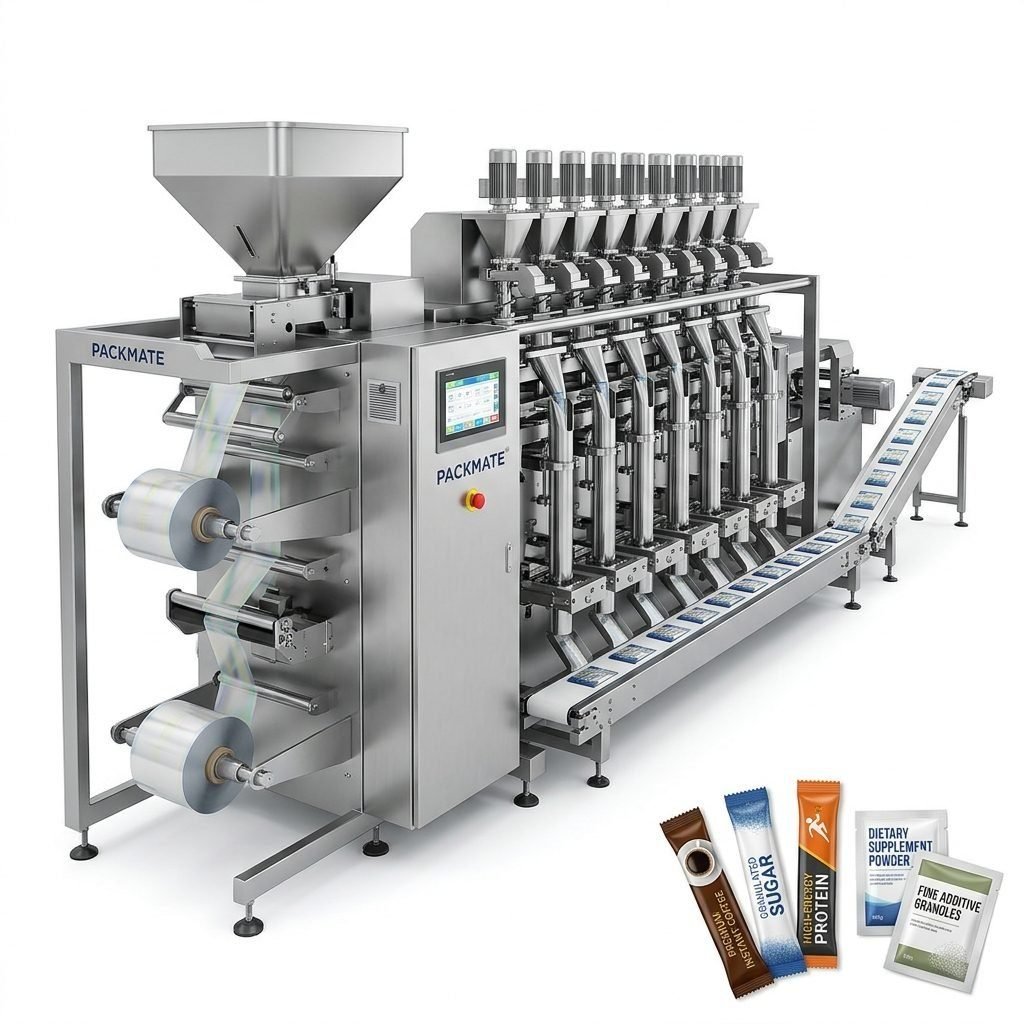
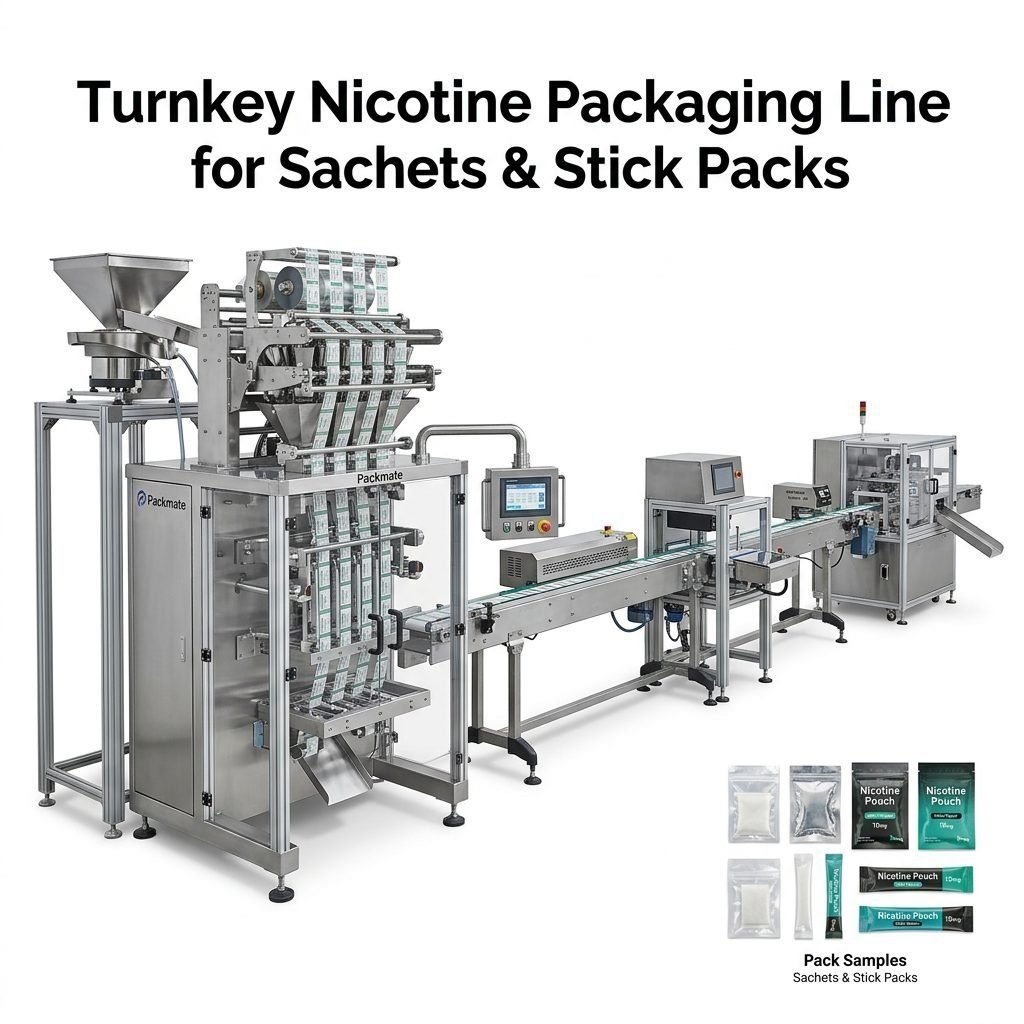
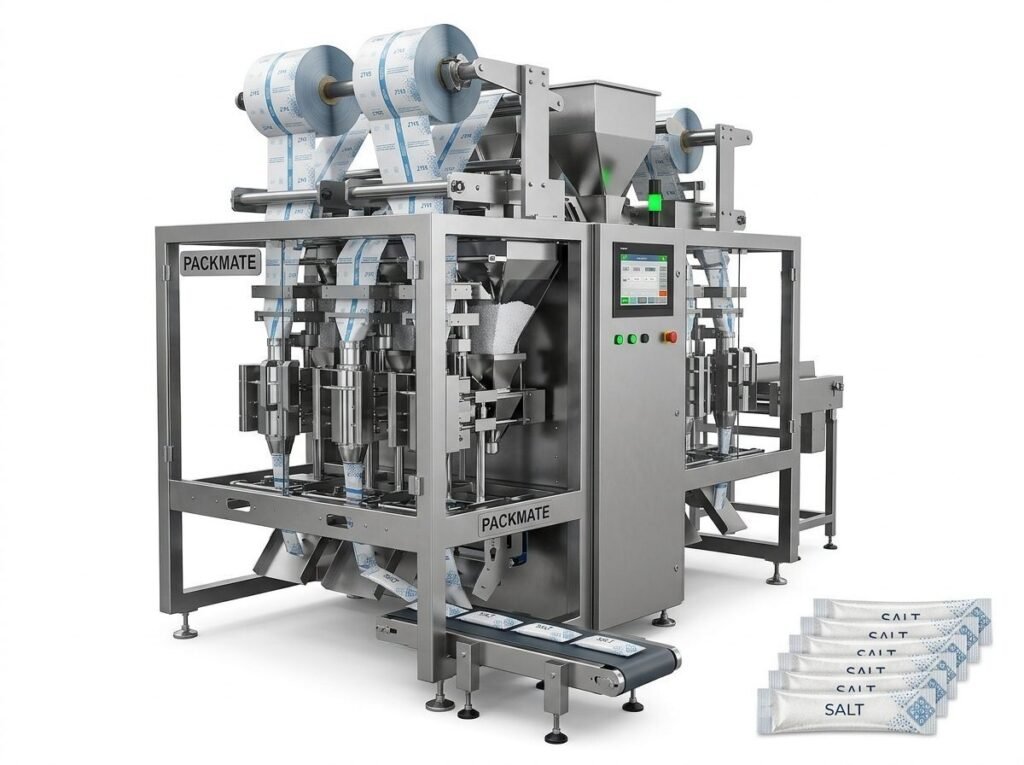
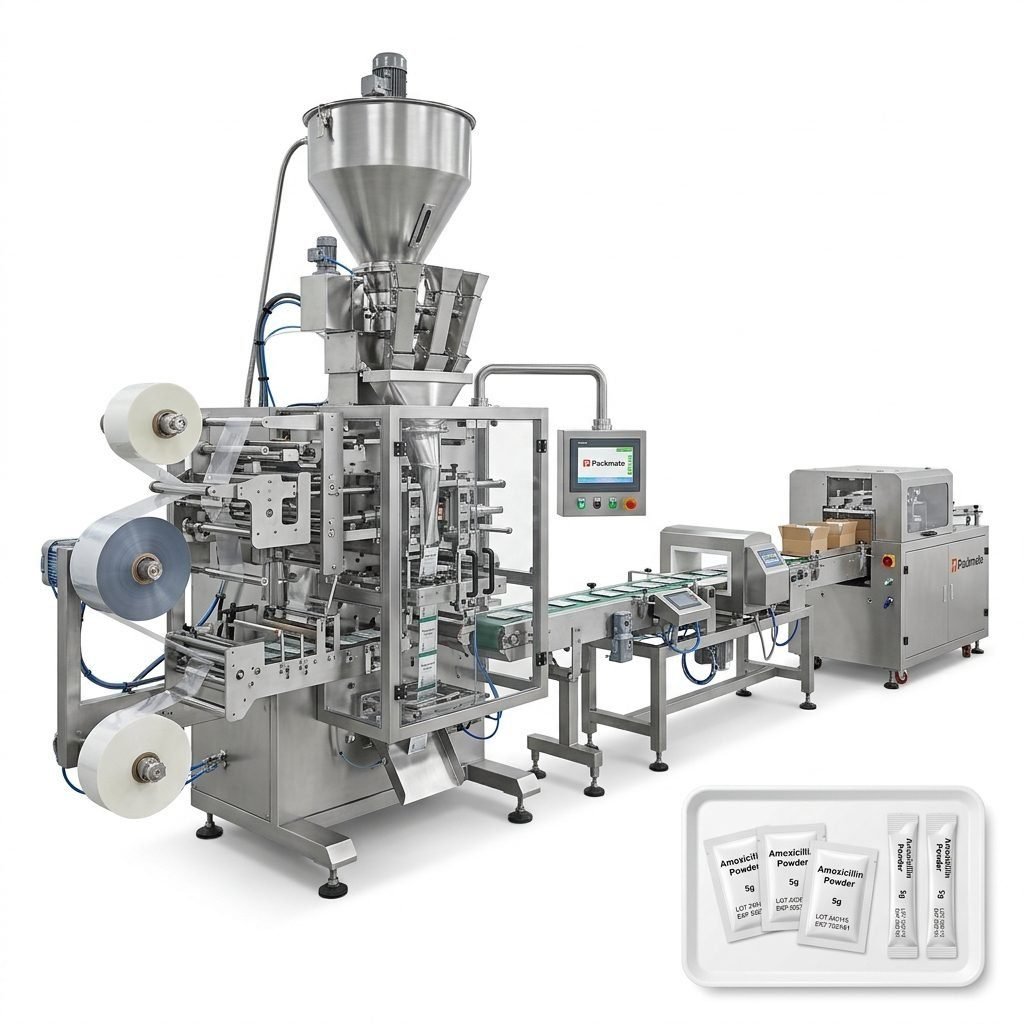
3. Sachet and Stick Pack Machines
Extremely popular for single-serve portions in food, beverage, pharmaceutical, and chemical industries. German consumers value convenience and precise dosing, whether for instant soup, sugar, detergent, or pharmaceutical powders. Multi-lane stick pack machines can achieve remarkably high speeds, making them cost-effective for mass-market products. Discover high-speed solutions in our range of sachet and stick pack machines.
4. Weighing and Dosing Systems
Accuracy is non-negotiable, especially in industries like pharmaceuticals or precious chemicals. Combined weighers, volumetric fillers, and auger fillers ensure each package contains the exact specified weight or volume, complying with strict German and EU regulations. These systems are often integrated into larger filling and packaging lines.
Tangible Benefits for German Manufacturing Operations
Investing in advanced packaging automation delivers measurable returns that resonate with German business priorities.
Enhanced Productivity & Cost Efficiency
Automated machines operate at consistent speeds far beyond manual capabilities, significantly increasing output per shift. This reduces labor costs per unit and minimizes human error, leading to lower material waste—a critical factor given Germany’s focus on sustainability and resource efficiency.
Uncompromising Product Quality & Consistency
Machines provide repeatable precision in filling weights, seal integrity, and package appearance. This ensures every product leaving the line meets the high-quality standards expected by German consumers and B2B clients, protecting brand equity and reducing returns.
Superior Hygiene & Safety Compliance
Modern packaging machines are designed with easy-clean surfaces (often stainless steel), enclosed product zones, and CIP (Clean-in-Place) capabilities. This is essential for meeting the rigorous hygiene standards of the German food and pharmaceutical industries (e.g., HACCP, GMP).
Operational Flexibility
Many contemporary machines offer quick changeover features, allowing a single line to handle different package sizes or products with minimal downtime. This agility supports the trend towards smaller batch production and customization, which is growing in the German market.
A Strategic Guide: How to Choose the Right Machine
Selecting equipment is a strategic process. German engineers and procurement teams are advised to follow a systematic evaluation.
Step 1: Define Your Core Product & Output Requirements
Start with the specifics: What is the physical form of your product (granule, powder, liquid, solid)? What are its characteristics (hygroscopic, abrasive, viscous)? Critically, determine your required output speed (packages per minute) and the desired package type (stick pack, stand-up pouch, flat sachet).
Step 2: Evaluate Machine Specifications & Technology
Scrutinize the technical details. Look at the filling accuracy (tolerance), sealing method (heat, ultrasonic), construction materials (food-grade contact parts), and control system (user-friendly PLC interface with data logging). Ensure the machine’s design facilitates maintenance and cleaning.
Step 3: Assess Manufacturer Credibility & Support
The manufacturer’s reputation is paramount. Look for a partner with a proven track record, like Packmate Machinery, which brings over two decades of focused development. Evaluate their engineering expertise, quality control processes, and availability of comprehensive after-sales service, including local technical support, spare parts availability, and operator training—a crucial consideration for long-term operational stability in Germany.
Step 4: Consider Total Cost of Ownership (TCO)
Look beyond the initial purchase price. Calculate the TCO by factoring in energy consumption, expected maintenance costs, potential downtime, and the cost of consumables (like sealing jaws or film guides). A slightly higher initial investment in a robust, energy-efficient machine from a reliable supplier often leads to far lower lifetime costs.
Step 5: Plan for Integration & Future-Proofing
Consider how the new machine will integrate with your existing upstream (production) and downstream (cartoning, palletizing) equipment. Opt for machines with standard communication protocols (e.g., OPC UA, which is heavily promoted in Germany’s Industry 4.0 initiative) to ensure smooth data exchange and future connectivity within a smart factory environment.
Frequently Asked Questions (FAQs)
Q1: What type of packaging machine is best for powdered food supplements?
A: For fine, non-free-flowing powders like protein or vitamin mixes, an auger filler integrated with a vertical form-fill-seal (VFFS) machine is typically the best choice. It offers excellent dosing accuracy and minimizes dust, which is crucial for product integrity and plant hygiene.
Q2: How important is after-sales service when purchasing from an international supplier?
A: It is critical. Ensure the supplier has a reliable network of service technicians or partners in the DACH region (Germany, Austria, Switzerland). Prompt access to spare parts and expert troubleshooting minimizes costly production downtime, making local support a key part of the purchasing decision.
Q3: Can one machine handle different packaging materials, like paper laminates and aluminum foil?
A: Many advanced machines are designed with versatility in mind. However, switching between vastly different materials may require adjustments to sealing temperature, pressure, and possibly changing the sealing jaws. Discuss your specific material requirements with the machine manufacturer to confirm compatibility and changeover procedures.
Q4: What certifications should I look for on packaging machinery for the food industry in Germany?
A> Key certifications include CE marking (mandatory in the EU), as well as compliance with EHEDG (hygienic design) guidelines and possibly ISO 22000 for food safety management. Machinery should be constructed with food-grade materials (e.g., 316L stainless steel for contact parts) and designed for easy cleaning to meet HACCP principles.
Q5: How do I estimate the potential ROI (Return on Investment) for a new packaging line?
A: Calculate ROI by comparing the increased output (or reduced labor costs) and decreased waste against the total capital expenditure (machine cost, installation, training) and ongoing operational costs. A reputable supplier like Packmate can often provide case studies or simulations based on your production data to help model the financial benefits.