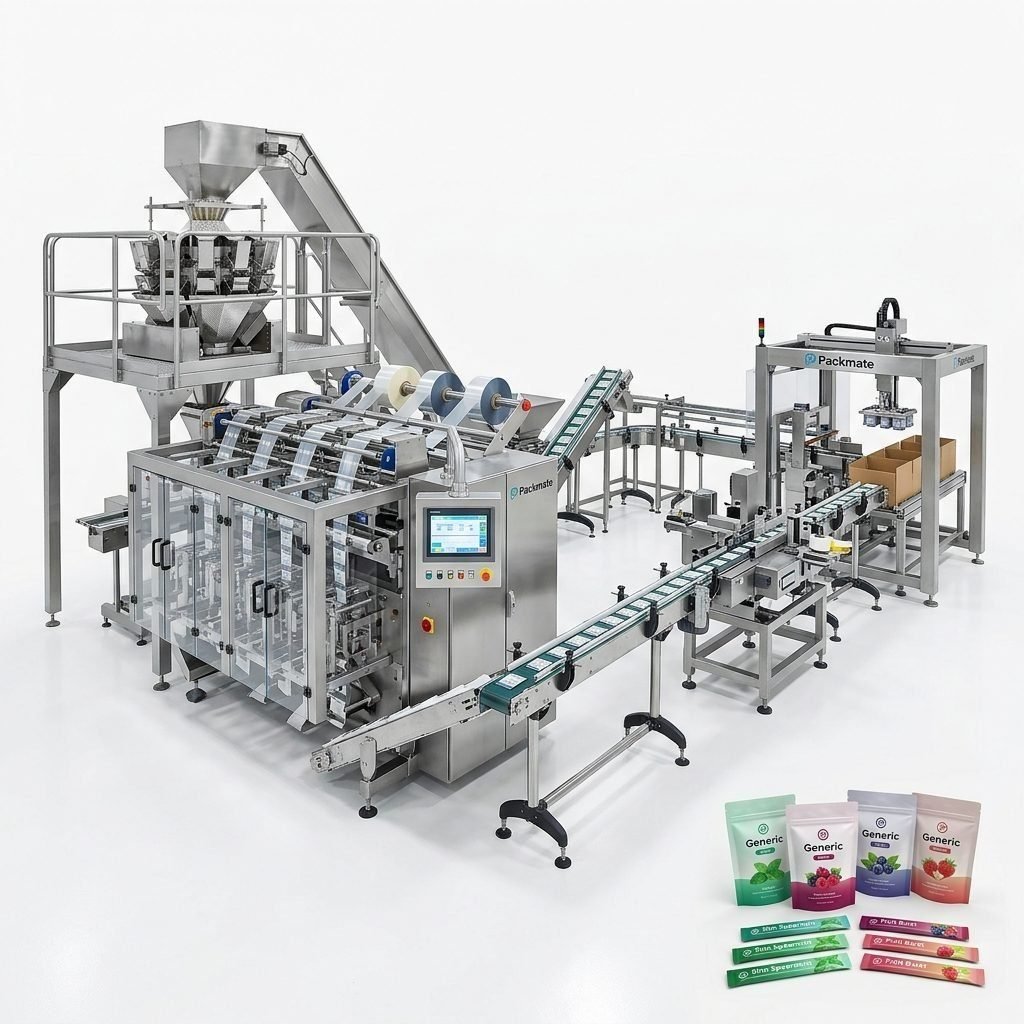
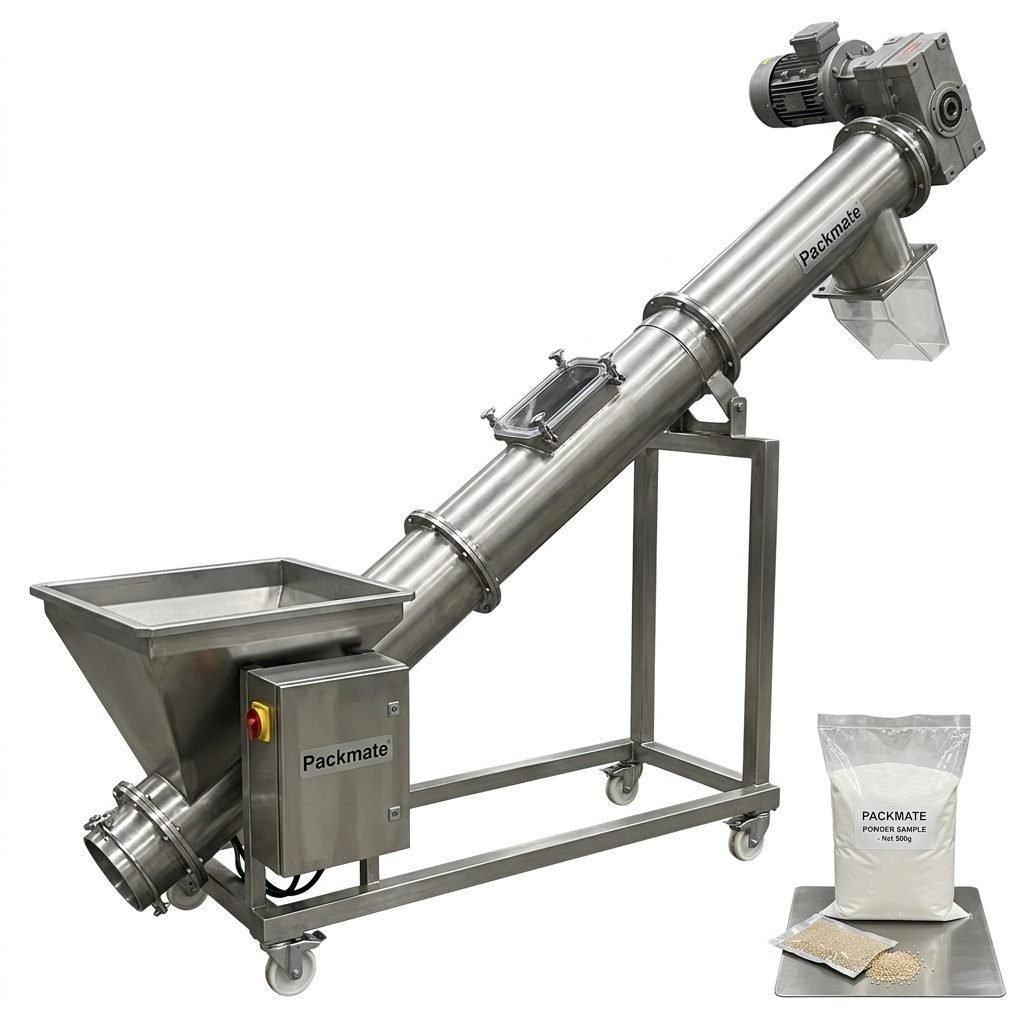
In the fast-paced world of food production, efficiency and presentation are paramount. Food tray packaging machines stand at the intersection of these demands, automating the process of placing food products into trays and sealing them for freshness, safety, and market appeal. Whether you are a seasoned manufacturer or a growing food business, understanding the intricacies of these machines is crucial for optimizing your packaging line.
Understanding Food Tray Packaging Machines
A food tray packaging machine is an automated system designed to form, fill, and seal pre-formed or roll-fed trays. These machines handle a wide variety of food products, from fresh produce and baked goods to ready-to-eat meals and frozen items. The primary goal is to create a secure, hygienic, and visually appealing package that extends shelf life and protects the product during transportation and on the retail shelf. The automation significantly reduces labor costs, minimizes human contact with food (enhancing hygiene), and ensures consistent, high-speed packaging output.
Core Function: At its heart, the machine performs a sequential process: tray loading or forming, precise product placement, application of a lidding film, and a hermetic seal. Advanced models integrate weighing systems and gas flushing for Modified Atmosphere Packaging (MAP), which replaces the air inside the tray with a gas mix to dramatically slow spoilage.
Primary Types of Food Tray Packers
The market offers several types of tray packaging machines, each suited to different production scales, tray types, and product characteristics. Choosing the right type is the first critical step in the buying process.
1. Pre-formed Tray Packaging Machines
These machines use trays that are already molded into their final shape. They are fed from a stack or magazine into the machine. This type is ideal for operations using standard tray sizes or for products where the tray’s structural integrity and specific design are critical, such as for delicate pastries or premium meat cuts. They offer fast changeover times between different pre-formed tray designs.
2. Thermoforming Packaging Machines
This highly versatile and common type forms the tray directly from a roll of plastic film within the machine. A heating plate softens the film, which is then vacuum-formed into a mold to create the tray cavity. After filling, a separate roll of lidding film is sealed on top. Thermoformers are excellent for high-volume production and offer significant material cost savings, as they use roll stock. They are perfect for a vast range of products, including cheeses, sliced meats, and fresh salads. For a complete line solution, thermoformers are often paired with integrated filling systems.
3. Skin Packaging Machines
Similar to thermoforming, skin packaging involves heating a film that then drapes over the product placed on a pre-made card or tray. The film conforms tightly to the product’s contours, creating a “second skin.” This method is renowned for its superior product presentation, locking in freshness and preventing movement. It is widely used for fresh meat, poultry, and seafood, as the tight film reduces purge (moisture loss) and enhances the visual appeal.
4. Manual and Semi-Automatic Tray Sealers
For lower-volume operations, pilot plants, or specialty products, manual or semi-automatic tray sealers are a cost-effective entry point. Operators manually load filled trays onto the machine conveyor, which then automatically applies the lid and seals it. These machines offer flexibility and are easier to maintain, making them suitable for businesses with varied packaging runs or those just beginning to automate.
Key Applications and Industry Uses
The application of tray packaging machines spans the entire food sector. In the fresh produce industry, they pack berries, cherry tomatoes, and prepared salads. Bakery and confectionery businesses use them for muffins, cupcakes, cookies, and chocolates. The meat and poultry sector relies heavily on skin and MAP tray packaging for steaks, chicken breasts, and ground meat. Furthermore, the rise of ready-to-eat meals, meal kits, and gourmet foods has driven demand for machines that can handle multi-component trays with compartments.
Essential Buying Tips for Your Business
Investing in a food tray packaging machine is a significant decision. Here is a structured guide to help you make an informed choice that aligns with your operational and financial goals.
Critical Factors to Consider
Production Speed & Capacity: Calculate your required output in trays per minute (TPM). Match this with the machine’s rated speed, ensuring it can handle your peak periods without strain. Remember, actual speed can be affected by product type, tray size, and operator efficiency.
Tray and Product Specifications: Define the range of tray sizes (length, width, depth) and materials (PP, PET, APET, EPS) you will use. The machine must accommodate this range. Similarly, consider your product’s characteristics—is it solid, liquid, powdery, fragile, or sticky? This affects the filling system and handling mechanisms.
Sealing Technology and Packaging Atmosphere: Determine if you need a simple heat seal, a more secure double seal, or the ability to perform Modified Atmosphere Packaging (MAP). MAP requires a gas flushing system and higher-quality barrier films but can multiply your product’s shelf life.
Automation Level and Integration: Assess how the machine will fit into your existing line. Does it need to integrate with upstream equipment like fillers, conveyors, or auxiliary systems? Consider future scalability.
Total Cost of Ownership (TCO): Look beyond the initial purchase price. Factor in installation, training, maintenance costs, spare parts availability, energy consumption, and material waste. A reliable machine from a reputable supplier like Packmate Machinery may have a higher upfront cost but lower TCO due to durability and support.
The Importance of Supplier Support
Your relationship with the machine manufacturer or supplier is as important as the machine itself. A reputable supplier should offer comprehensive after-sales service, including installation supervision, operator training, readily available spare parts, and responsive technical support. Review their company history and client testimonials. For instance, a manufacturer with over 30 years of expertise, like Packmate Machinery, brings invaluable knowledge of industry challenges and reliable engineering to the table, ensuring you get a complete turnkey solution rather than just a piece of equipment.
Frequently Asked Questions (FAQ)
Q1: What is the main difference between a pre-formed tray machine and a thermoforming machine?
A: The key difference lies in the tray source. A pre-formed tray machine uses ready-made trays fed from a stack. A thermoforming machine creates the tray on-demand from a roll of plastic film, which is heated and formed into a mold. Thermoforming is generally more cost-effective for high volumes and offers greater flexibility in tray design.
Q2: How does Modified Atmosphere Packaging (MAP) work in a tray sealer?
A: In a MAP-capable tray sealer, after the product is placed in the tray, a vacuum pump removes the ambient air. A mixture of gases (like nitrogen and carbon dioxide) is then injected into the tray before the final seal. This controlled atmosphere slows down oxidation and microbial growth, significantly extending the product’s shelf life.
Q3: What maintenance does a food tray packaging machine require?
A: Regular maintenance is vital. Daily tasks include cleaning food debris and lubricating moving parts as per the manual. Weekly or monthly checks involve inspecting seals, heating elements, and sensors. An annual professional service is recommended to ensure all components are calibrated and in optimal condition, preventing unexpected downtime.
Q4: Can one machine handle multiple tray sizes and products?
A: Yes, most modern machines are designed for quick changeover. This typically involves changing the forming mold (for thermoformers), the tray magazine or conveyor guides, and the sealing die. The ease and speed of changeover vary by model, so it’s a critical specification to discuss with your supplier based on your product mix.
Q5: What safety features should I look for?
A: Essential safety features include emergency stop buttons at multiple points, protective guarding with interlock switches (which halt the machine if opened), thermal overload protection for heaters, and clear safety warnings. Compliance with international machinery safety standards (like CE in Europe) is a strong indicator of a well-designed machine.