In the competitive world of food processing, efficiency and product integrity are paramount. For ground beef producers, the packaging stage is a critical point where quality, shelf life, and operational cost converge. The ground beef chub packaging machine stands as a specialized solution designed to streamline this process, ensuring consistent, airtight, and tamper-evident packaging for ground meat products. This comprehensive guide will walk you through everything you need to know about these machines, from their core functionality to essential buyer considerations.
What is a Ground Beef Chub Packaging Machine?
A ground beef chub packaging machine is an automated system designed to form, fill, and seal ground beef into cylindrical packages, commonly known as “chubs.” These machines typically use a tube-filling method where a plastic film is formed into a tube, filled with a precise amount of ground beef, and then sealed at both ends using a twist-tie, clip, or heat seal. This creates a robust, airtight package that protects the meat from contamination and oxidation, significantly extending its shelf life in both refrigerated and frozen states.
The primary advantage of the chub format over traditional tray packaging is its superior material efficiency and the elimination of “purge” or excess liquid loss. The tight, form-fitting package minimizes air pockets, which are a primary cause of freezer burn and bacterial growth.
Key Operational Features
Modern chub packaging machines integrate several sophisticated features:
Precision Weighing & Filling: Integrated multi-head weighers or piston fillers ensure each chub contains an exact, pre-set weight of product, crucial for compliance and cost control.
High-Speed Film Feeding & Forming: Systems utilize roll stock film, which is fed, formed around a collar, and vertically sealed to create a continuous tube.
Advanced Sealing Mechanisms: Depending on the model, sealing can be achieved via metal clips, plastic clips, or high-frequency heat sealing for a hermetic closure.
Programmable Logic Controller (PLC): The brain of the machine, allowing operators to set parameters like package length, weight, speed, and sealing temperature with ease.
Critical Factors for Buyers: A Detailed Checklist
Investing in a ground beef chub machine is a significant decision. Here are the essential factors to evaluate to ensure you select the right equipment for your production line.
1. Production Capacity & Speed
Your required output is the starting point. Machine speeds are measured in packages per minute (PPM). Assess your current and projected future volumes. A machine like those in our Filling & Packaging Lines category can be configured for different throughputs. Underestimating capacity can create bottlenecks, while over-specifying leads to unnecessary capital expenditure.
2. Packaging Material Compatibility
Not all films are created equal. The machine must be compatible with your chosen packaging material, typically a multi-layer barrier film (e.g., polyethylene/nylon/polyethylene). Consider the film’s gauge, sealant layer properties, and printability. The sealing system (clip vs. heat seal) is directly tied to material choice. Ensure the supplier can provide guidance on optimal film specifications.
3. Machine Hygiene and Cleanability
In meat processing, sanitation is non-negotiable. Look for machines constructed with food-grade stainless steel (preferably 304 or 316) on all product-contact surfaces. Design features like smooth, rounded corners, quick-disconnect parts, and open frameworks that prevent material buildup are critical for meeting stringent food safety standards and facilitating efficient cleaning cycles.
4. Flexibility and Changeover
If you produce chubs of different weights or lengths, evaluate the machine’s changeover time and complexity. Modern machines offer tool-less or quick-change components for adjusting tube size, filling heads, and sealing units. This flexibility minimizes downtime when switching between product runs, maximizing overall equipment effectiveness (OEE).
5. Integration with Upstream & Downstream Equipment
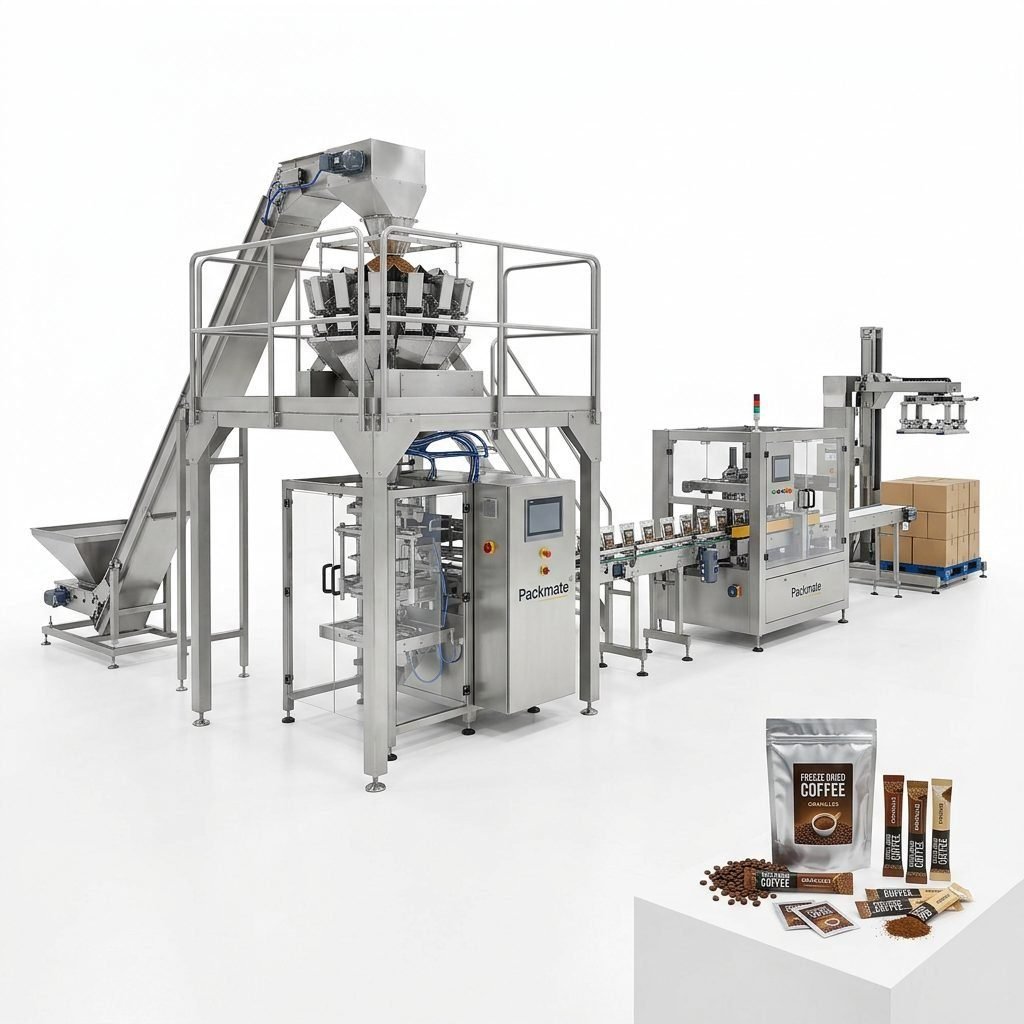
A chub packer does not operate in isolation. Consider how it will integrate with your existing Weighing & Packaging Systems for portioning, or upstream grinders and mixers. Downstream, you may need conveyors, metal detectors, checkweighers, and case packers. Choosing a supplier capable of providing a complete turnkey solution ensures seamless integration and single-point accountability, much like the holistic approach we take at Packmate Machinery.
6. Supplier Reliability and Support
The machine is only as good as the company behind it. Investigate the manufacturer’s reputation, history, and after-sales support. Do they offer comprehensive training, readily available spare parts, and responsive technical service? A manufacturer with decades of experience, like Packmate with over 30 years in intelligent packaging, brings invaluable expertise to the table. Reviewing their case studies can provide real-world validation of their capabilities.
The Packmate Advantage in Packaging Solutions
With a legacy spanning over three decades, Packmate (GuangDong) Co., Ltd. embodies the principles of quality and innovation crucial for this industry. Our journey, beginning in a small workshop in 1993, has been driven by a passion for automation and solving practical production challenges. Today, our 20,000㎡ modern facility is equipped with over 100 advanced production equipment units, allowing us to design and manufacture robust, reliable packaging machinery.
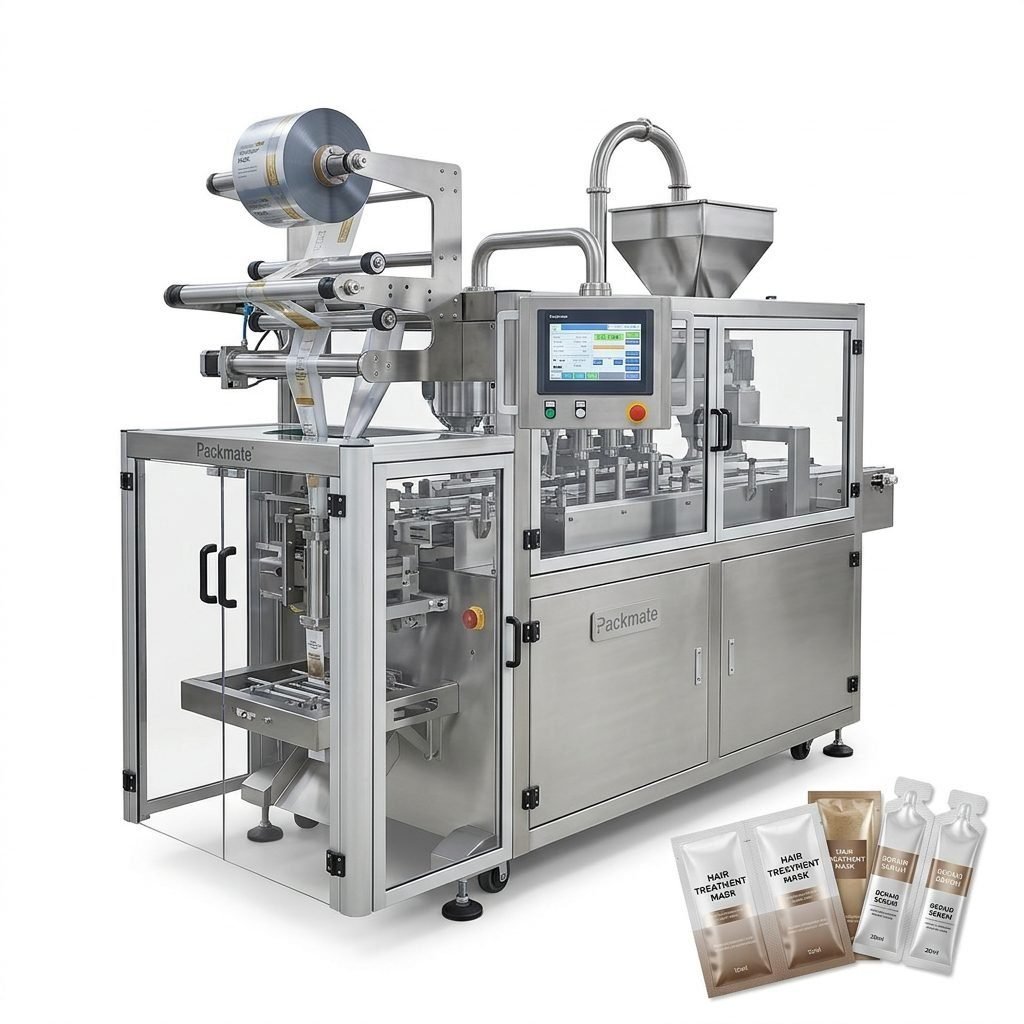
While we offer a wide range of equipment, including Sachet & Stick Pack Machines, our engineering philosophy is universally applied: to create machines that enhance productivity, ensure product safety, and deliver a strong return on investment. We understand that a ground beef chub packaging machine is a core asset, and we are committed to providing not just a machine, but a dependable partnership for your packaging needs.
Conclusion and Final Recommendations
Selecting the ideal ground beef chub packaging machine requires a careful balance of technical specifications, operational needs, and strategic partnership. Prioritize hygiene, reliability, and seamless line integration. Engage with suppliers who demonstrate a deep understanding of the meat processing industry and can provide evidence of successful installations.
Remember, the goal is to invest in a system that protects your product quality, optimizes your operational costs, and scales with your business growth. By thoroughly evaluating the factors outlined in this guide, you can make an informed decision that strengthens your production capabilities for years to come.
Frequently Asked Questions (FAQs)
1. What is the typical shelf life of ground beef in a chub package?
When properly packaged and stored, ground beef in a chub can have a refrigerated shelf life of 14-21 days and a frozen shelf life of 6-12 months. The airtight seal is key to achieving this.
2. Can one machine handle different chub sizes?
Yes, many modern machines are designed for flexibility. However, the ease and speed of changeover vary. Look for machines with “quick-change” features for collars, fillers, and sealers to minimize downtime between size runs.
3. What maintenance does a chub packaging machine require?
Daily cleaning and sanitation are mandatory. Periodic maintenance includes lubricating moving parts, checking seal integrity (on heat-seal models), calibrating scales, and inspecting wear parts like forming collars and sealing jaws. A good supplier will provide a detailed maintenance schedule.
4. How do I choose between clip closure and heat seal closure?
Clip closures are generally faster and very reliable, often used for high-volume fresh products. Heat seals create a hermetic, tamper-evident seal that is excellent for frozen products or those requiring an absolute oxygen barrier. The choice also depends on your packaging film.
5. What kind of training is provided with a new machine?
Reputable suppliers should offer comprehensive on-site training covering operation, basic troubleshooting, cleaning procedures, and routine maintenance. Ensure this is included in your purchase agreement to guarantee a smooth startup.