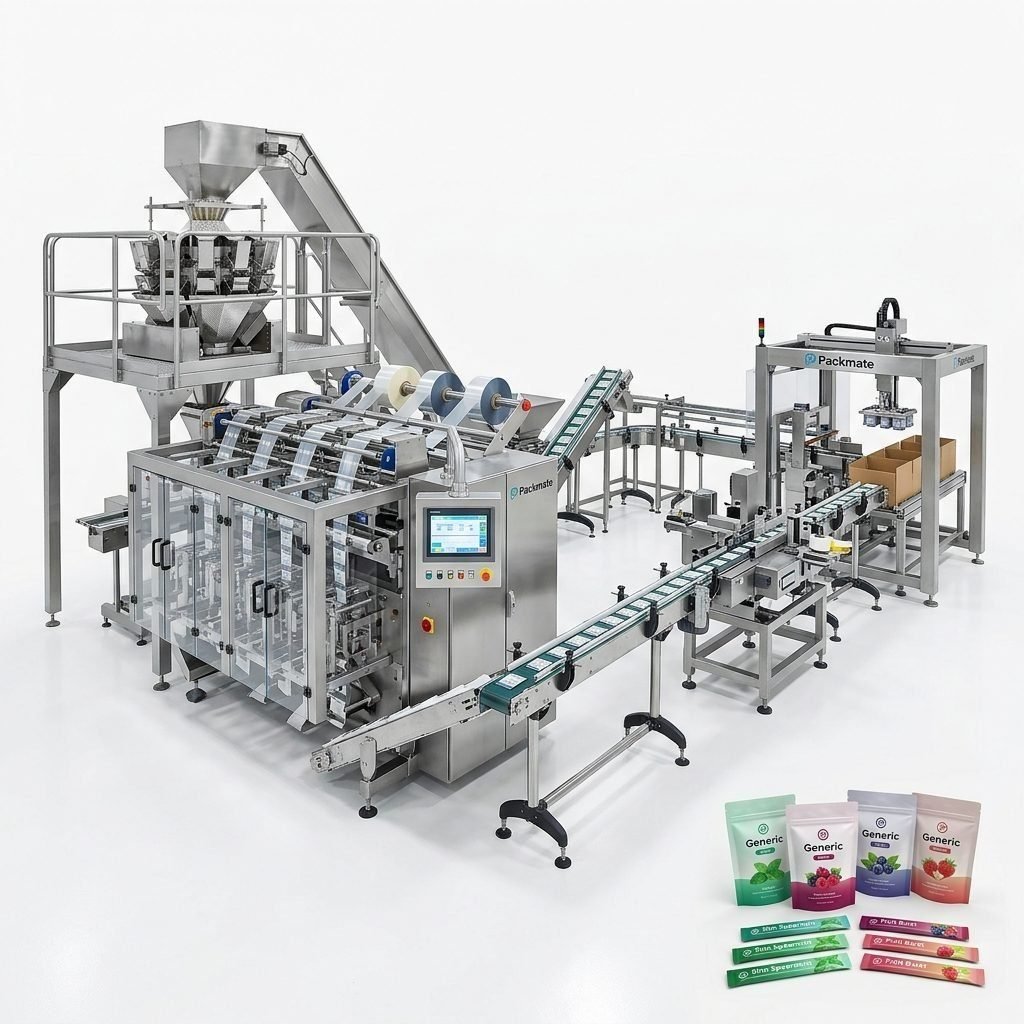
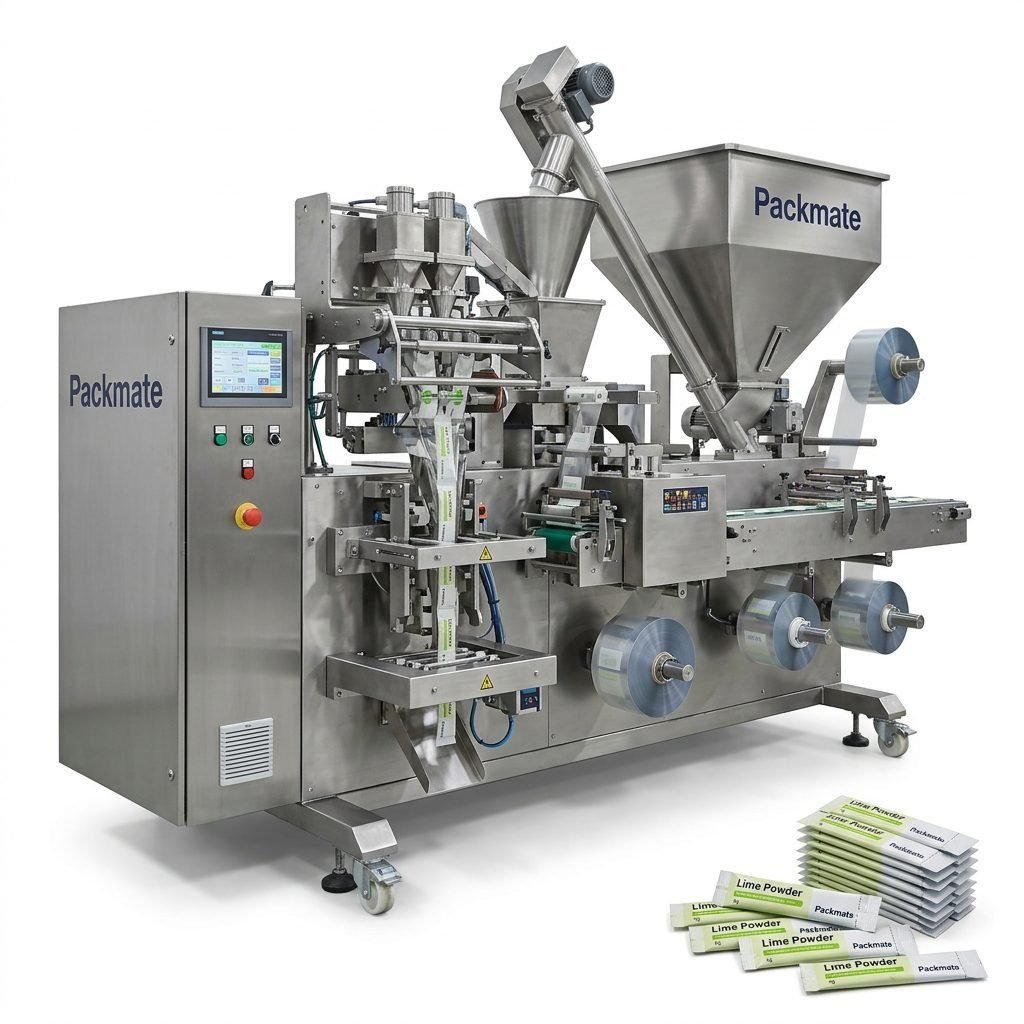
In the dynamic world of food production, the final presentation and preservation of a product are just as critical as its quality. This is where the expertise of a dedicated food packaging machine manufacturer becomes indispensable. Partnering with a manufacturer that offers custom solutions & equipment can transform your packaging line from a cost center into a strategic asset, driving efficiency, ensuring safety, and enhancing brand appeal.
Why Customization is Key in Modern Food Packaging
The food industry is incredibly diverse, encompassing everything from fine powders and granules to viscous liquids and solid snacks. A one-size-fits-all approach to packaging simply doesn’t work. Off-the-shelf machines may handle basic tasks, but they often fall short when faced with unique product characteristics, specific shelf-life requirements, or high-speed production goals. This is the primary value proposition of a manufacturer like Packmate Machinery – the ability to engineer tailor-made solutions that fit your product perfectly, not the other way around.
Custom packaging equipment addresses precise needs such as delicate handling to prevent product degradation, accurate dosing for consistent portion control, and the integration of modified atmosphere packaging (MAP) to extend freshness. By collaborating closely with a manufacturer’s engineering team, you can develop a system that optimizes every step, from feeding and weighing to filling, sealing, and coding, resulting in minimal waste and maximum output.
The Hallmarks of a Leading Equipment Manufacturer
Choosing the right manufacturing partner is a long-term investment. Key attributes to look for include a robust company profile demonstrating stability and experience, a proven track record of innovation, and a commitment to after-sales support. A manufacturer with deep industry knowledge will understand not just the machinery, but also the regulatory and hygiene standards, such as those for food-grade materials and easy-clean designs.
For instance, Packmate (GuangDong) Co., Ltd. exemplifies these qualities. With over 30 years of expertise rooted in a passion for automation, the company has evolved from a small workshop into a leader with a 20,000㎡ modern facility. Their journey, detailed in their company story, highlights a focus on solving real-world packaging challenges, which is reflected in their diverse portfolio of over 50 machine models.
Core Equipment for a Complete Packaging Line
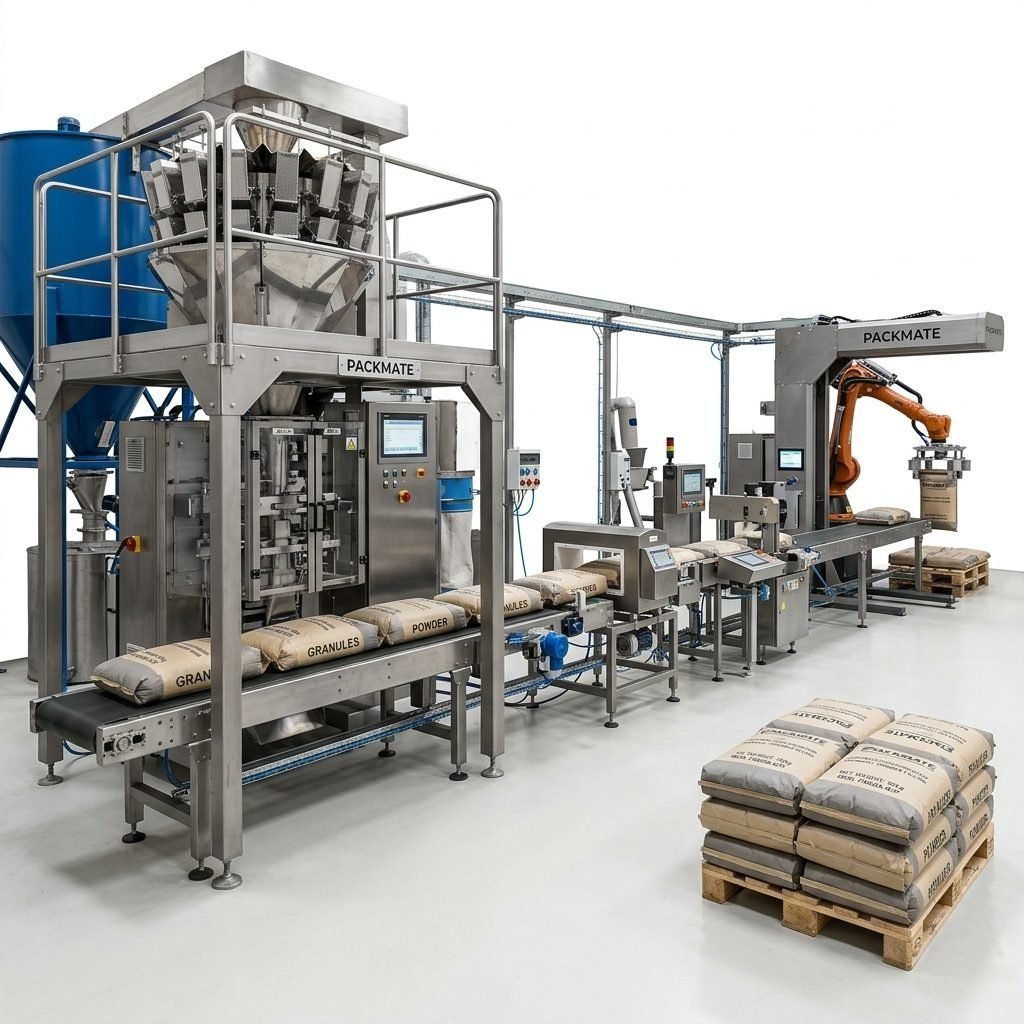
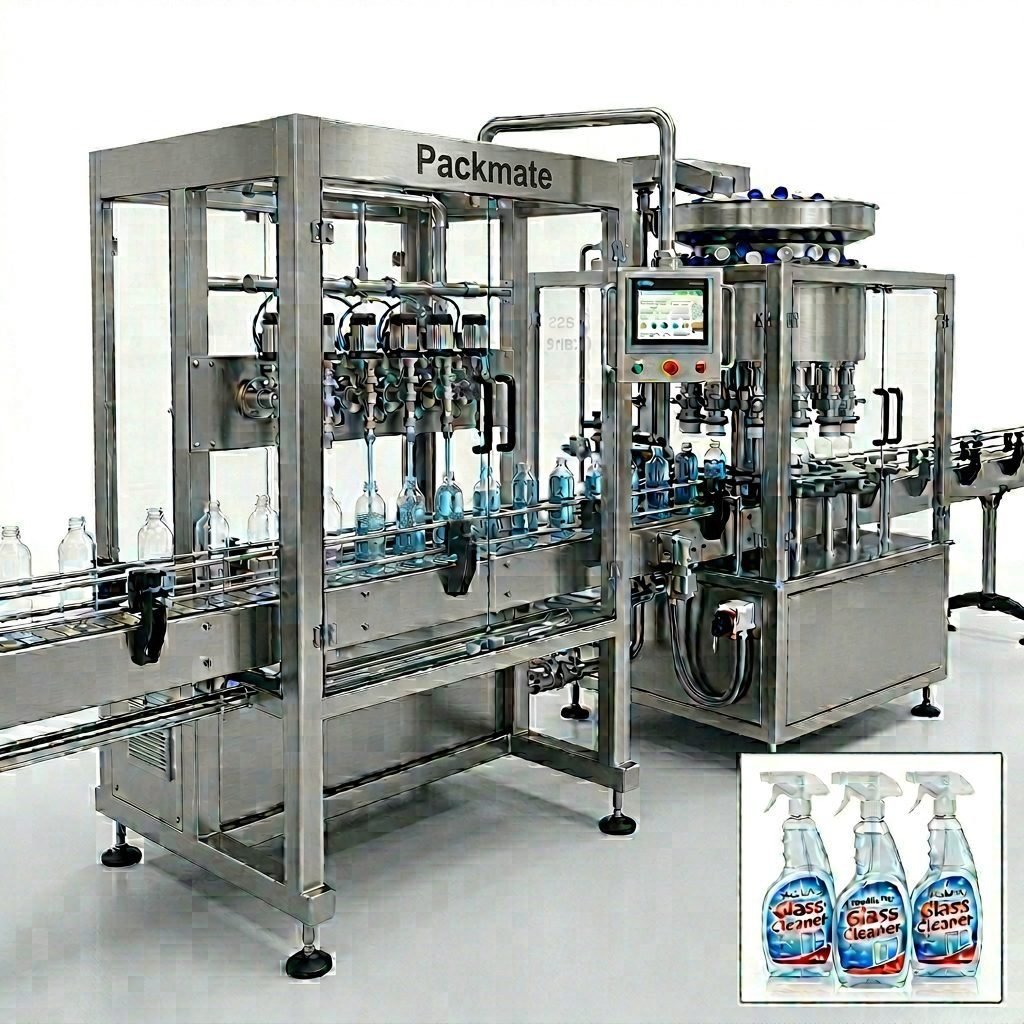
A full turnkey solution involves the seamless integration of various specialized machines. Leading manufacturers offer comprehensive systems:
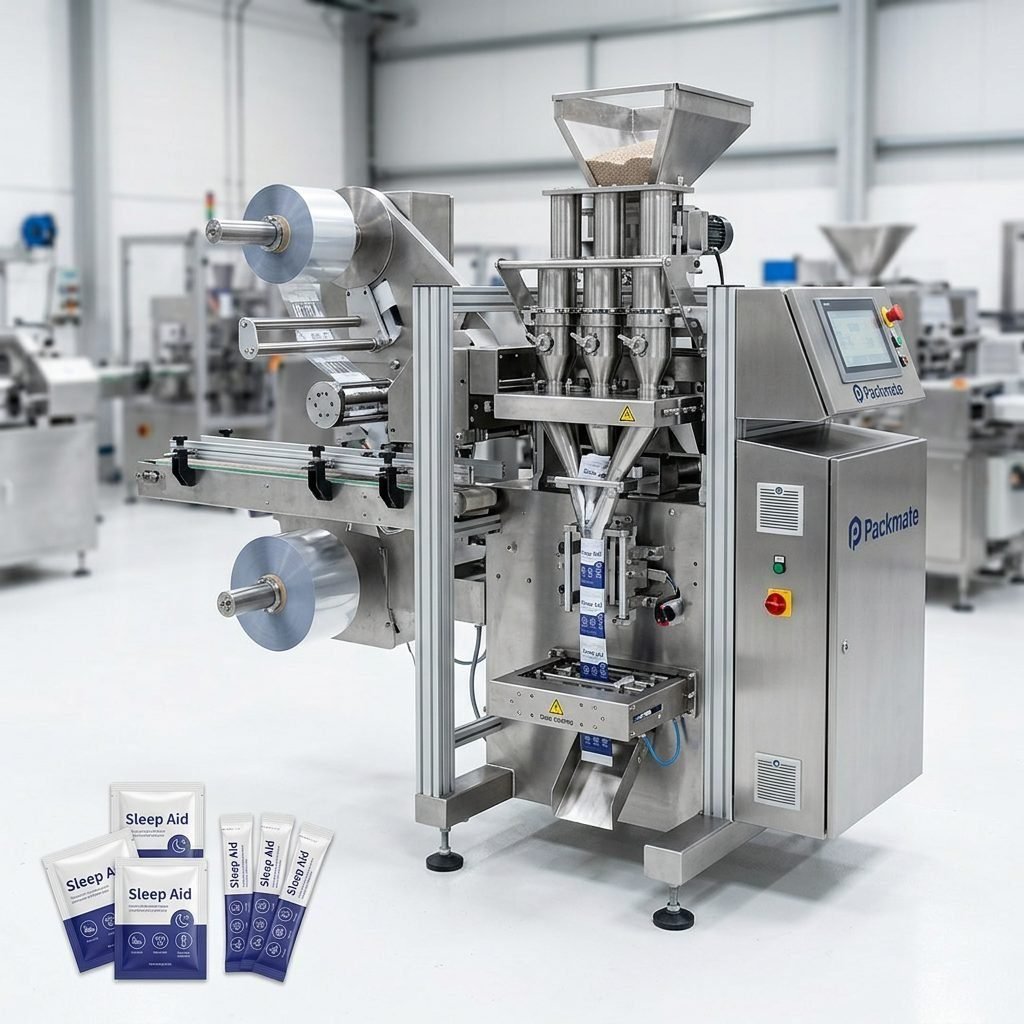
• Bag & Pouch Packaging Machines: Ideal for a wide range of dry, moist, or liquid products, offering versatility in size and material. Explore options in Bag & Pouch Packaging Machines.
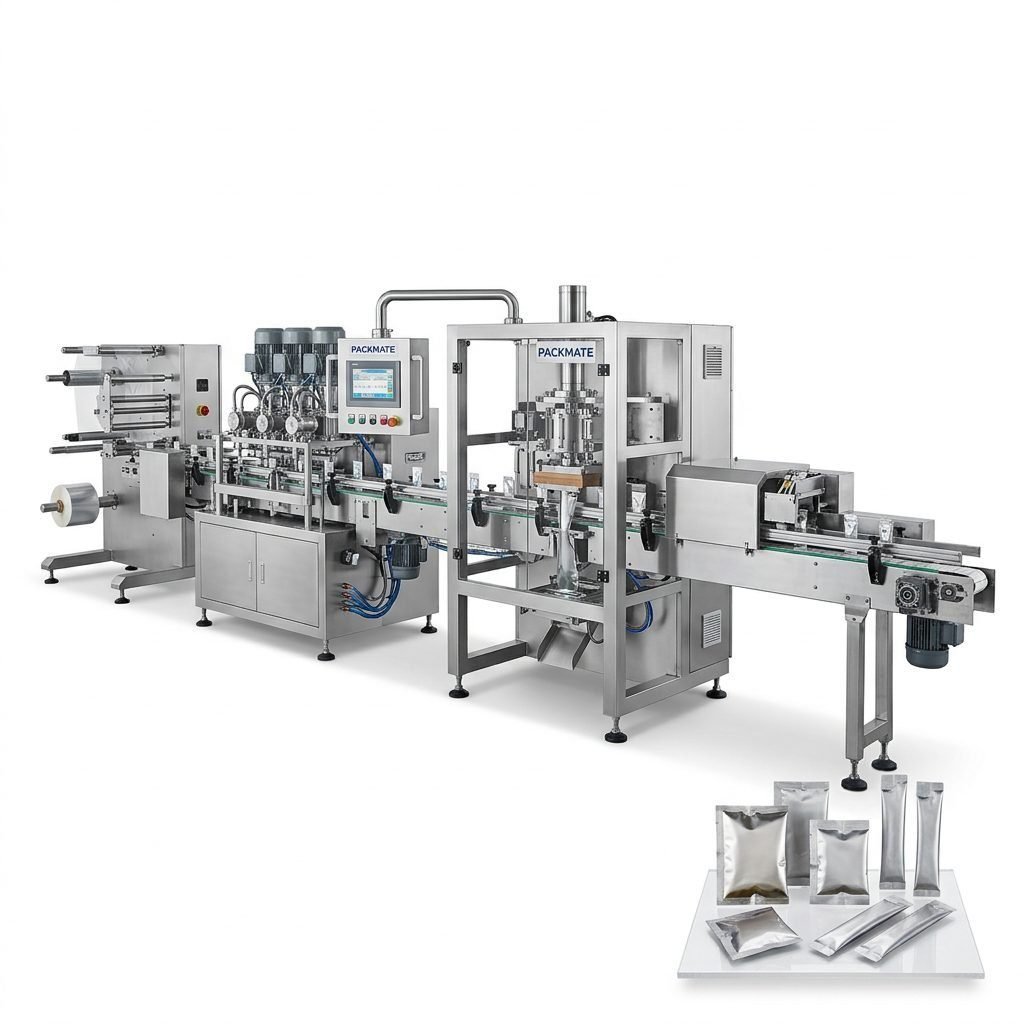
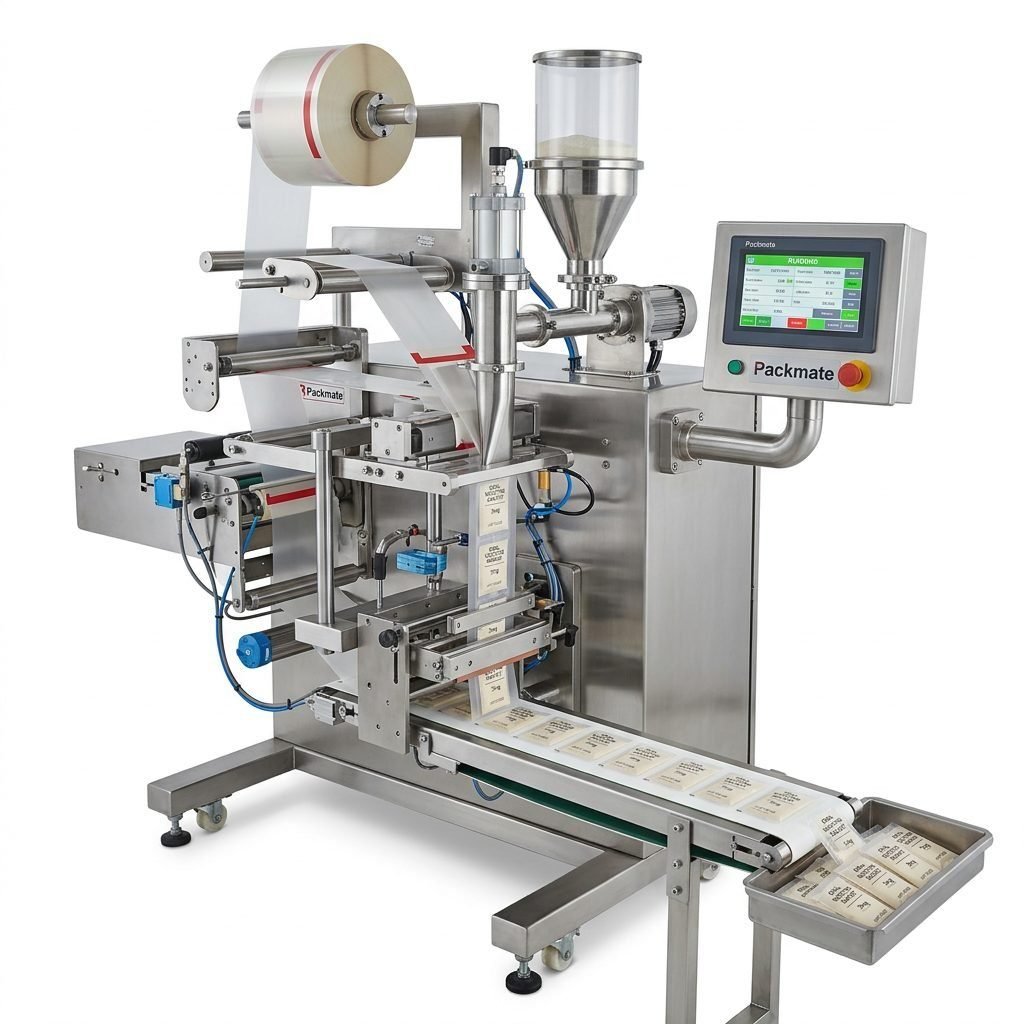
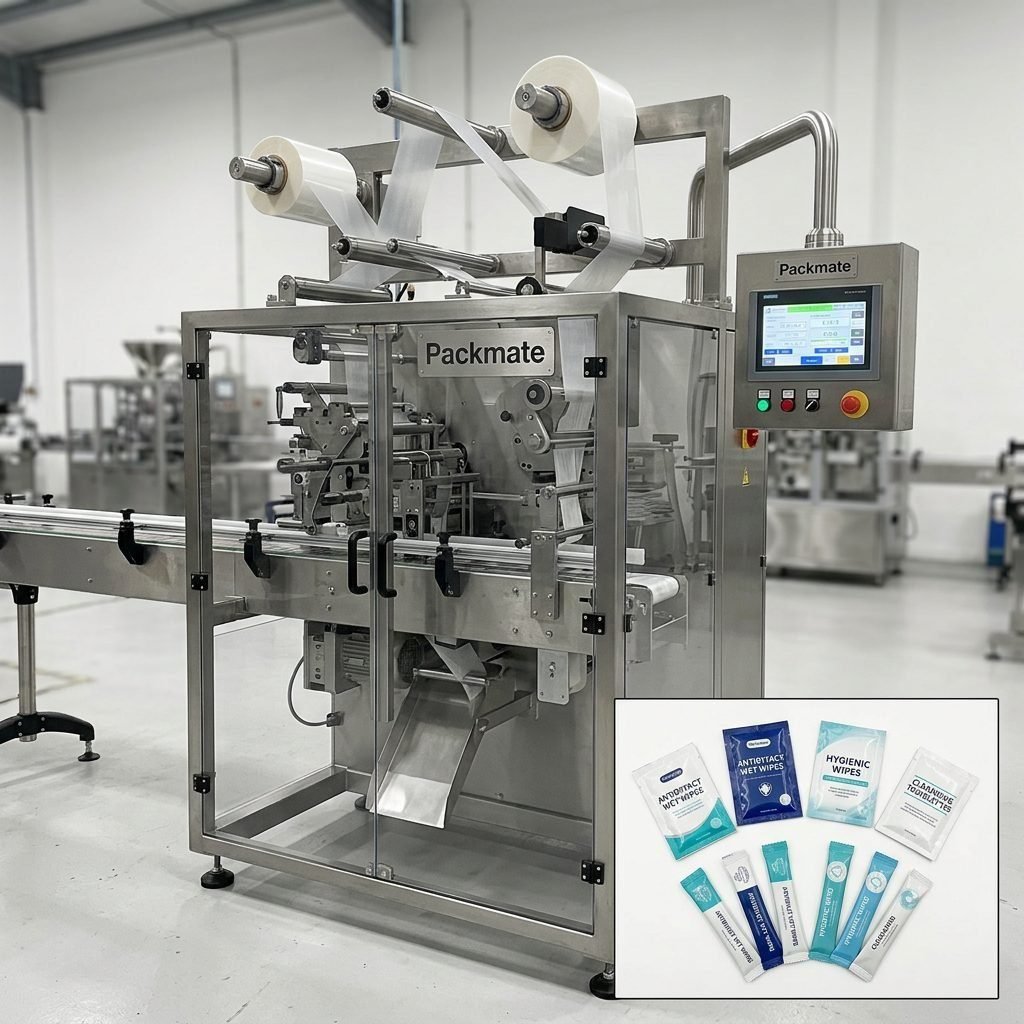
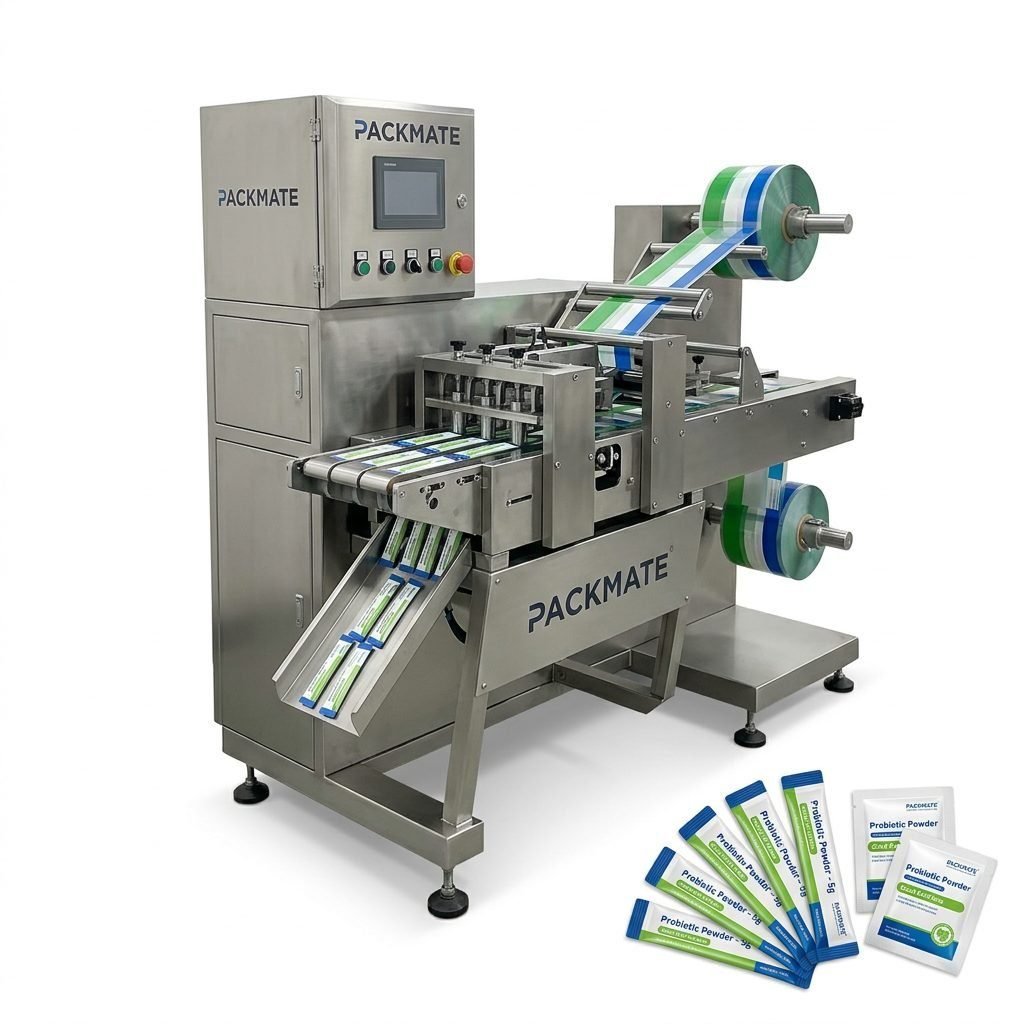
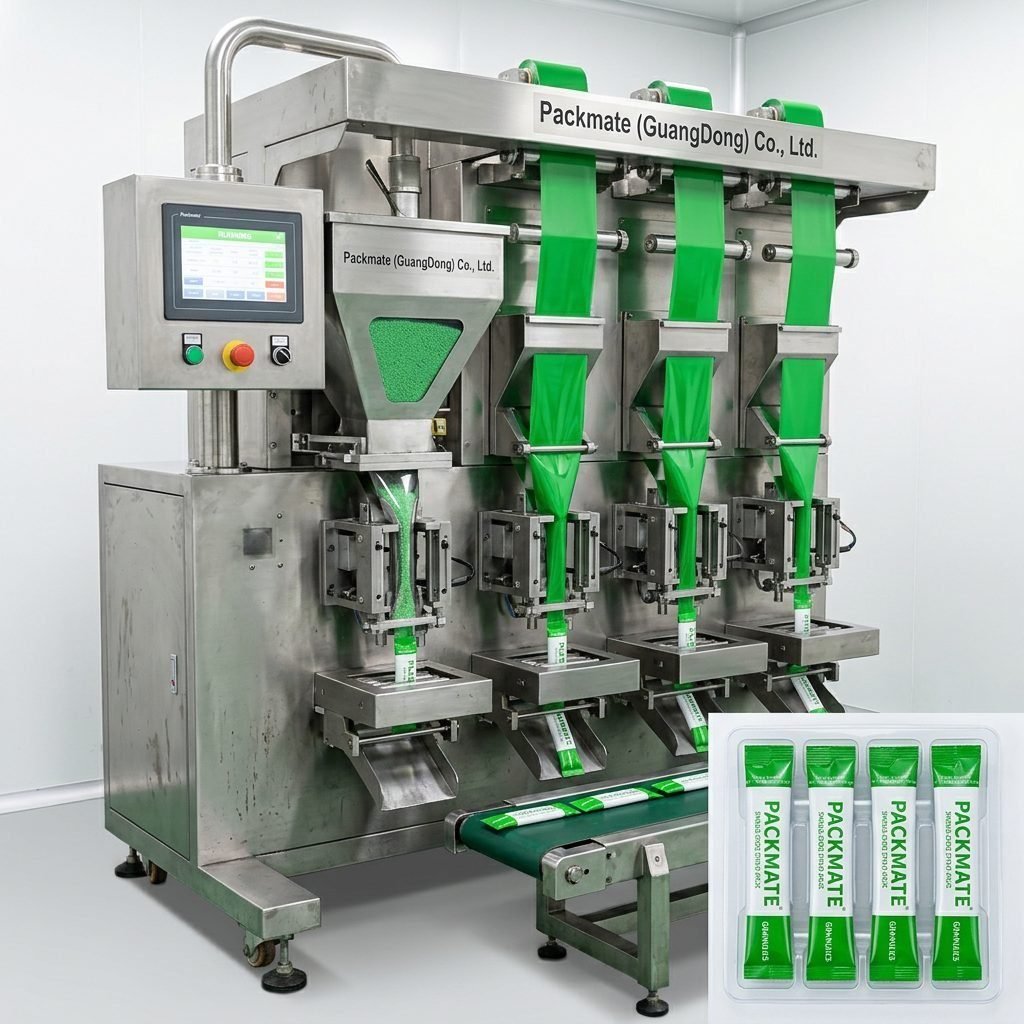
• Sachet & Stick Pack Machines: Perfect for single-serve portions of sauces, sugar, instant drinks, or pharmaceuticals, providing high-speed, multi-lane efficiency. Discover solutions for Sachet & Stick Pack Machines.
• Weighing & Packaging Systems: The heart of accuracy, combining multi-head weighers or liquid dispensers with form-fill-seal machines to ensure precise weight control and compliance.
• Filling & Packaging Lines: Integrated systems that automate the entire process from empty container handling to final case packing, designed for high-volume production.
Beyond the Machine: The Value of Partnership
The relationship with your manufacturer shouldn’t end at delivery. The best providers act as true partners throughout the equipment lifecycle. This includes comprehensive factory acceptance testing (FAT), detailed installation supervision, thorough operator and maintenance training, and readily available spare parts. A strong global service network ensures that support is always within reach, minimizing potential downtime. This holistic approach to service is what transforms a equipment purchase into a reliable, long-term production solution.
Furthermore, a partner invested in your success will stay ahead of trends, whether it’s developing machines for sustainable packaging materials, incorporating Industry 4.0 connectivity for data analytics, or creating equipment for niche markets like snus and nicotine pouches. Their R&D efforts directly contribute to your future capabilities.
Frequently Asked Questions (FAQs)
1. What are the main benefits of custom packaging machinery over standard models?
Custom machinery is designed to match your specific product format, production speed, and factory layout exactly. This leads to higher efficiency, less product waste, better package quality, and easier integration with existing lines. It future-proofs your investment by being adaptable to potential product changes.
2. How long does it typically take to develop and deliver a custom packaging solution?
The timeline varies significantly based on complexity. A project can range from a few months for a modified standard machine to over a year for a completely novel, high-speed integrated line. A reputable manufacturer will provide a detailed project plan with milestones after the initial consultation and design phase.
3. What kind of support can I expect after the machine is installed?
Comprehensive support should include on-site installation and commissioning, detailed training for your operators and technicians, a warranty period, access to a 24/7 technical support hotline, and a reliable supply chain for genuine spare parts and consumables.
4. How do I ensure the machine meets food safety and hygiene regulations?
Work with a manufacturer that designs equipment with food safety in mind. Key features include the use of food-grade stainless steel (e.g., 304 or 316), sanitary design with minimal crevices, easy disassembly for cleaning, and compatibility with clean-in-place (CIP) systems. They should be knowledgeable about global standards like FDA, EU, and GMP.
5. Can your machines handle sustainable or biodegradable packaging films?
This is a growing focus. Many modern machines can be adapted to run mono-material films or other sustainable substrates. It is crucial to discuss your specific film material with the manufacturer during the design phase, as sealing parameters, film tension, and forming mechanics may need adjustment to ensure consistent performance.