The beverage industry is a dynamic and ever-evolving sector where packaging plays a crucial role in product success. From preserving freshness and ensuring safety to capturing consumer attention on crowded shelves, the right packaging solution is paramount. This guide delves into the world of beverage packaging machines and solutions, exploring the technologies that drive efficiency, innovation, and brand distinction in today’s competitive market.
The Core of Modern Beverage Production: Key Packaging Machines
At the heart of any beverage operation lies a suite of specialized machinery designed to handle specific tasks with precision and speed. Understanding these core machines is the first step in building an effective packaging line.
Filling Machines: Precision in Every Drop
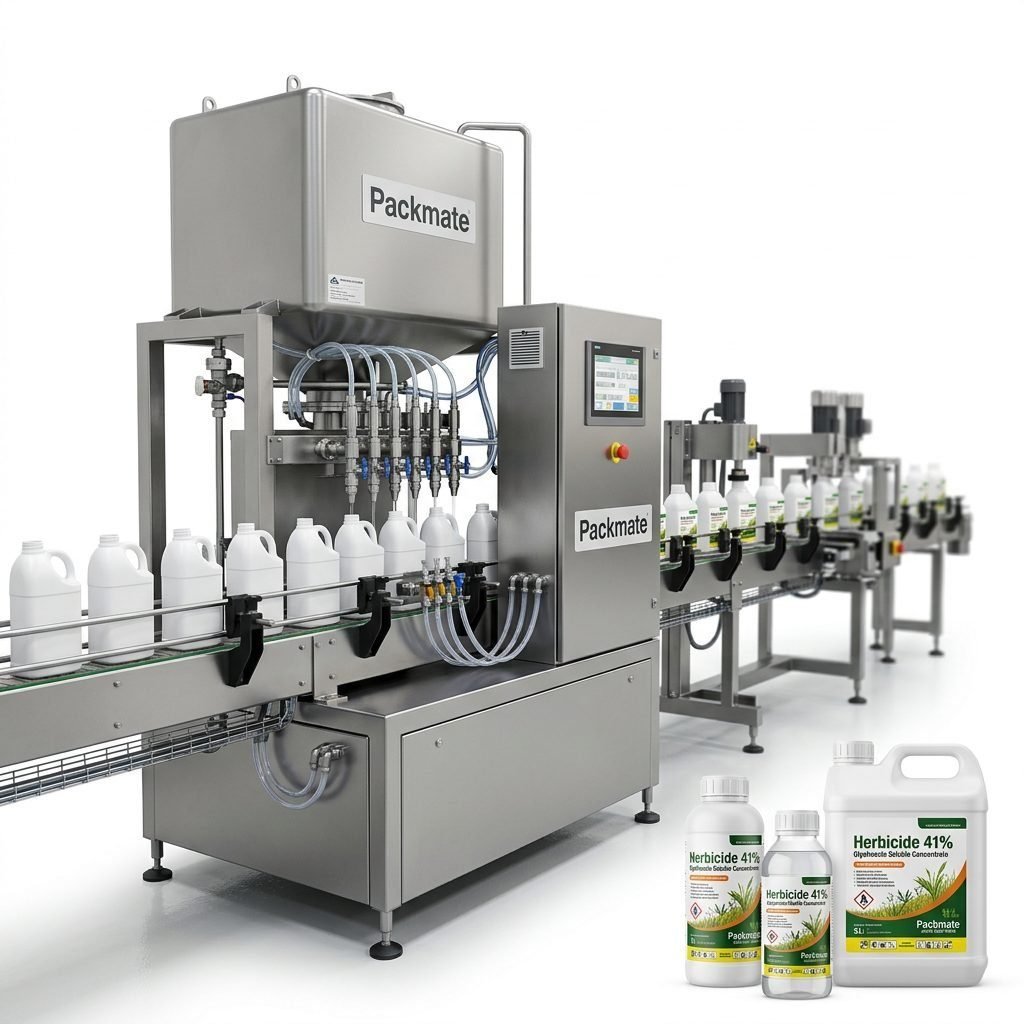
Filling is arguably the most critical step. Machines must accommodate diverse viscosities—from water and juices to thick syrups and dairy products. Common technologies include gravity fillers for simple liquids, piston fillers for viscous products, and volumetric fillers for consistent portion control. Modern fillers integrate seamlessly with capping and sealing units for a continuous flow.
Capping and Sealing Equipment
Once filled, containers must be securely sealed. This category encompasses screw cappers for bottles, induction sealers for tamper-evident liners, and press-on cappers for cartons. The choice depends on the container type and the required level of product integrity. Reliable sealing is non-negotiable for maintaining beverage quality and shelf life.
Labeling Systems
Labeling applies brand identity and regulatory information. Options range from pressure-sensitive labelers (using pre-glued labels) to wrap-around labelers for full-container coverage and sleeve labelers for shrink-fit applications. High-speed rotary labelers are essential for large-scale production, ensuring every product is market-ready.
Advanced Packaging Formats and Their Machines
Consumer demand for convenience and sustainability has spurred innovation in packaging formats, each requiring dedicated machinery.
Flexible Packaging: Pouches and Stick Packs
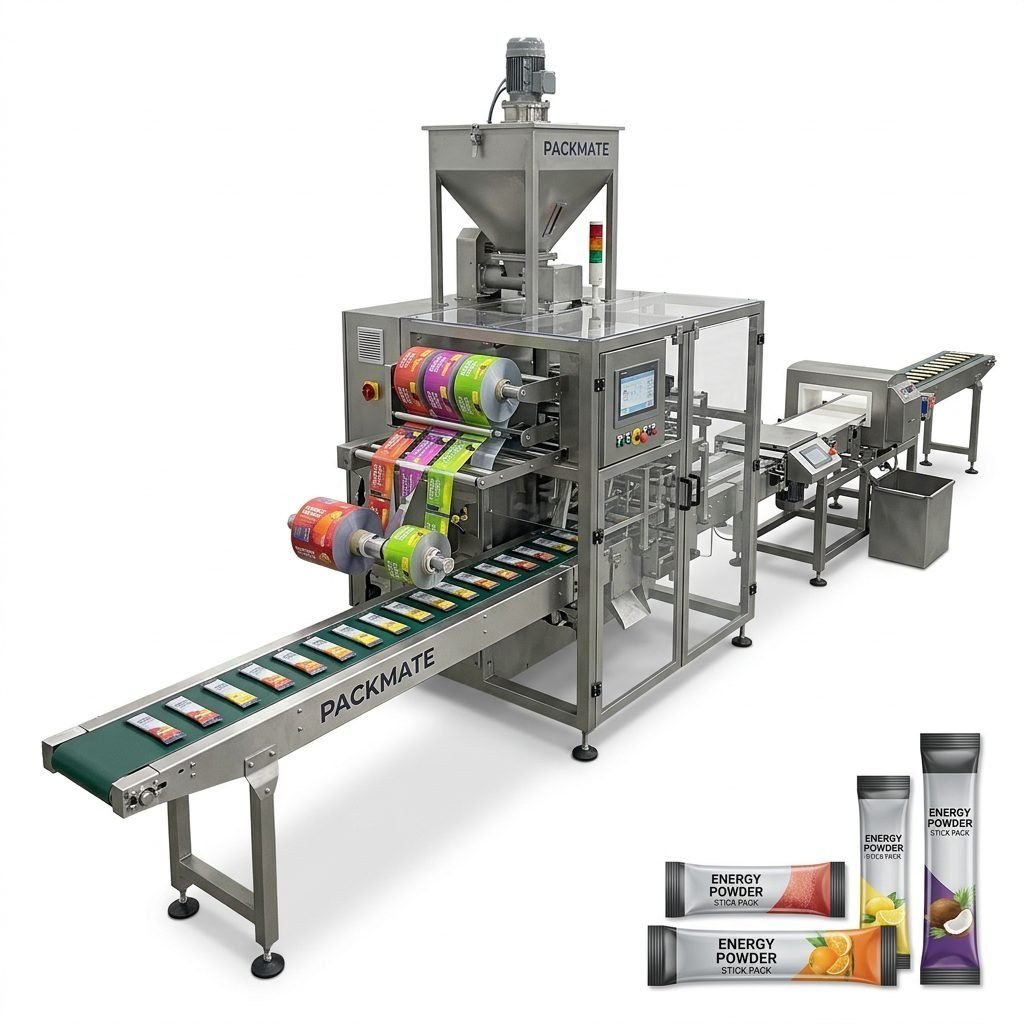
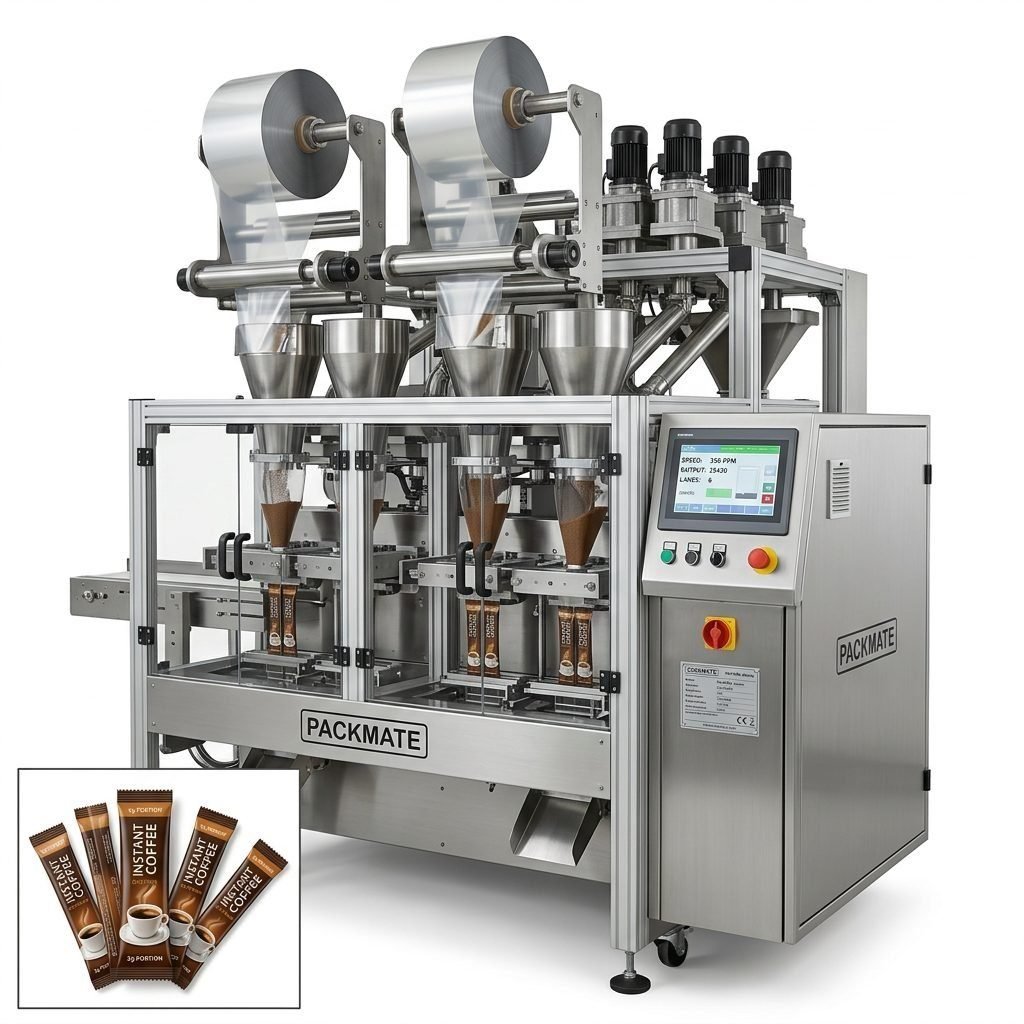
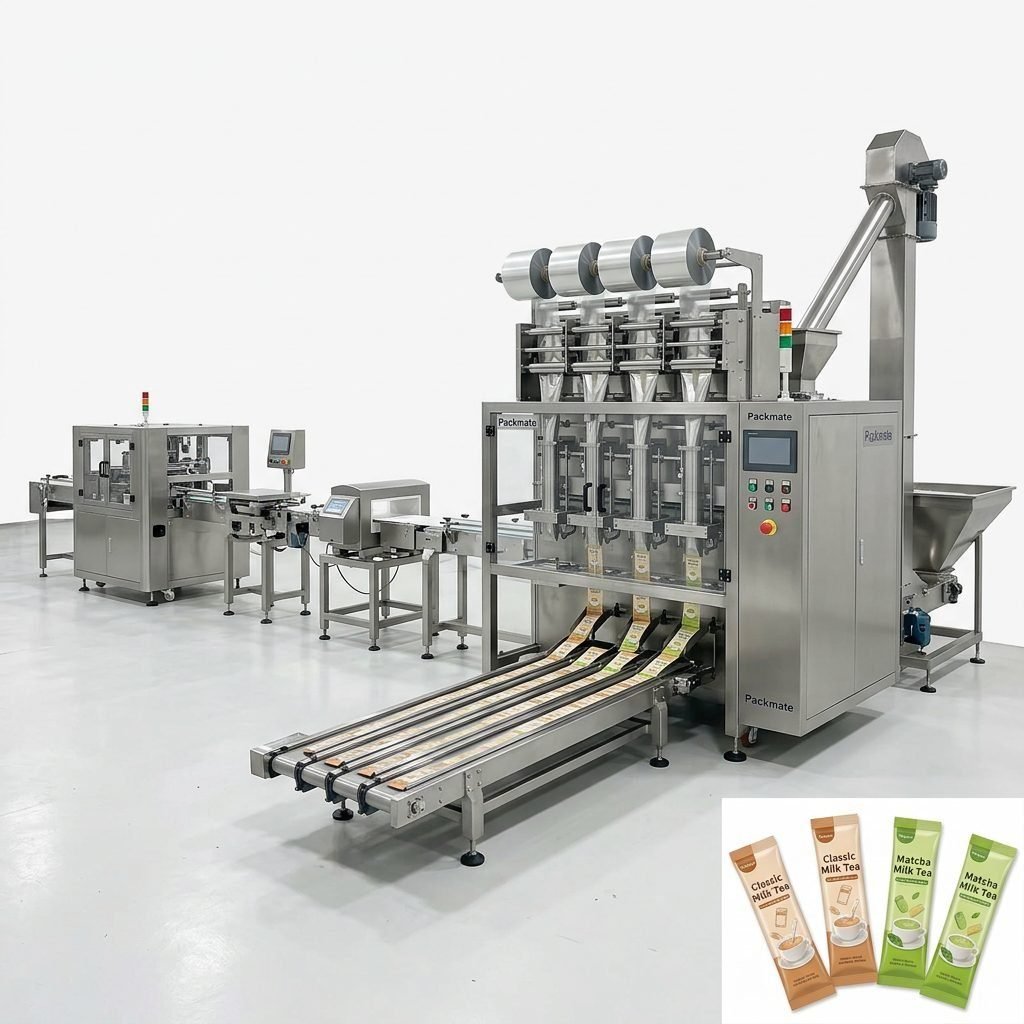
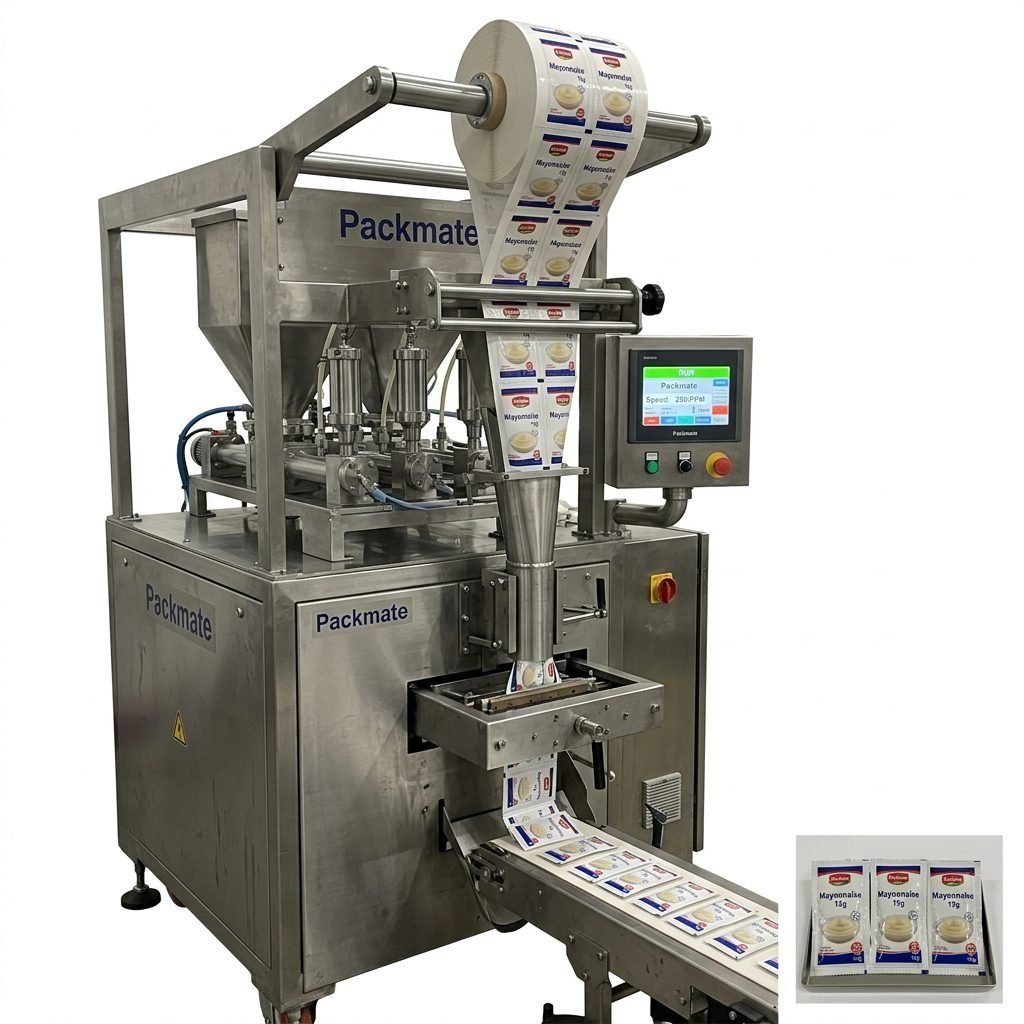
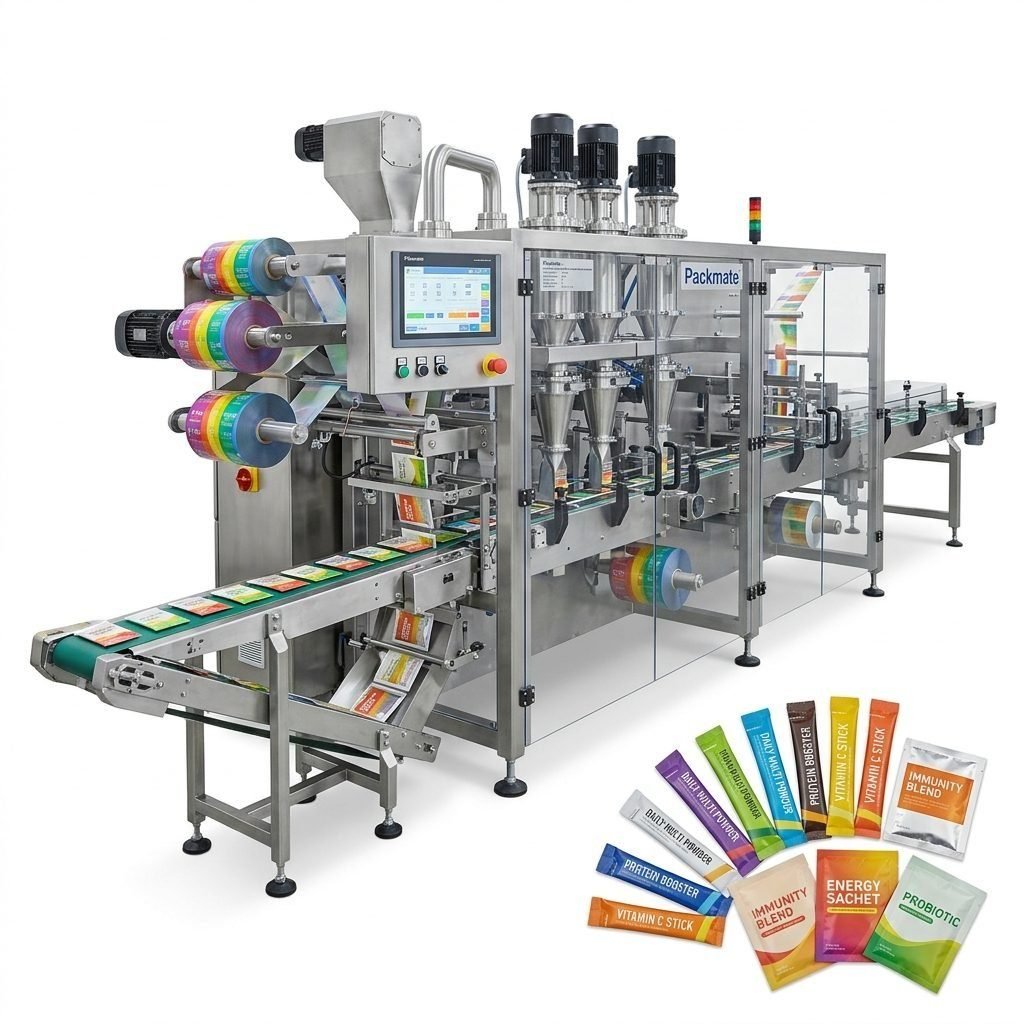
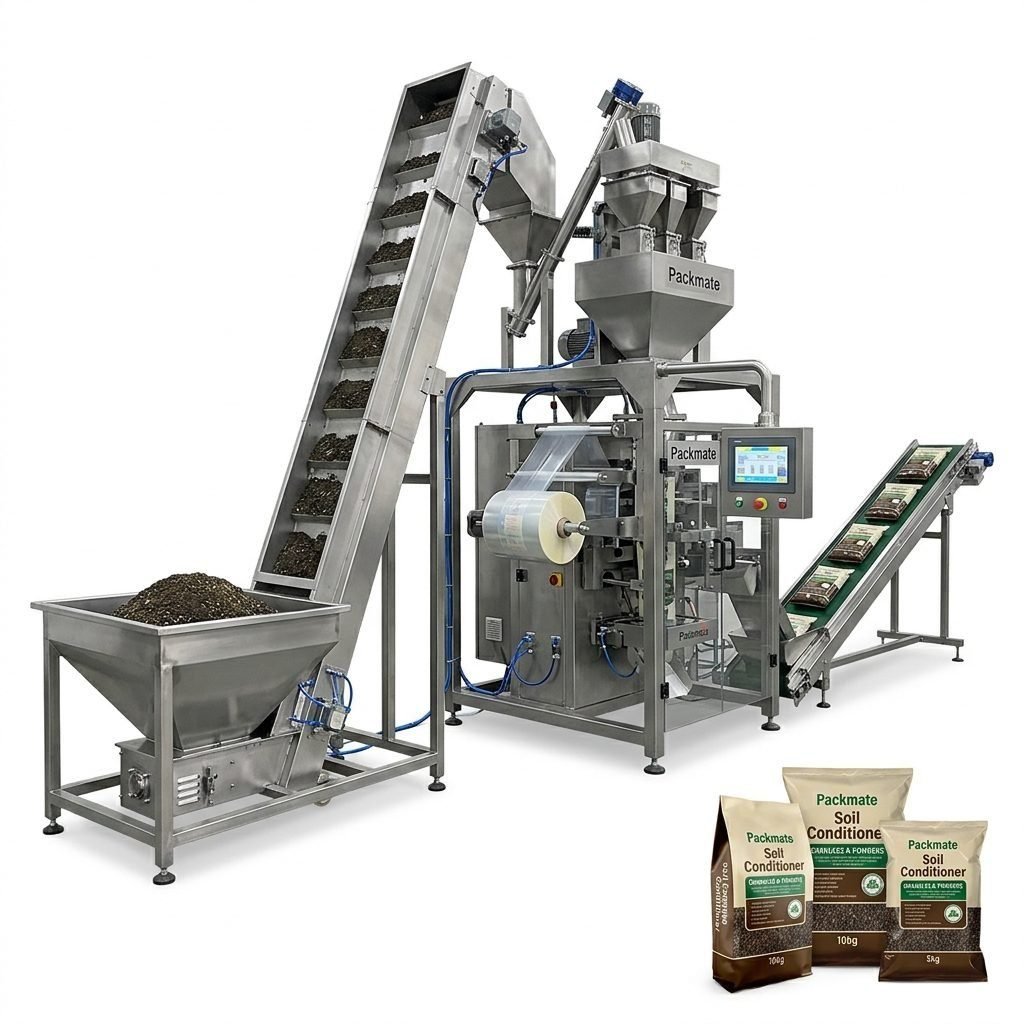
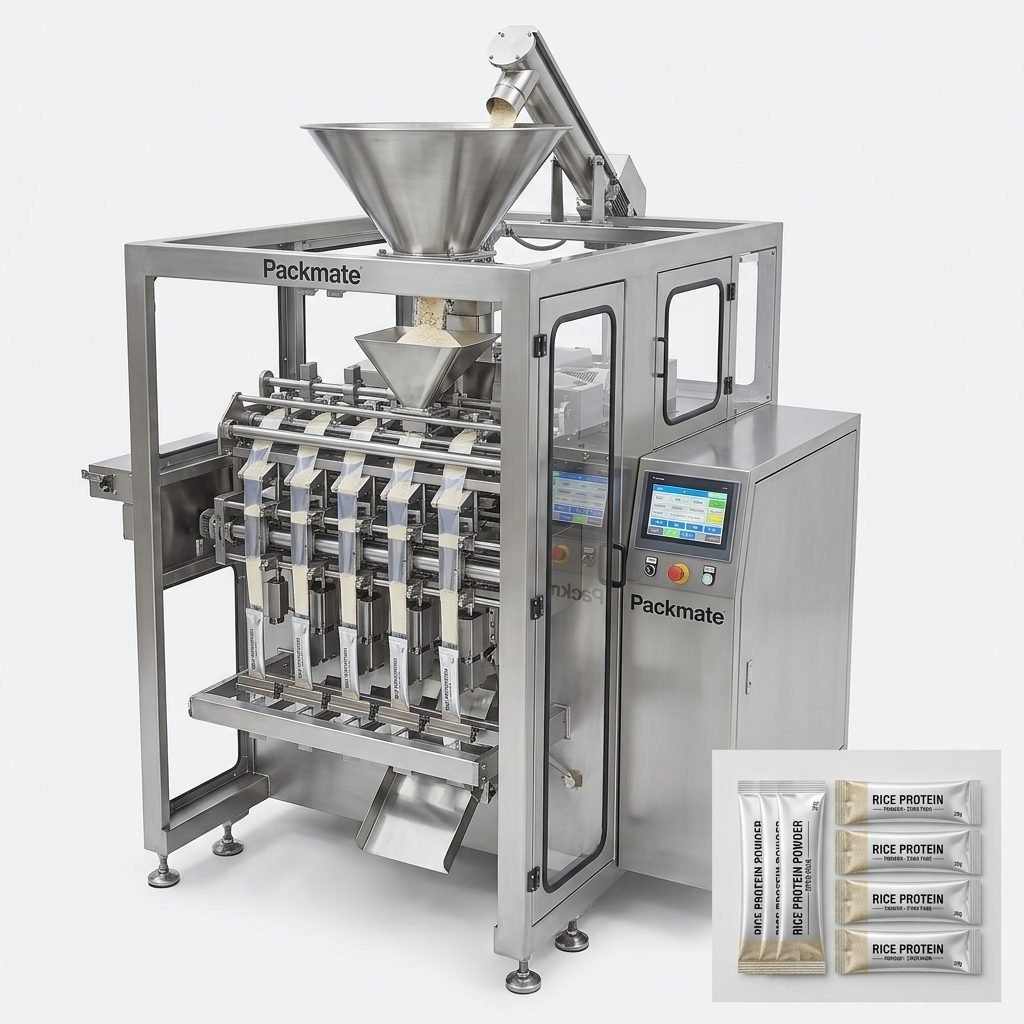
Lightweight and cost-effective, flexible packaging is booming. Vertical form-fill-seal (VFFS) machines create pouches from a roll of film, fill them, and seal them in one operation—ideal for powdered drink mixes or liquid concentrates. For single-serve portions like instant coffee or electrolyte powders, multi-lane stick pack machines offer unparalleled speed and efficiency, producing dozens of small, sealed sticks per minute. Companies like Packmate Machinery specialize in these high-speed, intelligent solutions.
Aseptic Packaging Solutions
Aseptic processing allows beverages to be packaged in sterile conditions without refrigeration, extending shelf life for months. This requires sophisticated machines that sterilize the packaging material (like carton blanks or PET preforms), fill the product in a sterile environment, and hermetically seal it. It’s a complex but rewarding technology for juices, dairy alternatives, and nutritional drinks.
Canning and Bottling Lines
For traditional formats, integrated lines are key. Canning lines involve depalletizers, rinsers, fillers, seamers, pasteurizers, and labelers/coders. Bottling lines for glass or PET follow a similar sequence, often including blow molders (for PET) and warmers/coolers. The synchronization of these modules dictates overall line efficiency.
Integrating Systems: From Single Machine to Turnkey Line
The true power of modern packaging lies in integration. A standalone filler is useful, but a synchronized line multiplies productivity.
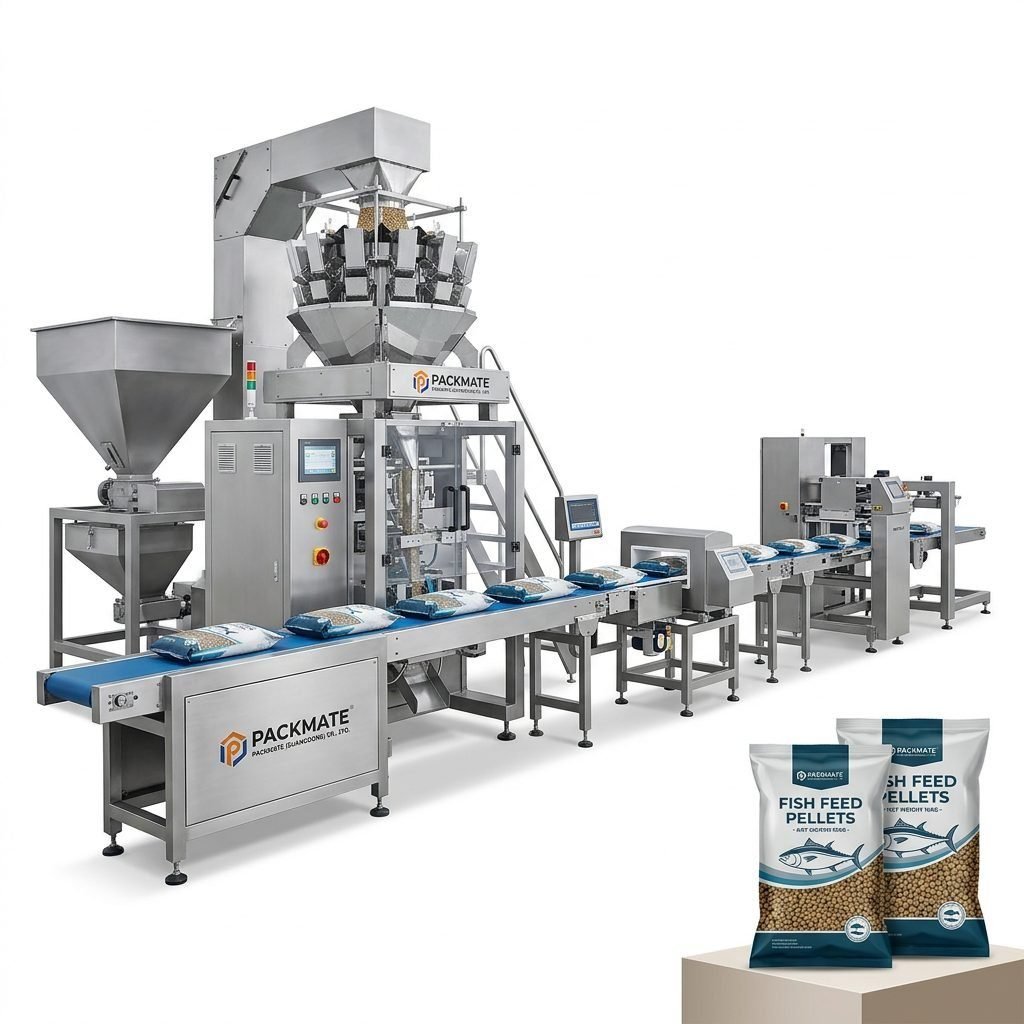
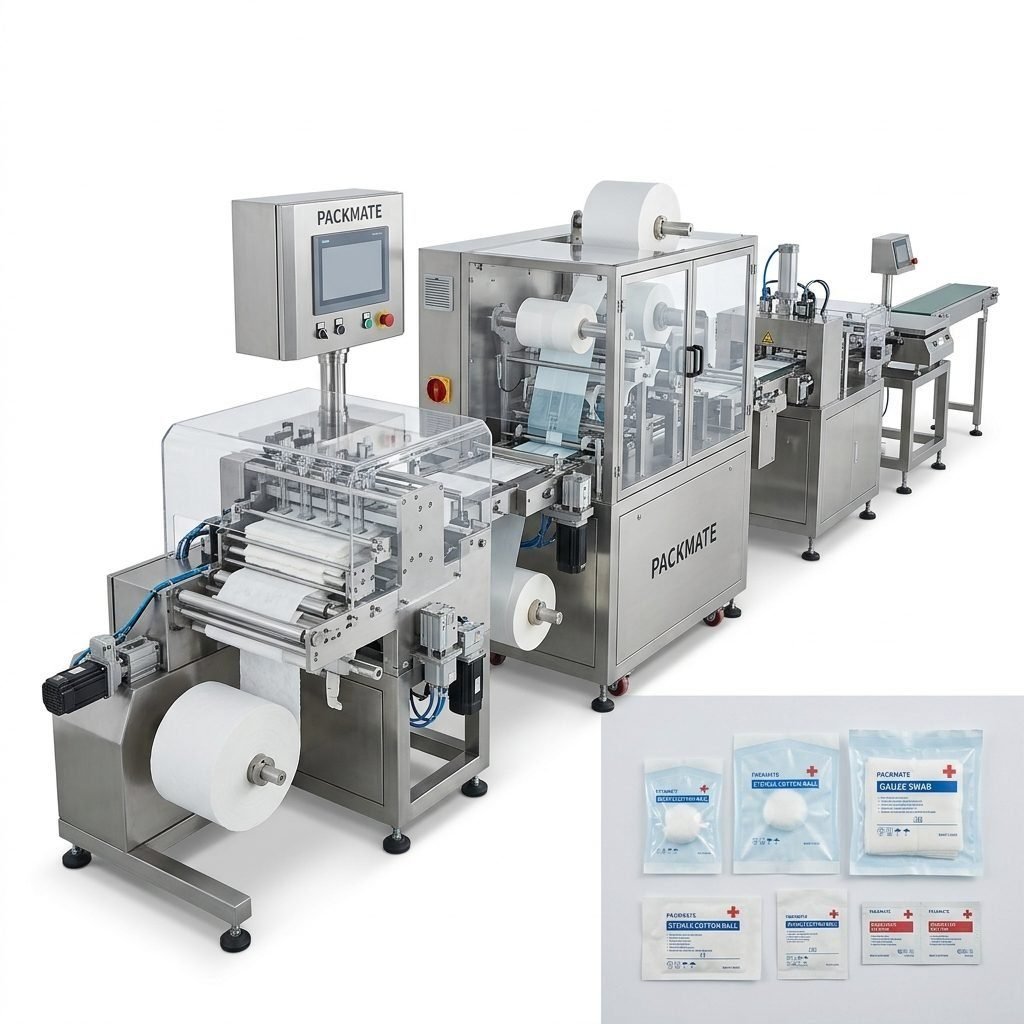
Turnkey packaging solutions encompass the entire process from handling empty containers to palletizing filled cases. This includes upstream equipment like air conveyors and unscramblers, and downstream units like case packers and wrappers. The goal is a seamless, automated flow that minimizes manual handling and maximizes output. Providers such as Packmate offer these complete lines, drawing on decades of engineering expertise to ensure all components work in perfect harmony.
Key Considerations for Line Integration:
- Speed Synchronization: All machines must operate at compatible speeds to prevent bottlenecks or jams.
- Control System Unity: A centralized PLC or industrial PC should monitor and control the entire line for easy operation and troubleshooting.
- Flexibility & Changeover: Modern lines are designed for quick changeovers between different products or package sizes to accommodate small batch runs.
- Hygienic Design: Especially for beverages, equipment must be easy to clean and maintain, with stainless steel constructions and CIP (Clean-in-Place) capabilities.
Trends Shaping the Future of Beverage Packaging
The industry is not static. Several powerful trends are influencing machine design and procurement decisions.
Sustainability and Material Reduction
Consumer and regulatory pressure is driving demand for sustainable packaging. This translates to machines capable of handling recycled materials (rPET, recycled aluminum), mono-material films for better recyclability, and lightweighting—using less material per package without compromising strength. Machines must be adaptable to these new, sometimes more challenging, materials.
Smart Packaging and Industry 4.0
Connectivity is king. Modern packaging systems are equipped with sensors and IoT capabilities for real-time data collection on OEE (Overall Equipment Effectiveness), production counts, and maintenance needs. Predictive analytics can forecast component failure, minimizing downtime. This data-driven approach is central to smart factory concepts.
Hyper-Personalization and Short Runs
The rise of craft beverages and direct-to-consumer models requires agility. Packaging machines are now valued for their quick changeover features and ability to handle limited editions or personalized labels efficiently. Digital printing integration allows for variable data printing directly on the package during production.
Selecting the Right Partner for Your Packaging Needs
Choosing machinery is also about choosing a manufacturer. Look for a partner with proven industry experience, a robust portfolio, and a commitment to after-sales support. A manufacturer with a strong track record, like Packmate Machinery with over 22 years in the industry, brings invaluable expertise. They don’t just sell machines; they provide reliable solutions backed by R&D and a global service network. Reviewing their project cases can offer concrete evidence of their capability to deliver functional, durable lines.
Ultimately, investing in the right beverage packaging machinery is an investment in your brand’s future. It impacts your operational costs, product quality, sustainability profile, and ability to innovate. By understanding the available technologies, integration principles, and market trends, you can make informed decisions that propel your beverages to success in a crowded and demanding marketplace.
Frequently Asked Questions (FAQs)
1. What type of packaging machine is best for powdered beverage mixes?
For powdered mixes like protein shakes or instant tea, vertical form-fill-seal (VFFS) machines for larger pouches or multi-lane stick pack machines for single-serve portions are typically the best choices. They offer excellent accuracy, high speed, and create a hermetic seal to keep moisture out and preserve the powder’s quality.
2. How important is machine flexibility for a growing beverage brand?
Extremely important. Flexibility in terms of quick changeovers between package sizes and formats allows you to respond to market trends, launch new products, and run smaller batches cost-effectively without needing separate dedicated lines. It future-proofs your investment.
3. Can one machine handle both liquids and viscous beverages?
Some filling technologies are more adaptable than others. While a basic gravity filler may only handle thin liquids, a piston filler or a pump-based filler with adjustable settings can often handle a range from water-like consistency to thick syrups or yoghurt drinks. It’s crucial to discuss your specific product portfolio with the machine supplier.
4. What does a “turnkey packaging solution” include?
A turnkey solution is a complete, ready-to-operate system. It goes beyond the primary filler or packer to include all necessary auxiliary equipment: container handling (unscramblers, conveyors), filling, capping/sealing, labeling, inspection, and end-of-line packaging (case packers, palletizers). The supplier handles the integration, testing, and commissioning, providing you with a single point of responsibility.
5. How do I ensure the packaging line is hygienic and easy to clean?
Look for machines built with food-grade stainless steel (e.g., 304 or 316L) on all product contact surfaces. Design features like rounded corners, minimal crevices, and easy disassembly are vital. Many advanced lines offer CIP/SIP (Clean-in-Place/Sterilize-in-Place) systems that automate the cleaning and sanitizing process, saving time and ensuring consistency.