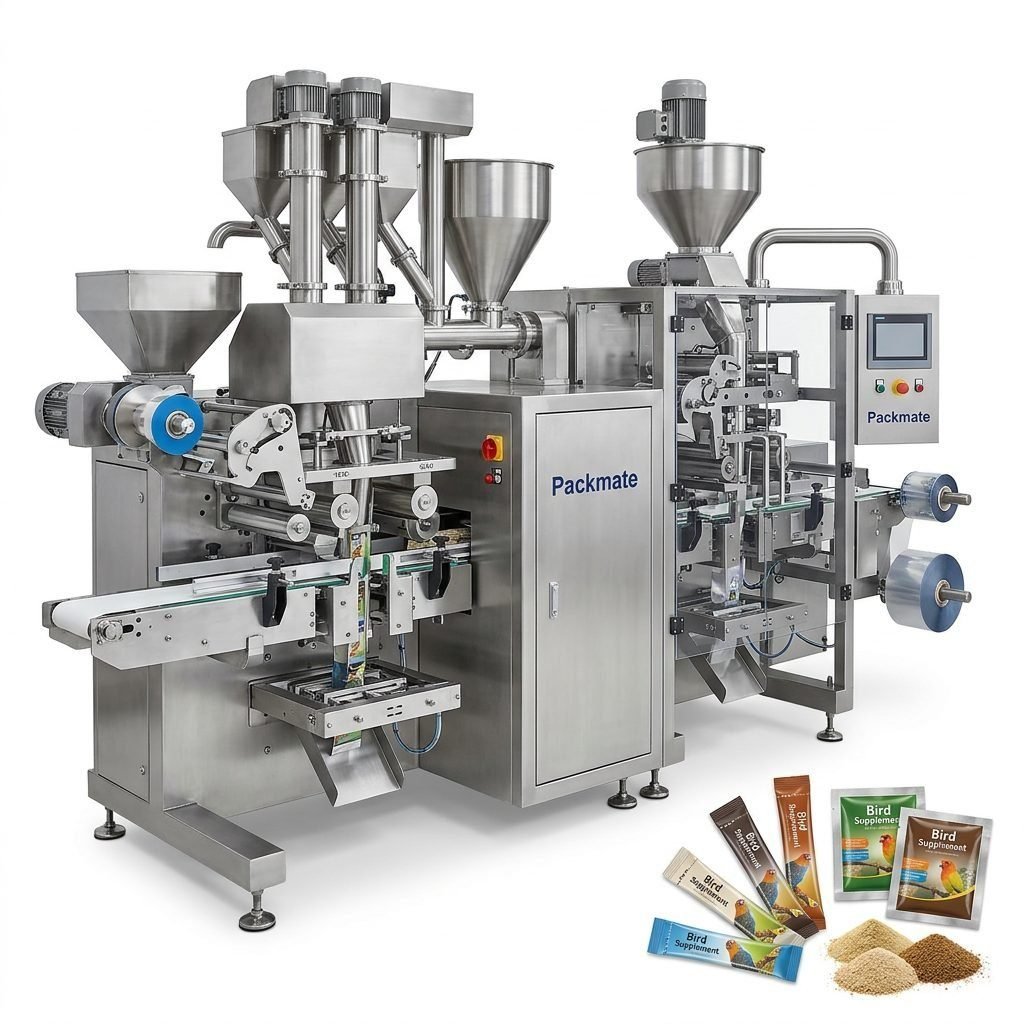
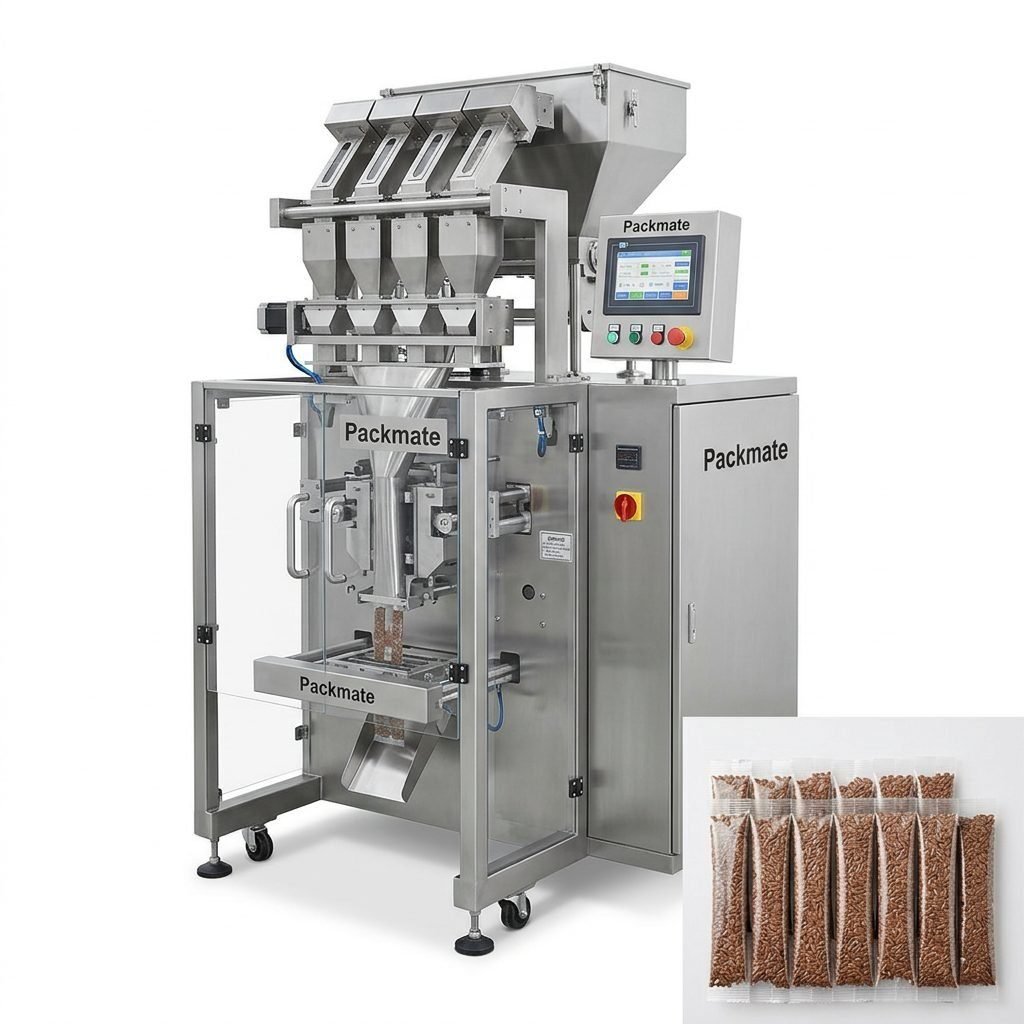
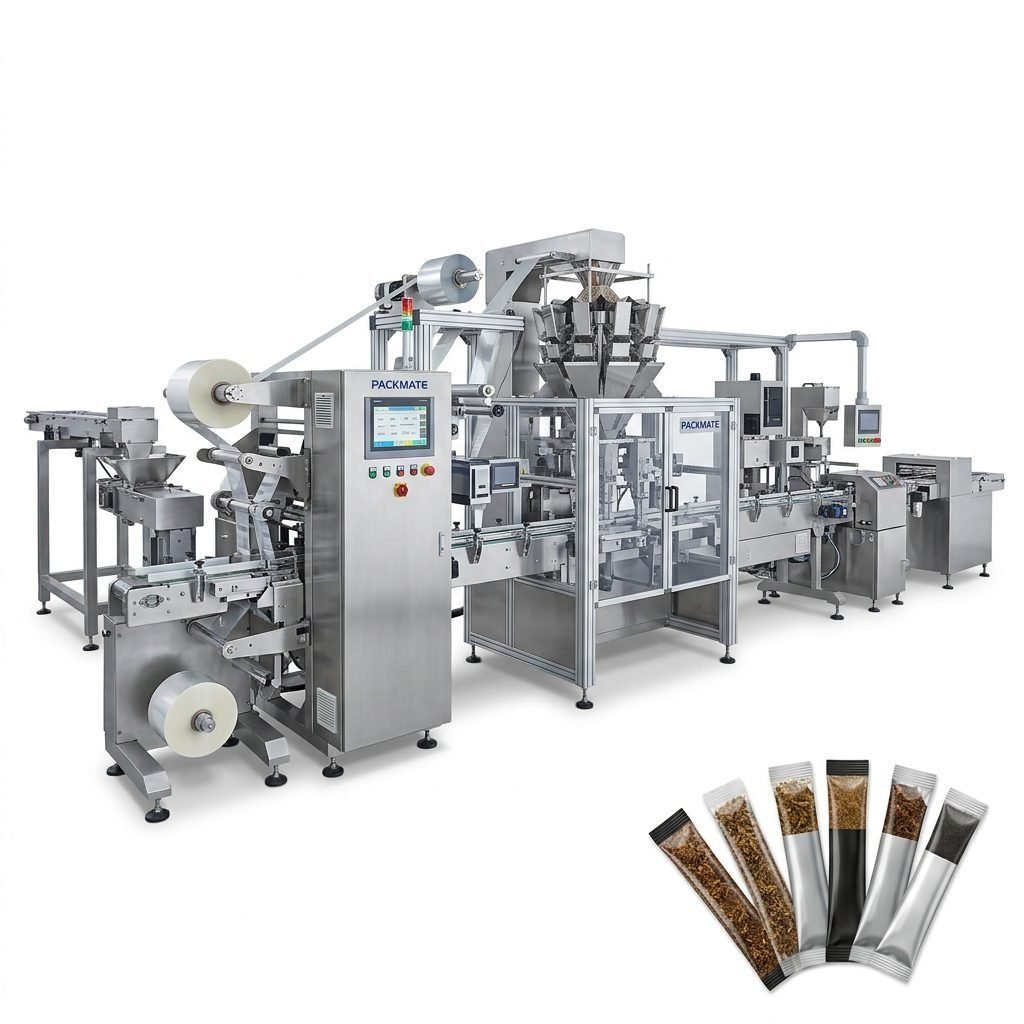
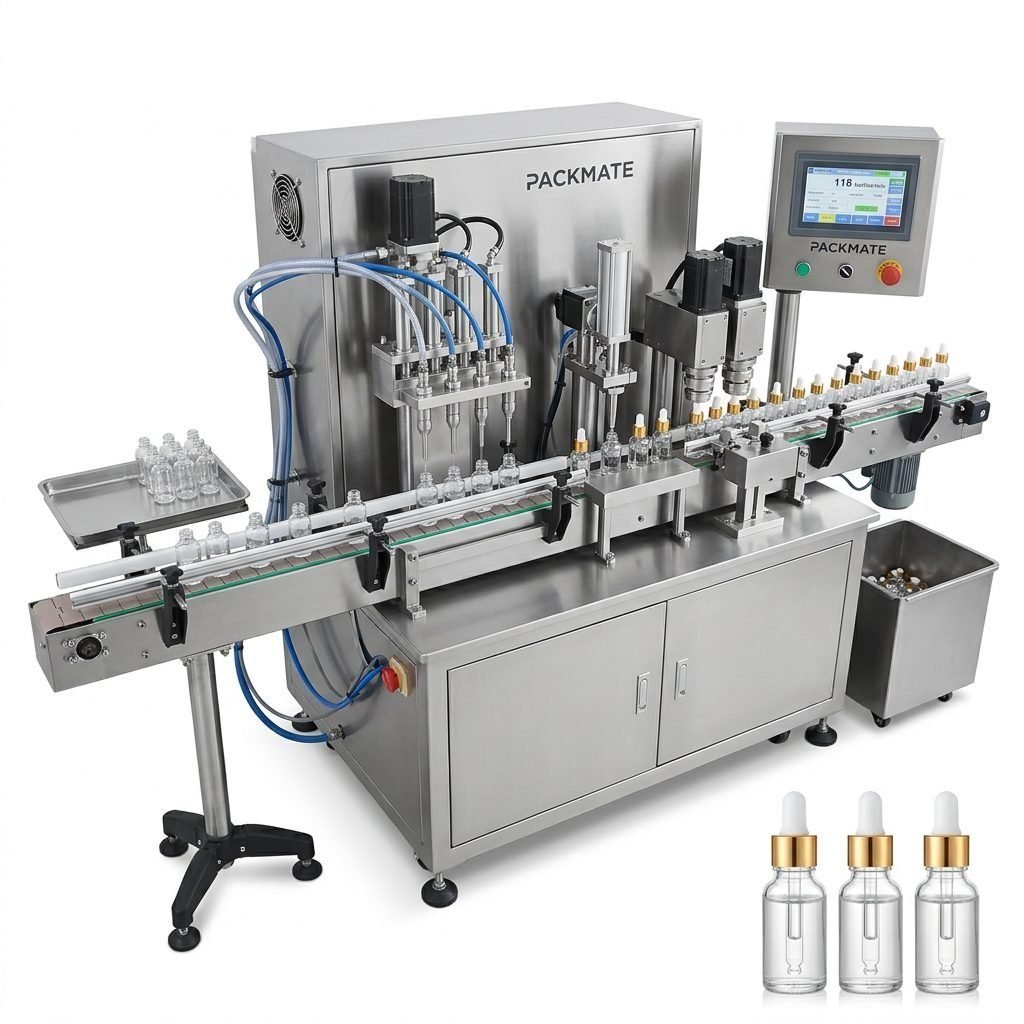
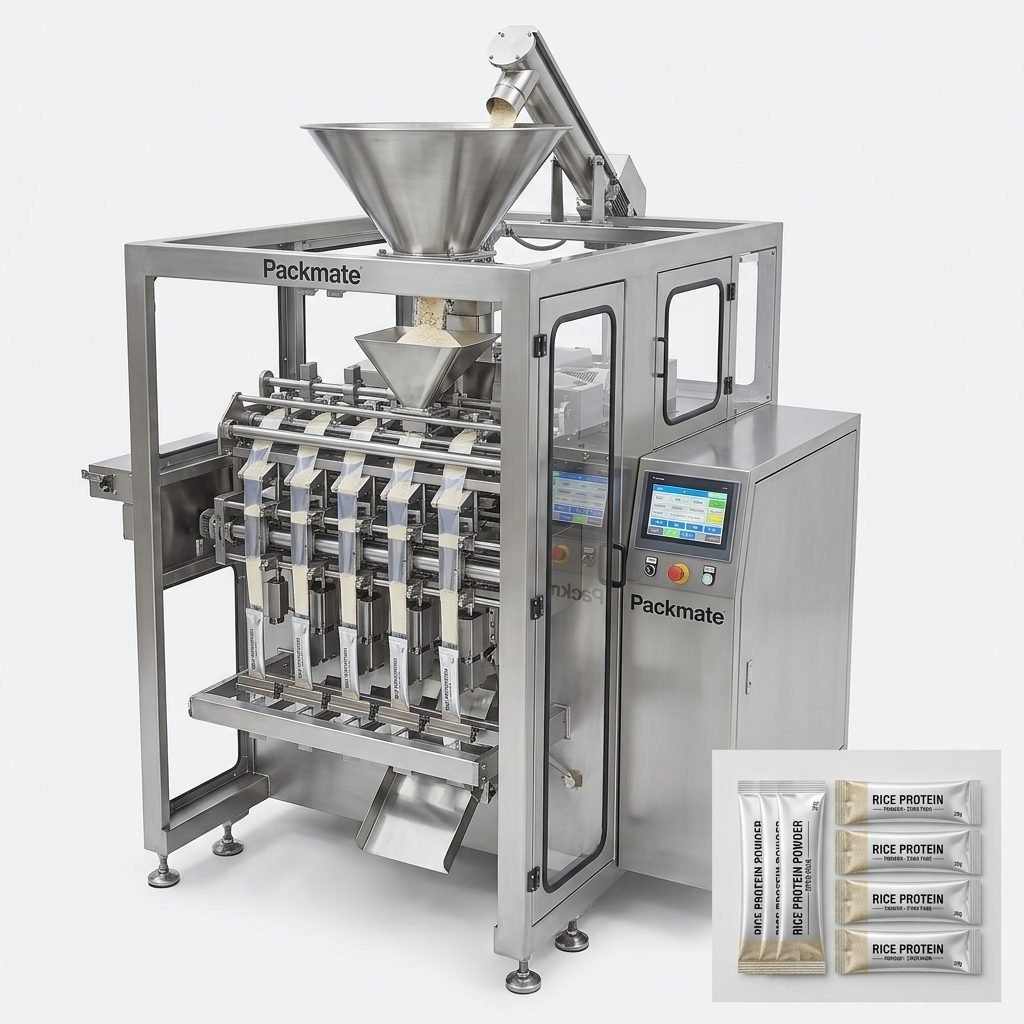
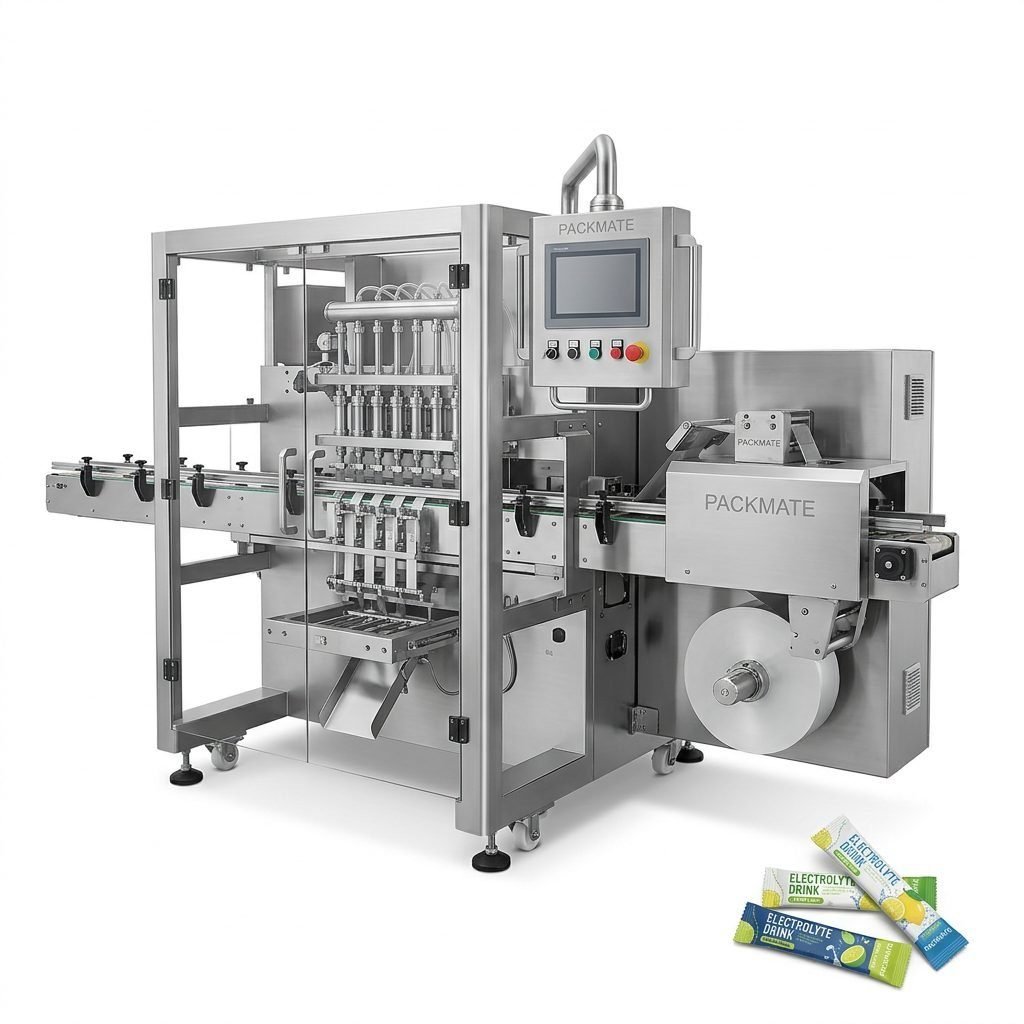
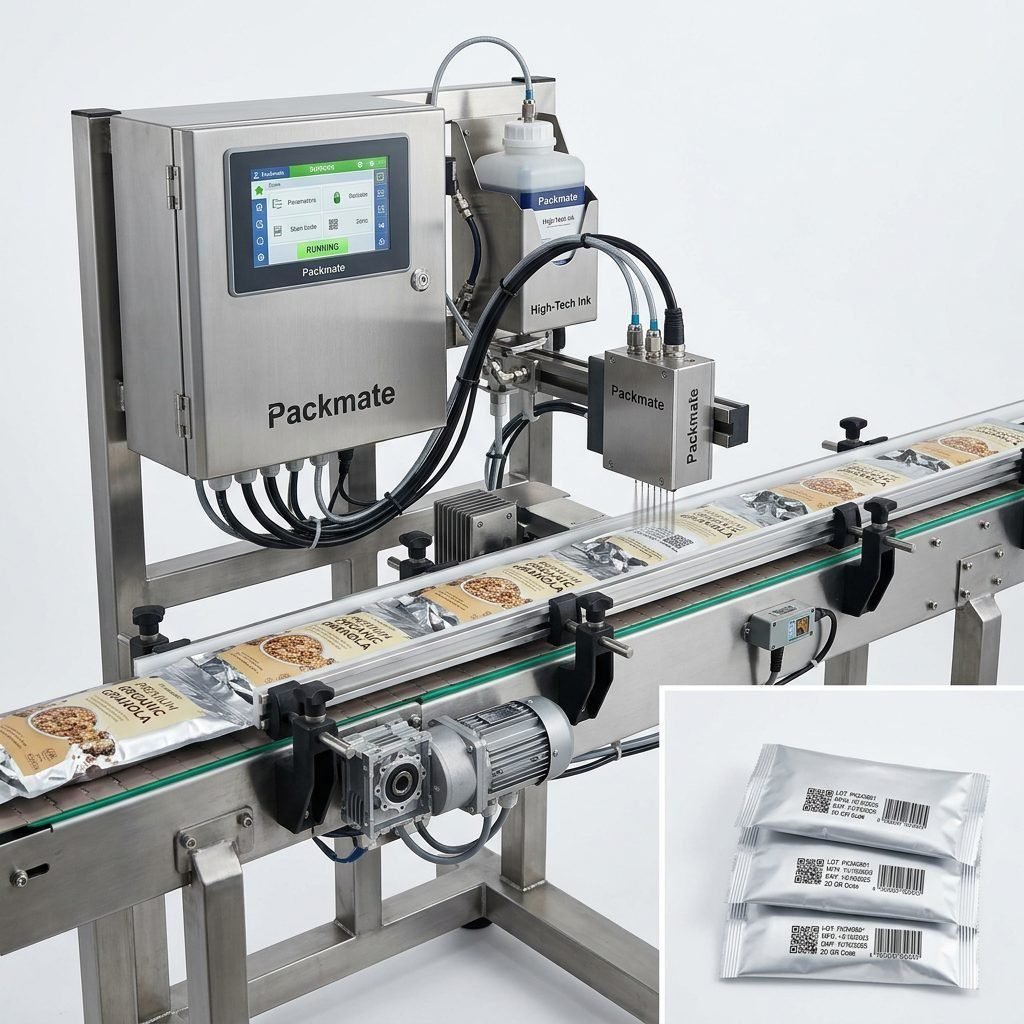
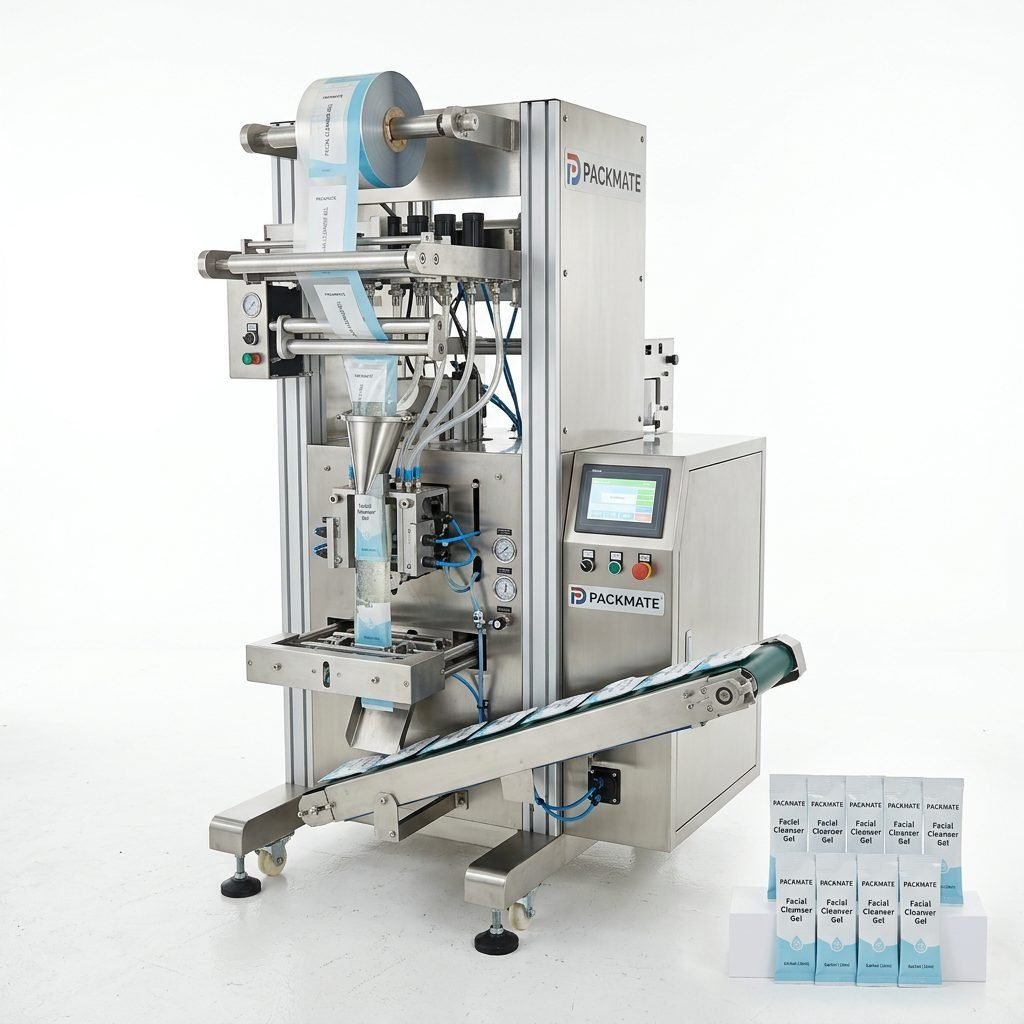
In the fast-paced world of manufacturing, the efficiency and reliability of your packaging line are paramount. While the packaging machine itself is the star of the show, its performance hinges entirely on the quality and condition of its individual parts. Understanding the essential components that keep your equipment running smoothly is not just technical knowledge—it’s a strategic investment in productivity and uptime. This guide delves into the top packaging machine parts, exploring their functions and why they are critical for maintaining efficient operation.
The Heart of the Machine: Core Drive and Transmission Components
At the core of every packaging machine lies its drive system. These parts are responsible for converting power into the precise mechanical movements required for packaging.
Servo Motors and Drives: Modern machines rely heavily on servo technology for unparalleled accuracy and control. These components dictate the speed, position, and torque of various machine functions, from film pulling to filling cycles. A high-quality servo system ensures repeatable precision, which is vital for consistent package quality and minimizing material waste.
Gears, Bearings, and Shafts: These fundamental mechanical parts form the skeleton of the machine’s motion. Precision gears transfer power, while high-grade bearings reduce friction on rotating shafts. Wear or misalignment in these components can lead to increased noise, vibration, and eventual breakdown, causing costly production halts. Regular lubrication and inspection are non-negotiable for their longevity.
Chains and Belts: Used for synchronization and power transmission across different sections of a machine, such as in a complete filling and packaging line. Timing belts and specialized chains must maintain exact tension to ensure all machine actions are perfectly coordinated.
Critical Components for Product Handling and Dosing
Accuracy in product handling directly impacts your bottom line through material savings and customer satisfaction.
Augers and Filling Heads: For powders and granules, the auger is the key dosing element. Its design, pitch, and wear condition directly affect filling accuracy. Similarly, piston pumps and volumetric cups are essential for liquid and viscous products. Inaccurate filling leads to giveaway (costing you money) or underfilling (a regulatory and customer trust issue).
Weighing Systems: Integrated multi-head weighers or in-line checkweighers are sophisticated assemblies of load cells, vibratory feeders, and chutes. These systems are the guardians of weight accuracy. Keeping load cells clean and calibrated and ensuring vibratory feeders are balanced is crucial for the performance of any advanced weighing and packaging system.
Product Hoppers and Feed Screws: These parts ensure a consistent and reliable flow of product to the dosing mechanism. Issues like bridging (product arching over an outlet) or ratholing can create erratic fills. Proper hopper design and surface finish are essential for smooth product flow.
The Packaging Material Pathway: Forming, Sealing, and Cutting
This subsystem transforms flat packaging material into sealed, finished pouches or sachets.
Film Pulling Systems: This includes pull belts, gripper jaws, and related rollers. They must grip the packaging film (laminate or roll stock) with consistent force and advance it with precise length control. Worn pull belts can cause film slippage and incorrect package length.
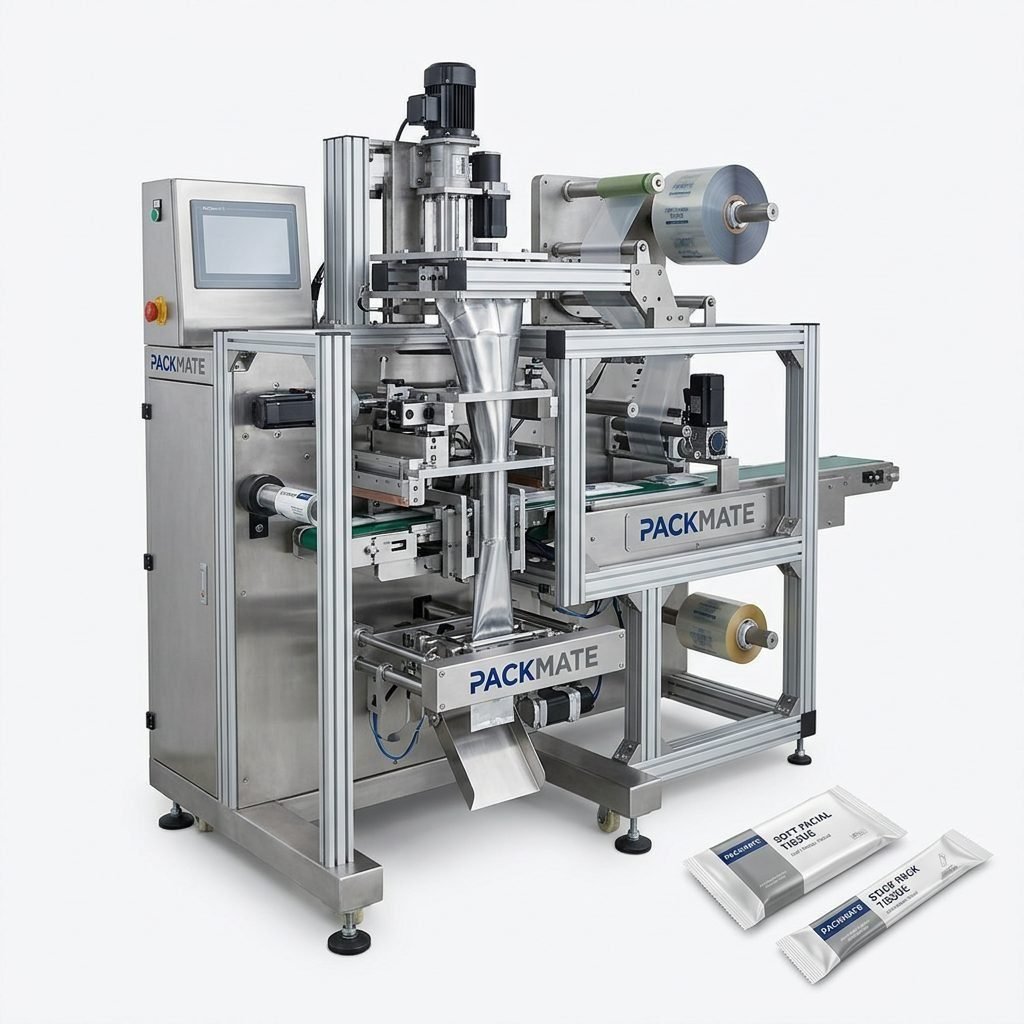
Forming Shoulders and Tubes: These precision-engineered parts shape the flat film into a tube around the product filling tube. Their geometry must be flawless to create a consistent, wrinkle-free package shape, especially critical in high-speed sachet and stick pack machines.
Heating Elements and Seal Bars: The integrity of the package depends on a perfect seal. Nichrome wire heaters, ceramic heaters, or PTFE-coated seal bars must maintain an even temperature profile across their entire length. Carbon buildup or pitting on seal bars can create weak seals leading to leaks and product spoilage.
Cutting Mechanisms: Whether it’s a rotary crimp-cut wheel for stick packs or a guillotine knife for pouches, the cutting edge must be kept sharp and clean. A dull blade will crush or tear the seal instead of cutting cleanly, resulting in messy packages and potential jams.
Control and Sensing: The Machine’s Nervous System
These electronic components are the intelligence behind the mechanical brawn, ensuring everything happens in the right sequence and within specified parameters.
PLC (Programmable Logic Controller) and HMI (Human-Machine Interface): The PLC is the machine’s brain, executing the control program. The HMI is the operator’s window for commands and monitoring. Their reliability is absolute; any failure means a complete production stop.
Sensors: Photoelectric, proximity, capacitive, and temperature sensors are the machine’s eyes and touch. They detect film presence, product level in hoppers, package position, and seal bar temperature. A single faulty sensor can cause widespread malfunctions, making high-quality, durable sensors a wise investment.
Electrical Connections and Wiring: Often overlooked, loose terminals, frayed wires, or poor connections in control cabinets or cable tracks can cause intermittent faults that are incredibly difficult to diagnose, leading to mysterious downtime.
Supporting Cast: Auxiliary and Wear Parts
These parts may not drive core functions, but they are vital for smooth operation and product presentation.
Guide Rails and Teflon Coating: These guide the packaging material and finished packages through the machine. Worn or misaligned rails cause friction and misfeeds. Teflon or similar non-stick coatings on contact surfaces prevent film drag and static buildup.
Static Eliminators: Static electricity can cause film to cling to itself or machine parts, disrupting the feeding process. Ionizing bars or static brushes are simple but essential auxiliary packaging equipment for reliable operation, especially in low-humidity environments.
O-rings, Gaskets, and Wiper Seals: These small rubber or polymer parts prevent product leakage from filling systems and lubricant leakage from gearboxes. They degrade over time and require scheduled replacement as part of preventive maintenance.
The Importance of Genuine Parts and Proactive Maintenance
Choosing the right parts is as important as knowing them. Opting for non-genuine or substandard spare parts is a false economy. They may have different tolerances, metallurgy, or heat treatment, leading to premature failure, incompatible performance, and even damage to other machine components. This can void warranties and compromise the safety and efficiency built into the original design by experienced manufacturers like Packmate Machinery, who design their machines and parts as integrated systems.
A proactive maintenance program, centered around these critical parts, is the key to maximizing efficiency. This includes regular cleaning, lubrication, inspection for wear, and scheduled replacement of consumable items before they fail. Keeping a well-organized inventory of the most critical spare parts for your specific packing machines can turn a potential days-long shutdown into a minutes-long swap.
Conclusion
Every component in a packaging machine, from the largest servo motor to the smallest O-ring, plays a role in the symphony of efficient operation. Understanding these top packaging machine parts empowers operators and managers to make informed decisions about maintenance, spare part procurement, and troubleshooting. By prioritizing quality components and implementing disciplined maintenance, you safeguard your production line’s productivity, ensure consistent output quality, and protect your significant capital investment for years to come.
Frequently Asked Questions (FAQs)
How often should I replace common wear parts like seal bars or cutting blades?
There’s no universal interval; it depends on machine runtime, packaging material abrasiveness, and product characteristics. Monitor performance closely. Replace seal bars when the coating shows significant wear or pitting, and blades when cuts become ragged or require increased force. Your machine manual and supplier can offer baseline recommendations.
Can I use generic or third-party spare parts to save money?
While sometimes possible, it is generally not recommended. Genuine OEM (Original Equipment Manufacturer) parts are engineered to exact specifications for fit, function, and durability. Using non-genuine parts can risk machine damage, void warranties, and lead to more frequent failures, ultimately increasing downtime and cost.
What are the first parts I should check if my machine’s packaging length becomes inconsistent?
First, inspect the film pulling mechanism (pull belts/grippers) for wear or slippage. Next, check the related registration sensor that detects the film mark for dirt or misalignment. Also, verify the tension of any drive belts or chains in the film feed system and ensure the servo motor drive parameters haven’t been altered.
Why is preventive maintenance for these components so critical?
Preventive maintenance identifies and addresses minor wear before it causes a major failure. It is far less costly and disruptive to replace a bearing on a scheduled shutdown than to deal with a seized bearing that damages a shaft and halts production unexpectedly for days. It ensures safety, maintains efficiency, and extends the total lifespan of your equipment.
Where can I find reliable information and source quality parts for my specific machine?
Always refer to your machine’s official operation and maintenance manual first. The most reliable source for parts is your machine’s original manufacturer or their authorized distributor. Companies with deep expertise, like Packmate Machinery, provide not only parts but also crucial technical support to ensure correct selection and installation.