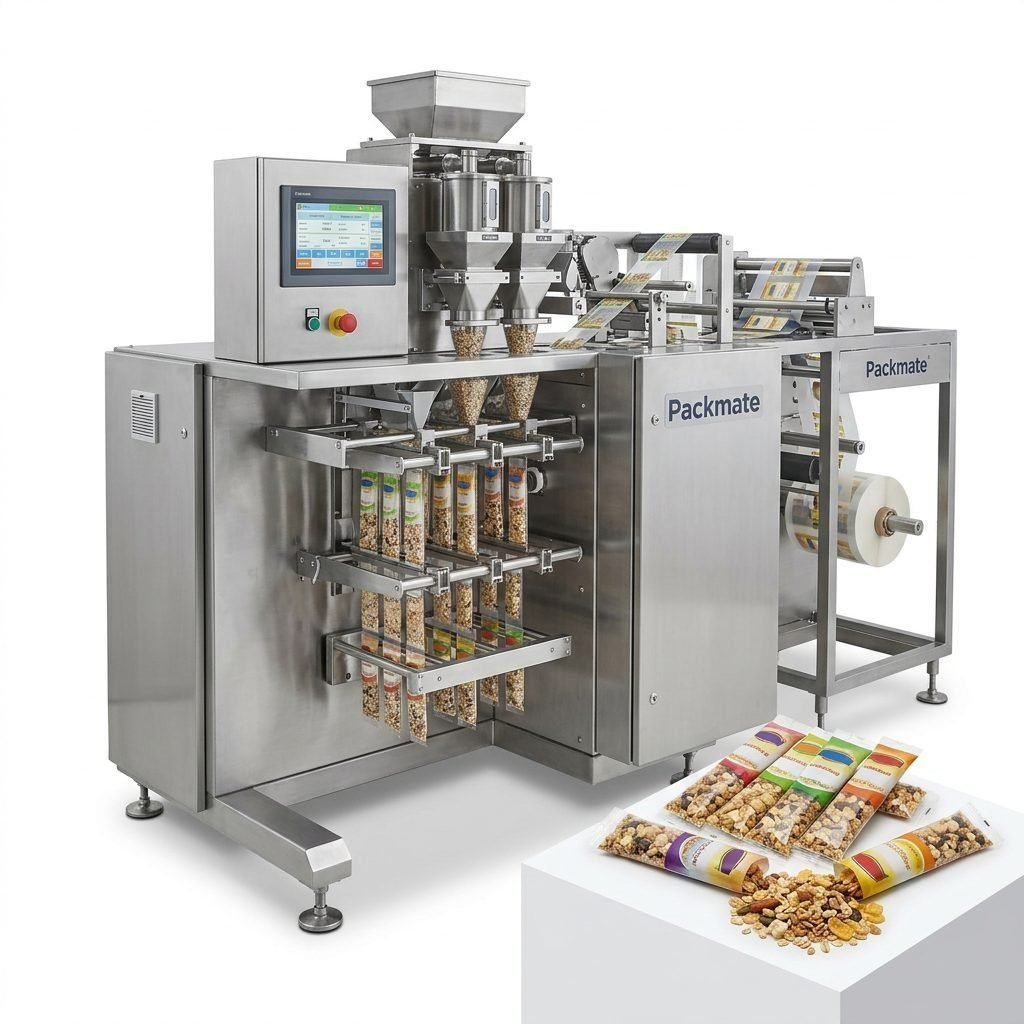
In the fast-paced world of manufacturing, packaging machines are the workhorses that keep production lines moving. However, like any complex machinery, they require a steady supply of reliable spare parts to maintain peak performance and minimize costly downtime. This comprehensive guide delves into the critical world of packaging machine spare parts, covering their various types, essential selection criteria, and proven maintenance tips to ensure your operations run smoothly.
Understanding the Core Types of Packaging Machine Spare Parts
Packaging machinery is an assembly of numerous components working in harmony. Spare parts can be broadly categorized into several key groups, each vital for different functions.
Mechanical & Wear Parts
These are components subject to direct friction, impact, or stress during operation. Their failure is often predictable based on usage cycles.
Common Examples: Sealing jaws (heater bars and Teflon covers), cutting blades, gripper jaws, conveyor belts, bearings, gears, shafts, and springs. Regular inspection and timely replacement of these parts are non-negotiable for consistent seal quality and mechanical precision.
Electrical & Control Components
This category encompasses the brains and nerves of the machine, responsible for automation, precision, and safety.
Key items include: Programmable Logic Controllers (PLCs), servo motors and drives, sensors (proximity, photoelectric, temperature), relays, contactors, circuit breakers, and wiring harnesses. Issues here often lead to complete machine stoppage or erratic behavior.
Pneumatic & Hydraulic Elements
Many packaging machines use air or hydraulic pressure for actuation. The reliability of these systems is paramount.
Essential spares consist of cylinders, solenoid valves, pressure regulators, filters, lubricators (FRL units), air hoses, and hydraulic pumps. Contaminated air or fluid is a leading cause of failure in these components.
Consumables & Product-Contact Parts
These parts have a direct interface with the packaging material or the product itself and may need frequent changeovers for different production runs.
This group includes forming tubes, filling nozzles, funnels, product hoppers, and film guide assemblies. They must be easy to clean, corrosion-resistant, and sometimes food-grade certified.
A Strategic Guide to Selecting the Right Spare Parts
Choosing the correct spare part is more complex than simply matching a part number. A strategic approach saves money and prevents future headaches.
1. Prioritize Genuine OEM Parts vs. Compatible Alternatives
The first major decision is between Original Equipment Manufacturer (OEM) parts and third-party compatible parts.
OEM Parts, sourced directly from the machine builder like Packmate Machinery, guarantee perfect fit, material quality, and performance as designed. They often come with a warranty and technical support. For critical components like servo drives or proprietary sealing systems, OEM is strongly recommended.
High-Quality Compatible Parts can be a cost-effective alternative for standard, non-proprietary items like generic bearings, seals, or sensors. The key is to source them from reputable suppliers who provide material certifications and dimensional guarantees.
2. Verify Specifications and Compatibility Meticulously
Always cross-reference the machine’s model number, serial number, and the original part number. Even slight deviations in dimensions, material hardness, electrical ratings, or thread type can cause malfunction or damage. Maintaining an up-to-date parts manual for each machine is invaluable.
3. Assess Supplier Reliability and Support
Your spare parts supplier is a critical partner. Evaluate them based on:
- Technical Expertise: Can they provide advice beyond just taking an order?
- Inventory Availability: Do they stock critical parts, or is everything on long lead times?
- Global Logistics: For international operations, can they ship parts efficiently? Companies with a strong global footprint, such as Packmate, often have established supply chains to support clients worldwide.
Proactive Maintenance Tips to Extend Part & Machine Life
Reactive maintenance—fixing things after they break—is costly. A proactive maintenance culture maximizes uptime and stretches the lifespan of every component.
Implement a Scheduled Preventive Maintenance (PM) Program
Create and strictly follow a PM checklist for each machine. This should include daily, weekly, and monthly tasks.
Critical PM Actions:
• Daily: Clean product-contact areas, check for loose hardware, inspect seals and blades for wear, verify pneumatic pressure.
• Weekly: Lubricate moving parts as per manual (using the correct lubricant), inspect electrical connections for tightness, clean filters.
• Monthly/Quarterly: Calibrate scales and sensors, check belt tension and alignment, perform a thorough inspection of wear parts.
Maintain a Smart Critical Spares Inventory
Stocking every single part is impractical, but having no spares is risky. Conduct a failure mode analysis to identify critical spares—parts whose failure would stop the entire line for an extended period. Common candidates include specific PLC modules, main drive motors, and custom sealing jaws. For complex systems like integrated filling and packaging lines, consult with your supplier to build a recommended spare parts list.
Train Your Operational and Maintenance Teams
Empowered operators are the first line of defense. Train them to perform basic inspections, recognize early signs of failure (unusual sounds, vibrations, poor seal quality), and execute simple changeovers correctly. Proper training prevents improper installation, which is a common cause of premature part failure.
Document Everything
Keep detailed logs for every machine: maintenance performed, parts replaced, hours of operation, and any irregularities. This history is priceless for diagnosing recurring issues, predicting future failures, and justifying capital expenditure. It also ensures continuity if maintenance personnel change.
Conclusion: Spare Parts Management is Operational Excellence
Effective management of packaging machine spare parts is not a peripheral task—it is a core component of operational excellence and profitability. By understanding part types, making informed selection choices, and implementing a rigorous preventive maintenance regime, you transform spare parts from a cost center into a strategic asset for ensuring reliability, quality, and continuous production.
Frequently Asked Questions (FAQs)
1. How often should I replace common wear parts like sealing jaws or blades?
There’s no universal hour count. Frequency depends on production volume, packaging material abrasiveness, and maintenance quality. Monitor seal integrity and cut quality daily. Most manufacturers provide an estimated life expectancy; use this as a guide and adjust based on your actual conditions. Keeping a usage log for high-wear parts is the best practice.
2. Is it safe to use third-party compatible parts for my packaging machine?
It can be, but requires caution. For standardized, non-proprietary components (e.g., certain bearings, common sensors), high-quality compatibles from a trusted supplier are often safe and economical. However, for critical, proprietary, or safety-related parts (like specialized sealing systems or control boards), genuine OEM parts from your machine builder are strongly advised to guarantee performance, safety, and warranty compliance.
3. What are the most critical spare parts to keep in stock?
Your “critical spares” list is unique to your line but typically includes: • Parts with long lead times (8+ weeks). • Parts whose failure stops the entire line. • High-wear parts used across multiple machines. Examples: machine-specific servo drives, main PLC, custom-cut sealing jaws, and the most frequently replaced sensor. Analyze your machine’s manual and historical downtime data to build your list.
4. How can I reduce spare parts costs without risking machine reliability?
Focus on preventive maintenance to extend part life first. Then, strategically source parts: use OEM for critical components and vet reputable suppliers for quality compatibles for standard items. Consider refurbishing certain high-cost components like servo motors or drives through specialized shops. Also, standardize machine models where possible to reduce the variety of spares needed.
5. Where can I find reliable technical support for part selection and troubleshooting?
Your primary resource should always be the original machine manufacturer or their authorized service partner. They possess the deepest knowledge of your specific equipment. For instance, manufacturers like Packmate Machinery offer dedicated service and support. Additionally, established industrial parts distributors and online technical forums for your specific machine brand can be valuable secondary sources of information.