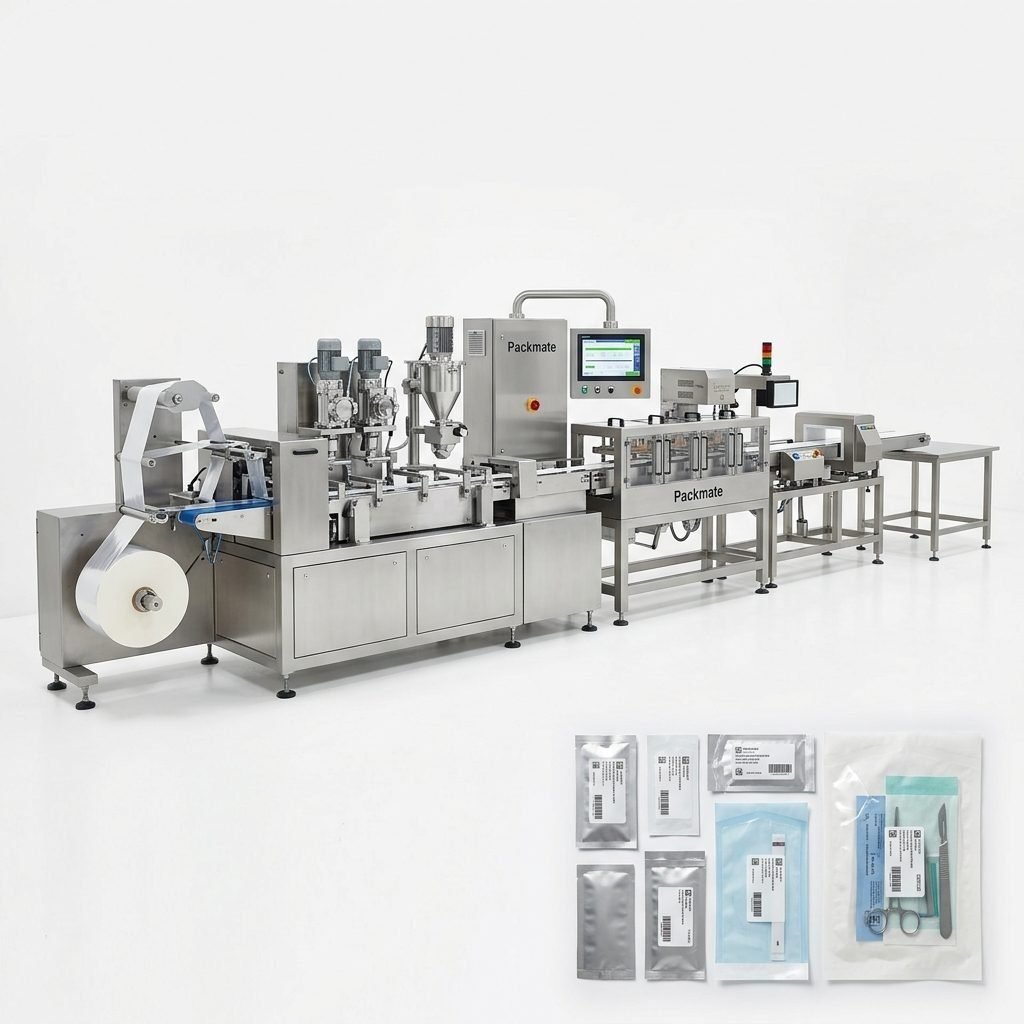
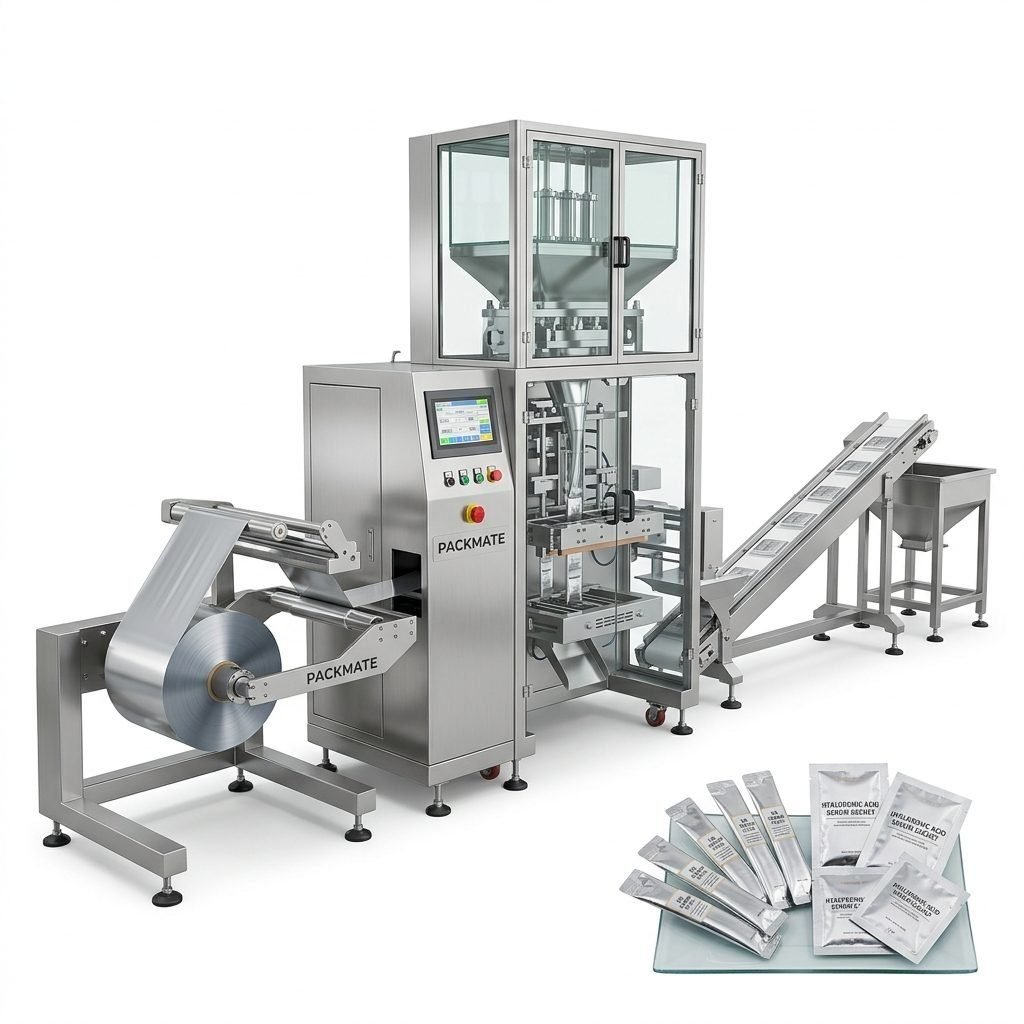
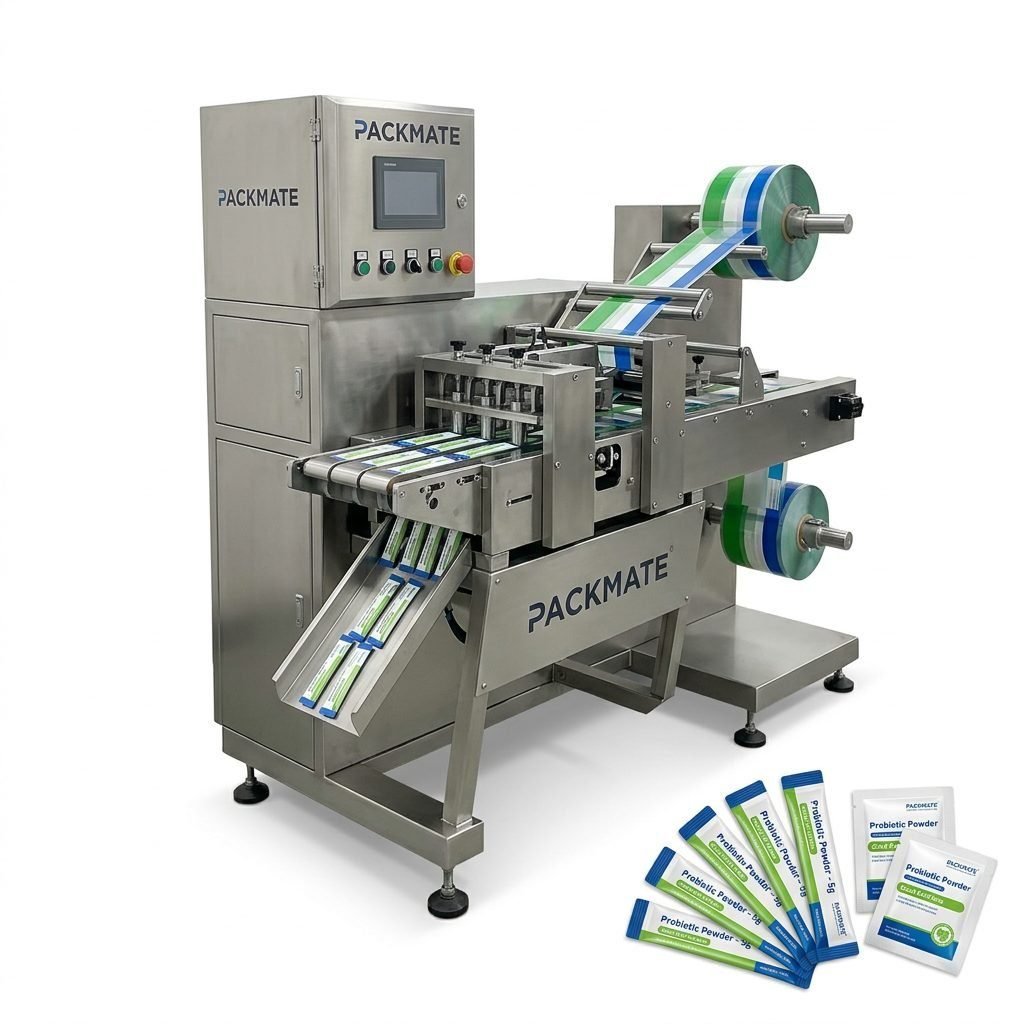
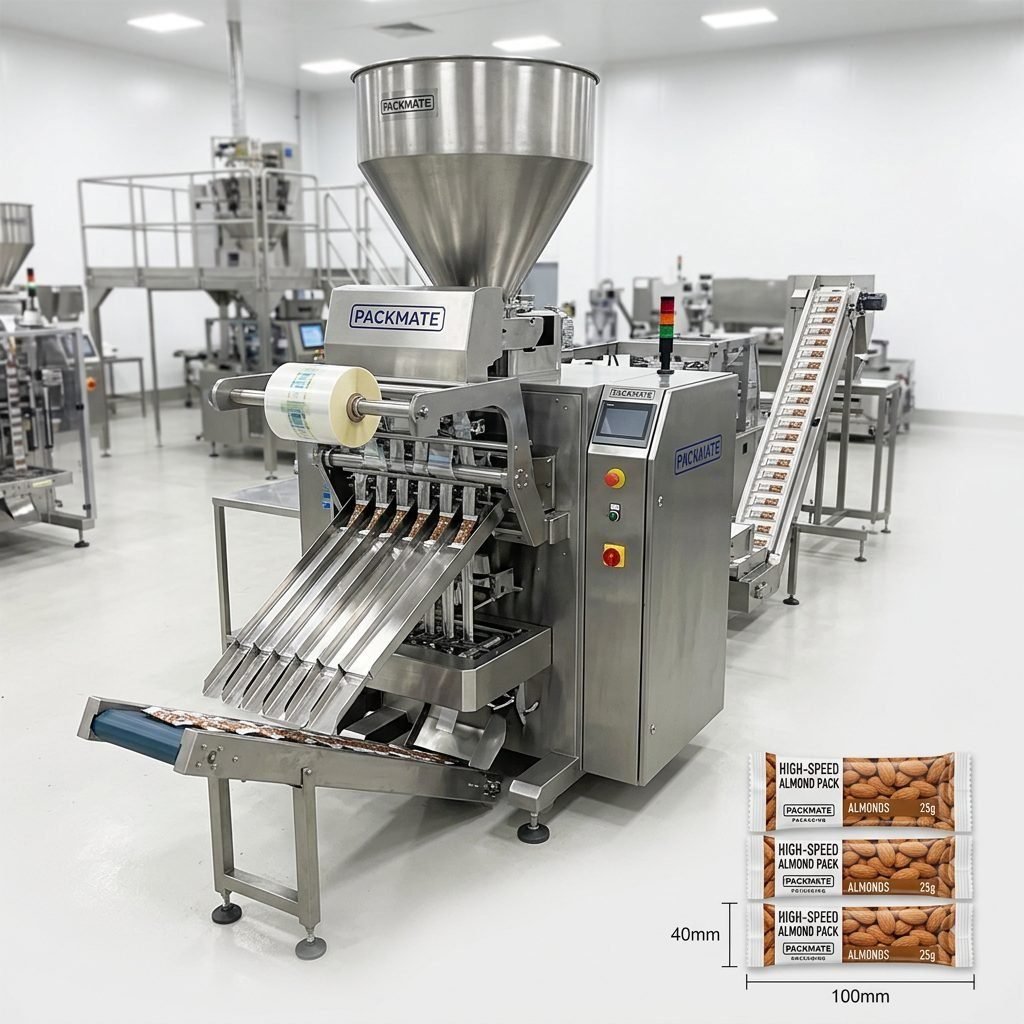
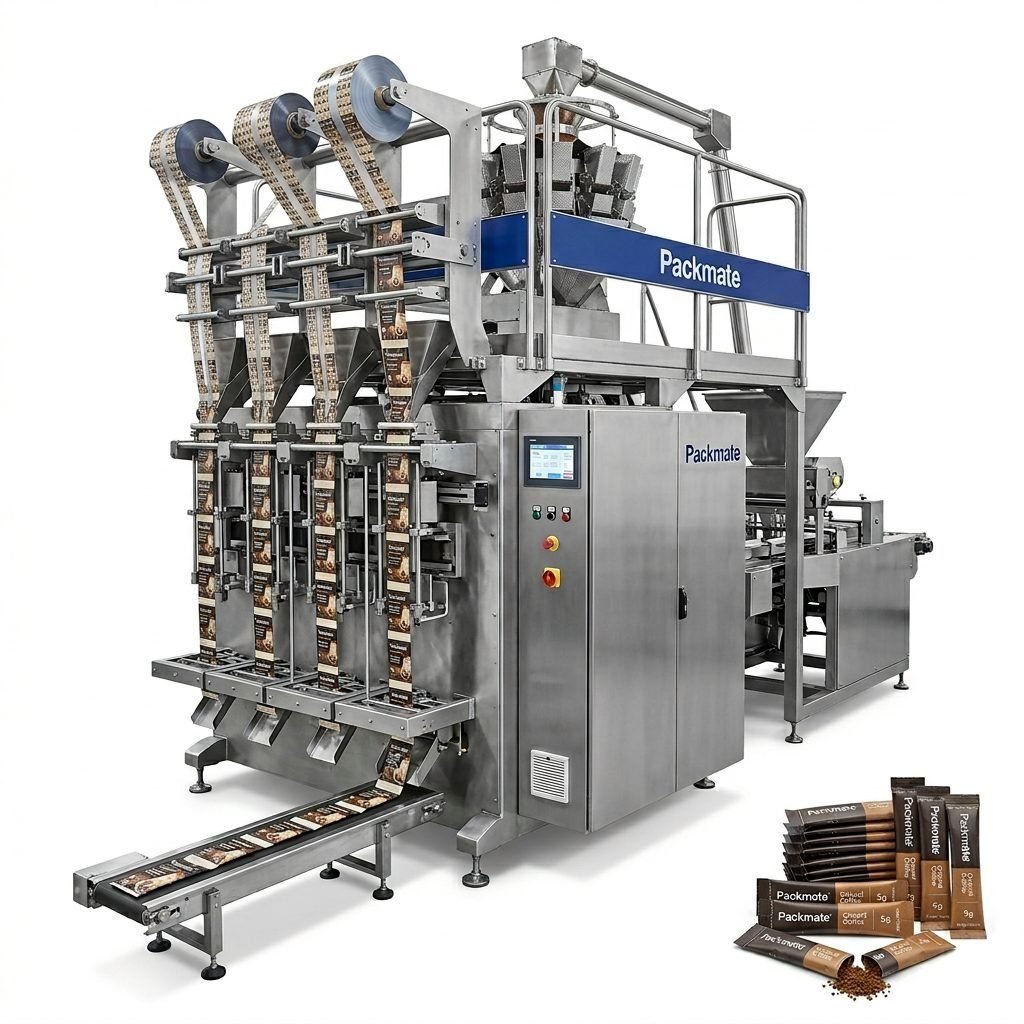
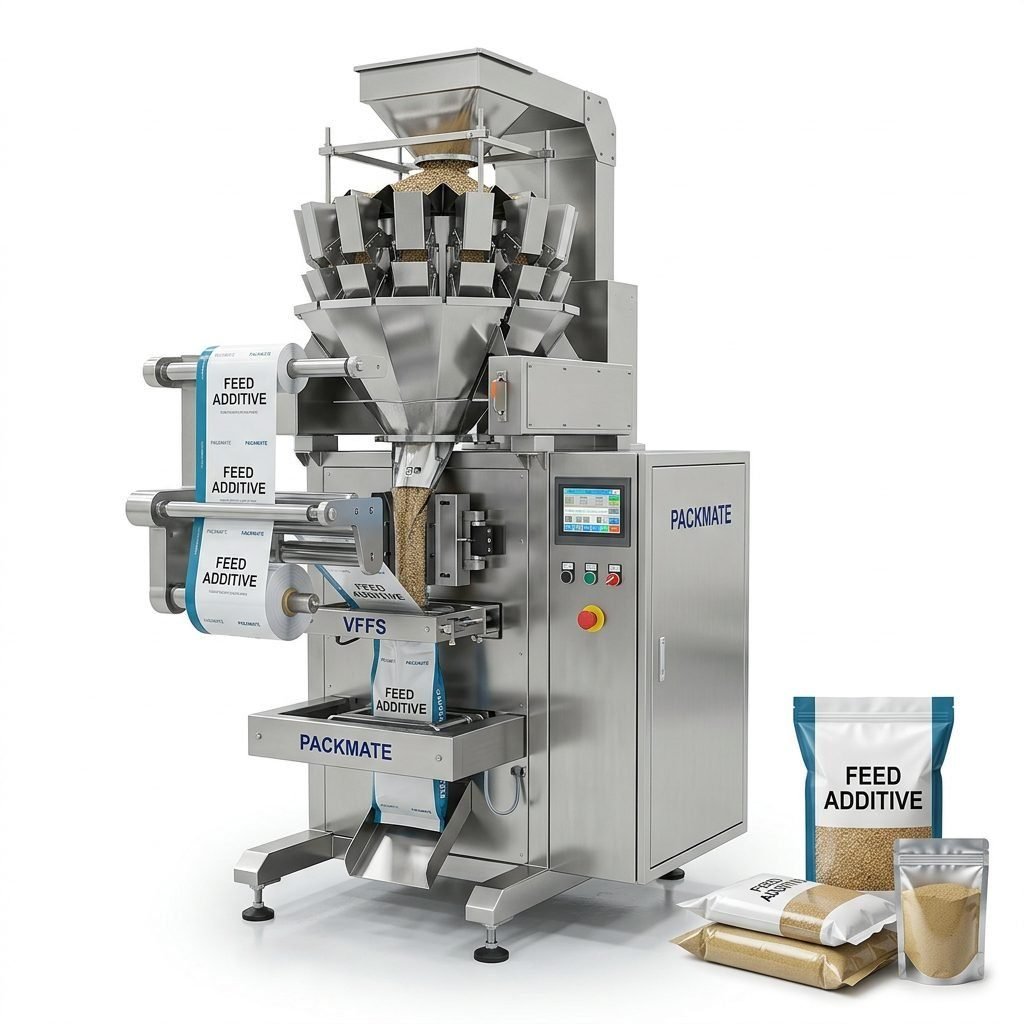
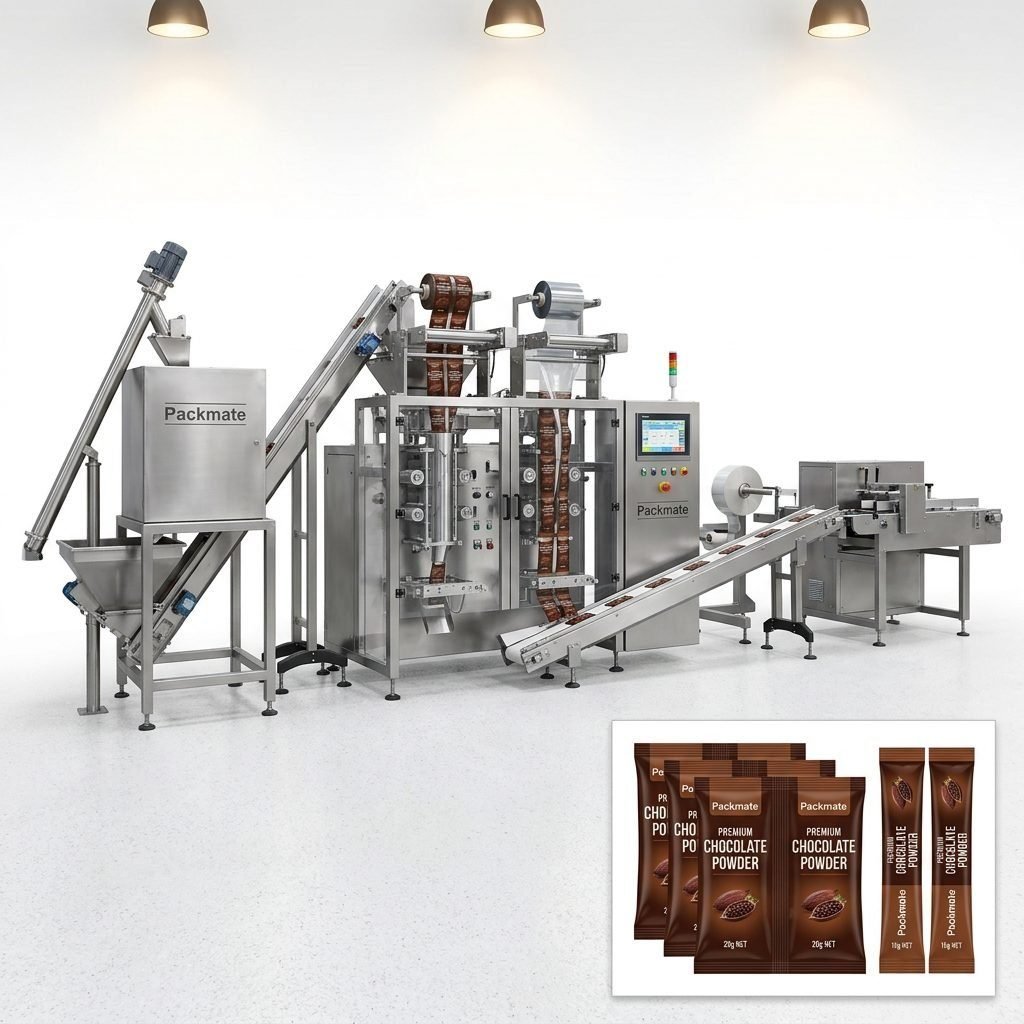
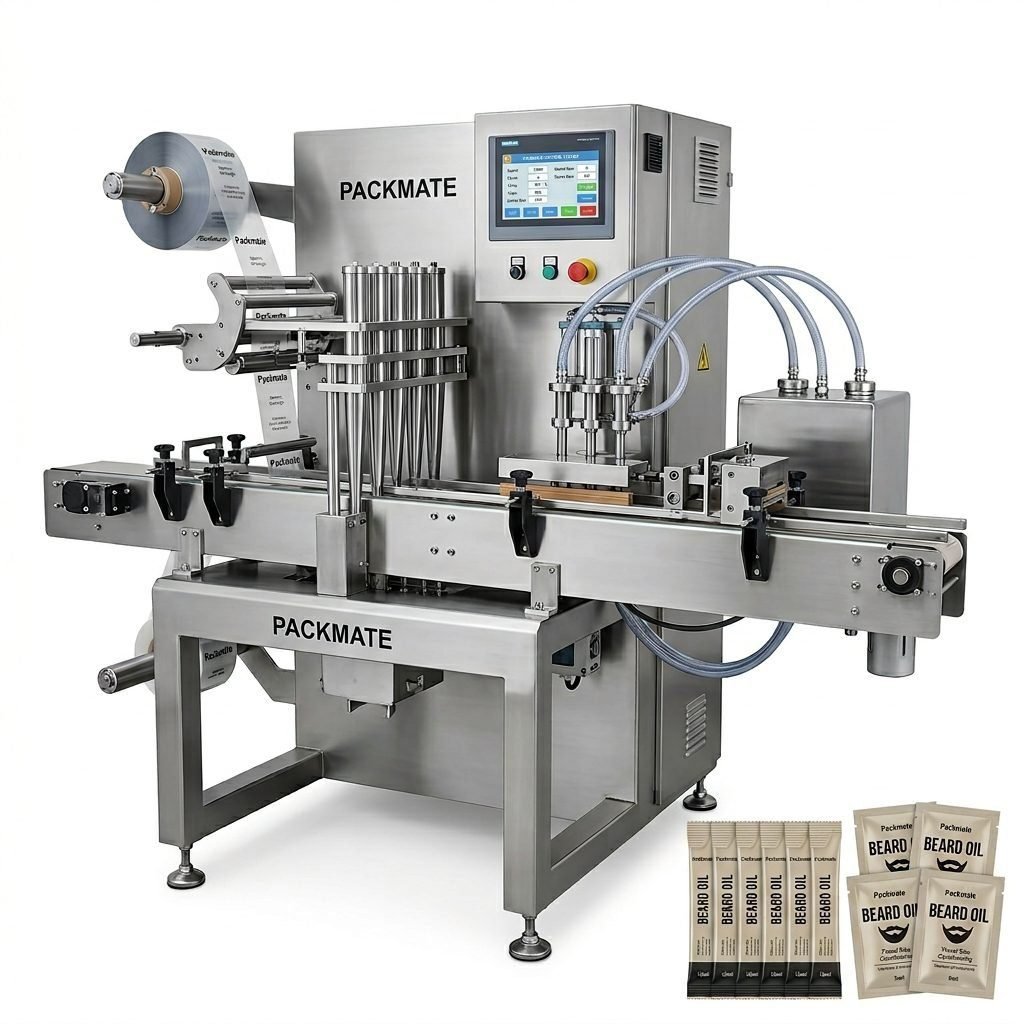
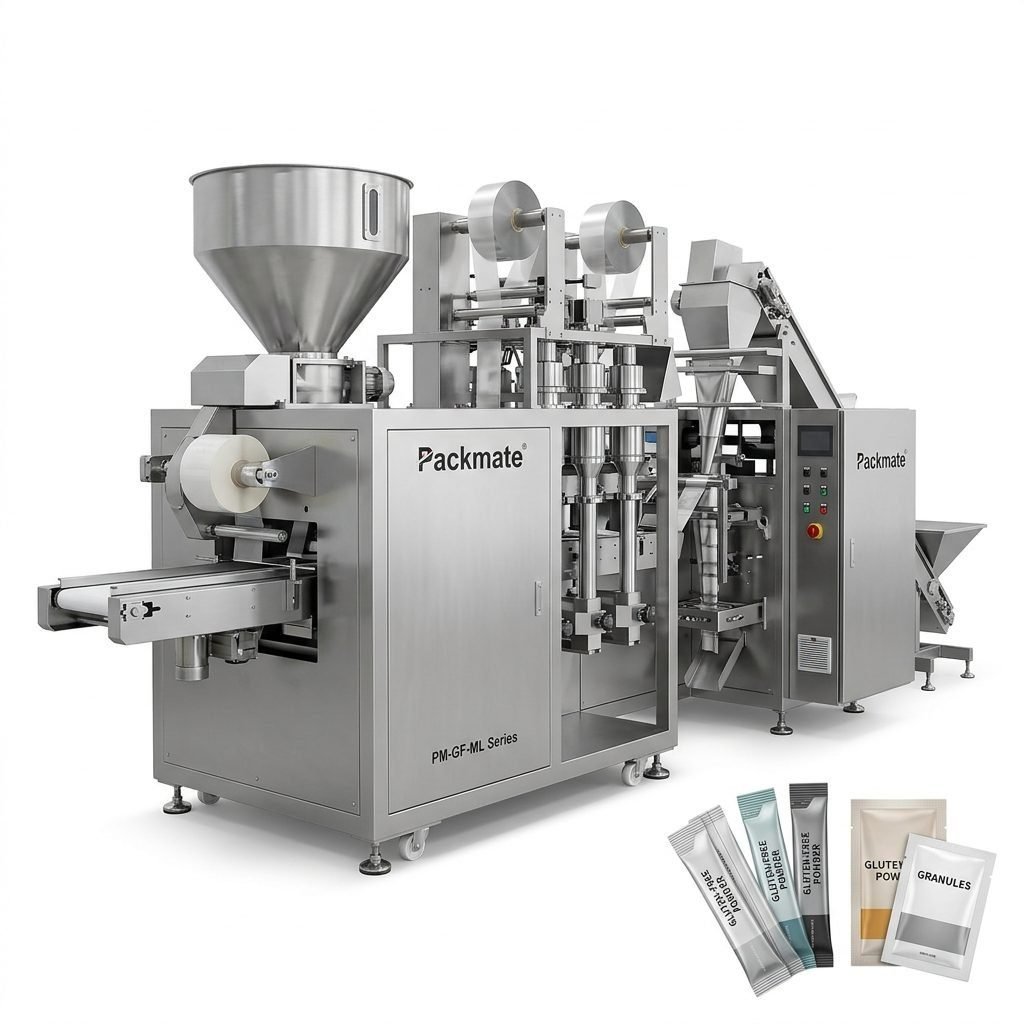
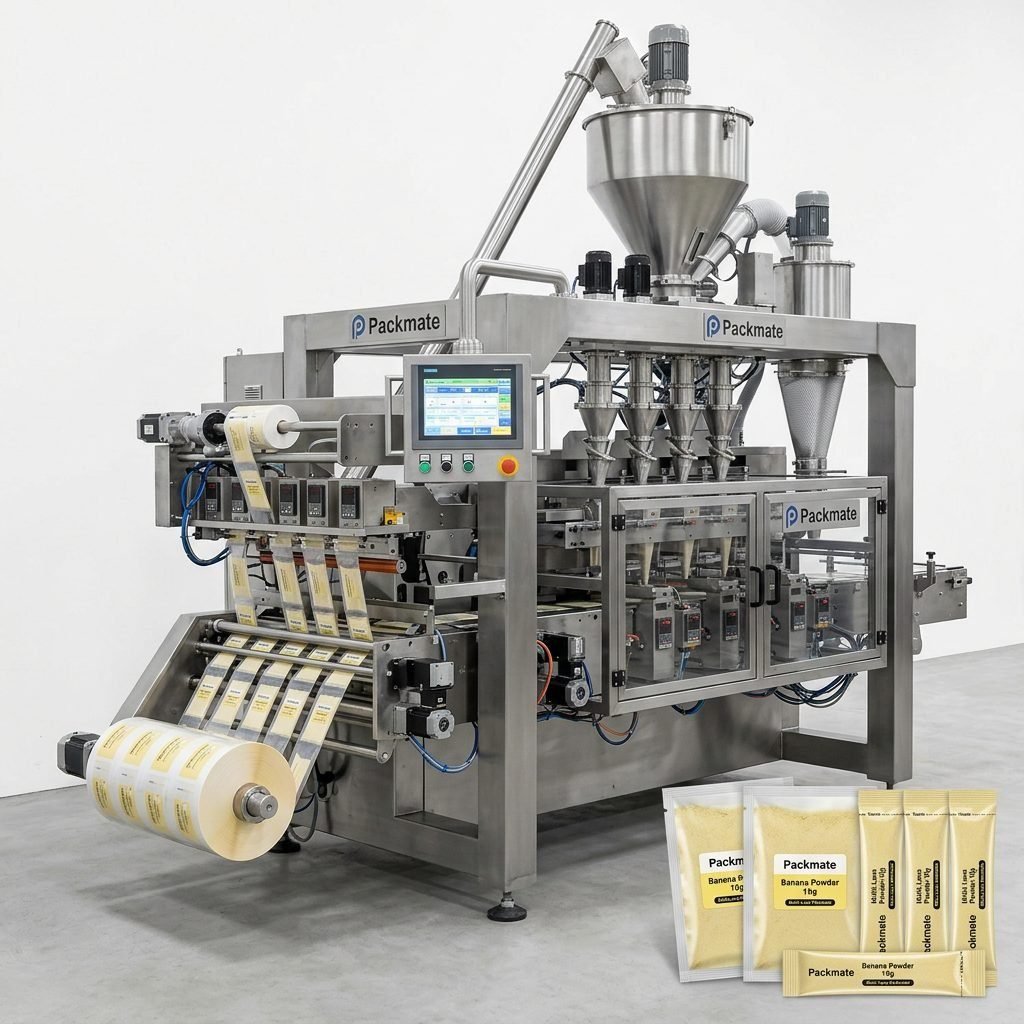
Horizontal form fill seal (HFFS) packaging machines represent a cornerstone technology in modern automated packaging lines. These versatile systems form, fill, and seal packages from a continuous roll of film in a horizontal orientation, making them ideal for a vast array of products including powders, granules, liquids, and solid items. This complete guide delves into the mechanics, applications, advantages, and selection criteria for these essential machines.
How Horizontal Form Fill Seal Machines Work
The operation of an HFFS machine is a marvel of precision engineering, typically following a continuous, synchronized process. First, a flat roll of packaging material—be it laminated film, foil, or paper—is fed into the machine. This film is then formed over a shaping collar or a series of forming plates to create a continuous vertical tube. The longitudinal seam is sealed, often via a heat seal or impulse seal mechanism, creating a sturdy back fin seal.
Crucially, the product is metered and filled into this newly formed tube at this stage. Filling can be achieved through volumetric cups, auger fillers for powders, liquid pumps, or weigh scales for high-accuracy applications. Following filling, the machine’s cross-sealing jaws close simultaneously. These jaws perform a dual function: they seal the top of the current package and the bottom of the next package in one motion, while also cutting the packages apart. The finished, individual pouches are then discharged onto a conveyor for collection or further downstream processing.
Core Components of an HFFS System
Understanding the key components helps in appreciating the machine’s reliability and complexity:
- Film Unwind System: Provides controlled, tensioned feeding of the packaging roll.
- Forming Collar & Guides: Precisely shape the flat film into a consistent tube.
- Longitudinal Sealer: Creates the continuous back seal of the pouch.
- Product Filling System: The heart of dosing accuracy, tailored to the product type.
- Cross Sealing & Cutting Jaws: High-precision, heated jaws that seal and separate pouches.
- Control System (PLC/HMI): The brain of the operation, allowing for parameter setting, monitoring, and diagnostics.
Primary Applications and Industries
The adaptability of horizontal form fill seal packaging machines makes them indispensable across numerous sectors. In the food industry, they are used for packaging snacks, coffee, spices, sugar, frozen fruits, and liquid condiments like sauces and dressings. The pharmaceutical and nutraceutical industries rely on them for packaging powders, effervescent tablets, and herbal supplements, often in environments requiring high hygiene standards. Furthermore, HFFS machines are widely used for hardware items, pet food, agricultural seeds, and chemical products like detergents or water-treatment powders.
For businesses looking to integrate such technology, exploring a range of filling & packaging lines can provide insights into complete, turnkey solutions that incorporate HFFS machines as a core component.
Advantages Over Other Packaging Methods
Choosing an HFFS system offers several compelling benefits for manufacturers seeking efficiency and quality.
- High Speed and Efficiency: Capable of producing hundreds of pouches per minute, significantly outpacing manual or semi-automatic methods.
- Material and Cost Savings: Using roll stock film is generally more economical than pre-made bags and reduces storage space.
- Exceptional Flexibility: Quick changeovers allow for different pouch sizes and materials, facilitating short production runs.
- Improved Product Freshness and Integrity: Creates a hermetic seal that protects against moisture, oxygen, and contaminants, extending shelf life.
- Reduced Labor Dependency: Full automation minimizes manual handling, lowering labor costs and improving consistency.
Key Considerations When Selecting a Machine
Selecting the right horizontal form fill seal machine is critical for operational success. Key factors include the physical and chemical characteristics of your product (e.g., flowability, abrasiveness), the required production speed (pouches per minute), and the desired pouch dimensions and seal integrity. The type of packaging material (e.g., PET/PE, metalized film, biodegradable films) must be compatible with the machine’s sealing technology. Equally important are hygiene requirements, especially for food or pharmaceutical use, which may necessitate stainless steel construction and easy-clean designs. Finally, consider the level of automation needed—from basic systems to fully integrated lines with weighing & packaging systems and robotic palletizers.
Innovation and Technological Integration
The evolution of HFFS packaging machines is driven by Industry 4.0 and smart manufacturing trends. Modern machines feature sophisticated servo-driven motion control for unparalleled accuracy and smoother operation, reducing mechanical wear. Advanced vision inspection systems can now check for seal integrity, print registration, and fill level in real-time, rejecting faulty pouches automatically. Furthermore, connectivity for data collection and analysis allows for predictive maintenance, overall equipment effectiveness (OEE) tracking, and seamless integration into factory-wide management systems.
Leading manufacturers, such as Packmate Machinery, leverage decades of expertise to build intelligent, reliable HFFS solutions. With a foundation of over 30 years in packaging automation, companies like Packmate understand that a machine is part of a broader production ecosystem. Their approach often involves providing complete turnkey solutions, ensuring that the HFFS machine works in perfect harmony with upstream and downstream equipment like auxiliary packaging equipment, for a seamless, high-output packaging line.
Maintenance and Operational Best Practices
To ensure longevity and consistent performance, a proactive maintenance regimen is essential. Daily tasks should include cleaning sealing jaws and forming areas to prevent material buildup, checking film guides for wear, and verifying seal quality. Regular lubrication of moving parts as per the manufacturer’s schedule is crucial. Operators should be thoroughly trained not only on running the machine but also on performing basic troubleshooting for common issues like wrinkling film, weak seals, or inaccurate filling, which can minimize downtime.
Frequently Asked Questions (FAQs)
What types of products are NOT suitable for HFFS packaging?
HFFS machines are less ideal for very large, heavy, or irregularly shaped rigid items. Products that are extremely hot, highly viscous beyond the capability of pump fillers, or require a completely sterile (aseptic) environment might be better served by alternative packaging technologies.
How difficult is it to changeover pouch sizes on an HFFS machine?
Modern servo-driven HFFS machines have significantly simplified changeovers. Many parameters are stored digitally in the PLC, and change parts (like forming collars and filling nozzles) are designed for quick swapping. A well-designed machine can often be changed over in 15-30 minutes, enhancing flexibility for multi-product facilities.
What is the typical lifespan of a horizontal form fill seal machine?
With proper maintenance and operation, a high-quality HFFS machine can have an operational lifespan of 15-20 years or more. Critical factors include the machine’s build quality, the aggressiveness of the product being packaged (e.g., abrasive powders), and the rigor of the maintenance schedule.
Can HFFS machines handle sustainable or biodegradable packaging films?
Yes, many contemporary HFFS machines can be configured to work with compostable or bio-based films. However, this often requires specific sealing jaw technologies (like impulse or ultrasonic sealers) that operate at lower temperatures or are better suited to the sealing characteristics of these specialized materials. Consultation with the machine supplier is vital.
What support should I expect from the machine manufacturer?
A reputable manufacturer should provide comprehensive support including detailed installation supervision, thorough operator and maintenance training, ready access to spare parts, and responsive technical service. Many, like Packmate, offer remote diagnostics and have a global service network to assist with troubleshooting and minimize production interruptions.