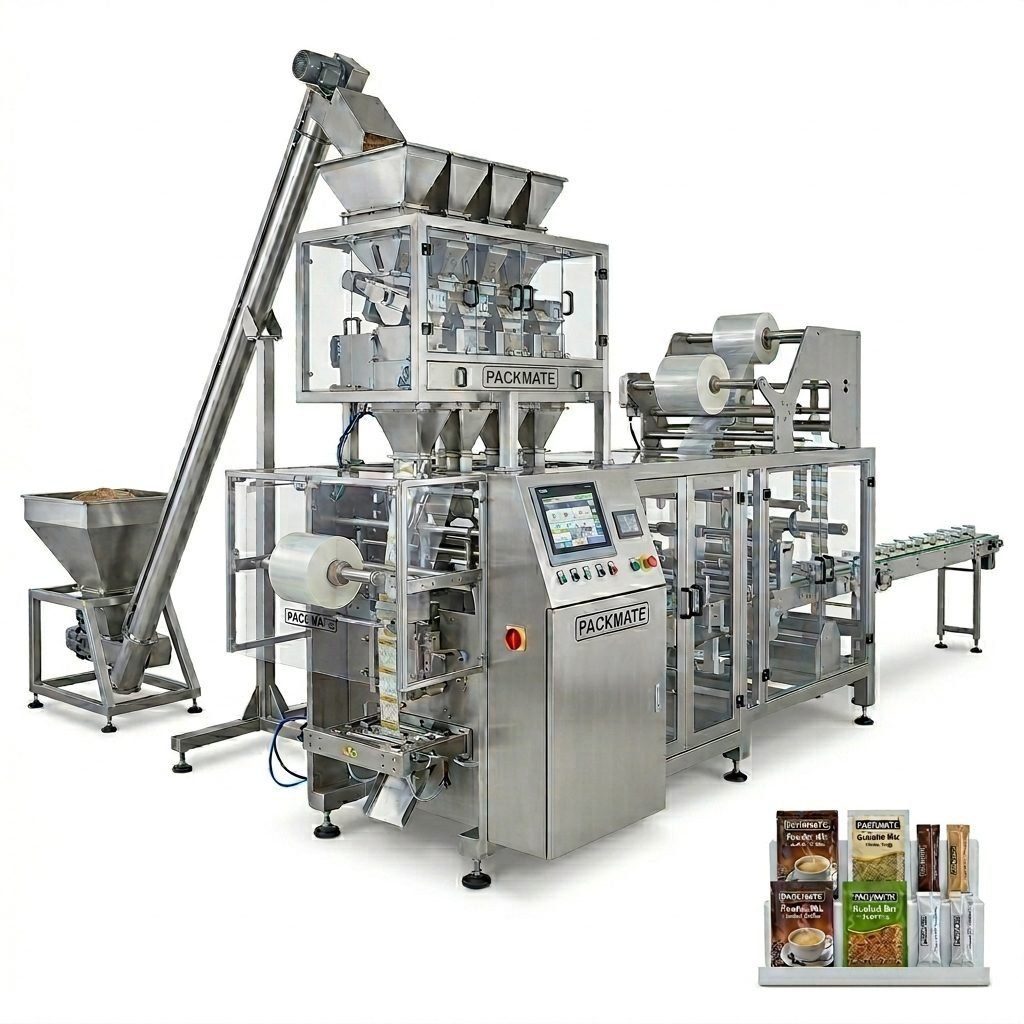
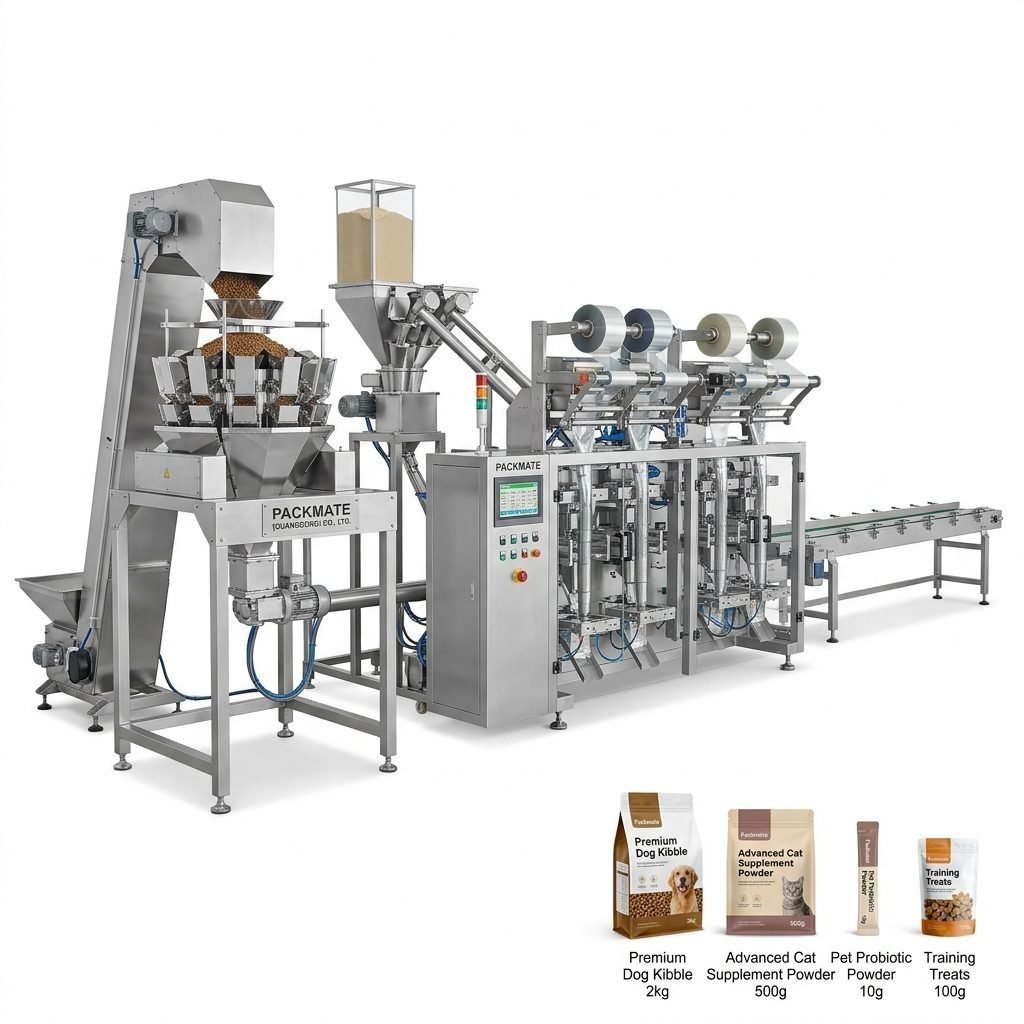
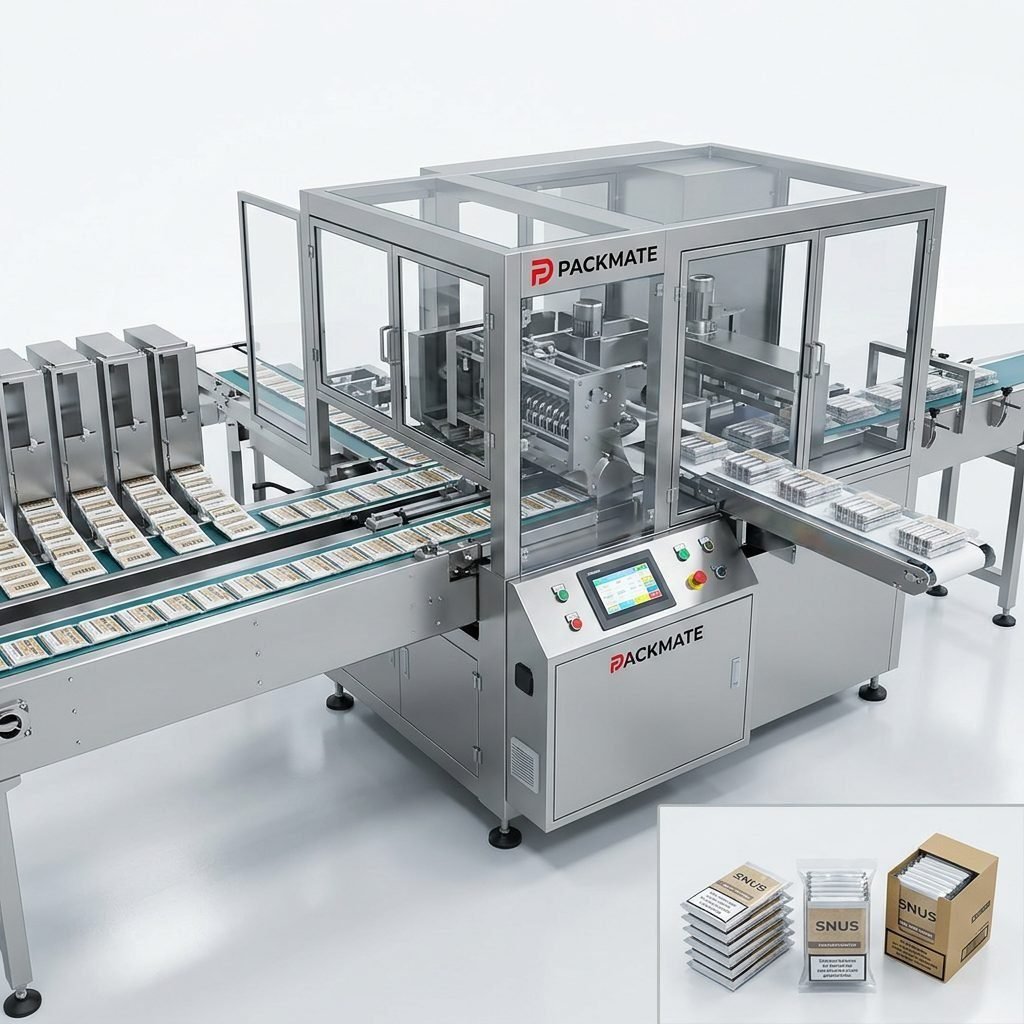
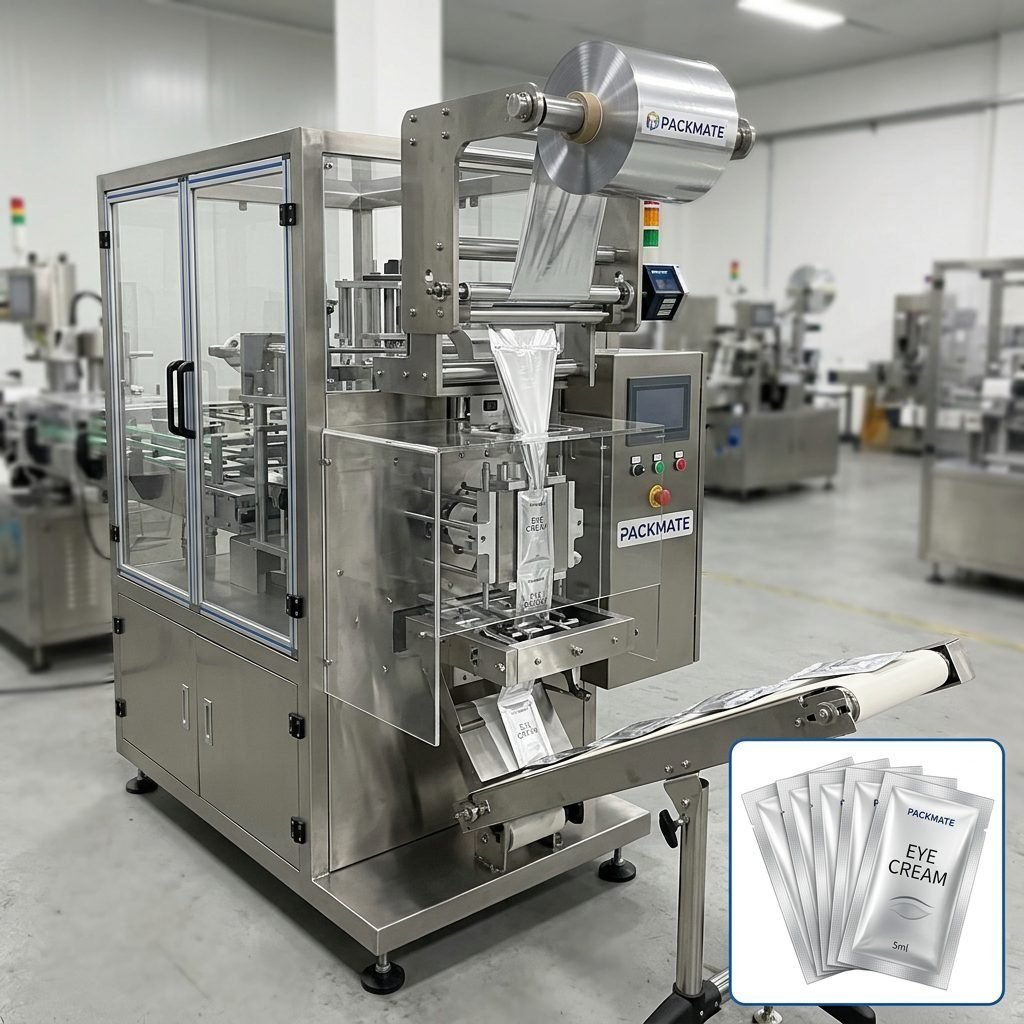
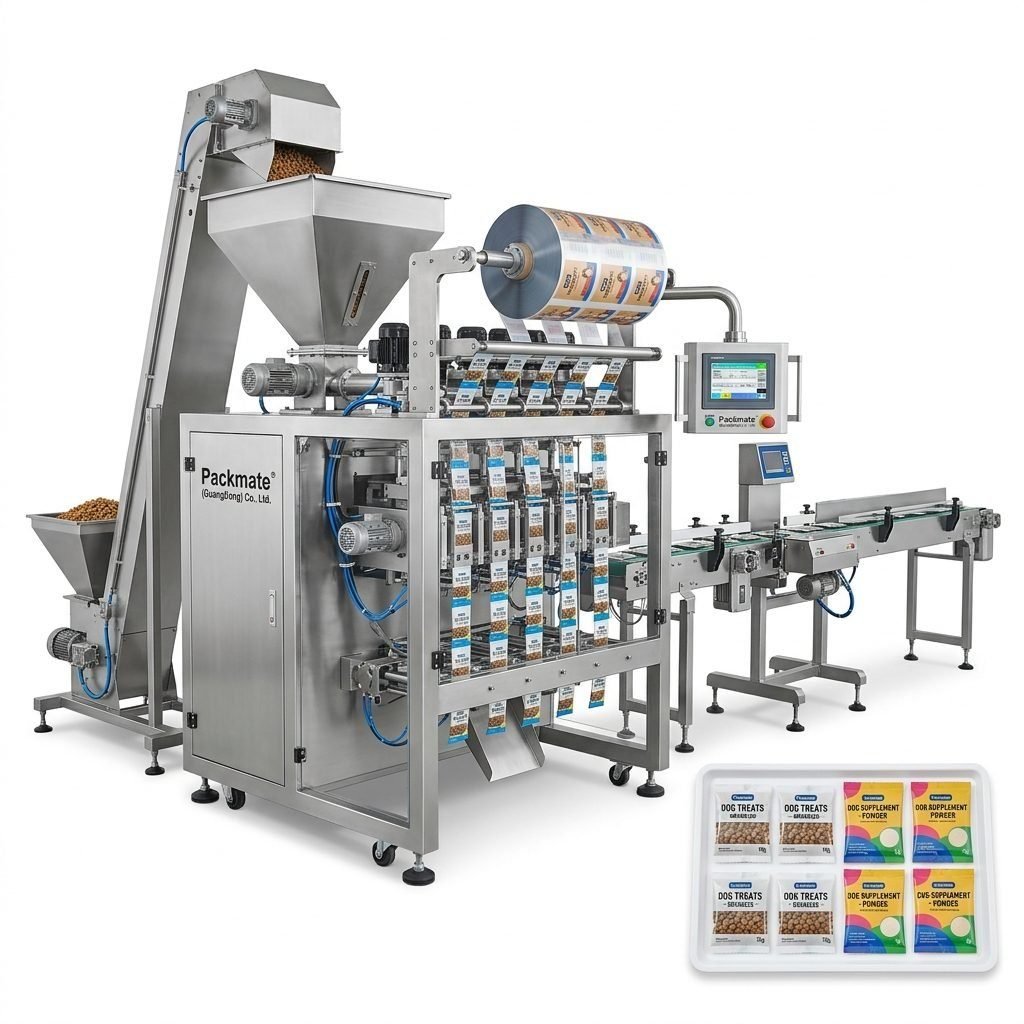
In the highly regulated tobacco industry, cigarette packaging machines play a pivotal role in ensuring product integrity, compliance, and brand presentation. These sophisticated systems are responsible for wrapping, sealing, and often cartoning individual cigarette packs at high speeds, meeting the stringent demands of global production lines. For manufacturers, selecting the right packaging machinery is not just an operational decision but a strategic investment that impacts efficiency, cost, and market adaptability.
Understanding Cigarette Packaging Machines
Cigarette packaging machines are specialized automation systems designed to handle the unique requirements of tobacco products. The primary function is to take loose cigarettes, arrange them into the familiar rectangular bundle (typically 20 sticks), wrap them in inner foil and an outer paper or film, apply the tear tape, and finally seal the pack. High-end models often integrate with cartoning systems to place the finished packs into cardboard boxes for retail sale.
The core process typically involves several key stages:
Feeding & Grouping: Cigarettes are fed from a hopper and precisely grouped into the required count.
Inner Lining: The group is wrapped in a metallic foil or paper inner liner to preserve freshness.
Outer Wrapping: The branded outer paper or plastic film is applied. This is where graphic registration and print quality are critical for brand consistency.
Sealing & Taping: The pack is sealed, and a tear tape is applied for easy consumer opening.
Optional Cartoning: The finished soft pack or hard box is then inserted into a cardboard carton, often with tax stamps or health warning labels applied.
Key Components and Technologies
Modern machines leverage advanced technologies for precision and reliability. Servo motors provide accurate motion control for gentle handling of the delicate products. Vision inspection systems check for missing cigarettes, improper seals, and misprinted graphics. Integrated PLCs (Programmable Logic Controllers) allow for flexible changeovers between different pack formats and brands, a crucial feature for manufacturers producing multiple product lines.
Types of Cigarette Packaging Machines
The market offers various machine types, categorized mainly by their output speed and the style of pack they produce.
By Pack Type
Soft Pack Machines: These produce the traditional soft, rectangular pack wrapped in paper. They are generally slightly less complex than hard pack machines.
Hard Pack (Hinge-Lid) Machines: These create the rigid cardboard boxes with a flip-top lid. The process involves forming the box from a flat blank, making it a more mechanically complex operation. For a diverse range of packaging solutions, including pouch systems, you can explore Bag & Pouch Packaging Machines.
Slide & Shell Pack Machines: Less common, these produce packs where the inner tray slides out of an outer sleeve.
By Speed and Automation Level
High-Speed Lines: These are fully integrated systems that can output over 400 packs per minute (PPM). They often combine wrapping, cartoning, and bundling into a single, continuous line with minimal manual intervention.
Mid-Range Machines: Offering speeds between 100-300 PPM, these are suitable for medium-scale production or as supplementary lines.
Low-Speed or Specialty Machines: Used for limited editions, pilot production, or markets with lower volume demands.
Critical Buying Considerations
Investing in a cigarette packaging machine requires careful evaluation of several factors beyond the initial purchase price.
1. Speed and Production Capacity
Match the machine’s output (Packs Per Minute) to your current and projected production needs. Consider not just peak speed but also sustainable operational speed and efficiency (OEE – Overall Equipment Effectiveness). An over-specified machine leads to higher capital and maintenance costs, while an under-specified one creates bottlenecks.
2. Flexibility and Changeover
Can the machine handle different pack sizes, materials (paper types, film), and brand designs? Quick changeover times are vital for manufacturers running multiple SKUs. Look for machines with servo-driven adjustments and recipe storage in the control system.
3. Compliance and Safety Features
The machine must be built to comply with local and international safety standards (e.g., CE, UL). It should have comprehensive safety guarding, emergency stops, and often, explosion-proof components due to the flammable nature of tobacco dust.
4. Integration Capabilities: Consider how the wrapper will integrate with your existing cigarette making machine, filter assembler, and downstream cartoning or case packing equipment. Seamless Filling & Packaging Lines integration is key to a smooth production flow.
5. Supplier Reputation and Support: This is perhaps the most crucial factor. Choose a manufacturer with a proven track record in the tobacco industry. Evaluate their after-sales service, availability of spare parts, technical support, and training offerings. A reliable partner ensures long-term machine uptime. Companies with deep expertise, like Packmate Machinery, bring decades of engineering experience to complex packaging challenges.
6. Total Cost of Ownership (TCO): Look beyond the purchase price. Calculate costs for energy consumption, required consumables (like sealing jaws), preventive maintenance, and expected downtime. A slightly more expensive but more reliable and efficient machine often has a lower TCO.
Maintenance and Operational Best Practices
To maximize the lifespan and productivity of your cigarette packaging machine, a disciplined maintenance regimen is non-negotiable.
Daily/Weekly Checks: Include cleaning of glue nozzles and sealing jaws, inspection of tear tape applicators, and checking for wear on feed chains and grippers. Lubrication of moving parts as per the manufacturer’s schedule is essential.
Preventive Maintenance (PM): Schedule regular PM sessions conducted by trained technicians. This involves deeper inspections, calibration of sensors and drives, and replacement of wear-prone components before they fail.
Operator Training: Well-trained operators who understand the machine’s mechanics and control system can perform minor adjustments, identify early signs of trouble, and ensure safe operation, drastically reducing unplanned stoppages. Comprehensive resources and guides can often be found on a supplier’s Home page or service portal.
Common Operational Challenge: Misaligned graphics on the outer wrapper. This is typically resolved by checking and adjusting the registration control system and ensuring the web of packaging material is feeding without tension variations.
Future Trends in Cigarette Packaging
The industry is evolving, driven by regulation, sustainability, and smart technology.
Plain Packaging Compliance: Many countries mandate standardized, often drab-colored packs with large health warnings. Machines must reliably handle these specific materials and print registration requirements for the mandated text and images.
Track-and-Trace Integration: To combat illicit trade, machines are increasingly being equipped to apply unique codes (like Data Matrix codes) to each pack, integrating with government traceability systems.
Material Innovation: There is a push towards more sustainable or biodegradable packaging films and papers, though these often present new challenges for sealing and machinability that equipment must adapt to.
Industry 4.0 and IoT: Modern machines are becoming nodes on the factory network, providing real-time data on production counts, efficiency, maintenance alerts, and energy use for predictive analytics and optimized plant management.
Frequently Asked Questions (FAQs)
Q1: What is the typical lifespan of a cigarette packaging machine?
A: With proper maintenance and occasional upgrades, a high-quality machine from a reputable manufacturer can remain in productive service for 15 to 25 years or more. The key factors are build quality, maintenance discipline, and the ability to adapt to new packaging regulations.
Q2: How important is after-sales service when choosing a supplier?
A: It is critically important. Given the complexity and continuous operation of these machines, access to prompt technical support, genuine spare parts, and field service engineers is essential for minimizing costly downtime. Always prioritize suppliers with a strong, proven global service network.
Q3: Can one machine handle both soft packs and hard boxes?
A: Generally, no. The mechanisms for forming a hard box from a blank and wrapping a soft pack are fundamentally different. Some manufacturers offer “combi-lines” where a base platform can be reconfigured, but a complete changeover is a major undertaking. Most factories dedicate separate lines for each pack type.
Q4: How do we ensure the machine complies with our country’s specific health warning label regulations?
A> You must provide the machine supplier with the exact specifications of the mandated label (size, position, required registration accuracy). They will configure the machine’s labeling or printing subsystem accordingly. Reputable suppliers have experience adapting machines for various global markets.
Q5: What are the main causes of downtime on these machines?
A: The most common causes include jams due to misfed packaging material, glue system blockages, wear on mechanical feed parts, and misalignment of vision inspection systems. A robust preventive maintenance program is the best defense against these issues.