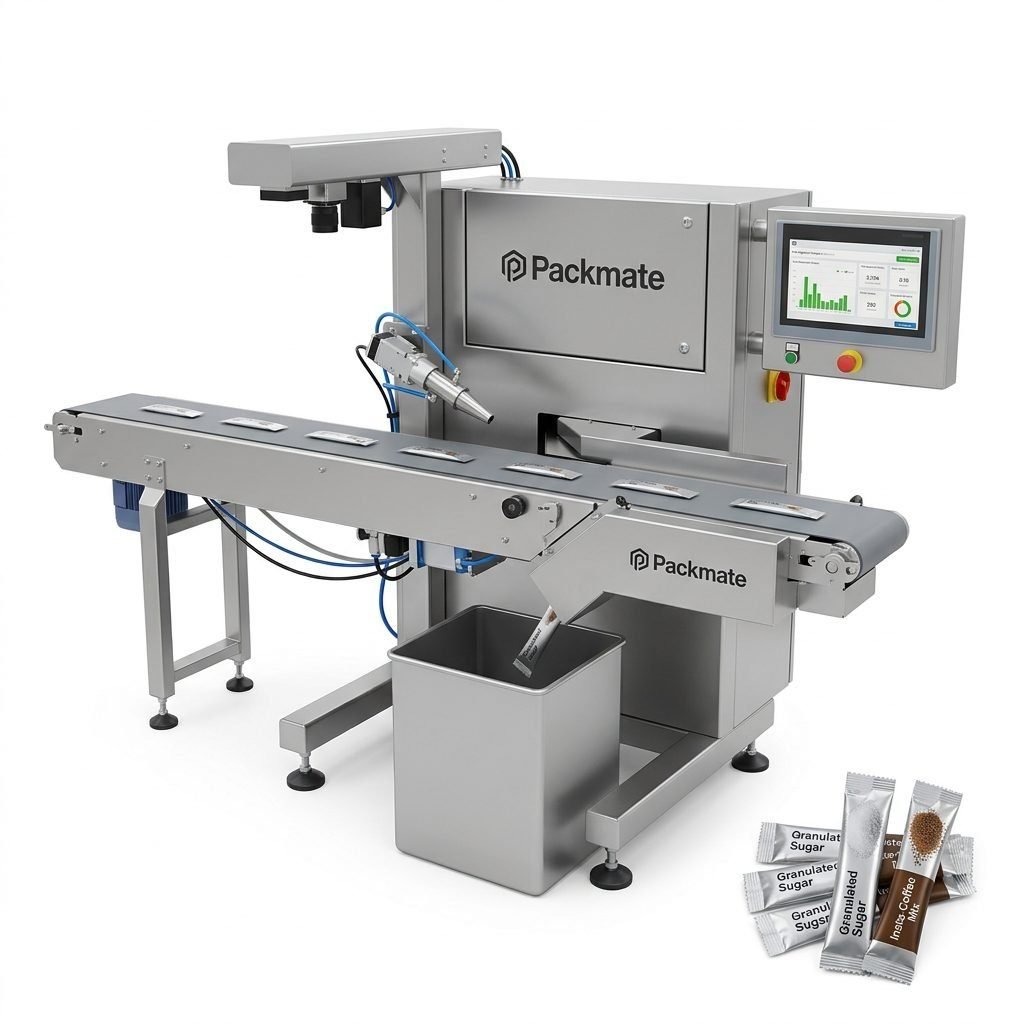
In today’s fast-paced beverage industry, efficiency, hygiene, and product appeal are paramount. Selecting the right packaging equipment is not just a matter of operational necessity; it’s a strategic decision that impacts brand perception, market reach, and the bottom line. From carbonated drinks and juices to dairy products and functional health beverages, the demand for reliable, high-speed, and versatile packaging solutions is universal. This guide explores the top beverage packaging equipment solutions designed to meet diverse industry needs, ensuring your products are sealed, preserved, and presented perfectly for the global market.
Understanding Core Beverage Packaging Requirements
Before diving into specific machinery, it’s crucial to understand the fundamental requirements that drive equipment selection. Beverage packaging must ensure product integrity, preventing contamination and preserving taste and nutritional value. Speed and throughput are critical for meeting high-volume demands, especially for large-scale producers. Furthermore, flexibility to handle different packaging formats—such as sachets for condiments, stick packs for powdered mixes, or pouches for liquid concentrates—allows brands to diversify their product lines without significant reinvestment. Finally, sustainability considerations are increasingly shaping choices, pushing for equipment that supports recyclable or biodegradable materials.
Key Technologies Shaping Modern Packaging Lines
The evolution from manual filling to fully automated, intelligent lines has revolutionized beverage packaging. Modern solutions integrate several key technologies. Precision weighing and volumetric filling systems guarantee consistent fill levels, crucial for both cost control and regulatory compliance. Advanced sealing technologies, including ultrasonic and hot-bar sealing, create strong, tamper-evident, and leak-proof closures. Integrated weighing & packaging systems ensure accuracy for powdered ingredients like coffee, tea, or protein shakes. Furthermore, the rise of IoT and smart sensors allows for real-time monitoring of machine performance, predictive maintenance, and data collection for optimizing the entire production workflow.
Top Equipment Solutions for Different Beverage Segments
The “one-size-fits-all” approach doesn’t work in beverage packaging. Different product states require specialized machinery.
1. For Liquid Concentrates & Dairy: Advanced Filling & Sealing Lines
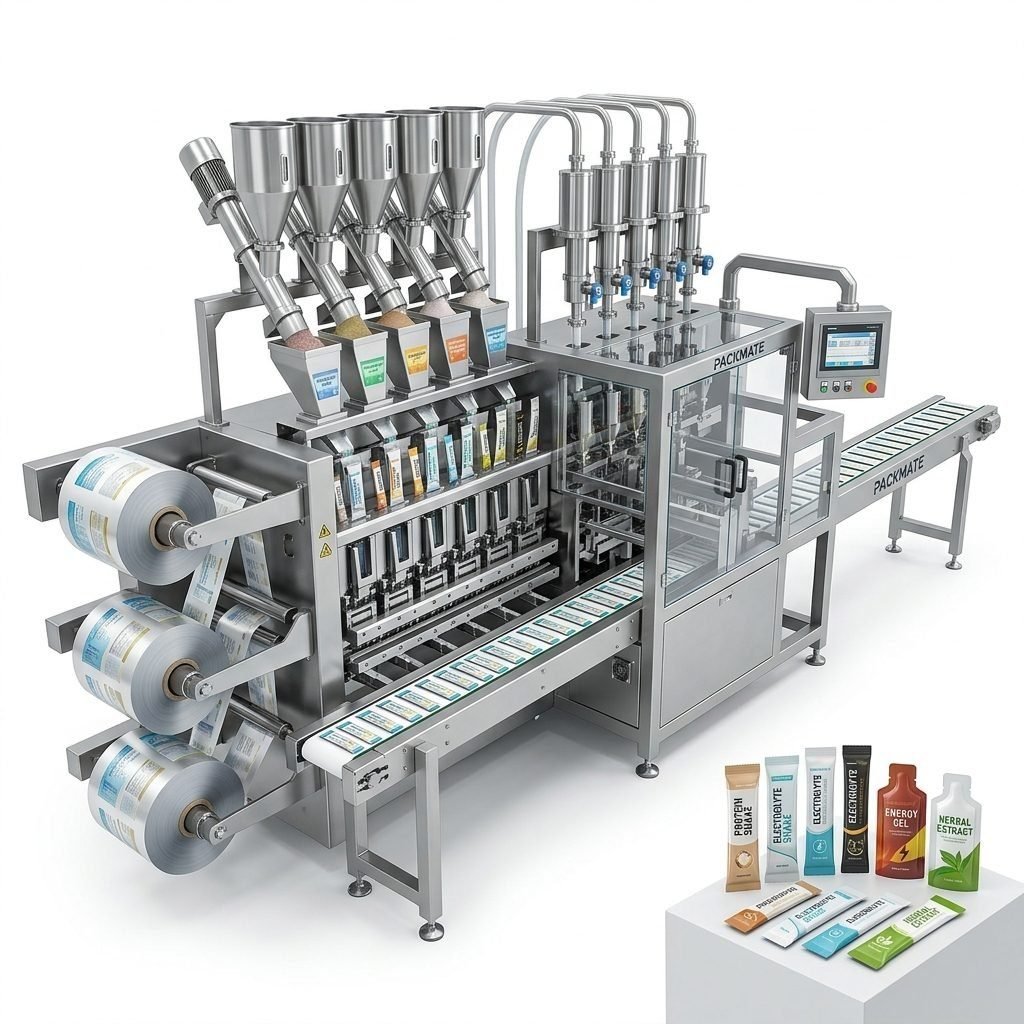
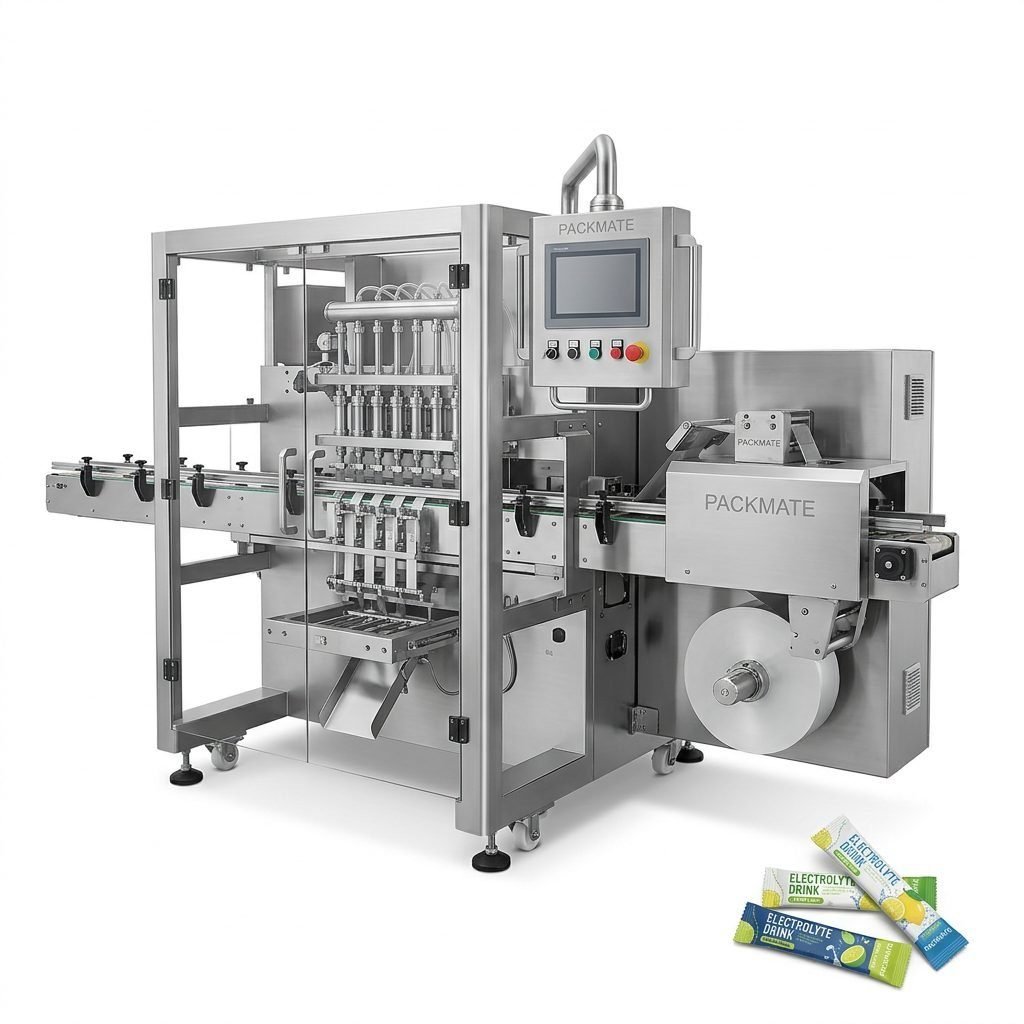
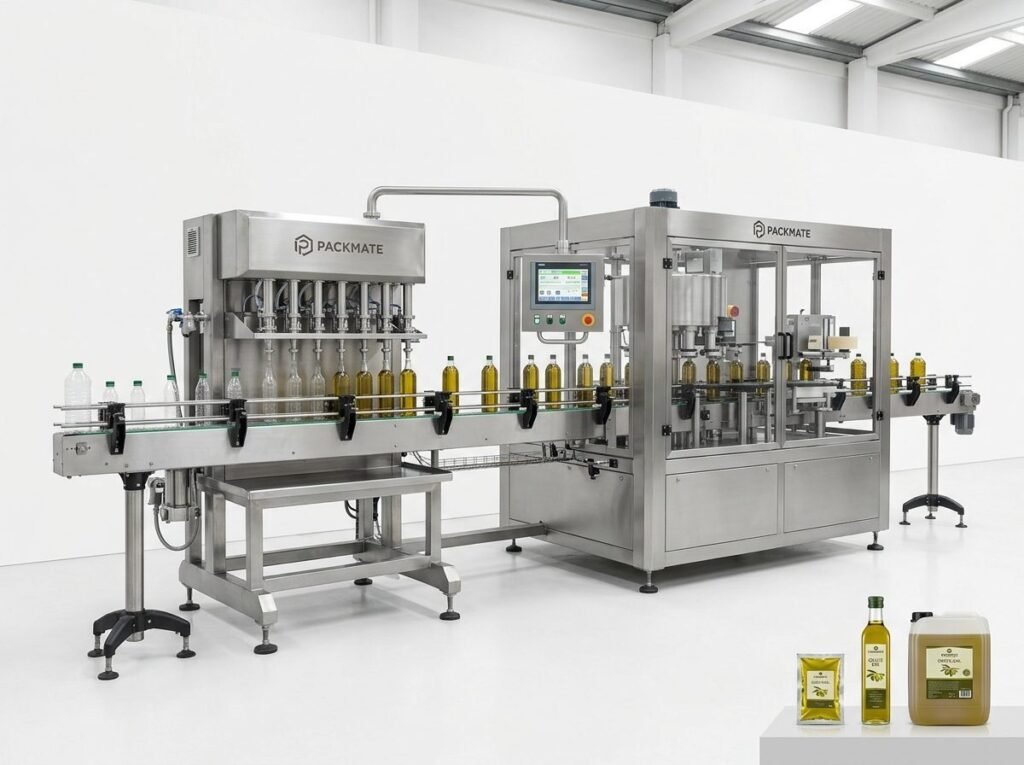
Liquid beverages, including syrups, dairy creamers, and liquid nutritional supplements, demand high hygiene standards and excellent seal integrity. Rotary liquid filling machines paired with automatic pouch form-fill-seal (FFS) units are ideal. These filling & packaging lines can handle a range of viscosities and incorporate features like nitrogen flushing to extend shelf life by displacing oxygen. Look for systems with CIP (Clean-in-Place) capabilities to minimize downtime between production runs of different products.
2. For Powdered Drinks & Mixes: Multi-Lane Stick Pack Machines
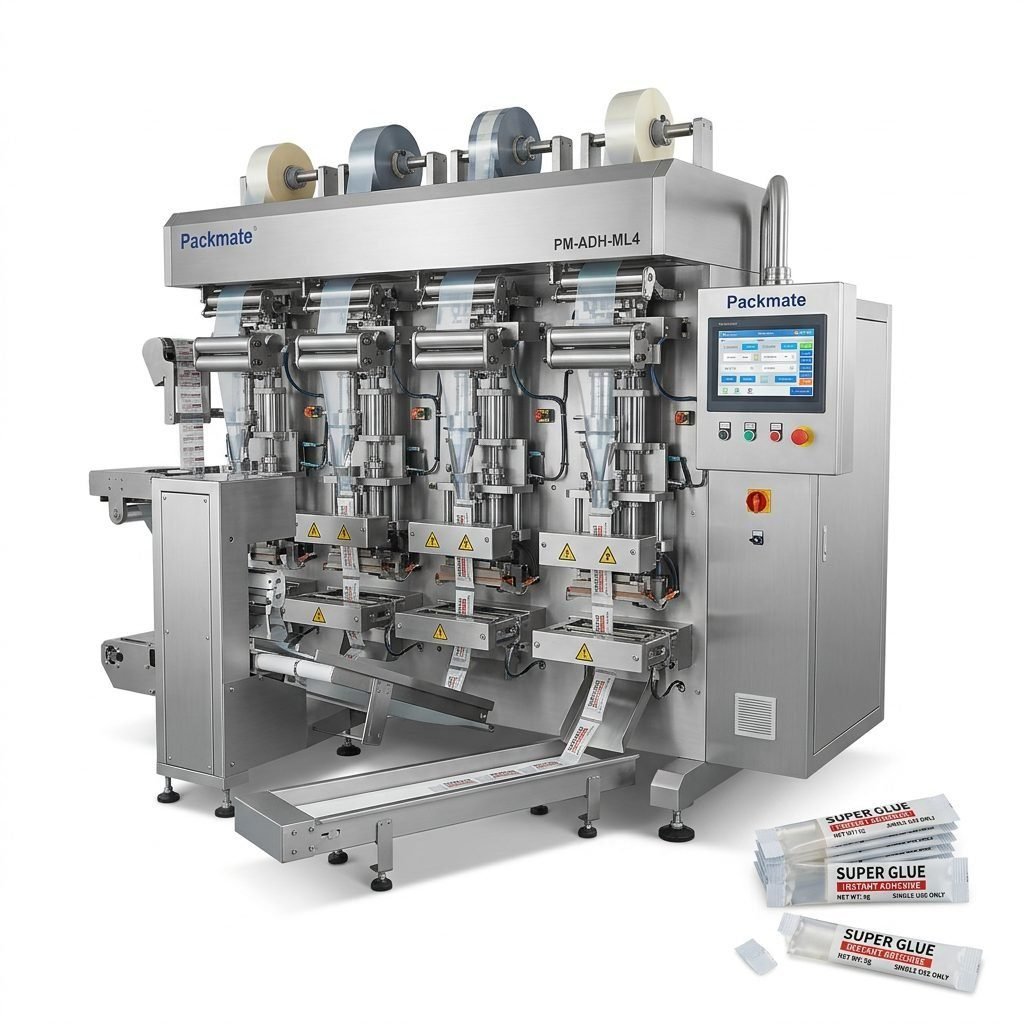
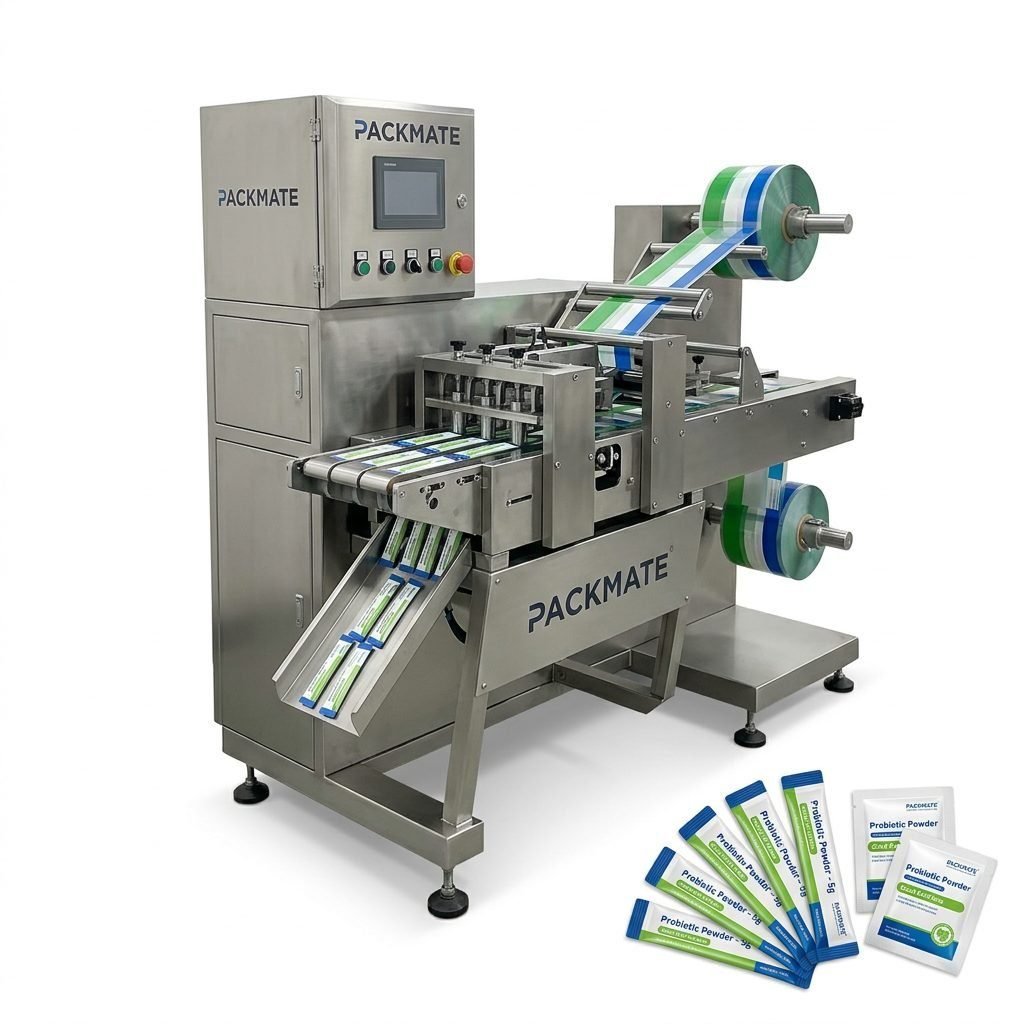
Single-serve powdered beverages—coffee, energy drinks, infant formula—are predominantly packaged in stick packs. Multi-lane stick pack machines represent the pinnacle of efficiency for this format. A single machine with 10, 12, or even 16 lanes can produce hundreds of stick packs per minute. These machines precisely dose powder, form the packaging material from a roll, seal it securely, and often include auxiliary packaging equipment like automatic cartoners for secondary packaging. Their speed and accuracy make them indispensable for high-volume production.
3. For Portion-Control Condiments & Toppings: High-Speed Sachet Machines
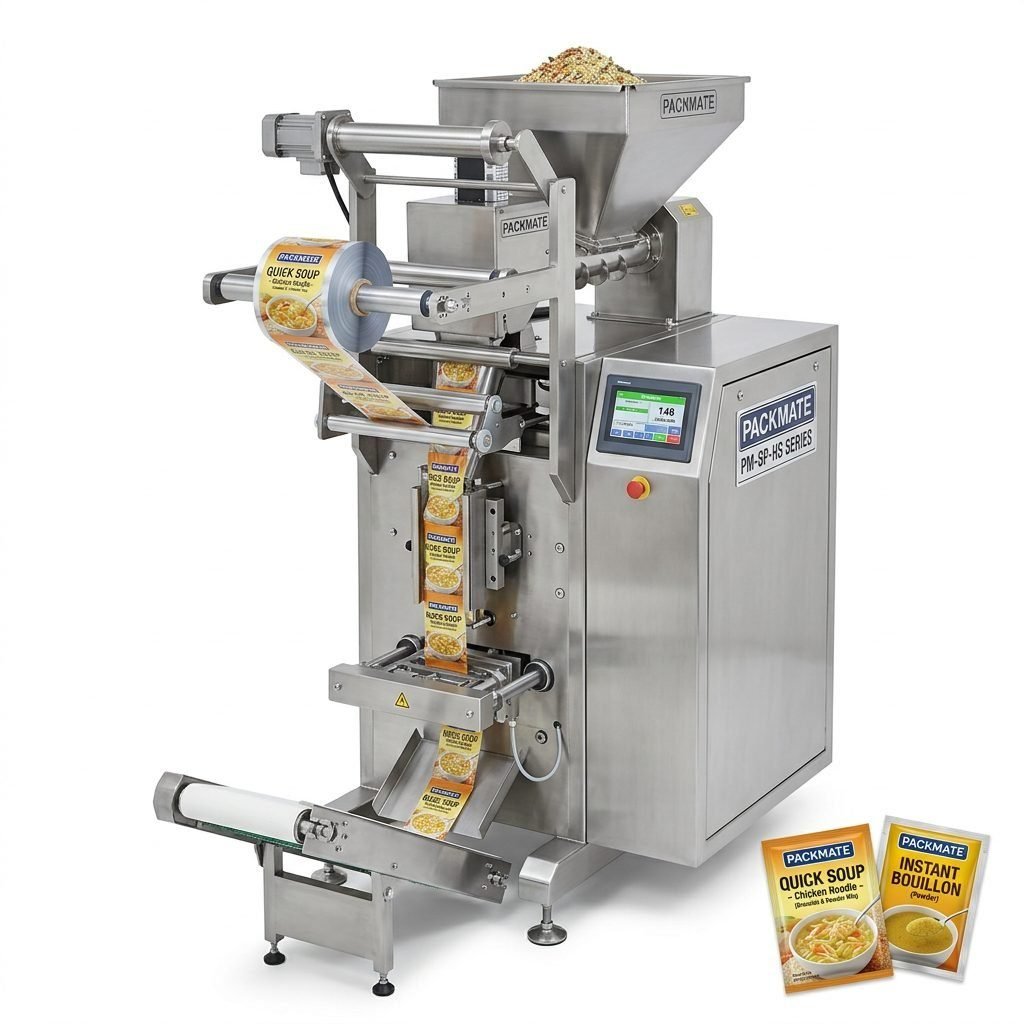
The foodservice industry relies heavily on portion-controlled packaging for beverage accompaniments like sugar, non-dairy creamer, cocoa, and sauce toppings. High-speed vertical sachet packaging machines are designed for this exact purpose. They excel at handling granular and fine powder products, offering fast changeover times for different sachet sizes. Reliability is key here, as downtime directly impacts supply chains for restaurants, cafes, and airlines. Modern sachet machines offer robust construction and user-friendly interfaces for quick adjustments.
4. For Premium & Diverse Formats: Versatile Bag & Pouch Machines
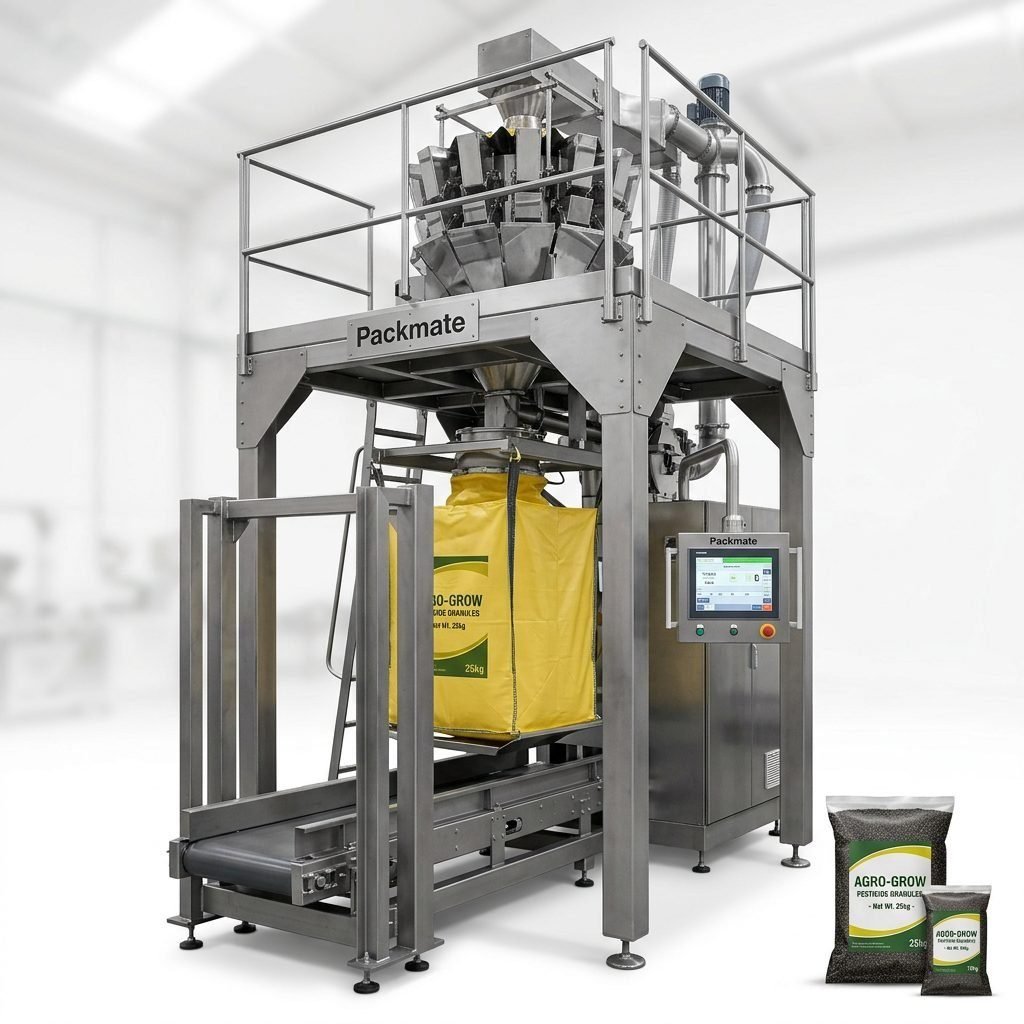
The market for stand-up pouches, flat bottom bags, and other custom-shaped packaging is growing for premium beverages, cocktail mixes, and larger-volume products. Versatile bag & pouch packaging machines provide this flexibility. These systems can often handle a wider variety of packaging materials, including multi-layer laminates that offer superior barrier properties against moisture and light. They are perfect for brands looking to enhance shelf presence with unique, consumer-friendly packaging that features re-sealable zippers or spouts.
The Importance of a Trusted Manufacturing Partner
Investing in packaging equipment is a long-term commitment. Partnering with a manufacturer that offers comprehensive support is as important as the machinery itself. A partner like Packmate Machinery brings over 30 years of expertise to the table. With a modern 20,000㎡ facility and a commitment to innovation, they develop reliable solutions tailored for granules, powders, and liquids. Their journey, from a small workshop in 1993 to a leading manufacturer today, underscores a dedication to solving real-world packaging challenges. Choosing a partner with a strong company profile and global service network ensures you receive not just a machine, but a complete, dependable packaging solution backed by technical expertise and a commitment to your success.
Future Trends: Smart and Sustainable Packaging
The future of beverage packaging equipment is intertwined with digitalization and environmental responsibility. Smart machines with self-diagnostic capabilities and connectivity to factory management systems will become standard, minimizing unplanned stops. On the sustainability front, equipment must adapt to handle new, thinner, and more eco-friendly mono-material films that are easier to recycle. There is also a growing need for machinery that can efficiently manage post-consumer recycled (PCR) content in packaging materials without compromising seal strength or machine speed. Staying ahead means selecting equipment providers who are actively researching and developing solutions for these emerging trends.
In conclusion, navigating the landscape of beverage packaging equipment requires a clear understanding of your product’s specific needs, desired output, and future goals. From high-speed stick pack machines for powders to versatile pouch fillers for liquids, the right technology exists to optimize your line. The ultimate goal is to achieve a seamless, efficient, and adaptable packaging process that protects your product, delights your customers, and drives your brand forward in a competitive marketplace. Partnering with an experienced and innovative manufacturer is the first step toward building that capability.
Frequently Asked Questions (FAQ)
Q1: What factors should I consider when choosing between a stick pack machine and a sachet machine?
A: The primary factors are product format and required speed. Stick pack machines are optimized for long, narrow packs ideal for powder mixing directly in a glass. They are typically configured for very high-speed, multi-lane production. Sachet machines produce smaller, rectangular packets and offer greater flexibility in size range for portion-controlled items like sugar or creamer. Your product type, target market usage, and production volume will guide this choice.
Q2: How can I ensure my packaging line is hygienic for food and beverage products?
A: Look for equipment designed with food safety in mind. Key features include stainless steel contact surfaces (often grade 304 or 316), smooth, crevice-free designs that are easy to clean, and optionally, Clean-in-Place (CIP) systems. Machines should comply with relevant food safety standards. Regular maintenance and proper sanitation protocols are also essential, which a good equipment supplier will help you establish.
Q3: Can one packaging machine handle different types of beverages or packaging materials?
A> Many modern machines offer a high degree of flexibility, but changeovers require time and sometimes parts (like different forming tubes or sealing jaws). Discuss your specific needs for product variety (e.g., switching from sugar to powdered milk) and material changes (e.g., different laminate structures) with the manufacturer. They can recommend a machine model with quick-change features to minimize downtime during product switches.
Q4: What kind of after-sales support is crucial for packaging equipment?
A: Comprehensive support is vital. This includes detailed installation and training, ready availability of spare parts, access to clear operation and maintenance manuals, and responsive technical support—either remotely or on-site. A global service network is a significant advantage for international operations. Always inquire about the warranty period and the structure of the supplier’s support services before purchasing.
Q5: How do I assess the true cost of a packaging equipment investment?
A: Look beyond the initial purchase price. Consider the total cost of ownership, which includes factors like energy consumption, required operator skill level, maintenance costs and frequency, expected machine lifespan, and potential for future upgrades. A slightly more expensive machine with higher reliability, better energy efficiency, and lower maintenance needs often provides a better long-term return on investment than a cheaper, less robust alternative.