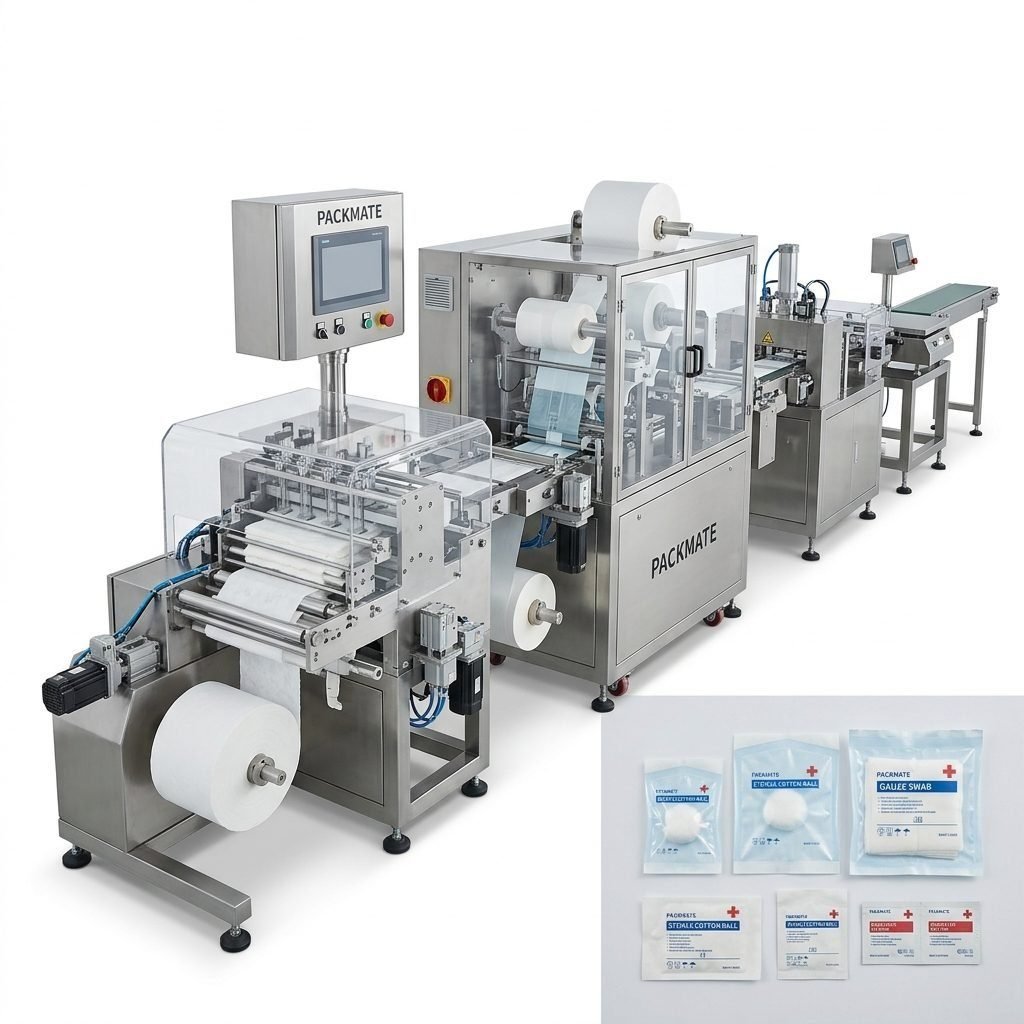
In the dynamic world of manufacturing, efficiency, precision, and reliability are paramount. For businesses handling products from food and pharmaceuticals to health supplements, the packaging process is a critical final step. This is where A-B-C packaging machines come into play. These automated systems are designed to handle a wide array of materials—granules, powders, and liquids—with consistent accuracy and speed. Choosing the right machine is not just a purchase; it’s an investment in your production line’s future productivity and product integrity. This guide will navigate you through the various types of A-B-C packaging machines and provide essential tips for selecting the perfect one for your operational needs.
Understanding the Core Types of A-B-C Packaging Machines
The term “A-B-C” in packaging machinery often refers to a categorization based on the form, fill, and seal process, or specific machine architectures. Understanding these types is the first step toward an informed decision.
Vertical Form-Fill-Seal (VFFS) Machines
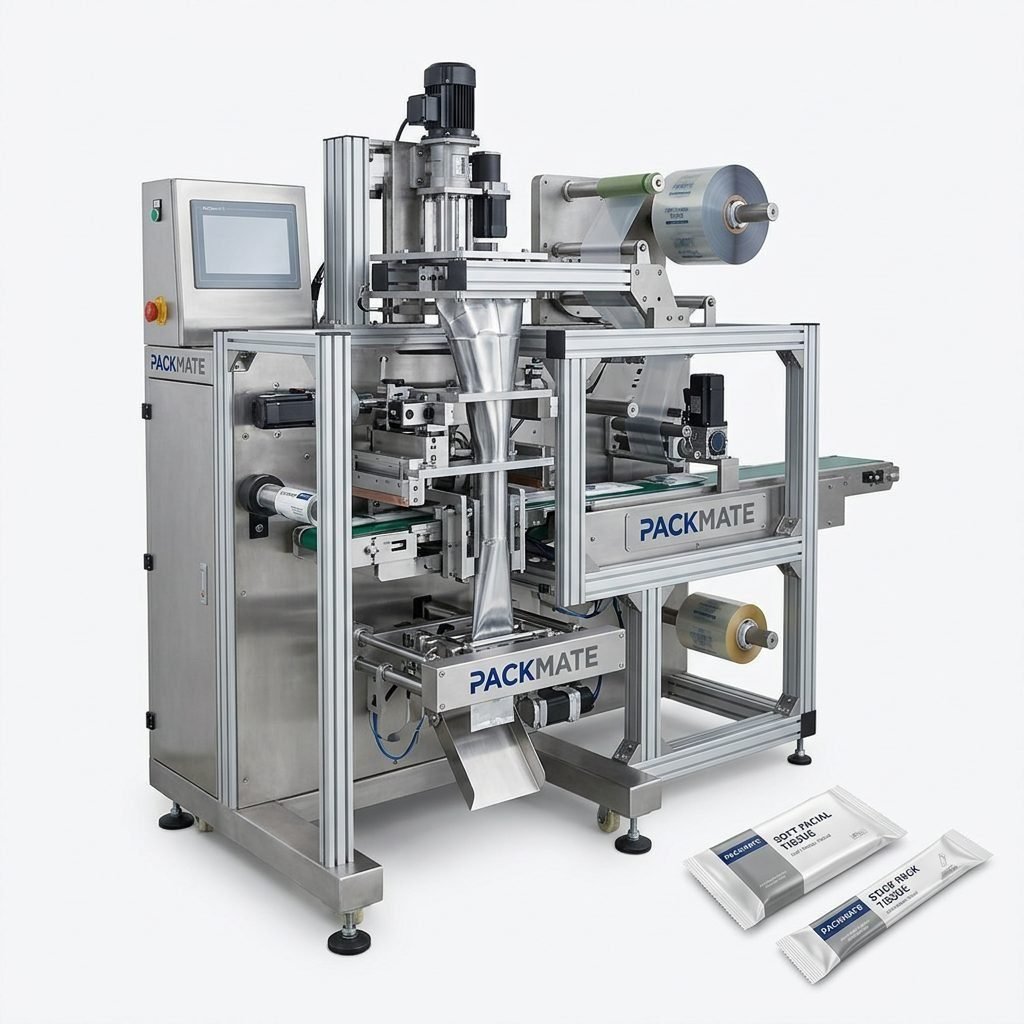
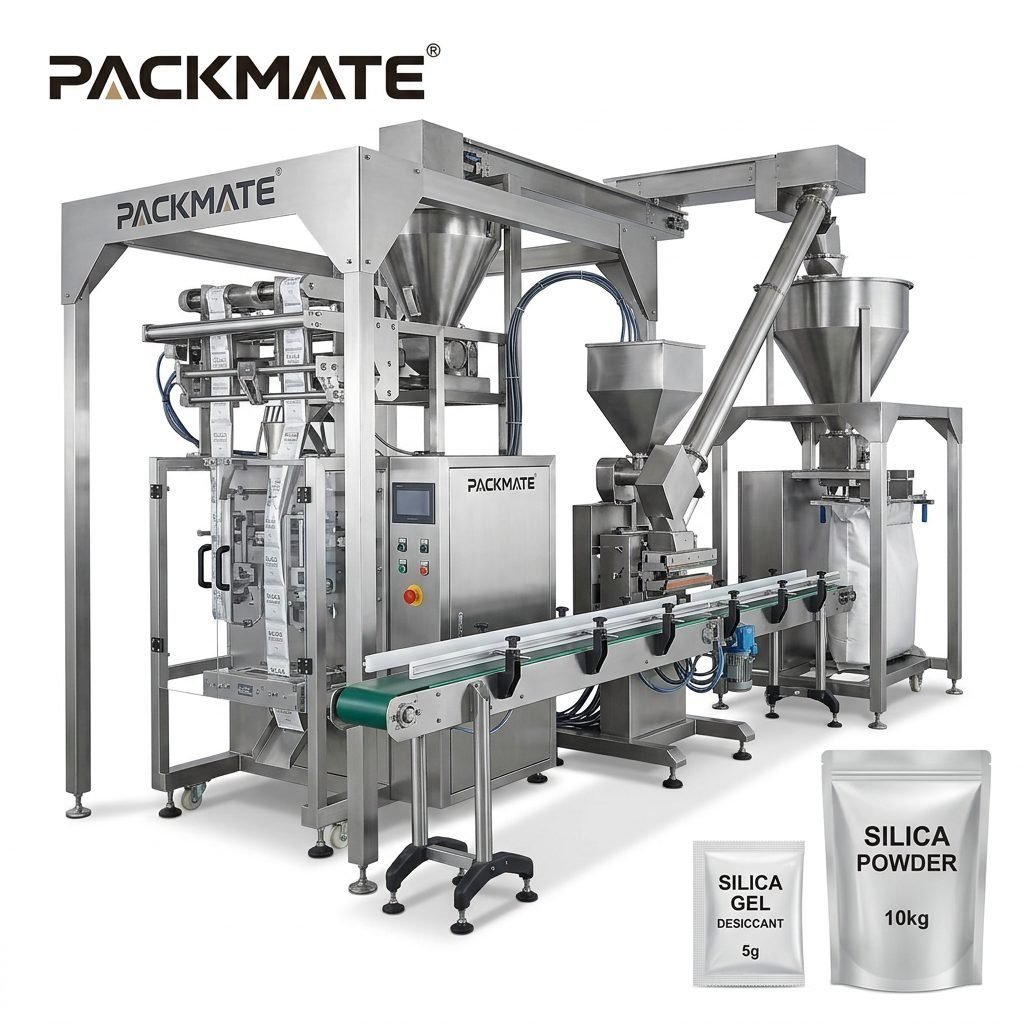
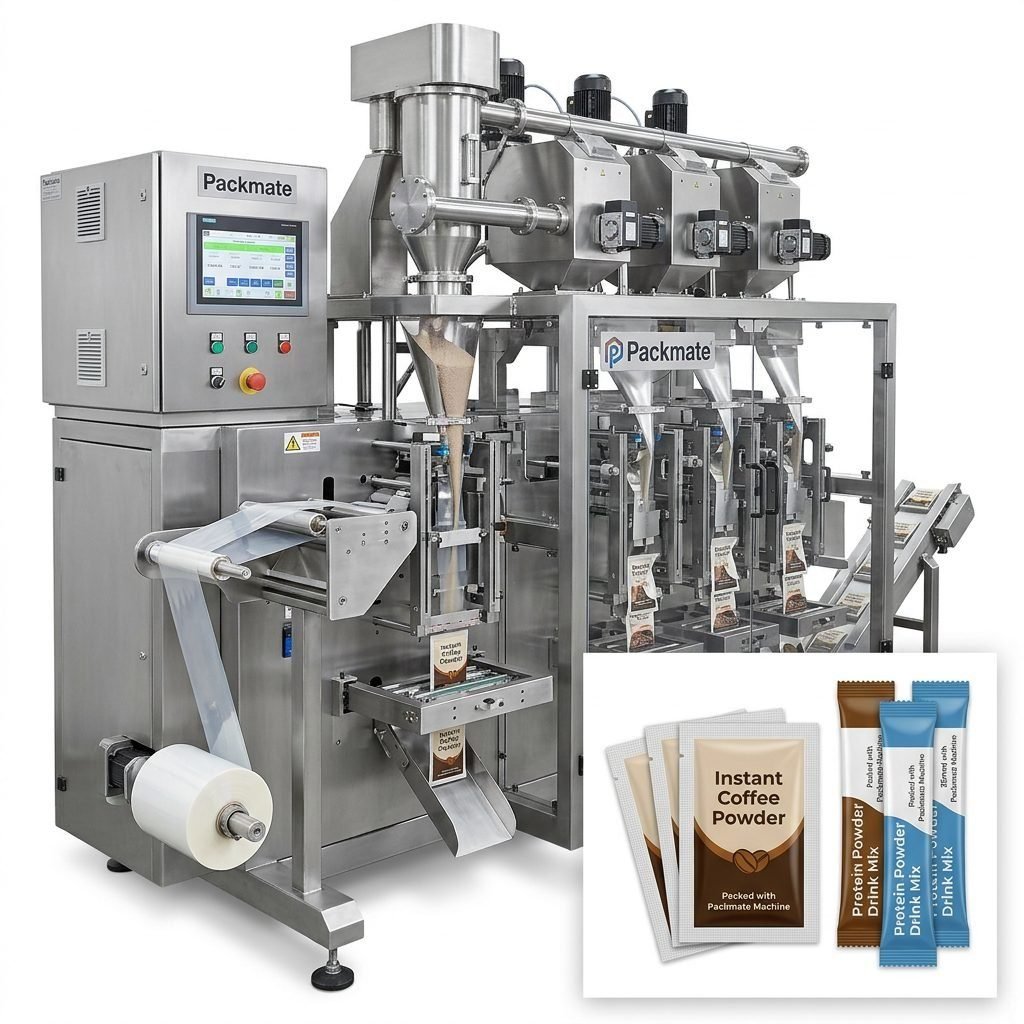
These are among the most common and versatile packaging machines. A VFFS machine forms a bag from a roll of flat film, fills it with the product, and then seals it—all in a continuous vertical motion. They are ideal for granules like coffee, seeds, and snacks, as well as powders and some non-viscous liquids. Their key advantages include high speed, minimal floor space requirement, and the ability to handle a wide range of bag sizes and styles.
Horizontal Form-Fill-Seal (HFFS) Machines
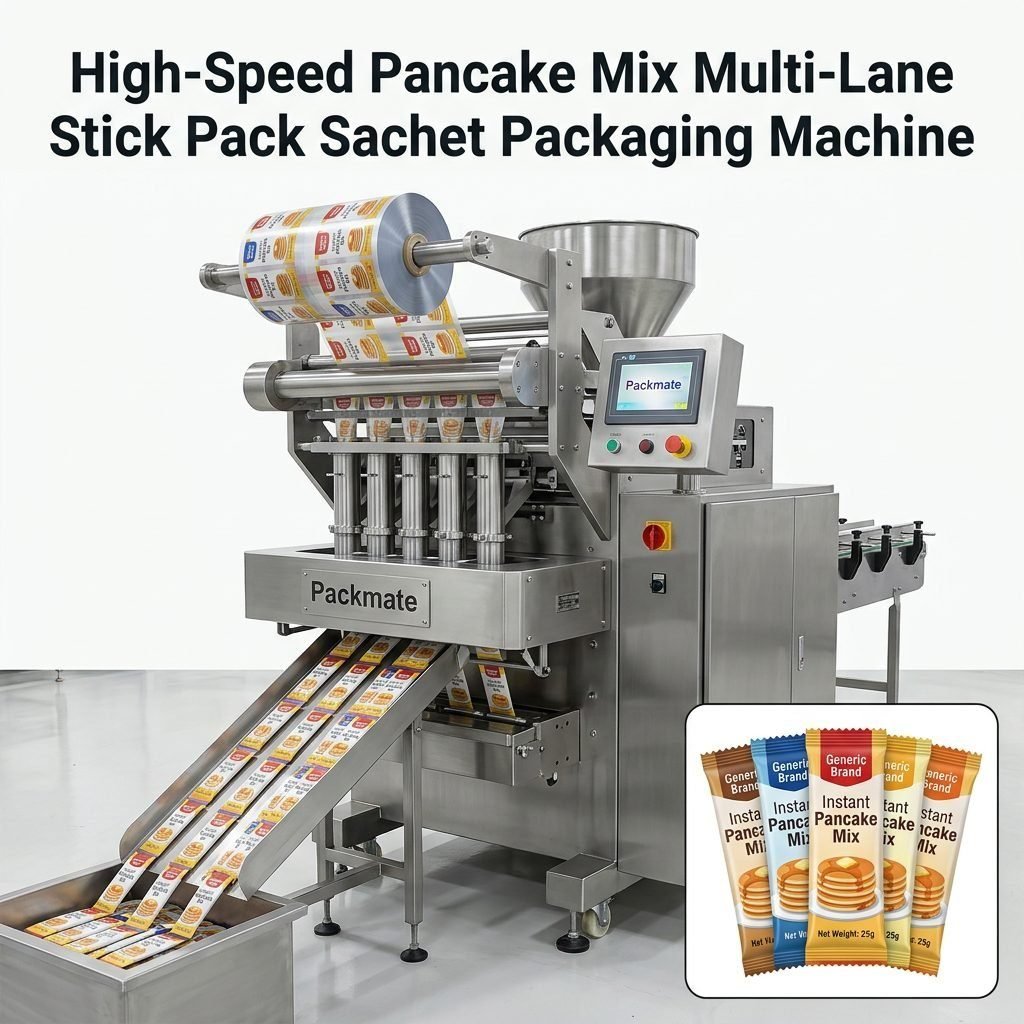
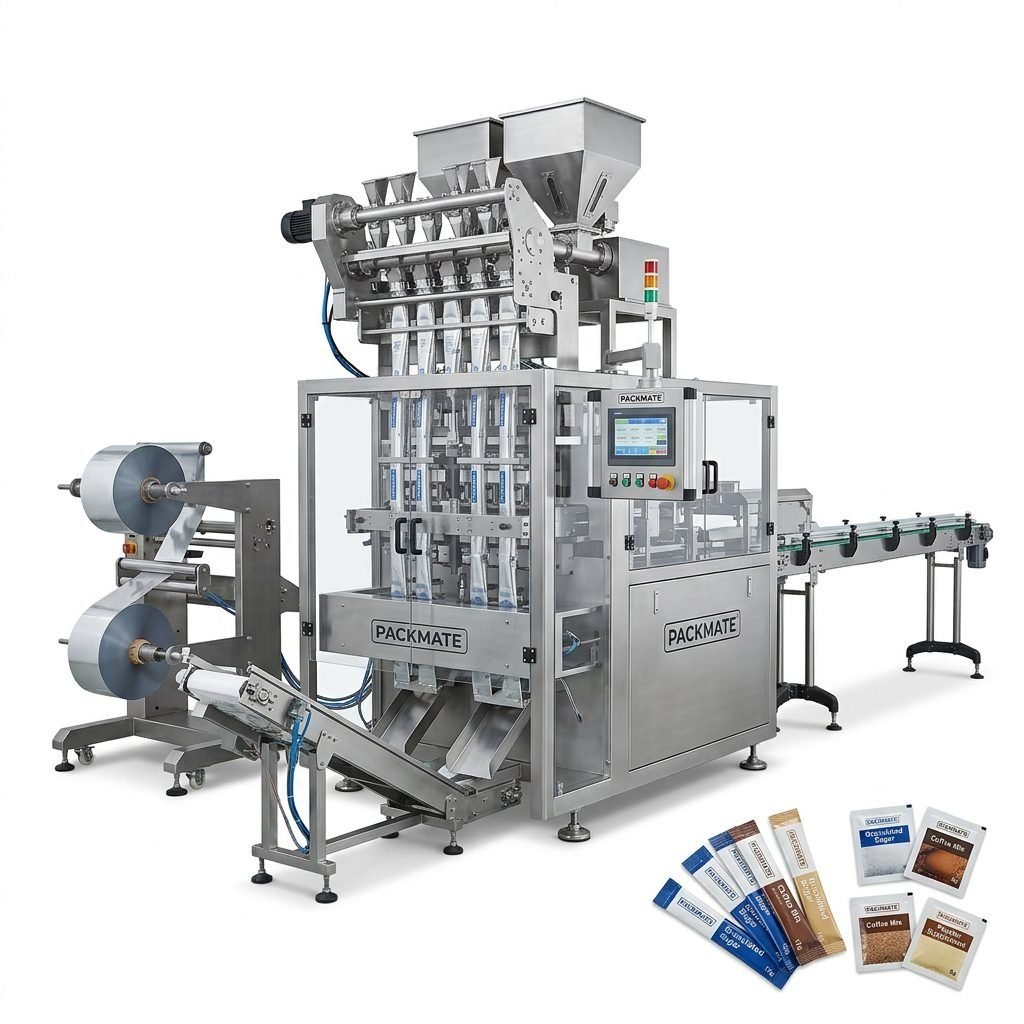
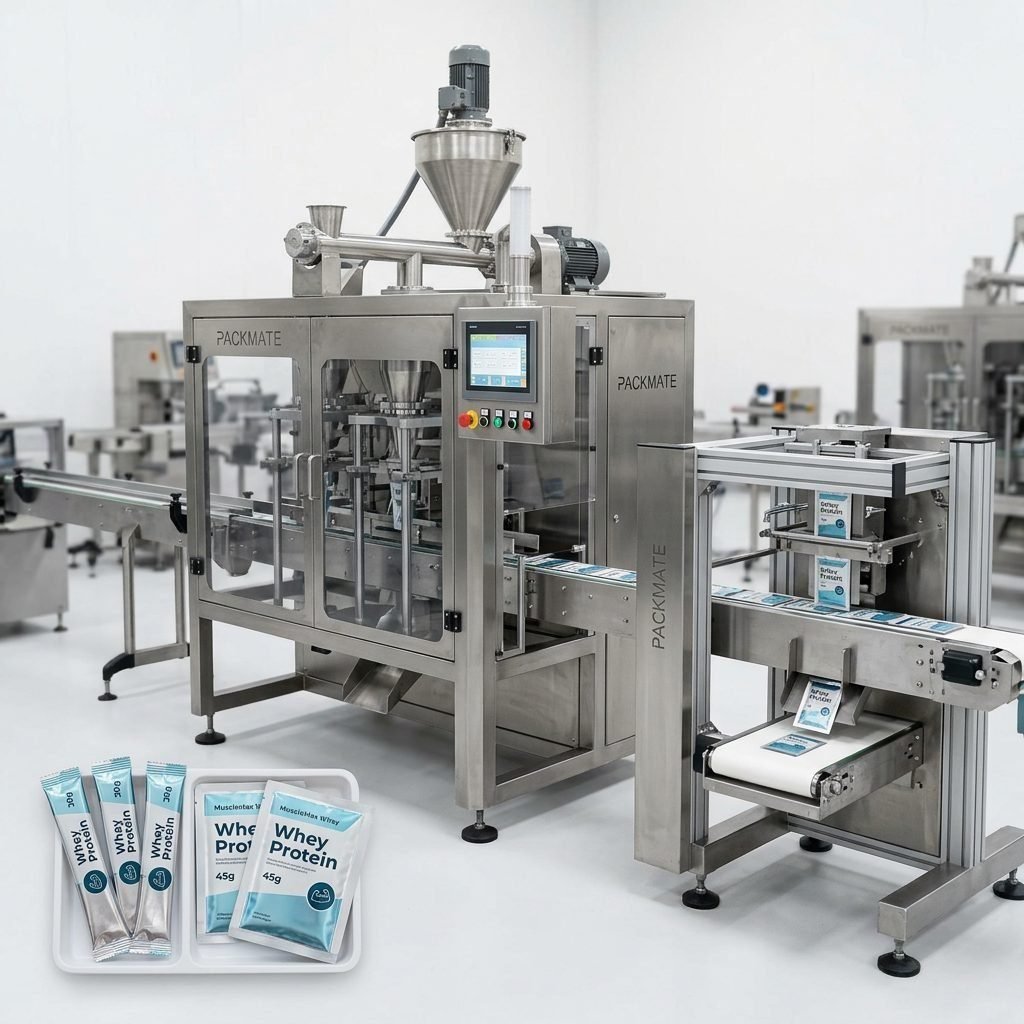
Operating on a horizontal plane, these machines are typically used for more complex packaging formats. They are excellent for creating pillow pouches, sachets, and stick packs, especially for single-serve portions of products like sugar, ketchup, shampoo, or pharmaceutical powders. HFFS machines often offer superior precision for small-dose filling and can incorporate advanced features like gas flushing for extended shelf life.
Pre-Made Pouch Packaging Machines
Unlike form-fill-seal machines, these systems use pre-manufactured, flat-bottomed pouches or bags. The machine’s role is to open the pouch, fill it accurately, and then seal it. This method is particularly suited for products that require a premium presentation, such as high-end teas, gourmet foods, or medical devices. It allows for the use of complex, pre-printed laminated materials that offer excellent barrier properties and visual appeal. For businesses looking into robust bag and pouch packaging solutions, this type is a strong contender.
Liquid Filling and Capping Lines
For businesses specializing in liquids, oils, or creams, a dedicated liquid filling system is crucial. These are often integrated lines that may include bottle unscramblers, rinsers, precise volumetric or gravimetric fillers, cappers, and labelers. Accuracy is non-negotiable here to prevent product giveaway and ensure compliance with regulatory standards. These lines can be configured for a vast range of container types and viscosities.
Multi-Lane and Multi-Head Weighing Systems
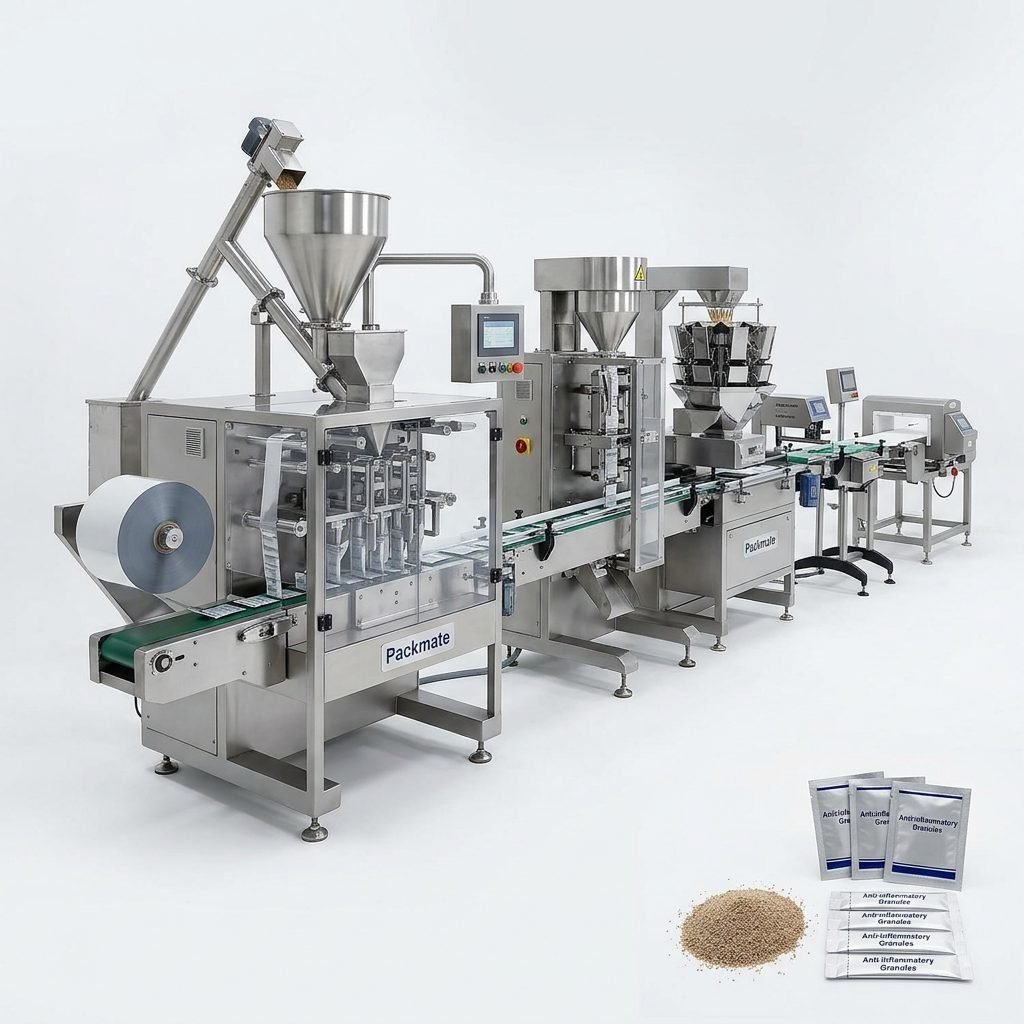
When the highest level of speed and portioning accuracy is required for free-flowing products, multi-head weighers are the industry standard. These systems use a combination of weighing hoppers to compute the perfect combination of weights to achieve the target fill weight almost instantly. They are the backbone of high-speed packaging for snacks, frozen vegetables, and hardware items. Integrating such a system with a bagger creates a powerful weighing and packaging system.
Critical Selection Tips for Your Packaging Machine
Selecting the right machine involves more than just matching it to your product. It requires a holistic view of your current and future operations.
1. Precisely Define Your Product and Packaging Specifications
This is the foundational step. You must have crystal-clear answers to the following:
Product Characteristics: Is it a granule, powder, or liquid? What is its density, flowability, and abrasiveness? Are there any special handling requirements (hygienic, aseptic, explosive)?
Packaging Format: What is your target bag/pouch size, material (film type, thickness), and required seal type (fin seal, lap seal)?
Production Speed (Output): How many packages per minute (PPM) or per hour do you need to achieve? Always factor in future growth.
2. Assess the Machine’s Technical Capabilities and Flexibility
Look beyond the brochure. Evaluate the machine’s construction, drive systems, and control software. A machine built with high-grade stainless steel and servo motors will offer better longevity, precision, and energy efficiency than one using cheaper materials and clutch/brake systems. Flexibility for changeovers is also vital. How quickly and easily can you switch between different bag sizes or products? Quick-change parts and recipe storage in the PLC can save hours of downtime.
3. Prioritize Accuracy and Consistency
Inconsistent fills lead to product giveaway (costing you money) or underfills (which can violate trade laws and damage your brand). Investigate the filling technology. For powders and granules, is it a auger filler, cup filler, or net weigher? For liquids, is it a time-pressure, piston, or peristaltic pump filler? Each has its accuracy profile. Request performance data from the manufacturer, such as fill weight standard deviation.
4. Consider Integration and Future-Proofing
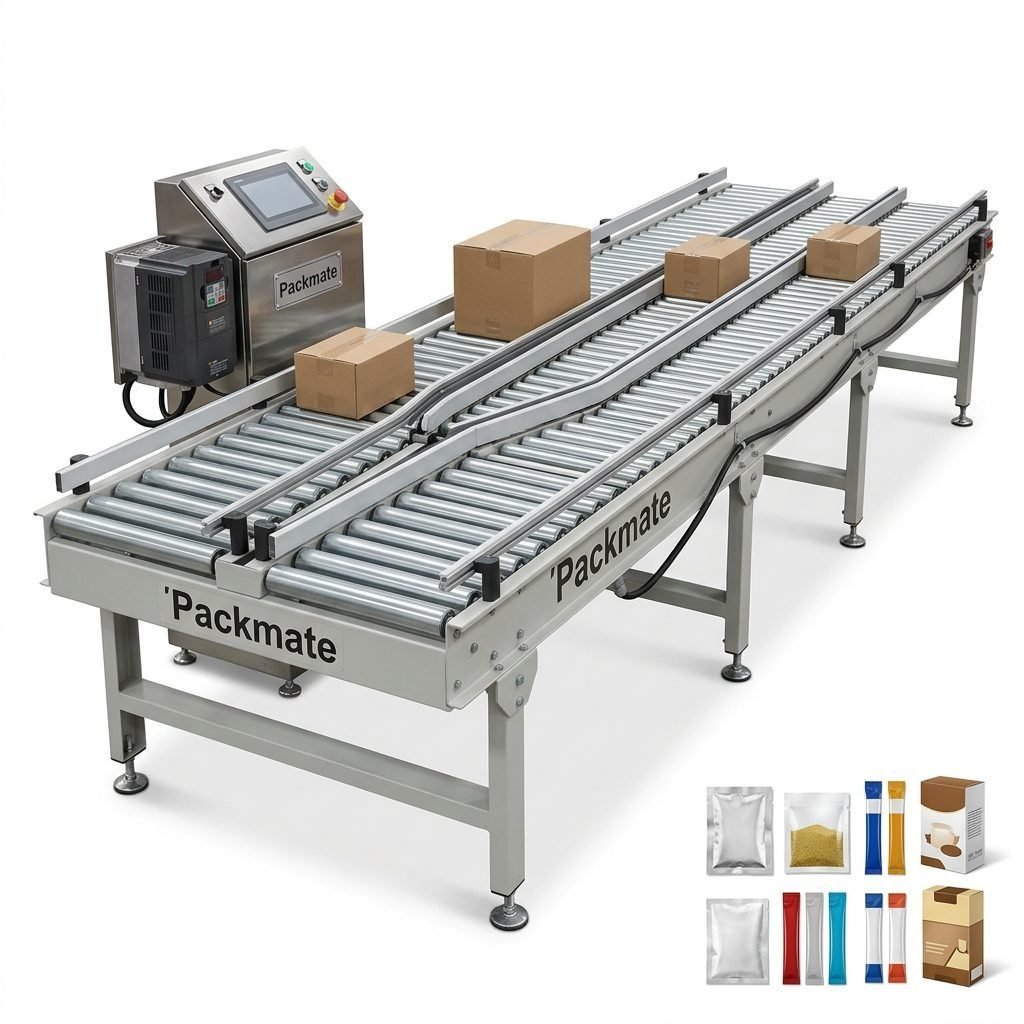
Your new machine will likely need to work with existing or future equipment. Consider its integration potential. Does it have standard communication protocols (e.g., Ethernet/IP, Profinet) to connect with upstream feeders or downstream case packers? Can it be part of a complete filling and packaging line? Choosing a machine from a manufacturer with a broad portfolio, like Packmate Machinery, can simplify this process, as they can often provide compatible, turnkey solutions.
5. Evaluate the Manufacturer’s Support and Reputation
The machine is only as good as the company behind it. Research the manufacturer’s history, reputation, and after-sales service. A company with decades of experience, like Packmate Machinery with over 22 years in the industry, brings invaluable expertise. Key questions to ask:
– What is the warranty period and what does it cover?
– How comprehensive is their technical support (phone, remote, on-site)?
– Is training for your operators included?
– Are spare parts readily available, and what is the typical delivery time?
Reviewing their case studies and client testimonials can provide real-world insights into their reliability.
6. Analyze the Total Cost of Ownership (TCO)
Do not make a decision based on the purchase price alone. Calculate the TCO, which includes:
– Initial machine cost.
– Installation and commissioning costs.
– Cost of necessary accessories or peripheral equipment.
– Estimated costs for energy consumption and compressed air.
– Expected costs for maintenance, spare parts, and downtime.
A slightly more expensive but robust and efficient machine from a reputable supplier often has a lower TCO than a cheaper, less reliable alternative.
FAQs: Common Questions About A-B-C Packaging Machines
Q1: What is the main difference between vertical and horizontal form-fill-seal machines?
A: The primary difference is the orientation of the packaging process. VFFS machines work in a vertical direction, making bags from a single roll of film, and are best for simpler, free-flowing products. HFFS machines work horizontally, often using multiple film webs, and excel at creating complex sachets, stick packs, and pouches with precise multi-lane dosing.
Q2: How do I determine the right speed (output) machine for my factory?
A: Calculate your current and projected future demand. Consider your shifts per day and required uptime. It’s often advisable to choose a machine that can operate at 15-20% above your current peak requirement to accommodate growth and provide a buffer for maintenance without stressing the equipment at maximum speed constantly.
Q3: Can one packaging machine handle multiple different products?
A: Yes, many machines are designed for flexibility. However, the ease of changeover varies greatly. Machines with servo drives and digital recipe storage allow for quick changeovers (sometimes in minutes) between similar products. Switching between vastly different products (e.g., powder to granules) may require more extensive cleaning and part changes.
Q4: What maintenance is typically required for these machines?
A: Regular maintenance is crucial. Daily tasks include cleaning and visual inspection. Weekly tasks might involve checking and lubricating moving parts. Periodic maintenance (monthly/annually) includes more thorough inspections of seals, belts, bearings, and electrical components. Always follow the manufacturer’s recommended maintenance schedule.
Q5: Why is the manufacturer’s experience important when selecting a machine?
A: An experienced manufacturer brings proven engineering, reliable machine design, and deep application knowledge. They have likely solved the challenges you might face. Companies with a long track record, such as Packmate Machinery, which has evolved from a small workshop to operating a 20,000㎡ modern facility, demonstrate stability and a commitment to continuous innovation, ensuring you get a solution built on decades of practical know-how.