In the fast-paced world of food production and distribution, efficiency, hygiene, and presentation are paramount. Meal packaging machines are the unsung heroes that automate the process of enclosing food products in protective materials, ensuring they reach consumers in perfect condition. From single-serve condiment sachets to complete ready-to-eat meal trays, these machines are integral to modern food supply chains. This article delves into the various types of meal packaging machines, their significant benefits, and provides a comprehensive guide to help you make an informed purchasing decision for your business.
Understanding Different Types of Meal Packaging Machines
The term “meal packaging” encompasses a wide range of products and formats, necessitating different specialized machinery. Choosing the right type is the first critical step toward optimizing your packaging line.
Vertical Form Fill Seal (VFFS) Machines
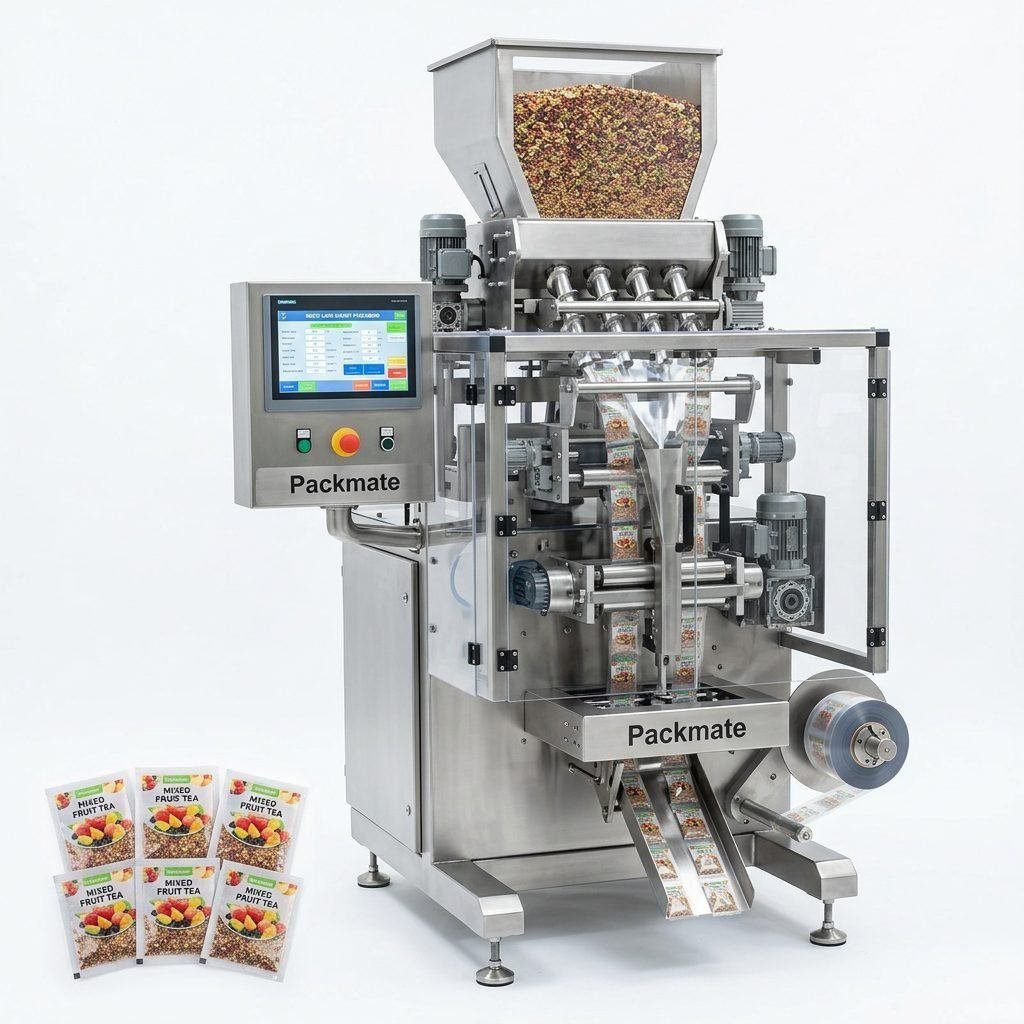
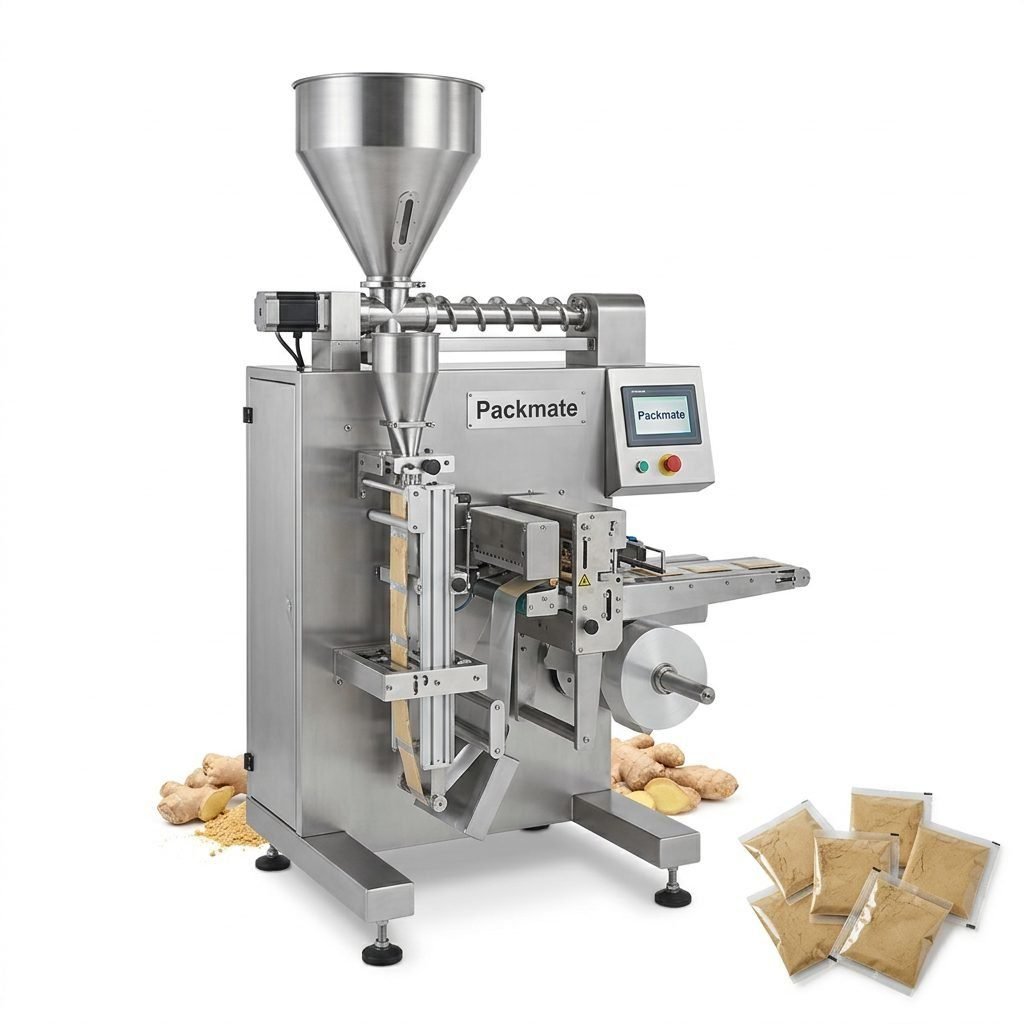
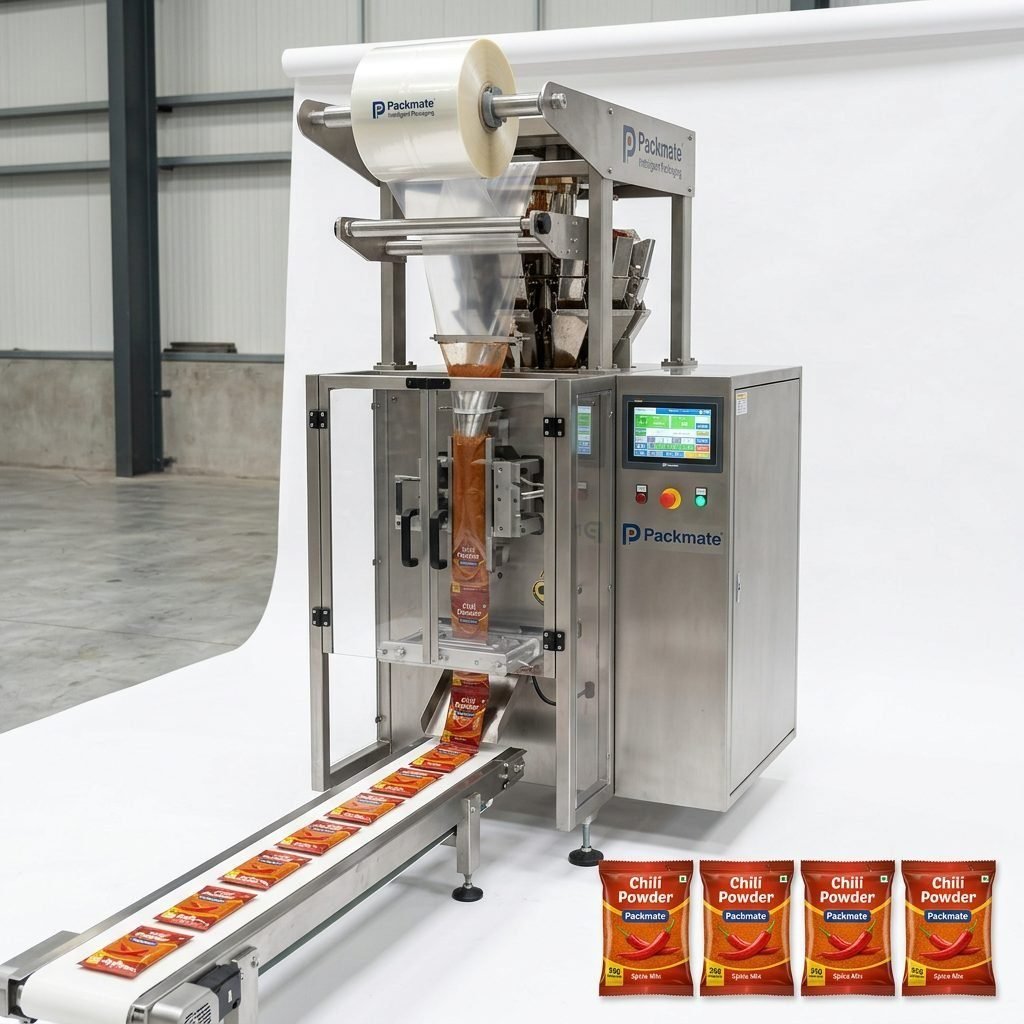
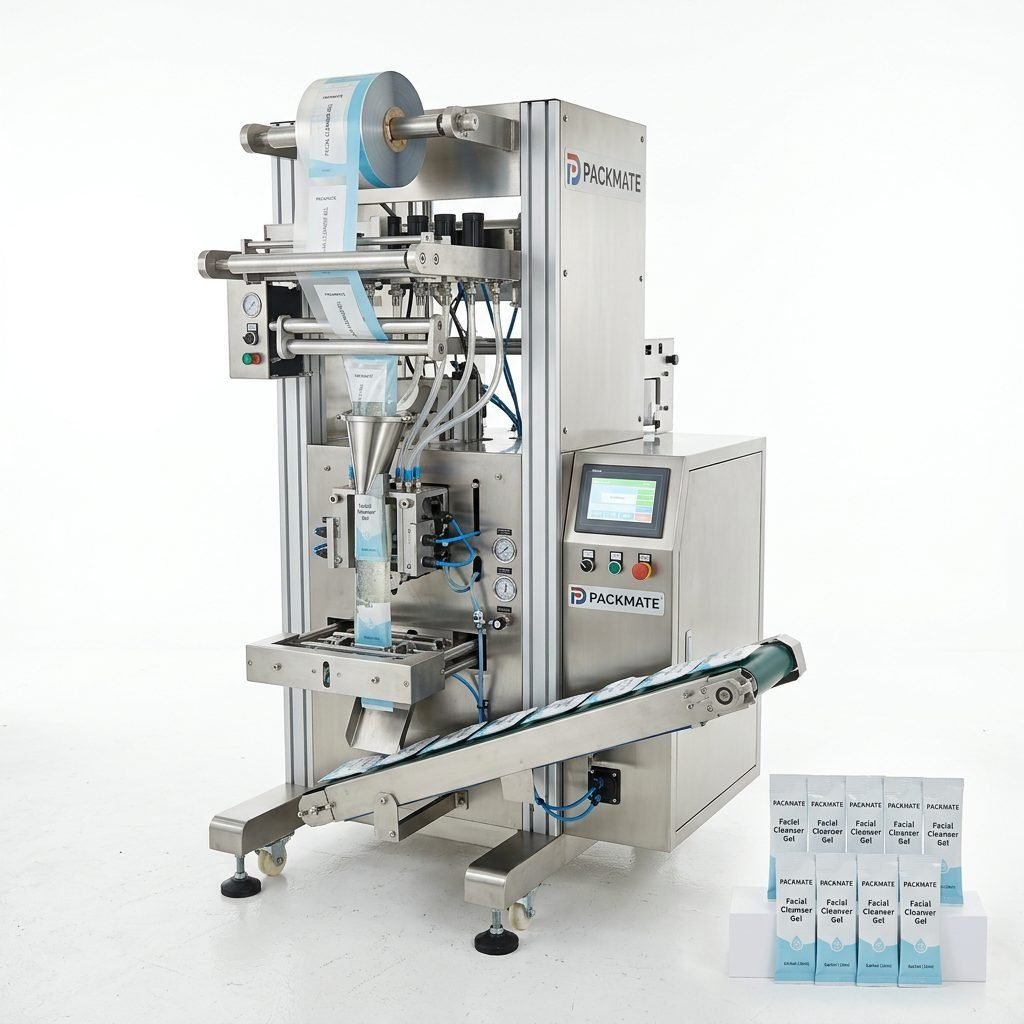
These are among the most versatile and common machines in the industry. A VFFS machine forms a bag from a roll of flat packaging film, fills it with the product—be it granules, powders, or small solids—and then seals it. They are ideal for packaging items like rice, pasta, snacks, and frozen vegetables. Their high speed and ability to handle various bag styles (such as pillow bags, gusseted bags, or block bottom bags) make them a staple in many food plants.
Horizontal Form Fill Seal (HFFS) Machines
Where VFFS machines create bags, HFFS machines are typically used to form trays, cups, or cartons from a flat roll of material, fill them with product, and then apply a lidding film. This method is perfect for ready meals, pre-cut fruits and vegetables, bakery items, and dairy products like yogurt or pudding. The rigid or semi-rigid package offers excellent product protection and a premium shelf presence.
Sachet and Stick Pack Machines
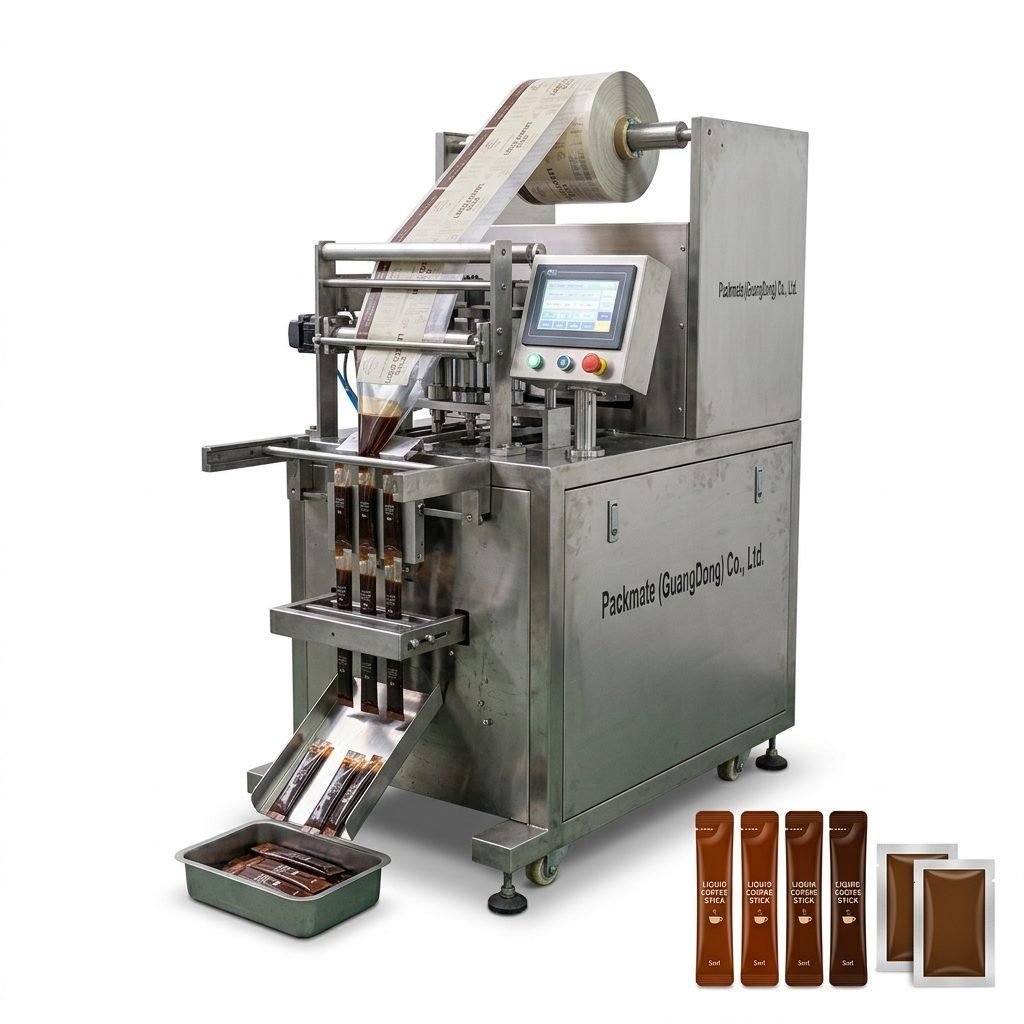
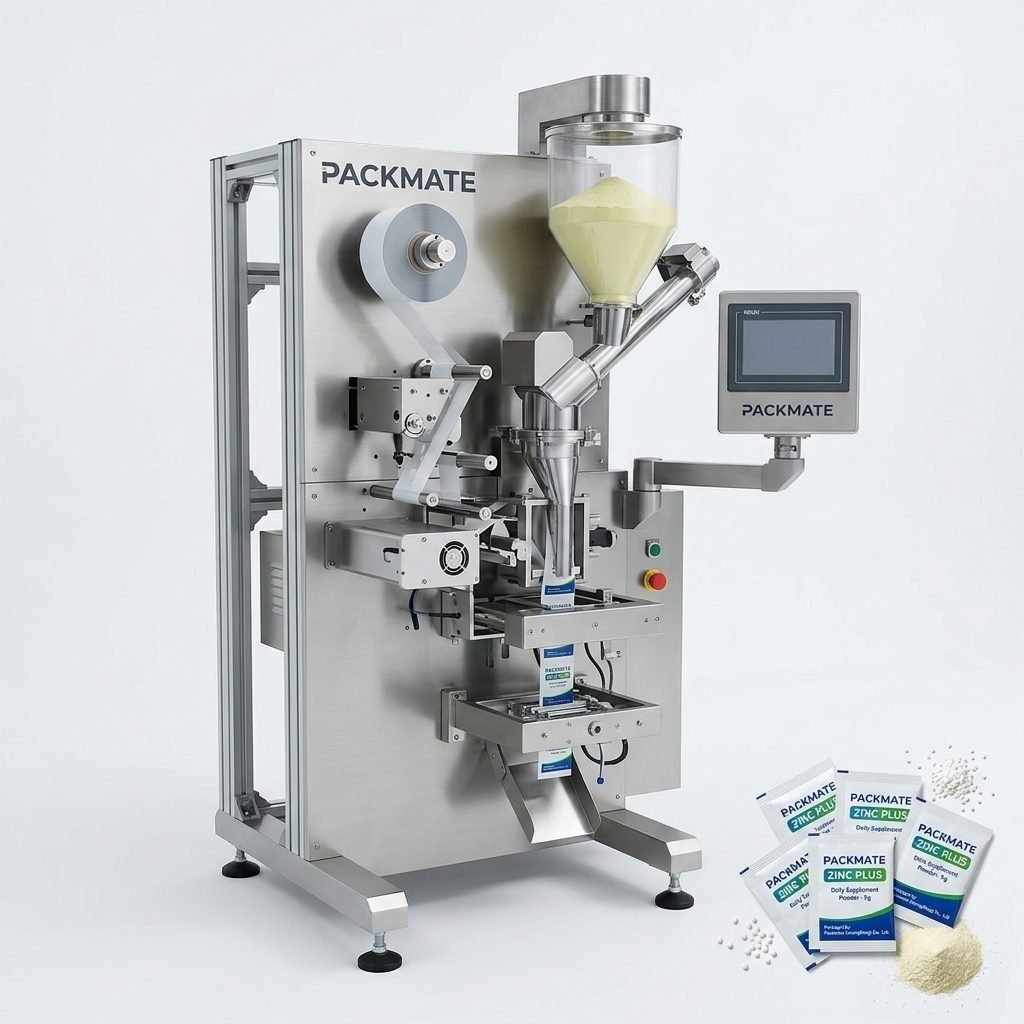
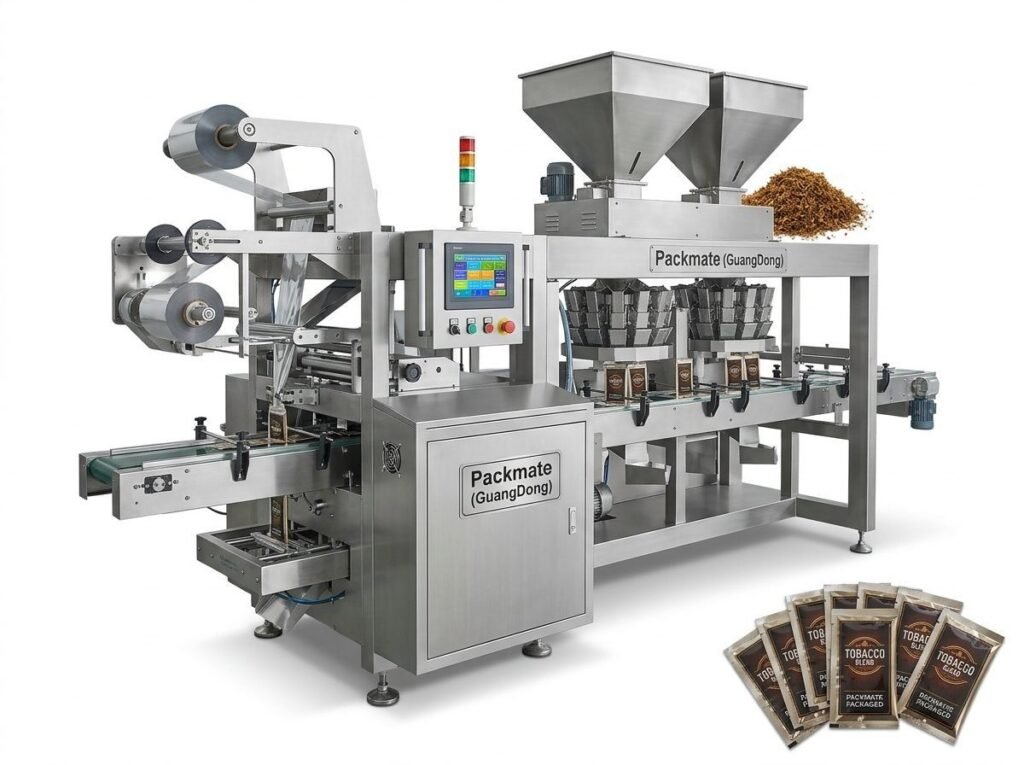
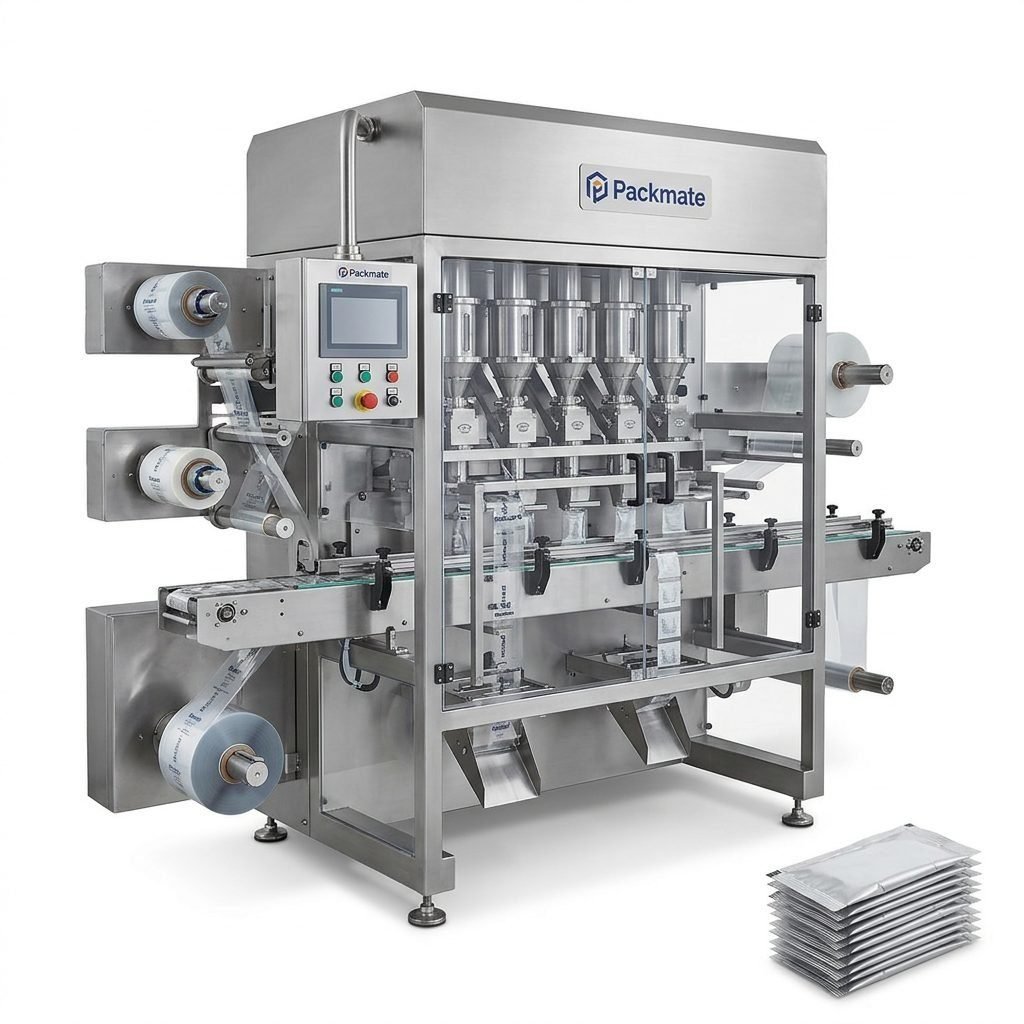
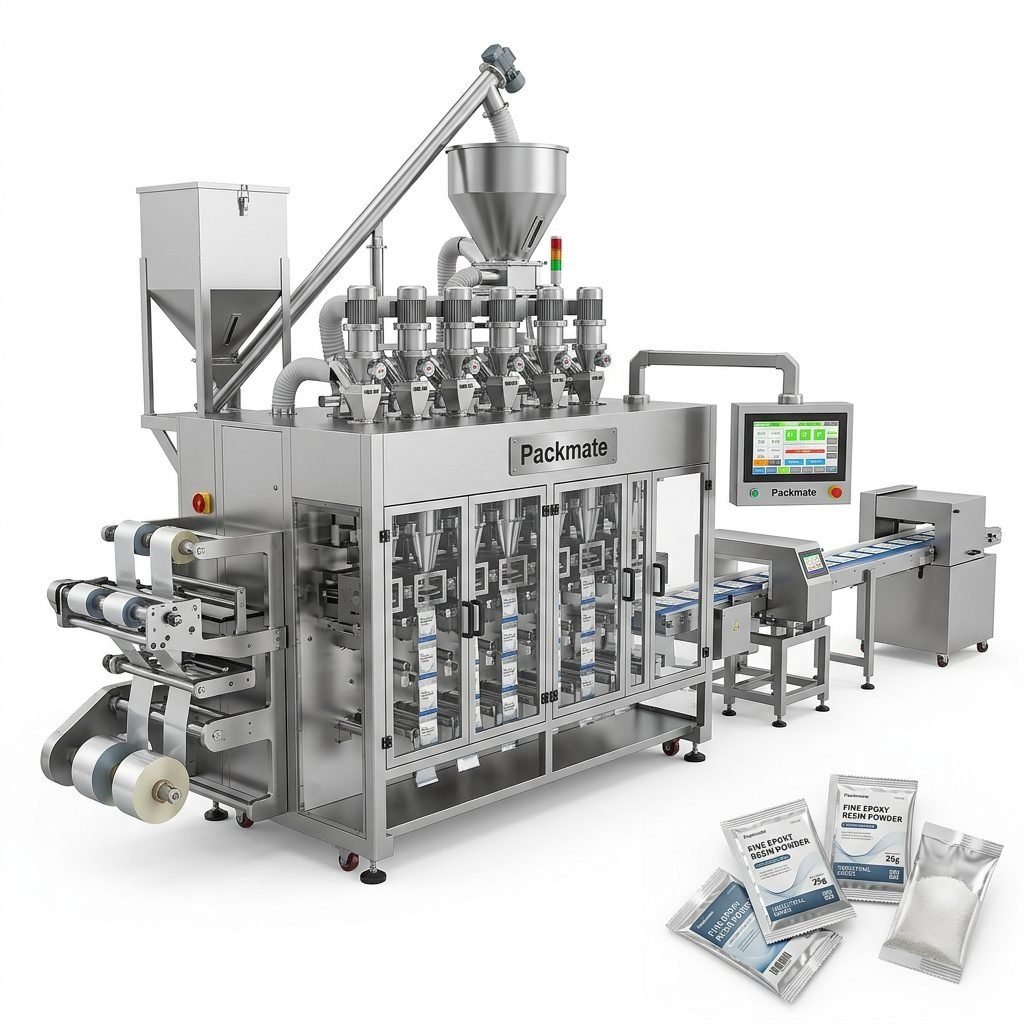
Designed for small, single-use portions, these machines are essential for packaging sauces, dressings, sugar, instant coffee, and drink mixes. They operate at extremely high speeds, often with multiple lanes, to produce thousands of tiny, sealed pouches per minute. Sachet & Stick Pack Machines are crucial for the foodservice industry and for consumer products that require precise dosing and convenience.
Tray Sealing Machines
These machines work with pre-formed trays or containers. The operator or an automated system places the food product into the tray, which is then conveyed under the machine where a top film or lid is applied and sealed. Tray sealers are widely used for fresh meat, seafood, prepared salads, and meal kits. They often incorporate modified atmosphere packaging (MAP) technology to extend shelf life by replacing the air inside the tray with a gas mixture.
Liquid Filling and Packaging Lines
For soups, broths, oils, sauces, and beverages, dedicated liquid filling systems are required. These lines can include bottle unscramblers, rinsers, fillers, cappers, and labelers. They ensure accurate volumetric or weight-based filling with minimal spillage and high hygiene standards, which is vital for liquid products.
Key Benefits of Automating Your Meal Packaging
Investing in automated packaging machinery delivers a substantial return on investment through multiple channels, transforming operational efficiency and product quality.
Enhanced Productivity and Speed
Manual packaging simply cannot compete with the output of an automated machine. Modern equipment can package hundreds, even thousands, of units per minute, dramatically increasing your production capacity and allowing you to meet large order demands and tight deadlines with ease.
Superior Consistency and Quality
Machines eliminate human error in the packaging process. Every package is formed, filled, and sealed with precise uniformity. This ensures consistent portion sizes, accurate labeling, and reliable seal integrity, which directly reduces waste from leaks or underfilled packages and enhances your brand’s reputation for quality.
Significant Cost Reduction
While the initial investment is notable, automation saves money in the long run. It reduces labor costs associated with manual packing, minimizes material waste through precise control, and lowers costs related to product spoilage and returns due to packaging failures. The efficiency gains directly improve your bottom line.
Improved Hygiene and Safety
Automated systems limit direct human contact with the food product, which is a critical factor in meeting stringent food safety standards like HACCP, FDA, and GMP. Enclosed systems and easy-to-clean stainless-steel designs help prevent contamination, ensuring a safer product for the consumer.
Essential Buying Guide for Meal Packaging Machines
Selecting the right machine requires careful consideration of your specific needs. Here is a step-by-step guide to navigate the purchasing process.
1. Define Your Product and Packaging Requirements
Start with the basics: What are you packaging? Analyze your product’s physical state (solid, liquid, powder, granular), its abrasiveness, oiliness, and fragility. Next, determine your desired package type, size, and material (e.g., laminated film for chips, PET trays for meals). The machine must be compatible with these fundamental parameters.
2. Evaluate Your Production Volume and Speed Needs
Calculate your current and projected output. Machines are rated by packages-per-minute (PPM). Buying an underpowered machine creates bottlenecks, while an overpowered one is an unnecessary capital drain. Consider your shift patterns and potential for future growth when assessing speed requirements.
3. Consider Floor Space and Integration
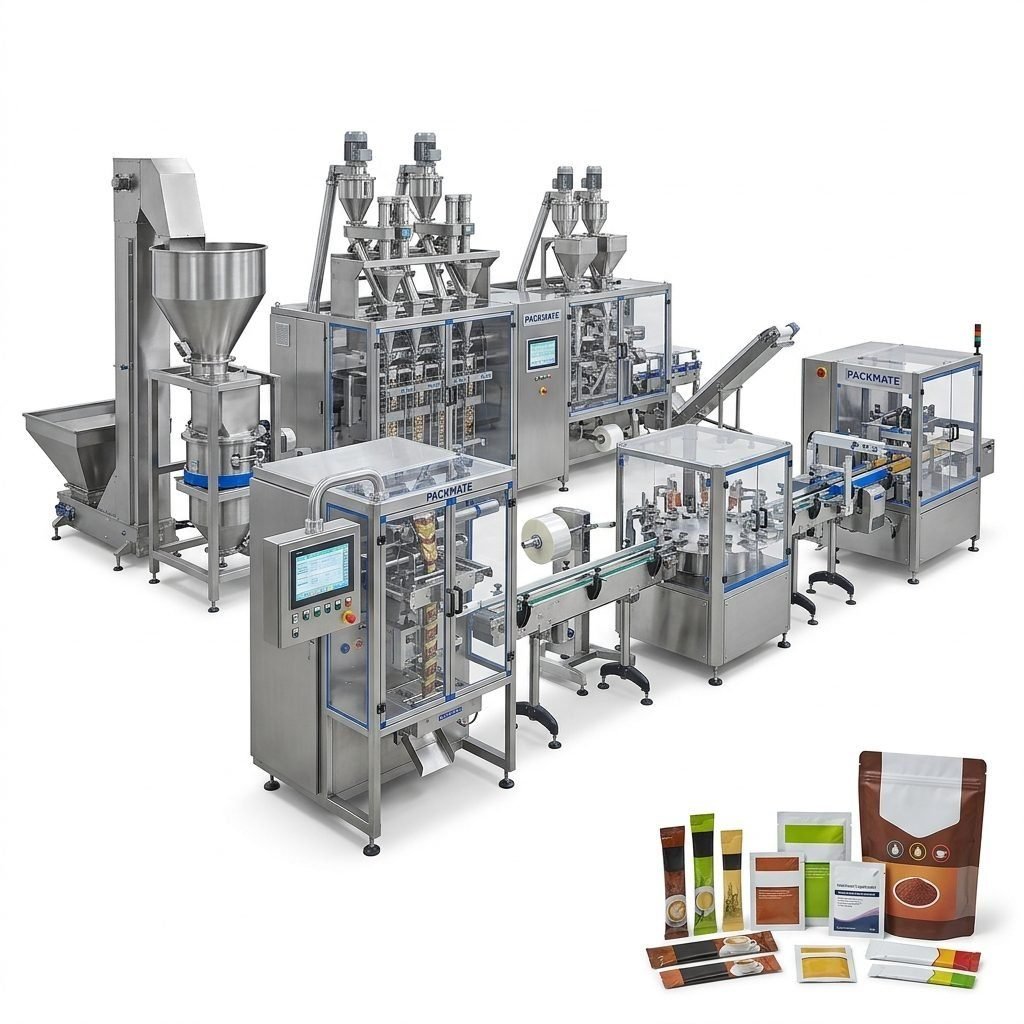
Measure your available production floor space. Some machines, like complete Filling & Packaging Lines, require significant length. Also, think about how the new machine will integrate with your existing upstream (e.g., cooking, cooling) and downstream (e.g., labeling, cartoning) equipment. Seamless integration is key to a smooth workflow.
4. Prioritize Ease of Use and Changeover
Look for machines with user-friendly PLC touchscreen controls. If you run multiple products or package sizes, quick changeover capability is crucial. Machines with tool-less adjustments or pre-set recipes can reduce downtime from hours to minutes, maximizing your overall equipment effectiveness (OEE).
5. Assess Build Quality and Supplier Support
Inspect the machine’s construction. Stainless steel contact parts and a robust frame indicate durability and compliance with food-grade standards. Perhaps most importantly, vet the manufacturer. A supplier with a strong track record, like Packmate Machinery, which brings over 30 years of expertise in intelligent packaging solutions, will provide reliable equipment, comprehensive training, readily available spare parts, and responsive after-sales service. This support is invaluable for minimizing operational disruptions.
6. Understand the Total Cost of Ownership (TCO)
Look beyond the purchase price. Factor in installation costs, expected energy consumption, maintenance schedules, and the cost of consumables like sealing jaws or spare parts. A slightly more expensive machine with higher reliability and lower maintenance needs often has a lower TCO than a cheaper, less robust alternative.
Frequently Asked Questions (FAQs)
What is the typical lead time for receiving a new meal packaging machine?
Lead times can vary significantly based on the machine’s complexity, customization level, and the manufacturer’s order backlog. For standard models, it might range from 8 to 16 weeks. For highly customized or large Weighing & Packaging Systems, it could take 20 weeks or more. Always confirm the timeline with your supplier during the quotation process.
Can one machine handle different types of packaging materials?
Most machines are designed to handle a range of materials within a specific category, but there are limits. A VFFS machine might handle various polyethylene laminates but may require significant adjustment to switch to a paper-based film. Always discuss your specific material options with the machine manufacturer to ensure compatibility and understand any necessary modifications or attachments.
How important is after-sales service when choosing a supplier?
Extremely important. Even the best machines require maintenance, occasional repairs, and operator training. A supplier with a global service network, readily available technical documentation, and a stock of spare parts ensures minimal downtime. This support is a critical component of your machine’s long-term productivity and should be a major factor in your decision-making.
What are the key maintenance routines for these machines?
Daily routines include cleaning to prevent product buildup and visual inspection of seals and critical parts. Weekly tasks may involve lubricating moving parts (with food-grade lubricant) and checking pneumatic systems. Periodic maintenance, as per the manufacturer’s manual, includes deeper cleaning, belt tension checks, and calibration of weighing or filling systems. A proactive maintenance schedule is essential for longevity.
Are there financing options available for this equipment?
Yes, many equipment manufacturers and third-party financial institutions offer financing plans, leasing options, or loans to help businesses manage the capital expenditure. This can make advanced automation more accessible, allowing you to pay for the machine from the operational savings it generates over time. Inquire with your supplier about potential financial partnerships or programs.