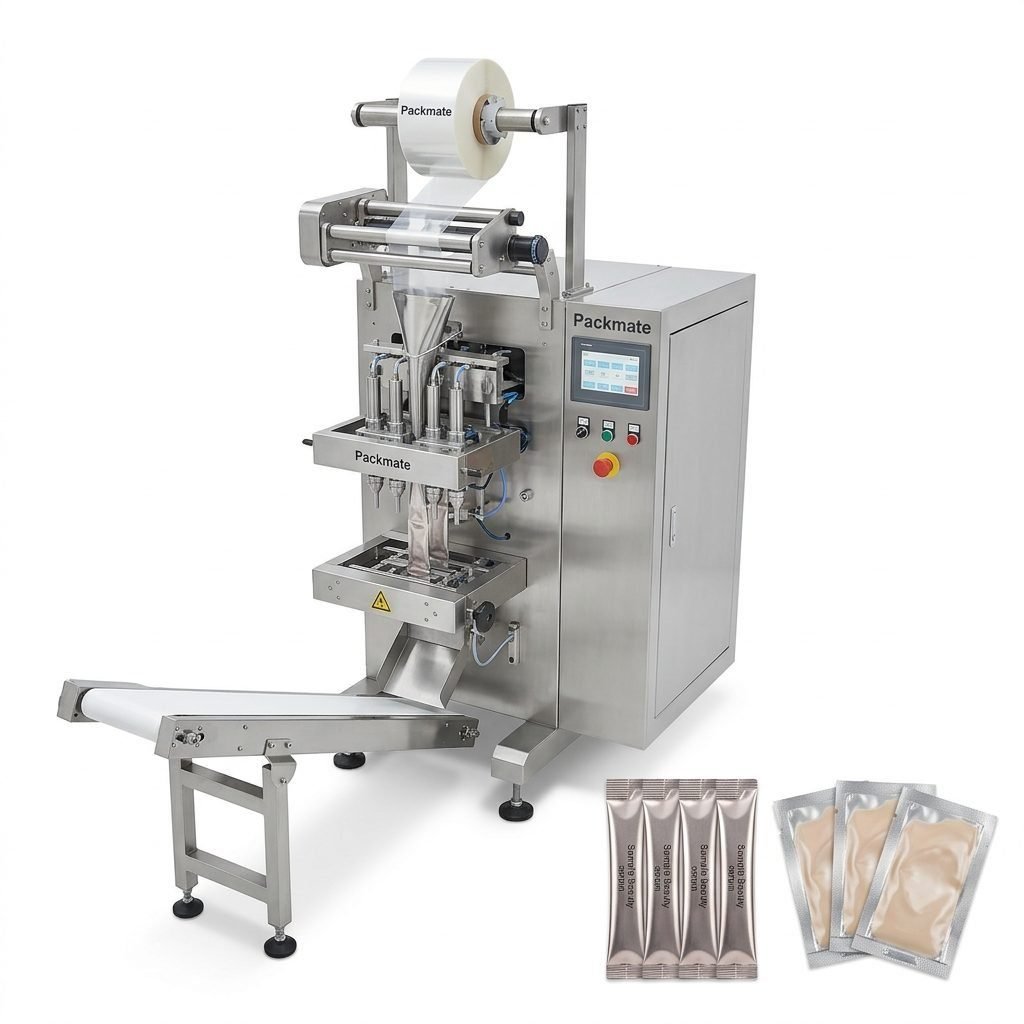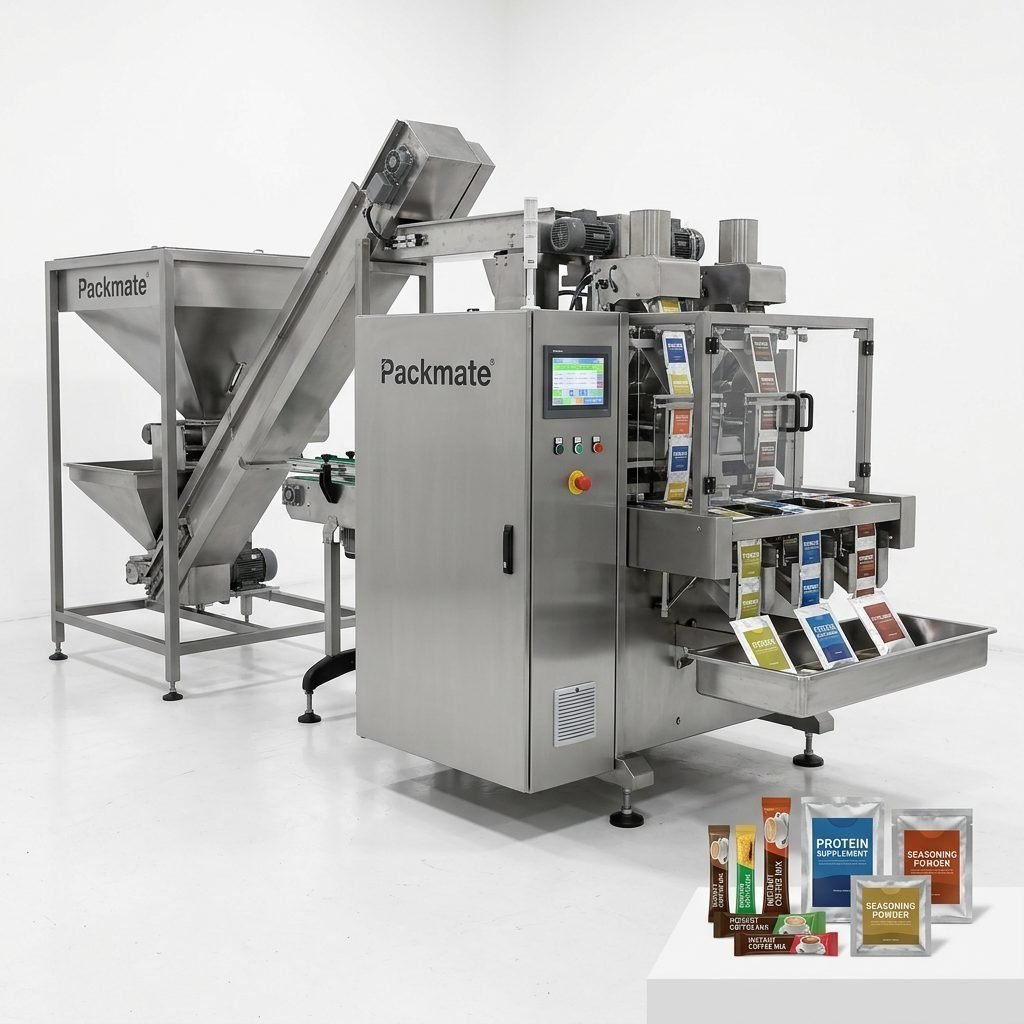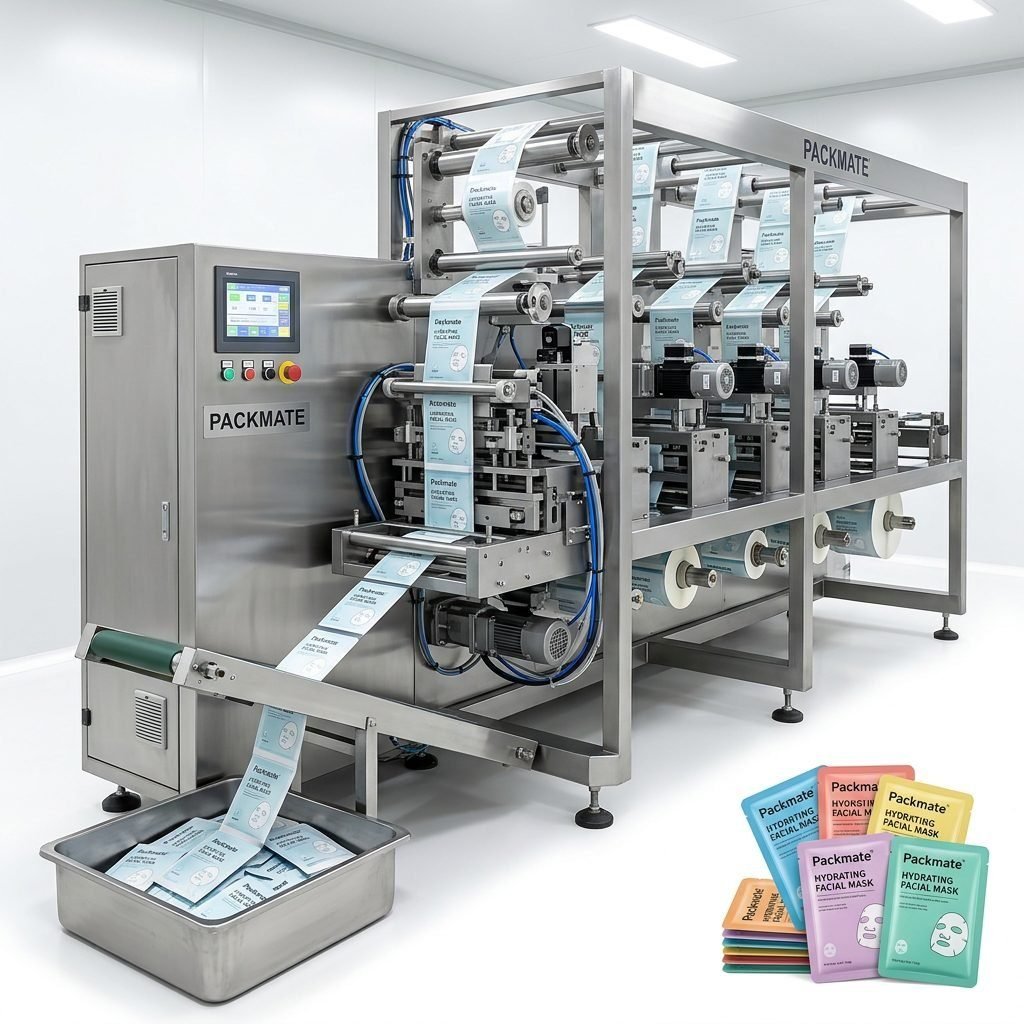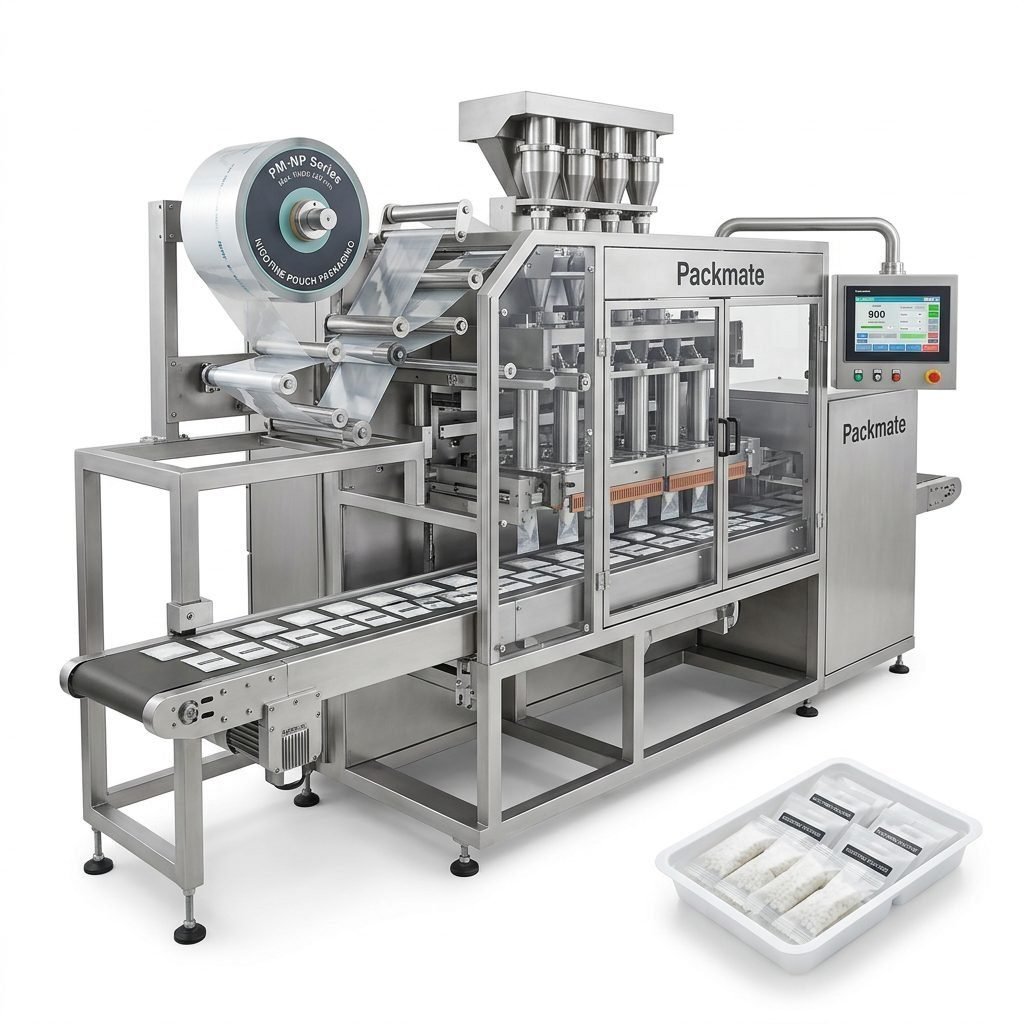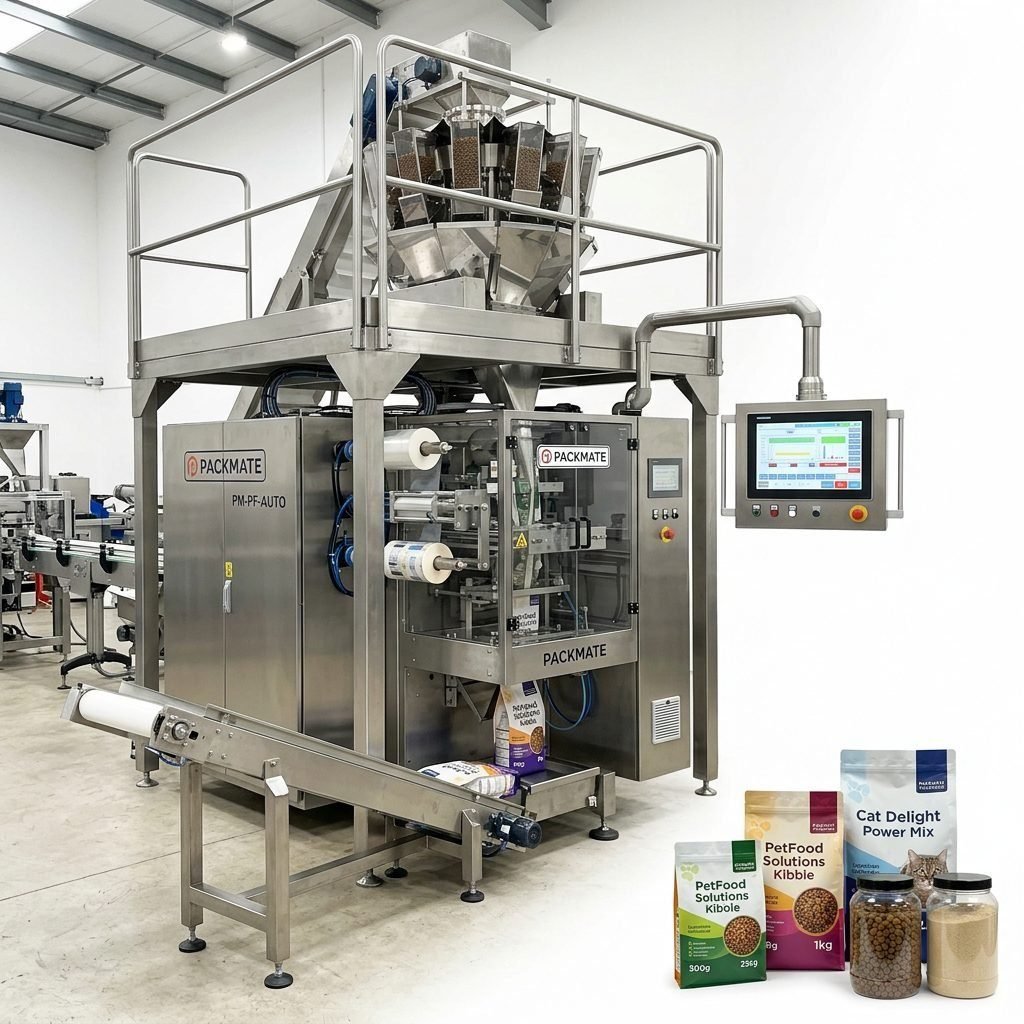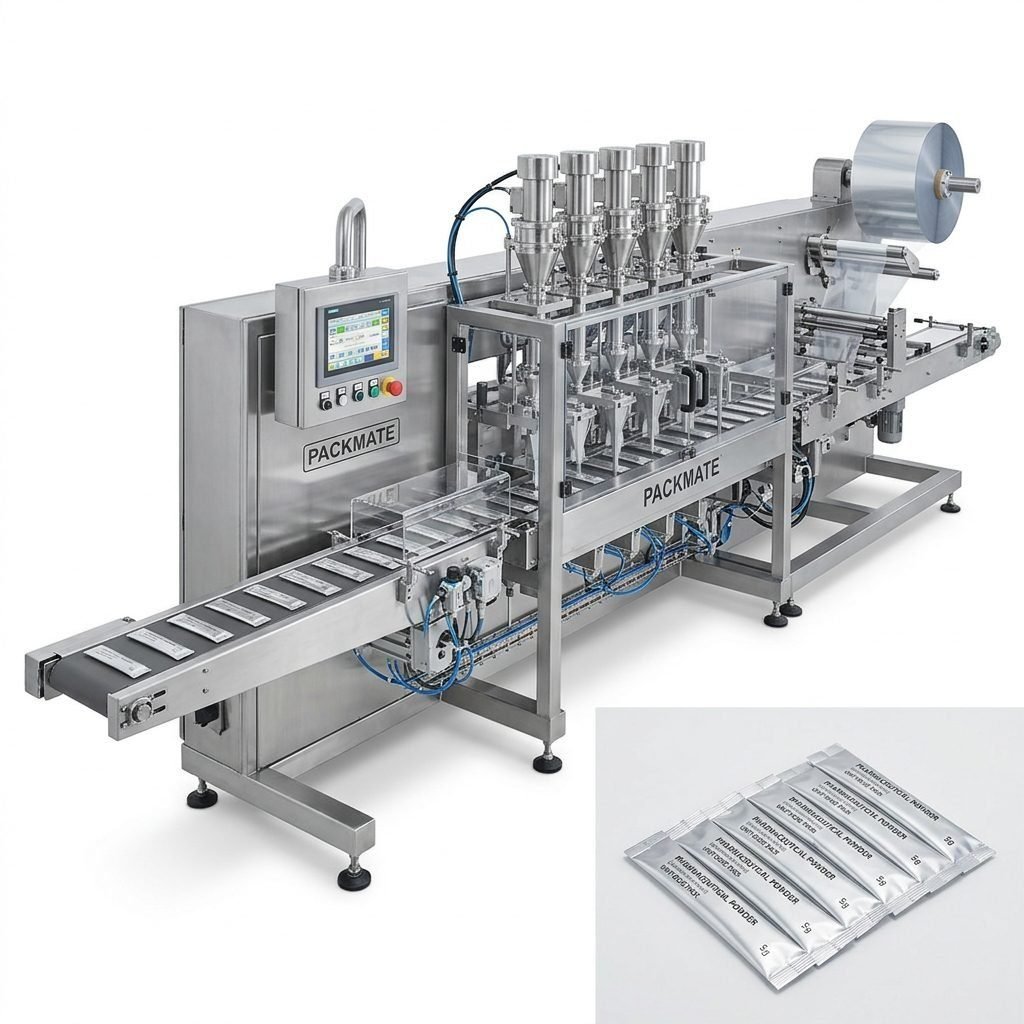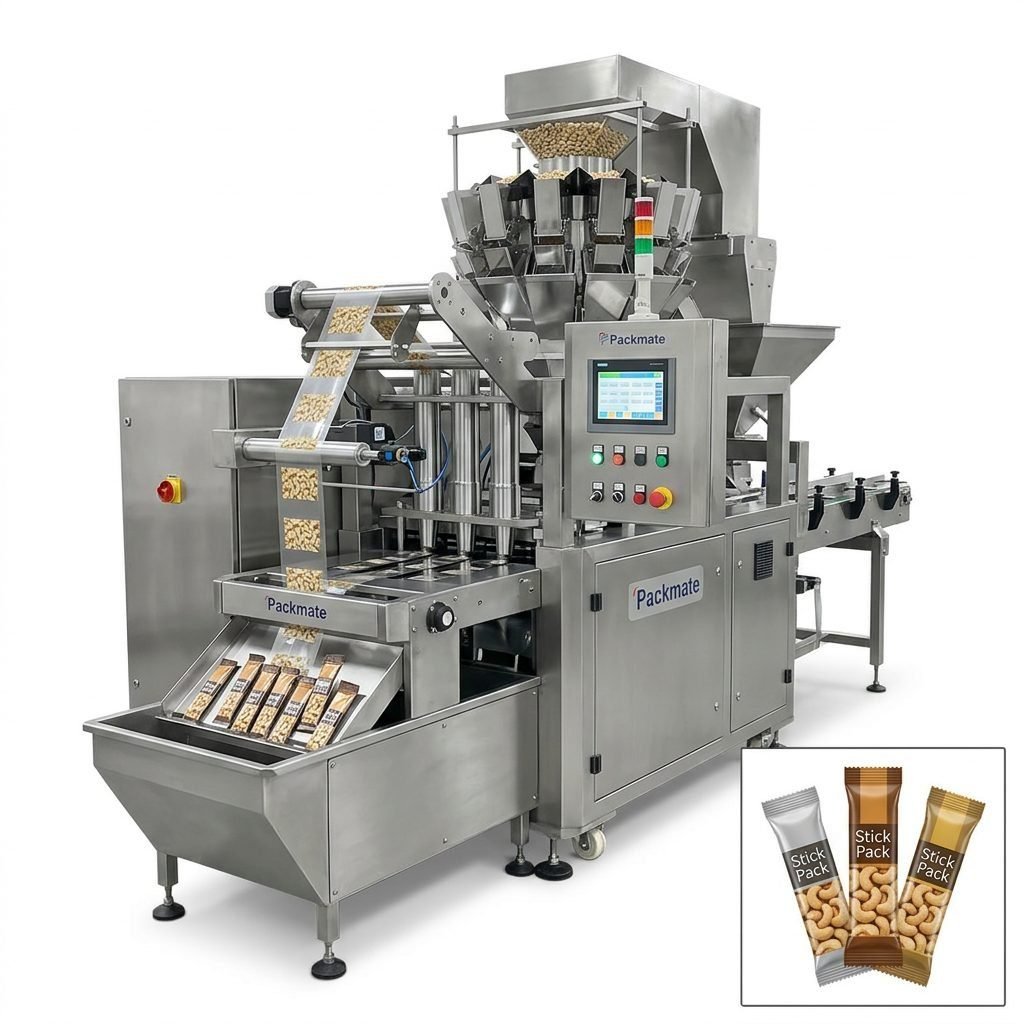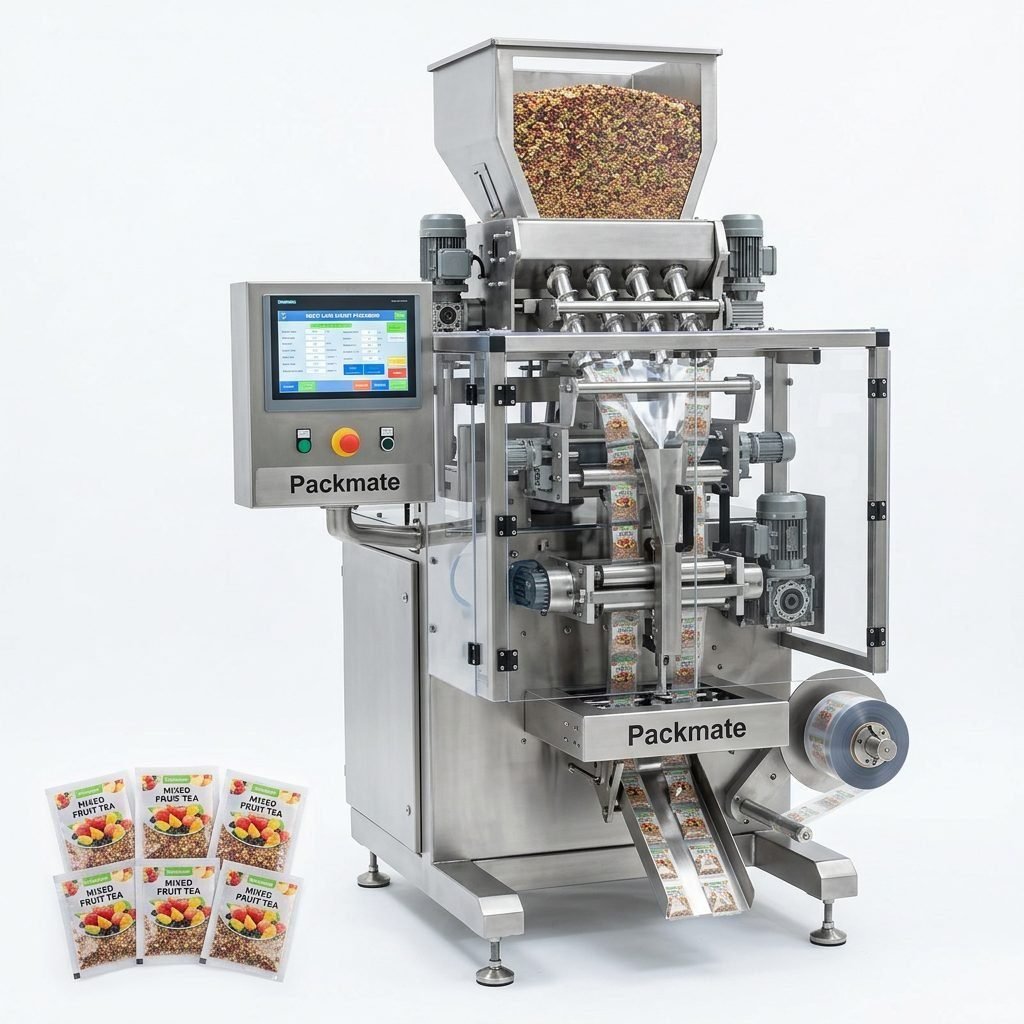
Understanding the Harmonized System (HS) code for vacuum packaging machines is crucial for businesses engaged in international trade. An accurate HS code classification ensures smooth customs clearance, determines applicable duty rates, and helps avoid costly delays or penalties. This comprehensive guide will walk you through the specifics of the vacuum packaging machine HS code, its importance for import and export, and how to navigate the classification process effectively.
What is the HS Code for Vacuum Packaging Machines?
The Harmonized System (HS) is an internationally standardized system of names and numbers for classifying traded products. For vacuum packaging machinery, the primary classification typically falls under HS Code 8422.30. This code is part of a broader category:
Chapter 84: Nuclear reactors, boilers, machinery and mechanical appliances; parts thereof.
Heading 8422: Dishwashing machines; machinery for cleaning or drying bottles or other containers; machinery for filling, closing, sealing, or labelling bottles, cans, boxes, bags or other containers; other packing or wrapping machinery.
Subheading 8422.30: Machinery for filling, closing, sealing, or labelling bottles, cans, boxes, bags or other containers; machinery for capsuling bottles, jars, tubes and similar containers; other packing or wrapping machinery (including heat-shrink wrapping machinery).
It is under this subheading that most industrial vacuum packaging machines are classified. However, the exact 8 to 10-digit code can vary slightly depending on the country’s national tariff schedule and the machine’s specific features, such as whether it is automatic or semi-automatic.
Why is the Correct HS Code So Important?
Misclassifying your vacuum packaging machine can lead to significant operational and financial setbacks. The correct HS code directly impacts:
- Customs Duties and Taxes: The code determines the import duty rate, VAT, and any other applicable taxes. An incorrect code can result in overpayment or underpayment, the latter leading to fines and back payments.
- Customs Clearance Speed: Accurate codes prevent customs holds, inspections, and queries, ensuring your shipment moves quickly through ports.
- Trade Compliance: Proper classification ensures adherence to international trade regulations and any country-specific restrictions or licensing requirements.
- Trade Data Accuracy: Governments use HS code data to track trade flows. Accurate reporting contributes to reliable market statistics.
A Step-by-Step Guide to Classifying Your Machine
Classifying your vacuum packaging machine requires careful attention to detail. Follow these steps to identify the most accurate HS code:
Step 1: Identify the Core Function
Determine the primary purpose. For a vacuum packaging machine, the core functions are evacuating air from a package and sealing it. This firmly places it within the “packing or wrapping machinery” scope of Heading 8422.
Step 2: Review Technical Specifications
Examine the machine’s details:
• Is it automatic, semi-automatic, or manual?
• What is its chamber size or production speed?
• Is it designed for specific products (e.g., food, pharmaceuticals)?
These specifics help pinpoint the exact national subheading.
Step 3: Consult Official Resources
Always refer to the latest customs tariff database of the destination or origin country. For example, the United States uses the Harmonized Tariff Schedule (HTS), while the European Union uses the Combined Nomenclature (CN).
Step 4: Seek Expert Advice if Unsure
If classification is complex, consult with a licensed customs broker, freight forwarder, or the customs authority directly. For manufacturers like Packmate Machinery, providing the correct HS code to clients is part of comprehensive export support.
Common Challenges and How to Overcome Them
Importers and exporters often face hurdles in HS code classification. Here are common issues and solutions:
Challenge 1: Machines with Multiple Functions. Some equipment may combine vacuum sealing with other processes like weighing or labelling. The General Rules of Interpretation (GRI) for the HS state that classification should be based on the principal function. If vacuum packaging is the primary purpose, it should be classified under 8422.30.
Challenge 2: Varying National Interpretations. Different countries may have explanatory notes that slightly alter classification. Always verify with the target country’s customs database. For instance, a machine exported from China to Germany must align with both Chinese export codes and EU import codes.
Challenge 3: Parts and Accessories. Spare parts for vacuum packaging machines, such as sealing bars or vacuum pumps, typically have separate HS codes (often under 8422.90 or 8414.80). They must be declared separately from the complete machine.
The Role of Manufacturers in HS Code Guidance
Reputable manufacturers play a vital role in facilitating international trade for their clients. A company with extensive global export experience, such as Packmate (GuangDong) Co., Ltd., understands the intricacies of customs classification. With over 30 years in manufacturing intelligent packaging equipment, they provide essential documentation and guidance, including proforma invoices with suggested HS codes, detailed machine descriptions, and certificates of origin. This support is invaluable for buyers navigating import procedures in their home countries.
Key Takeaways for Importers & Exporters
• Always Double-Check: Never assume an HS code. Verify it against the official tariff schedule of the relevant country.
• Document Thoroughly: Ensure commercial invoices, packing lists, and other shipping documents consistently and accurately state the HS code and product description.
• Leverage Manufacturer Expertise: Work closely with your machinery supplier. Established manufacturers like Packmate, with a proven global track record, are key partners in ensuring compliant and hassle-free shipping.
• Stay Updated: HS codes are reviewed and updated periodically (usually every 5 years). Stay informed about changes that might affect your shipments.
Frequently Asked Questions (FAQs)
Q1: What is the difference between an HS code and an HTS code?
A: The HS code is the international 6-digit standard. An HTS (Harmonized Tariff Schedule) code is the United States’ extension of this, typically using 8 to 10 digits for greater specificity. Other countries have similar national extensions (e.g., TARIC in the EU).
Q2: Can I use the same HS code for exporting to all countries?
A: The first 6 digits are globally harmonized, so they remain the same. However, the extended digits (7-10) are country-specific. You must use the full code required by the destination country’s import tariff schedule.
Q3: Who is legally responsible for the correct HS code classification?
A: The importer of record (or the exporter, depending on the Incoterms® rule) is ultimately legally responsible for the accurate classification and declaration of goods to customs authorities.
Q4: What happens if I use the wrong HS code?
A: Consequences can include customs delays, shipment seizures, audits, duty reassessments (with potential back payments and interest), and financial penalties for non-compliance.
Q5: Where can I find reliable HS code information for my vacuum packaging machine?
A: Start with your national customs website. For comprehensive support, consult with your customs broker or the machinery manufacturer. For example, contacting Packmate Machinery can provide you with model-specific guidance based on their extensive export experience.