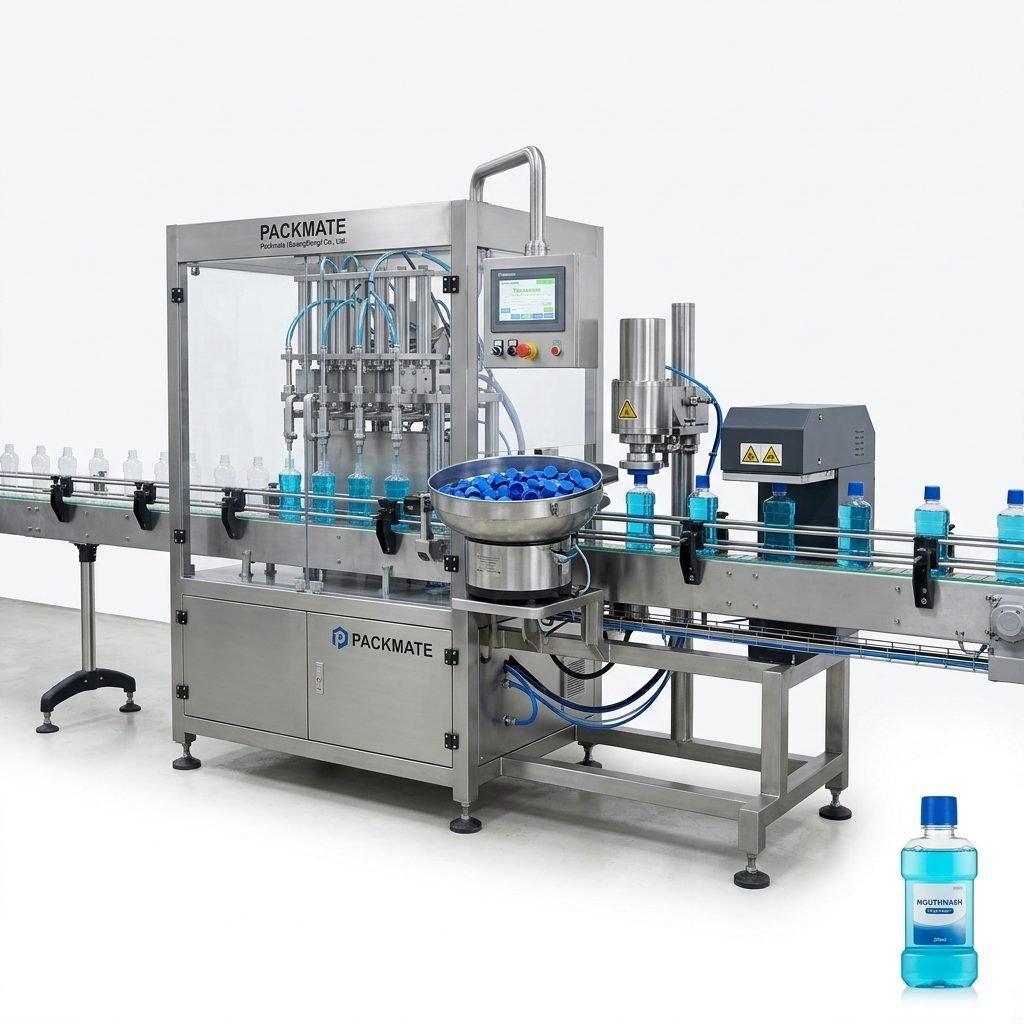
In the fast-paced world of e-commerce and logistics, fulfillment centers are the beating heart of operations. Their efficiency directly impacts customer satisfaction, delivery speed, and ultimately, the bottom line. One of the most critical, yet sometimes overlooked, components of this efficiency is packaging equipment. The right machinery can transform a chaotic packing floor into a streamlined, high-speed assembly line, handling everything from fragile items to bulky products with precision and care.
The Core Role of Packaging in Fulfillment
Packaging in a fulfillment center is not merely about putting an item in a box. It is a multifaceted process that encompasses product protection, brand presentation, dimensional optimization for shipping costs, and labor efficiency. Manual packaging processes are prone to errors, inconsistencies, and physical strain on workers, leading to slowdowns and increased costs. Automated and semi-automated packaging equipment addresses these challenges head-on, ensuring that every parcel leaving the facility is secure, correctly sized, and ready for its journey to the customer.
Key Efficiency Metrics Impacted by Packaging Equipment:
- Orders Per Hour (OPH): High-speed machines dramatically increase the number of packages processed.
- Dimensional Weight Accuracy: Right-sized packaging reduces wasted space and shipping costs.
- Material Usage: Automated systems minimize corrugate and void fill waste.
- Labor Cost & Ergonomics: Automation reduces repetitive strain and allows staff to focus on higher-value tasks.
- Damage Rate: Consistent, proper packaging significantly lowers in-transit product damage.
Top Packaging Equipment Categories for Peak Performance
Investing in the right mix of equipment is crucial. Here’s a breakdown of essential machinery that drives fulfillment center efficiency.
1. Automated Carton Erection & Sealing Systems
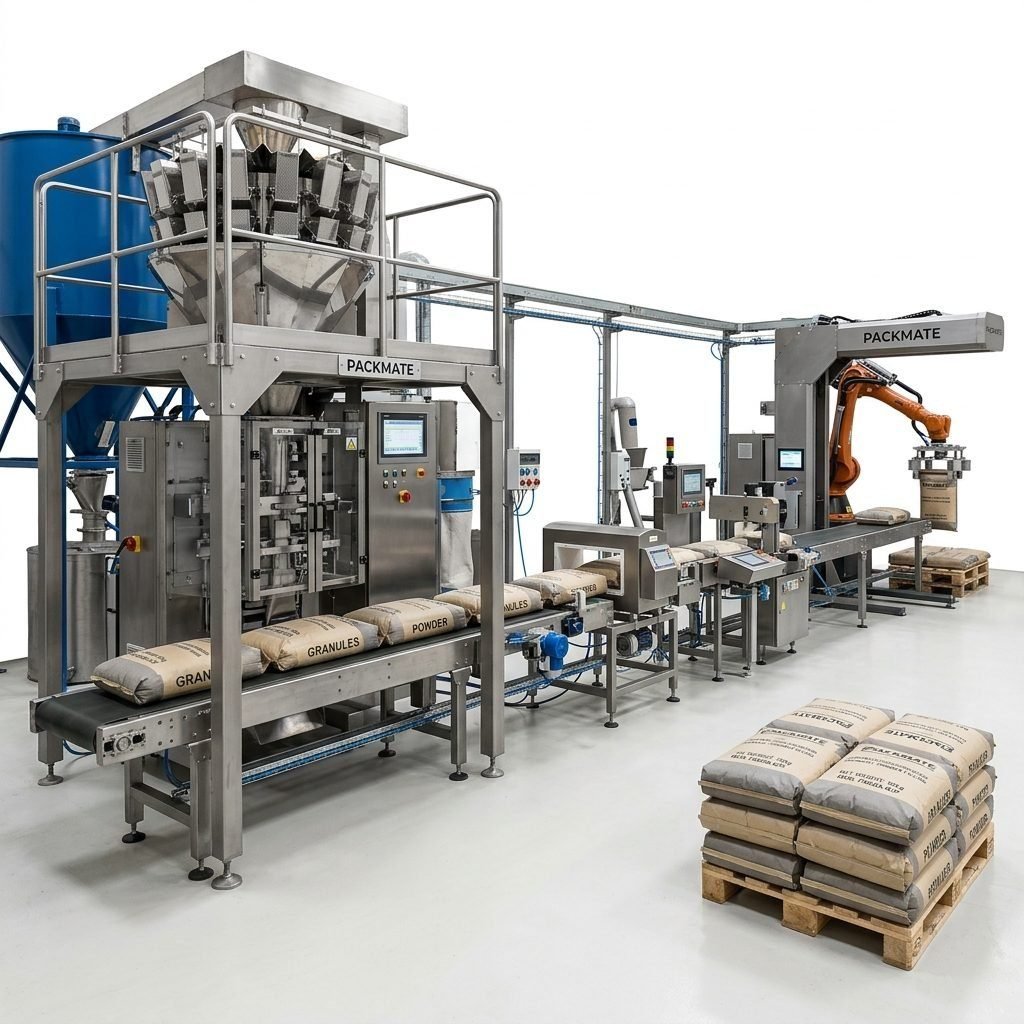
These systems form, bottom-tape, and seal cartons at remarkable speeds. They are programmable for multiple box sizes, allowing for quick changeovers between different products or order profiles. This eliminates the time-consuming and physically demanding task of manual box setup, ensuring a steady, fast supply of ready-to-fill containers to packing stations. For operations dealing with a high volume of uniform-sized items, integrating these with a weighing and packaging system can create a seamless flow from weighing to containment.
2. Right-Sized Packaging Solutions
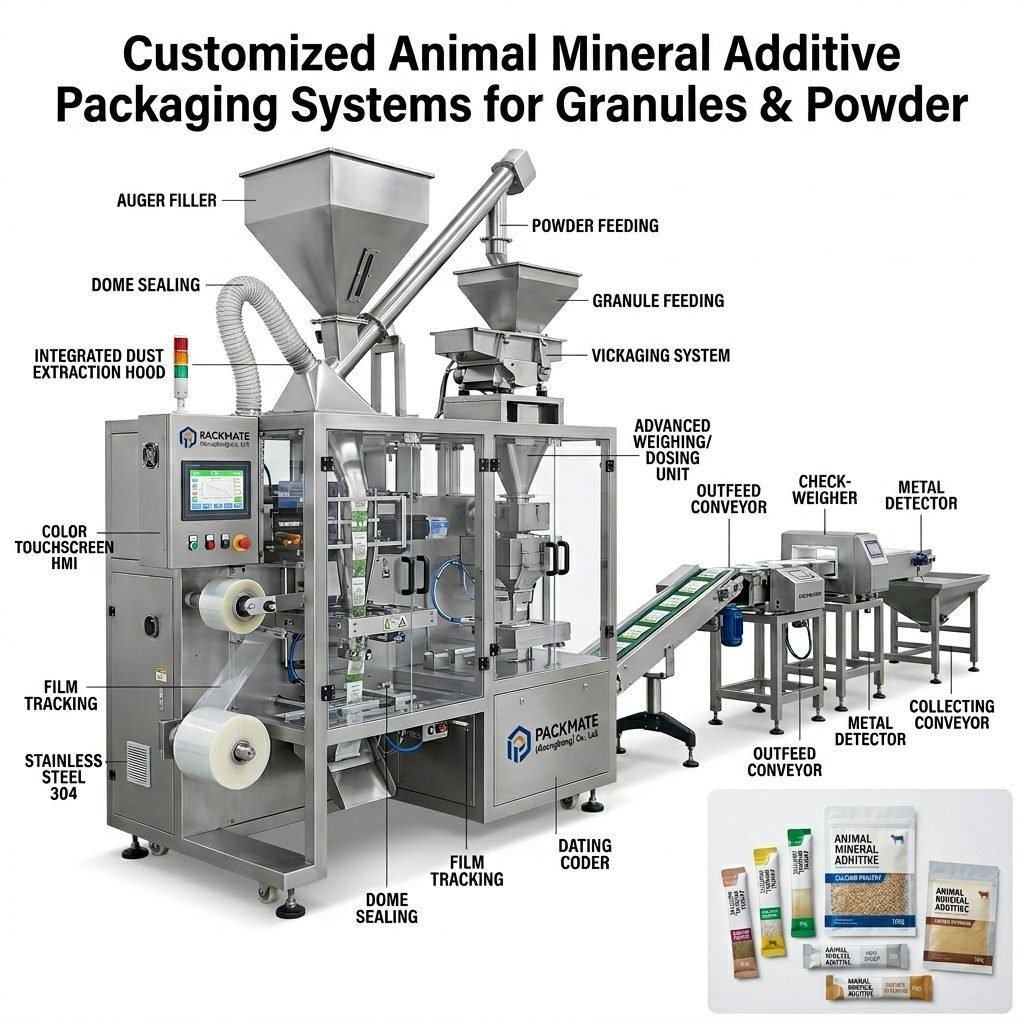
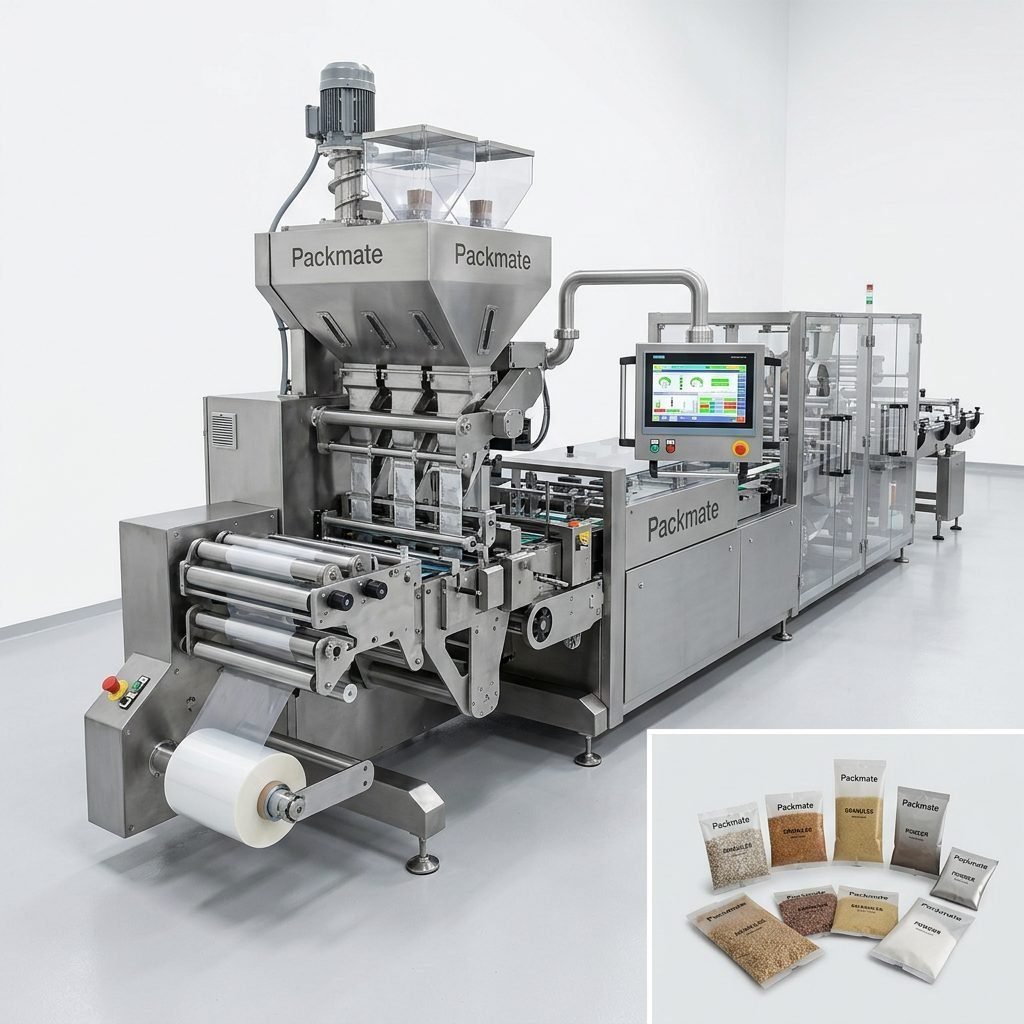
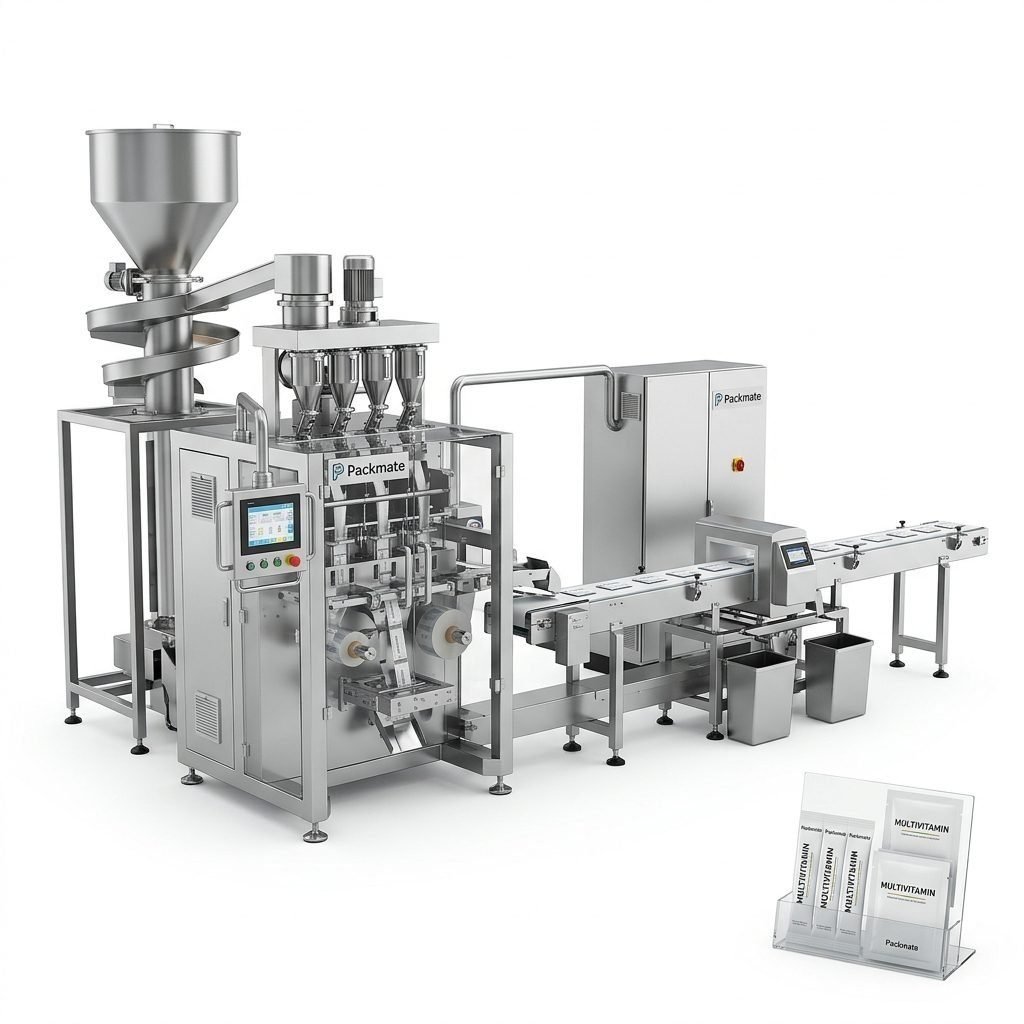
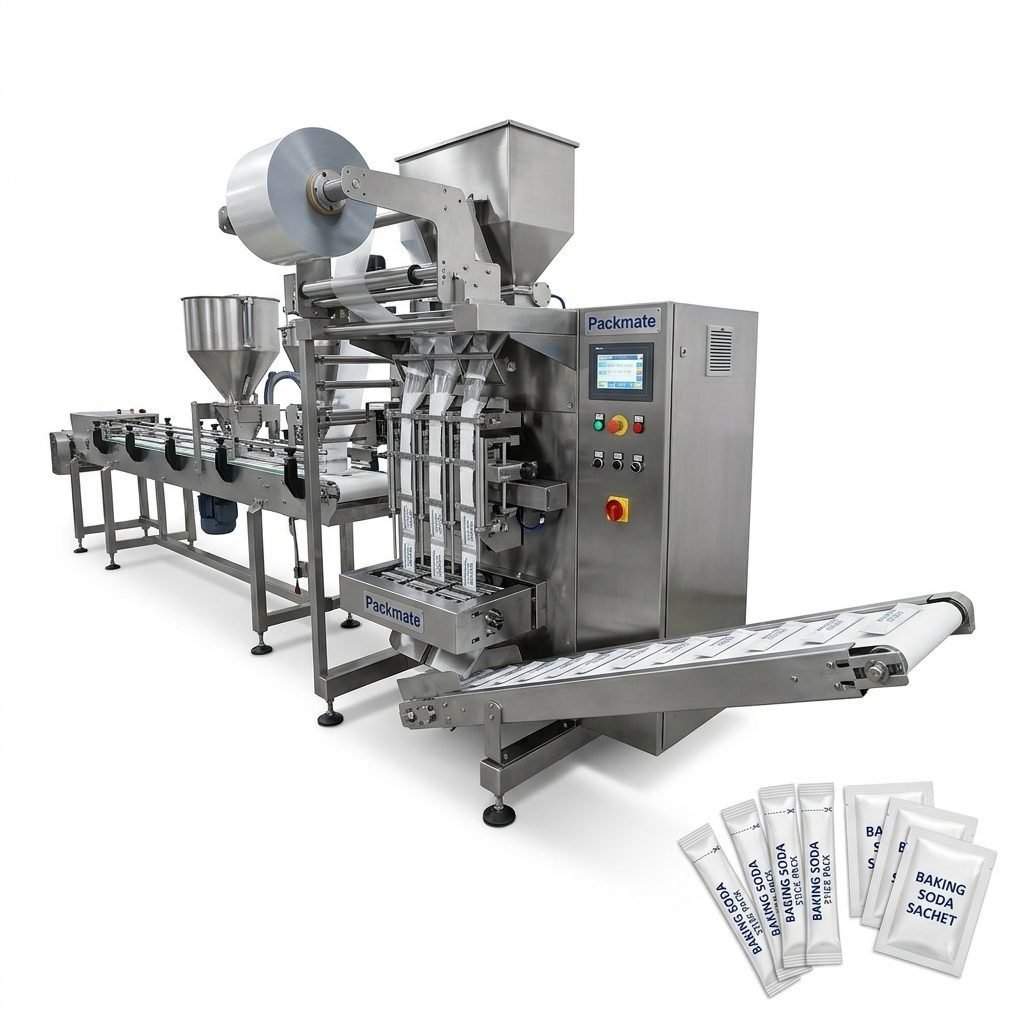
Perhaps the single greatest source of waste in fulfillment is using a box that is too large. Right-sized packaging technology, like on-demand box-making machines or padded mailer systems, creates a custom-sized package for each order in real-time. This slashes material costs and dramatically reduces dimensional weight charges from carriers. The savings on shipping alone can provide a rapid return on investment. This principle of precision is central to efficient operations, much like the focus seen in specialized sachet and stick pack machines for granular and powdered products in other industries.
3. Automated Bagging & Pouch Systems
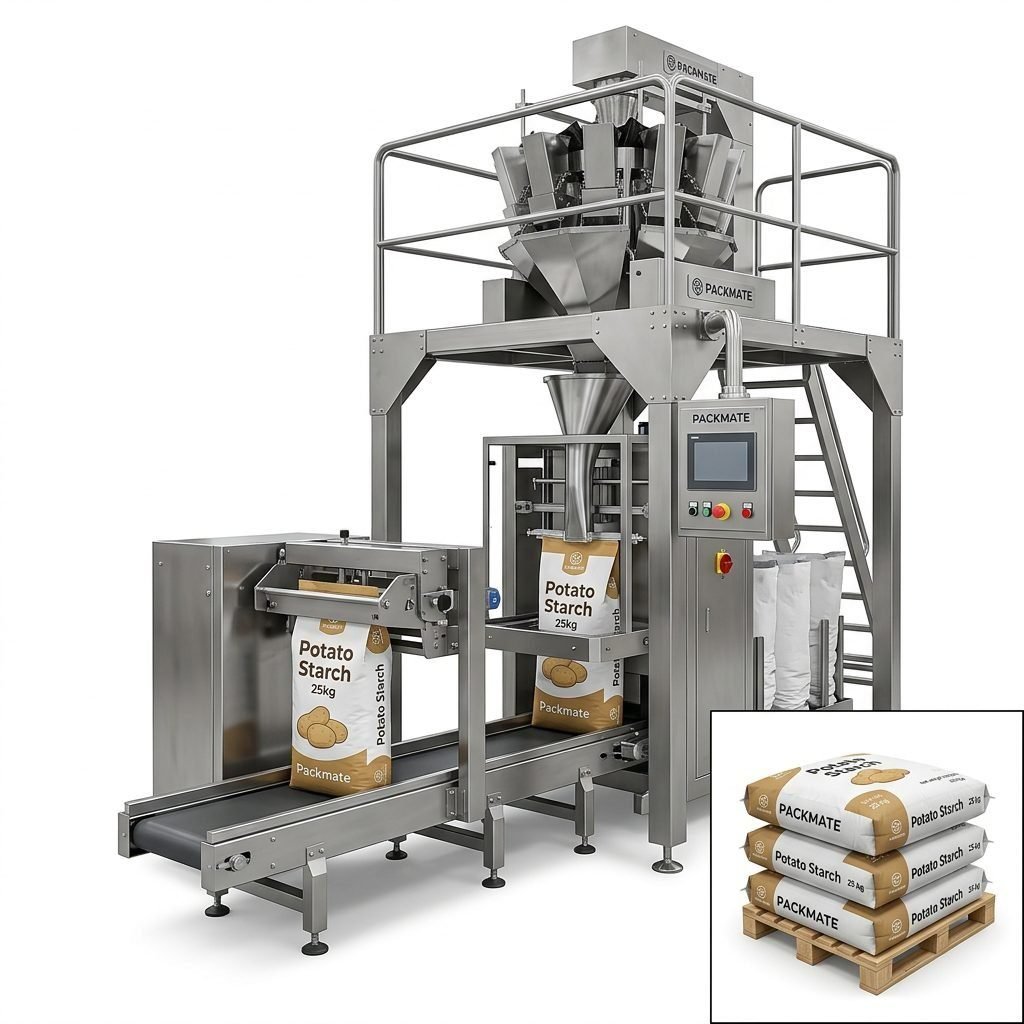
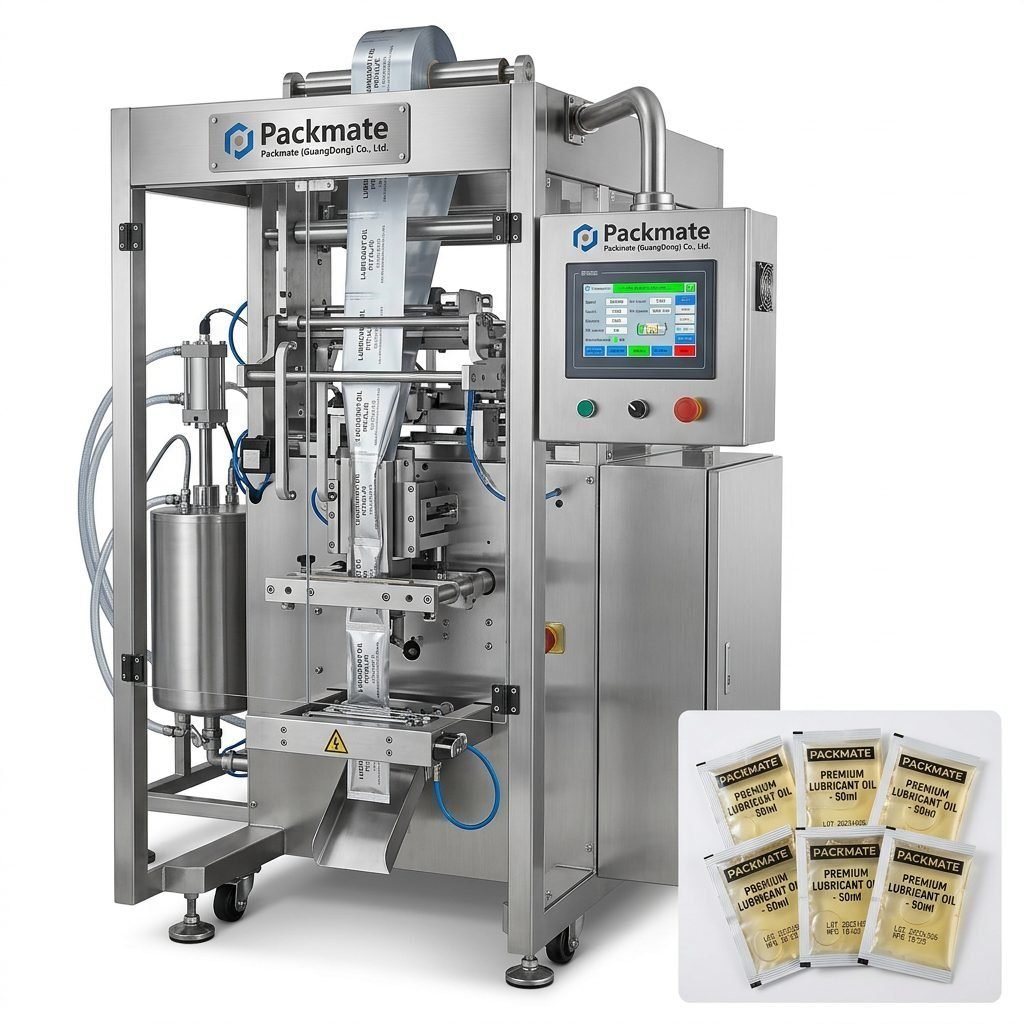
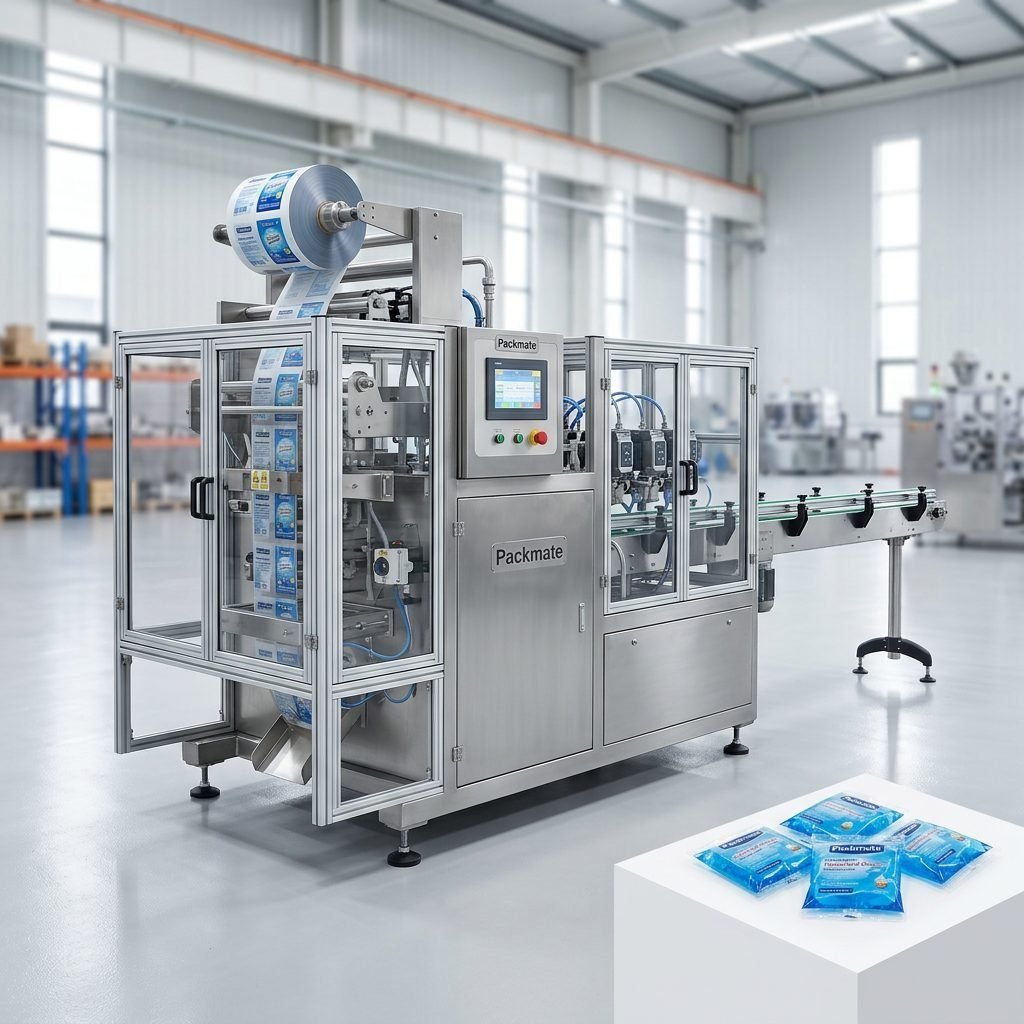
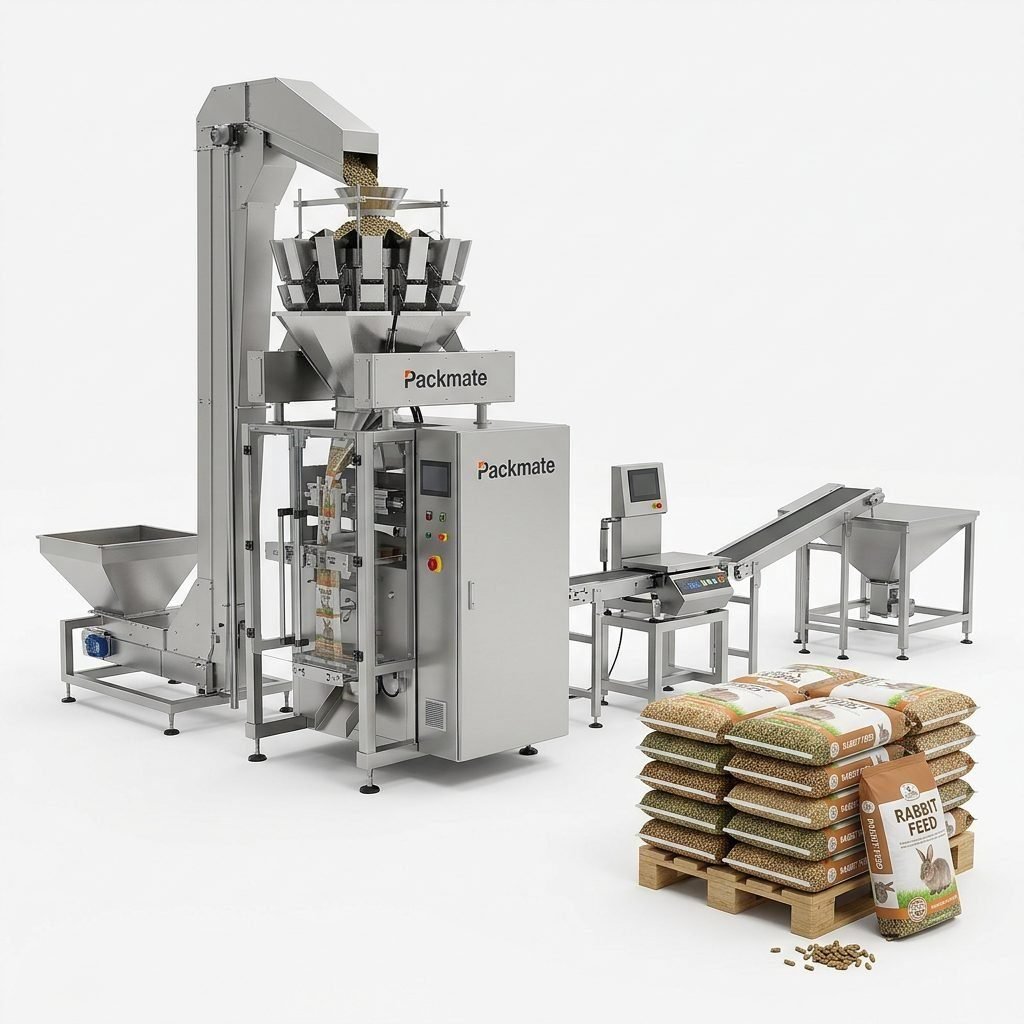
For apparel, soft goods, books, and non-fragile items, automated bagging machines offer a lightweight, cost-effective alternative to rigid boxes. These systems can insert products, print and apply labels, and seal bags at high speeds. They take up less floor space than carton systems and use less material. The versatility of bagging solutions makes them ideal for high-volume, low-weight order fulfillment. Exploring different bag and pouch packaging machine options can help identify the perfect fit for your product mix.
The Automation Spectrum: Finding Your Fit
Not every center needs a fully robotic line. Efficiency gains can be found at every level of investment:
Basic: Semi-automatic tape dispensers, manual bag sealers, and scale interfaces.
Intermediate: Automatic carton formers, bagging machines, and print-and-apply labelers.
Advanced: Integrated filling and packaging lines, robotic pick-and-place for packing, and fully automated sortation systems.
4. Void Fill & Cushioning Dispensers
Product protection is non-negotiable. Automated void fill systems dispense the exact amount of air pillow, paper, or foam needed to secure an item within its package. This eliminates guesswork, improves consistency, and is far faster than manually stuffing packing material. It also contributes to right-sizing by using just enough cushioning without overfilling.
5. Print & Apply Labeling Systems
Accuracy in shipping labels is paramount. Manual label printing and application is slow and error-prone. Automated print-and-apply systems integrate with your Warehouse Management System (WMS), printing shipping labels, packing slips, or promotional inserts and applying them directly to the box or bag with precision. This ensures 100% scan-ability at carrier sortation facilities, preventing delays and misroutes.
Integration: The Key to Unlocking Full Potential
Individual machines are powerful, but their true potential is realized when they work together as a synchronized system. Integration with a WMS or Enterprise Resource Planning (ERP) system allows packaging lines to receive real-time order data. This enables automatic selection of box size, printing of correct documentation, and routing of the package to the appropriate carrier lane. This level of integration turns a series of machines into an intelligent, self-regulating packaging ecosystem, minimizing human intervention and maximizing throughput. For a holistic approach, consider partners who offer comprehensive service and support for integrated systems.
Choosing the Right Partner for Your Packaging Equipment
Selecting equipment is also about selecting a manufacturer. Look for a partner with a proven track record, like Packmate Machinery, a company with over 30 years of expertise in building reliable packaging solutions. A partner should offer robust machinery, deep industry knowledge, and reliable after-sales support to ensure your investment continues to deliver value. Reviewing a manufacturer’s case studies and project portfolio can provide valuable insight into their capabilities and experience.
Frequently Asked Questions (FAQs)
1. What is the typical ROI for automated packaging equipment?
Return on investment can vary widely based on the equipment and your current labor and material costs. However, many fulfillment centers see ROI within 12-24 months through savings in labor, reduced shipping costs (via right-sizing), and lower material waste. A detailed efficiency audit can provide a more accurate projection.
2. How do I know if my center is ready for automation?
Key indicators include consistently high order volumes, difficulty scaling manual processes during peak seasons, rising labor costs or turnover in packing roles, and excessive spending on shipping due to poorly optimized package sizes. If manual packing is becoming a bottleneck, it’s time to evaluate automation.
3. Can automated systems handle a wide variety of product sizes?
Yes. Modern automated packaging systems are designed for flexibility. Many carton erectors and right-sized box machines can store dozens of box size profiles and change over automatically based on a signal from the WMS. Similarly, bagging machines can adjust to different bag dimensions.
4. How much space do these machines require?
Space requirements vary. While some integrated lines require significant floor space, many modular machines (like baggers or void fill dispensers) have a relatively small footprint and can be fitted into existing packing station layouts. A vendor site assessment is the best way to plan an efficient layout.
5. What about maintenance and technical support?
This is a critical consideration. Choose equipment from reputable manufacturers that offer clear maintenance schedules, readily available spare parts, and responsive technical support—whether remotely or on-site. Proactive maintenance is key to avoiding costly downtime.