In today’s fast-paced manufacturing environment, efficiency and consistency are paramount. An automatic packaging machine is no longer a luxury but a necessity for businesses looking to scale, reduce labor costs, and ensure product integrity. This comprehensive guide will walk you through the different types of automatic packaging machines, their significant benefits, and crucial factors to consider before making a purchase.
Understanding Automatic Packaging Machines
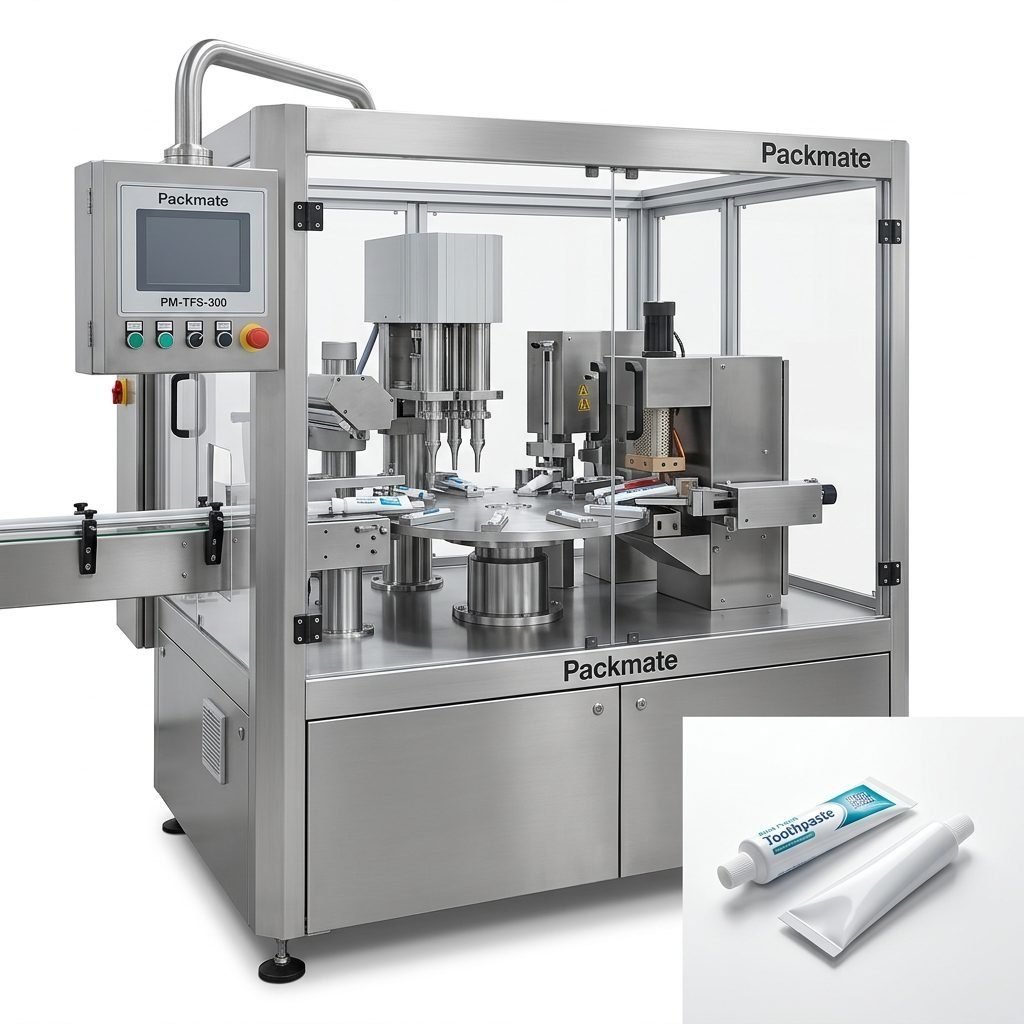
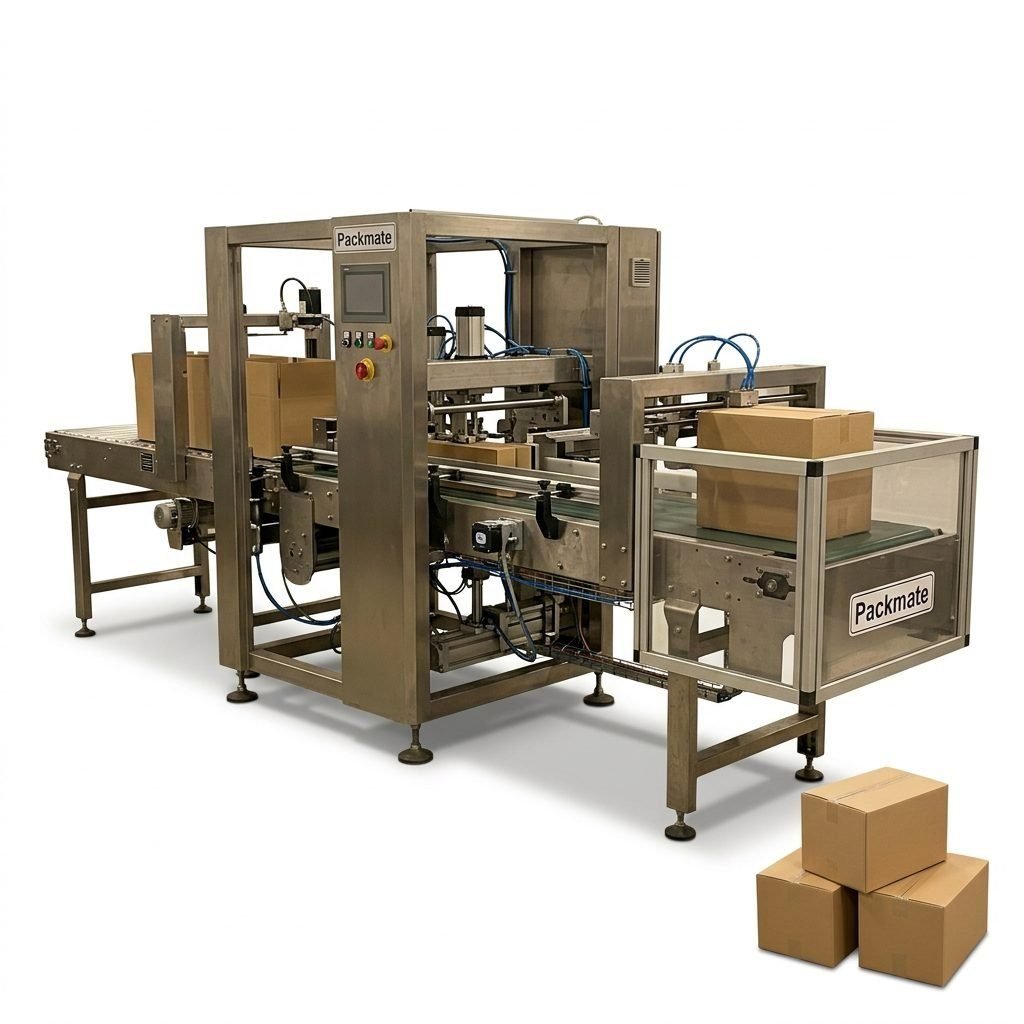
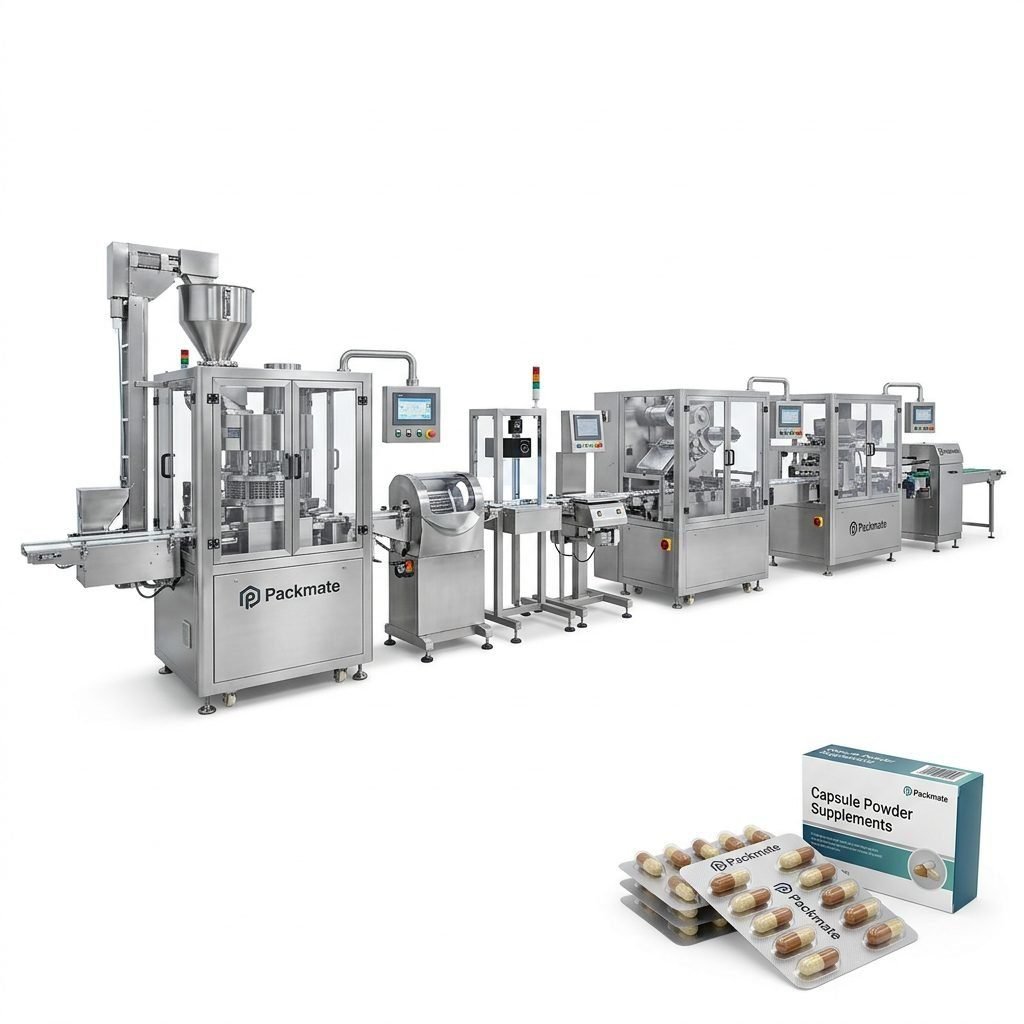
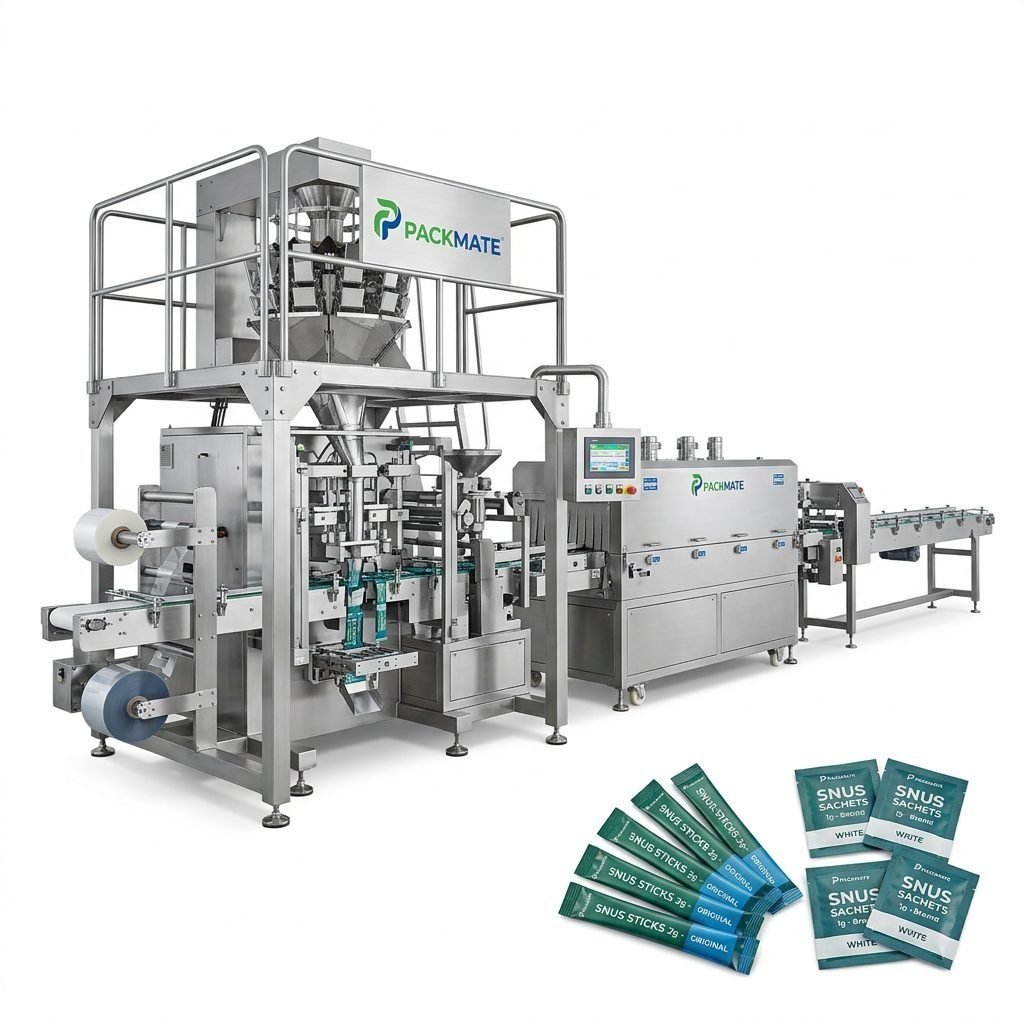
An automatic packaging machine is a system designed to form, fill, and seal packages with minimal human intervention. These machines handle a vast array of products, from granules and powders to liquids and solids, across industries like food, pharmaceuticals, cosmetics, and hardware. The core principle is automation: once configured and fed with product and packaging material, the machine operates continuously, dramatically increasing output.
Key Components of a Typical System:
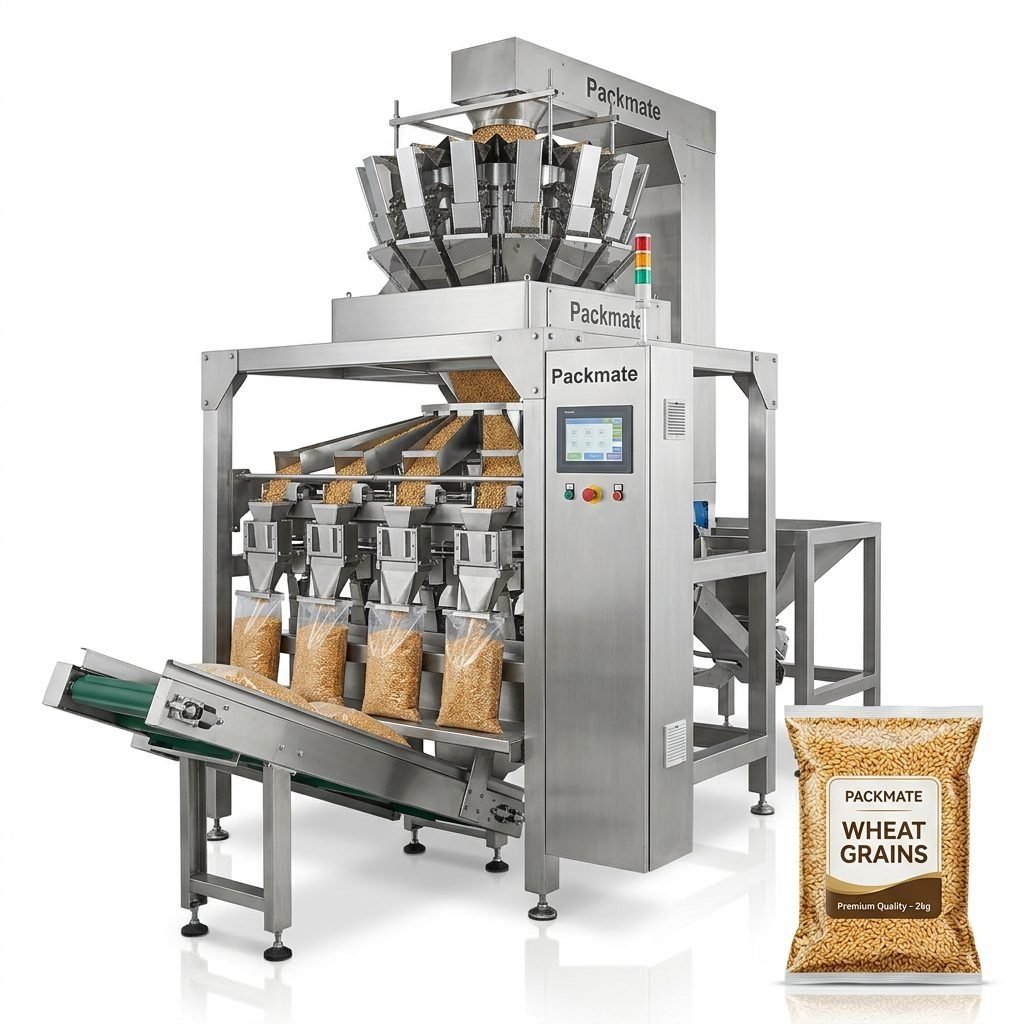
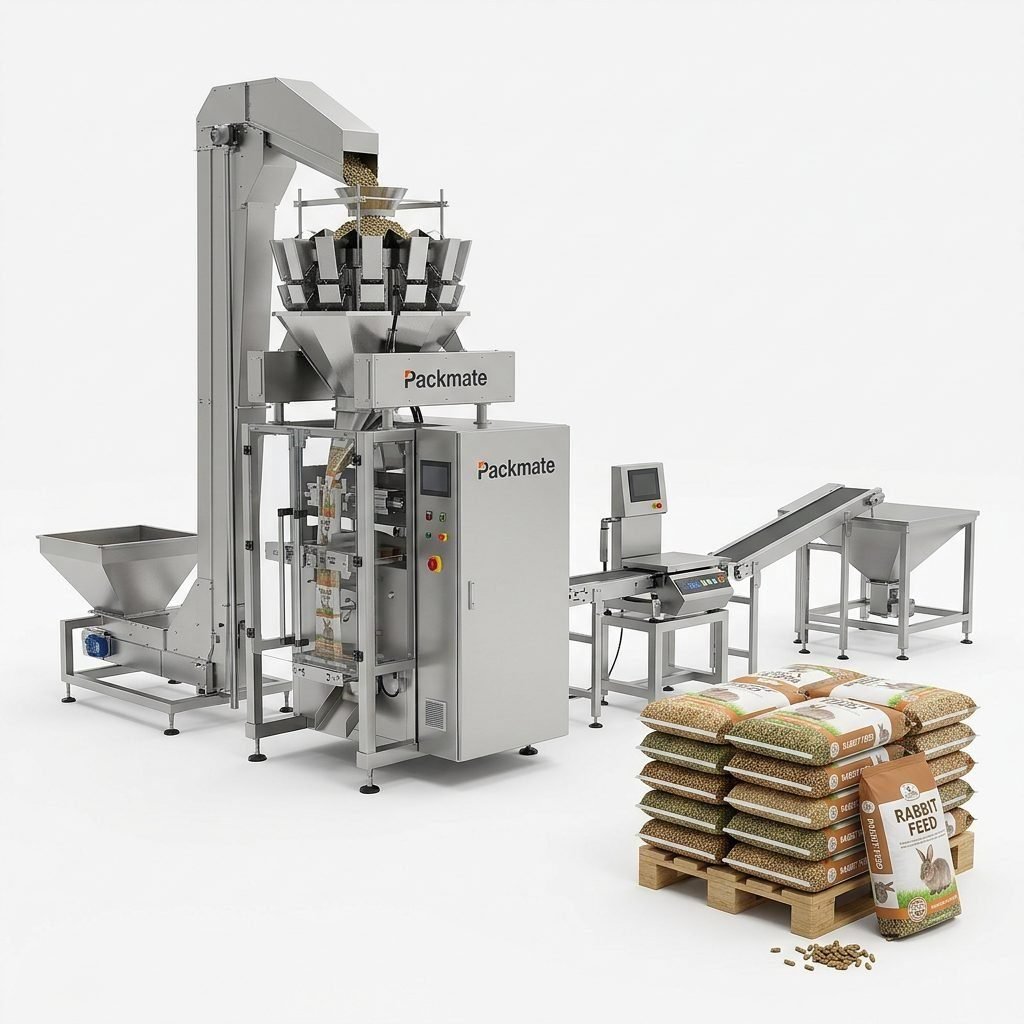
Product Feeding System: This could be a volumetric cup filler, auger filler for powders, pump for liquids, or a sophisticated multi-head weigher for snacks.
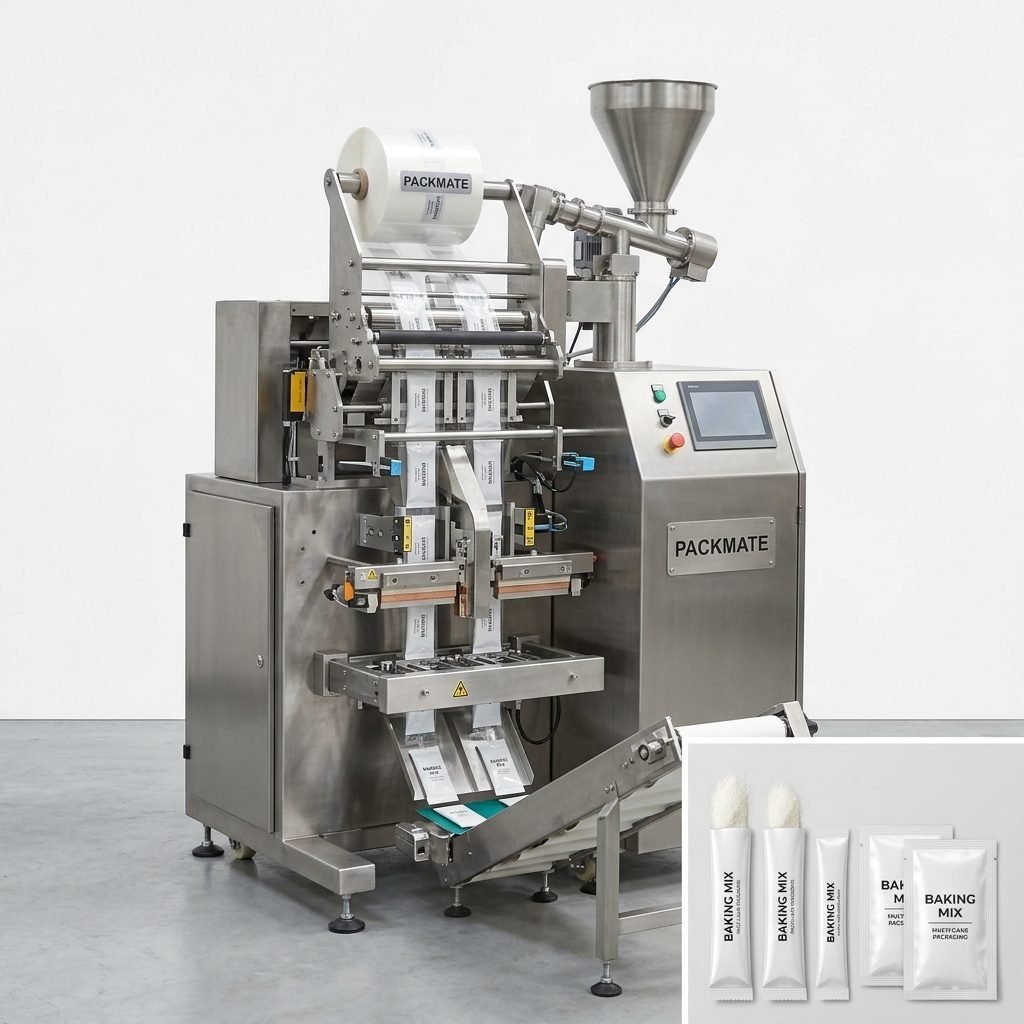
Packaging Material Unwind & Forming: The roll of film (laminate, polyethylene, etc.) is fed and shaped into a bag or pouch.
Filling Station: The precise amount of product is dispensed into the formed package.
Sealing Mechanism: Heated jaws or ultrasonic sealers create a hermetic seal to protect the product.
Control Panel (HMI): The user interface for setting parameters like speed, temperature, and package size.
Major Types of Automatic Packaging Machines
Choosing the right machine depends entirely on your product and desired package format. Here’s a breakdown of the most common types.
Vertical Form-Fill-Seal (VFFS) Machines
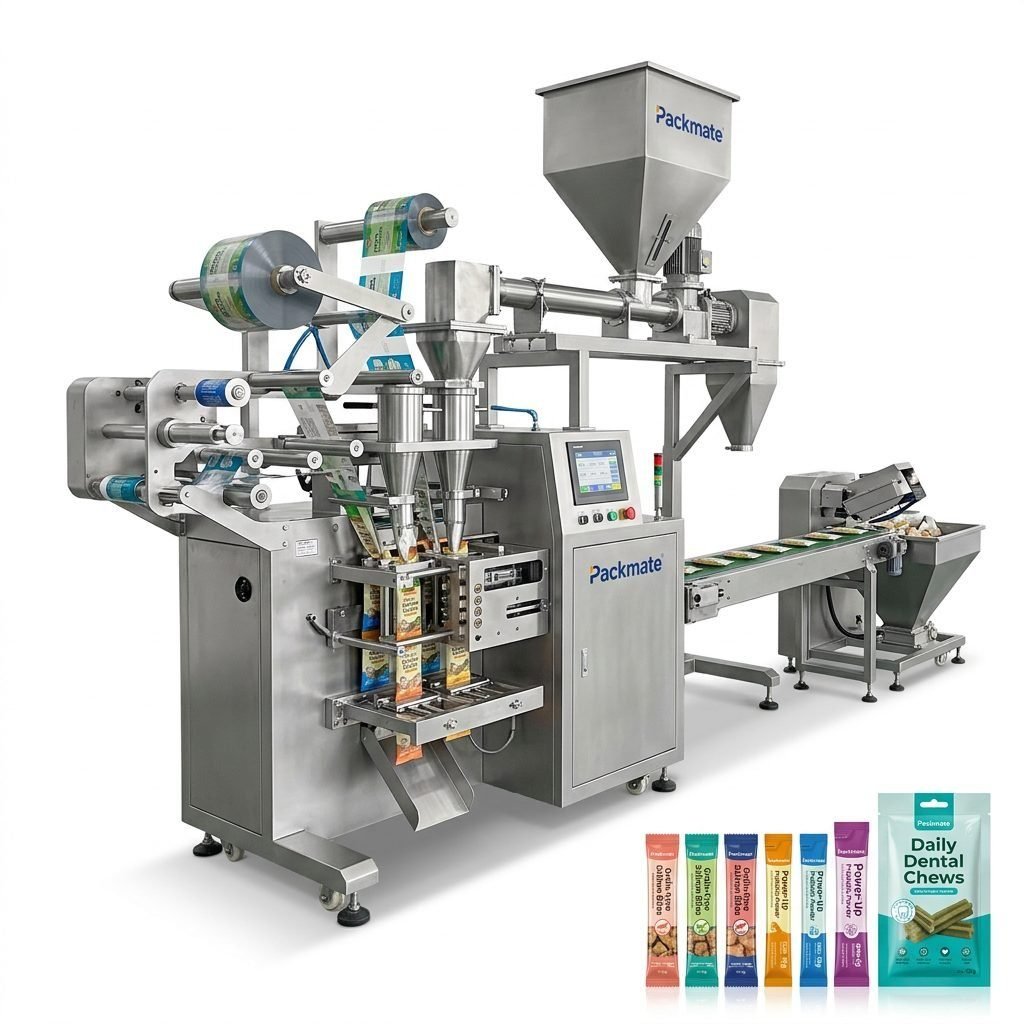
These are the workhorses of the packaging industry. A roll of film is fed vertically, formed into a tube, filled with product, and then sealed horizontally and vertically to create individual bags. They are incredibly versatile and ideal for granules, powders, snacks, and small hardware items. VFFS machines can produce pillow bags, gusseted bags, and more.
Horizontal Form-Fill-Seal (HFFS) Machines
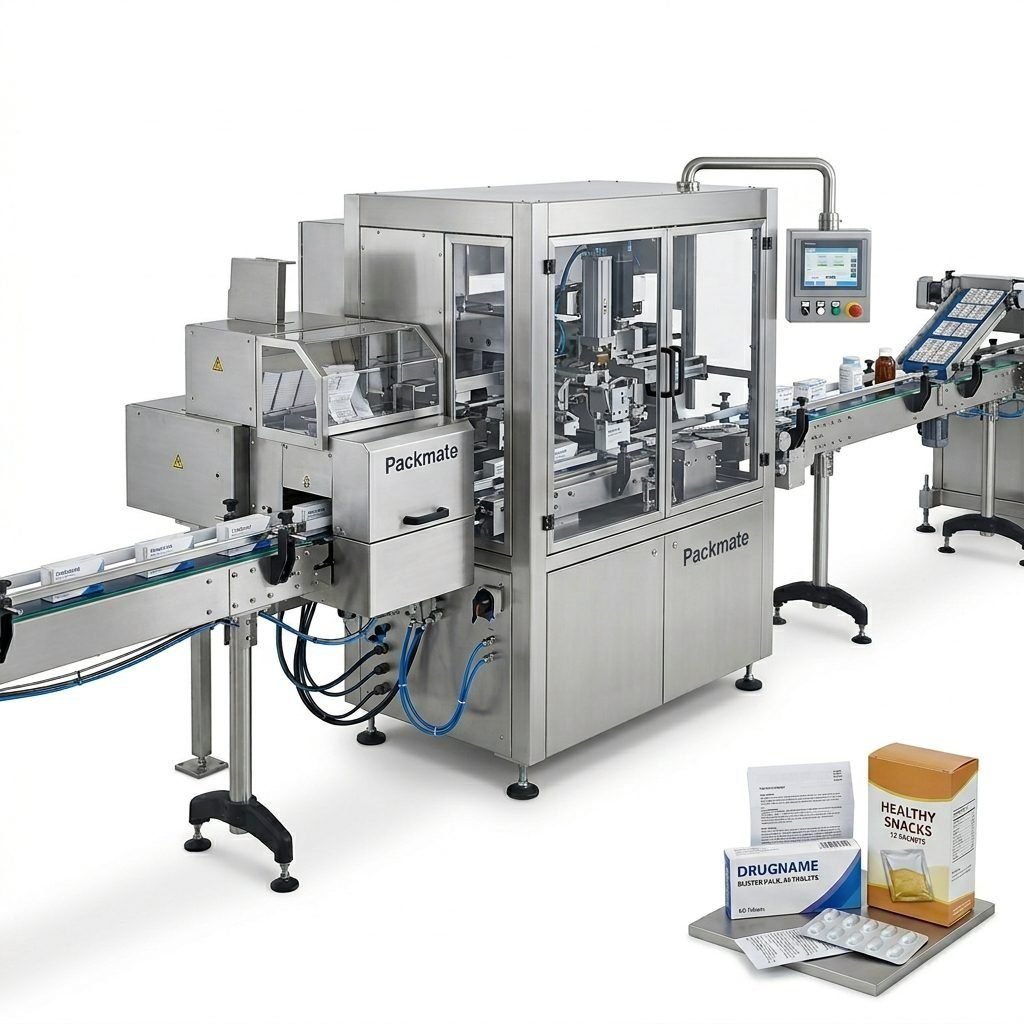
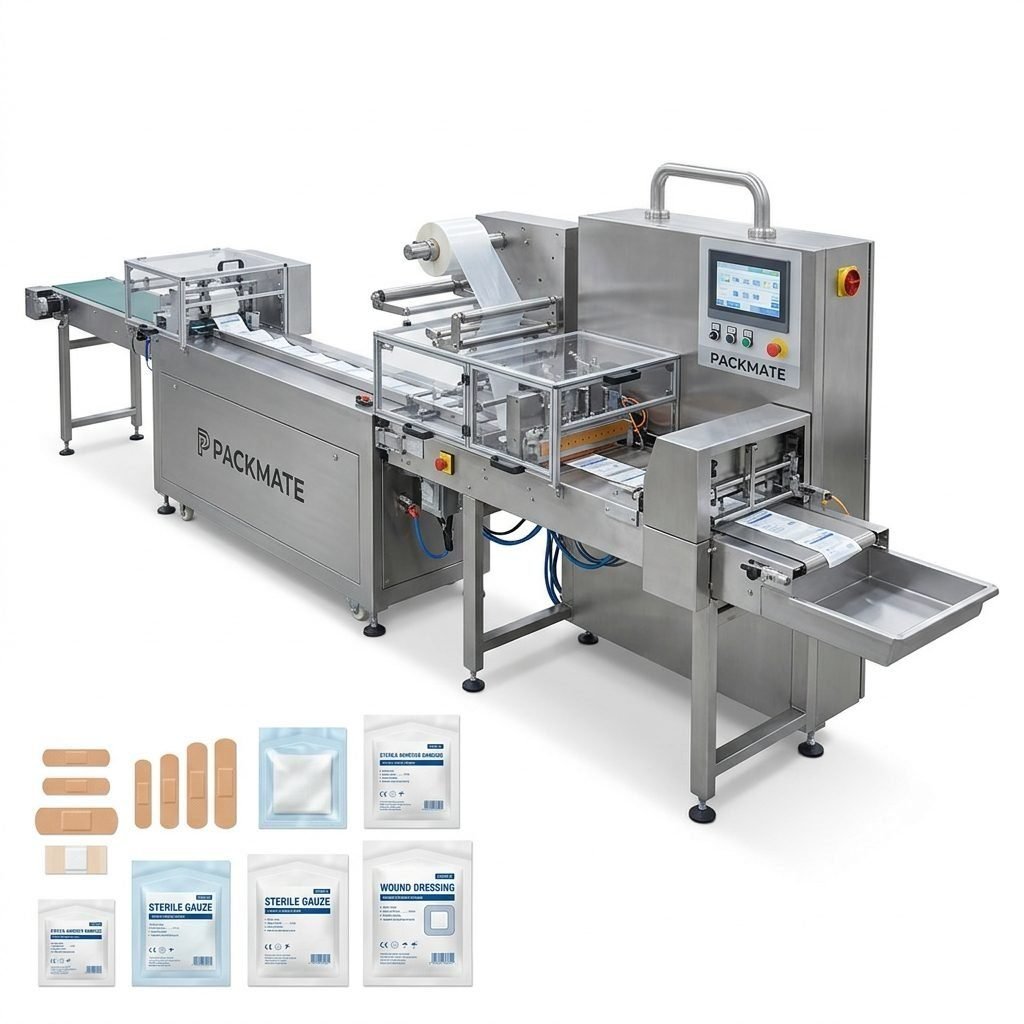
In HFFS machines, the film travels horizontally. They are typically used for more rigid structures or when placing multiple items into a single tray or cavity. Common applications include blister packs for pharmaceuticals, cookie trays, and portion packs for sauces or jams.
Liquid & Pouch Filling Machines
Designed specifically for fluids, these machines handle everything from water and juices to oils and shampoos. They often integrate pumps (piston, gear, or peristaltic) for high accuracy and can be paired with spout applicators or cap sealing systems. Stand-up pouches (Doypack style) are a popular output format from these lines.
Stick Pack & Sachet Machines
Perfect for single-serve portions of powders (coffee, creamer, supplements) or liquids (sauce, shampoo samples). These machines create small, elongated stick packs or flat sachets at very high speeds. Multi-lane stick pack machines can produce dozens of units per second, making them ideal for high-volume industries.
Specialized Bagging Machines
This category includes machines for pre-made bags and pouches. They open a pre-manufactured bag (like a zipper bag or a flat pouch), fill it, and then seal or close it. This is excellent for products where the packaging material is complex or branded, such as premium coffee or tea. Explore options for bag and pouch packaging machines for these applications.
The Compelling Benefits of Automation
Investing in an automatic packaging machine delivers a strong return on investment through multiple channels.
1. Dramatically Increased Production Speed & Output
Manual packaging is slow and limited by human stamina. An automatic machine can run 24/7 with minimal stops, often achieving speeds hundreds of times faster than a human operator. This allows you to meet large orders and scale your business efficiently.
2. Unmatched Consistency and Reduced Product Waste
Machines eliminate human error in filling weights and seal quality. Every package has the exact same amount of product with a perfect, uniform seal. This consistency reduces giveaway (saving product cost) and minimizes leaks or spoilage, protecting your brand reputation.
3. Significant Labor Cost Savings
One automated line can replace several manual packing stations. While an initial investment is required, the long-term savings on labor wages, benefits, and associated costs are substantial. Staff can be reassigned to higher-value tasks like quality control and machine supervision.
4. Enhanced Hygiene and Safety Standards
In industries like food and pharmaceuticals, minimizing human contact with the product is critical. Automated packaging creates a closed, controlled environment, reducing contamination risks. It also improves worker safety by handling repetitive tasks and sharp packaging materials.
5. Improved Packaging Presentation
Automatic machines produce neat, professional-looking packages with straight seals and consistent branding placement. This enhances the perceived value of your product on the shelf and strengthens your brand image in a competitive market.
Essential Buying Tips: How to Choose the Right Machine
Selecting the perfect automatic packaging machine requires careful analysis. Rushing this decision can lead to costly downtime and inefficiency.
1. Define Your Product and Packaging Specifications
This is the first and most critical step. Be precise about:
Product Type: Is it free-flowing powder, sticky granules, abrasive material, or a viscous liquid? Each requires different feeding mechanisms.
Packaging Material: What film or laminate will you use? Its thickness, composition, and sealability must be compatible with the machine.
Bag/Pouch Size & Style: Define the exact dimensions (length, width, gusset) and style (pillow bag, stand-up pouch, stick pack).
2. Determine Your Required Production Capacity
Calculate your current and projected future output in bags/pouches per minute (BPM) or per hour. Don’t just buy for today’s needs; consider a machine with a 20-30% higher capacity to accommodate business growth without requiring another immediate capital purchase.
3. Prioritize Machine Flexibility and Changeover Ease
If you plan to run multiple products or package sizes, the machine’s changeover time is crucial. Look for features like tool-less changeovers, digital size adjustment, and quick-release parts. Flexibility can future-proof your investment.
4. Evaluate the Manufacturer’s Reputation and Support
The machine is only as good as the company behind it. Research manufacturers with a proven track record. For instance, Packmate Machinery brings over 30 years of expertise in building reliable packaging solutions. Key factors to check:
Experience & References: How long have they been in business? Can they provide client testimonials or case studies?
Service & Spare Parts: What is their warranty policy? How quickly can they supply spare parts and provide technical support? Global service networks are vital for international clients.
Training & Documentation: Do they offer comprehensive training for your operators and provide clear manuals in your language?
5. Consider Total Cost of Ownership (TCO)
Look beyond the initial purchase price. Factor in:
Operating Costs: Energy consumption, compressed air usage, and required consumables.
Maintenance Costs: Routine maintenance schedules and the cost of common wear parts.
Potential Downtime: A slightly more expensive, reliable machine from a reputable supplier often has a lower TCO than a cheap machine that frequently breaks down.
6. Request a Live or Video Product Test
Never buy based on specifications alone. Always send your actual product and packaging material to the manufacturer for a performance test. This is the only way to verify speed, accuracy, and seal quality. Reputable companies like Packmate typically offer this service to ensure machine suitability.