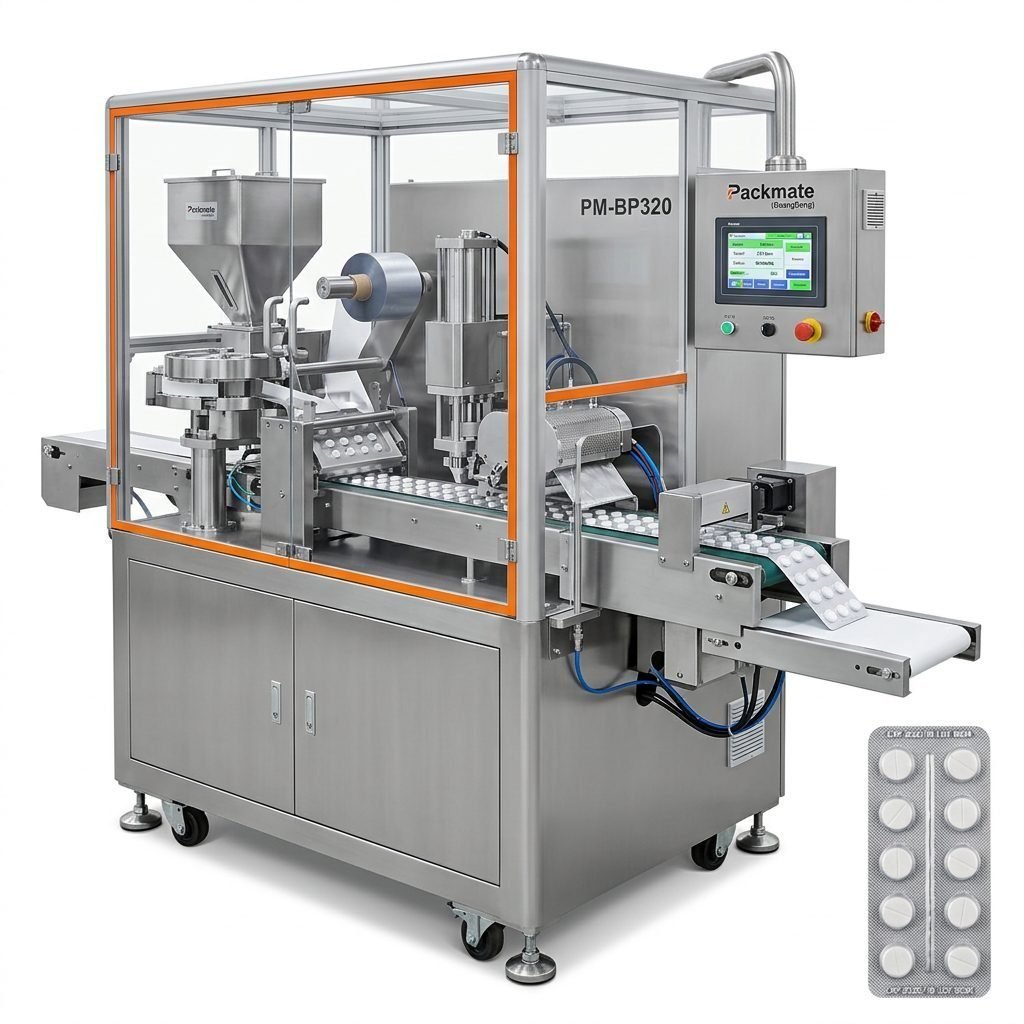
In the fast-paced world of food manufacturing, efficiency is not just a goal—it’s a necessity for survival and growth. Selecting the best food packaging machines is a critical decision that directly impacts production speed, product quality, operational costs, and ultimately, profitability. This guide delves into the key machinery that forms the backbone of efficient production lines, helping you make an informed investment that drives your business forward.
The Core of Modern Production: Automated Packaging Lines
Gone are the days of slow, manual packaging. Modern food production demands speed, hygiene, and precision, all of which are delivered by automated packaging systems. These integrated lines handle everything from product dispensing and weighing to forming, filling, and sealing packages with minimal human intervention. The result is a dramatic increase in output, consistent package quality, and significant labor savings. For businesses looking to scale, investing in a reliable filling and packaging line is the first step toward building a resilient and competitive operation.
Key Benefits of Automation:
• Higher Output & Speed: Machines operate continuously at high speeds, far surpassing manual capabilities.
• Unmatched Consistency: Every package receives the exact same amount of product, sealed identically.
• Enhanced Hygiene & Safety: Reduced human contact minimizes contamination risks, crucial for food safety standards.
• Material & Cost Efficiency: Precise control reduces product giveaway and packaging material waste.
Top Machine Types for Peak Efficiency
Efficient production is built on specialized equipment. Understanding the different machines available allows you to configure a line perfectly suited to your product format and volume.
1. Vertical Form-Fill-Seal (VFFS) Machines
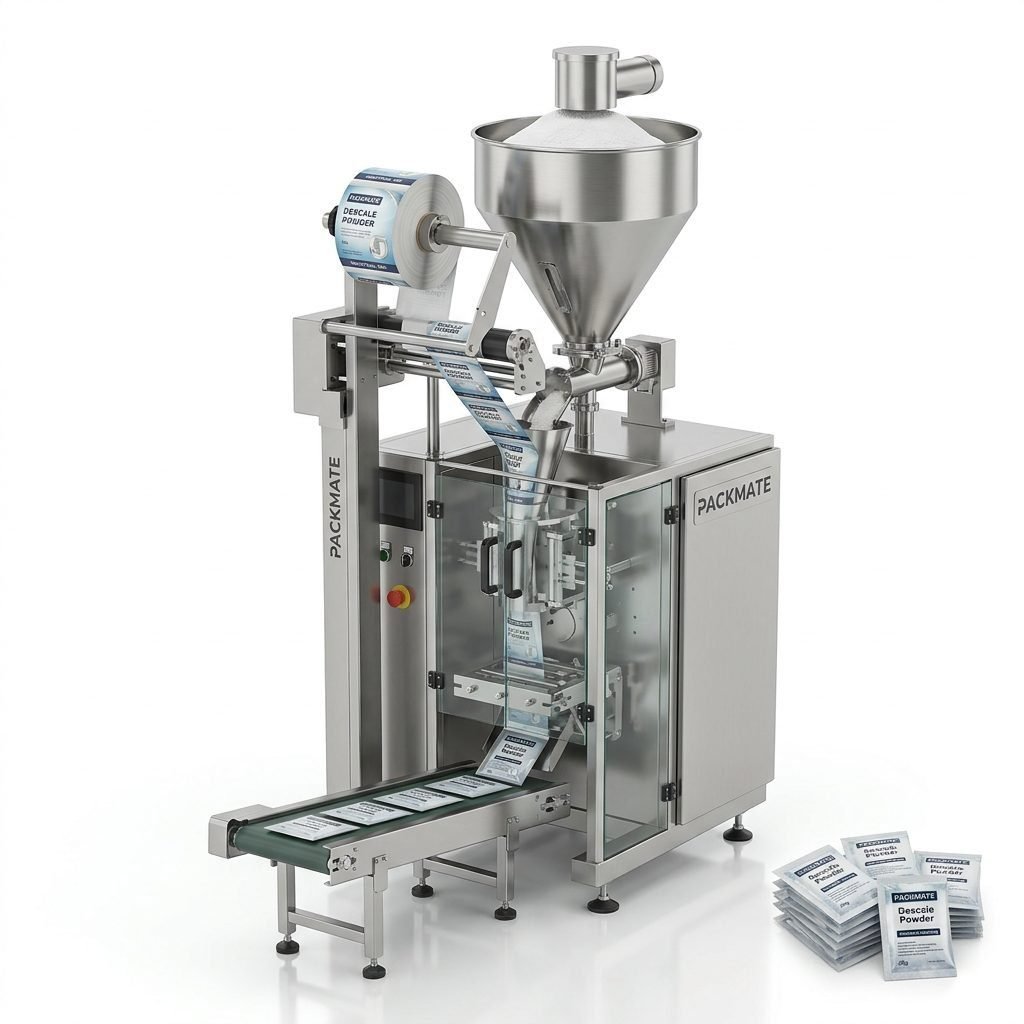
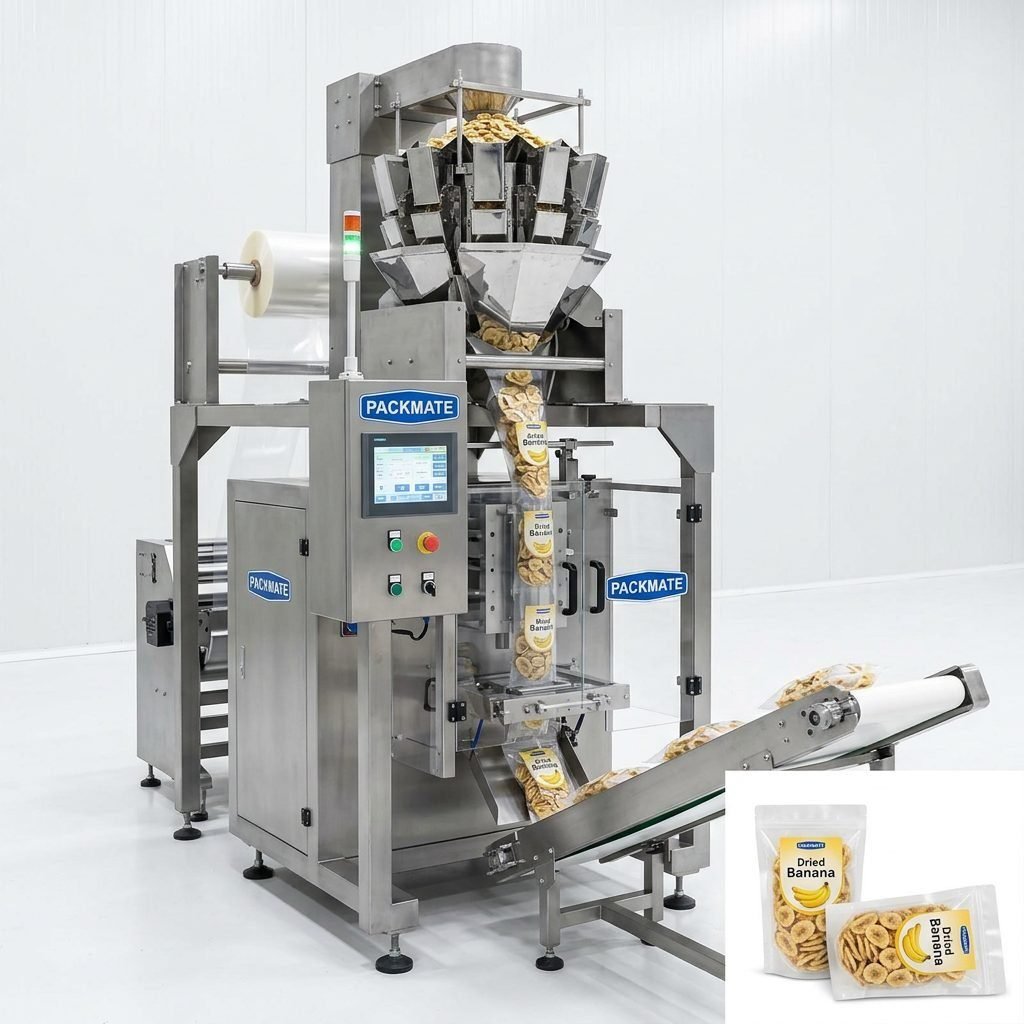
The workhorse of the packaging industry, VFFS machines are incredibly versatile. They form bags from a roll of flat packaging film, fill them with product—be it snacks, powders, grains, or frozen foods—and then seal them, all in one continuous vertical motion. Their compact footprint and ability to handle a wide range of bag sizes and styles make them ideal for high-volume production of items like chips, pasta, and coffee. When integrated with multi-head weighers or auger fillers, they become part of a powerful weighing and packaging system.
2. Stick Pack & Sachet Packaging Machines
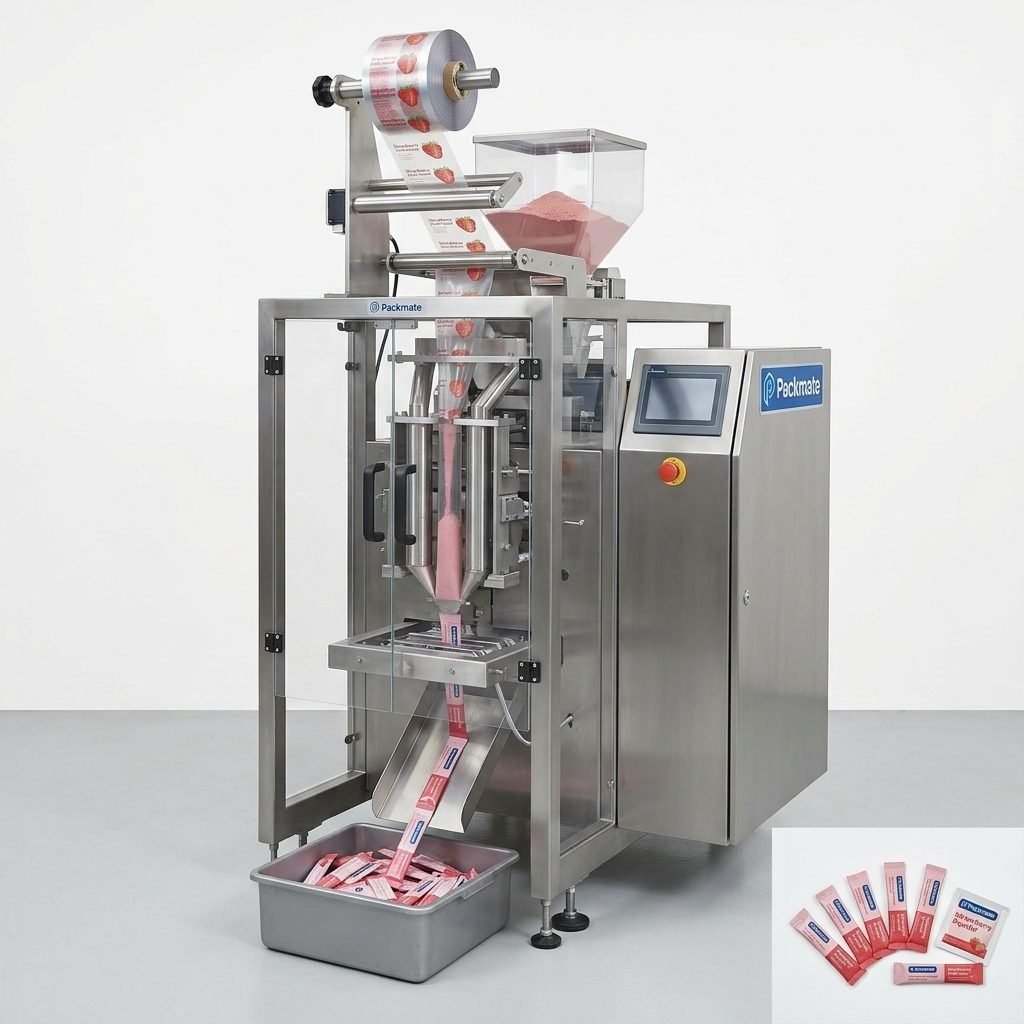
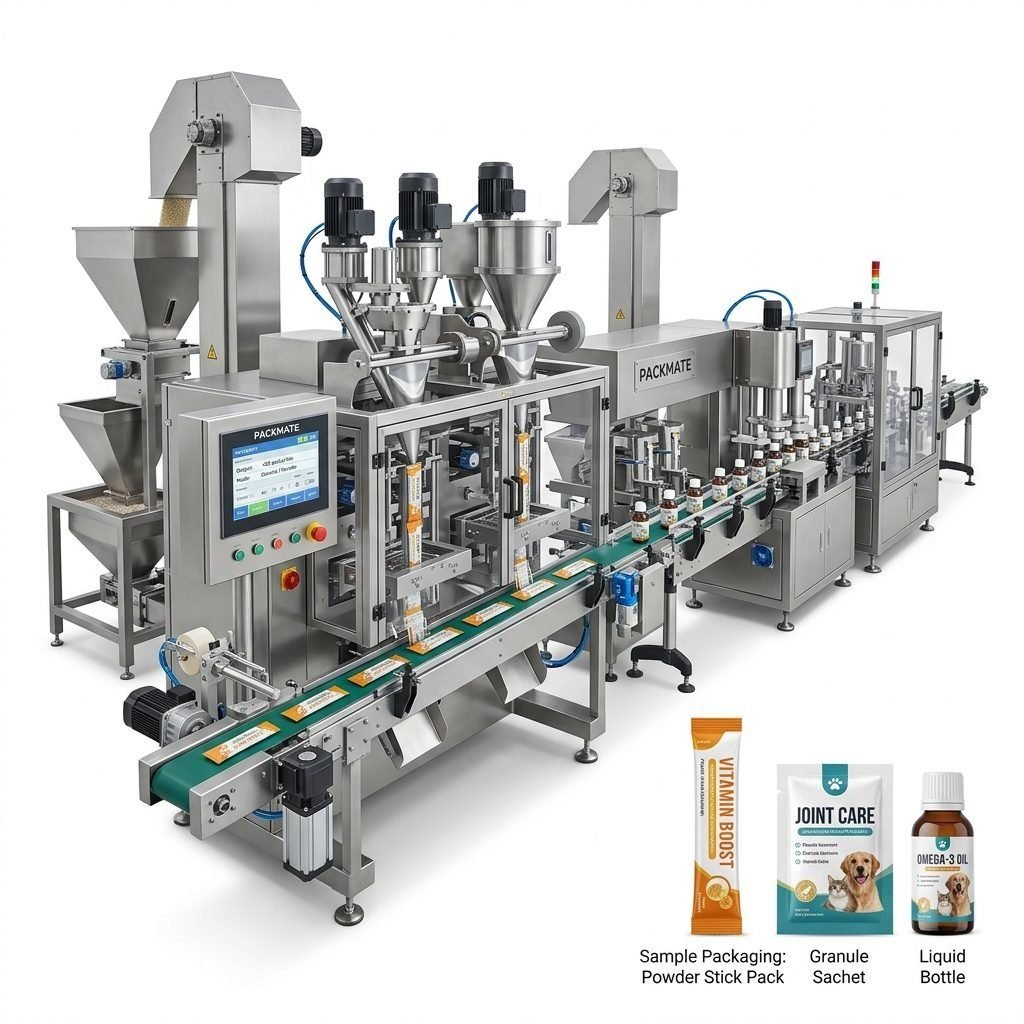
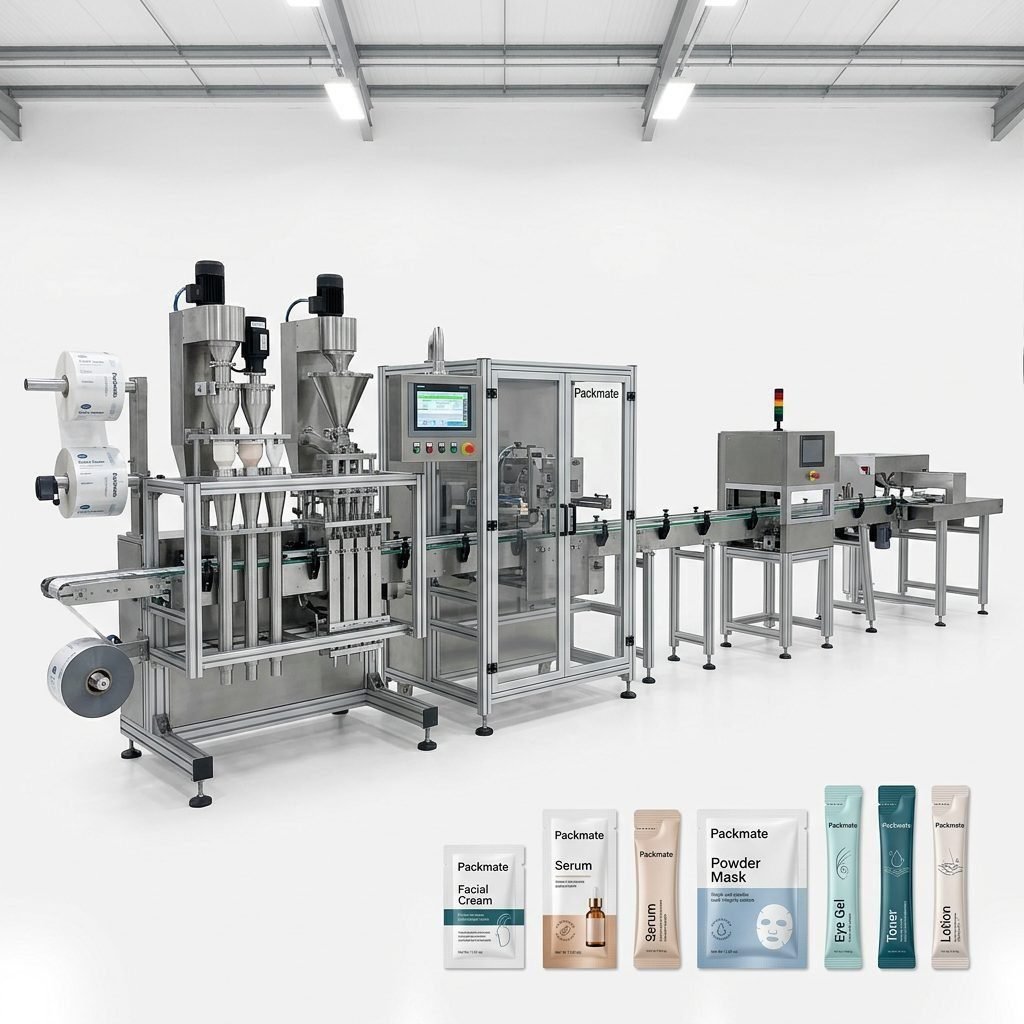
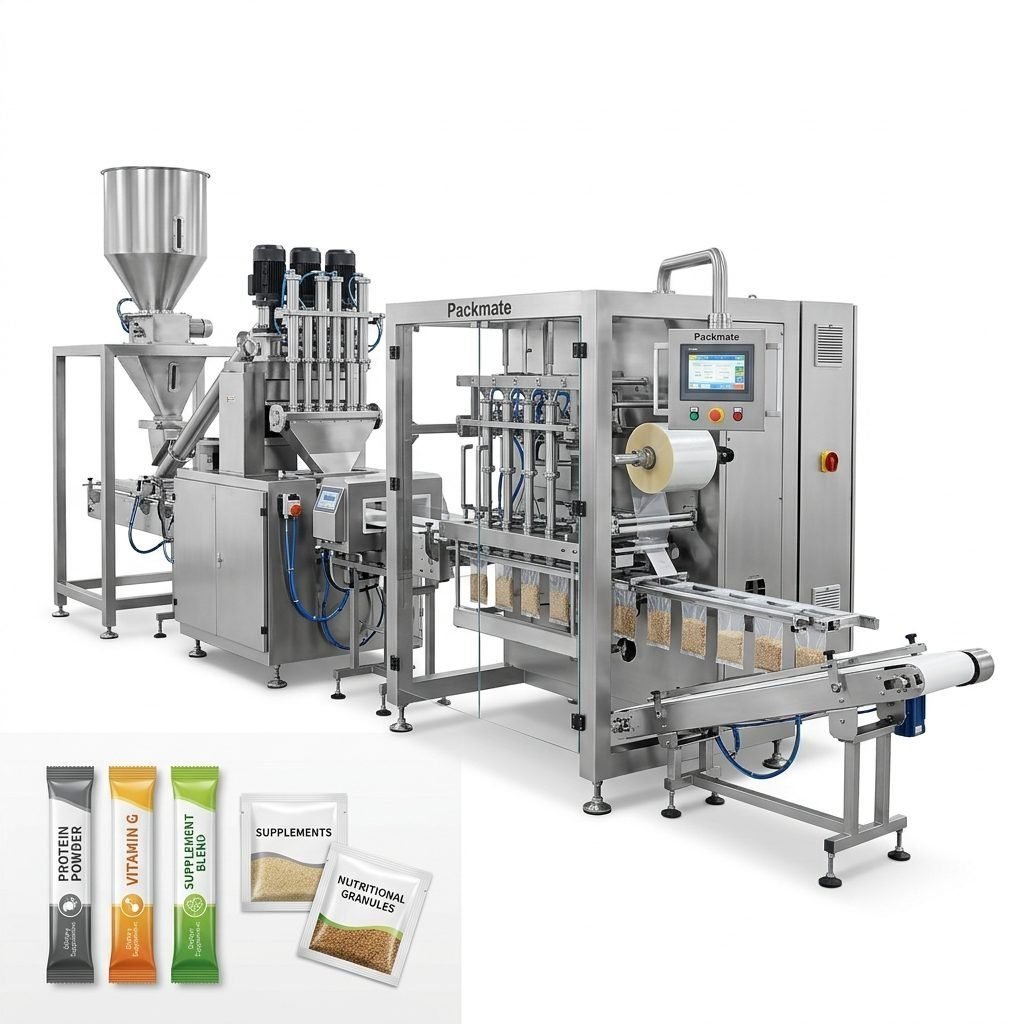
For single-serve portions, powders, liquids, and condiments, stick pack and sachet machines are unparalleled. They create small, sealed packets that are convenient for consumers and efficient for manufacturers. Modern multi-lane machines can produce dozens of packs per minute. This format is perfect for products like instant drink mixes, ketchup, sugar, and pharmaceutical powders. Exploring specialized sachet and stick pack machines can open new market opportunities with minimal packaging material use.
3. Pouch Packaging Machines
Stand-up pouches, spouted pouches, and flat pouches have revolutionized retail packaging. Pouch packaging machines handle these pre-made pouches, automating the opening, filling, and sealing processes. They offer excellent shelf appeal, better product protection with high-barrier films, and often use less material than rigid containers. They are excellent for liquids, sauces, pet food, and dried fruits. A robust bag and pouch packaging machine is essential for brands competing in modern retail spaces.
Choosing the Right Partner: Beyond the Machine
Efficient production relies on more than just hardware. It requires a partner with deep expertise and a commitment to your long-term success. A manufacturer with a strong track record, like Packmate Machinery, brings invaluable advantages. With over 30 years of experience, they understand the intricate challenges of food packaging. Their 20,000㎡ modern facility and development of over 50 machine models demonstrate a capacity for innovation and quality manufacturing. Perhaps most importantly, a true partner provides complete turnkey solutions—from initial consultation and machine design to installation, training, and ongoing service—ensuring your line achieves and maintains peak efficiency from day one.
Critical Features for Maximizing Uptime and Output
When evaluating machines, look beyond basic specs. Features that enhance reliability and ease of use are what sustain efficiency over years of operation.
User-Friendly HMI (Human-Machine Interface): An intuitive touchscreen control panel allows for quick changeovers, easy parameter adjustments, and clear diagnostics, minimizing downtime.
Robust Construction & Quality Components: Machines built with stainless steel food-grade materials and premium drives/PLCs last longer, withstand harsh washdowns, and experience fewer breakdowns.
Quick-Changeover Systems: Modular tooling and recipe storage on the HMI allow your line to switch between different products or package sizes in minutes, not hours, enabling flexible production.
Integrated Safety & Monitoring: Comprehensive safety guards, sensors, and real-time production data monitoring protect both your staff and your productivity.
Integration: The True Path to Streamlined Efficiency
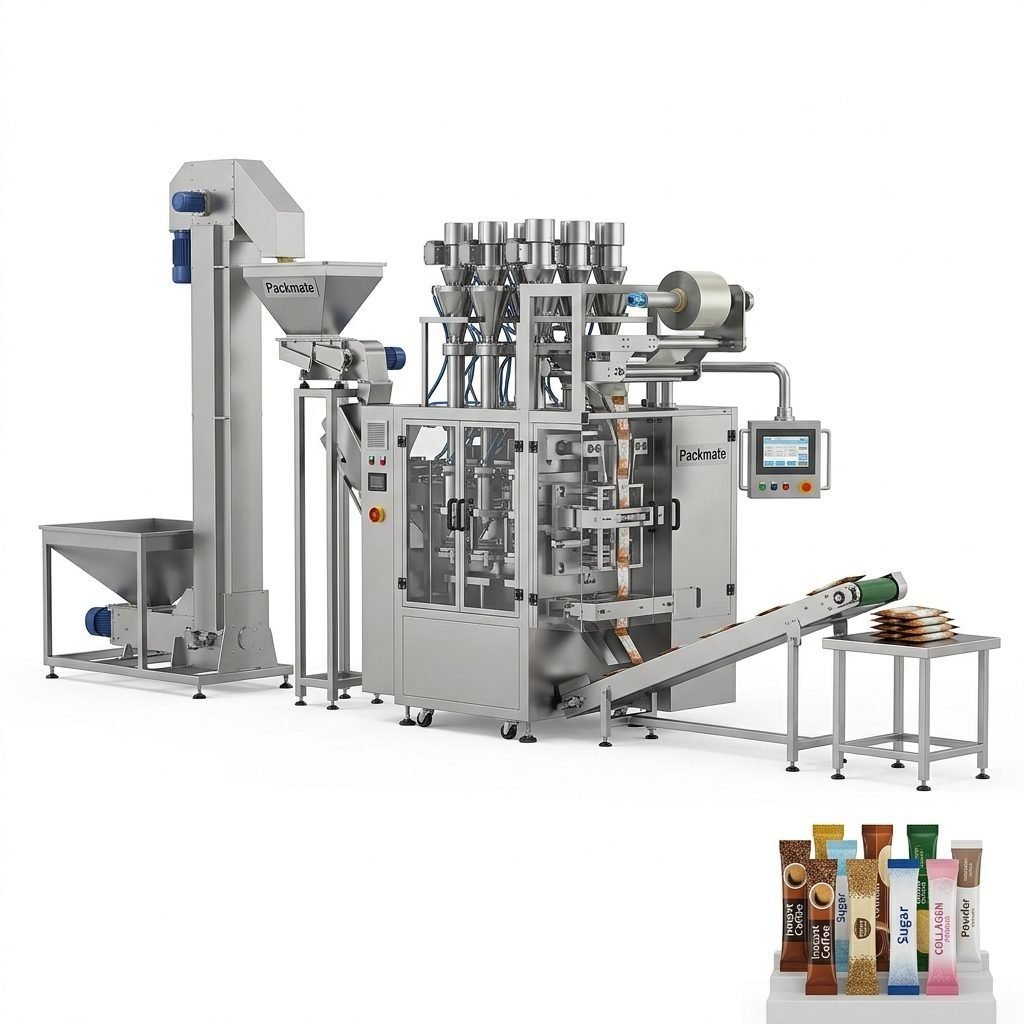
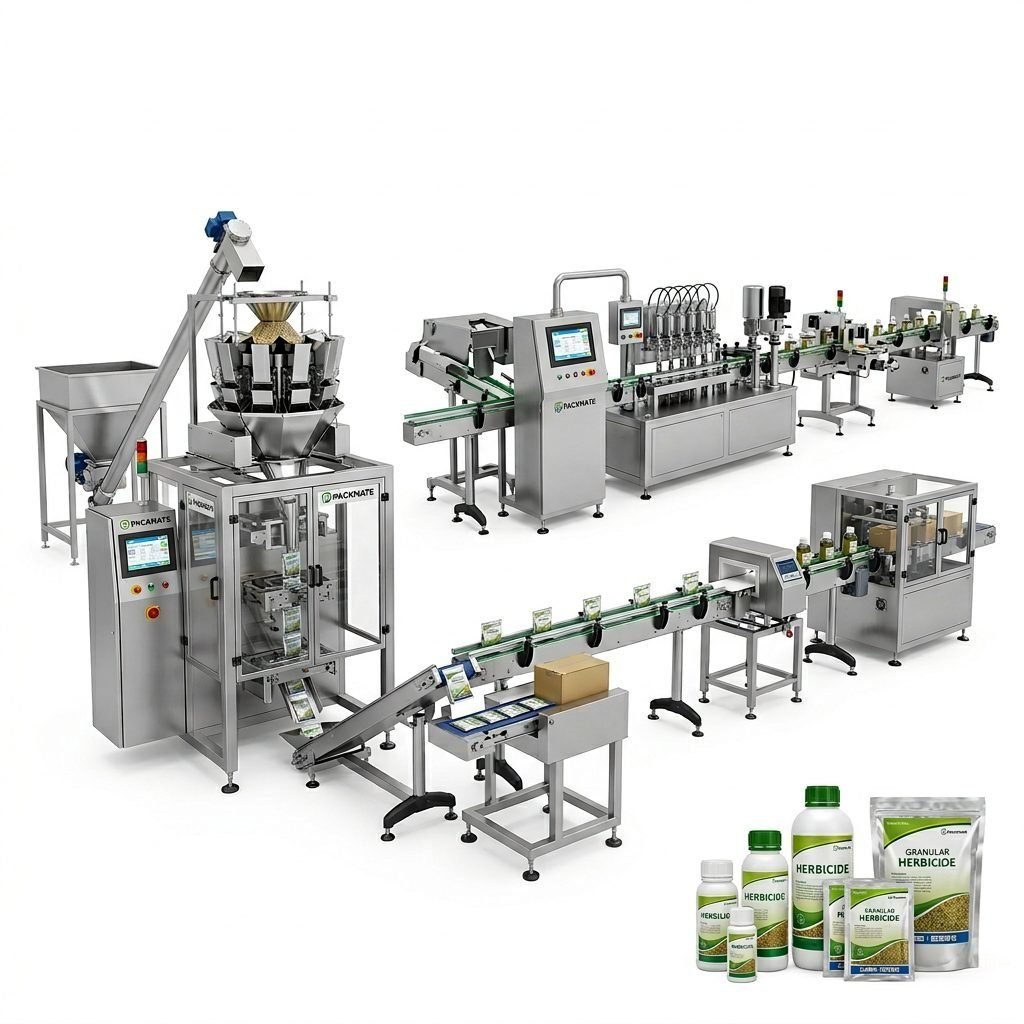
The greatest gains in efficiency come not from a single machine, but from a perfectly synchronized line. This involves seamlessly integrating primary packaging machines (like VFFS or pouch machines) with upstream and downstream equipment.
- Upstream: Product feeders, volumetric or auger fillers, and especially multi-head weighers ensure accurate, high-speed filling.
- Downstream: Checkweighers, metal detectors, labelers, cartoners, and case packers automate the final steps of the process.
Choosing a supplier capable of providing or integrating these auxiliary packaging equipment components ensures compatibility, simplifies communication, and creates a single point of responsibility for the entire line’s performance.
Future-Proofing Your Investment
Technology evolves rapidly. The best food packaging machines are designed with adaptability in mind. Consider machines that offer:
Modularity: The ability to add functions (like gas flushing for modified atmosphere packaging) or upgrade components later.
Connectivity (Industry 4.0): Capabilities for data export, OEE (Overall Equipment Effectiveness) tracking, and potential integration into factory-wide monitoring systems for predictive maintenance and production analytics.
Investing with a forward-looking manufacturer means your equipment will remain a valuable asset, capable of adapting to new products, markets, and technologies for years to come.
Frequently Asked Questions (FAQs)
Q1: What is the most important factor when choosing a food packaging machine for efficiency?
The single most important factor is reliability and uptime. A slightly faster machine that frequently breaks down will always be less efficient than a robust, dependable machine with excellent service support. High speed means nothing without consistent operation.
Q2: How do I calculate the ROI (Return on Investment) for an automated packaging line?
Calculate ROI by comparing the total investment cost against savings and gains: reduced labor costs, increased production output (more saleable product), lower material waste (from precise filling), decreased product giveaway, and improved quality (fewer rejects). Most automated lines pay for themselves within 1-3 years.
Q3: Can one machine handle multiple different products and package sizes?
Yes, many modern machines are designed for quick changeover. Look for models with tool-free or minimal-tool change parts, digital recipe storage, and adjustable mechanics. This flexibility is key for manufacturers with diverse product lines.
Q4: What kind of maintenance do these machines require?
Regular preventive maintenance is crucial. This typically includes daily cleaning and lubrication, weekly checks of seals and sensors, and periodic inspections of critical mechanical parts as recommended by the manufacturer. A good supplier will provide a detailed maintenance schedule and training.
Q5: How do I ensure the machine meets food safety and hygiene standards?
Choose machines constructed with food-grade stainless steel (e.g., 304 or 316) on all product contact surfaces. They should have a smooth, easy-to-clean design with no crevices where product or bacteria can accumulate. IP-rated electrical components for washdown environments are also essential for compliance with standards like HACCP, FDA, and CE.